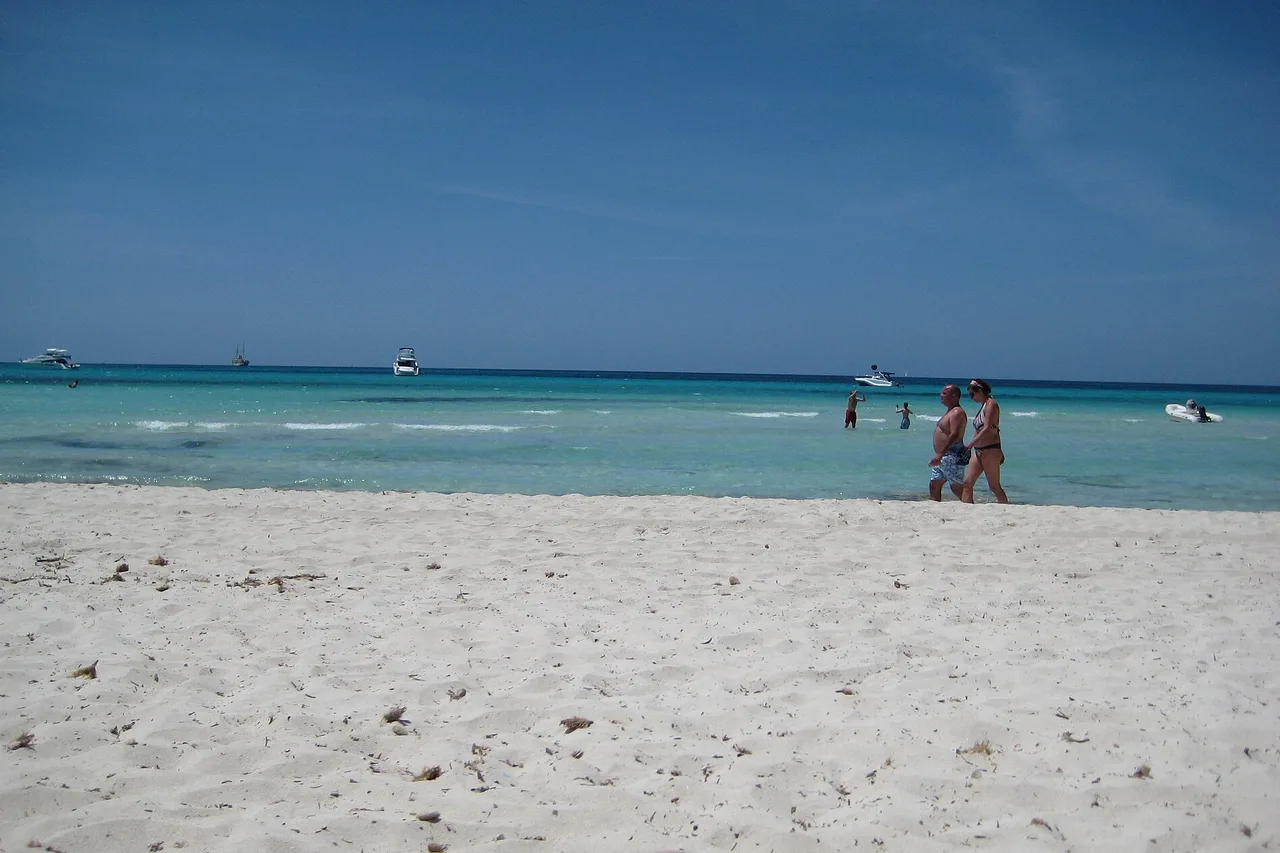
“Budget around €1,200” — that is the figure you will find everywhere, and it is of no use to you. It lumps together two items nobody can predict, flights and accommodation, with four that can be worked out to the cent before you leave. We did that arithmetic. The answer: €330.98 for two adults and seven nights, before the first plane ticket and the first hotel night. Here is the breakdown, item by item, plus the three traps of summer 2026.
💶 Transparency: this article contains partner links. If you book through one of them we earn a commission, at no extra cost to you. It changes nothing in our recommendations, and wherever a free or official option exists we name it before the link.
What can be calculated, and what cannot
A holiday budget has six components. Two of them are unpredictable by nature: the flight and the accommodation. Their price depends on when you book, the day of the week, whatever event happens to fall on that weekend and a dozen other variables no article can anticipate. Any figure quoted for them is a misleading average: one week apart, the same flat in Alcúdia can double.
The other four, by contrast, can be calculated exactly, and that is what we do here: the tourist tax, which is a published rate; meals, whose average price the trade surveys every year; fuel, whose national average is published daily; and the ferry crossings between islands.
The result fits in one line, and it is the only honest number in this article: for two adults, seven nights, mid-range, with a restaurant lunch each day and around 500 kilometres of driving, those four items come to €330.98. That is the baseline: what the week costs before you have booked anything at all.
One remark that holds for the rest of this page: that baseline is identical on all four islands. The tax, the price of fuel and the price of a set lunch do not change between Mallorca, Menorca, Ibiza and Formentera. What changes from one island to the next is accommodation — that is, precisely the item we cannot price.
The tourist tax: the one item you set yourself
This is the line comparison sites do not show and that you discover at the front desk. The Balearic sustainable tourism tax is charged per person per night, and the amount depends neither on the island nor on the town: it depends on the category of the property and on the season. In other words, you set it yourself when you book.
In high season, 1 May to 31 October, expect per person per night, including 10% VAT: about €1.10 in budget accommodation or campsites, €3.30 in three or four-star hotels, €4.40 in five-star. In low season, 1 November to 30 April, those amounts are divided by four: a five-star is taxed at only €1.10.
For two adults and seven nights, that gives €15.40 at the budget end, €46.20 mid-range, €61.60 in five-star. It is not the line that breaks a holiday — but it is the only one you can know to the cent before leaving, which makes it a good place to start.
Two reductions are worth knowing, because nobody announces them. Under-16s are entirely exempt: a family of two adults and two children pays for two people. And from the ninth day onwards in the same establishment the rate is halved — which rewards long stays in a single base, and penalises moving hotel mid-trip.
A high-season surcharge was introduced in 2026, but the available sources contradict each other on the amount. We would rather not quote a figure we cannot stand behind: the Balearic government's official calculator is free, public, and gives the exact amount for your property and your dates. That is what to consult, and nothing else.
Eating: the Balearics serve Spain's most expensive set lunch
Here is the fact that “Balearics on a budget” pages never mention, and it is the item that really opens the gap with the mainland. According to the annual survey by Hostelería de España with Edenred, the menú del día costs €14.20 on average nationally in 2026 — and €16.00 in the Balearics. That is the highest rate in the country, ahead of the Basque Country and Catalonia. At the other end, the Canaries manage €13.
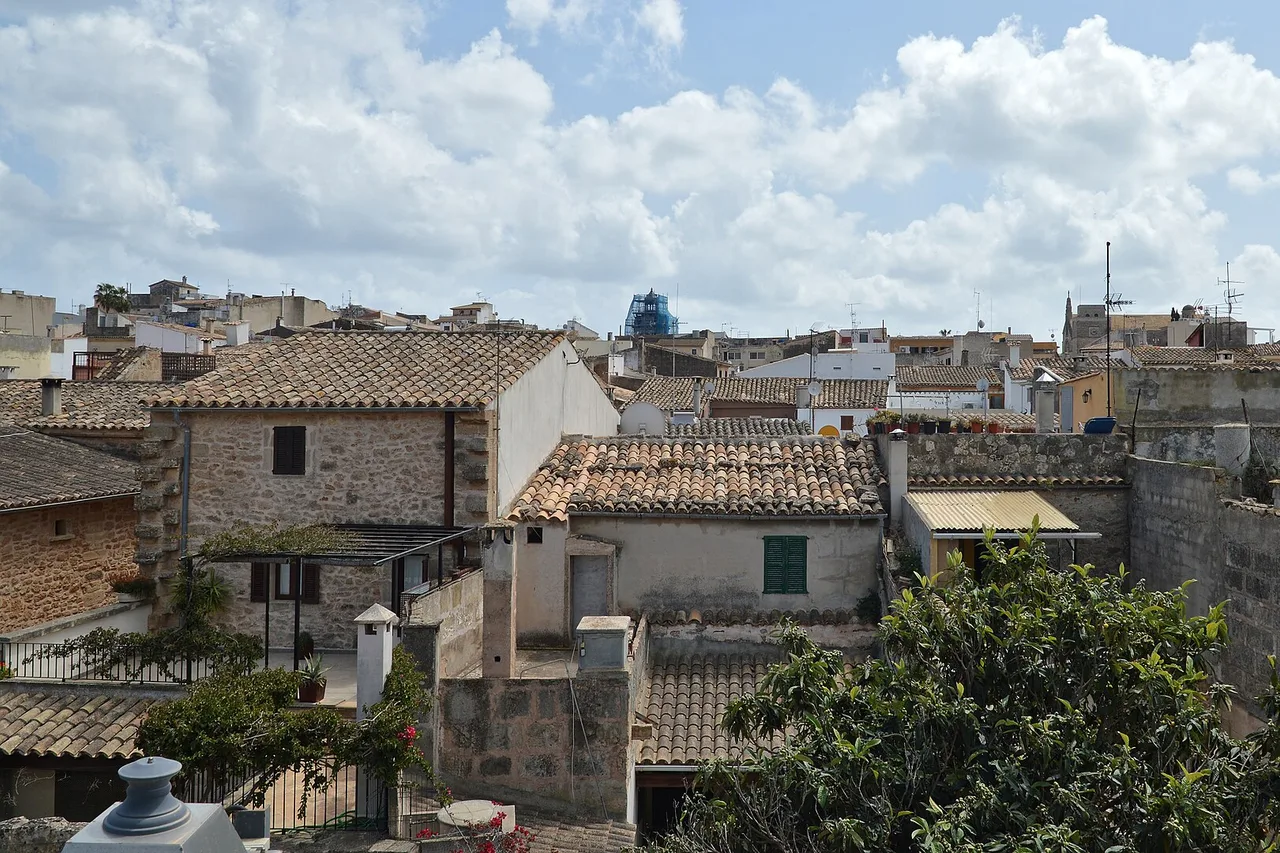
The gap looks modest — €1.80 per meal — which is exactly why it goes unnoticed. Across a stay it stops being modest: for two adults having one lunch a day for seven days, the bill rises from €198.80 to €224.00, or €25.20 more for exactly the same meals elsewhere in Spain.
Three ways to take back control without going without. First: set lunch out, dinner at your accommodation. That is the Spanish habit, the midday menu is generous, and it costs half what an à la carte dinner does. Second: move away from the seafront. In inland villages — Alcúdia within the walls, Sineu, Ferreries on Menorca — the same dishes are priced for locals. Third: the covered markets, which every medium-sized town has, where you assemble a meal for the price of a starter on a terrace.
One honest caveat: that €16.00 figure is a regional average across all establishments. On a tourist square in Ibiza in August it will be comfortably exceeded; in a village bar in May, comfortably beaten. It compares one region with another; it does not predict your bill.
Driving: the tank is moderate, the rental is not
Start with the good news, because it is rarely said: fuel is no more expensive in the Balearics than elsewhere in Spain. In mid-September 2026 the national average for unleaded 95 sits around €1.87 a litre, with a few cents' variation between provinces and stations.
In holiday terms: a week of reasonable day trips is about 500 kilometres. At 6.50 litres per hundred, that is 32.50 litres, or €60.78. On a week's budget that is a minor line — which is why you should not choose your accommodation around it.
Let us do the sum anyway, because it illuminates a choice: a day trip to eastern Mallorca is 140 kilometres there and back from Palma, against 66 from a northern base. The difference, 74 kilometres, costs €8.99 in fuel — €26.98 over three days. In other words: the real cost of a badly placed base is not petrol, it is time. Three extra hours behind the wheel in a week — that is what you actually pay.
The heavy item is the rental. And here we will say something you will not read elsewhere: we found no serious source giving a reliable average price for 2026. The figures in circulation run from five euros a day in February to four or five times that in August, and an annual average would mean nothing. The only sound method is to compare for your exact dates, several months ahead if you travel in July or August. Comparing local hire firms on Mallorca, Menorca and Ibiza gives a good view of the island market, often cheaper than the big airport names. Check three things before confirming: the fuel policy, the excess, and whether the desk is in the terminal or a ten-minute shuttle away.
If you stay in Palma and skip the car, arrival is simple: the EMT's A1 line links the airport to Plaça d'Espanya for about €5, every fifteen minutes or so. It is the cheapest option and it does the job. On a very late flight, or with children and luggage, booking a private transfer from Palma airport costs more but the driver tracks the flight and waits if it is delayed. Beware one widespread confusion, though: the 2026 free travel does not apply to visitors. It applies to intermodal card holders, that is, registered residents. A tourist pays the ordinary fare, €3 to €13.50 depending on distance on the TIB intercity network.
Island-hopping: what the ferry really adds
The most expensive mistake on a Balearic holiday is not a bad hotel: it is trying to do two islands in one week. Let us price that urge properly.
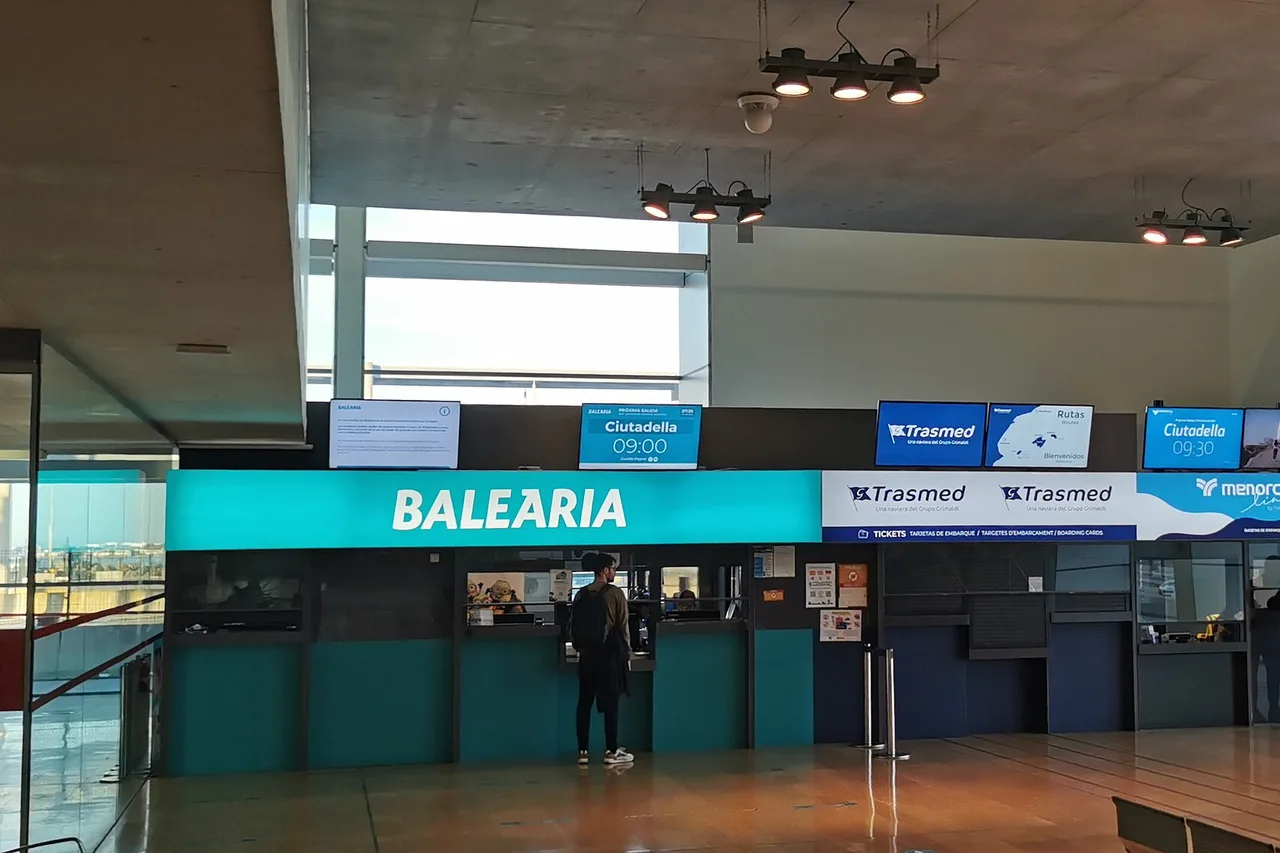
The shortest crossing, Alcúdia to Ciutadella, takes about an hour and a quarter, sometimes an hour and a half depending on the vessel. As a foot passenger you will find tickets from around €9; in practice, on summer dates and depending on the type of seat, expect €25 to €40 per person each way. Three operators serve the route. These are ballpark figures taken from comparison sites, not official fares: only the operators' own sites are authoritative for your dates.
For two people the return trip therefore sits in a wide range, and that is the first problem. The second is more serious: taking a car changes the order of magnitude, so much so that it is often cheaper to return the car on Mallorca and hire another on Menorca — provided you compare the two scenarios, which nobody does.
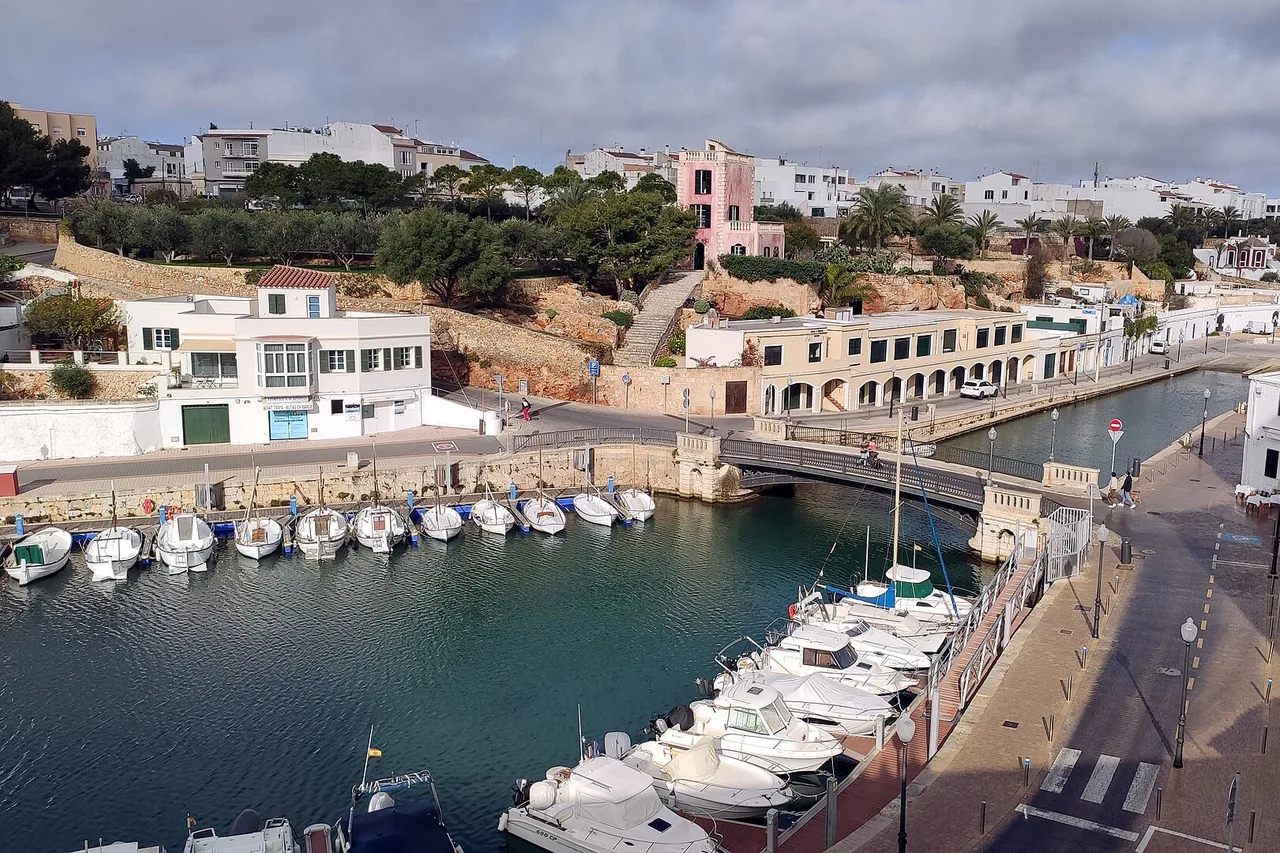
The third cost is not financial. A crossing is half a day door to door: the drive to the port, check-in, the crossing, getting out of the port, the drive to your accommodation. Over seven nights, two crossings take a full day and force you into two different lodgings — so you lose the 50% tax reduction, which requires staying in the same establishment.
Our advice, with the numbers in hand: one island per week. Two islands make sense from ten nights, or if you have been before. Formentera is the exception, since you go there for the day from Ibiza — but that is an excursion, not a change of base.
What summer 2026 adds to the bill
Three regulatory changes weigh on a 2026 budget, and two of them cost nothing if you plan around them.
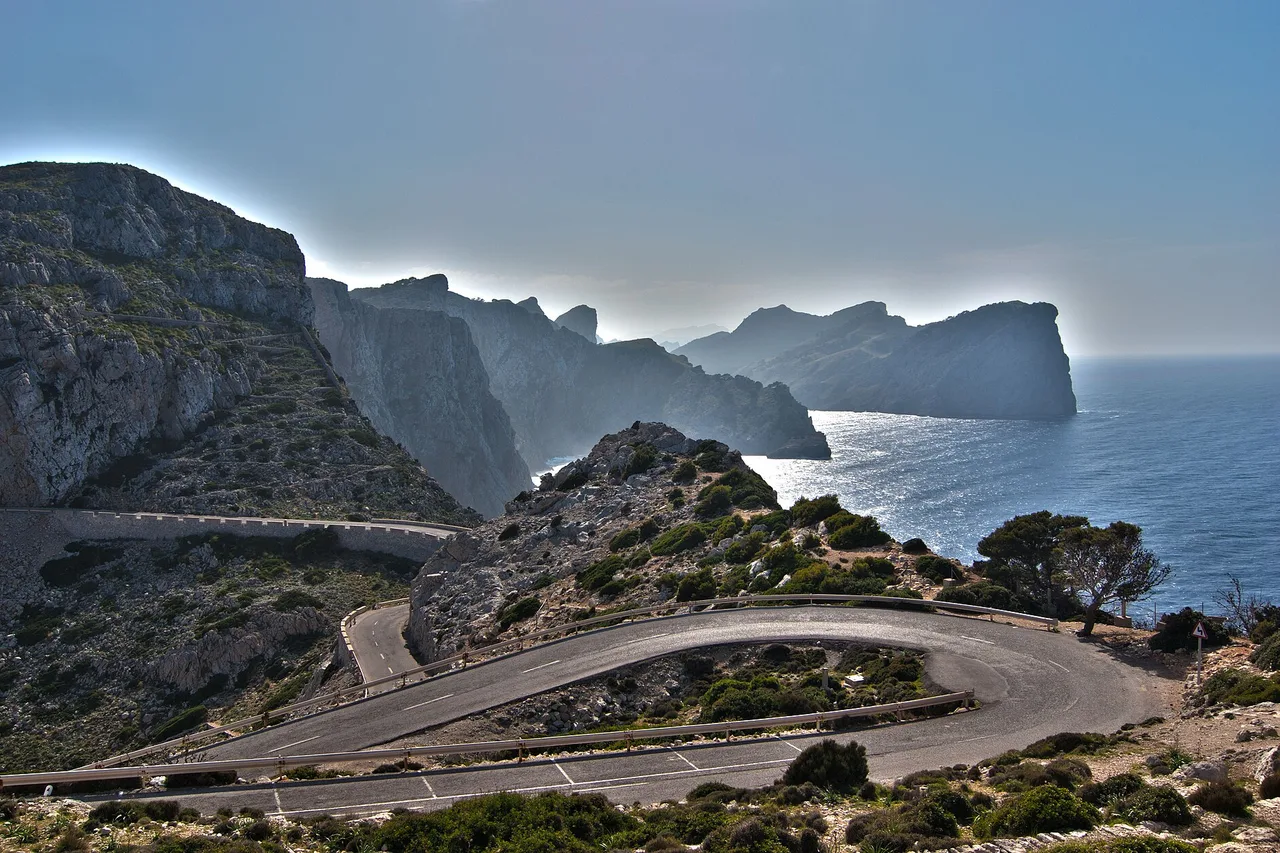
Mallorca, Cap de Formentor. The road to the headland is closed to private vehicles from 15 May to 18 October 2026, between 10am and 10pm. That is not an expense, it is a scheduling constraint: either you set off before ten from a nearby base — Port de Pollença or Alcúdia — or you take TIB bus 334. A taxi turns a free outing into an expensive one.
Ibiza, the vehicle cap. The ceiling voted for 2026 is 17,668 vehicles a day. If you bring your own car between 1 June and 30 September you need a permit from the island's official platform and you pay one euro per day of stay. If you hire on the island, there is nothing to apply for and nothing to pay: the quota is handled by the rental firm. For a week the difference is seven euros and one formality — but the fine for entering without a permit runs into thousands.
Menorca. You will read that the island has limited outside vehicles since this summer. That is inaccurate: the legal framework was approved in September 2026, but the limit is not in force. Do not budget a permit or a charge for Menorca this year.
One last point, which owes less to local rules than to European law: if your flight to the Balearics is delayed by more than three hours, cancelled or overbooked, you may be entitled to fixed compensation, independent of the ticket price. Claiming directly with the airline is free; if it refuses or does not reply, having your compensation claim assessed lets you hand it to a third party that is paid out of the result. Always start with the airline: when it pays, you keep the lot.
What costs nothing, and what costs a lot
The best of the Balearics is free, and that is the main reason a tight budget still works here. Every beach is public — Spanish law does not recognise the private beach. The coves of southern Menorca, the coastal paths, the inland villages, the weekly markets: none of it is charged for.
What is charged for are the services laid on top. A sunbed and parasol on a serviced beach cost, for two, the equivalent of one set lunch — per day. Parking at the best-known coves is paid in high season. And above all, the boat trip is by far the heaviest expense of an island holiday.
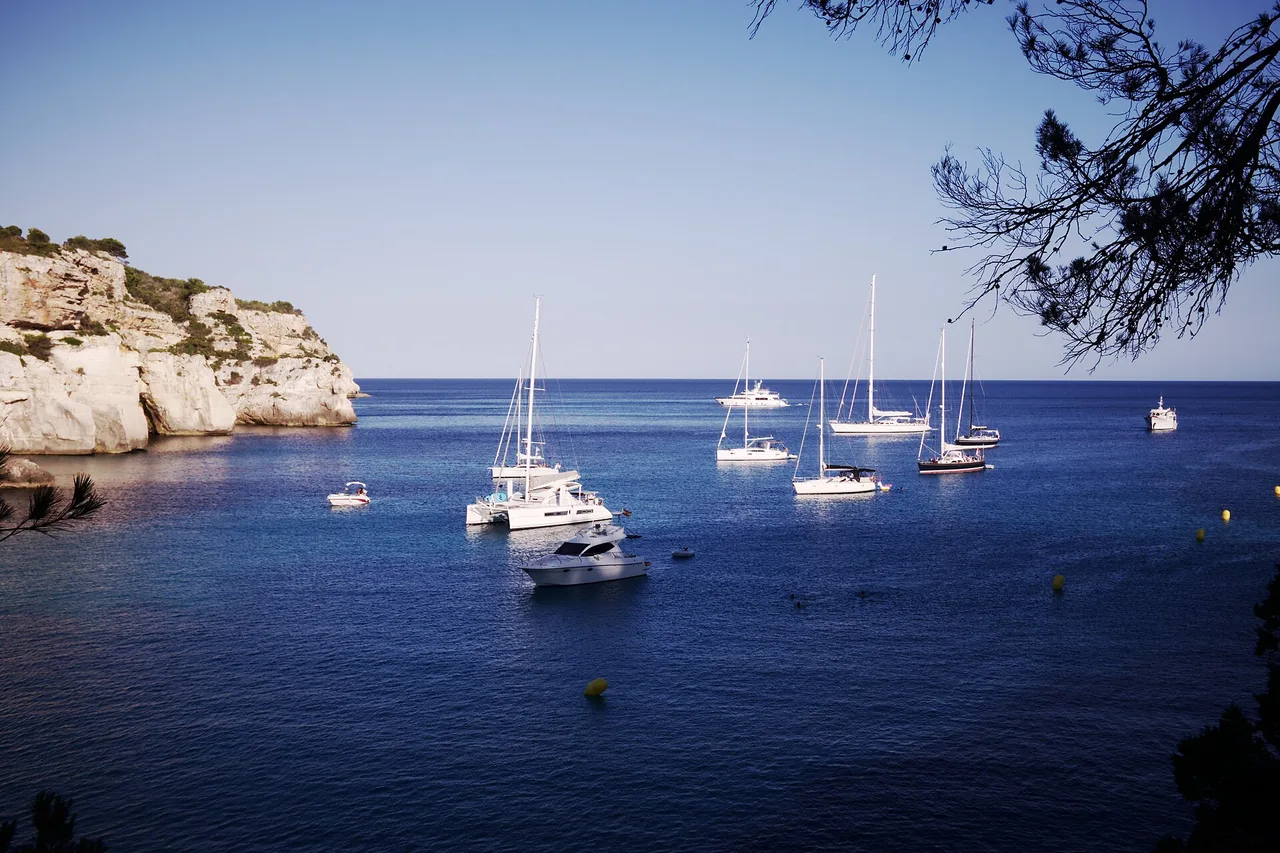
Should you give it up? No — but know what you are buying. A day on a shared boat costs, for two, several times the daily baseline calculated above. It is the holiday's “memory” expense, and it deserves to be chosen as such: once, on the right day, rather than twice at the mercy of the weather.
Three savings that cost no comfort, to finish. Travel in May, June or October: the tourist tax is quartered out of season, accommodation collapses, and the sea is still swimmable in October. Stay in a village rather than on the seafront: ten minutes from the beach, the same services are priced for locals. Stay in the same place all week: that is the condition for the half-price tax beyond the eighth day, and it removes half a day of transfers.
The summary, and the two empty boxes
To recap, for two adults and seven nights, what is calculable:
Tourist tax, mid-range, high season: €46.20. Lunches, one set menu per person per day: €224.00. Fuel, 500 kilometres: €60.78. Total: €330.98, or about €24 per person per day to eat, drive and pay the tax.
To that baseline you add, depending on your choices: the crossings if you change island, the transfer or the car hire, dinners eaten out, and any boat trips.
That leaves the two boxes we deliberately leave empty: the flight and the accommodation. Together they make up most of the budget — and that is precisely why we refuse to put a figure in them. An average airfare tells you nothing about your date; an average hotel price tells you nothing about your neighbourhood. The one thing we can assert, because it is verifiable: both collapse out of season, by amounts that dwarf the few dozen euros we have just discussed.
If you take one decision away from this article, take that one. You will not cut the cost of a Balearic week by choosing a cheaper restaurant: you will cut it by choosing the second half of May over the first half of August. Everything else is fine-tuning.