A rental car is still the easiest way to explore Costa Rica – but the price you see online is rarely the price you pay. Here is when a 4x4 makes sense, which insurance is mandatory, what your credit card really covers, and the mistakes that cancel all your protection.
Do you really need a 4x4?
The honest answer: it depends on where you sleep. Between the airport, the coast and the main towns, the main roads are paved. A regular car is enough there.
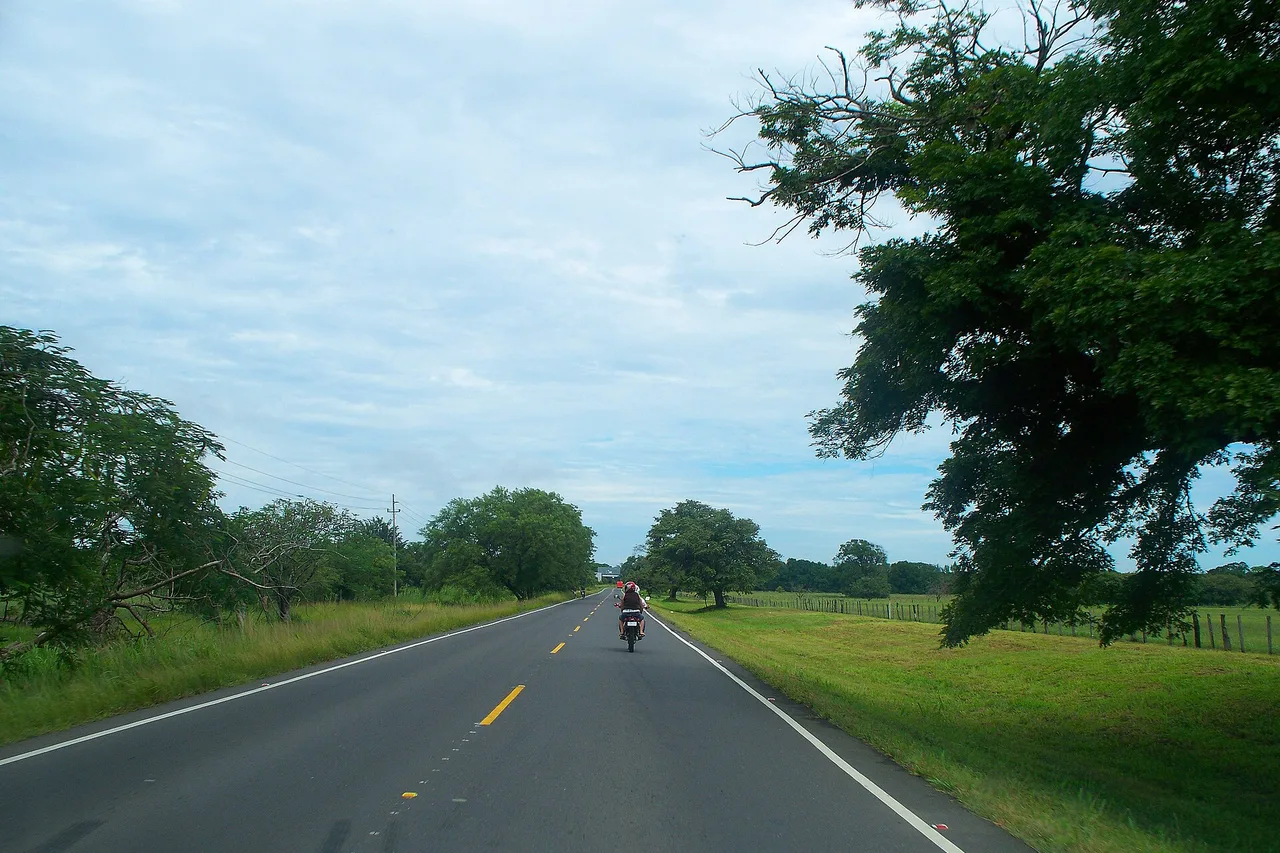
But Costa Rica has two faces. Many lodges and rentals sit at the end of dirt roads. The road to Monteverde is partly unpaved. And in the rainy season, roughly May to November, dirt tracks quickly turn to mud.
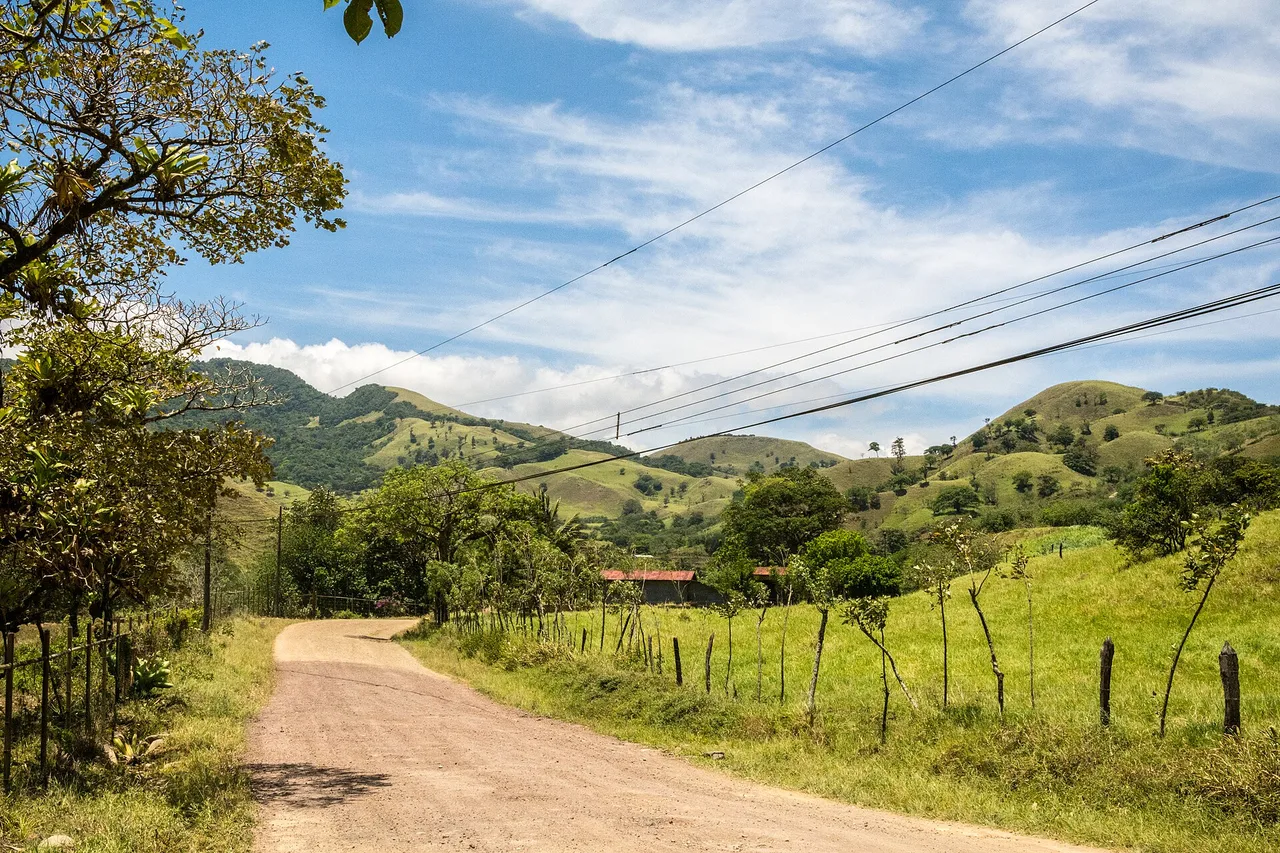
Our simple rule: stay on the main routes and a regular car will do. Stay off the beaten track, travel in the rainy season or head for Monteverde and the Nicoya Peninsula, and you want a 4x4 – or at least a car with more ground clearance. For a full route by car, see our 2-week Costa Rica itinerary.
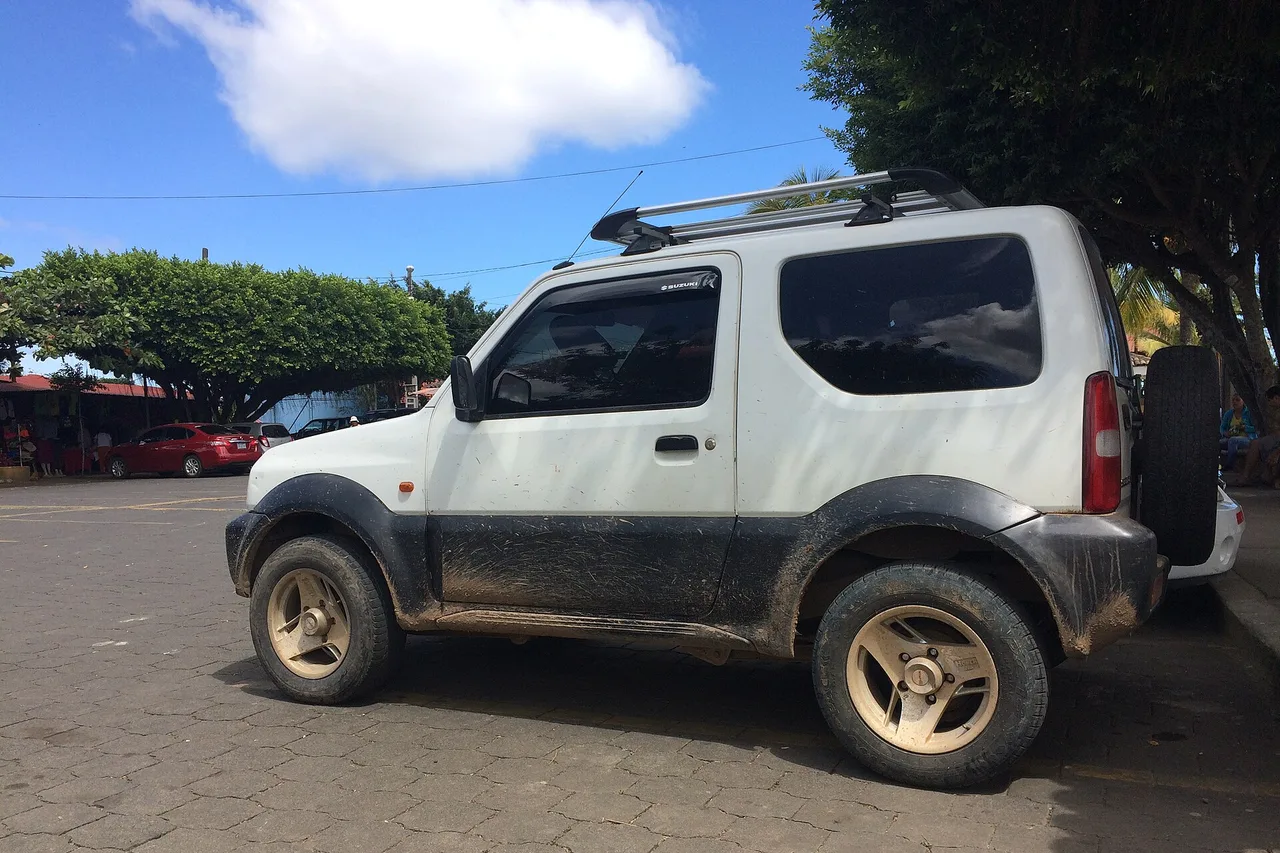
Small 4x4 or big SUV? For two people with two suitcases, a small 4x4 like the one in the photo at the top is enough on most dirt roads: what matters is ground clearance, not size. A family with lots of luggage will be more comfortable in a larger SUV. Before you choose, check on the map where your accommodation is: it is the last dirt road of the journey that decides, not the highway. And think about the season: between May and November, the same roads are often muddy.
The mandatory insurance no card can replace
This is where most travellers get caught out. In Costa Rica, third-party liability insurance is mandatory on every rental. Depending on the company it is called TPL, SLI or PLI – it is the same thing.
- You buy it from the rental company. Your credit card does not replace it, and neither does your own insurance.
- It is often missing from the online price. A very low daily rate online usually means the mandatory insurance is added at the counter.
⚠️ So never compare daily rates – compare only the final price including all mandatory insurance. Only then are two offers comparable.
Credit card, CDW and the deposit
Besides mandatory liability, there is cover for damage to the rental car itself, usually called CDW or LDW. Here your credit card can help – but only on conditions:
- Most companies ask for a letter from your bank or card insurer confirming coverage in Costa Rica. Get it before you leave.
- Some companies do not accept card coverage at all. Read the terms before you book.
- Declining the company’s CDW means a much higher deposit.
The deposit is held on a credit card in the driver’s name. Amounts vary widely by company, car and insurance package – from a few hundred to several thousand US dollars. Check your card limit: the hold blocks it for the whole trip. Virtual cards are not accepted, and debit cards and cash usually are not either.
What no insurance covers
Three mistakes cancel all protection – however much cover you bought:
1. Driving through a river. Fording a river ends all coverage: the company’s insurance, the excess waiver, your credit card. Even in a 4x4. If there is no bridge, ask locals for another way – there often is one.
Good to knowThat’s often where the nasty surprises hide. The comparison of local rental companies shows the deposit, insurance and excess for each car before you book — so you choose with your eyes open.
Rent a car in Costa RicaCompare rental companies on Discover Cars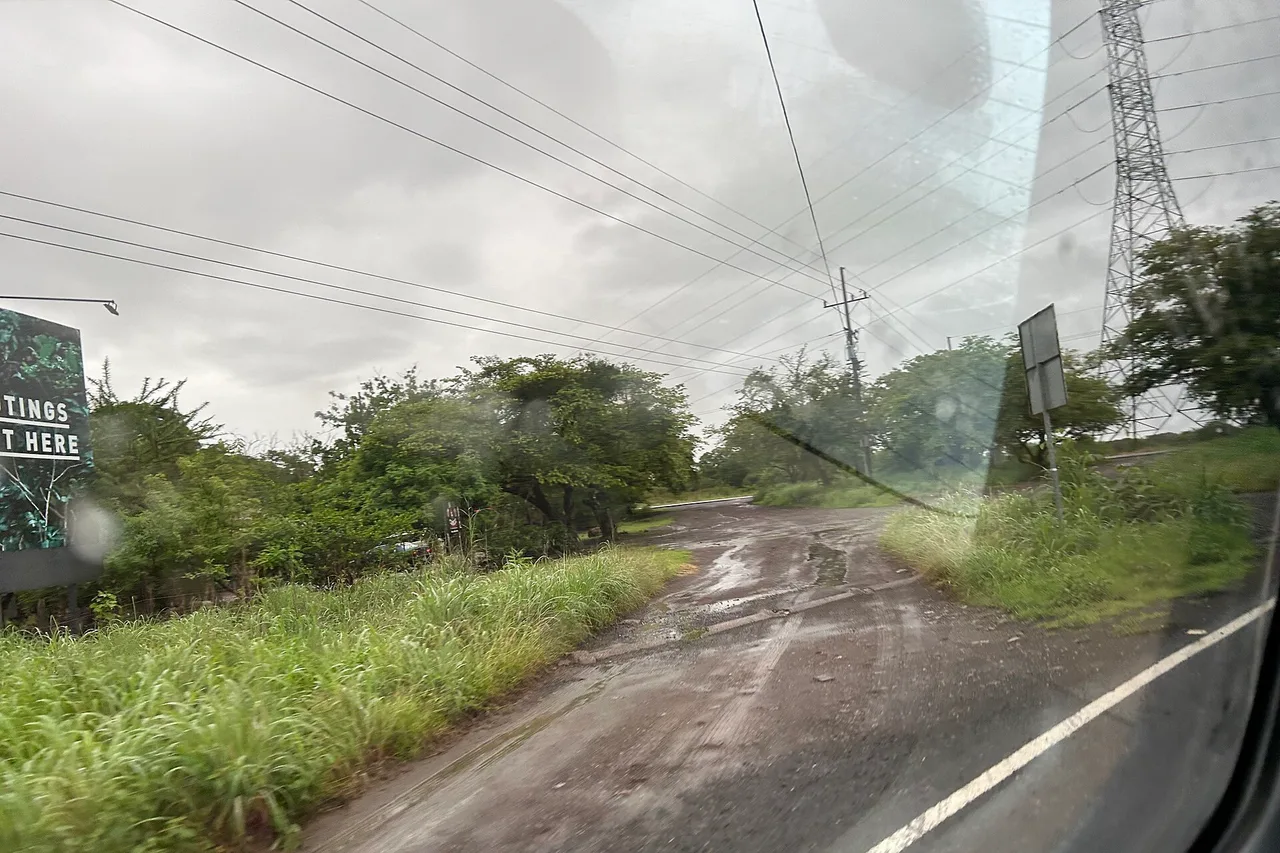
2. Going off-road. Most contracts forbid driving off proper roads. “4x4” does not mean “off-roading allowed”.
3. Crossing the border. A rental car cannot go to Nicaragua or Panama.
Licence and documents
Your national driving licence is valid for the length of stay you are granted. The entry stamp in your passport is what counts – carry it when you drive. You also need a credit card in the main driver’s name. For a second driver, ask the company what it requires.
Finding your way: few signs, no addresses
In Costa Rica, many streets have no sign, and houses often have neither an address nor a number. Directions are usually given from a landmark: a church, a school, a shop. Without navigation on your phone you lose time quickly, especially on small roads.
Our advice: have mobile data from the moment you land, and save each place you stay as a pin on the map rather than as an address. Download offline maps too, in case the signal drops along the way. When you book your accommodation, ask for exact directions for the last few kilometres – and whether the access road works with a regular car in the rainy season.
On the road: everyday traps
Potholes. Even on major roads they appear without warning. Leave a margin, especially after rain.
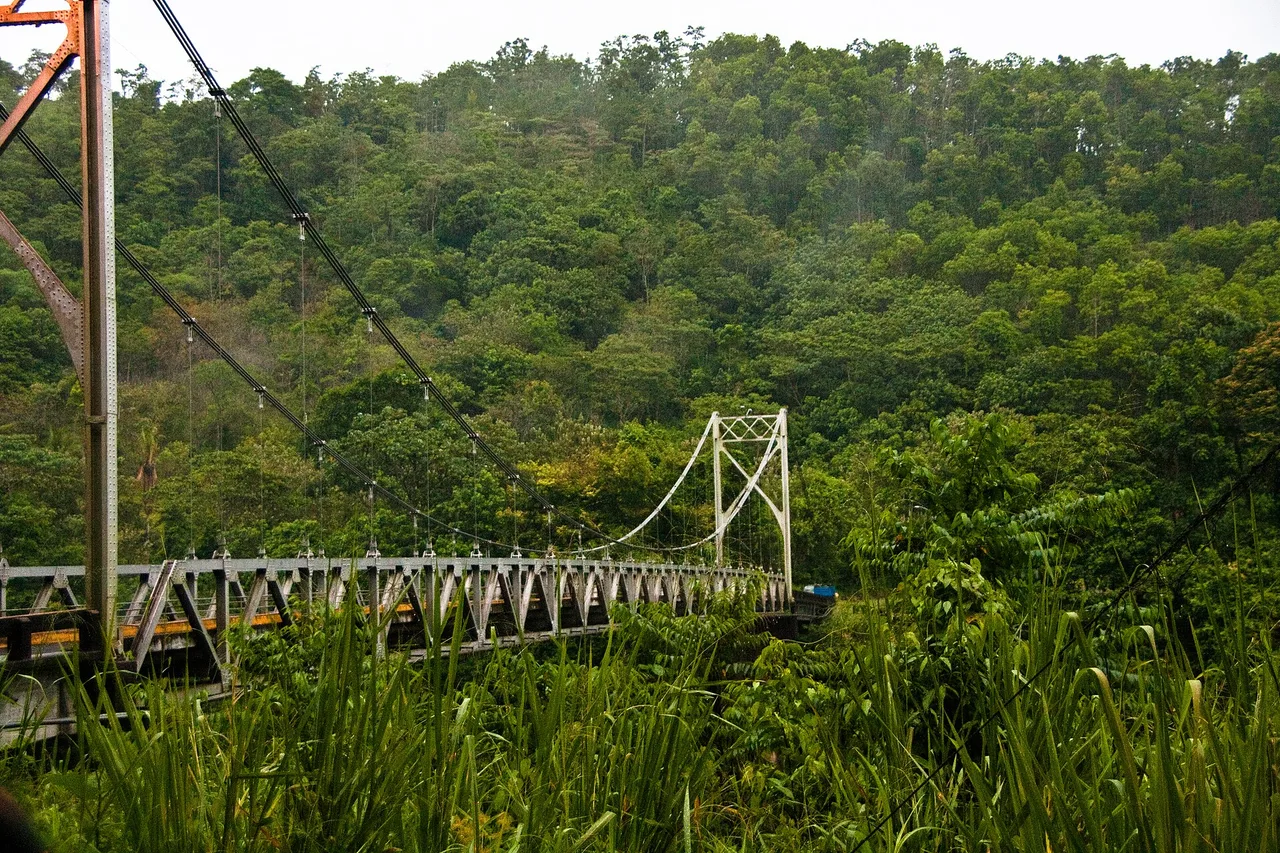
One-lane bridges. They are common and often come up suddenly. Look out for the “Puente adelante” sign (bridge ahead) and the sign showing who must give way. If in doubt, let oncoming traffic go first.
Don’t drive at night. Many roads have little lighting. Plan your legs so you arrive before dark.
Allow more time. Add 30 minutes to an hour to your navigation app’s times. Bends, trucks and roadworks slow you down.
Careful when overtaking. Risky overtaking is one of the biggest dangers on Costa Rican roads. Better to stay behind the truck.
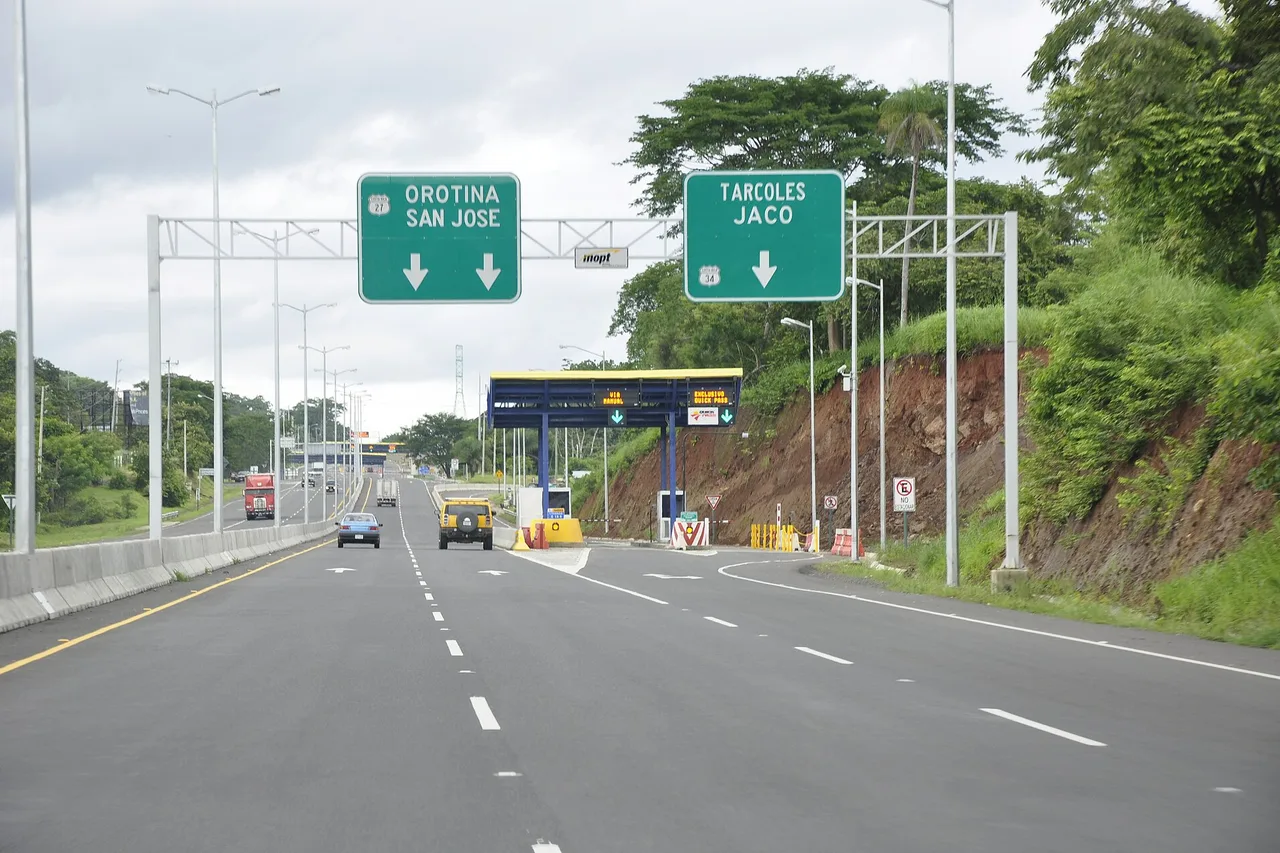
The San José driving restriction. Monday to Friday, 6 am to 7 pm, cars may not drive inside the Circunvalación ring road and in the city depending on the last digit of their plate. The fine is 26,000 colones. Ask the rental company which day your plate is affected.
Before you pay: the checklist
- Final price compared with mandatory liability included – not the daily rate.
- Deposit amount confirmed in writing – and within your card limit.
- Bank letter with you if you rely on your card for CDW.
- Type of car matching your accommodation: 4x4 for dirt roads or the rainy season.
- At pick-up: photograph scratches and damage from every side.
In short
Renting a car in Costa Rica is worth it – if you know three things. Liability insurance is mandatory and bought from the rental company. Your credit card covers the car itself at best, with a bank letter and a higher deposit. And a river ends all protection. Choose the 4x4 for where you sleep, not for the brochure, and don’t drive after dark.