Caribbean or Pacific: in Costa Rica it is not only a matter of taste, it is above all a matter of the calendar. The two coasts have almost opposite rainy seasons, a very different culture and very different access. Here is the comparison point by point – and which coast wins in the month you travel.
The comparison at a glance
Costa Rica has two coasts, and they feel almost like two different countries. The Caribbean side in the east is humid, green and quiet. The Pacific side in the west is longer, sunnier in the dry season and more touristy.
| Caribbean coast | Pacific coast | |
|---|---|---|
| Driest period | mainly September–October, then February–March | December to April |
| Well-known places | Tortuguero, Cahuita, Puerto Viejo, Manzanillo | Guanacaste, Nicoya, Manuel Antonio, Uvita |
| Atmosphere | quiet, Afro-Caribbean culture, jungle down to the beach | more hotels, surfing, sunsets |
| Wildlife | sea turtles in Tortuguero (July–October) | humpback whales off Uvita (mid-July to October, then December to spring) |
| Access | 4 to 5 hours from San José, Tortuguero by boat or plane only | Liberia airport right in Guanacaste |
The short answer: if you travel between December and April, the Pacific is the safe choice. If you travel in September or October, the Caribbean has the edge. In between, it comes down to what you want to experience.
The Caribbean coast: Tortuguero, Cahuita, Puerto Viejo
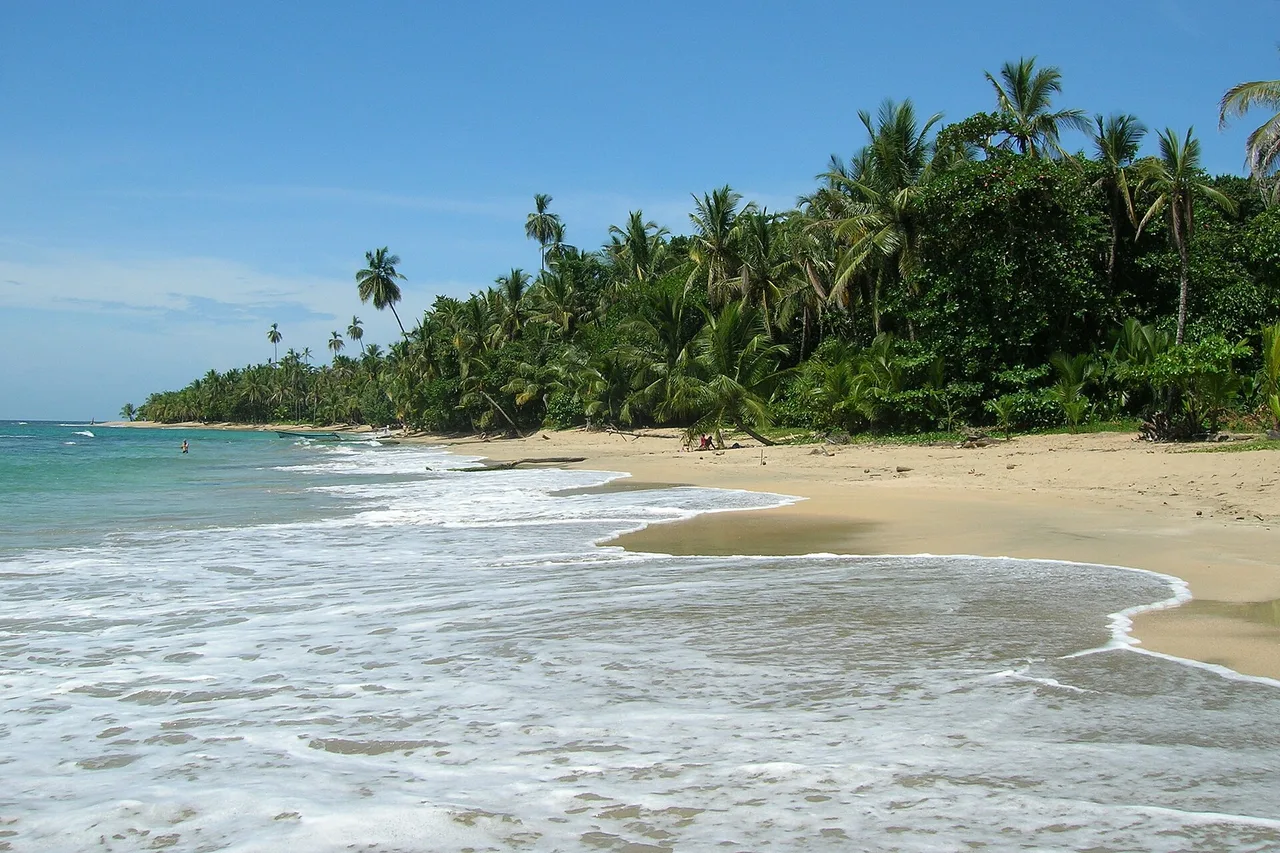
The Caribbean coast lies in Limón province. It is less developed than the Pacific: smaller places to stay, rainforest right behind the sand and a slower pace.
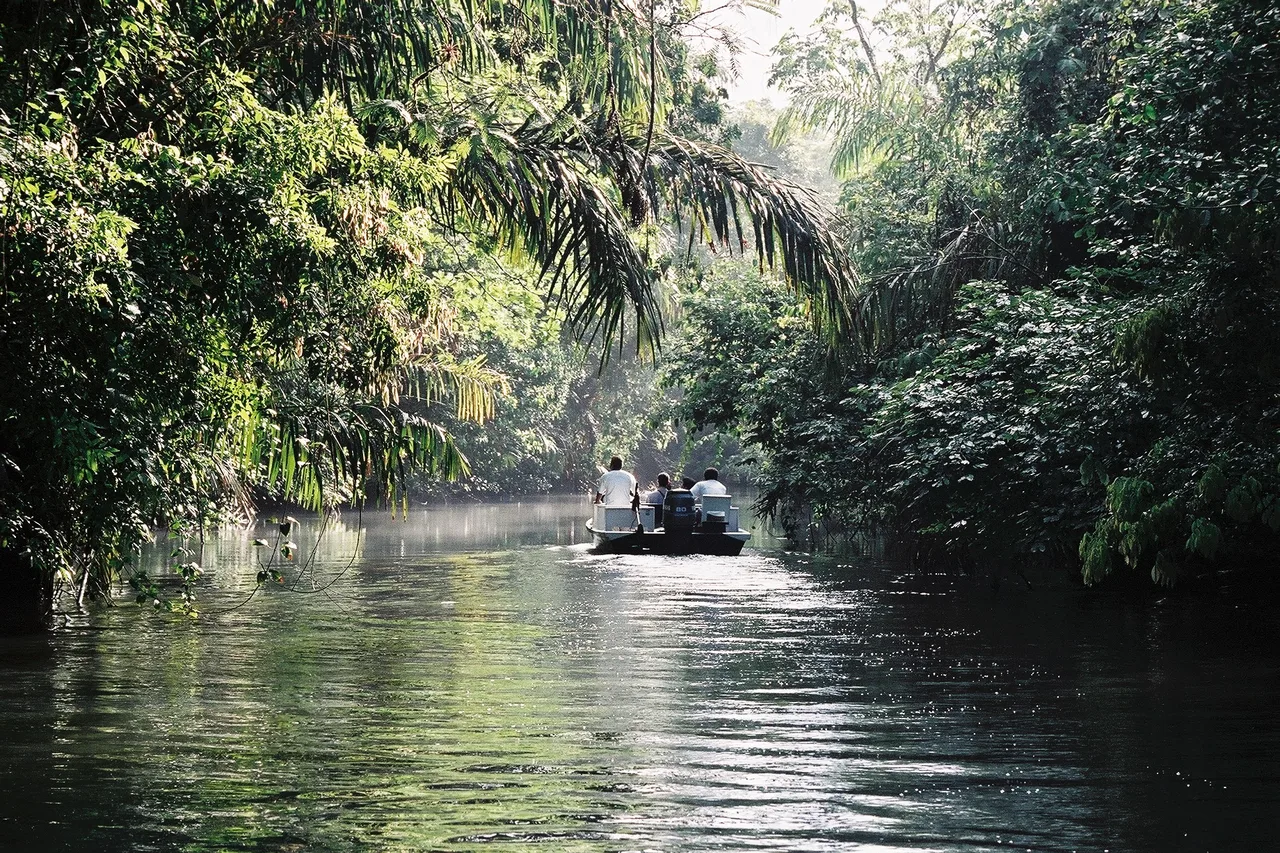
Tortuguero in the north is a network of canals in the rainforest. No road leads there: you arrive by small plane from San José or by boat from the La Pavona dock. The boat ride takes 45 minutes to two hours, depending on the river level. From July to October, green turtles come here to lay their eggs, most of all in August and September. The hatchlings emerge from September to December.
Good to knowFlight prices often rise as departure gets closer: comparing now, and checking nearby dates too, is often enough to bring the bill down.
Compare flightsCompare airlines on Aviasales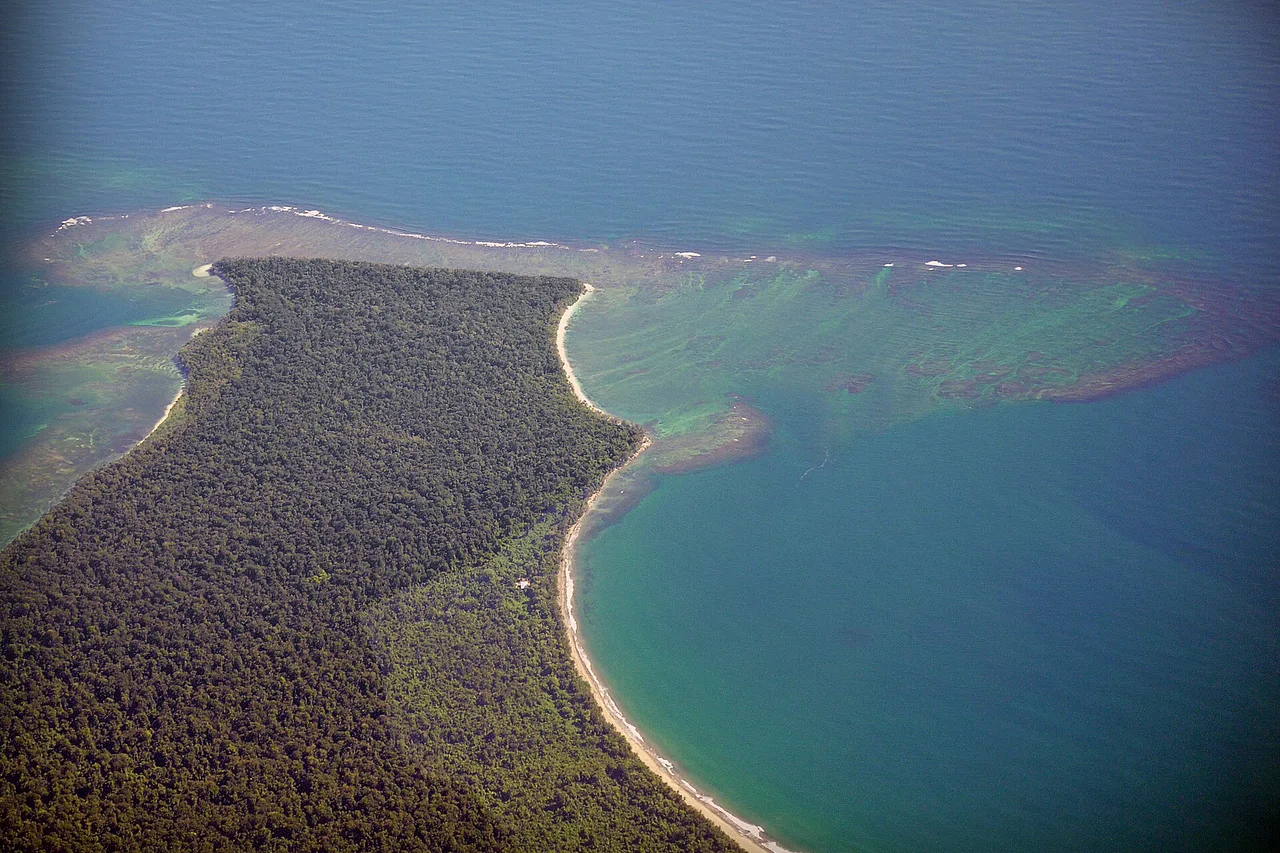
Further south, Cahuita National Park combines rainforest, beach and a coral reef offshore. A coastal trail of about 8.5 kilometres links its two entrances. At the Kelly Creek entrance, right in the village, there is no fixed fee – you leave a donation. The Puerto Vargas entrance charges a fee.
Puerto Viejo and the beaches down to Manzanillo are the heart of the Caribbean side. Many families descend from Jamaican workers who came to build the railway in the late 19th century. You can hear and taste it: alongside Spanish, people speak an English-based Creole, and the cooking uses coconut milk – think “rice and beans” or the stew called rondón.
⚠️ One word of caution: at the surf beach of Playa Cocles, the currents are dangerous. Swim near lifeguards when there are any.
The Pacific coast: Guanacaste, Nicoya, Manuel Antonio, Uvita
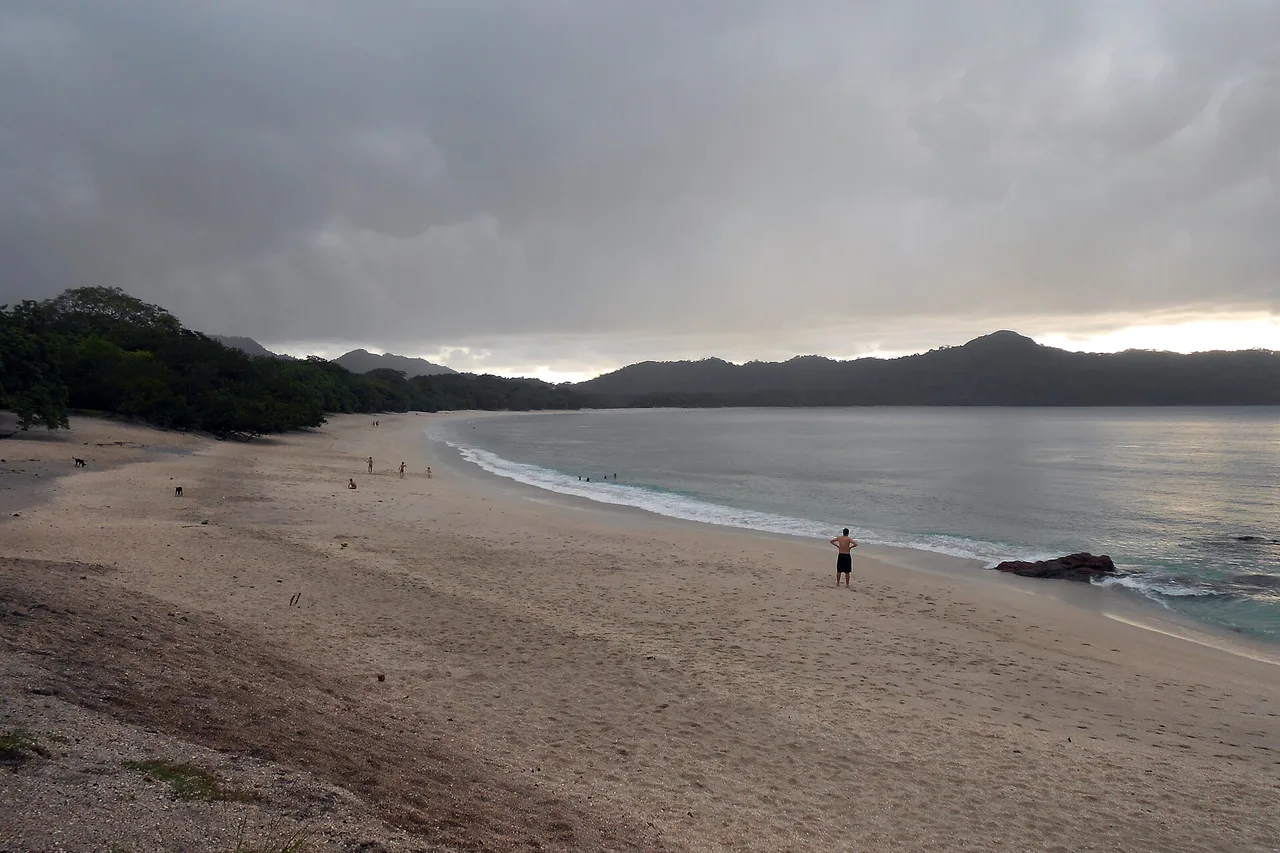
The Pacific coast is much longer and more varied. In the northwest lies Guanacaste, the driest region in the country, with wide beaches such as Playa Conchal. Liberia airport (LIR) is in the region itself: Tamarindo is about 78 kilometres away, roughly an hour and a half by car.
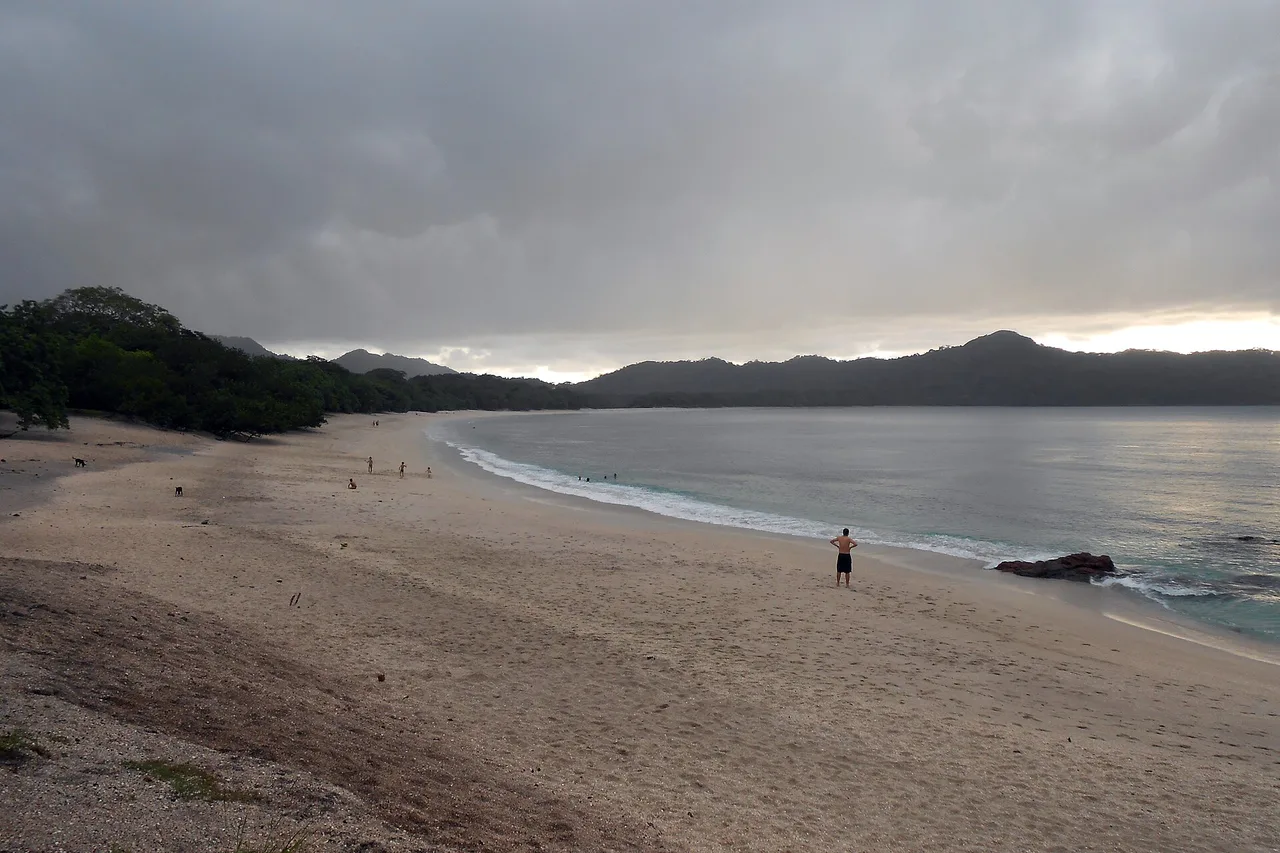
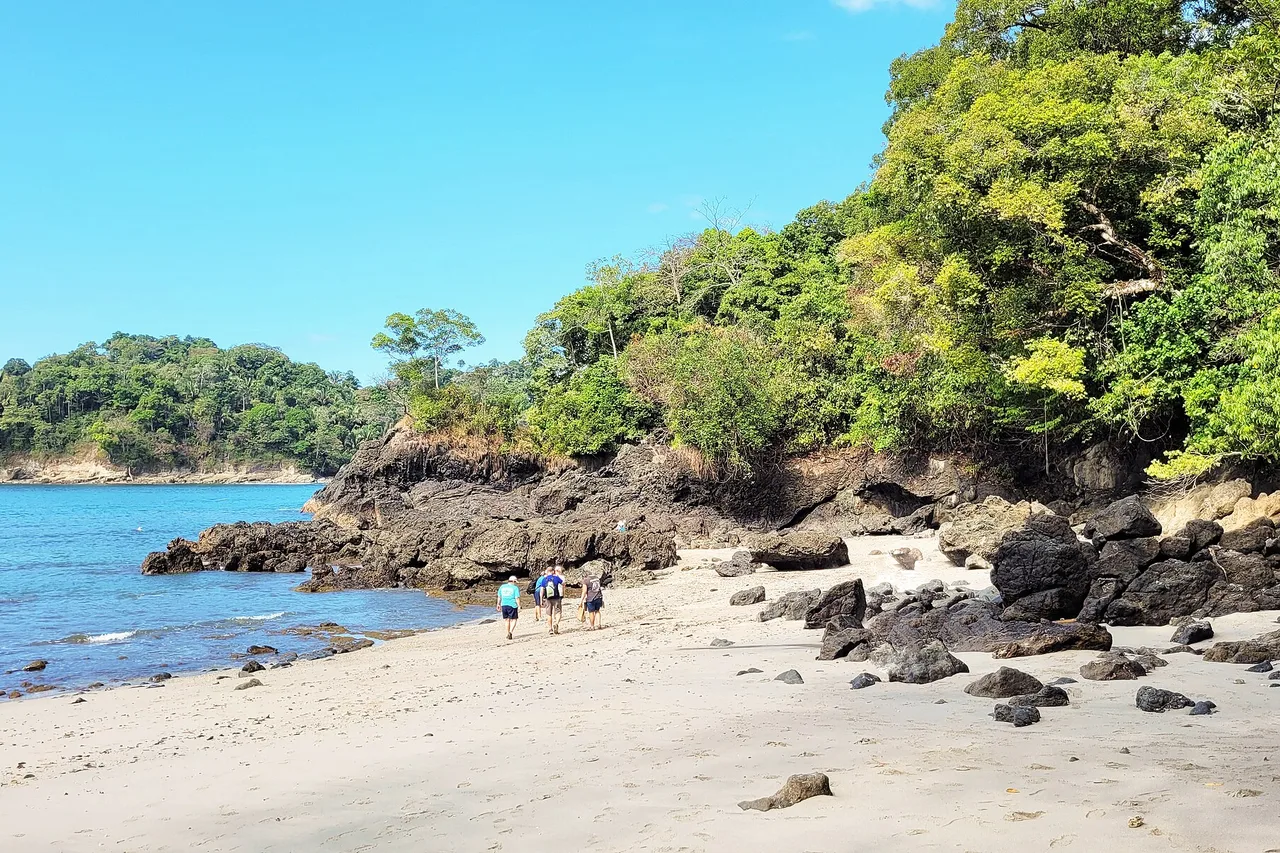
On the Nicoya Peninsula you find surf villages such as Santa Teresa. Further south, Manuel Antonio National Park combines rainforest and beaches – tickets are sold online only, and visitor numbers are limited. Further south still, Uvita borders Marino Ballena National Park.
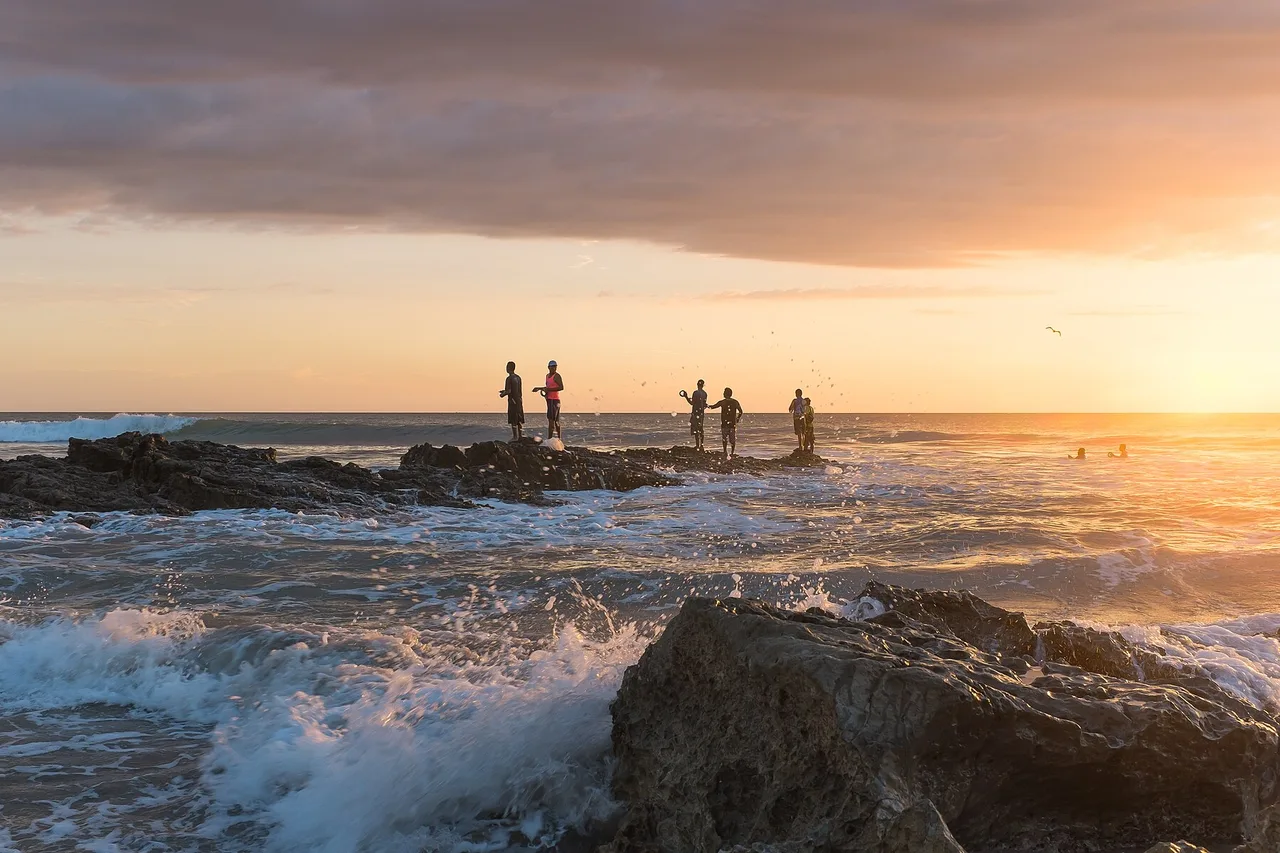
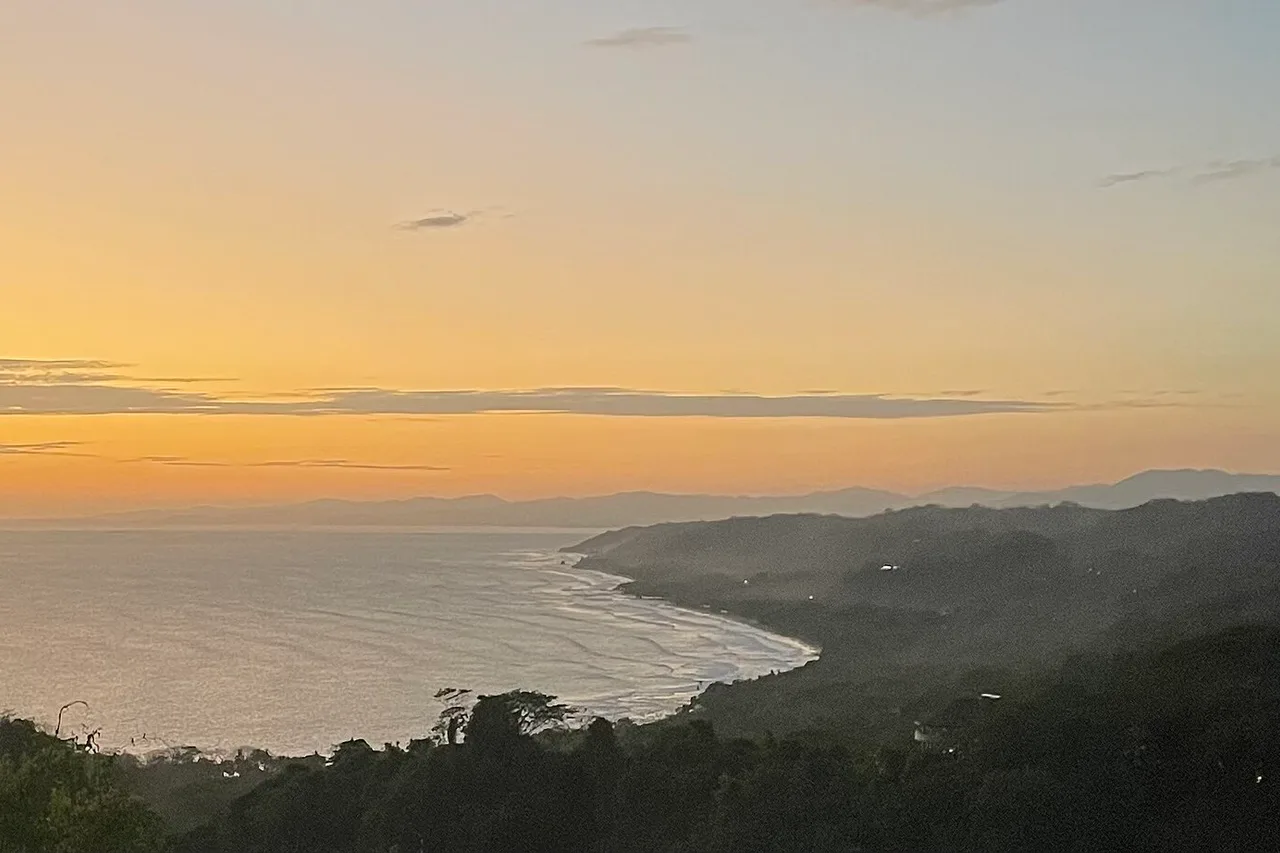
An advantage many people forget: the Pacific faces west. The sun sets over the sea here. On the Caribbean side, it rises over the sea.
Weather: two almost opposite calendars
This is the most important point of the whole comparison. The Pacific has a clear dry season, roughly from December to April. March is often the driest month. From May to November it is the “green season”: there is more rain, mostly in the afternoon, and September and October are the wettest months on the Pacific.
The Caribbean side has no real dry season. It rains all year round. But September and October are most often named as its driest months – exactly when the Pacific gets the most rain. February and March count as a second, slightly drier period. Sources do not fully agree here: on the Caribbean side, always expect showers.
- December to April: the Pacific, especially Guanacaste and Nicoya.
- September and October: the Caribbean.
- May to August and November: both are possible, with rain on both sides – then what you want to see is what counts.
Turtles or whales: the wildlife calendar
If you are travelling for the wildlife, pick the coast accordingly.
Caribbean: in Tortuguero, green turtles lay their eggs at night from July to October, peaking in August and September. The hatchlings emerge between September and December.
Pacific: humpback whales pass off Uvita and Marino Ballena park. The main season runs from mid-July to October, a smaller one from December into spring.
📌 In August and September you can see both – if you have time for both coasts.
Getting there and driving times
To the Caribbean, allow four to five hours by road from San José. Route 32 crosses Braulio Carrillo National Park: fog and sudden downpours are common there, and the road is sometimes closed after landslides. The alternative is then the longer detour via Cartago. Drive this route in daylight.
Good to knowIn high season, cars get booked up fast and prices rise as the dates approach. Comparing local rental companies before you go lets you lock in the car and the rate in Costa Rica, with deposit and insurance shown upfront.
Rent a car in Costa RicaCompare rental companies on Discover CarsTo the Pacific, you have a choice: land in Liberia and you are already in Guanacaste. Land in San José and you reach Manuel Antonio or the coast further south in one day’s drive.
A rental car is practical for both coasts. What you need to know about mandatory insurance, the deposit and 4x4s is in our article Costa Rica car rental.
Both coasts in one trip?
It can be done, but not in ten days. From the Caribbean coast to Guanacaste you spend a full day on the road, and Tortuguero alone takes a lot of time to get in and out.
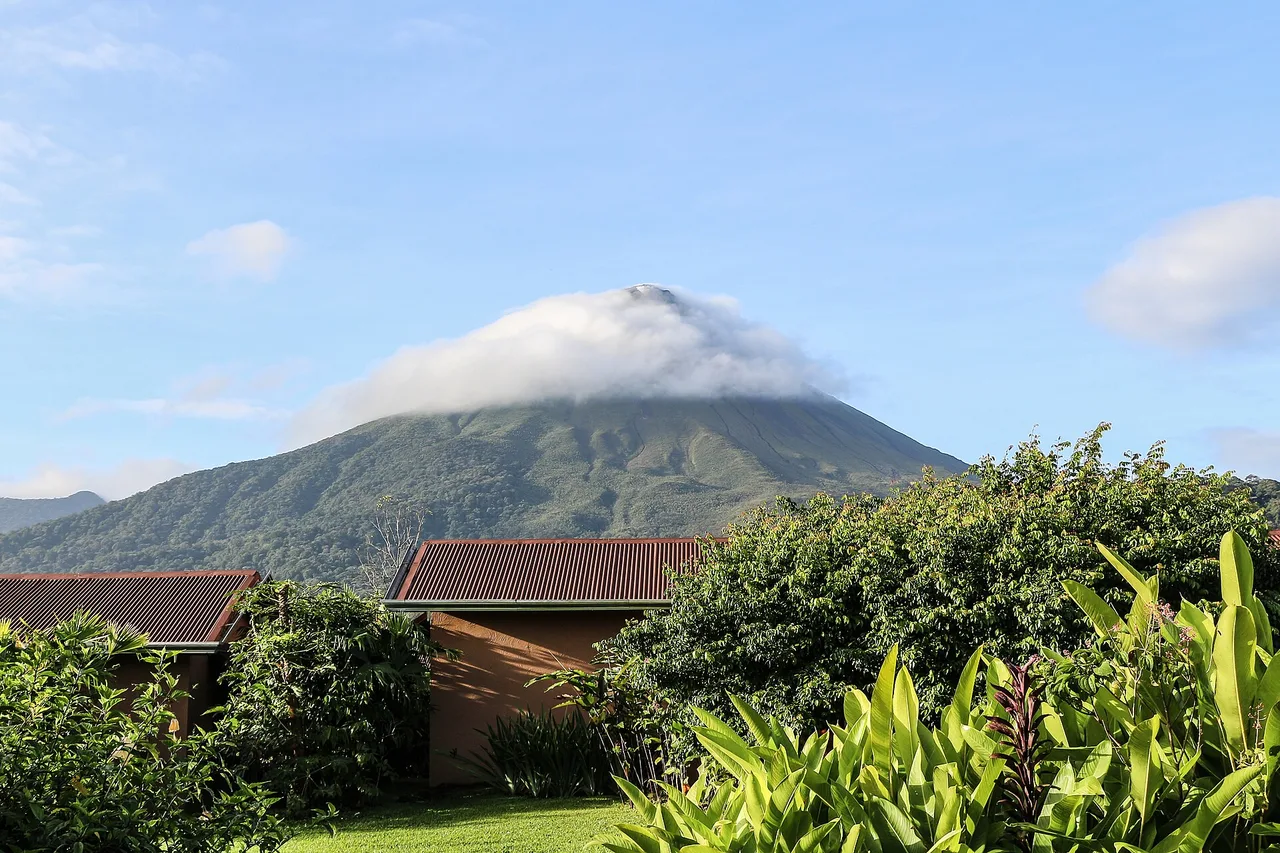
- Under two weeks: choose one coast and combine it with the interior (Arenal Volcano, Monteverde).
- Two to three weeks: the Caribbean first, then Arenal, then the Pacific – that way you cross from east to west without a big detour.
A ready-made two-week route through the interior and the Pacific is in our Costa Rica 2-week itinerary.
In short
The Pacific suits you if you travel between December and April, want sun and sunsets, want to surf or land directly in Liberia. The Caribbean suits you if you travel in September or October, want peace and rainforest, Afro-Caribbean food or the turtles of Tortuguero.
More articles on Costa Rica are coming soon: the budget for two weeks, the best season in detail and the finest national parks.