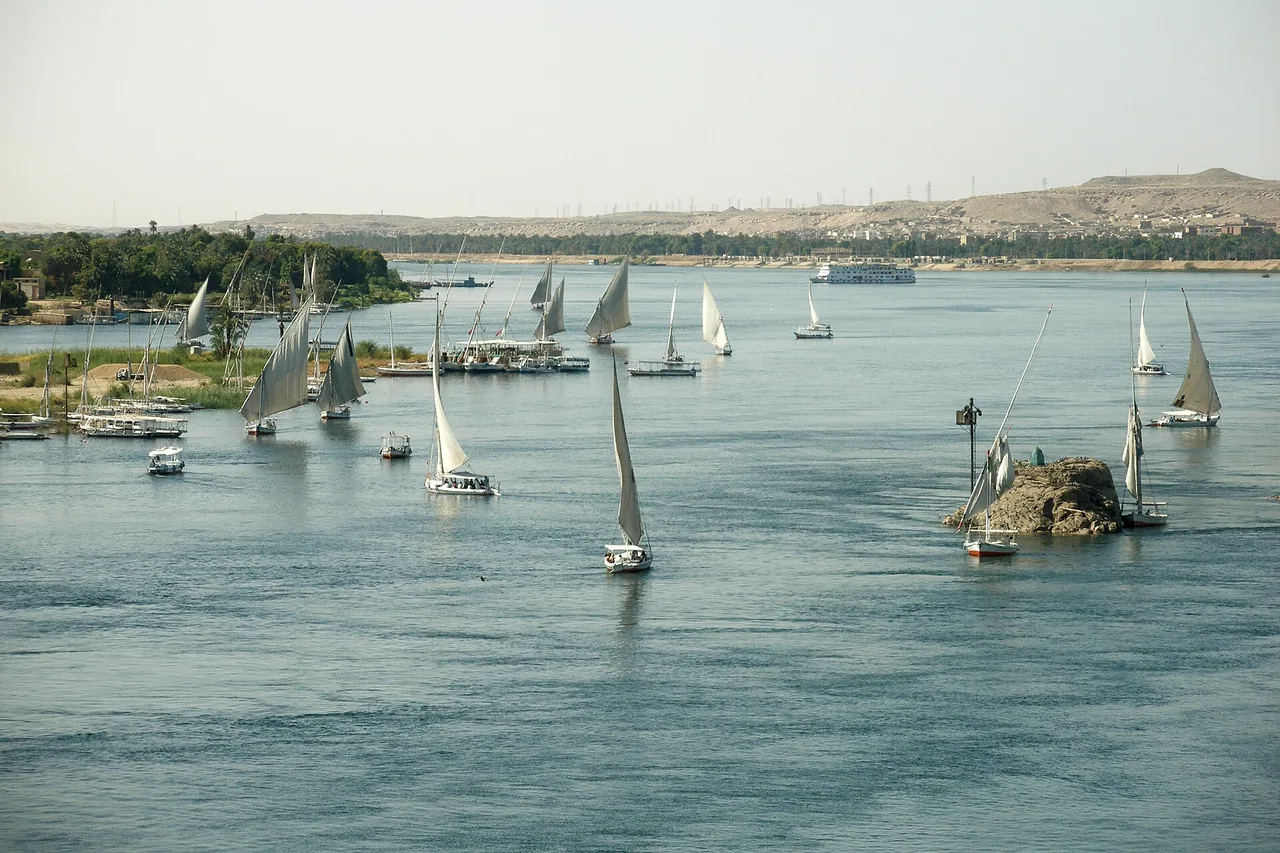
Ten days is enough for classic Egypt, as long as you travel the Nile the right way round. This route flies from Cairo to Aswan, then drifts downstream by boat to Luxor. The result: 9 nights in just 4 beds, Cairo, Aswan, the boat and Luxor. Everything can be arranged independently, with no package tour.
The route at a glance
Egypt is a country along a river. Everything you want to see lines the Nile: the pyramids in the north, the temples in the south. Our route has four stages and 9 nights. It starts in Cairo, jumps by plane to Aswan and comes back by boat to Luxor.
| Day | Stage | Night in |
|---|---|---|
| 1 | Arrive in Cairo, first evening by the Nile | Cairo (3) |
| 2 | Pyramids of Giza and Grand Egyptian Museum | Cairo |
| 3 | Islamic Cairo, Khan el-Khalili bazaar, Egyptian Museum on Tahrir Square | Cairo |
| 4 | Flight Cairo → Aswan, Philae temple, sunset felucca | Aswan (1) |
| 5 | Abu Simbel at dawn, then boarding | on board (3) |
| 6–7 | Kom Ombo, Edfu, Esna lock | on board |
| 8 | Arrive in Luxor, Karnak, Luxor Temple at night | Luxor (2) |
| 9 | West Bank: Valley of the Kings, Hatshepsut temple, Colossi of Memnon | Luxor |
| 10 | Flight home from Luxor or via Cairo | – |
The number that matters: only 3 changes of bed in 9 nights. For three nights the boat is both your hotel and your transport. You unpack once, and see Kom Ombo and Edfu along the way.
Why fly to Aswan first
Many travellers go from Cairo to Luxor and then head south. We suggest the opposite. The Nile flows from south to north: downstream, from Aswan to Luxor, the cruise usually takes 3 nights, against 4 the other way. You gain a whole day.
The flight from Cairo to Aswan takes about an hour and a half. The alternative is the sleeper train: around twelve hours overnight, an experience in itself, but hard after a day at the pyramids. Count the flight day as half a day: hotel, transfer, airport, transfer, hotel.
Days 1–3: Cairo and Giza
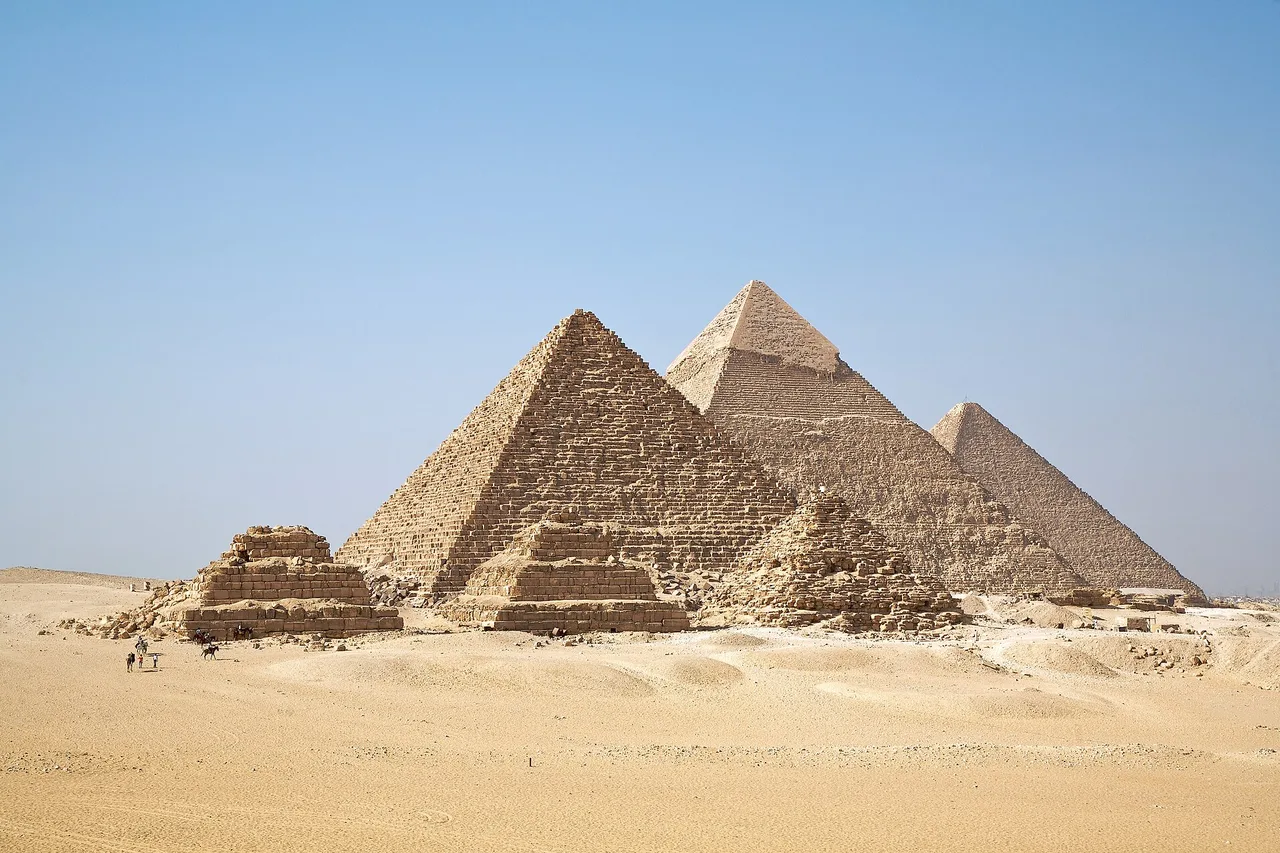
Cairo is loud, huge and overwhelming. Give yourself three nights. To lose less time in traffic, stay the first two nights on the Giza side: the pyramids and the new museum are then on your doorstep.
Day 2 belongs to the pyramids of Giza. Arrive at opening time, before the coaches, and take your time at the panoramic viewpoint behind the three pyramids. In the afternoon, the Grand Egyptian Museum (GEM), fully open since November 2025, a few kilometres from the plateau. This is where Tutankhamun's treasure is displayed. Book your ticket online before you go.
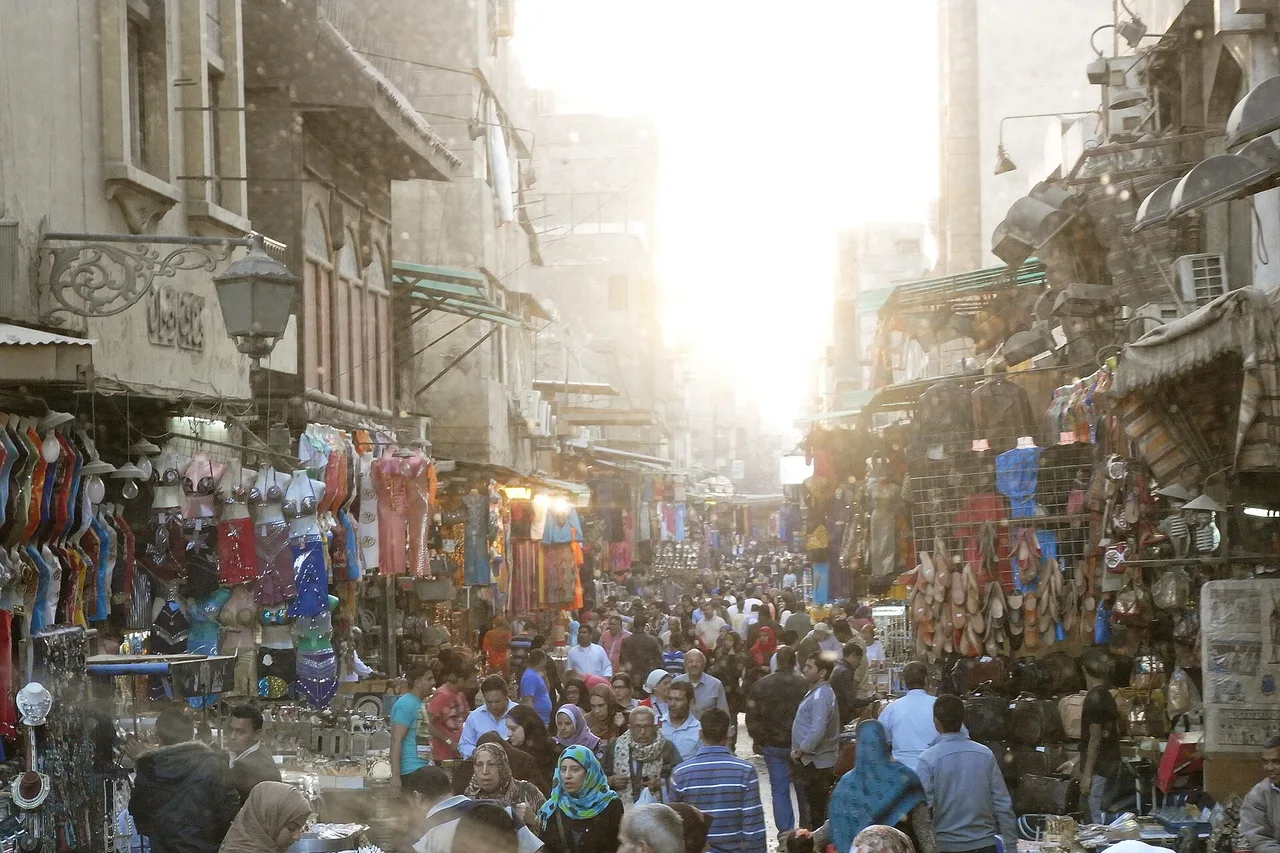
Day 3 is the other Cairo: Islamic Cairo and its mosques, the Citadel, then in the late afternoon the Khan el-Khalili bazaar, where you sit down in a café for a mint tea. If you still have energy, the old Egyptian Museum on Tahrir Square. A driver is worth it for this day: taxis and ride-hailing apps work, but distances are long.
Days 4–5: Aswan and Abu Simbel
Morning flight to Aswan. The city is calmer, Nubian in culture, and the Nile is at its most beautiful here: granite rocks, green islands, desert on the far bank. In the afternoon, a boat to the Temple of Philae, set on an island, and at sunset an hour on a felucca, the traditional sailing boat.
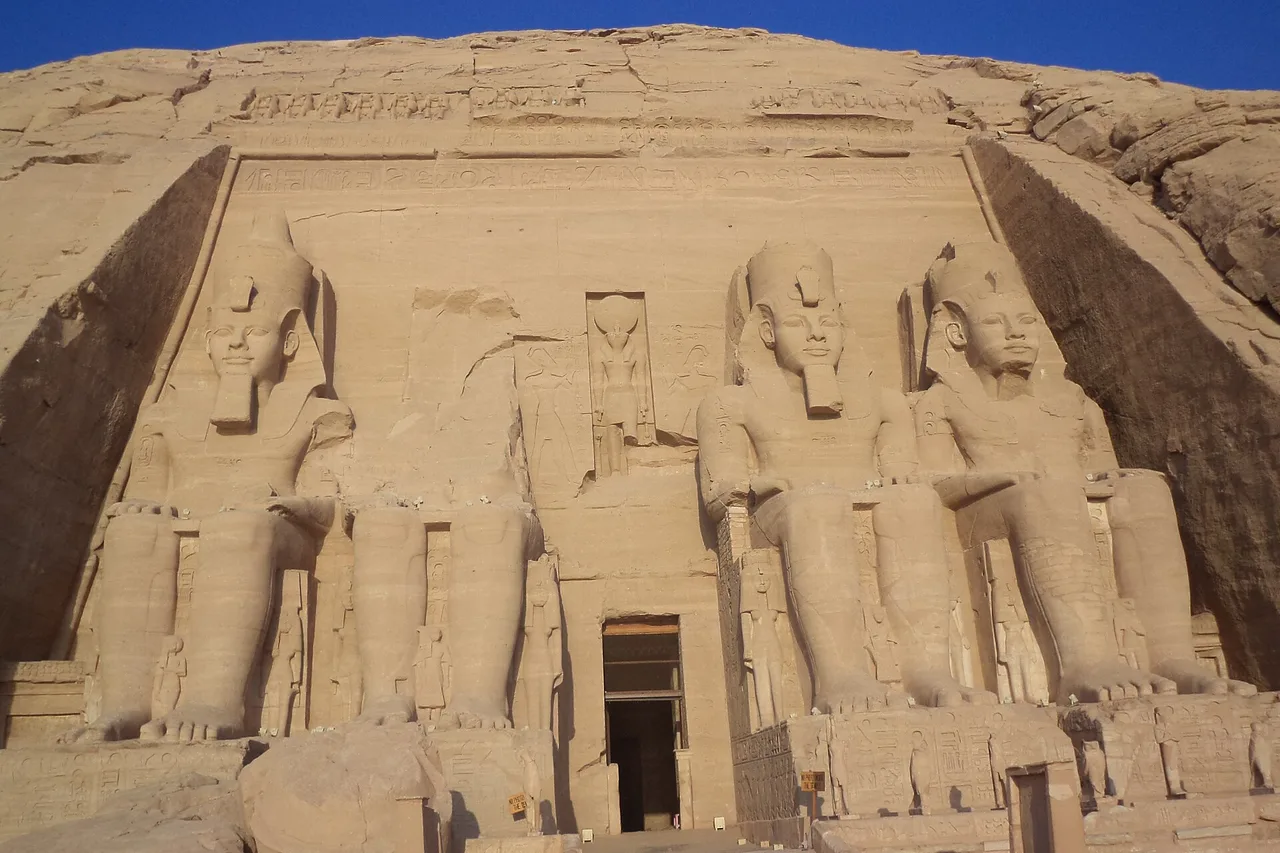
Day 5 starts very early. Abu Simbel lies about 280 kilometres south of Aswan, around 3 hours 30 by road. Trips usually leave around 4 am, so you reach the temple before the heat. The four colossal statues of Ramesses II are the high point of the whole trip. Back in the early afternoon, you board your boat. Check the latest boarding time in advance.
Days 5–7: the Nile cruise
Three nights on board, going with the current. Most boats stop at the double temple of Kom Ombo, dedicated to two gods including Sobek, the crocodile god, and at the Temple of Horus at Edfu. Then the boat passes through the lock at Esna.
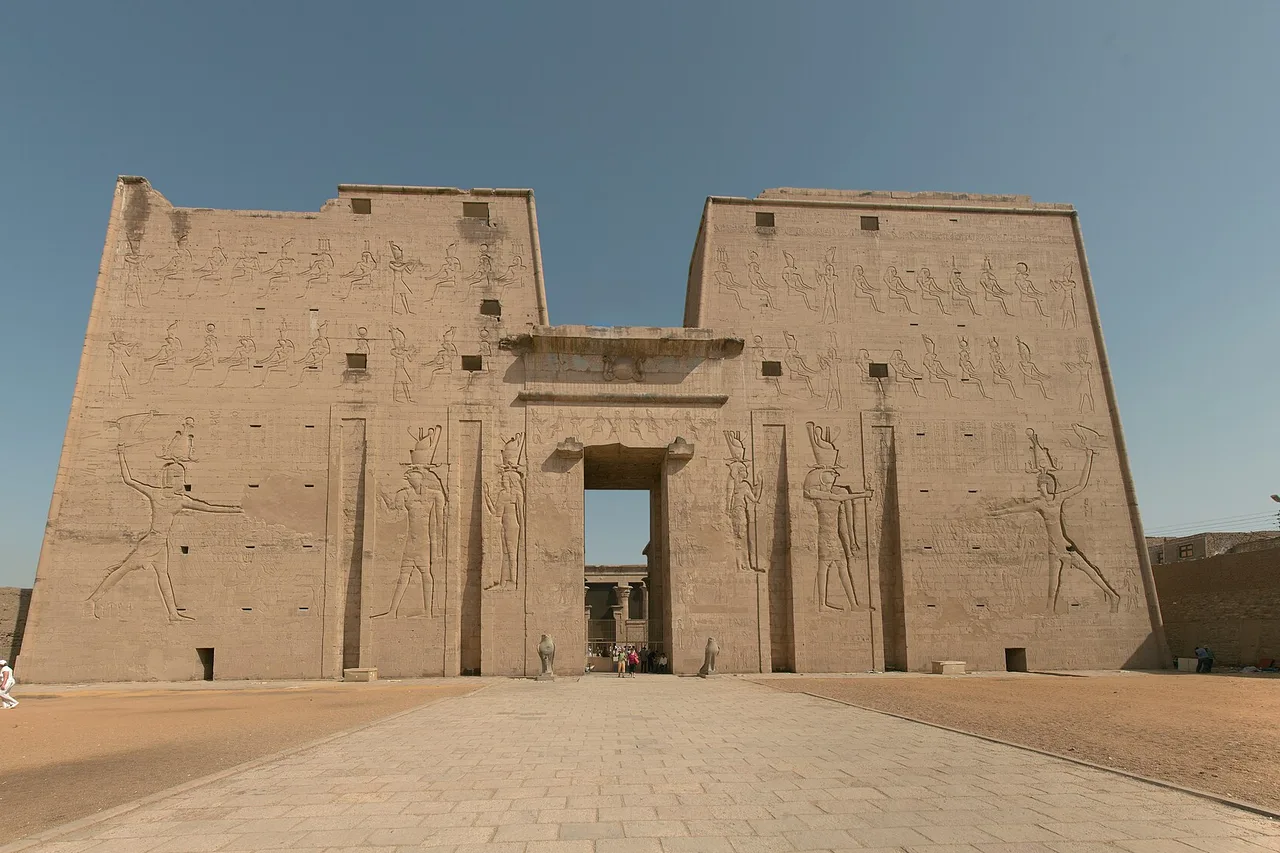
Cruises are sold as packages with full board and guided visits. Compare three things above all: the number of nights, which visits are included, and the size of the boat. Small sailing boats, the dahabiyas, are quieter and more expensive; the big boats are cheaper and fuller. On board, time slows down: deck, pool, the riverbanks going by. This is the break in the trip.
Days 8–10: Luxor
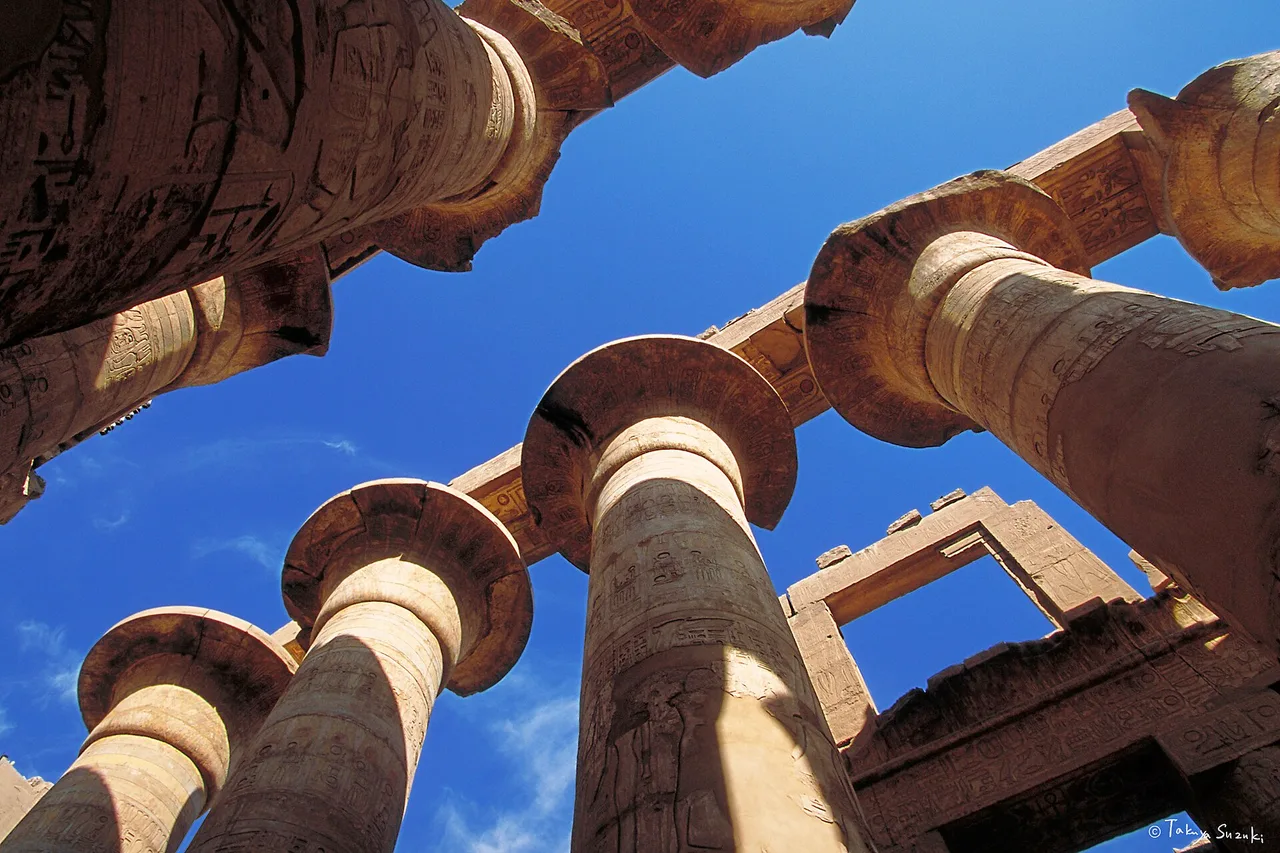
The boat docks in Luxor in the morning. On the East Bank: Karnak Temple and its Great Hypostyle Hall, then in the evening the floodlit Luxor Temple in the middle of town. Two nights in Luxor, because the West Bank deserves a day of its own.
Day 9 on the West Bank: early to the Valley of the Kings. The standard ticket covers three tombs; Tutankhamun's and Seti I's cost extra. Then the terraced temple of Hatshepsut, and the Colossi of Memnon on the way back. If you like, take a hot-air balloon over the West Bank at sunrise. By midday, it is time for the shade.
Day 10: flight home. In season there are direct flights from Luxor to Europe; otherwise you connect in Cairo. Leave plenty of time for any connection.
When to go: the heat decides
The best time for this route is October to April. In December and January the weather is ideal, but the sites are at their busiest and nights in Cairo are cool. From May to September, the thermometer often passes 40 °C in Luxor and Aswan. The route still works, but only with sunrise visits and a long break at midday.
Practical: visa, internet, money
Visa. UK and EU travellers need a visa. The visa on arrival has cost 30 US dollars since 1 March 2026 and is valid for 30 days. Easier still: the e-visa, which you apply for before you leave on the official site visa2egypt.gov.eg. Your passport should be valid for at least six months.
Internet. Egypt is outside your home plan's usual roaming zone, and roaming charges add up fast. The simplest option is to install an Egypt eSIM before you leave: it is active when you land, so you can call a ride or open a map as soon as you step off the plane.
Money. You pay in Egyptian pounds. Hotels and boats take cards. For tips, the baksheesh you meet everywhere in Egypt, always carry small notes. Withdraw cash from the ATMs of major banks.
With this route, ten days in Egypt are not a race: one flight, one boat, four beds, and a few thousand years of history every day.