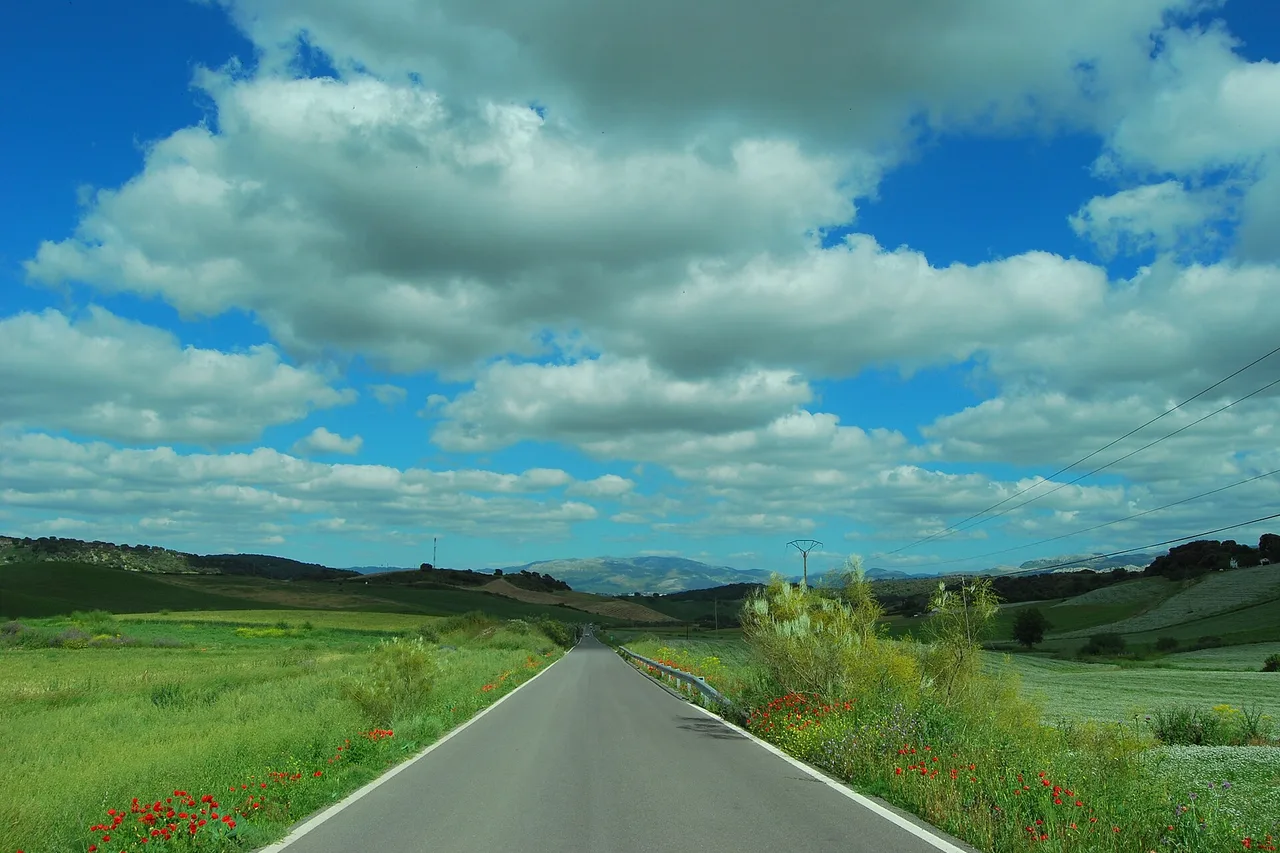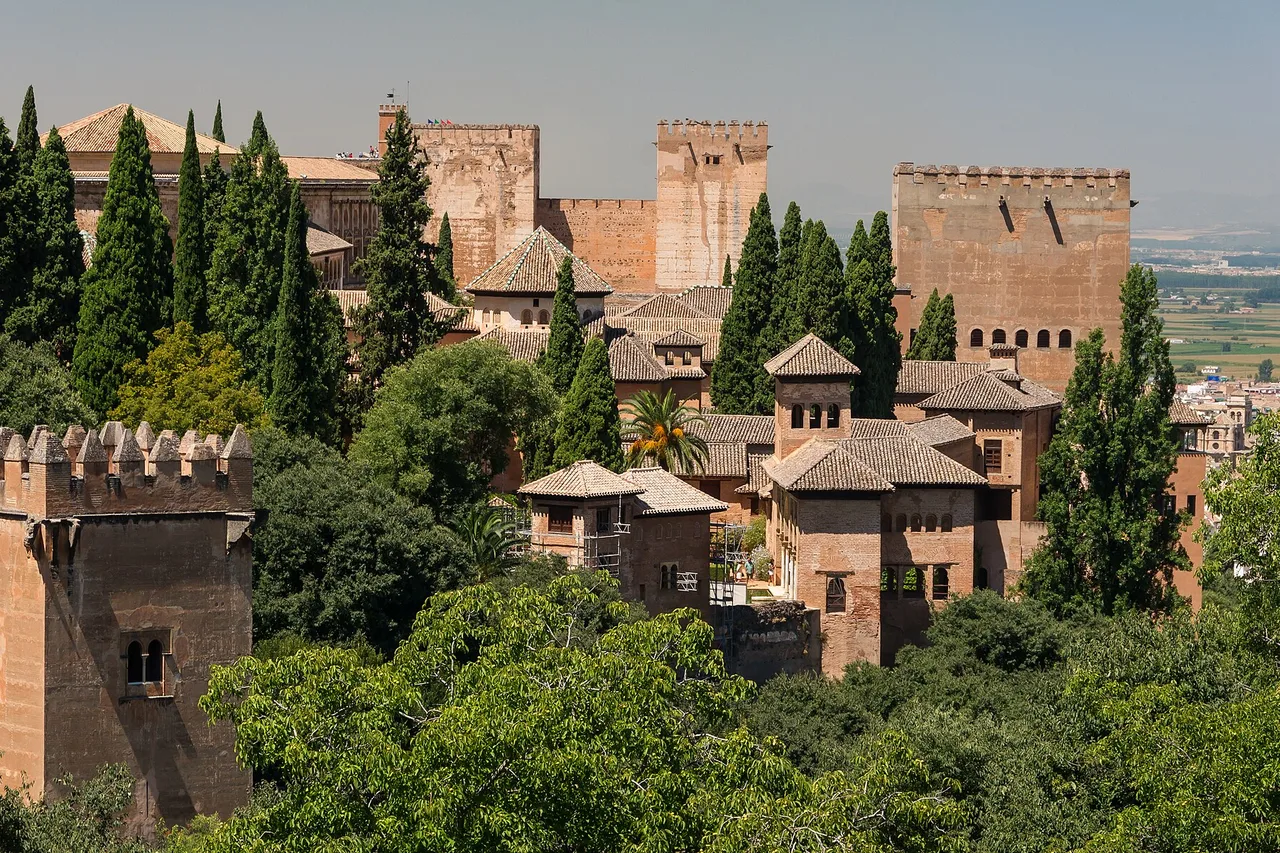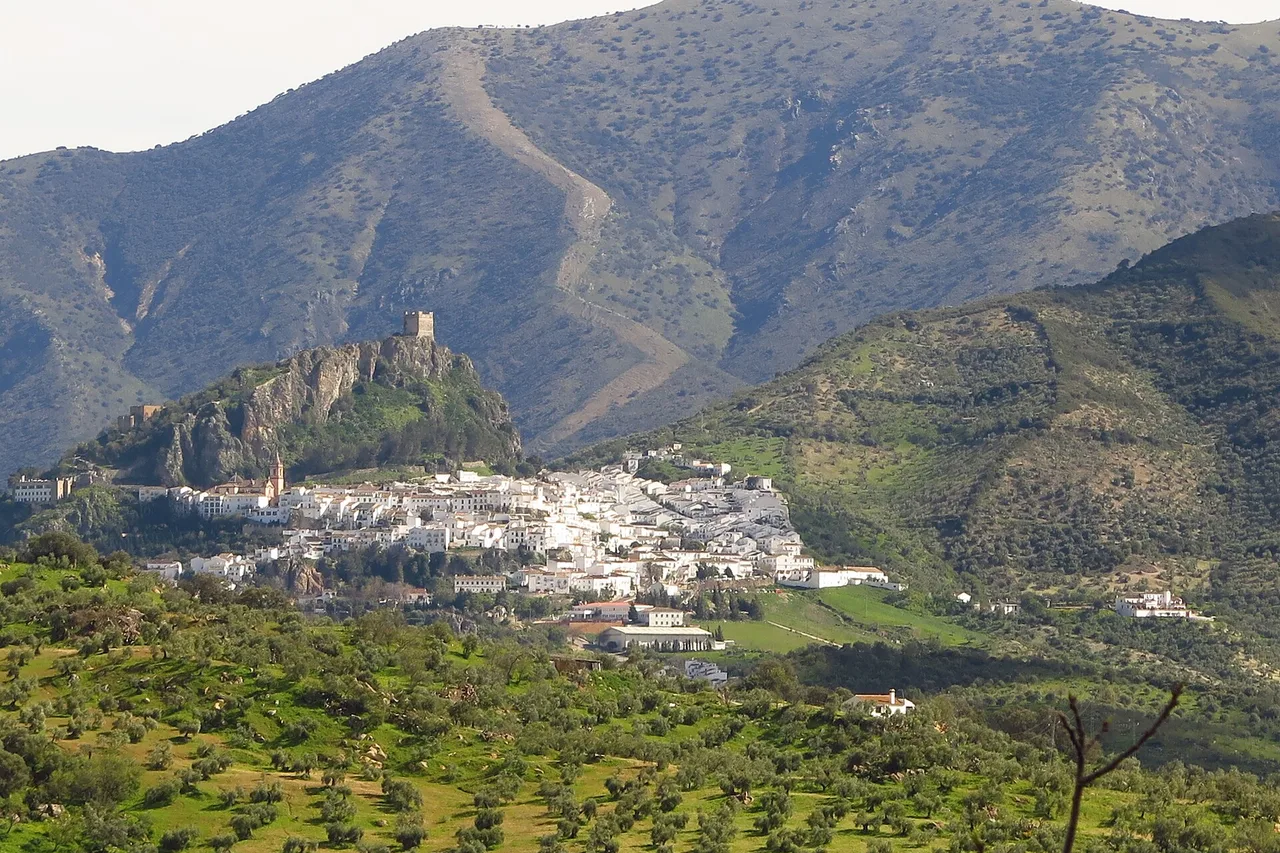
“The white villages” is not a poetic phrase: it is an official route of 19 municipalities, defined by the tourist board of Cádiz province. Knowing which ones saves you from building a weekend around a village that is not on it. And there is a second fact almost no guide mentions: the only “ticket” to book in the whole sierra is free — four trails open only with a named, quota-limited permit.
“The white villages” is not a vague phrase: it is a list of 19 municipalities
The expression gets used as scenery. It is in fact an official itinerary, defined by the tourist board of Cádiz province, which crosses the north of the Cádiz sierra and spills over into Málaga province. Knowing which villages belong to it is not pedantry: it saves you from building a weekend around a village two hours away.
| Municipalities |
|---|
| Alcalá del Valle · Algar · Algodonales · Arcos de la Frontera · Benaocaz · Bornos · El Bosque · El Gastor · Espera |
| Grazalema · Olvera · Prado del Rey · Puerto Serrano · Setenil de las Bodegas · Torre Alháquime · Ubrique · Villaluenga del Rosario · Villamartín · Zahara de la Sierra |
⚠️ Two mistakes recur in almost every list online, and we checked them against the official source rather than copying them: many cite Benamahoma, which is a hamlet of Grazalema and not a municipality, and many omit Puerto Serrano.
📌 A useful clarification so you do not plan the wrong trip: other Andalusian villages are white, magnificent and heavily visited without belonging to this route — Vejer de la Frontera on the Cádiz coast, or Frigiliana and Mijas over towards Málaga. They are excellent destinations. They are simply not the same itinerary.
The only “ticket” to book in the whole sierra — and it is free
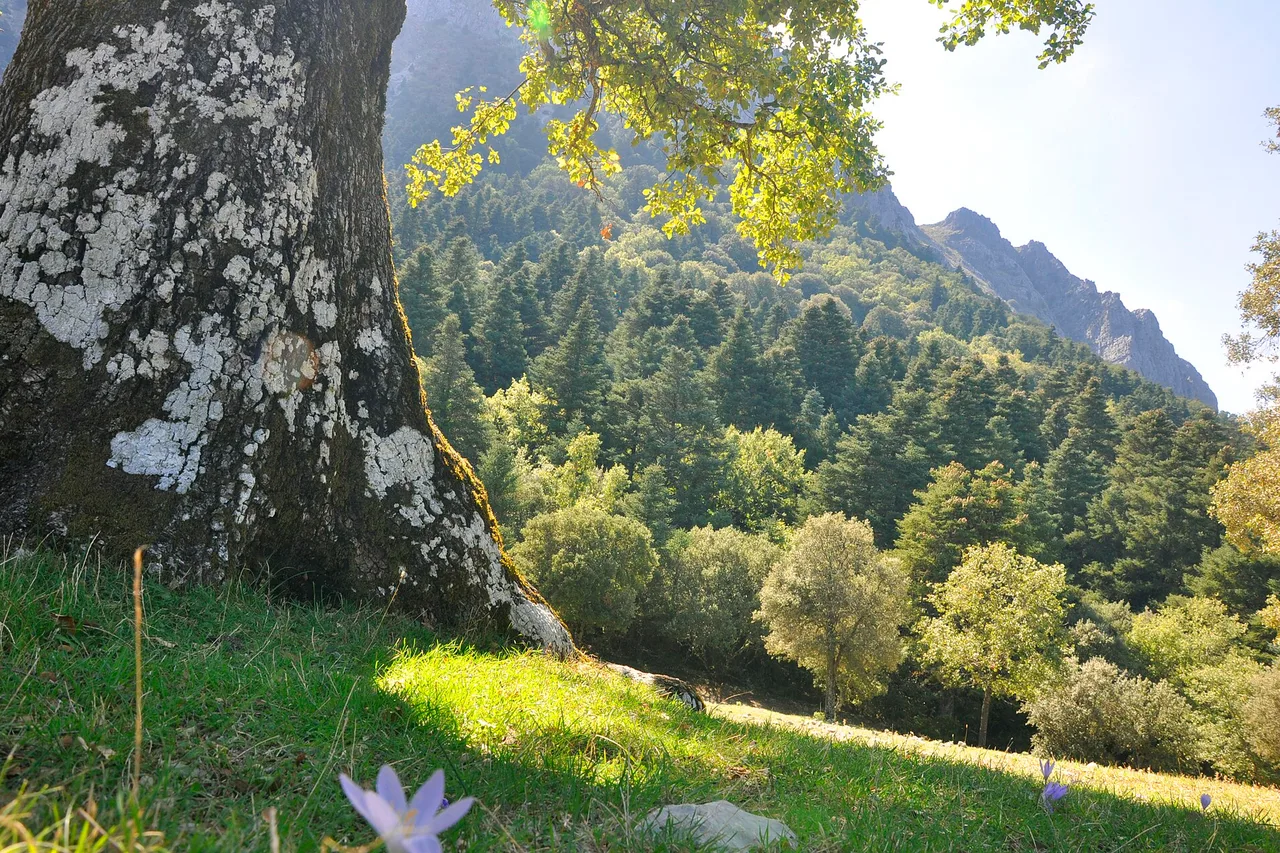
This is the most useful fact in this article, and the hardest to find. The Sierra de Grazalema Natural Park contains a reserve zone where access is capped. Four trails there require a named permit:
| Trail | Permit | Worth knowing |
|---|---|---|
| El Pinsapar | required | the fir forest, the park’s emblematic trail |
| Garganta Verde | required | 1 June to 15 October: full canyoning only |
| El Torreón | required | the highest point in Cádiz province |
| Llanos del Rabel | required | — |
| All other trails in the park | free access | nothing to arrange |
🟢 It is free, it is requested online, and that is the only route. The application goes through the Junta de Andalucía’s “cupos” service. Have ready your ID card or passport number, the date of the visit, the itinerary chosen and the number of people. The El Bosque visitor centre answers by telephone on 956 709 733, and preferably by email.
⚠️ The summer trap, precisely. From 1 June to 15 October, the Garganta Verde may only be done as a full canyoning descent: the usual option — walking there and back to the Cueva de la Ermita — is not permitted in that window. Many people turn up in July expecting a walk through the gorge. It is not the season.
The five villages that justify the trip on their own
Of the nineteen, five concentrate what you come for. This is not a beauty ranking — it is that each has something the others do not.
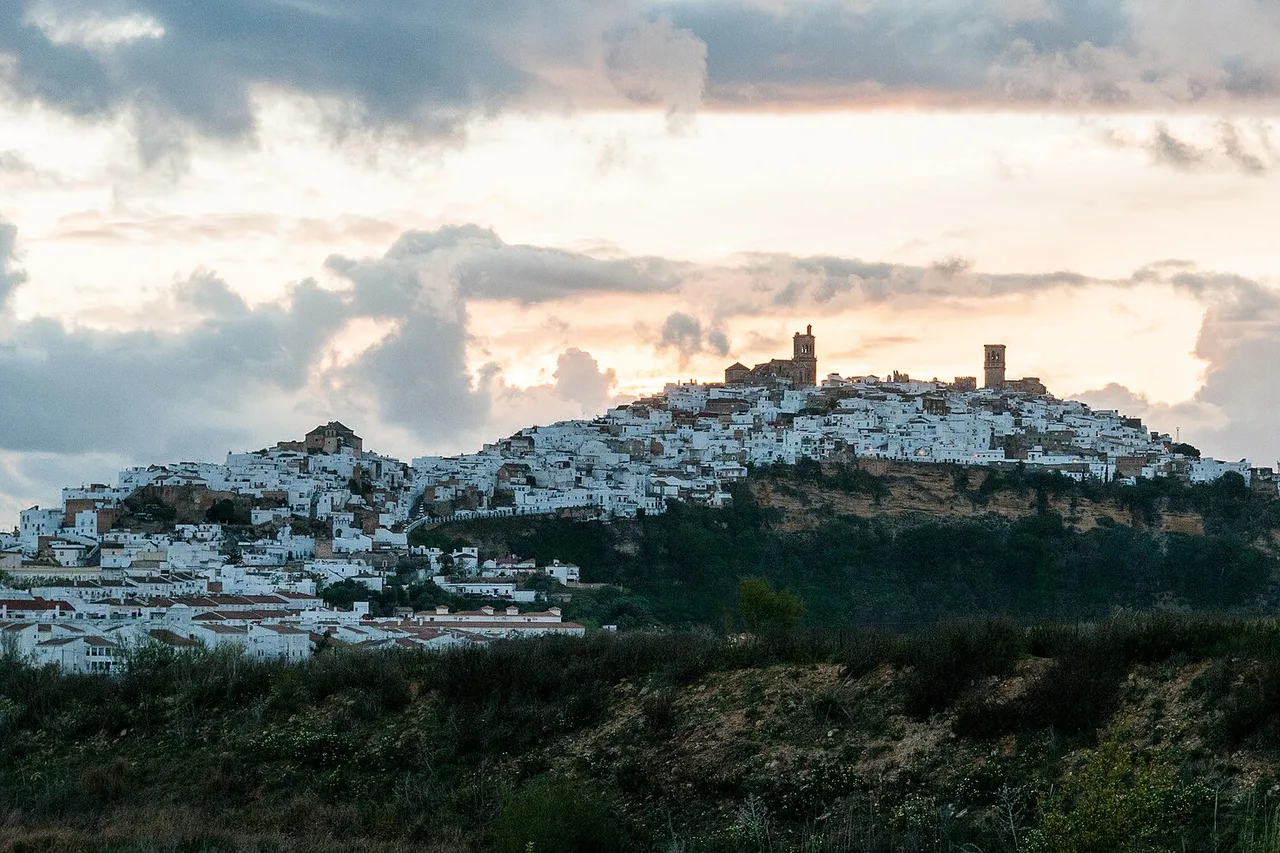
Arcos de la Frontera classically opens the route. The village sits on a rocky ridge, which gives the most spectacular silhouette of the itinerary and, incidentally, the most painful parking: you leave the car below and walk up.
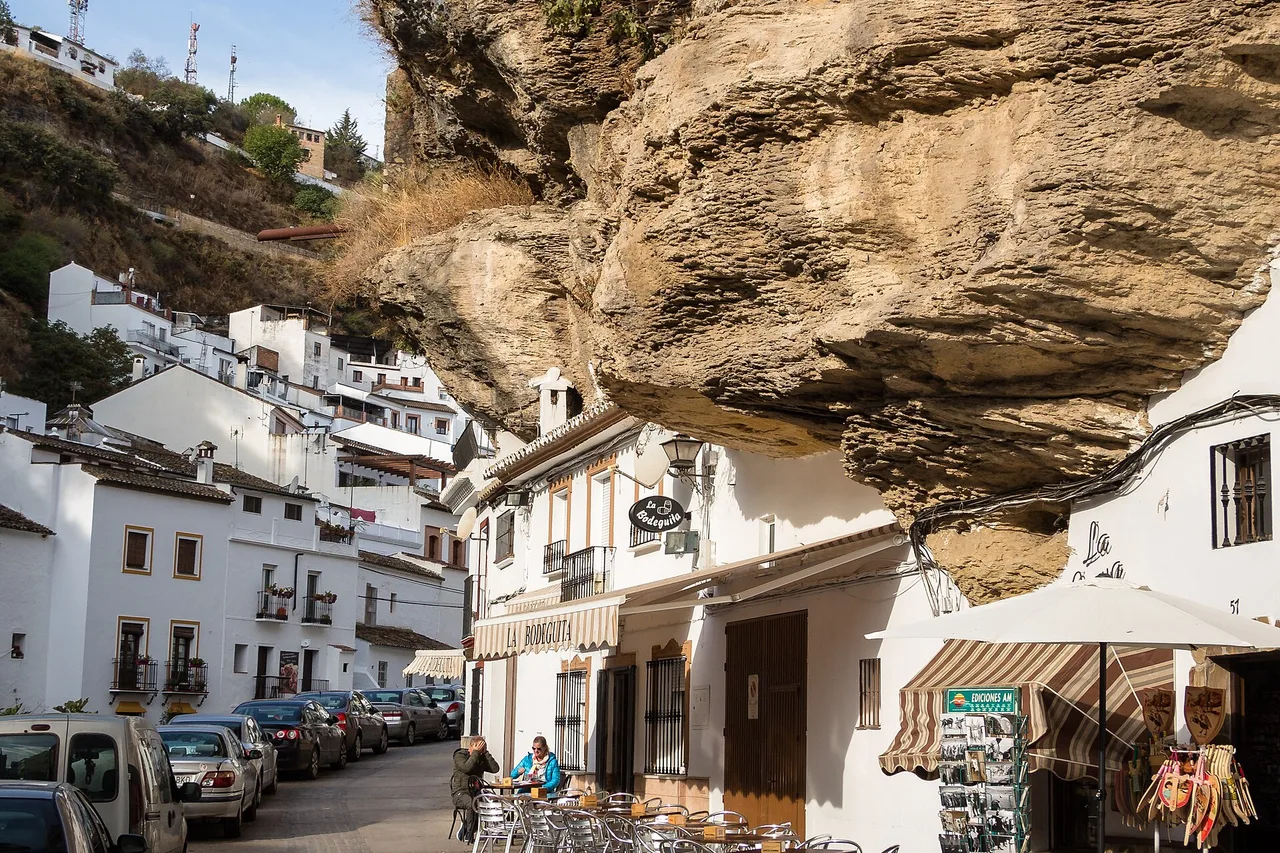
Setenil de las Bodegas is the only one of its kind. Its houses are not carved into the rock, contrary to what you will read: they are built beneath a natural overhang that serves as their roof, and you walk along streets ceilinged by hundreds of tonnes of limestone.
Zahara de la Sierra adds water to the picture: the village and its watchtower stand above a turquoise reservoir, and it is probably the most photographed view in the sierra.
Grazalema is the gateway to the natural park and the logical base for the trails — this is where the walking half of the trip happens.
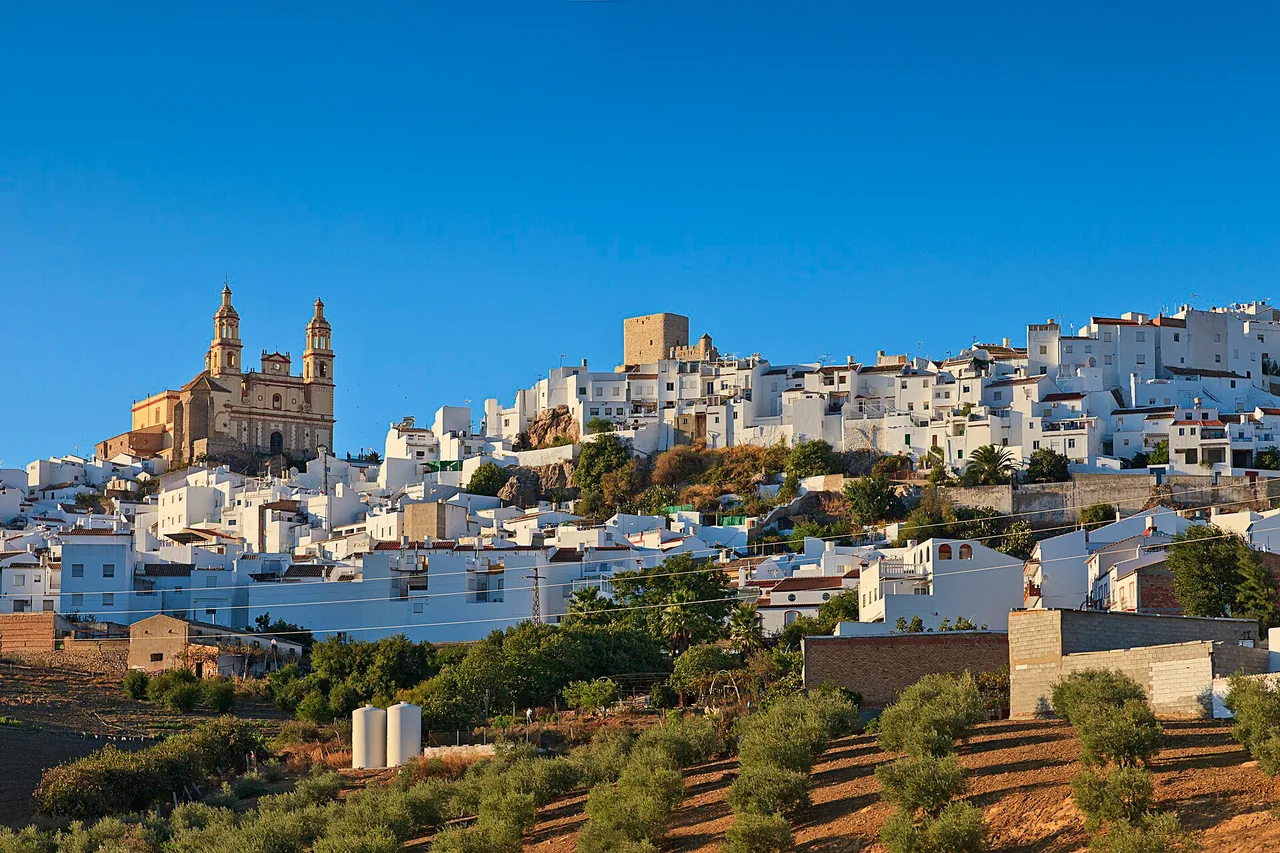
Olvera often closes the route, with its twin-towered church and castle keep planted on top of a pile of white houses.
Grazalema, and the superlative we will not copy
You will read everywhere that Grazalema is the rainiest place in Spain. That is the sentence in circulation, and the data corrects it.
Grazalema receives about 1,900 mm of rainfall a year on average over 1991-2015 according to the Spanish meteorological agency. That is enormous — two to three times London or Madrid — but it makes it the rainiest point in Andalusia, not in Spain: several areas of Galicia, the Basque Country and Navarre record more. The reputation comes from spectacular historical readings in the 1950s and 1960s.
📌 Why we bother to correct it: a blog that repeats a false superlative has earned no right to be believed on anything else. And what actually concerns you is more useful than the record: the sierra is green because it rains, and a winter or spring stay can be frankly wet. Bring shoes that grip on wet limestone.
Why they are white — the answer is practical, not decorative
Lime, for two reasons that are anything but picturesque. A whitewashed façade reflects most of the solar radiation and keeps the interior cooler, which matters when the Andalusian interior runs well past thirty degrees in summer. And lime is a disinfectant: it protects walls from damp and limits mould — a real concern in a sierra this wet.
The Cádiz tourist board itself describes the route as a cluster of white-walled houses that seem to climb the mountains, and traces the name to the ancient custom of whitewashing façades, adorned with flower pots in vivid colours.
Getting around: the question that decides your trip
This needs saying plainly, because it is where trips go wrong. These villages are not linked to each other by usable public transport. Arcos de la Frontera and Ubrique can be reached from Cádiz or Jerez, but between the mountain villages services are sparse — often one bus a day, sometimes none on Sundays — and the timetables do not combine to let you do two in one day.
🟢 Without a car, the honest choice is to give up the route and settle. Basing yourself in Grazalema or Arcos and exploring on foot has a great deal of charm, and it makes an excellent trip — it is simply not the white villages route. The Cádiz tourist board itself warns that you need a weekend at the very least, on narrow mountain roads.
If your itinerary really is that one — several villages, as a loop, at your own pace — then a car is not a comfort, it is what makes the route possible. Two reflexes before booking, and they weigh more than the headline daily rate: check the excess amount and the fuel policy — full-to-full is the only one that does not make you pay for fuel you will not burn — and compare the airport price (Seville, Málaga, Jerez) with a city-centre branch, which is often lower. In this specific case, comparing local Spanish rental companies generally returns lower rates than the big international chains, with the conditions shown before you book.
⚠️ And take the smallest car that suits you. This is not thrift, it is comfort: the streets of these villages were laid out for mules, and you will regularly meet places where two cars do not fit.
Parking, the real problem of the day
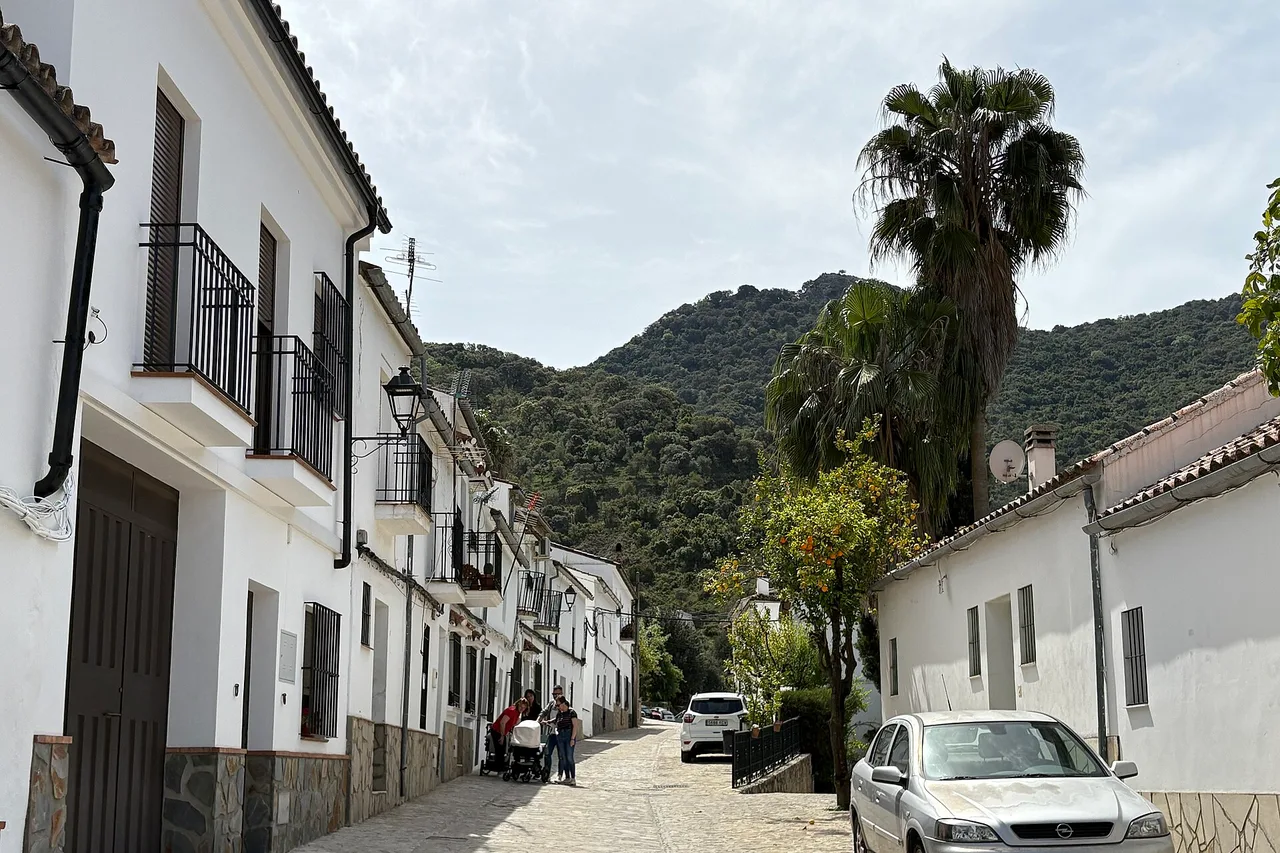
Nobody writes about it and it is what wears visitors out. These villages are built on slopes, their streets are narrow, and the available spaces are already taken by residents — who live there all year.
🟢 The rule that works everywhere: park at the bottom, walk up. Every village has a car park at its entrance or below it. Trying to approach the historic centre by car costs you twenty minutes, often ends in a reversing manoeuvre down an alley, and gains nothing: these centres are crossed on foot in a quarter of an hour.
📌 A scheduling corollary: arrive early or late. Between 11 am and 4 pm in season, the car parks of Arcos, Setenil and Zahara are full, and you will share the streets with coach excursions up from Málaga and Seville.
When to go
Spring and early autumn, without hesitation. The sierra is green in April and May, you can walk without suffering, and the villages are not saturated.
Summer is workable if you accept the local rhythm — out early, a pause in the middle of the day — but the heat of the interior is severe, and the Garganta Verde is closed to ordinary walking.
Winter has its own appeal: a spectacular sierra, nobody in the streets, and accommodation prices at their lowest. The trade-off is written above, in millimetres.
What we will not sell you
Car hire is the only real need this route creates. The villages are free to visit, and the one permit you need is free and comes from the Andalusian administration.
For your phone, Spain is in the European Union: your plan works there on roaming at no extra cost.
In short
If you take only four things away:
① The official route has 19 municipalities, and lists online get it wrong regularly — they cite Benamahoma, which is not one, and omit Puerto Serrano. ② Four trails require a free, named permit from the Junta de Andalucía: Pinsapar, Garganta Verde, Torreón, Llanos del Rabel — and the Garganta Verde is not a walk between 1 June and 15 October. ③ Without a car the route is not feasible: one bus a day, sometimes none on Sundays. ④ Park at the bottom and walk up, early in the morning or late in the afternoon.
And be wary of superlatives, however lovely: Grazalema is the rainiest point in Andalusia, not in Spain. What remains true, and far more useful, is that it rains enough there to keep the sierra green.
Top-rated activities in Spain, bookable online: