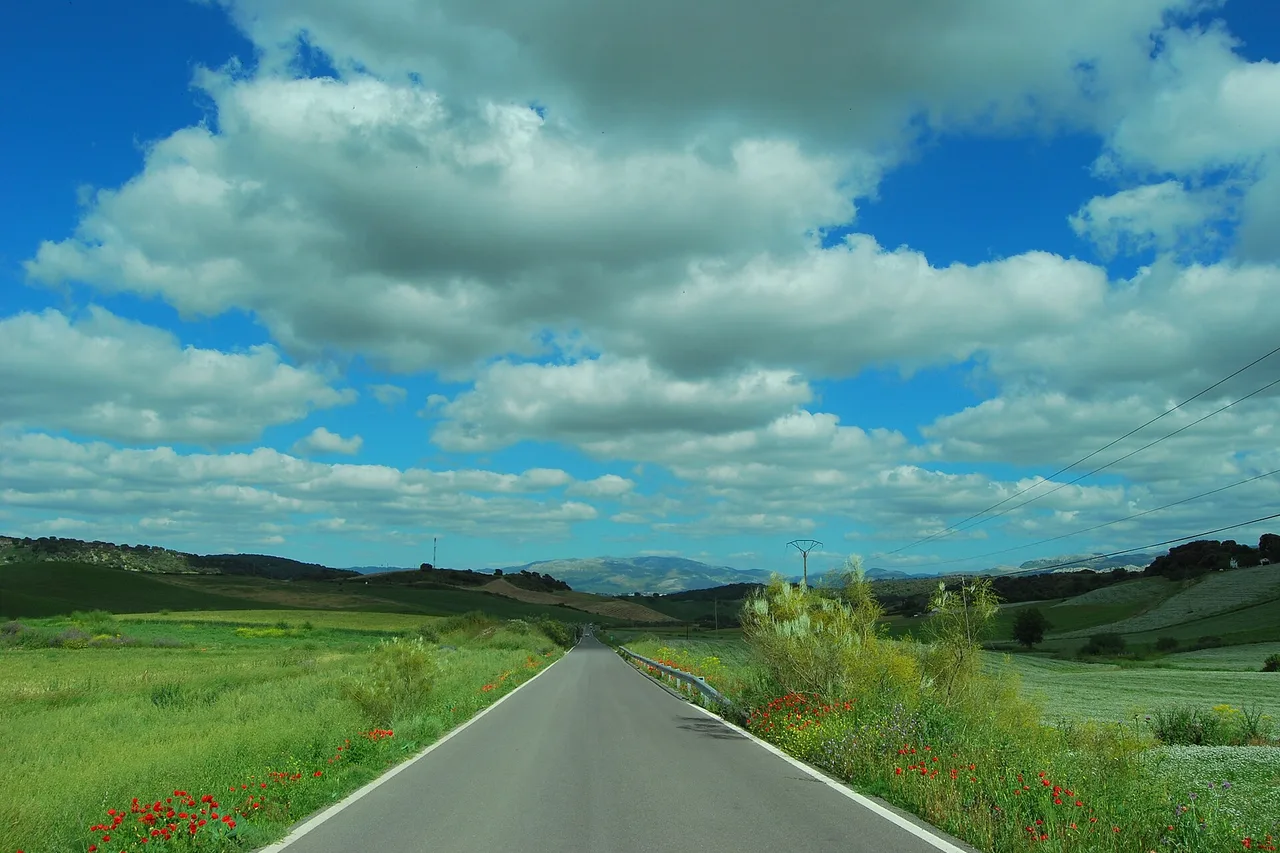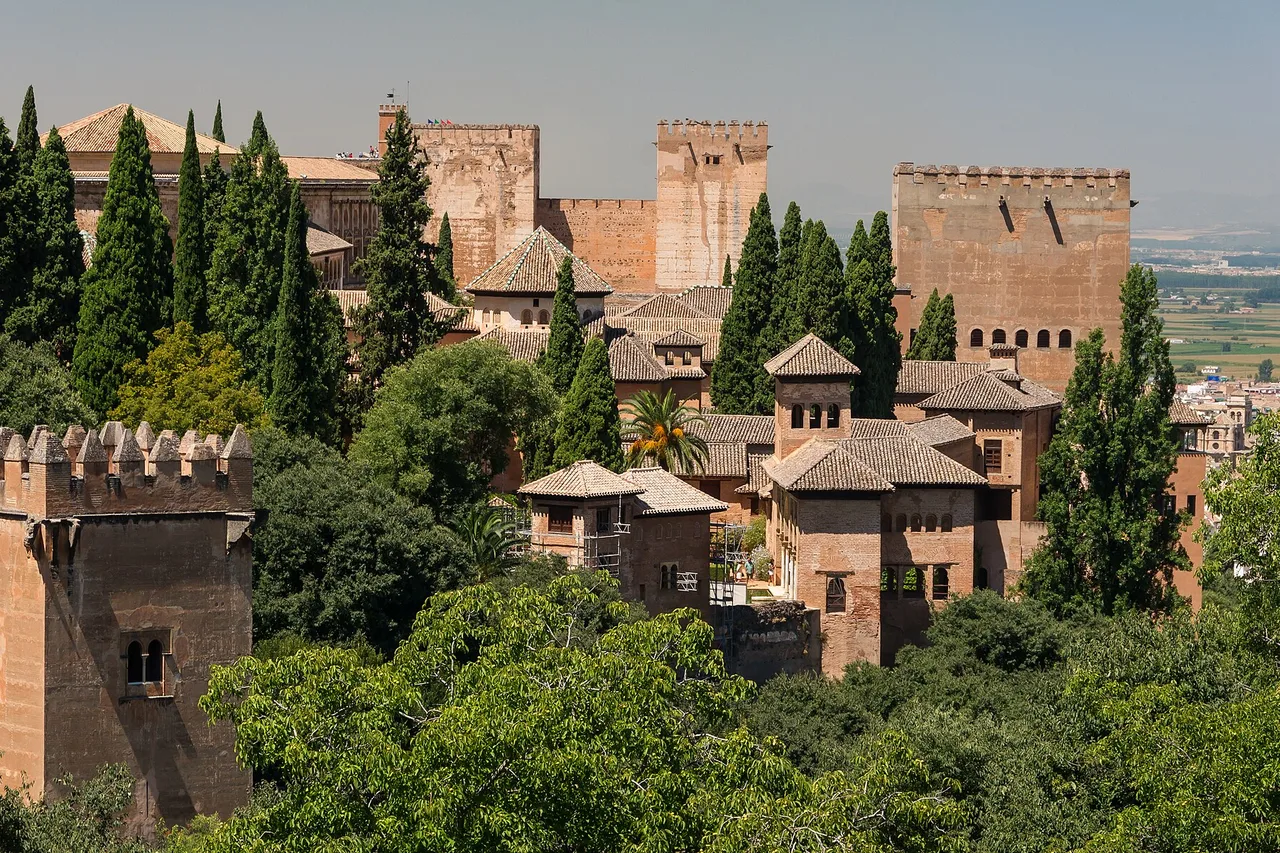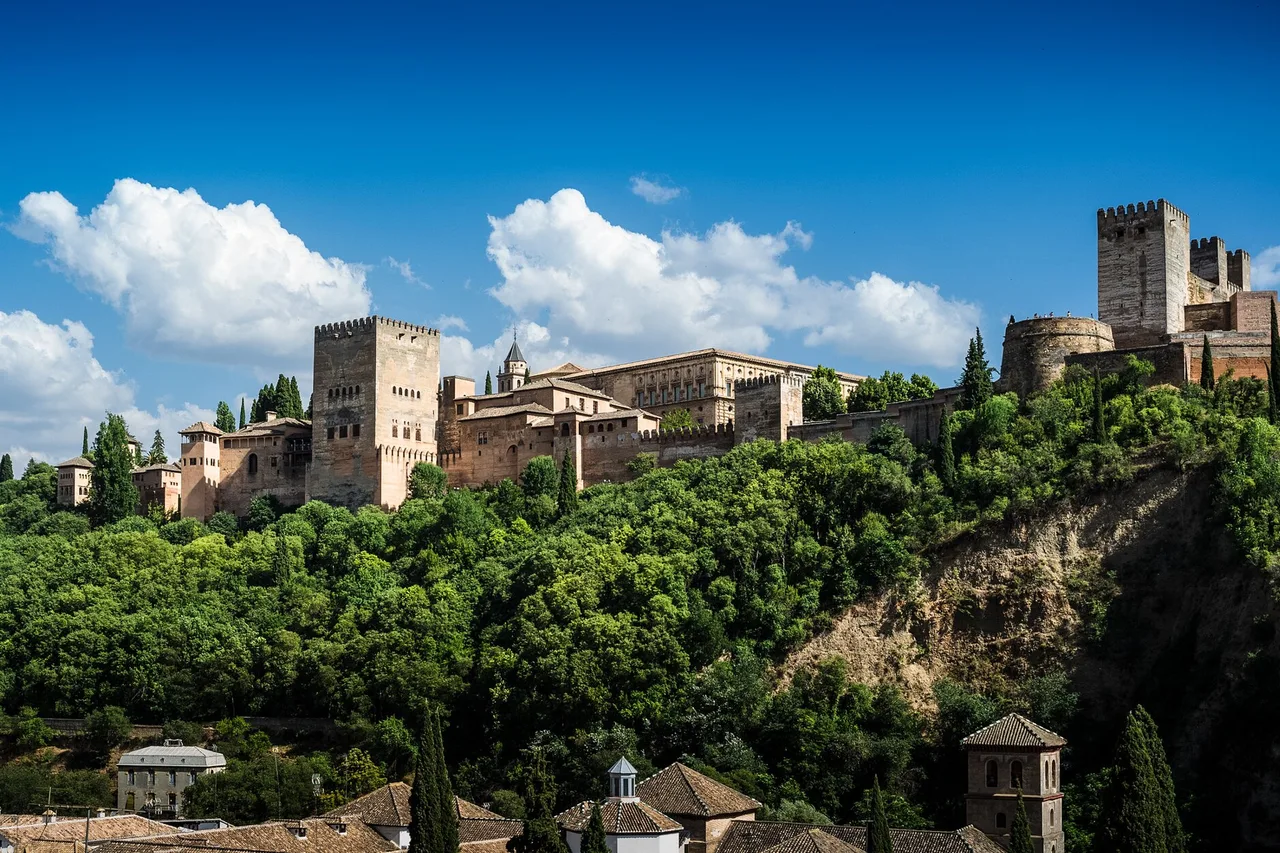
Andalusia fits into a loop of under 700 kilometres, and that is exactly what makes it deceptive. The distances are so short that you are tempted to add one city, then two — and end up spending the week looking for somewhere to park. The real constraint here is neither the road nor the driving time: it is parking, the low-emission zones now live in four cities out of four, and an Alhambra ticket that has to be booked a month ahead. Here is the day-by-day breakdown, the real distances, and what to book before you even rent the car.
The loop, and why this one
Seville, Córdoba, Granada, the white villages, back to Seville. Ninety per cent of successful weeks in Andalusia follow this shape, for a geometric reason: it is a loop, not an out-and-back.
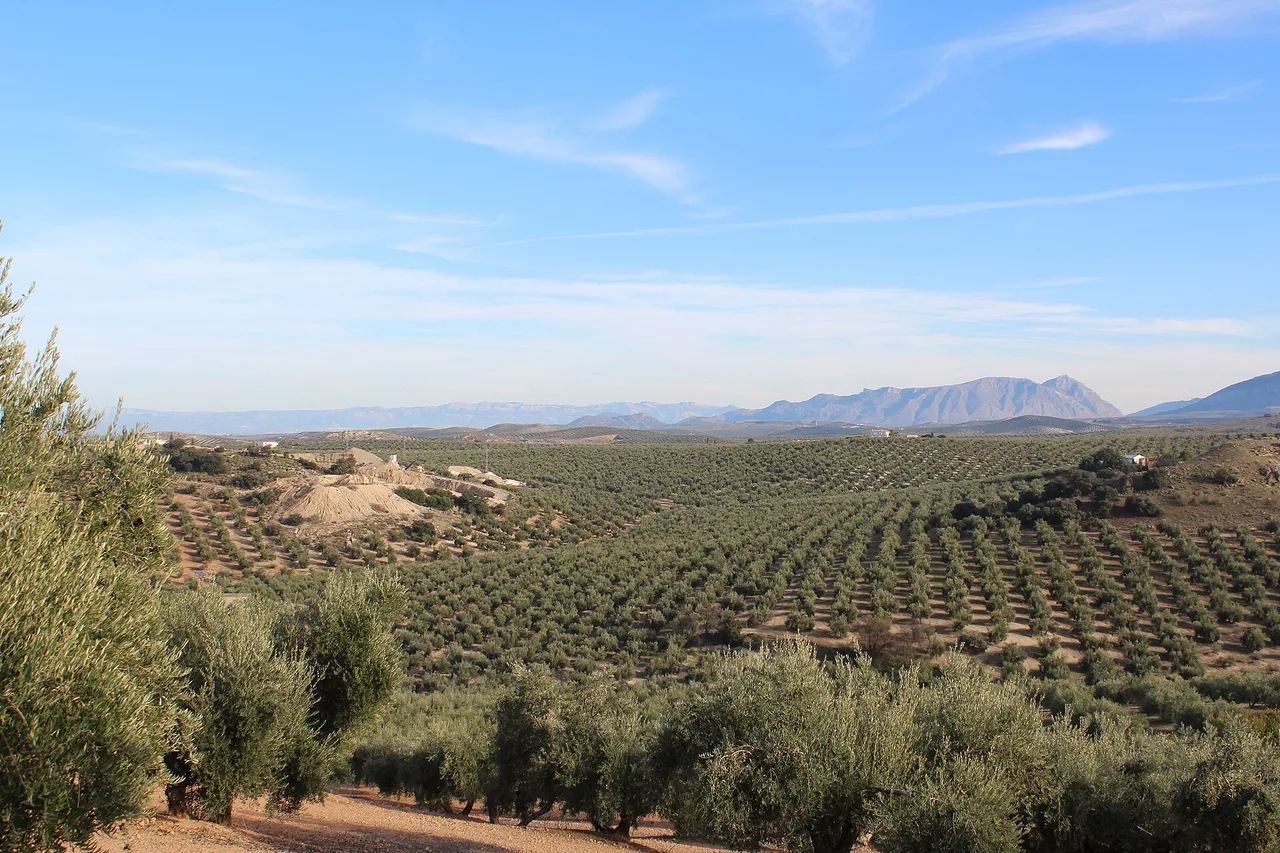
The total is around 660 kilometres, closer to 800 with the Serranía detours. No single leg exceeds two and a half hours. Above all, you never cover the same ground twice: the car links four very different worlds — an Andalusian capital, a museum city, a mountain town and a countryside of hilltop villages — instead of shuttling back and forth.
Full guide: Car Hire in Andalusia: Prices, Deposit and ZBE Zones
The classic mistake is grafting the coast onto it. Marbella, Nerja or Cádiz each add half a day of driving and, more importantly, change what the trip is: you move from a cultural itinerary to a beach one, and a week will not hold both. If the sea is the point, this is not the itinerary — a coastal stay with two day trips is.
Day by day, with the real distances
Here is the breakdown that leaves room to breathe. It accounts for something published itineraries forget: the first and last days are not full days.
| Day | Leg | Road | On the ground |
|---|---|---|---|
| 1 | Arrive in Seville | — | Santa Cruz quarter on foot, late in the day |
| 2 | Seville | — | Alcázar in the morning, cathedral, Plaza de España at sunset |
| 3 | Seville → Córdoba | ≈ 145 km · 1 h 30 (A-4) | Mezquita, Judería, Roman bridge |
| 4 | Córdoba → Granada | ≈ 200 km · 2 h 15 (A-45 + A-92) | Albaicín, Mirador San Nicolás |
| 5 | Granada | — | Alhambra on the booked half-day |
| 6 | Granada → Ronda | ≈ 190 km · 2 h 30 | Puente Nuevo, old town |
| 7 | Ronda → Seville via the villages | ≈ 130 km · 1 h 45 plus stops | Setenil, Zahara or Grazalema |
Two nights in Seville, one in Córdoba, two in Granada, one in Ronda: that split stops you unpacking every evening. Córdoba can be done as a day trip from Seville if you leave early, but you then lose the city at dusk, which is the best moment for a Judería emptied of coach parties.
Seville: start in the city where the car is useless
A useful paradox: the first stop on an Andalusian road trip is the place where the car absolutely must stay in the garage.
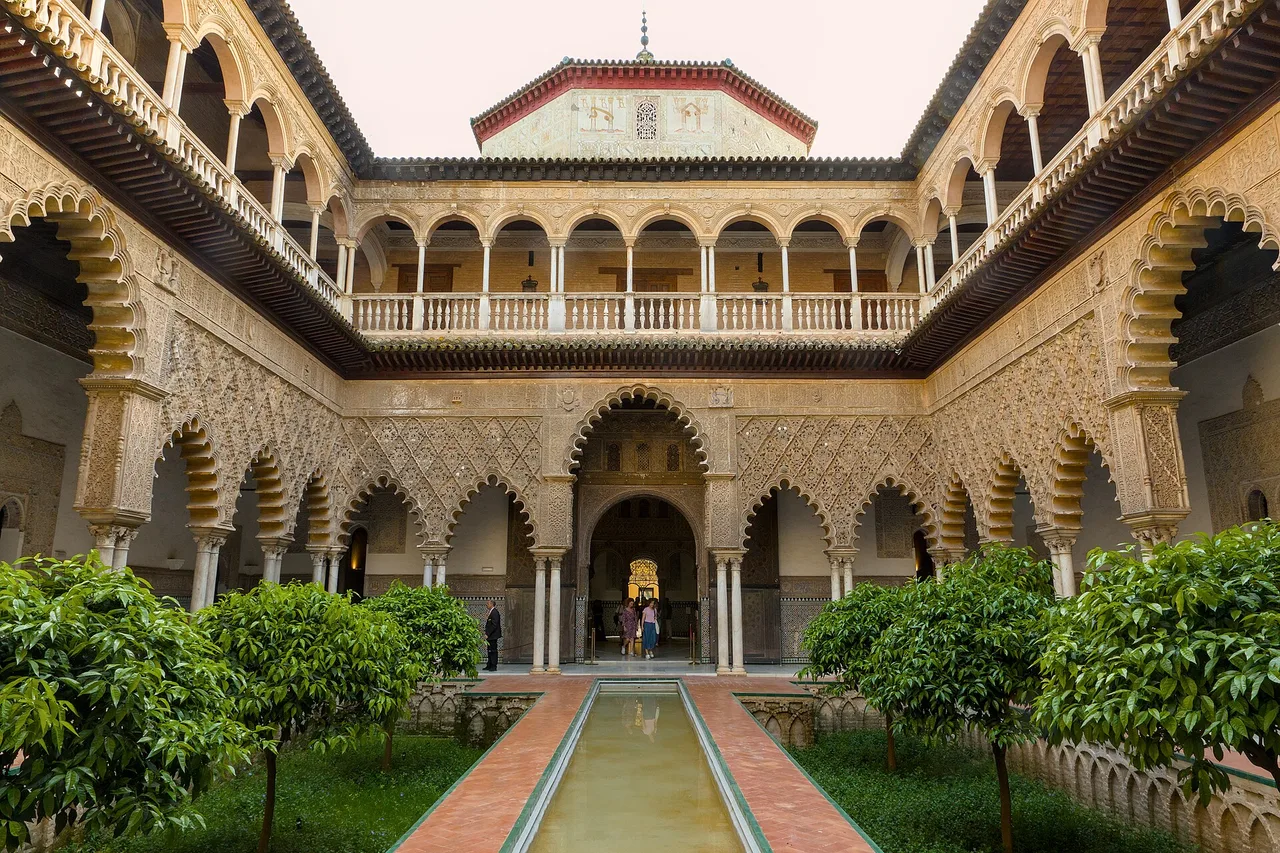
Central Seville is walked, and has to be: its streets were laid out for mules, not saloons, and part of it is camera-filtered. Take an underground car park on the edge of the centre and do not touch the car again until you leave. If your flights allow it, the elegant move is to pick the car up only on day three, when you set off for Córdoba: two rental days saved, and no parking problem at all.
The Real Alcázar deserves to be the first visit of the morning — €13.50 general admission, ground-floor palaces and gardens included. The official website is enough and remains the cheapest. Sold out for your slot? Skip-the-line tickets for the monuments of Seville and Granada hold separate allocations, often still open when the official one is not — a fallback at a slightly higher price, not a shortcut to take by default.
Córdoba: the best hour of the week is free
There is one window in this itinerary worth more than any paid ticket. It lasts an hour, it is public, and almost nobody uses it.
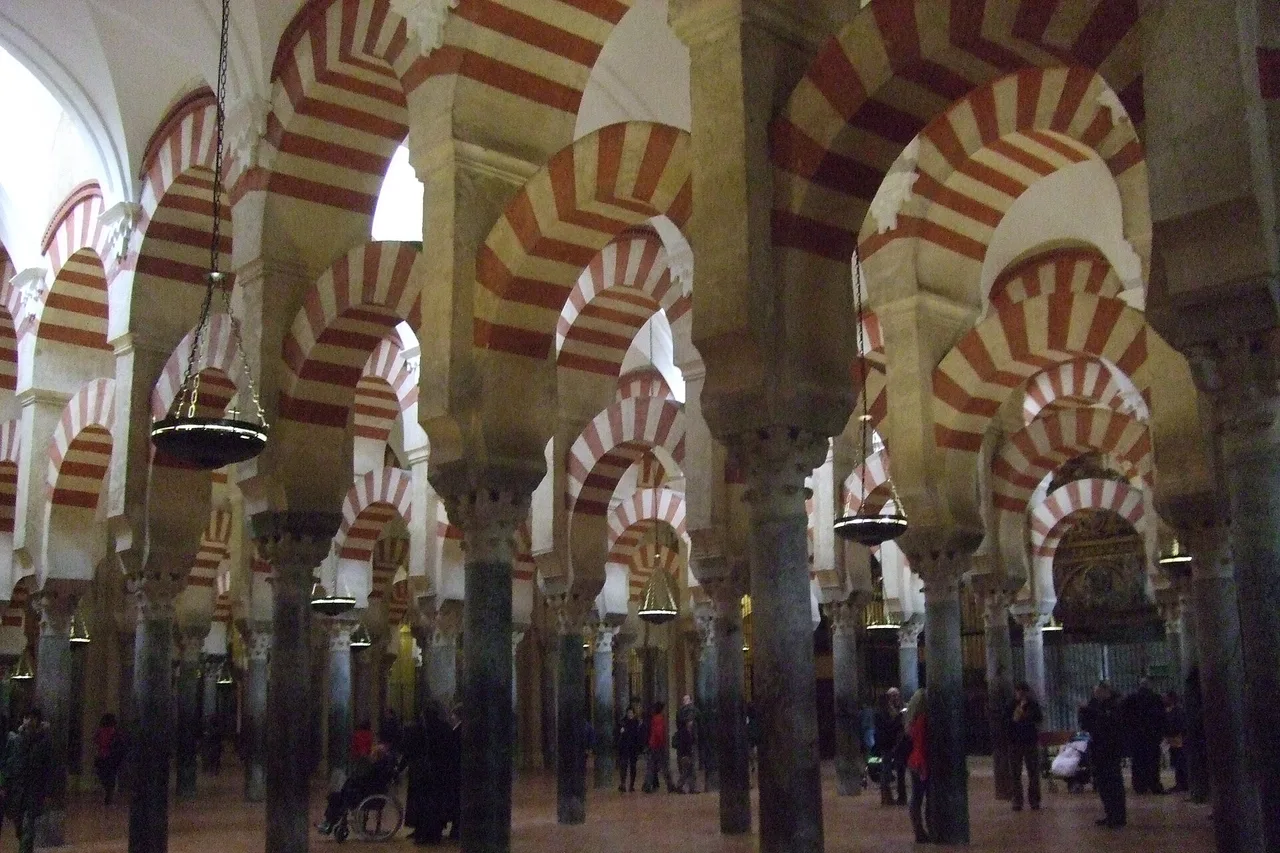
Monday to Saturday, Córdoba's Mosque-Cathedral is free from 8.30 to 9.30, outside days of extraordinary celebration. Three caveats, worth knowing before you set the alarm: access closes at 9.20 and the building starts to clear, the visit is strictly individual — no groups, no guides — and the cathedral nave is viewed from a distance, behind a rope.
So it is a truncated visit. It is also the only one in which you hear your own footsteps in the forest of columns, in a low raking light the rest of the day does not give back. The good plan, if Córdoba matters to you: go free at first light, and come back with a ticket in the afternoon if seeing the cathedral wins out.
The rest of the city follows on foot: the Judería, the Roman bridge, the Alcázar de los Reyes Cristianos and its gardens. Allow half a day, no more — Córdoba is dense but small.
Granada: the one booking that governs the whole trip
If one thing has to be locked in before flights and hotels, it is this. That is not guidebook exaggeration: it is a quota.
Daily visitor numbers at the Alhambra are capped, and tickets sell out every day. General admission rose to €21 on 1 August 2026. The official box office — tickets.alhambra-patronato.es — opens up to three months ahead, and that is where to buy: lowest price, no middleman. Allow two weeks minimum, and thirty to sixty days between April and October.
Full guide: Alhambra Tickets: Prices, Time Slots and Sold-Out Options
There is one fallback when the individual allocation is gone, and only one: guided-tour operators hold pre-purchased places, which stay available longer. Guided tours and audio guides of the Alhambra and the Albaicín fall into that category. It costs more than the official ticket — noticeably — and is only worth it in one case: your trip is fixed, the box office says sold out, and the alternative is not getting in at all.
Allow a full half-day on site: it is large, steeply sloped, and entry to the Nasrid Palaces is at a precise half-hour slot that cannot be made up. The rest of the time goes to the Albaicín, on foot, and to the Mirador de San Nicolás in the late afternoon — that is where the photograph at the top of this article was taken.
Ronda and the white villages: the part people wrongly cut
This is the segment most often sacrificed when the schedule overflows, and that is a mistake: it is the one that justifies renting a car at all.
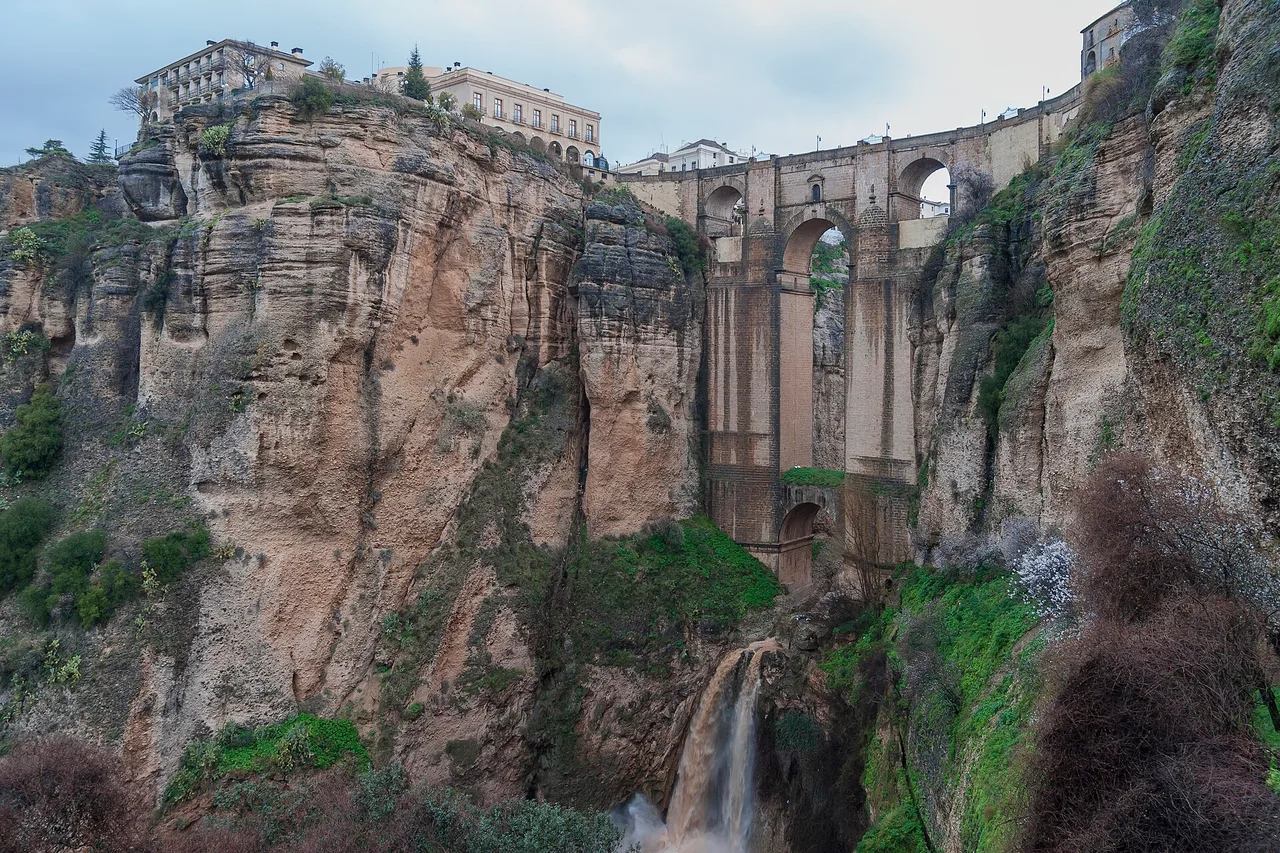
Ronda has to be earned: the town sits on either side of a hundred-metre gorge, crossed by the Puente Nuevo. The reflex that saves an hour is not to look for a space in the old town, but to leave the car below or on the outskirts and walk up. The most striking viewpoint is not on the bridge anyway, but beneath it, from the path that drops into the Tajo.
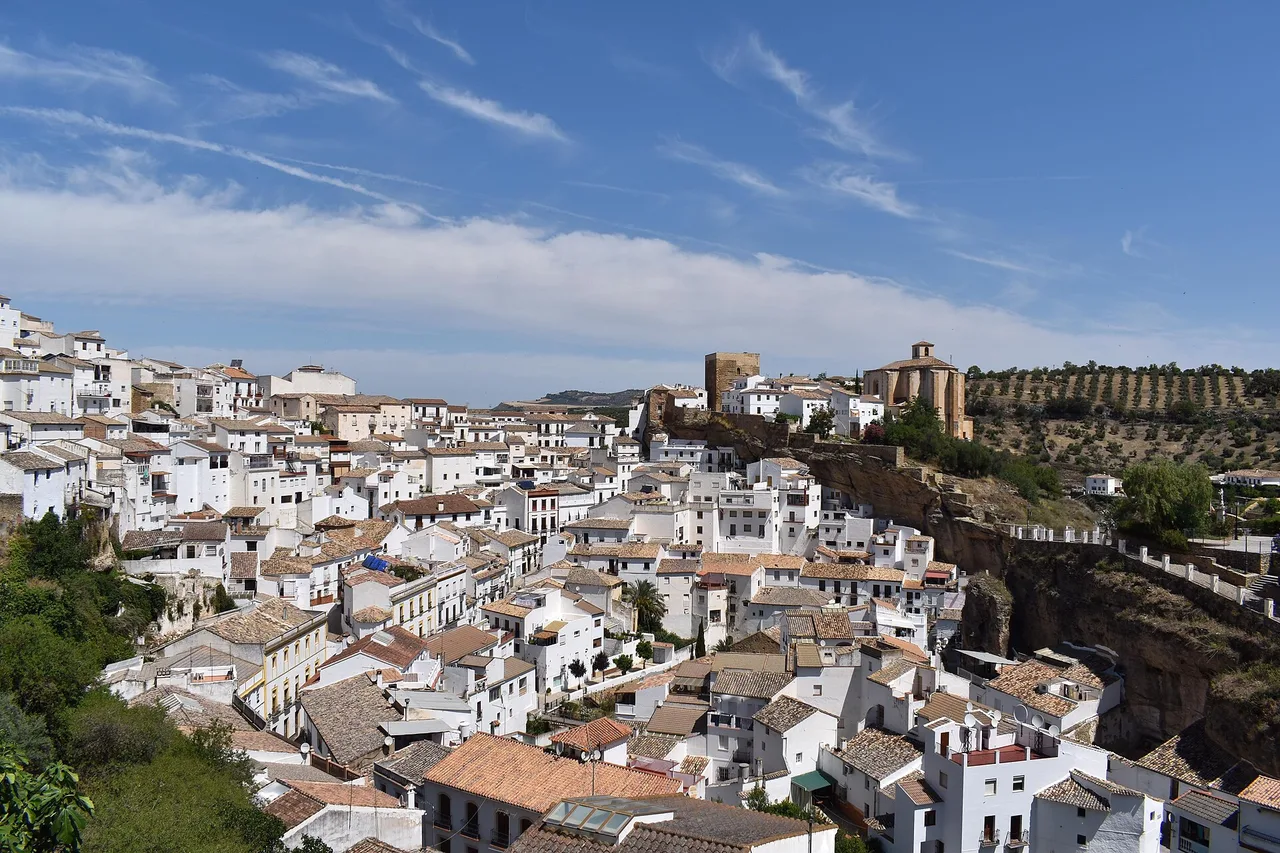
On the way back to Seville, two or three villages are plenty — stringing them all together turns the day into a race. Setenil de las Bodegas is the most spectacular: the houses are built under an overhanging rock shelf, not carved into it, and the village takes an hour on foot. Zahara de la Sierra has the finest panorama, over its turquoise lake. Grazalema is the liveliest and the coolest — it is also one of the rainiest places in Spain, which explains its unexpected green.
The roads there are narrow, winding and toll-free. They ask for attention and a little time: always allow half an hour more than the satnav claims between two villages.
The car: what costs money, and what costs nothing
Three things decide the budget and your peace of mind: low-emission zones, parking, and the choice of rental company. None is complicated, but each is paid for when ignored.
Low-emission zones are now a reality in all four cities of the loop. Granada has enforced its own since October 2025 across 23.55 km², much of the built-up area. Málaga switched on camera enforcement on 30 November 2025 and issued 11,712 fines in December and January alone. Córdoba has one. Seville informs drivers but is not yet applying financial penalties. The reference fine is €200, reduced to €100 if paid early.
The good news: a rental car is under five years old, carries a C or ECO environmental label, and is therefore not caught by the ban aimed at older vehicles. The real risk is different — the historic centres reserved for residents, filtered by camera, which you enter without noticing by following a satnav. The answer fits in one sentence: underground car park on the edge, centre on foot. It is also by far the least tiring option.
On tolls, there are none on this loop: the A-4, A-45, A-92 and A-44 are free motorways. The only toll roads in the region are the AP-7 along the Costa del Sol — €5.50 from Málaga to Marbella at the low-season rate, €11.60 as far as Guadiaro — and the AP-46 north of Málaga. The free A-7 shadows the first: slower, busier, but free.
For the rental itself, always compare the big companies at your arrival airport first; their headline rates can be unbeatable out of season. When they climb — the rule from July to September — local agencies are often cheaper for the same car, and local car rental agencies in Spain bring them together for pick-up in Málaga, Granada, Seville, Madrid, Barcelona or Alicante, with lower security deposits. Two things to check line by line, whoever you rent from: the fuel policy, and the amount actually blocked on your card.
What to book, and in what order
This itinerary is not planned in the order of the days. It is planned in the order of the constraints, from the most rigid to the most flexible.
| Rank | What | When | Why |
|---|---|---|---|
| 1 | Alhambra, Granada | 30-60 days (Apr-Oct), 15 otherwise | Daily cap, €21, sells out every day |
| 2 | Flights | Once you have the Alhambra date | The Alhambra date sets the week |
| 3 | Car | 2-3 months in summer | Prices rise; availability does not fall |
| 4 | Real Alcázar, Seville | 1-2 weeks | €13.50, morning slots go first |
| 5 | Mezquita, Córdoba | Nothing to book before 9.30 | Free Monday to Saturday, 8.30-9.30 |
The summary, in three sentences. Book the Alhambra before everything else, flights included — it is the one piece of the puzzle that will not move. Pick the car up only when you leave Seville, and return it to the same airport. And in every city, park outside and walk in: that is what separates a restful week from a week spent hunting for a space.
That leaves the question of season, which deserves an article of its own: Andalusia in July and August is not the same destination — Seville and Córdoba regularly pass 40 °C, and this itinerary, built on walking a lot, becomes hard going before late afternoon. Spring and autumn remain, by some distance, the best windows.
Top-rated activities in Spain, bookable online: