Everyone will hand you a daily budget, rounded and reassuring. Nobody measures it. What the Spanish national statistics institute does measure, every month, is this: the average occupied room cost €156.90 a night in July 2026, and €117.80 in March. Add the only tourist tax in Europe that is worth nothing in one region and €9.50 per person per night in another, and you have the only two levers that genuinely move your budget.
The only figure in the Spanish budget that is genuinely measured
A budget article is judged on one thing: where its numbers come from. Most of those you will find online repeat a daily range — sixty to a hundred euros, depending on the blog — that no organisation calculates. Yet an official, monthly, free and public measurement does exist: that of the Instituto Nacional de Estadística, the INE, whose latest monthly release is dated 21 August 2026.
| Indicator | March 2026 | July 2026 |
|---|---|---|
| Average price of an occupied room (ADR) | €117.80 | €156.90 |
| Average revenue per available room (RevPAR) | €75.00 | €119.30 |
| Bed occupancy rate | 53.7% | 71.1% |
⚠️ One reading point that changes everything, and that is copied wrongly almost everywhere: this amount is a price per room, not per person. For a couple sharing the same room, €156.90 really is the cost of the night for both of you — not €313.80. Doubling that figure builds you a false budget.
The gap between the two columns is €39.10 a night. Over seven nights that is €273.70 — same country, same rooms, same breakfast. No saving on the ground comes close: you will not claw back €273 by changing restaurant or walking more.
The second lever, and Spain is alone in having it at this scale
In most European countries the tourist tax is a line of a few euros you discover on the bill and forget. In Spain it is regional — and the country is the only one in Europe where it is literally worth nothing in one region and twelve euros per person per night in another.
Only two autonomous communities levy it: Catalonia and the Balearic Islands. Everywhere else — Madrid, Andalusia, the Valencian Community, Galicia, the Basque Country — there is no general regional tax in 2026.
| Type of accommodation | Regional part | Municipal surcharge | Total |
|---|---|---|---|
| Five-star hotel | €7.00 | €5.00 | €12.00 |
| Tourist rental flat | €4.50 | €5.00 | €9.50 |
| Four-star hotel | €3.40 | €5.00 | €8.40 |
| Other accommodation | €2.00 | €5.00 | €7.00 |
| Madrid, Andalusia, Valencian Community | — | — | €0 |
Three useful clarifications. ① The tax applies only to the first seven nights in the same establishment; beyond that it stops. ② The Barcelona municipal surcharge will keep rising — €6 in 2027, €7 in 2028, €8 in 2029 — so an article that gives you “the” Barcelona tax without stating the year is of no use to you. ③ In the rest of Catalonia the increase is far gentler: a tourist rental is at €1.75 in 2026.
In the Balearics, the sustainable tourism tax has existed since 2016 and a summer surcharge has been added since June 2026 on higher-category establishments. We do not publish a detailed table here: the sources we consulted disagree on the base amounts and on the exact scope of the surcharge. What holds is that in the Balearics there is one, that it is heavier in June, July and August, and that it can be checked on your establishment’s listing when you book.
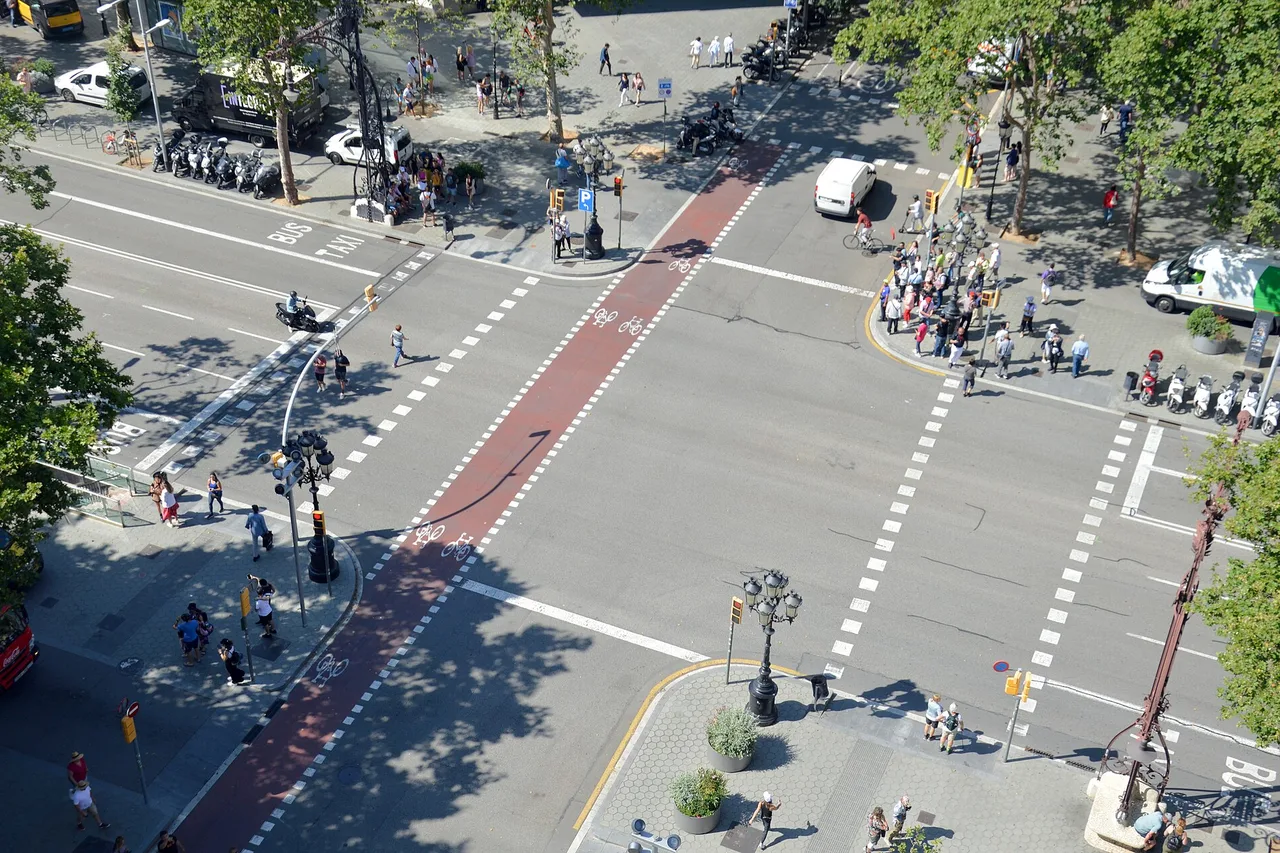
What the two levers do, together, over a week for two
Take two travellers, one room, seven nights. Nothing else changes: not the comfort, not the pace, not the appetite.
| Seville in March | Barcelona in July | |
|---|---|---|
| Accommodation at the official average | €117.80 × 7 = €824.60 | €156.90 × 7 = €1,098.30 |
| Tourist tax (2 people × 7 nights) | €0 | €9.50 × 14 = €133.00 |
| Total of these two items | €824.60 | €1,231.30 |
A gap of €406.70, before a single coffee. And this is not a rigged comparison between luxury and thrift: it is the same national average price, applied to two dates and two regions.
That is why we will not publish a “daily budget for Spain”. Such a figure assumes the main variable is you. The official numbers say the opposite: the main variables are when and where.
Urban transport: the cheapest item, and the most predictable
This is the good news in this budget. Unlike accommodation, Spanish public transport is cheap and its fares are published — so you can budget them to the euro, which is rare on a trip.
In Madrid, the single metro ticket moved to a flat €1.50 on 1 June 2026 whatever the distance; contactless card payment at the gates went live on the same date. For a stay of several days, the zone A Abono Turístico costs €10 for one day, €17 for two, €22.50 for three, €32.50 for five and €42 for seven, at half price for under-11s.
🟢 Its main value is not the number of journeys, it is the airport. The €3 supplement charged at Aeropuerto T1-T2-T3 and T4 stations is included in the Abono Turístico. A return trip to the airport already recovers €6 of supplement on a one-day pass costing €10.
In Barcelona, TMB’s official 2026 fares are €2.90 for a single ticket and €13 for the T-casual, which gives ten journeys — €1.30 a trip, half the single fare. The Barcelona trap is well known and costs the inattentive dearly: the T-casual is not valid to the airport by metro. Line 9 Sud requires its own ticket, at €5.90.
In other words: in both cities the airport journey is counted separately. Count it in advance and it will not surprise you.
Madrid’s museums: the free hours are worth an entire admissions budget
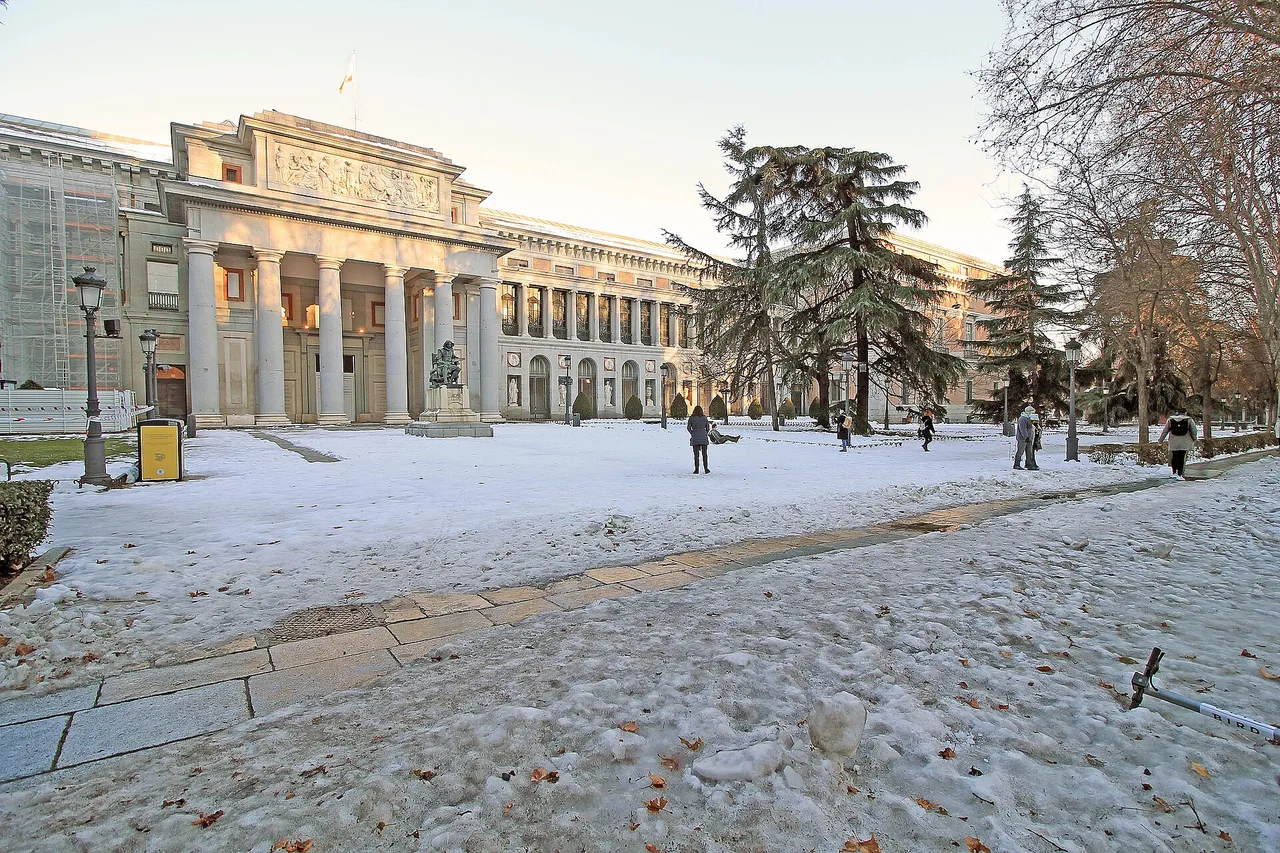
Madrid is one of the few European capitals where both great national museums are free every day, for two hours. This is not a one-off campaign; it is their permanent regime.
| Museum | General admission | Free |
|---|---|---|
| Prado Museum | €15 (€7.50 reduced) | Mon-Sat 6-8 pm · Sun and holidays 5-7 pm |
| Reina Sofía | €12 | every day 7-9 pm (closed Tuesdays) · Sunday afternoon |
On top of that come permanent exemptions many visitors do not know about and therefore never claim: under-18s enter free at both museums, students up to 25 also at the Prado, and over-65s at the Reina Sofía.
Do the sum over a week: two adults visiting both museums in the free slots save €54. That is more than seven days of urban transport in Madrid. The trade-off is real and worth saying: those slots are busy, and two hours is enough for part of a museum, not for the whole Prado.
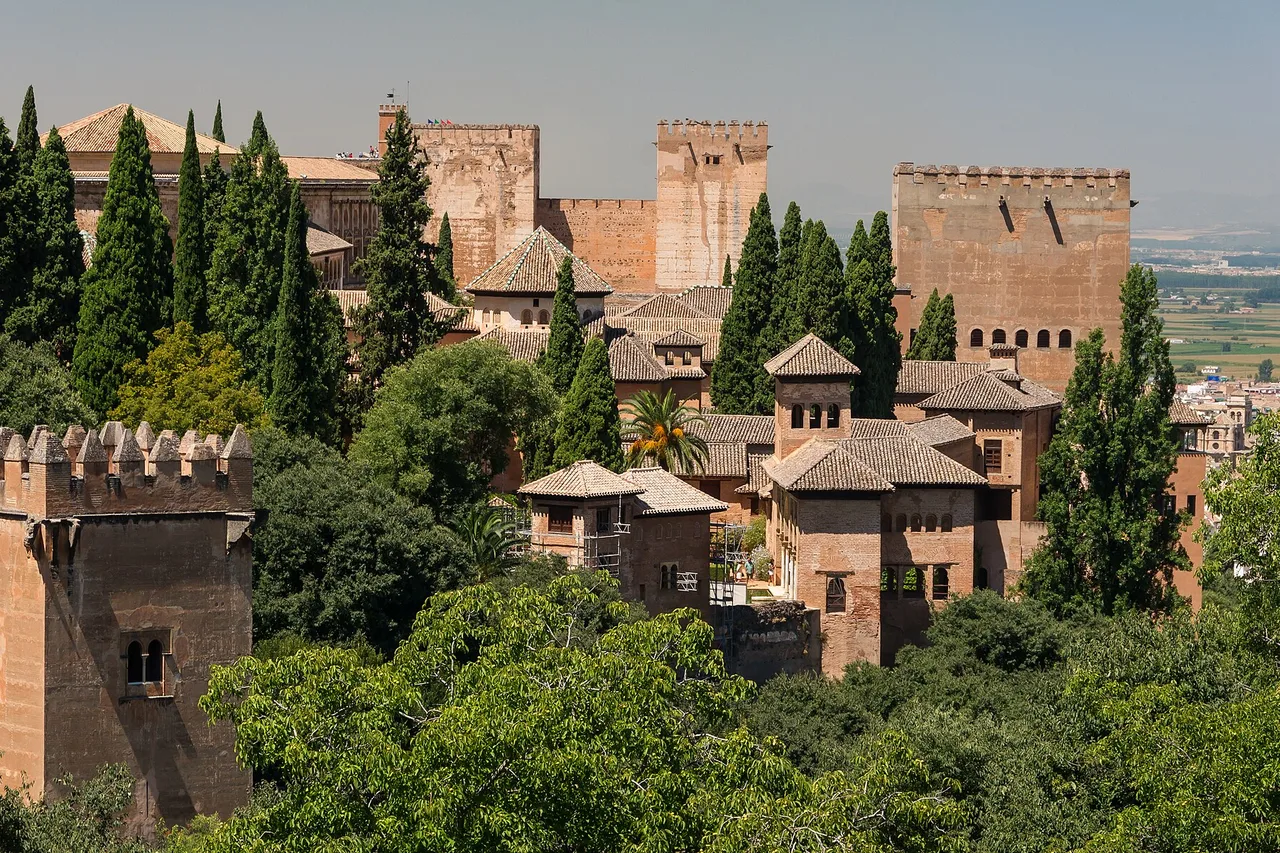
The Alhambra: the one ticket to buy far ahead, and in the right place
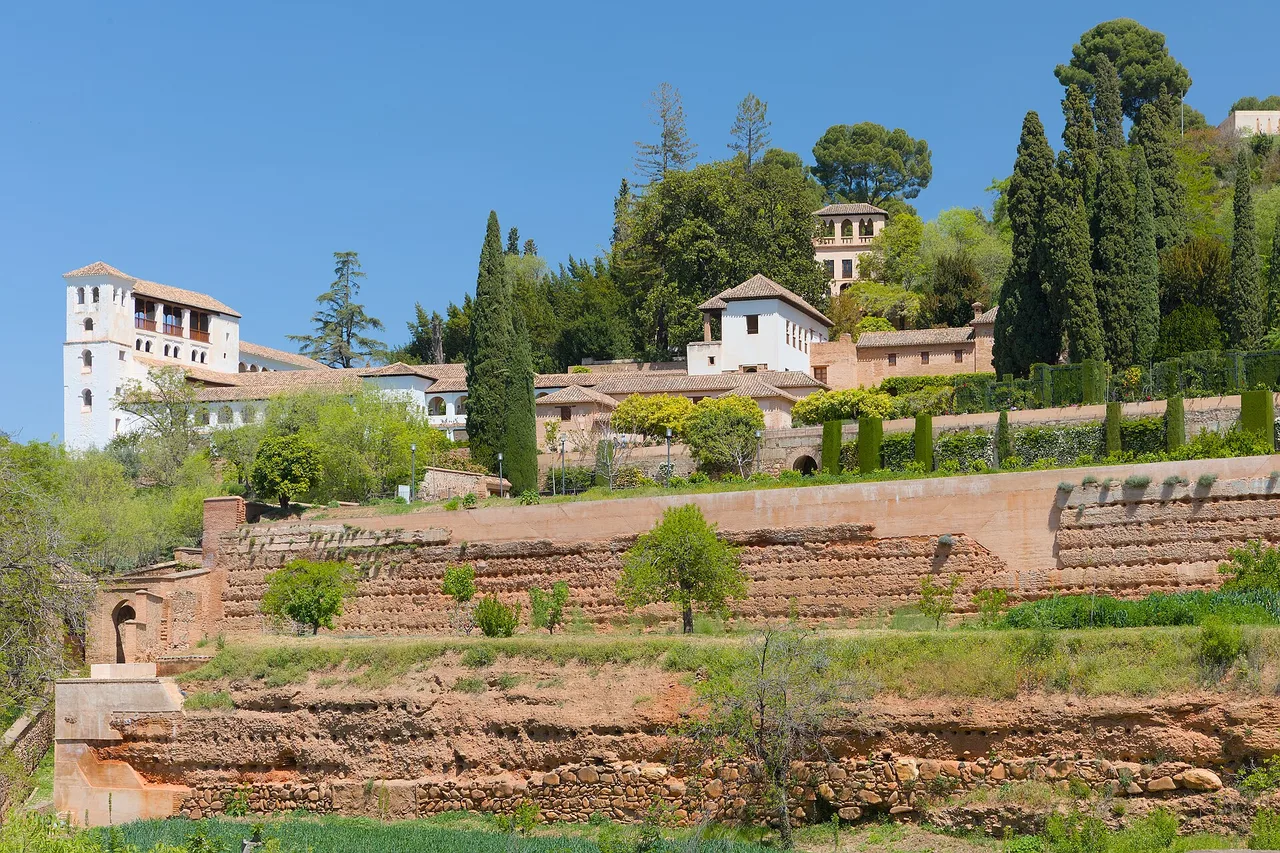
If your week passes through Andalusia, this is the only item in this budget that must be booked weeks in advance. The public prices are set by the Junta de Andalucía and they are public in the literal sense.
€21 for general daytime admission — which covers the Nasrid Palaces, the Alcazaba and the Generalife — €14 reduced, €12 for the night visit to the Nasrid Palaces, and free under 12.
🟢 Buy from the official Patronato de la Alhambra ticket office. A reseller adds a commission of roughly 6% to the public price: the same general ticket rises to nearly €22.30. It is not a huge sum, but it is exactly the kind of leak you pay without noticing, for a service the official site performs just as well.
Two warnings that are not about price, and that cost far more if you discover them at the gate: the ticket is nominative — you will be asked for your ID card or passport, and a name that does not match gets you turned away — and Nasrid Palace slots sell out weeks ahead in high season. A ticket is booked for a date and a time.
Full guide: Alhambra Tickets: Prices, Time Slots and Sold-Out Options
What we will not put a number on: your meals
This is the item every article prices, and the one nobody measures. Institutes publish price indices — changes over time, comparisons between countries — never the cost of a plate of tapas. The ranges you read elsewhere come from travel sites and crowd-sourced databases: observed, not measured.
We would rather give you what is true and checkable, namely where the gap actually sits:
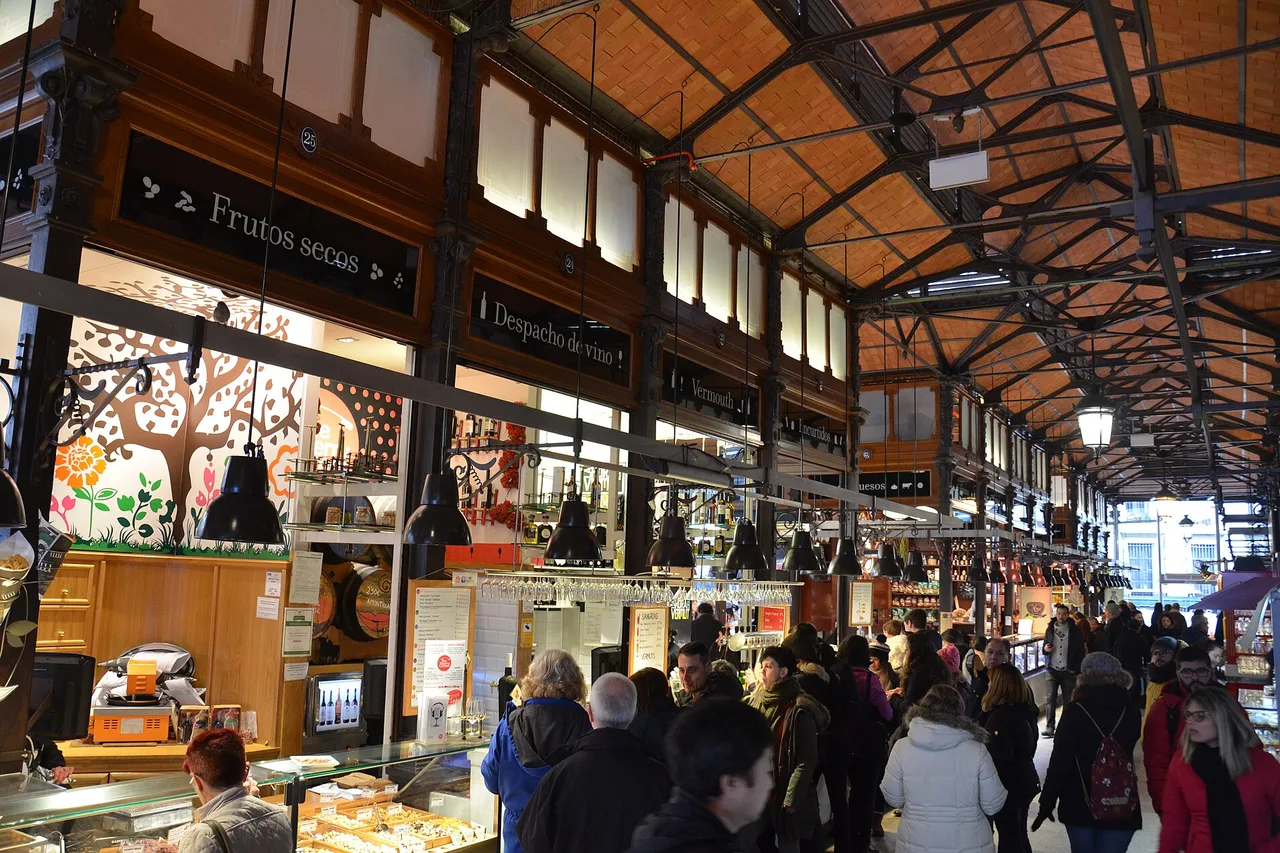
① The menú del día, served on weekday lunchtimes, is structurally cheaper than the same cooking à la carte in the evening — it is a Spanish catering habit, not a promotion. ② The price shown on the terrace on a tourist square is not the price of the same establishment at the counter: the difference is legal and displayed, but you still have to read it. ③ Covered markets such as San Miguel in Madrid are excellent places to taste and poor places to dine cheaply: they are gourmet halls now, with the prices to match.
The money you can get back, and the money you can avoid spending
A budget is not made only of expenses. Two items are worth knowing before you leave.
① A delayed or cancelled flight owes you money. Every flight departing from an airport in the European Union, Spain included, carries a right to fixed compensation for a long delay on arrival, a late cancellation or denied boarding. The amounts — a few hundred euros per passenger — comfortably exceed the transport budget of your entire week.
🟢 Start with the free route; it often works. Claim directly from the airline: it costs nothing, it is your right, and a form is enough in most cases. Only if you are ignored, or the case drags on, does a specialist service become useful — it is then paid by a commission on what it recovers, so you receive less than through the direct route, but you receive something rather than nothing. In that case only, having your compensation claim checked will tell you within minutes whether your flight qualifies.
② Departure day often costs an extra night, for nothing. The room is released around midday, the plane leaves in the evening: many pay for a late check-out, sometimes the price of half a night, purely to avoid dragging their cases around.
🟢 Ask your accommodation to keep your bags first: it is very common in Spain, and it is free. Hotels and rentals with a reception do it without difficulty. If nobody is on site — often the case with short-term rentals — a luggage storage point in the centre costs a fraction of a late check-out and gives you your last day back.
Should you hire a car? The answer depends entirely on where you are going
After accommodation, this is the question that moves a Spanish budget most, and it has not one answer but two.
For Madrid, Barcelona, Seville or Valencia: no, clearly. These cities have low-emission zones in their centres, expensive parking, and metro and bus networks that take you anywhere for €1.30 to €2.90 a trip. A car there is a daily cost wrapped around a daily problem. Between big cities the train is fast, frequent, and often cheaper than fuel and tolls combined — before you have paid to park at the other end.
For rural Andalusia, on the other hand: yes, genuinely. The white villages of Cádiz province, the hinterland of Granada, the natural parks are served only by sparse buses, often one a day and sometimes none on Sundays. There, a car is not a comfort: it is what makes the itinerary possible.
Full guide: Car Hire in Andalusia: Prices, Deposit and ZBE Zones
🟢 Two reflexes before booking, and they weigh more than the headline daily rate. Check the excess amount and the fuel policy — full-to-full is the only one that does not make you pay for fuel you will not burn — and compare the airport price with a city-centre branch, which is often lower. If your itinerary really is of that second kind, comparing local Spanish rental companies generally returns lower rates than the big international chains, with the conditions shown before you book.
In short
If you take only four things from this article:
① The only officially measured figure is the average price of an occupied room: €156.90 a night in July 2026, €117.80 in March — per room, not per person. Over seven nights, a gap of €273.70. ② The tourist tax is regional: €0 in Madrid, Andalusia and Valencia, against €9.50 per person per night in a Barcelona tourist rental, or €133 for two over a week. ③ The two levers together move more than €400 across the same week, before the first meal. ④ Urban transport and museums are cheap, public and predictable: that is where you can budget precisely, not where you can save big.
And be wary of round daily budgets, including the ones that suit you. Ours does not exist, because it is not measurable; what is, you have just read, with its sources and its dates.
Top-rated activities in Spain, bookable online: