The neighbourhood is not the first decision. Three things come before it, and each weighs more on your stay than choosing between Monti and Trastevere: the tourist tax is charged per person per night, a listing without a registration code is now removed by the platform, and key boxes no longer exist in Rome — someone has to let you in face to face. Only then do we talk neighbourhoods.
The price you compare is not the price you will pay
Rome’s tourist tax — the contributo di soggiorno — is charged per person, per night, on site, and it is almost never included in the price you used to compare two places. It runs from €3.00 to €10.00 depending on the category.
| Type of accommodation | Amount |
|---|---|
| 5-star hotel | €10.00 |
| 4-star hotel | €7.50 |
| 3-star hotel | €6.00 |
| 1- and 2-star hotels | €4.00 |
| B&B | €6.00 |
| Holiday home, short-term rental | €5.00 – €6.00 by category |
| Guest house | €5.00 – €7.00 by category |
| Hostel | €3.50 |
| Campsite | €3.00 |
⚠️ Do the sum before you choose, not at reception. Two adults, five nights in a four-star hotel: €75 added to the bill. The same stay in a short-term rental: €50 to €60. On a €20-a-night gap between two addresses, the tax takes back a third of the saving — or doubles it, the other way round.
🟢 Two rules work in your favour, and nobody writes them down. The tax applies only to the first ten consecutive nights in the same property: from the eleventh, you stop paying. And children under 10 are exempt — for a family of four that changes the arithmetic entirely. Also exempt: Rome residents, hospital patients and one companion, police and armed forces on duty, and group guides and coach drivers.
📌 These rates come from resolution no. 255 of 17 July 2023, in force since 1 October 2023 and still applying as we write. Two sources say €5 and two others €6 for short-term rentals: the gap comes from the two categories the city has distinguished since that reform. Ask your host which one applies if the difference matters to you.
Since May 2026, a listing without a code has no right to exist
This is the most useful change for travellers, and the least known. Every Italian tourist rental must hold a CIN — Codice Identificativo Nazionale — display it on site and show it in its online listing.
Since 20 May 2026, the European regulation on short-term rentals has applied directly: platforms are required to remove or suspend listings without a valid code. The penalties fall on the host, not on you — up to €8,000 for renting without a CIN, up to €5,000 for leaving it out of the listing.
🟢 What this actually changes for you. You can now verify in thirty seconds something you could not verify before: that the property is registered. Look for the code in the listing. If it is not there, message the host before you pay — not out of civic duty, but because a non-compliant listing can disappear between your booking and your departure, leaving you homeless the night before the trip.
Key boxes are gone — your landing time becomes a criterion
Rome has been removing roughly two hundred key boxes a week since January 2025; five hundred came down in the first months alone. The urban police regulation provides for fines of up to €400, and the ban applies first to monumental areas and protected districts — which is precisely where you are trying to sleep.
But the decisive point is not the box: it is the rule the box was getting around. A self-access device cannot be used to admit a guest who has not been identified. Your host has to take your ID and report you to the police within 24 hours. A passport photo sent by messaging app does not do it.
⚠️ The practical consequence: “I’ll get there when I get there” is no longer a plan. You agree a time, and somebody will be there. So check, before booking, what the listing says about late arrivals — and be wary of anywhere still promising round-the-clock self check-in: either it does not know the rule, or it is breaking it.
🟢 From Fiumicino, the Leonardo Express runs non-stop to Termini in 32 minutes for €14, every fifteen minutes; the first leaves the airport at 05:38, the last at 23:27. Cheaper still, the FL1 regional train at €8 — but beware, it does not serve Termini: it stops at Trastevere, Ostiense and Tiburtina, which is excellent if you are staying on that side and awkward otherwise. From Ciampino, the direct bus to Termini starts around €6 booked online, and the combined bus-plus-train “Ciampino Airlink” ticket costs €2.70 at the price of one change.
One case these options do not cover, and it has become more common now that check-in has to be physical: landing after the last train, with luggage, and a host waiting at an agreed hour. In that case — and nowhere else — booking a private transfer in advance guarantees the arrival time you promised. Check the last Leonardo Express first: most of the time, it is still running.
The real trade-off: the metro does not reach the historic centre
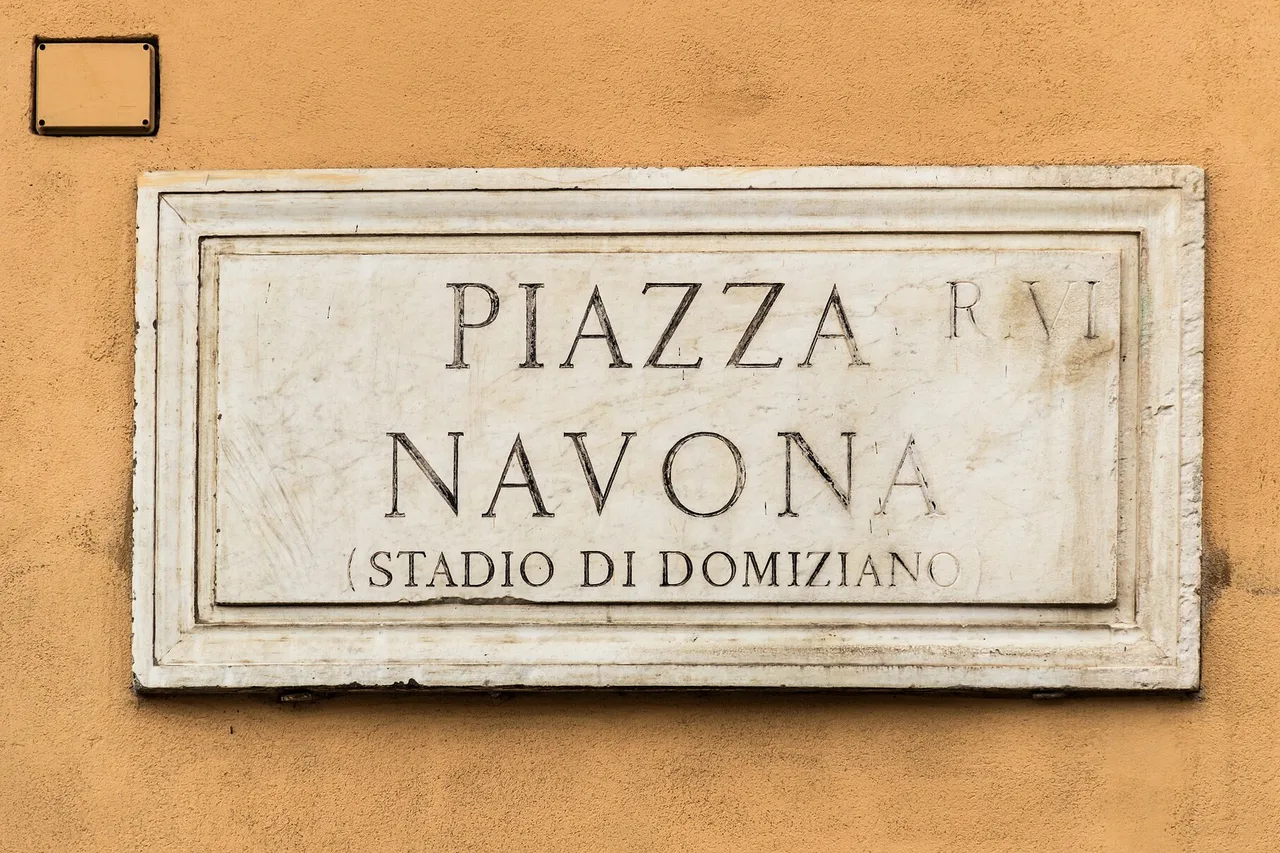
Here is what the metro map does not say loudly enough. Rome has only three lines, and not one crosses the historic heart. The Pantheon, Piazza Navona, Campo de’ Fiori and Trastevere have no station.
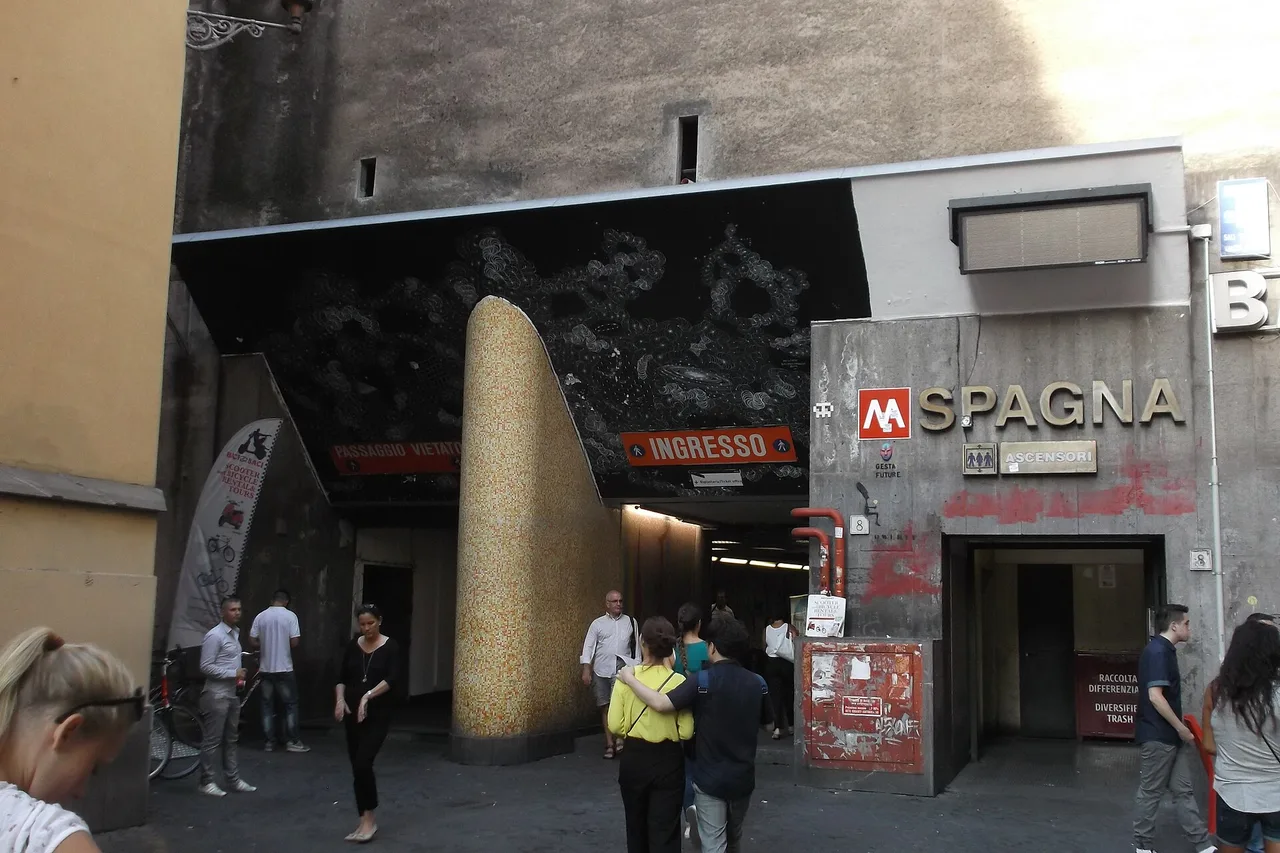
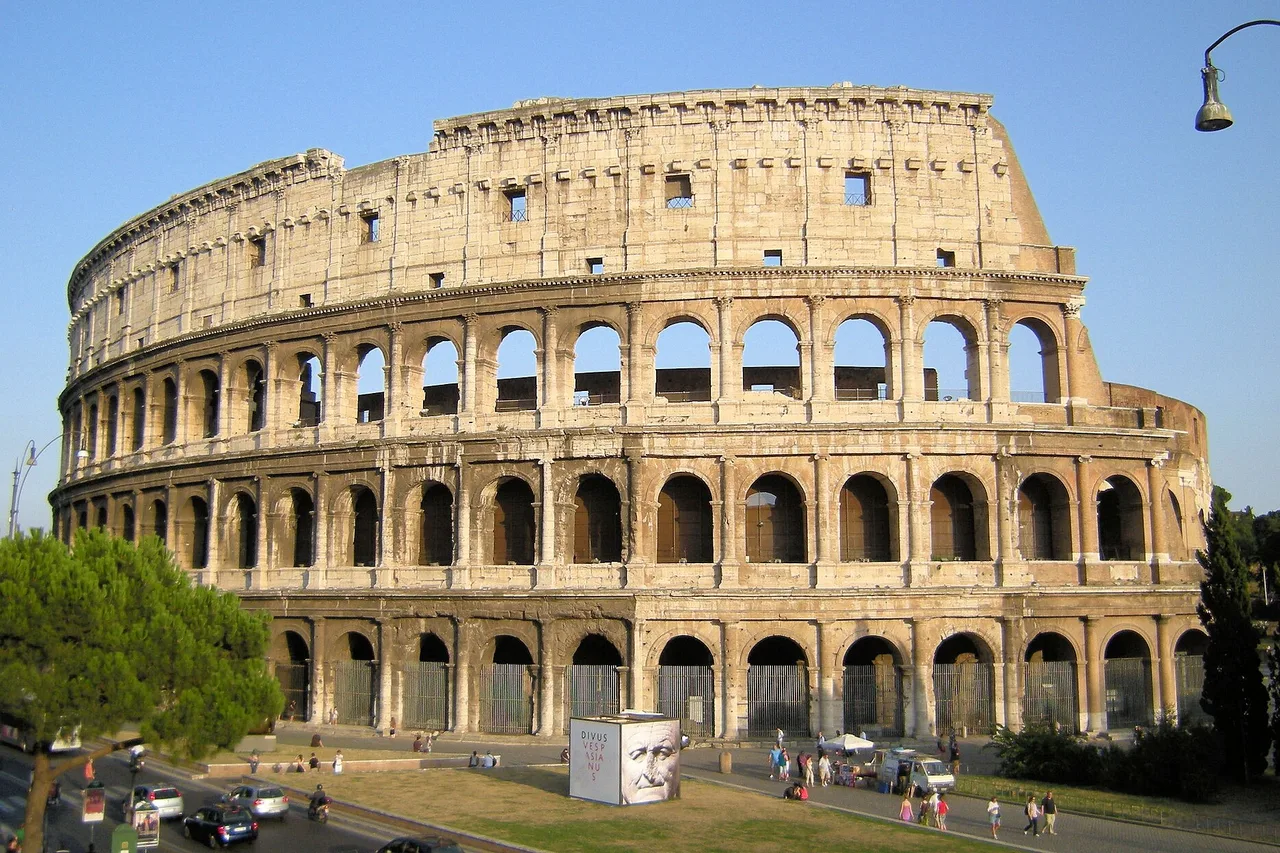
Line A skirts the centre to the north: Ottaviano for the Vatican, Spagna at the foot of the Steps, Barberini five minutes from the Trevi Fountain, then Termini and San Giovanni. Line B skirts it to the south: Colosseo, Circo Massimo, Piramide for Testaccio, Cavour for Monti. Line C, now extended to Colosseo/Fori Imperiali, offers an interchange with line B — but it too stops at the edge of the centre.
📌 For the Pantheon and Piazza Navona, the nearest stops are Spagna or Barberini: twenty to twenty-five minutes on foot. In other words: “near the metro” and “in the centre” are two different things in Rome, and you have to choose which one you want.
- You want to walk and you accept paying for it: stay in the historic centre, in Monti or in Trastevere.
- You want to ride and pay less: stay in Prati, Testaccio, San Giovanni or near Termini, and take the metro every morning.
⛔ And do not consider a car. The centre is a limited-traffic zone, the streets of Trastevere and Monti are narrow and often closed, parking is expensive and far away. A car in Rome does not save you a minute: it costs you several.
Full guide: Renting a car in Italy: ZTL fines, tolls and deposit
Neighbourhood by neighbourhood, and what each really costs
Historic centre — Pantheon, Piazza Navona, Campo de’ Fiori. The most beautiful, the most expensive, and the only part where everything is done on foot. No metro, cobbled streets, and real night-time noise around Campo de’ Fiori — the lanes around Piazza Navona are markedly quieter. Choose it if your stay is short: what you pay extra, you get back in journeys you never make.
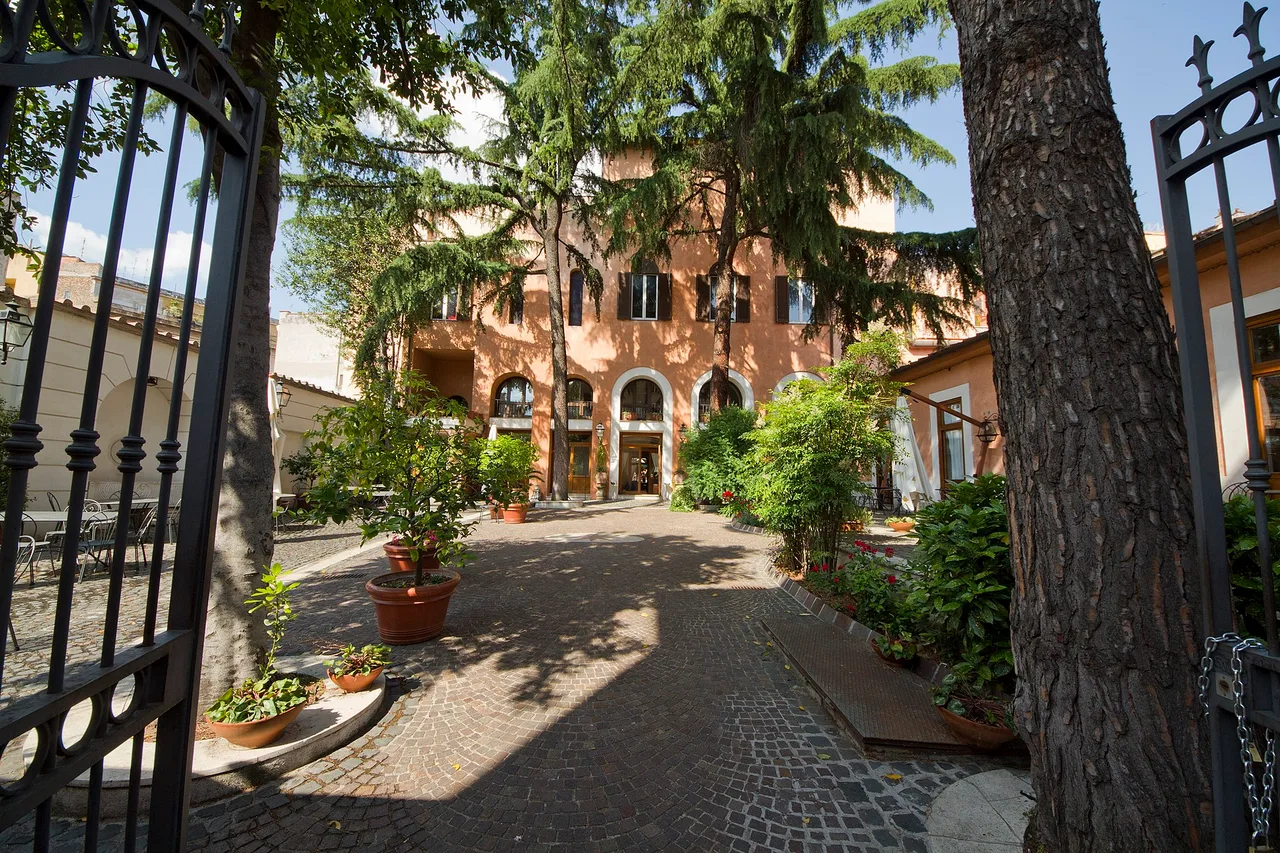
Monti. Rome’s best compromise, and our recommendation for a first visit. Wedged between the Colosseum and Termini, it has two metro stations (Cavour and Colosseo, line B), it has stayed a lived-in district with its trattorie and small shops, and the Forum is ten minutes on foot. Prices are the centre’s, minus a notch.
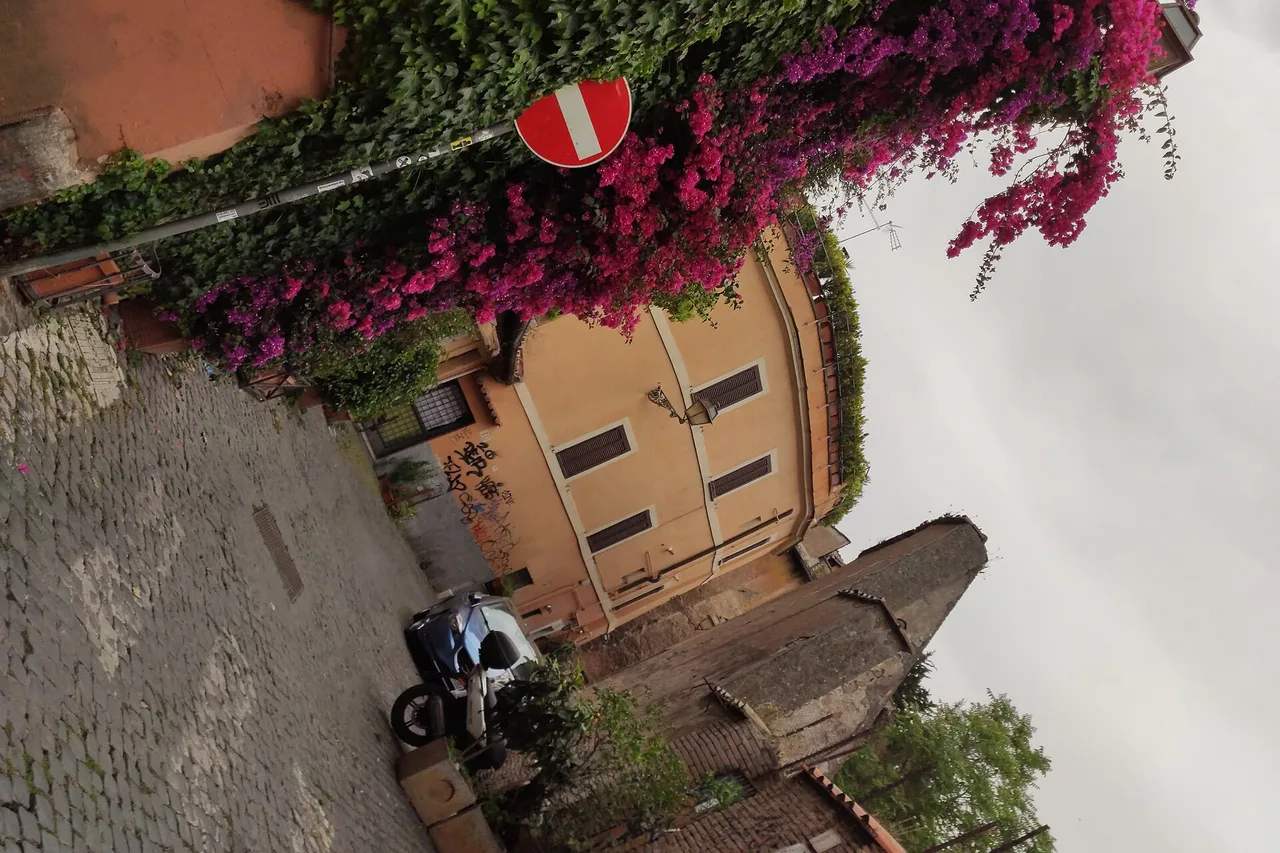
Trastevere. The most photogenic, the liveliest at night — and the noisiest from Thursday to Saturday. No metro: you move by tram 8 from Largo Argentina, by bus, or on foot across the bridges. Cobbles and wheeled suitcases do not mix: check the exact street before booking. Excellent if you dine late and sleep late; poor if you have a 7 a.m. train.
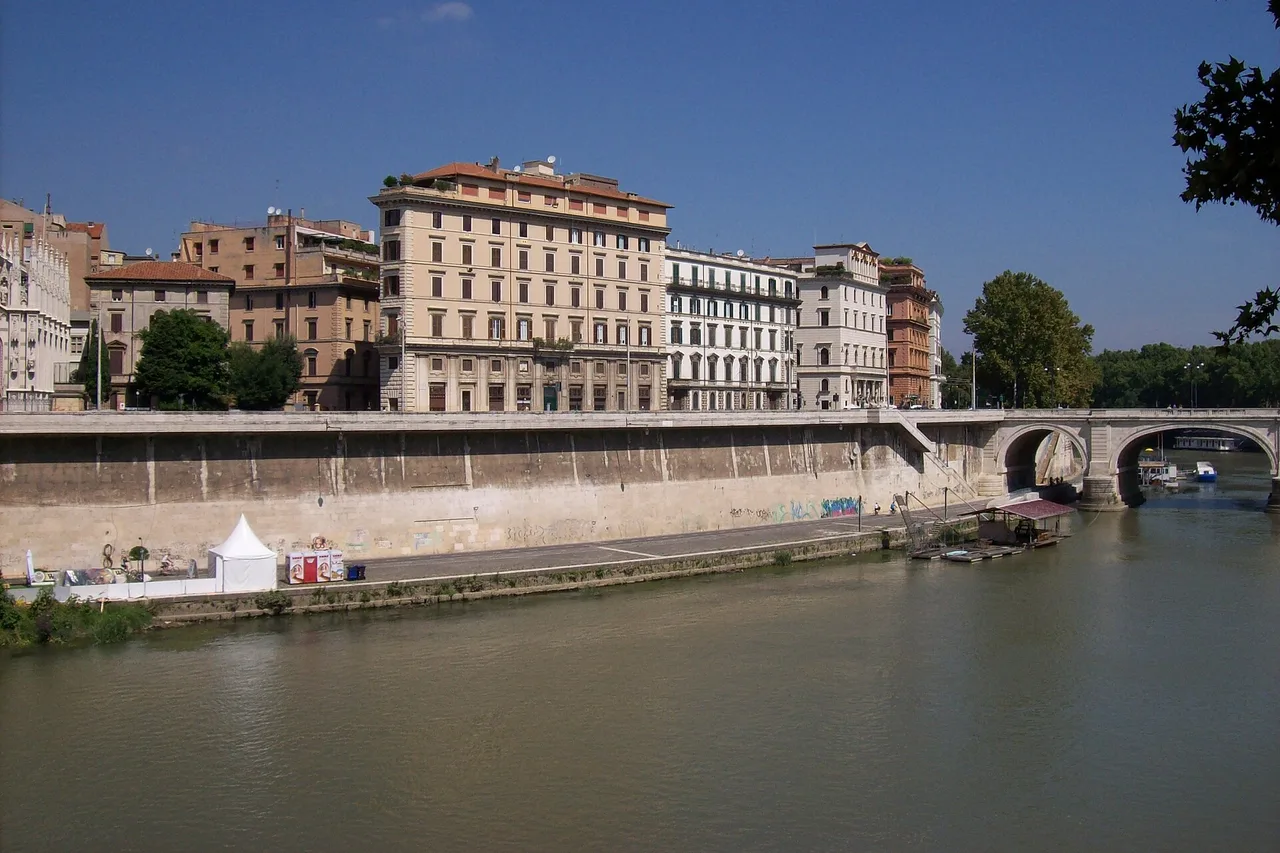
Prati and the Vatican. On the far bank of the Tiber: solid apartment blocks, wide pavements, neighbourhood shops, and line A at Ottaviano and Lepanto. You sleep markedly cheaper than in the centre, and reach Piazza Navona in twenty-five minutes on foot across the Cavour bridge. It is the families’ choice, and a good one.
Termini and Esquilino. The cheapest, and the best connected place in Rome: both metro lines, the national trains and the Leonardo Express in one spot. Unbeatable if you arrive late, leave early, or Rome is a stop on a rail trip. In exchange, the immediate surroundings of the station are unpleasant in the evening, and the first handsome streets are twenty minutes away. Look at the exact street: Esquilino changes character from one block to the next.
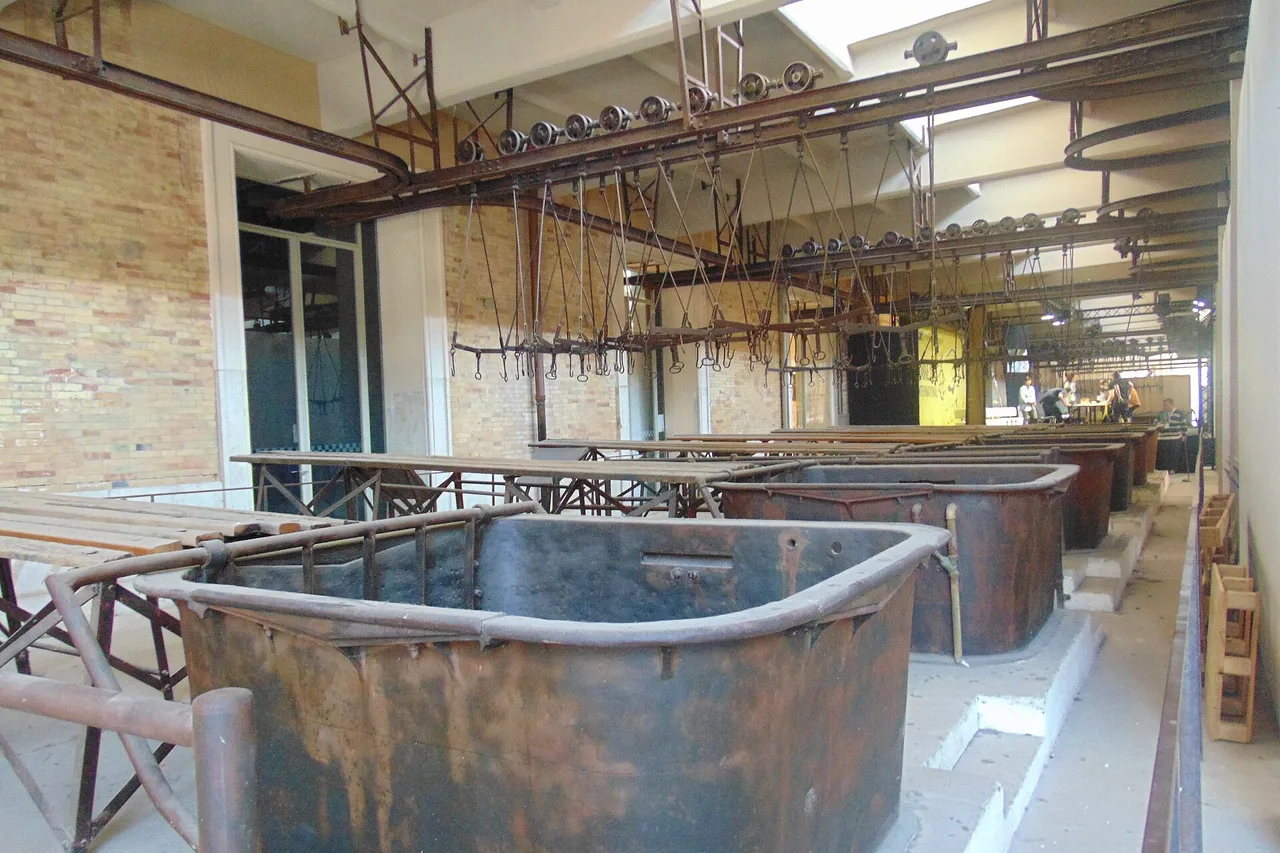
Testaccio. A real Roman neighbourhood, with its market, its tourist-free trattorie and the converted slaughterhouse. Line B at Piramide, tram 3, and neighbourhood prices. Allow twenty-five minutes to the centre. The choice of those coming back to Rome who want to eat the way Rome eats.
San Giovanni. Residential, quiet, on line A, a quarter of an hour by metro from the centre and minutes from the Colosseum. It is Rome’s best price-to-position ratio for a week-long stay, and the district where you can still find apartments of a normal size.
Choose with three questions, in this order
Go back to the three things we started with: they are what decides, and the neighbourhood comes after.
- How many nights? Beyond ten consecutive nights in the same place, the tax stops — which makes a long stay cheaper than it looks, and penalises moving around mid-trip.
- What time do you land? After 23:27 at Fiumicino there is no more Leonardo Express, and somebody has to meet you in person. That constraint alone can justify a night near Termini, even if you change district the next day.
- Walk or ride? The historic centre has no metro. If you want the metro, you stay beside the centre — and it costs less. If you want the centre, you walk — and you pay.
🟢 And if you only want to decide once: Monti. Two metro stations, ten minutes on foot from the Forum, a district still lived in, and prices that are not the Pantheon’s. It is the one place in Rome where you sacrifice neither the walking, nor the metro, nor the dinner.