Since 2026, Yucatán has been Mexico's most expensive state for Maya sites: Chichén Itzá costs almost 700 pesos, Ek Balam more once you add parking. Two weeks on the peninsula therefore means choosing. This list gives the 15 places that are truly worth the trip, with the price for a foreign visitor, the hour at which they are at their best, and what has to be booked ahead. And at the end, what you can skip without regret.
The 15 highlights at a glance
The table gives the 2026 price for a foreign adult, in Mexican pesos. One euro is about 20 pesos. The "book ahead" column is the one that matters: almost everything is paid at the gate, but three experiences have quotas, and their places go first in high season.
| # | Place | Entry (pesos) | Book ahead? |
|---|---|---|---|
| 1 | Chichén Itzá | 697 | no, guide optional |
| 2 | Ek Balam | 691 + 100 parking | no |
| 3 | Uxmal | 586 | no |
| 4 | Cobá | 330 | no |
| 5 | Tulum ruins (Parque del Jaguar) | 265 | no |
| 6 | Cenotes near Valladolid and Tulum | 60 to 400 | no, cash |
| 7 | Valladolid | free | – |
| 8 | Mérida | free | – |
| 9 | Izamal | free | – |
| 10 | Celestún (flamingos, boat) | 300 to 400 per person | no |
| 11 | Río Lagartos and Las Coloradas | boat, price per boat | no |
| 12 | Holbox | ferry 300 to 330 one way | whale sharks: yes |
| 13 | Isla Mujeres | ferry 380 return | no |
| 14 | Bacalar lagoon | free | no |
| 15 | Sian Ka'an (Muyil) | 150 to 230 US dollars | yes |
The figure to know: Yucatán raised its entry fees on 1 January 2026, and the state share (Cultur) is added to the fee of the federal institute INAH. In Quintana Roo, where Tulum and Cobá are, it is cheaper. Mexicans pay far less everywhere; Sundays are free for them, not for tourists.
The Maya sites: Chichén Itzá, Ek Balam, Uxmal, Cobá, Tulum
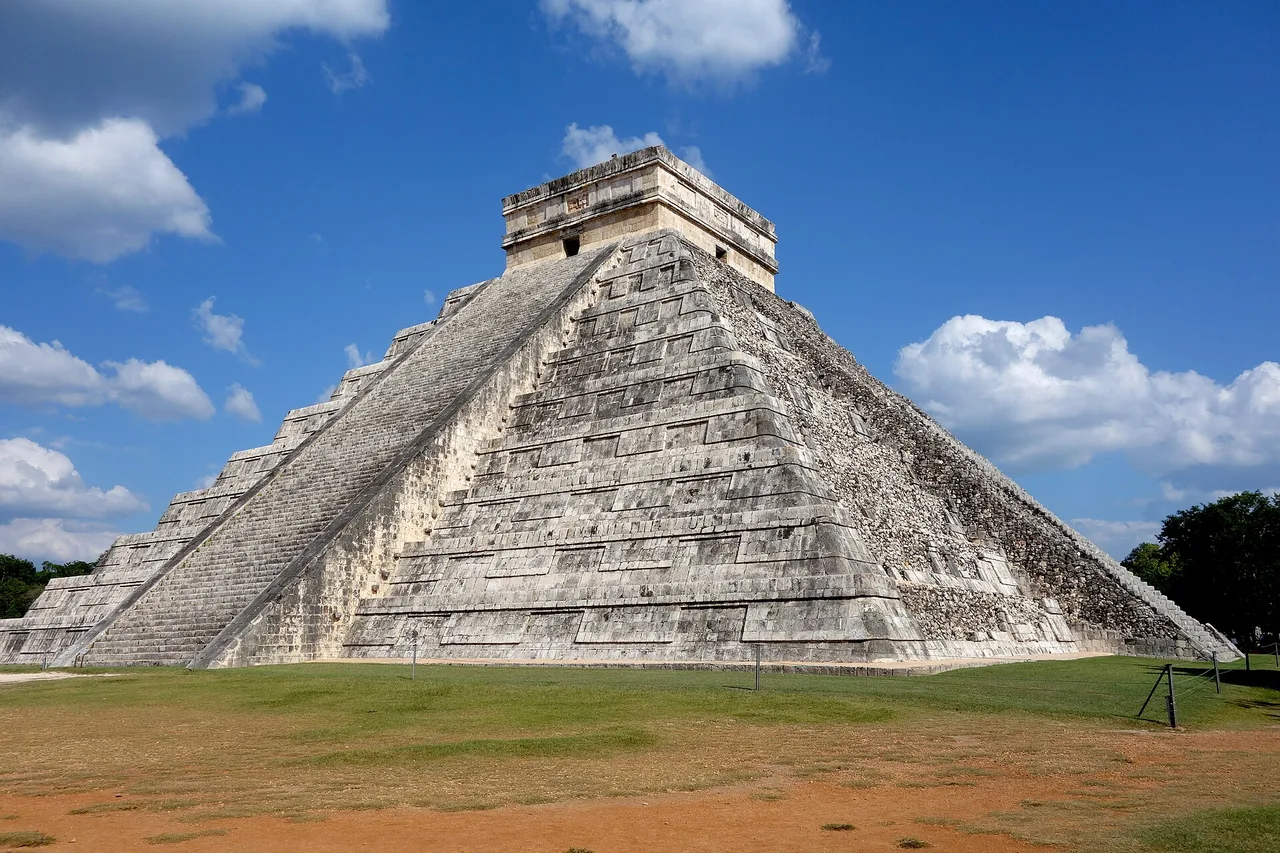
1. Chichén Itzá is the site you have to have seen, and the one where the hour decides everything. Entry costs 697 pesos, about 34 €, in a single ticket (105 pesos for INAH, the rest for the state). The site opens at 8 am. Whoever sleeps in Valladolid, 45 minutes away, is in front of the pyramid of Kukulcán at 8 and has it almost to themselves for two hours. From 10 am the coaches from Cancún arrive, from 11 am the vendors on every path. The pyramid has been closed to climbing since 2006; look instead at the great ball court, the Temple of the Warriors and the observatory.
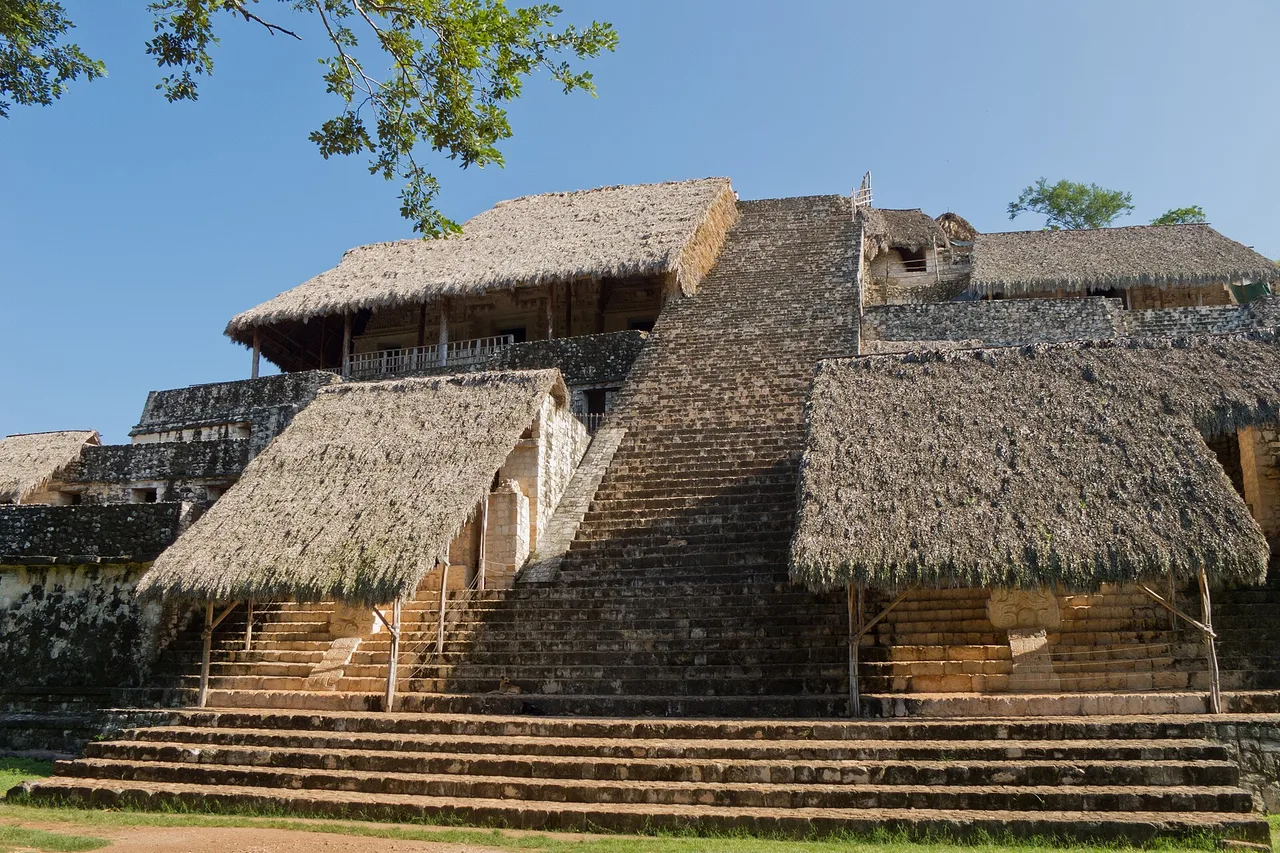
2. Ek Balam, 30 km north of Valladolid, is where you can still climb a pyramid: the Acropolis, over 30 metres high, with stucco under palm roofs that ranks among the best preserved in the Maya world. Entry is 691 pesos, plus 100 pesos of right of way paid to the village community. It is expensive, but the site is small and quiet, and the X'Canché cenote is 1.5 km away, reachable by bicycle. Combine the two in a morning.
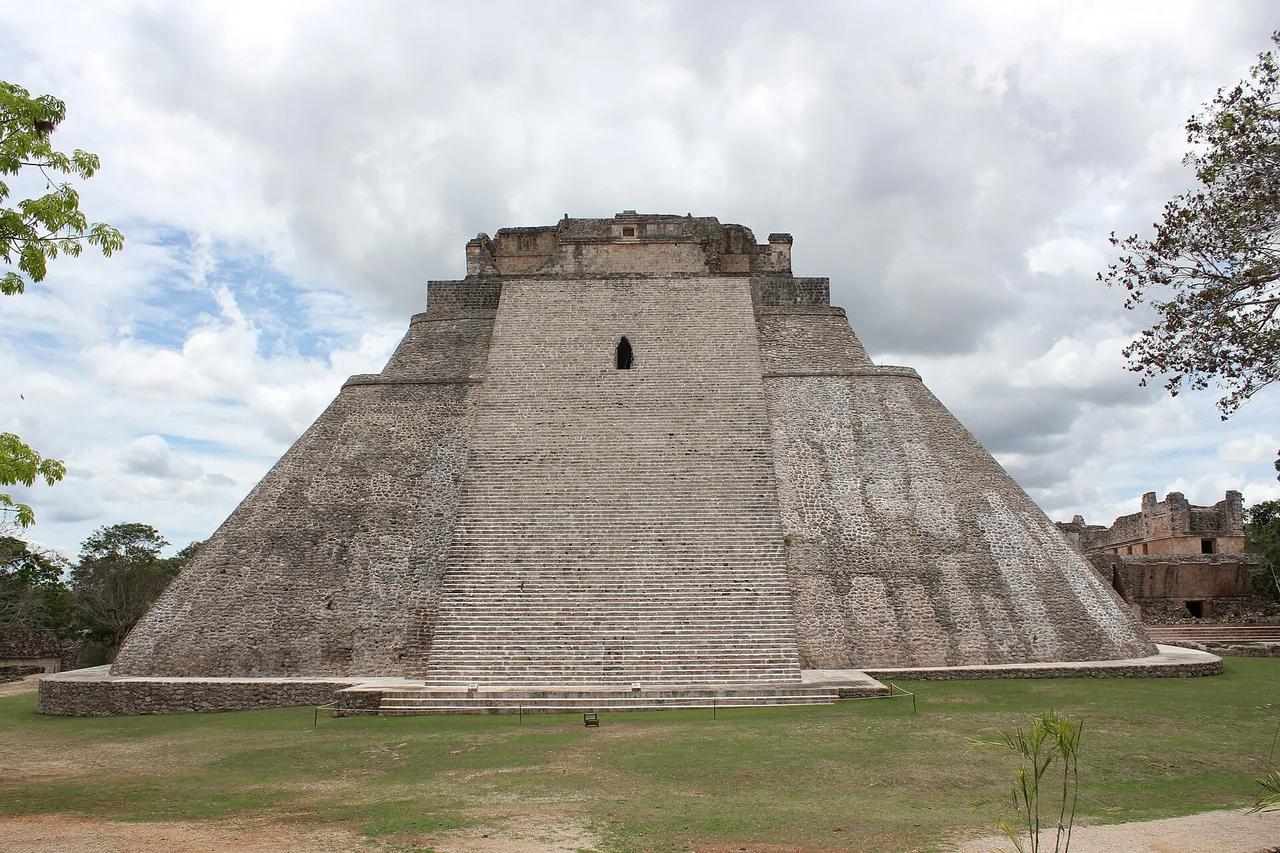
3. Uxmal, 80 km south of Mérida, is for many the most beautiful site on the peninsula: the oval Pyramid of the Magician, the Nunnery Quadrangle, the Governor's Palace with its mosaic façades in the Puuc style. Entry a little under 600 pesos (586 at the 2026 rate). It is less crowded than Chichén Itzá because it is not a day trip from Cancún. With a car, add the Puuc route: Kabah, Sayil, Labná, three small sites over 30 km.
4. Cobá sits in the jungle between Tulum and Valladolid. The site is spread out; you rent a bicycle or take a tricycle with a driver. The great pyramid Nohoch Mul, 42 metres, has been closed to climbing since 2020; whoever comes for that will be disappointed. Entry for a foreigner is 330 pesos in 2026, open 8 am to 5 pm. Worth it on the way, not as a day of its own.
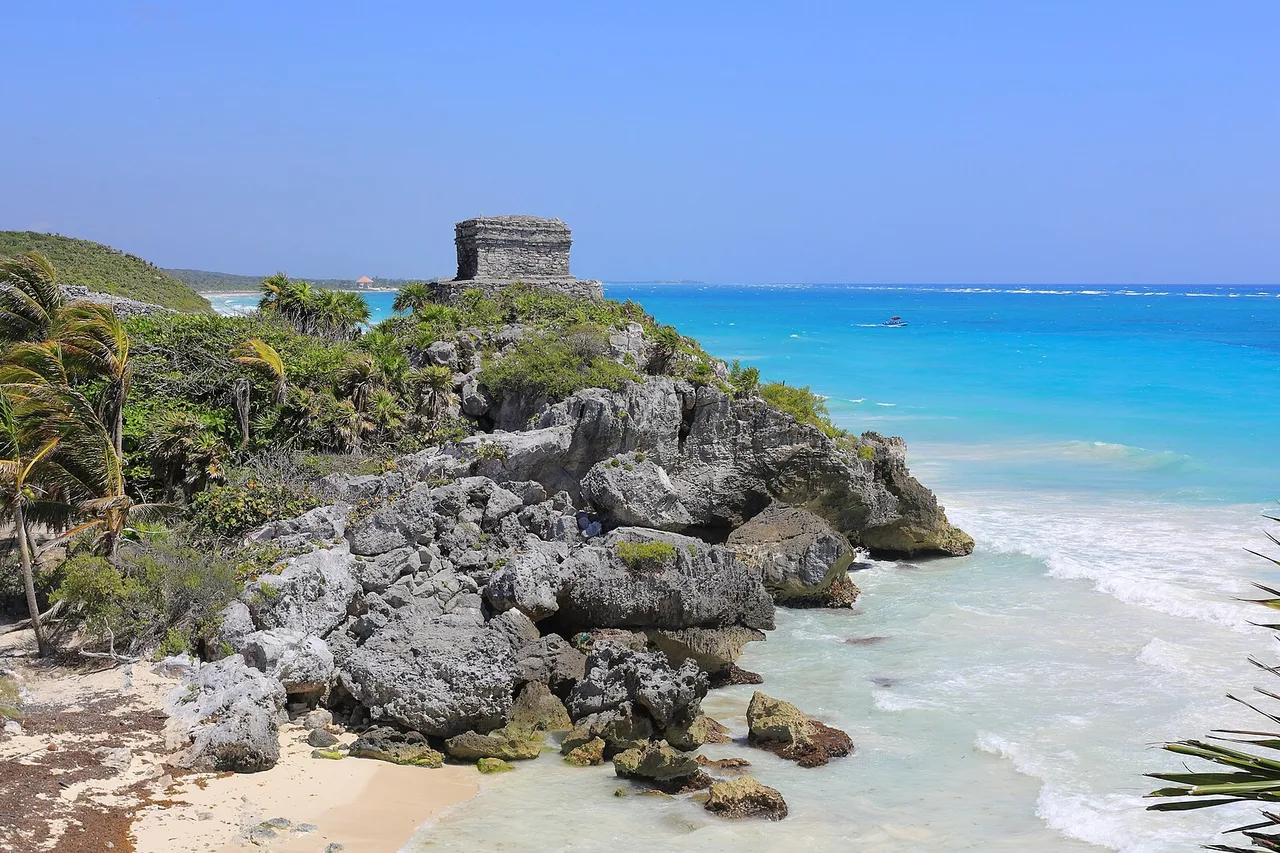
5. The Tulum ruins are small and, as architecture, minor, but they stand on a cliff above the Caribbean, and the picture delivers. Since 20 July 2026 there is a new fee: 100 pesos for the Parque del Jaguar, where the site lies, plus 165 pesos for the ruins and the national park, 265 pesos in all, about 13 €. An electric shuttle from the entrance costs 20 pesos extra; on foot it is short. Come at 8 am, before the heat and the groups.
6. The cenotes: three kinds, three prices
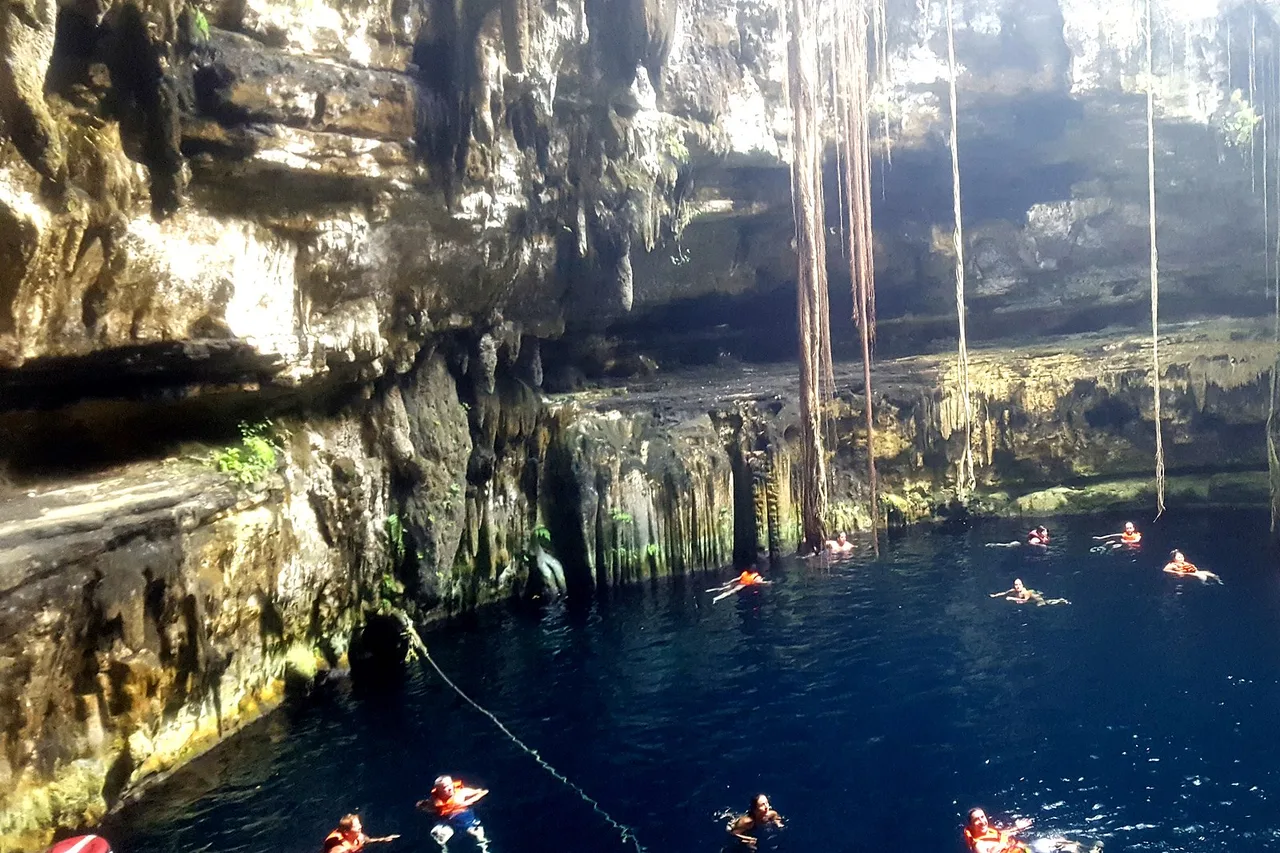
The cenotes are the attraction that exists only here: freshwater pools in the limestone, open, half-open or inside a cave. Around Valladolid the best-known lie within a few kilometres: Zací in the town itself (60 pesos), Oxman with its roots (150), Suytun with its beam of light on the platform (250). Ik Kil, next to Chichén Itzá (180), is packed at noon and lovely in the morning. Near Tulum, Dos Ojos costs 350 to 400 pesos, but you snorkel above one of the longest underground river systems in the world.
Three rules that apply everywhere: sunscreen is banned, even the "biodegradable" kind; the shower before swimming is compulsory and checked; you pay in cash. And the hour: at opening or after 3 pm; in between, the coaches fill the big cenotes.
The colonial towns: Valladolid, Mérida, Izamal
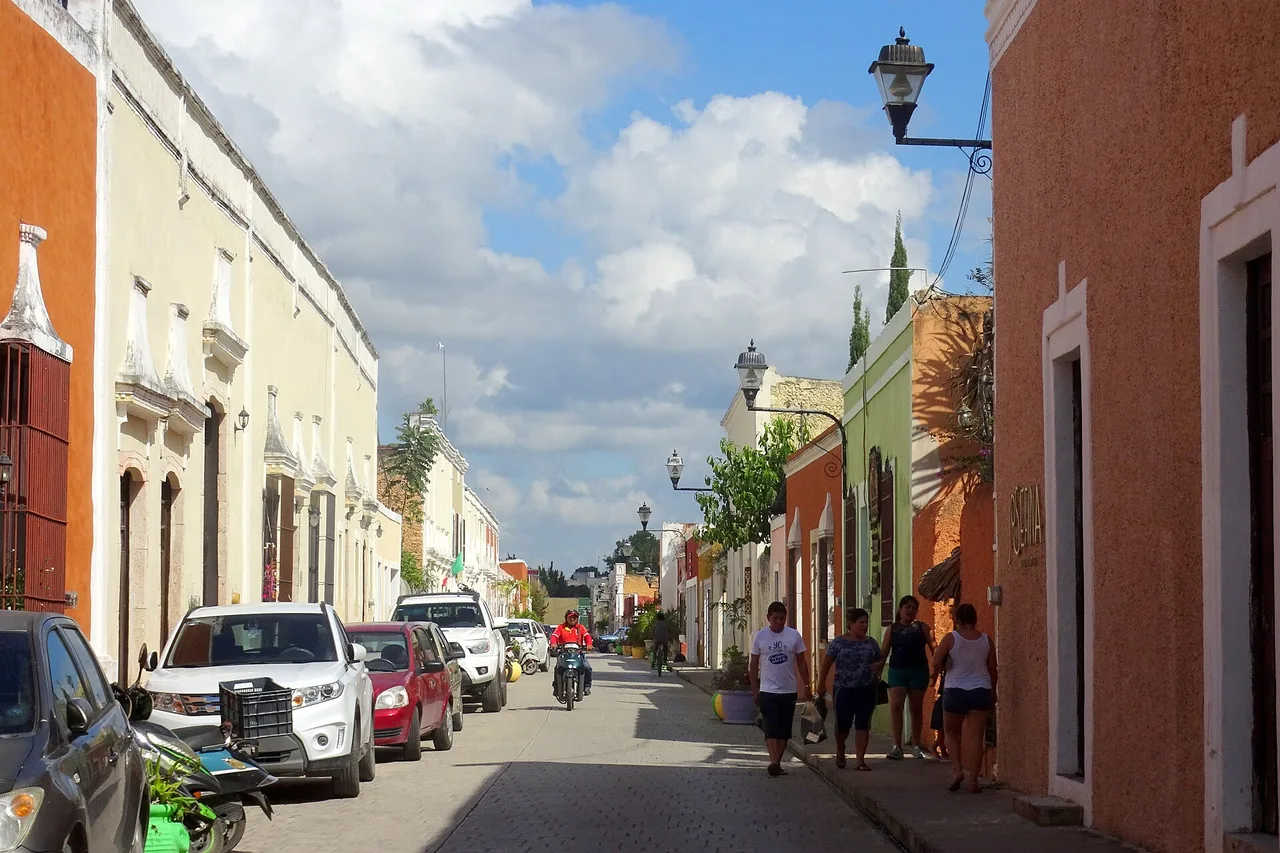
7. Valladolid is the town to sleep in. Halfway between Cancún and Mérida, it has Chichén Itzá and Ek Balam 45 minutes away and the cenotes ten minutes away. The Calzada de los Frailes and its pastel façades lead to the San Bernardino convent; in the evening you sit on the square. The Tren Maya and ADO coaches stop here; a car is not needed for the town itself.
8. Mérida, the capital, is big, hot and alive: the Paseo de Montejo and its mansions, the Lucas de Gálvez market where a full meal costs 60 to 120 pesos, the car-free centre on Sundays with music on the Plaza Grande. Two nights are enough, and Mérida is the base for Uxmal and Celestún.
9. Izamal, 70 km east of Mérida, is painted yellow from the convent to the last house. In the middle of town stands the Kinich Kakmó pyramid, which you climb for free, with a view over the roofs. Two hours on the road between Mérida and Valladolid, no more.
The flamingos: Celestún in winter, Río Lagartos in spring
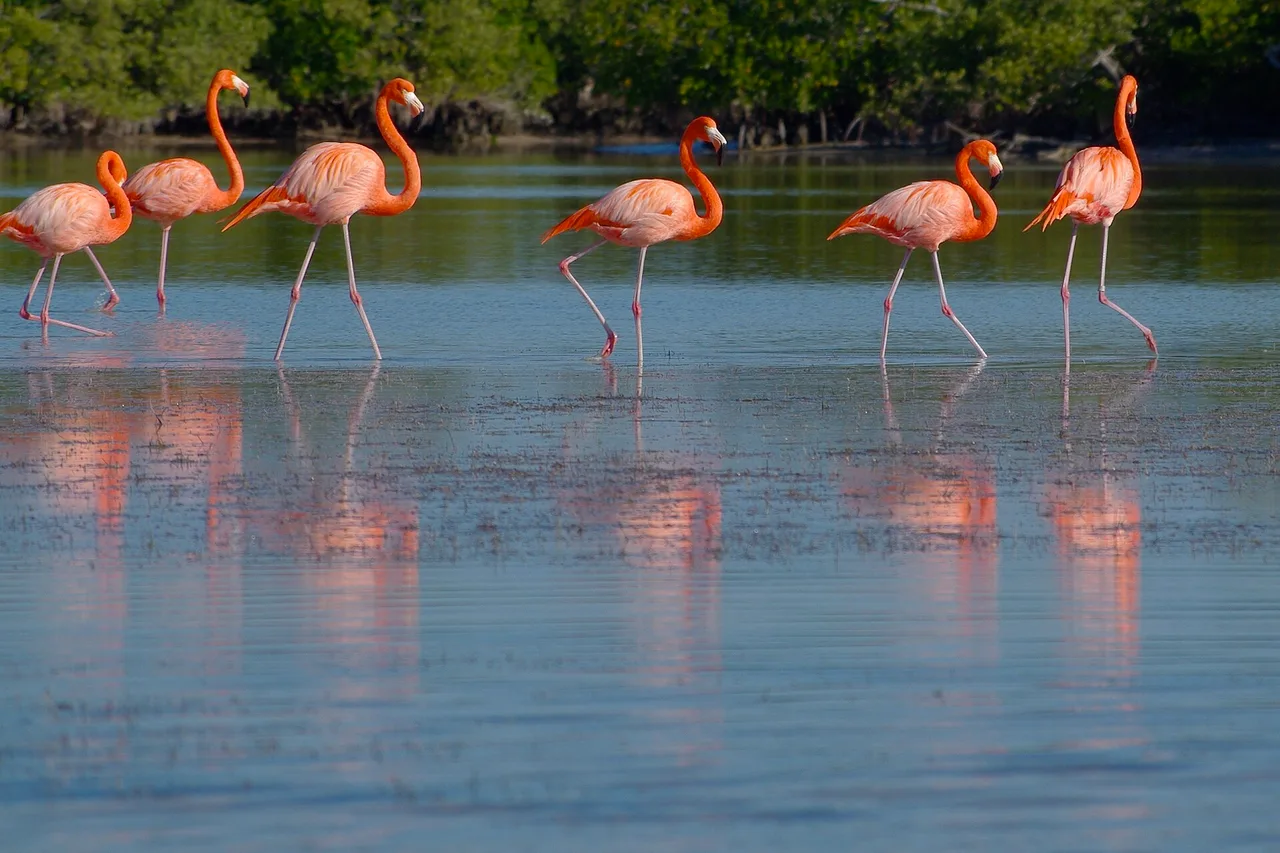
10. Celestún, 95 km west of Mérida, is the flamingo lagoon for the months of November to March. The boat trip lasts 75 to 90 minutes and costs 2,000 to 2,500 pesos per boat for six to eight people; whoever waits at the pier for the boat to fill pays 300 to 400 pesos. You pass through a mangrove tunnel to a freshwater spring, and at the end there is a beach on the Gulf of Mexico where the sargassum never comes.
11. Río Lagartos and Las Coloradas, 100 km north of Valladolid, are the counterpart for April to June: that is when the flamingos nest in the lagoon. The village boatmen take you to the colonies and to the pink salt lakes of Las Coloradas, whose colour is strongest between noon and 3 pm, from May to July. Swimming is forbidden there; they are industrial salt pans. Whoever comes on a grey day in October sees a grey puddle: this place depends on the calendar and the light.
The islands: Holbox and Isla Mujeres
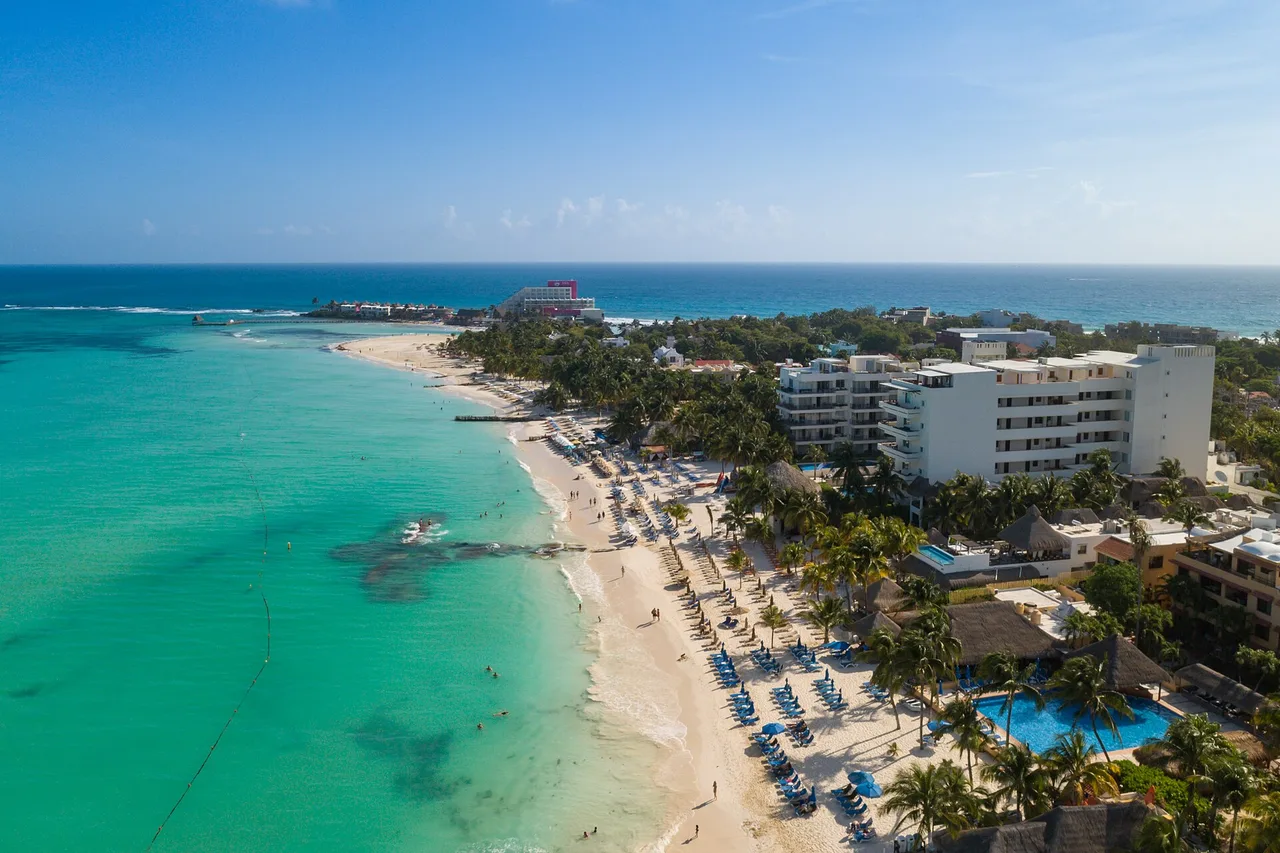
12. Holbox is the car-free island at the north of the peninsula: sand streets, golf carts, a sea that stays knee-deep for hundreds of metres. From Cancún, count a little over two hours by road to the port of Chiquilá, then 25 minutes by ferry, 300 to 330 pesos one way, every 30 minutes from 6 am to 9 pm. Holbox deserves a night, not a day trip. From mid-May to mid-September the whale sharks swim offshore: outings are limited by quota, so book ahead. In the rainy season, bring repellent.
13. Isla Mujeres is the opposite: 30 minutes by ferry from Puerto Juárez in Cancún, 380 pesos return, and at the northern tip Playa Norte, one of the few beaches on the Caribbean coast that faces west and is therefore almost spared by sargassum. Perfect as a day trip: ferry at 9, golf cart, beach, ferry at 5.
Lagoon and biosphere: Bacalar and Sian Ka'an
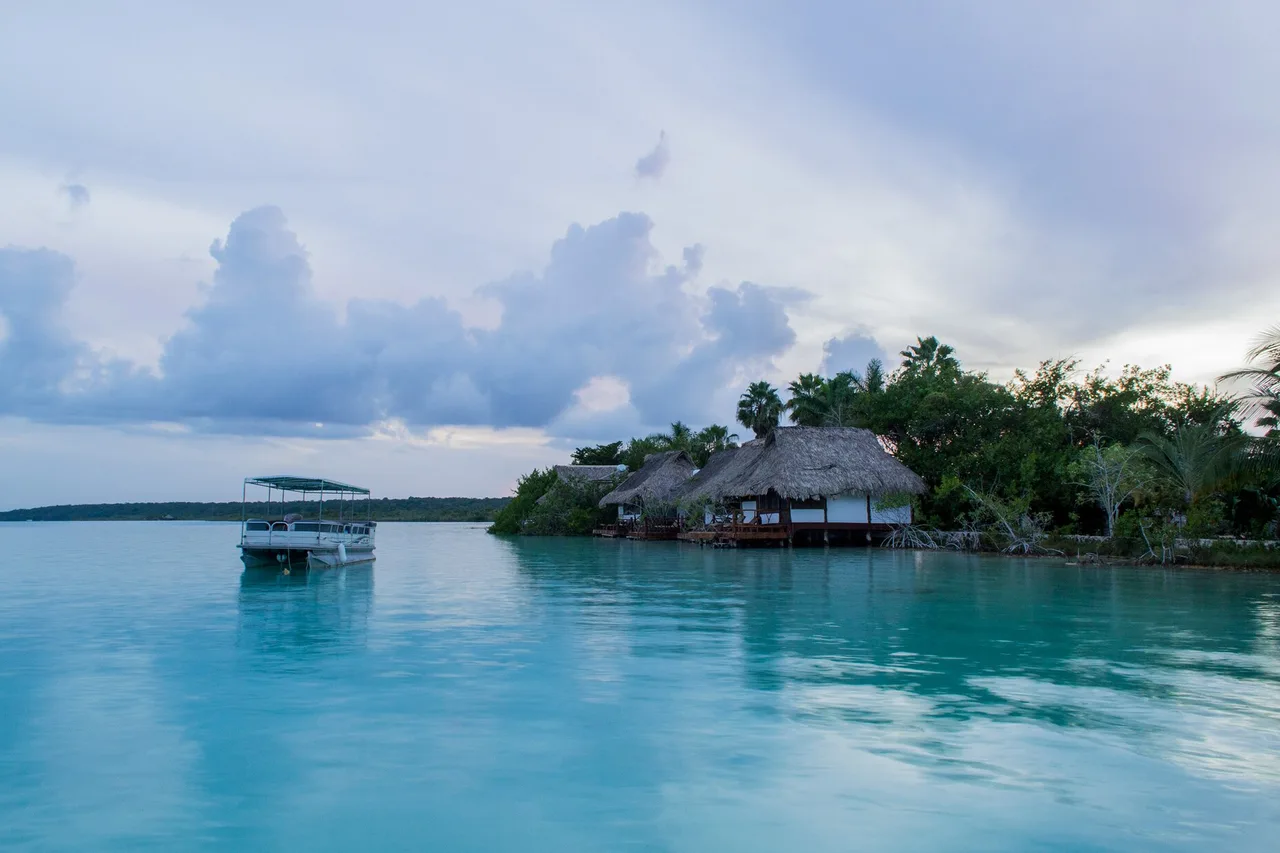
14. Bacalar lagoon, about three hours south of Tulum, is fresh water in seven shades of blue, fed by cenotes. You swim from the piers of the guesthouses, paddle a kayak in the morning when the water is flat, and drive to the Cenote Azul at the southern end. It is the one place on the peninsula where sargassum season changes nothing, which makes it the best destination in the south from May to August. Access to the water is free; the club piers ask for a minimum spend.
15. Sian Ka'an is the biosphere reserve south of Tulum, a UNESCO World Heritage site. The easiest way in is Muyil: a small Maya temple in the forest, then a boat crossing of two lagoons, and finally you float in a life jacket down an old Maya canal. Tours from Tulum cost 150 to 230 US dollars per person, and because the reserve limits visitor numbers, you book ahead. It is the most expensive item on this list, and the one the fewest people regret.
What is not worth the detour
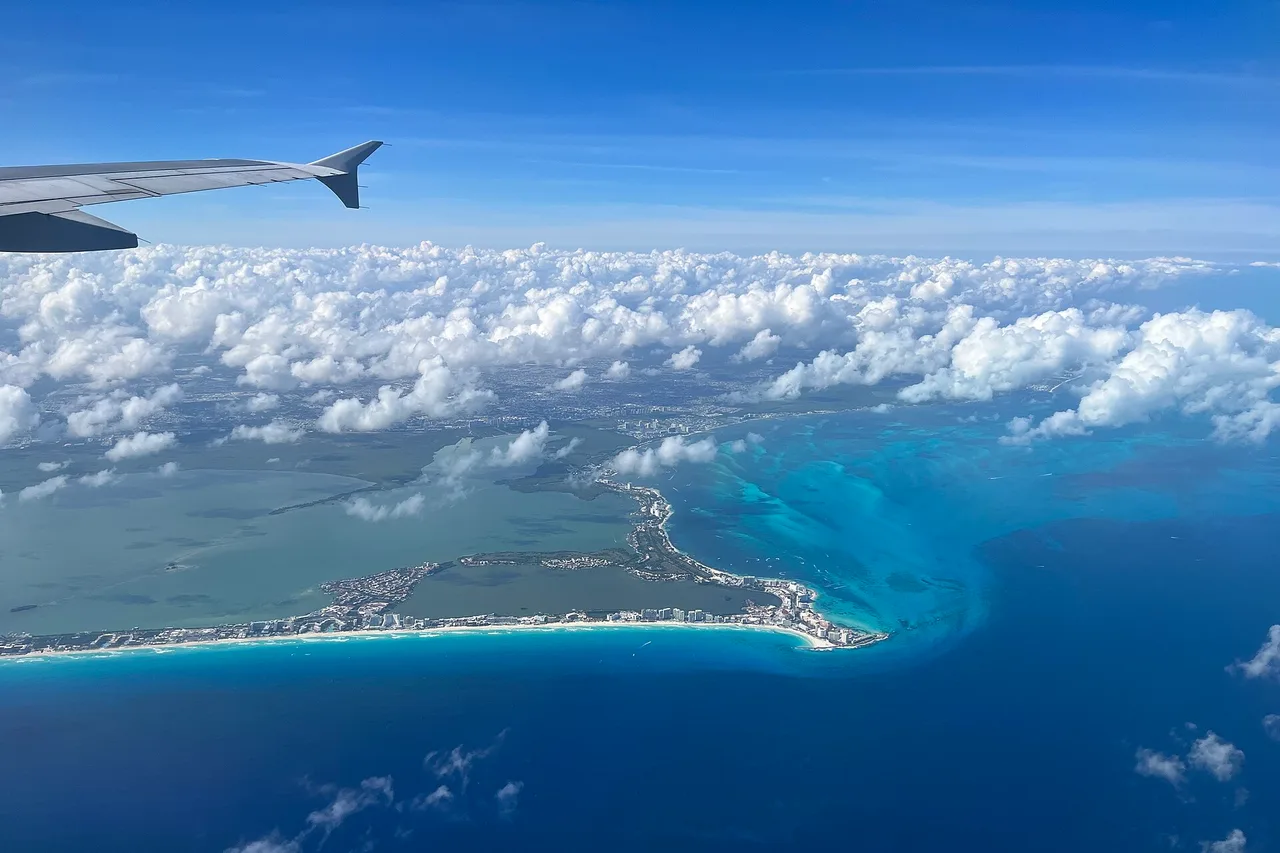
An honest list needs this paragraph. The Xcaret and Xel-Há theme parks cost over 100 US dollars per person for nature you find 20 km away in a cenote for 150 pesos. Cancún's hotel zone is an airport with a beach: a good place to land, not a destination. The Quinta Avenida in Playa del Carmen is a shopping street with Miami prices. Tulum's beach clubs demand a minimum spend for a beach you can walk onto for free 500 metres further on, and from May to August there is sargassum.
And two places that are worth it only at the right time: Chichén Itzá after 10 am and Las Coloradas without sun. Both are on this list; both can be a wasted day. The difference is the hour, not the place.
Practical: car or bus, cash, two time zones
Car or bus. For Cancún, Valladolid, Chichén Itzá, Mérida and Tulum, the Tren Maya and ADO coaches, several times a day, are enough, with colectivos for short hops. For Uxmal, Celestún, Río Lagartos, Izamal and the small cenotes, a car saves hours; the roads are flat and quiet, the Mérida–Cancún toll motorway is expensive. If you go that way, take the time to compare car rentals in Yucatán and check that third-party liability is in the price: it is compulsory in Mexico and rarely in the headline rate.
Cash. Maya sites now take cards; cenotes, boats, car parks and colectivos do not. Withdraw in Valladolid or Mérida: in villages like Celestún or Río Lagartos there is not always an ATM.
Full guide: Renting a Car in Yucatán: Insurance, Deposit, Real Prices
Two time zones. Quintana Roo (Cancún, Tulum, Bacalar) is on UTC-5 all year, Yucatán and Campeche (Valladolid, Mérida) on UTC-6. Between Tulum and Valladolid you lose or gain an hour, and the phone does not always adjust in time. For the 8 am opening of Chichén Itzá, Yucatán time is the one that counts.
Fifteen places, nine of them almost or entirely free, three with quotas, and two that are only good at the right hour. That is Yucatán: it is not the list that decides, it is the calendar and the clock.
Top-rated activities in Mexico, bookable online: