In Tulum the neighbourhood you pick does not decide your comfort: it decides your budget, your time in taxis, and what you see when you wake up. Between a 800-peso night in the pueblo and an 8,000-peso night on the beach road there are four kilometres, a factor of ten, and two holidays with nothing in common. In 2026 a further variable applies, and nobody enjoys writing it down: Tulum is the worst-affected stretch of coast in all of Quintana Roo for sargassum. Here are the four zones, what they really cost, and which one fits your trip.
Tulum is not one town, it is four places a few kilometres apart
This is the misunderstanding that spoils the most holidays: people book “in Tulum” without knowing there are four Tulums, and that they do not connect at the same price or at the same speed.
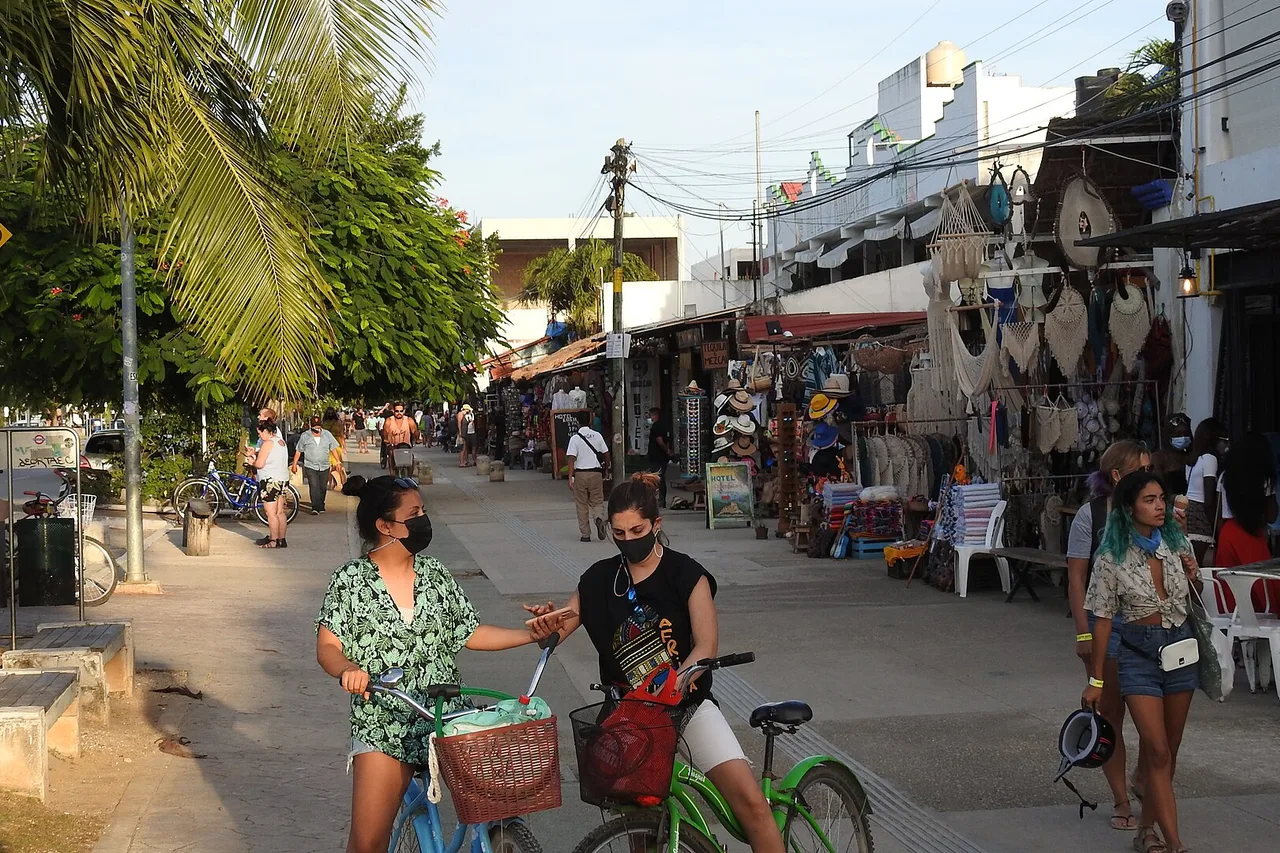
The pueblo, or centro, is the actual town: it sits on Highway 307, with supermarkets, pharmacies, cash machines, local restaurants and the coach terminal. It is where people live.
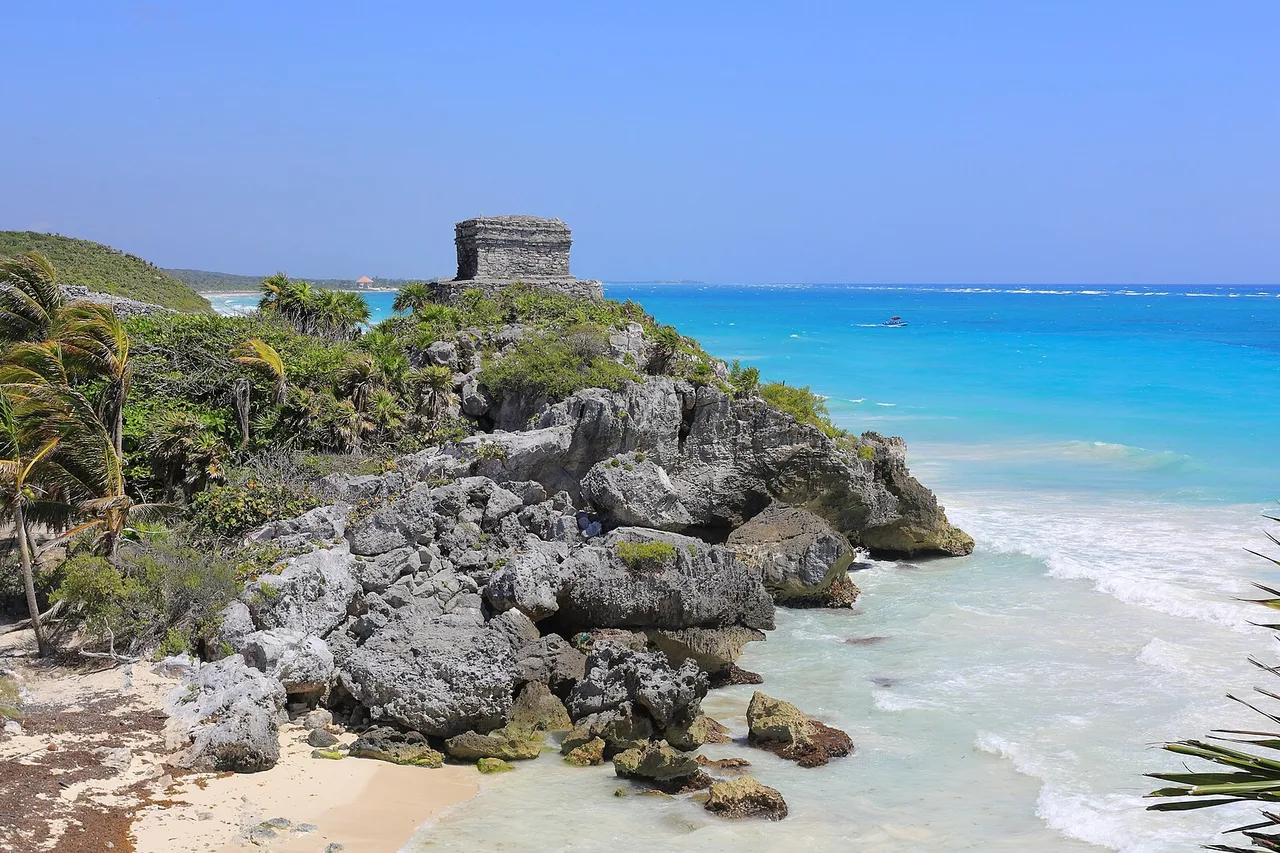
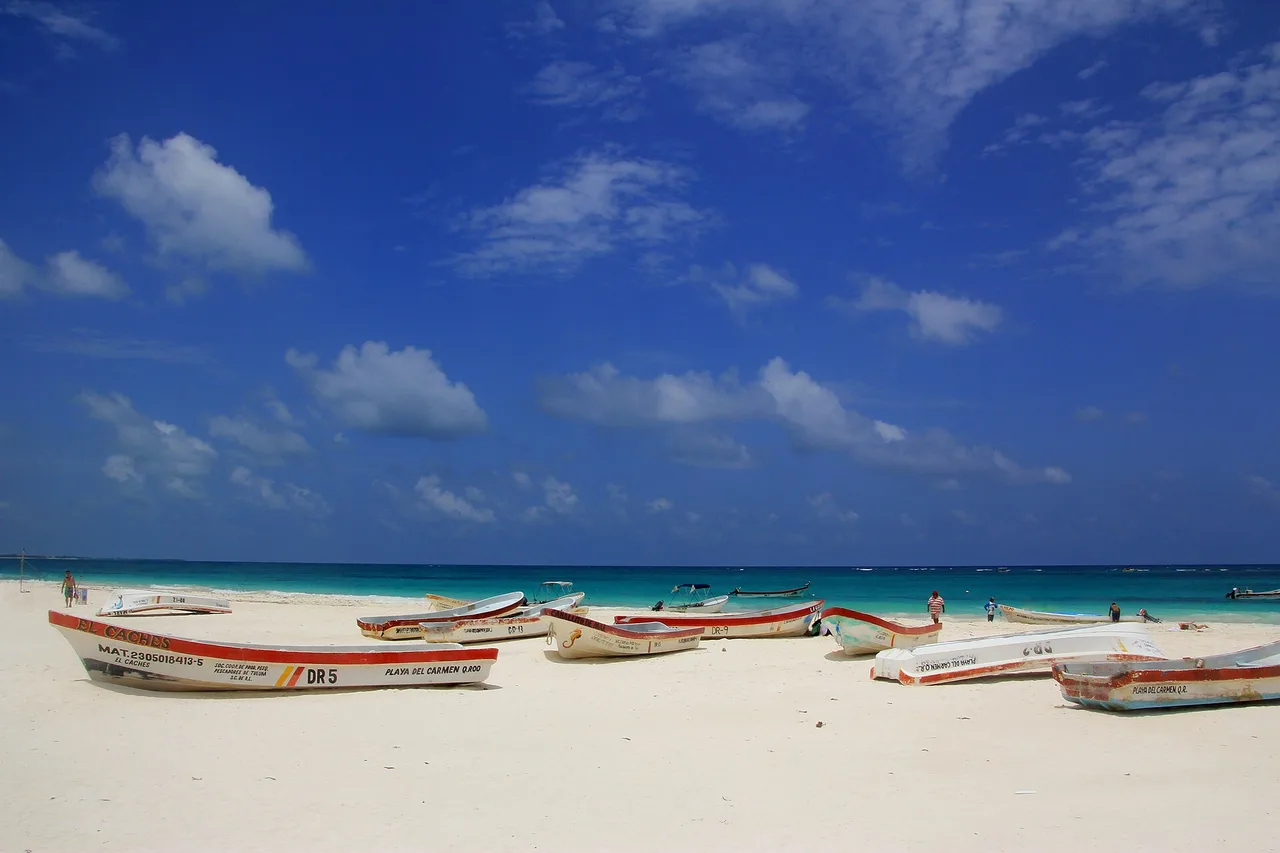
The beach road — the zona hotelera — is a single ten-kilometre road along the shore, lined with timber hotels, beach clubs and restaurants. It starts about four kilometres from the pueblo. There is no supermarket, no cash machine, nothing that behaves like a town.
Aldea Zamá is a recent development set between the two: paved roads, new residences, a few cafés. La Veleta is the growing neighbourhood south of the pueblo, the most affordable of the four, with streets still largely unpaved.
| Zone | Per night | Who it suits | What you accept |
|---|---|---|---|
| Pueblo (centro) | 800 to 2,500 pesos ≈ £35 to £110 | Smaller budgets, day trips (Cobá, Bacalar, Valladolid), longer stays | The beach is 4 km away: bike or taxi every day |
| Beach road | 4,000 to 15,000 pesos ≈ £170 to £650 | Honeymoons, short stays where you do not move | No budget tier at all, generators, mosquitoes, everything is expensive on site |
| Aldea Zamá | Between the two | Families, remote work, comfortable longer stays | Neither the pueblo’s life nor the beach at your door |
| La Veleta | The cheapest | A week or more, with a bike or a scooter | Unpaved streets, few shops, distance |
The pueblo: the best value by far, and it is not really arguable
One figure settles the debate: five nights in the pueblo rather than on the beach saves roughly 15,000 to 50,000 pesos — around £650 to £2,200.
What the pueblo has and the beach road does not: supermarkets where water and breakfast cost Mexican prices, cash machines, pharmacies, an ADO coach terminal, the colectivos heading for Playa del Carmen and the cenotes, and dozens of restaurants where dinner costs what a beach club charges just to sit down.
What you accept in exchange, and it is all you accept: the beach is four kilometres away. In practice that means a journey out and back on every day you want to swim. By bike it is twenty flat minutes on a cycle path; by taxi it is a budget line, and we cost it below.
The pueblo is the right call if your plans include anything other than sand — the inland cenotes, Cobá, Valladolid, Bacalar, the lagoon. Everything leaves from there, and nothing leaves from the beach road.
The beach road: what 4,000 to 15,000 pesos buys — and what it does not
You are paying for a setting, and it is worth knowing that the setting does not always come with the comfort the price implies.
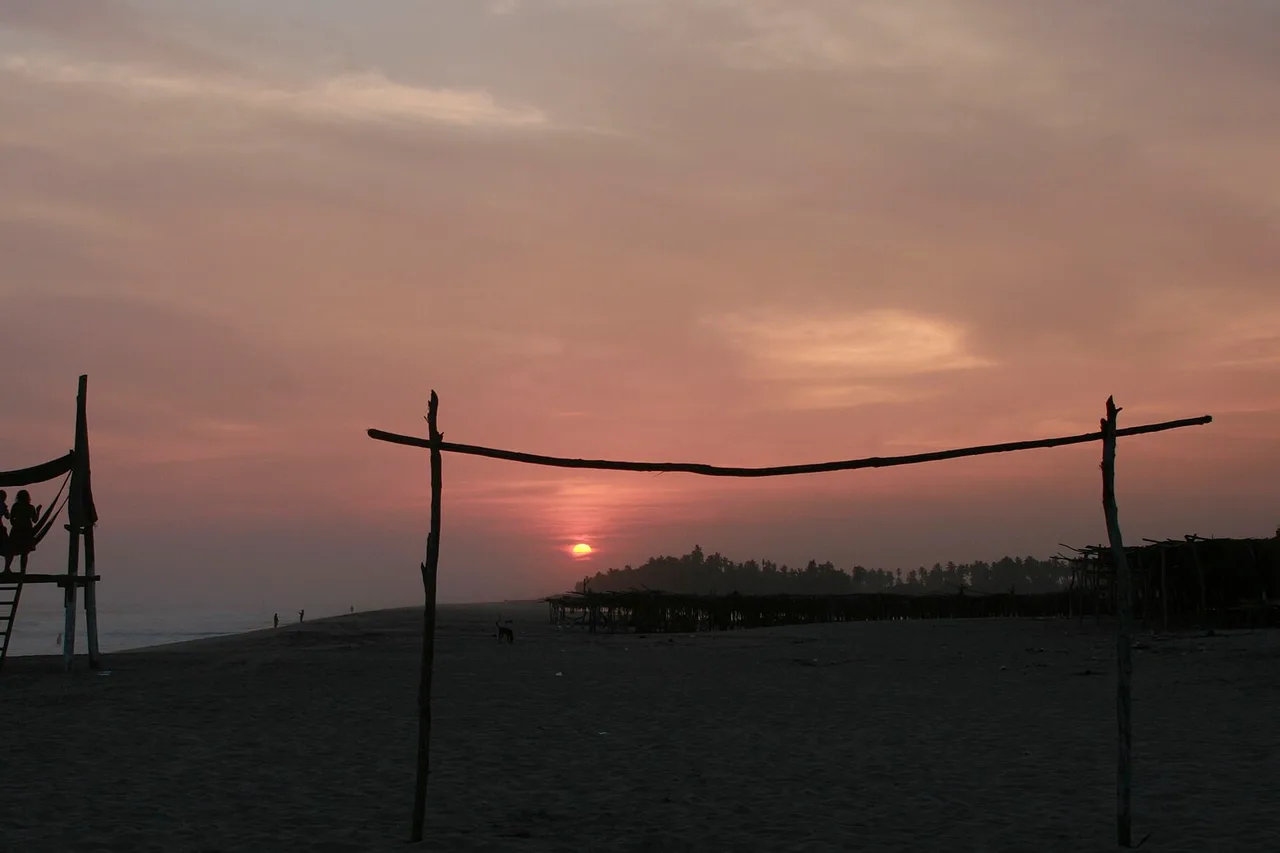
What you do buy is real: sleeping with the sound of the sea, walking barefoot to the water, the raw-timber, low-light aesthetic that made the place famous worldwide, and twenty-room hotels where you meet nobody.
What you do not buy tends to surprise people. There is no budget tier on this road at all — the entry price begins where the pueblo ends. Some hotels run on generators, and smaller eco-style places quite openly limit air-conditioning hours; that is not a hidden fault, it is how a road that was never wired like a town works. Add mosquitoes at dusk and the complete absence of shops: every small purchase happens at hotel prices.
The rest follows the same logic. A beach club commonly asks a minimum spend of around 20 to 40 dollars, and a restaurant main sits between 25 and 50 dollars. That is not an anomaly, it is the road’s business model: it lives on the short stay where you do not leave.
Our position is straightforward, and it is not a pose: the beach road earns its place for two or three nights inside a fifteen-day trip, or for one particular occasion. Making it the base for a whole holiday means paying for the setting twenty-four hours a day to enjoy three of them.
Aldea Zamá and La Veleta: the compromise nobody mentions
These two neighbourhoods barely existed ten years ago. They now solve Tulum’s real problem: being halfway to everything without paying beach prices.
Aldea Zamá is the more finished of the two: a planned development with paved roads, recent residences, and a handful of cafés, boutiques and small restaurants inside the neighbourhood itself. It is quiet and tidy, and both the pueblo and the beach are a few minutes away by bike or car. It is the choice of families, of multi-week stays, and of people working remotely.
La Veleta is newer, further south, and above all the most affordable part of Tulum. The price is paid another way: its streets are largely unpaved, shops are scarce, and a bike or scooter is not a nicety but a necessity. Over a week or more, in a whole apartment rather than a room, the arithmetic becomes very favourable.
The honest reservation about both: you get neither the pueblo’s evening life nor the sea at the foot of the bed. They suit people who plan their days, not people who want to step outside and already be somewhere.
Getting about: there is no Uber, and every taxi leg is paid for
This is the cost nobody plans for, and it can wipe out the saving made on the room.

There is no Uber in Tulum: local transport is controlled by the taxi union, there are no meters, and prices are agreed before you get in. A trip between the pueblo and the beach road commonly costs 100 to 150 pesos — around £4 to £6, each way. Two round trips a day over five days is already 2,000 to 3,000 pesos. Always settle the fare before boarding: that is the custom, not rudeness.
Full guide: Cancún Airport Transfer to Tulum and Playa del Carmen
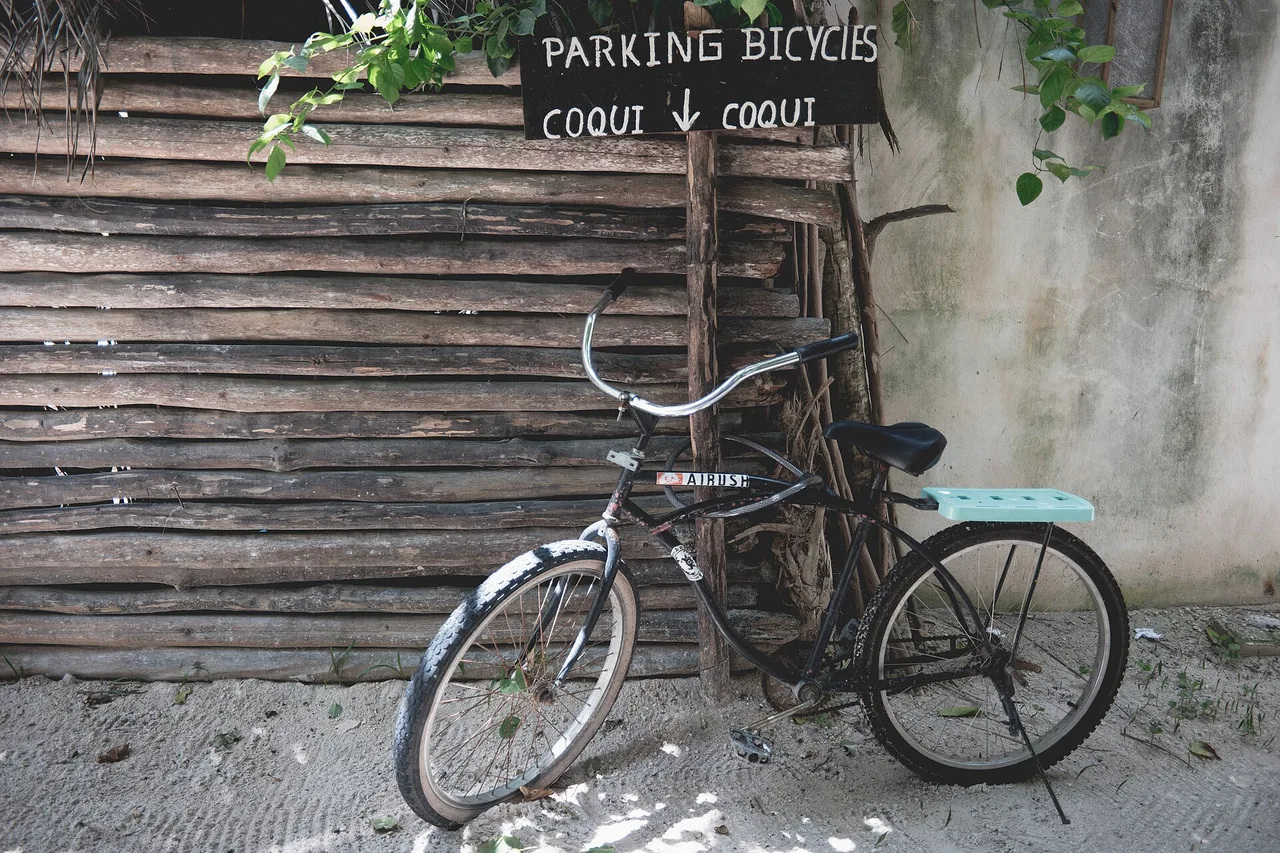
🟢 The bicycle is the answer, and it costs almost nothing. A cycle path links the pueblo to the beach road, it is flat, and the ride takes about twenty minutes. Most places to stay rent bikes, and it is by far the cheapest and most pleasant way to experience Tulum — it is what residents do.
For longer hops, the colectivos — shared vans — leave from the centre: roughly 50 pesos and forty-five minutes to Playa del Carmen. They also serve the cenotes along Highway 307. Once again, everything starts in the pueblo.
What the sargassum changes in 2026 — and this is what should decide it
We will not be polite about this point, because it is worth more than the rest of this article put together.
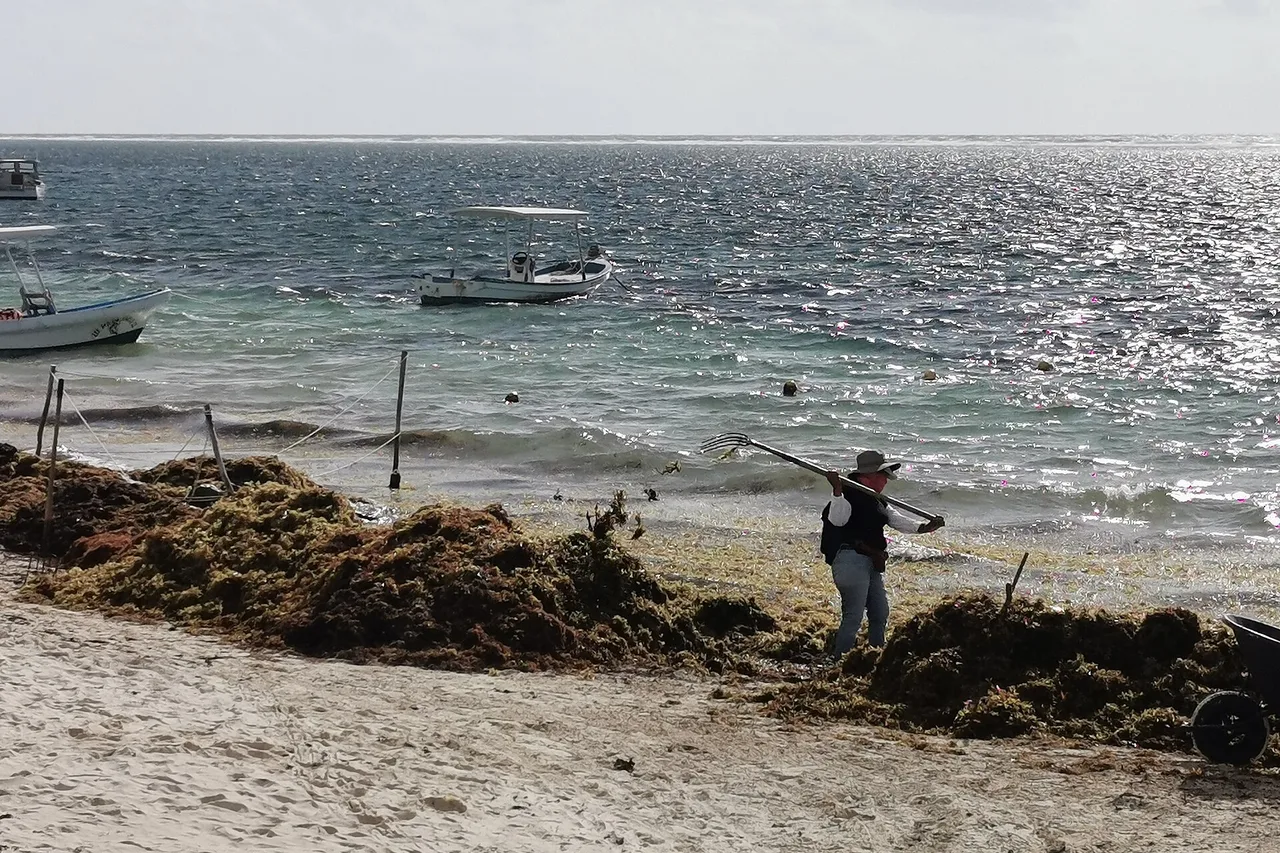
Sargassum is the brown seaweed that drifts in from the Atlantic and washes onto the Caribbean side. Tulum is not an average victim: it is the worst-affected stretch of coastline in Quintana Roo. Three things compound — an orientation open to the Atlantic, a southerly position that puts it in the front line, and the absence of the industrial-scale clean-up machinery Cancún has.
The order of magnitude, in published figures: the Mexican navy removed 39,500 tonnes of sargassum from Quintana Roo’s coast in 2026, more than the whole of the 2024 season — and that before the peak months. On the ground the effect is brutal: businesses on the beach road report takings down by around 60 %, and more than a dozen have closed.
The practical consequence fits in one sentence: between May and August, paying £350 a night for a beach raked by tractor at dawn is the worst value in the Yucatán. The season runs roughly March to October, worst between May and August, easing in September and October, with a generally clear coast from November to February.
What we take from it: if you are coming during the sargassum season, stay in the pueblo, La Veleta or Aldea Zamá, and build your days around the cenotes, Cobá and the Bacalar lagoon. These are not consolation prizes — the cenotes are underground fresh water and are not affected at all. We set out which ones to choose in our guide to the best cenotes in the Yucatán.
Arriving: Tulum’s airport has changed the logistics
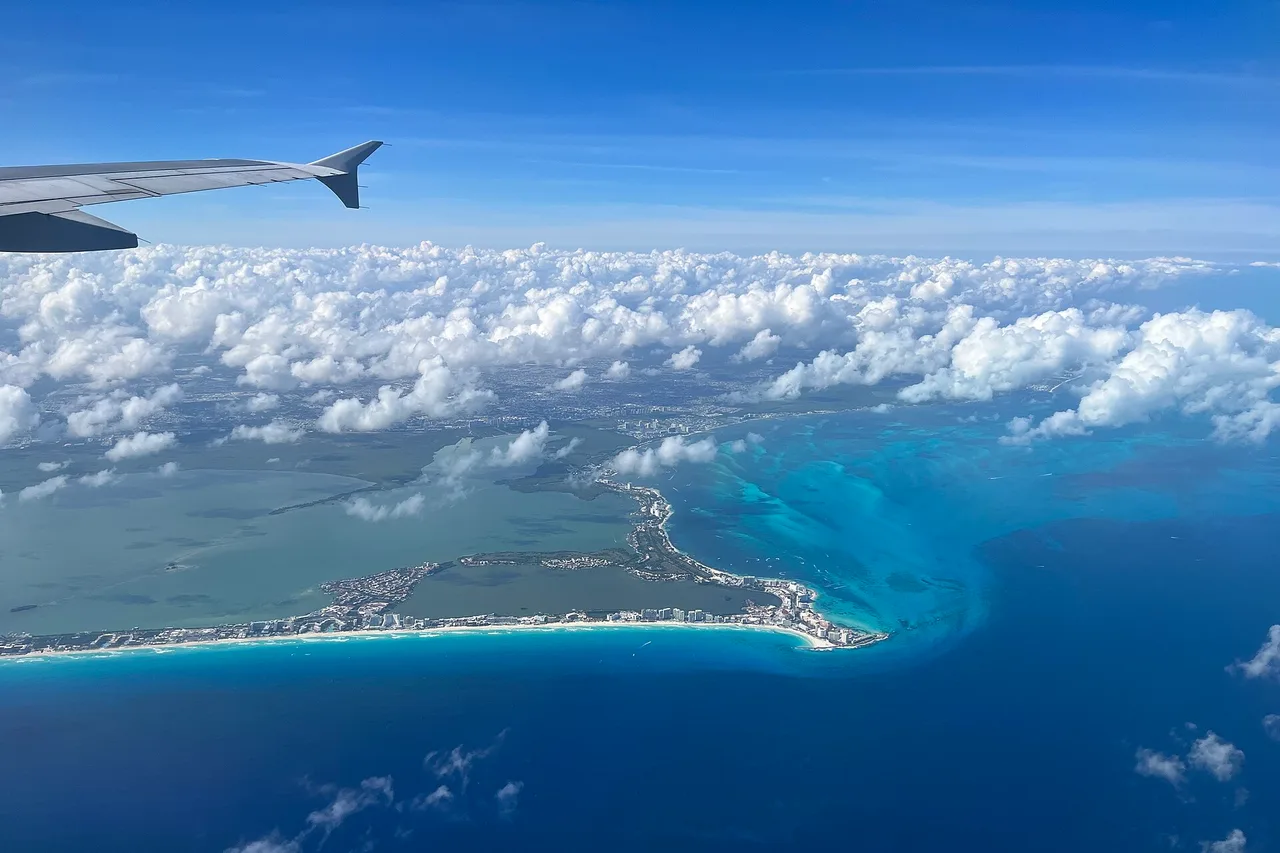
Since Tulum international airport opened, the question is no longer “how do I get down from Cancún” but “where does your flight land”.
Tulum airport (code TQO) is about 40 to 45 minutes from the accommodation districts — 40 minutes to La Veleta, 45 to Aldea Zamá and the beach road. From Cancún, allow closer to two hours.
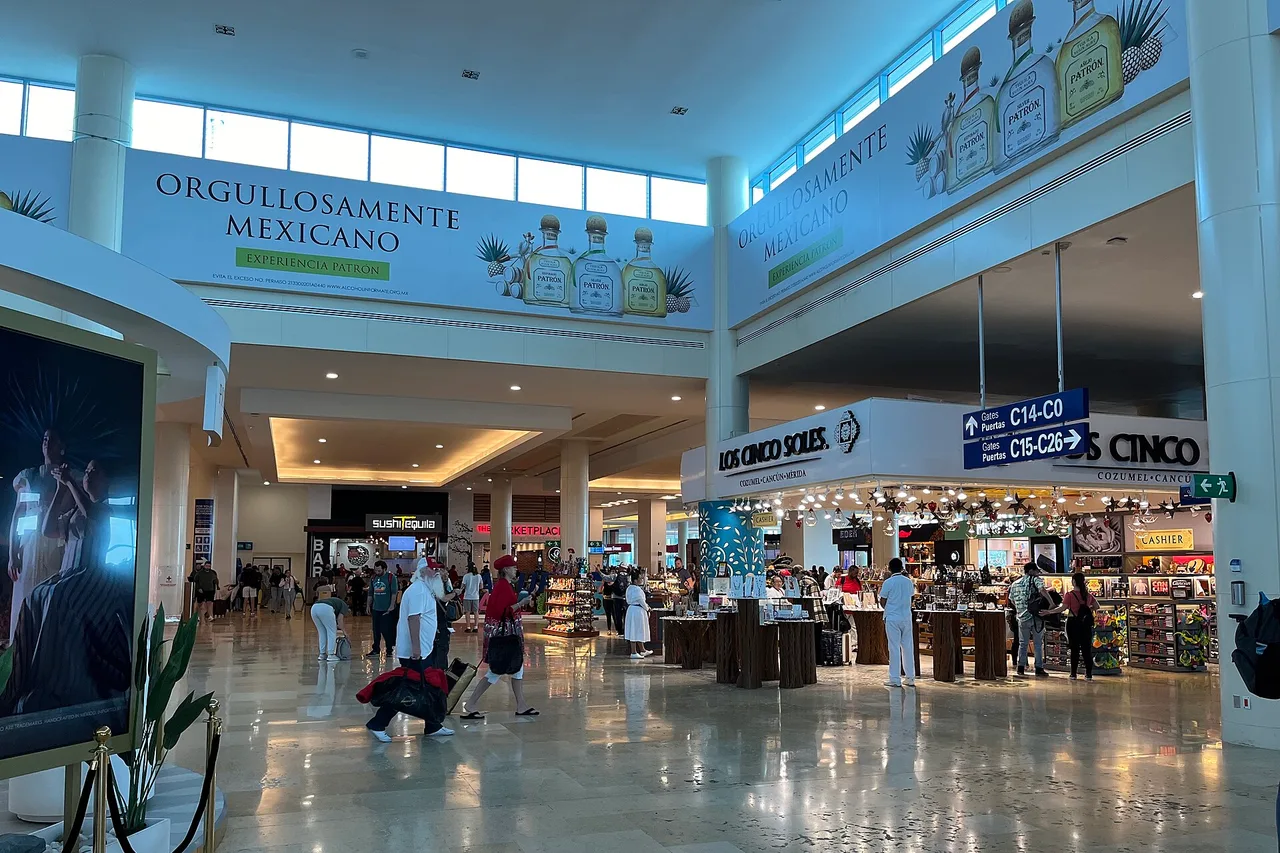
🟢 The cheapest option is still public transport. ADO coaches link both Cancún and Tulum airports to the pueblo terminal, and colectivos do the rest. It is far and away the most economical route, and it works well if you land in daylight and travel light.
If your flight lands late, or you are travelling as a group or with children, a transfer booked in advance from the airport has the advantage of a fixed price known before you leave, and spares you negotiating with taxis on arrival — that is the case that justifies it, not the others.
Full guide: Flights to Cancún: When to Book, Direct or Stopover
Do you need a car? For a stay centred on Tulum, no: it spends its days parked, parking is awkward on the beach road, and the bike does the job better. It earns its place if you range out to Cobá, Valladolid, Bacalar or the inland cenotes. If you do rent, one precaution is worth real money: in Mexico, third-party liability is the only insurance required by law, and comparison-site headline rates almost never include it — the desk adds it afterwards, often 20 to 30 dollars a day. Compare on the total price, insurance included; that is why we point to local agencies in Tulum, Playa del Carmen or Cancún, which quote insurance-inclusive rates.
What we would recommend, by type of trip
There is no best neighbourhood in Tulum; there is a neighbourhood that matches what you came to do.
| Your trip | Where to stay | Why |
|---|---|---|
| Yucatán road trip, 2 or 3 nights in Tulum | Pueblo | Everything leaves from there: colectivos, ADO, cenotes, Cobá. The beach is a bike ride. |
| Tight budget, long trip | La Veleta | The lowest prices in Tulum, provided you have a bike or a scooter. |
| Family or remote work, a week or more | Aldea Zamá | Quiet, paved, recent apartments, halfway to everything. |
| Honeymoon, 2 or 3 nights | Beach road | It is what you came for — but as a short stay, and outside the sargassum season. |
| Travelling between May and August | Pueblo, La Veleta or Aldea Zamá | The coast is deep in sargassum season: better not to pay top price for it. |
One last thing, and it applies to every line of that table: sleeping away from the beach does not mean not going to it. Twenty minutes of cycling separate the pueblo from the sand, and that distance is exactly what separates a £35 night from a £350 one.