The beach ranked 27th in Europe this year is closed to pedestrians — and it still tops most lists. It is Praia do Camilo, in Lagos: its wooden staircase, the only way down, was closed by the Portuguese Environment Agency after last winter’s storms. It was still shut on 7 August 2026, with no reopening date. So this article does not rank photographs. It asks the three questions a ranking never asks: can you get down there, is anyone watching, and what does that flag on the sand actually guarantee.
Three questions a beach ranking never asks
Lists of “most beautiful beaches” compare pictures. But an Algarve beach is nearly always a strip of sand at the foot of a cliff, and it is the cliff that decides everything: how you get down, whether the way down still holds, and in which season anyone is watching you swim. These are the three questions we put to every beach in this article.
| The question | What you usually read | What is actually true in 2026 |
|---|---|---|
| Can you get down? | “A staircase leads to the beach” | At Camilo that staircase is closed, and still was on 7 August 2026 |
| Is anyone watching? | “Come in September or October, it is quieter” | From 1 October, one single coastal municipality still has lifeguards |
| What does the flag prove? | “Blue Flag beach, so an outstanding beach” | 86 Algarve beaches hold one in 2026: it certifies services, not scenery |
These are not editorial hedges. They turn most lists upside down: the highest-ranked European beach in the region is also the one you are not allowed to walk down to, and the one rarely used for the postcard is the one patrolled the longest.
📌 We deliberately publish no in-house top ten. The only ranking quoted here is Europe’s 50 Best Beaches 2026, voted by more than a thousand travel professionals, and it places two Portuguese beaches: Praia da Falésia 8th and Praia do Camilo 27th. The rest is taste — access and supervision, on the other hand, can be checked.
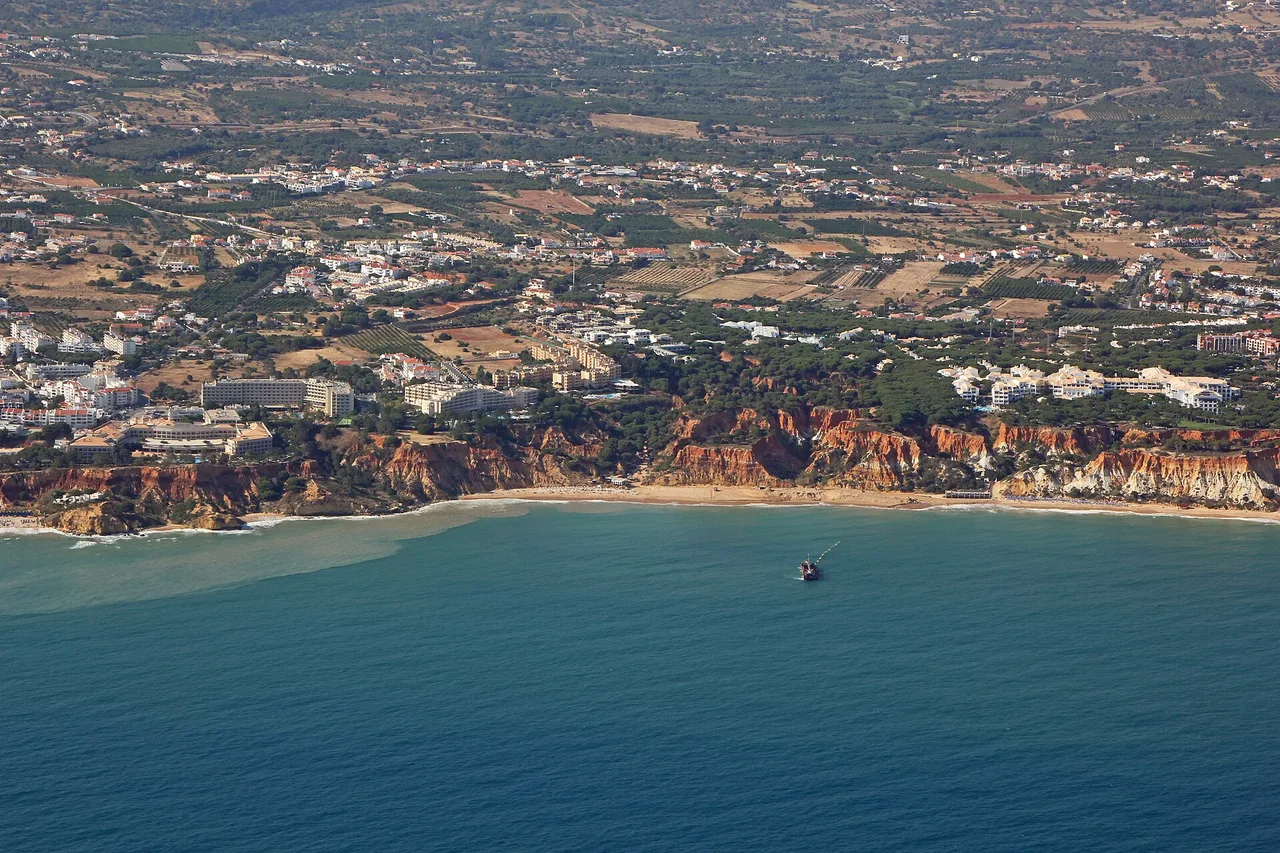
Camilo: Europe’s 27th beach, and its closed staircase
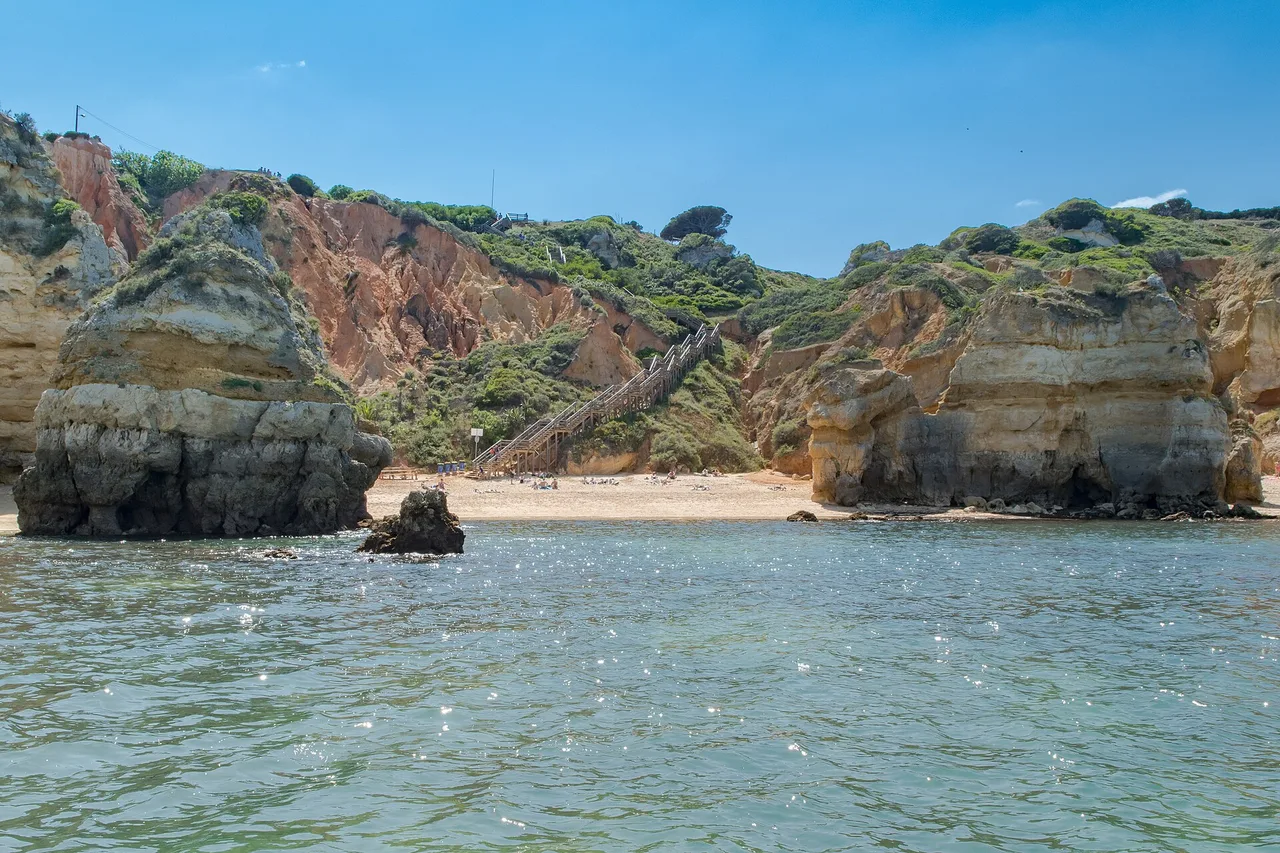
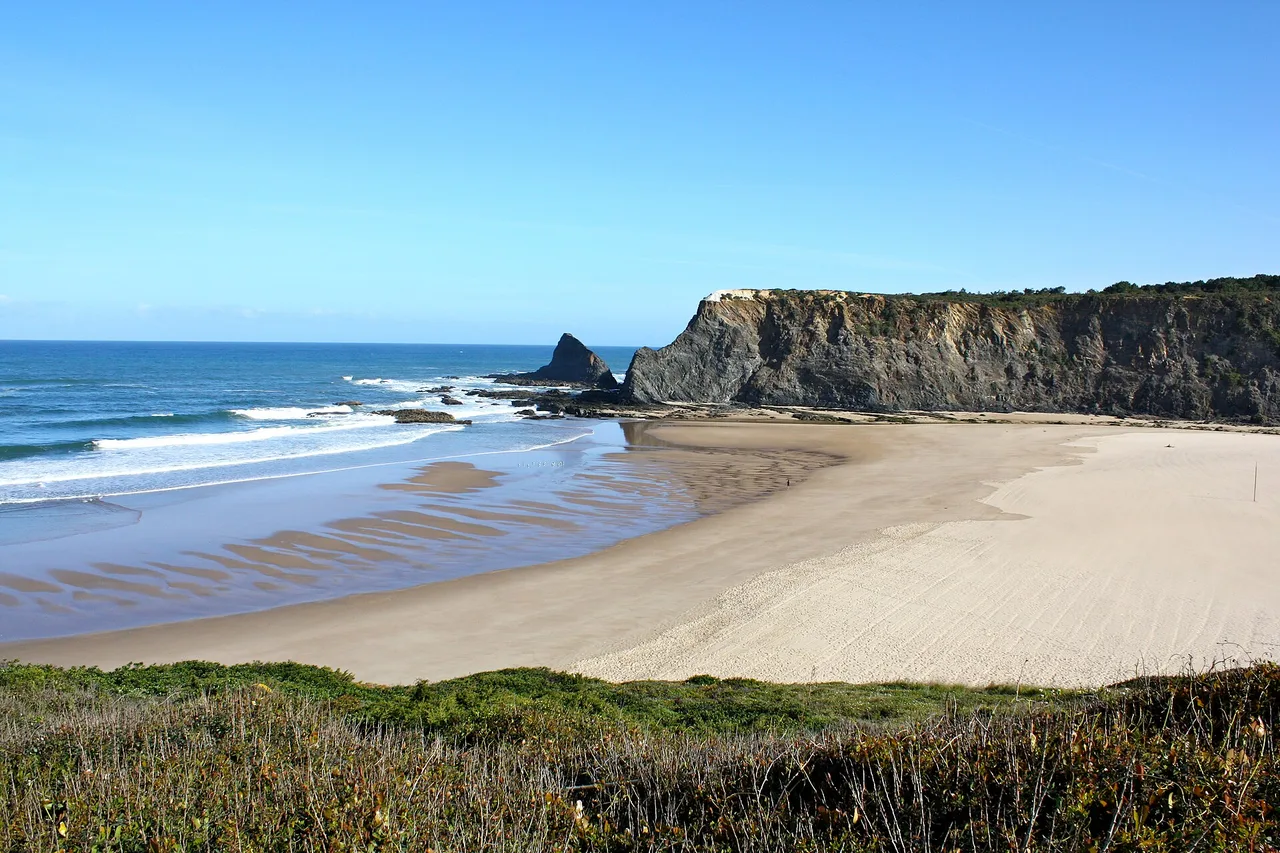
It is the cove you have seen a hundred times: two limestone stacks, clear water, and a long wooden staircase tumbling down the cliff. That staircase is closed.
The Portuguese Environment Agency, through its Algarve river basin administration and together with Lagos town council, closed pedestrian access after last winter’s damage: heavy seas and intense rainfall affected the slope and the stability conditions of the stairway. The closure was still in force on 7 August 2026, and no reopening date has been announced: the agency and the council are developing studies and technical assessments to find a suitable solution. Until one is implemented, the access stays shut.
⚠️ The agency also reports recurrent disregard for the closure, despite barriers and signage reinforced by the council. Let us be blunt: crossing those barriers is not sidestepping paperwork. It is walking on a structure that the competent authority says it can no longer guarantee is safe to use.
🟢 What is still open, and free. The clifftop viewpoint above the beach is not affected: the plunging view over the cove, the one in the photographs, is taken from the top of the cliff, without going down. The coastal path towards Ponta da Piedade, a few minutes away, asks nothing of anyone either. Start there: it is free, it is open, and it depends on no administrative decision.
If you still want to see the foot of those cliffs, there is the sea. Booking a boat trip along the Lagos cliffs lets you run past Camilo, Ponta da Piedade and their caves without setting foot on a closed structure. Take a morning departure: the sea is more workable and the light reaches further into the caves.
📌 One local rule worth knowing, even once the staircase reopens. Since 16 August 2024, Lagos council has banned access via the Dona Ana and Camilo staircases, during the bathing season and between 9 a.m. and 7 p.m., for anyone carrying a surfboard, a watercraft, diving gear, or SUP, windsurf, kitesurf, kayak or canoe equipment. Fines run from 55 to 550 € for an individual and from 550 to 2,500 € for a company. The reason is the same as for today’s closure: those staircases are narrow, winding and very busy.
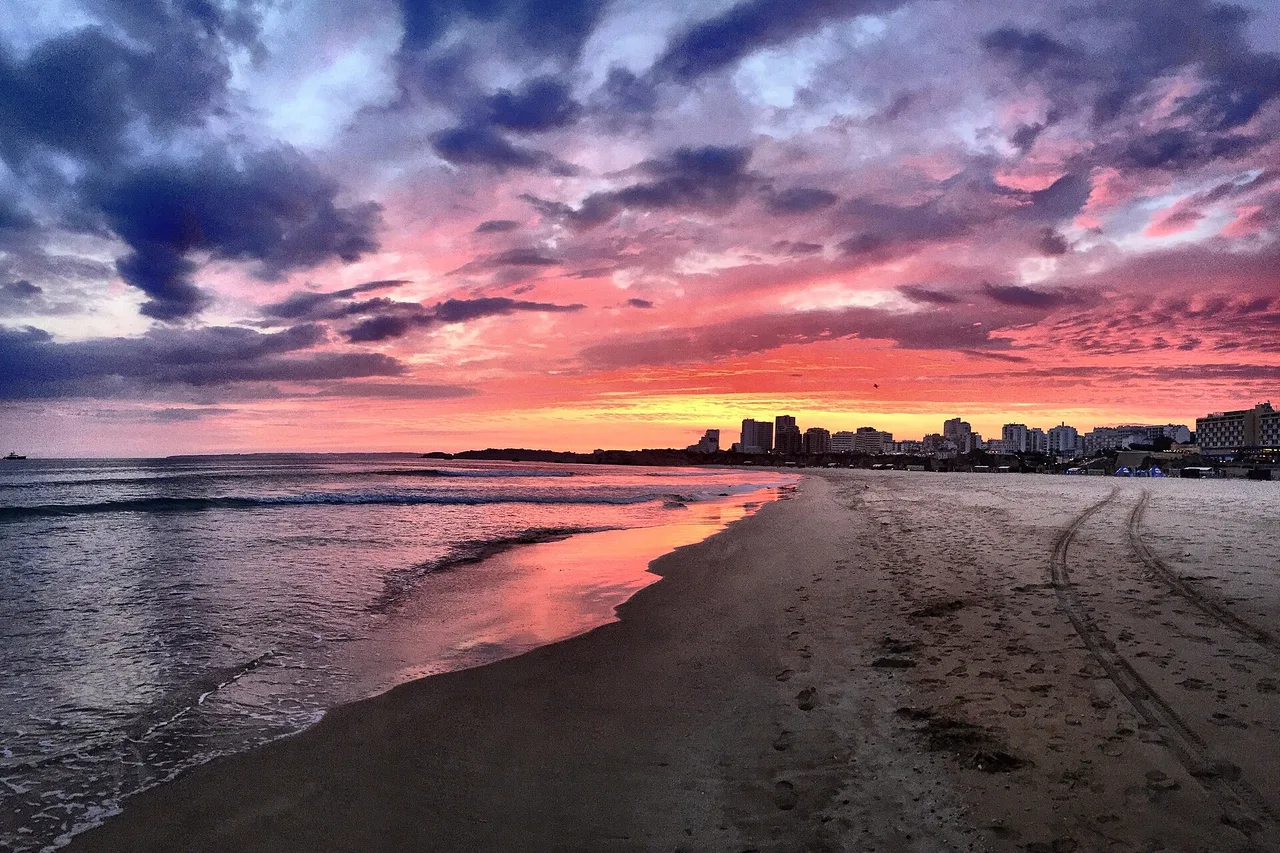
The beaches worth the detour — and how you actually get down
Instead of a leaderboard, here is a reading by type of access. That is what decides whether a beach works with children, with a pushchair, without a car, or late in the season.
| Beach | Municipality | How you get down | Patrolled until |
|---|---|---|---|
| Camilo | Lagos | Staircase closed — viewpoint open, sea access possible | 30 September |
| Dona Ana | Lagos | Staircase, regulated 9 a.m.–7 p.m. in season | 30 September |
| Falésia | Albufeira | Several access points along the ochre cliffs | 15 October |
| Praia da Rocha | Portimão | Urban beach, seafront, no cliff staircase | 30 September |
| Barril | Tavira | Footbridge from Santa Luzia, then ≈ 1 km on foot or by little train | 30 September |
| Tavira island | Tavira | Boat from Tavira or Santa Luzia | 30 September |
| Odeceixe | Aljezur | West coast, access through the village, open Atlantic | 30 September |
Look at the right-hand column: only one line goes past 30 September. We come back to it in a moment, because it is probably the single most useful fact in this article.
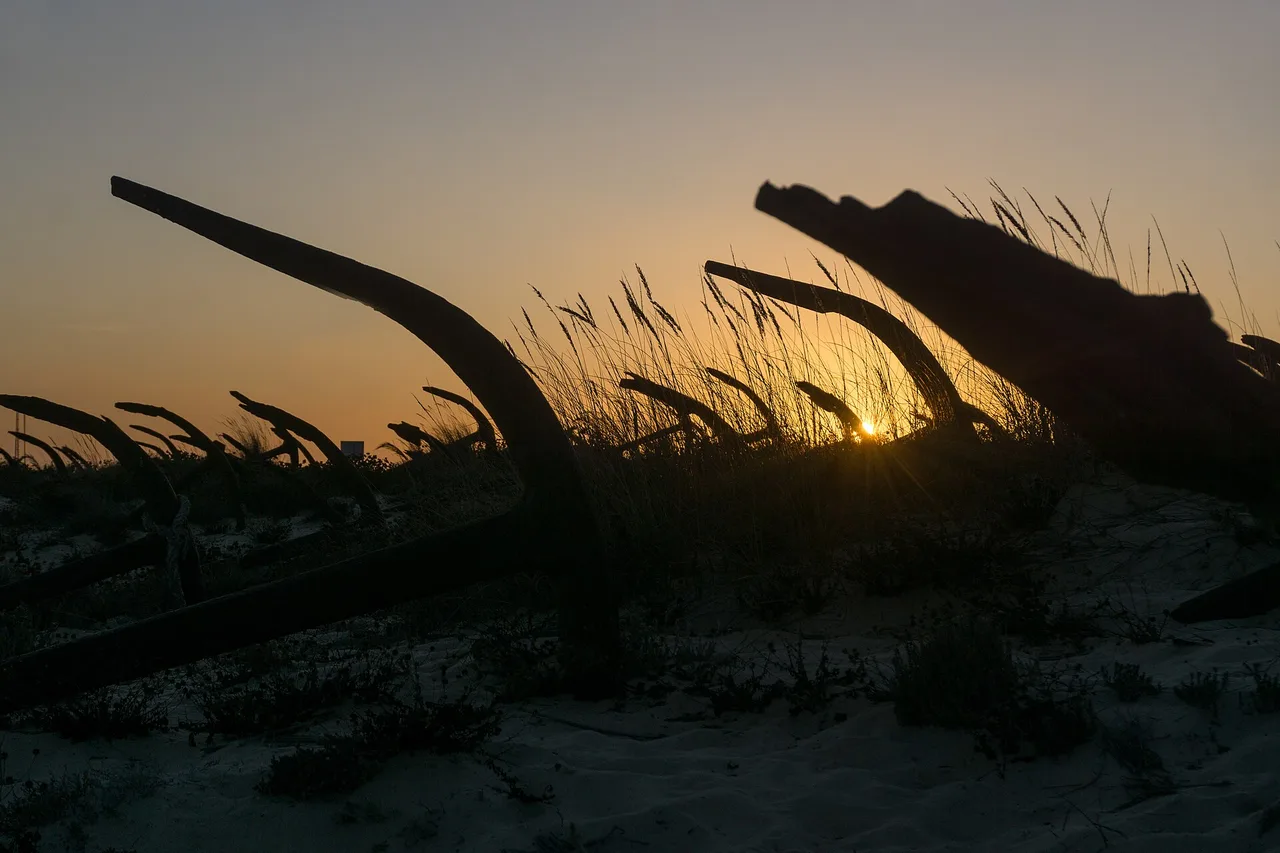
🚶 Barril is the textbook “reachable” beach. From Santa Luzia you cross a pedestrian bridge over the Ria Formosa, then cover about a kilometre on foot or aboard a tourist train — which is adapted for wheelchairs and pushchairs. At the end stands the old tuna-fishing station and its anchor cemetery, planted in the sand. Tavira council’s page lists restaurants, bars, a first-aid post, toilets, an amphibious chair service for getting into the water during the bathing season, and three disabled parking spaces about a hundred metres from the footbridge.
Full guide: Renting a car in Portugal: motorways and tolls
⛵ For the islands with no footbridge, you need a boat. Booking a crossing to the Ria Formosa islands saves you turning up at the jetty with no idea when the next one leaves, especially outside July and August when sailings thin out. But start with Barril if you are hesitating: the footbridge is free, and it is already an island.
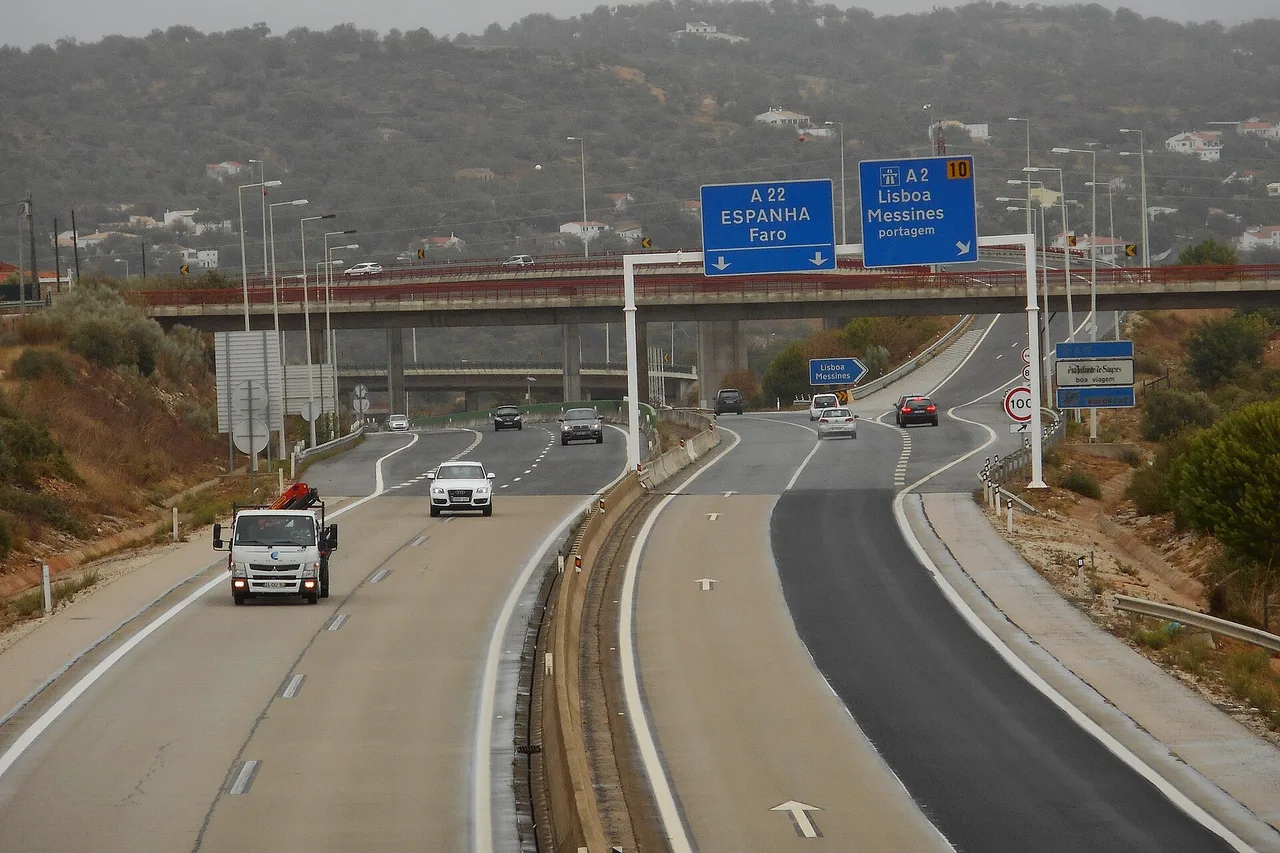
📌 A car is still needed for the western coves, which public transport does not serve. We will not expand here: our article on car hire and Portuguese tolls covers the question in full, and the one on five days in the Algarve explains why a single base is now enough.
On 1 October, the lifeguard map empties out
This is the fact nobody prints next to their photographs, and it is worth knowing before you book a shoulder-season trip.
In Portugal a beach only counts as a “bathing beach” — that is, staffed with lifeguards — during its bathing season, and that season is fixed zone by zone by an official text. For 2026 it is portaria no. 204-A/2026/1 of 30 April 2026, published in the Diário da República. It identifies 671 bathing waters nationally, 523 of them on the mainland, and gives the dates for each.
| Where | Starts | Ends |
|---|---|---|
| Albufeira | 15 May | 15 October |
| All other coastal municipalities | 1 June | 30 September |
| Albufeira de Odeleite (Castro Marim, inland) | 1 July | 31 August |
| Pego Fundo (Alcoutim, inland) | 1 June | 13 September |
The consequence fits in one sentence: from 1 to 15 October, Albufeira is the only coastal municipality in the Algarve where lifeguards are still on duty. Everywhere else — Lagos, Portimão, Lagoa, Tavira, Aljezur, Vila do Bispo, Faro — supervision stops on 30 September, while the water is still good and the days still fine. That is precisely the moment most guides recommend, ours included.
📌 A detail worth its weight, and rarely read correctly. Praia da Falésia is described almost everywhere as stretching from Albufeira to Vilamoura, hence across two municipalities — which suggests two different end dates along the same sand. We went and read the portaria: the five bathing waters covering that stretch, Falésia Açoteias, Falésia Alfamar, Rocha Baixinha and its two ends, are all listed under Albufeira. The whole of Falésia is therefore patrolled until 15 October. For supervised swimming in early October it is the best address in the region — and it happens to be eighth in Europe.
⚠️ Outside the bathing season a beach is not closed: it is simply unsupervised. Flags are no longer flown, nobody assesses the currents for you, and on the west coast, around Odeceixe and Aljezur, the open Atlantic does not forgive what a sheltered bay would. That is information, not a prohibition — but it changes how you take children into the water.
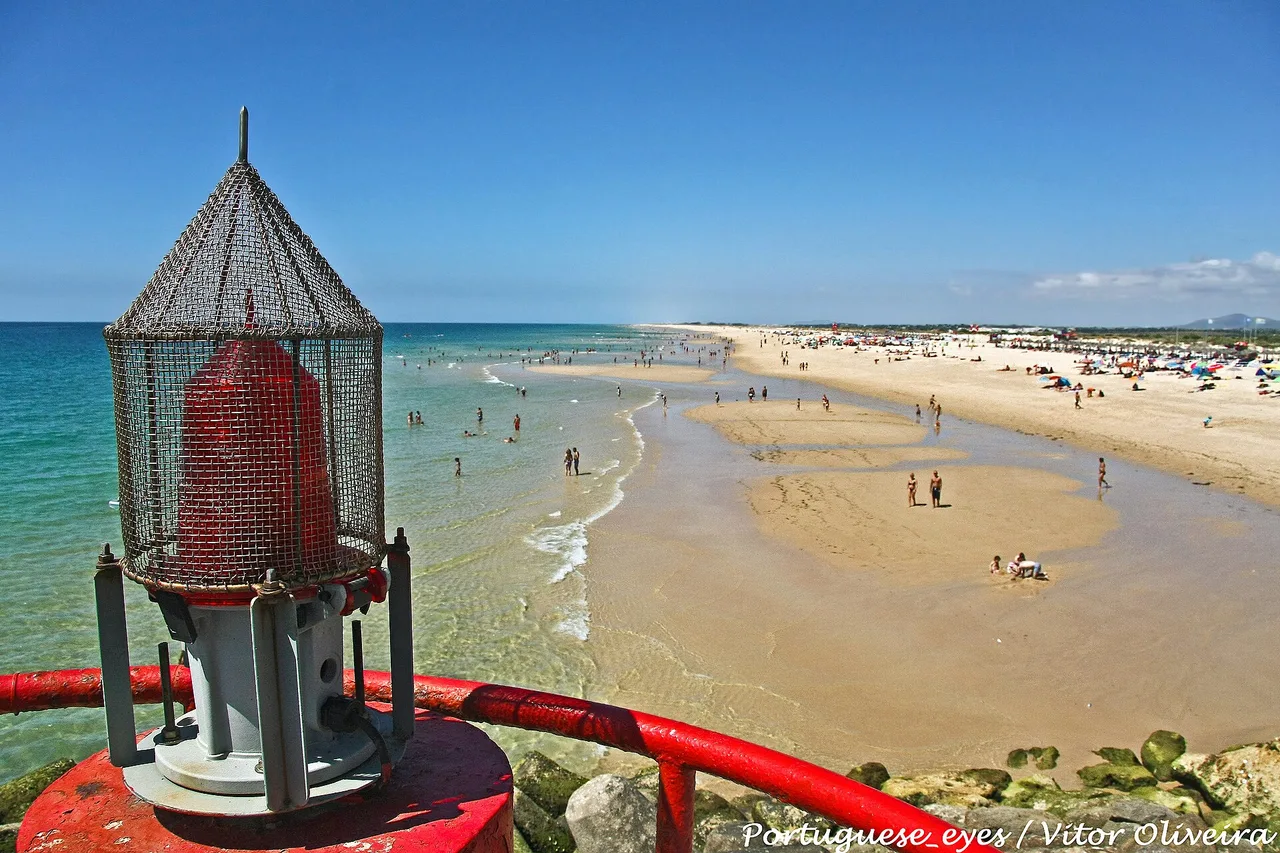
Blue Flag, Accessible Beach: what the labels really prove
Two flags recur on the sand, and they are routinely credited with a meaning they do not carry.
The Blue Flag says nothing about how beautiful a beach is. It certifies bathing water quality, facilities, safety and public information. In 2026, according to Turismo de Portugal — announced on 4 May 2026, the programme being run by ABAE — 396 Portuguese beaches earned one, 350 coastal and 46 inland, out of 438 distinctions in total across a hundred municipalities. In the Algarve: 85 coastal beaches and one inland beach.
📌 You will see several different “Algarve totals” in circulation. That is not an error on anyone’s part: some publications add the region’s marinas and eco-tourism boats, which are awarded too. So we stick to the two figures that do not move, 85 coastal beaches and one inland beach, and publish no composite total.
The real lesson lies elsewhere: in a region holding 86 awarded beaches, the Blue Flag no longer sorts anything. It will not help you pick the prettiest — it will tell you where there is drinking water, toilets, a first-aid post and posted information. It is a services filter, and a very handy one when travelling with children; it is not a scenery filter.
♿ The second flag is far more selective, and far more useful. The Praia Acessível, Praia para Todos! programme marks beaches genuinely usable with a wheelchair or with reduced mobility. The latest consolidated figures are those of the 2025 edition: 254 applications, 245 bathing zones awarded, about 36 % of the 673 zones classified that year; 220 on the mainland, 181 coastal, and 207 equipped with a device for getting into the water. The Algarve holds the highest number. Praia do Barril carries this label, and Tavira council’s page details the amphibious chair service and the reserved parking spaces.
In other words: if you need a usable beach, look for that flag, not the blue one. It is rarer, so it actually tells you something.
In short
Three facts, all pointing the same way. The highest-ranked beach in Lagos is closed on foot and still was in August: see it from the clifftop viewpoint, for nothing, or from the sea. From 1 October, only Albufeira still patrols its beaches — and the whole of Praia da Falésia counts as Albufeira, until the 15th. The Blue Flag certifies services, not scenery: in a region holding 86 of them, look instead for the accessibility label, which does sort.
If you remember one sentence: choose by the access first, by the photograph second. The Algarve is not short of sand — it is short of ways down to it.
Top-rated activities in Portugal, bookable online: