On the one leg that matters, the car is slower than the train. The Alfa Pendular runs Lisbon–Porto in 2 h 50; the motorway asks 3 to 3.5 hours and €25 in tolls, before fuel. And at Sintra, the most visited stop on the route, your rental car is simply not allowed in. Hence this itinerary, which picks up the car on day three rather than day one.
The sum nobody does before booking
Start by comparing the two ways of getting from Lisbon to Porto, using 2026 figures. The answer decides the whole rest of the week.
| Train (Alfa Pendular) | Car (A1 motorway) | |
|---|---|---|
| Duration | 2 h 50 (as little as 2 h 35) | 3 to 3.5 hours |
| Distance | — | 310 to 320 km |
| Direct cost | €35.70 second class | €25.05 in tolls |
| To be added | Nothing | Fuel, rental, parking |
| Frequency | 15 to 19 departures a day | — |
| Arrival | Porto Campanhã | Wherever you find a space |
Read the first line twice. The train is faster than the car, and not by a token margin: thirty to forty minutes on a three-hour journey. Portugal is one of the few countries in Europe where the main railway line beats the motorway on its own ground.
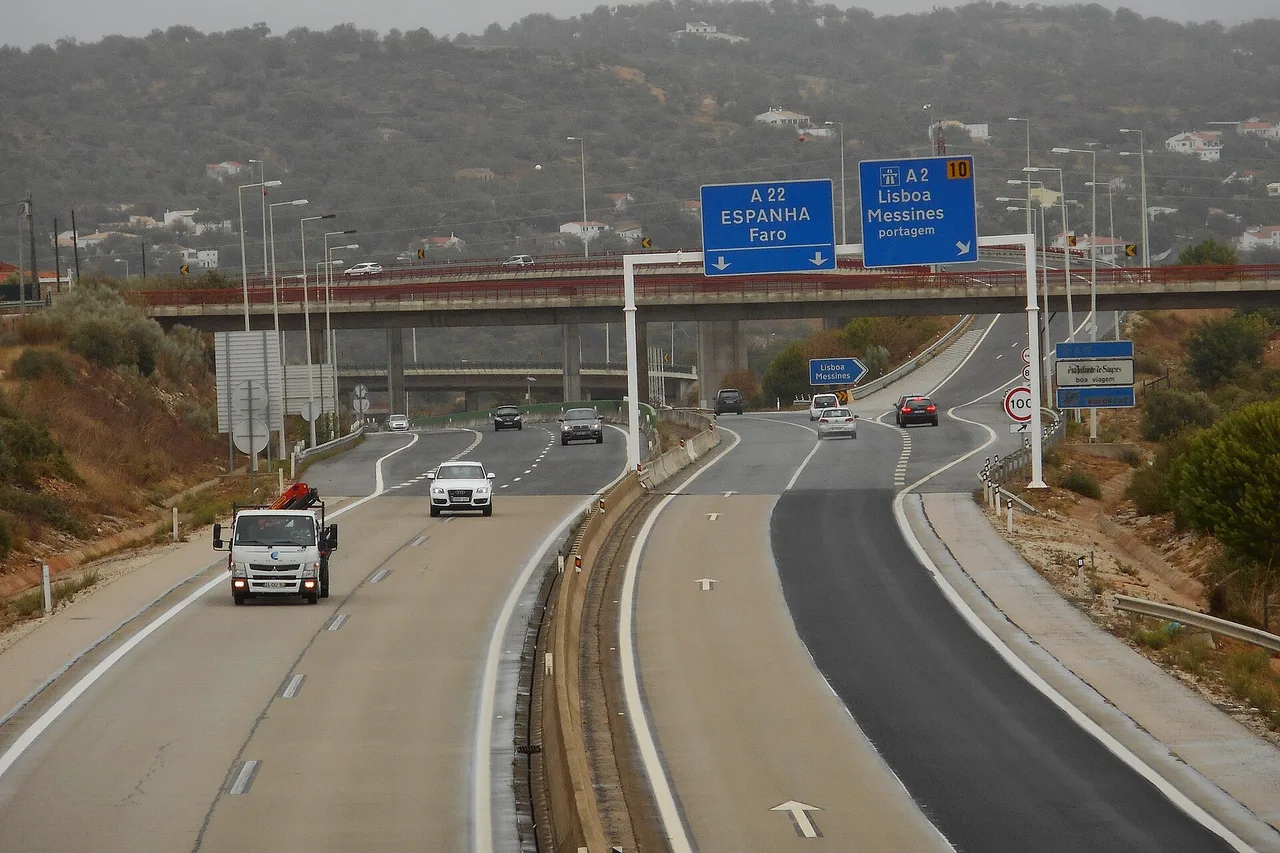
Now look at the cost line. The toll alone, €25.05 since 1 January 2026, already sits close to the €35.70 second-class fare. Add fuel over 315 kilometres and you have passed the price of the train — and you have not yet paid for the rental day or for parking in Porto.
📌 This sum does not say “don’t rent a car”. It says something more precise: the car cannot be justified on the Lisbon–Porto axis itself. It is justified by what lies around it, which is exactly what the itinerary below does.
Sintra, the stop where your car is banned
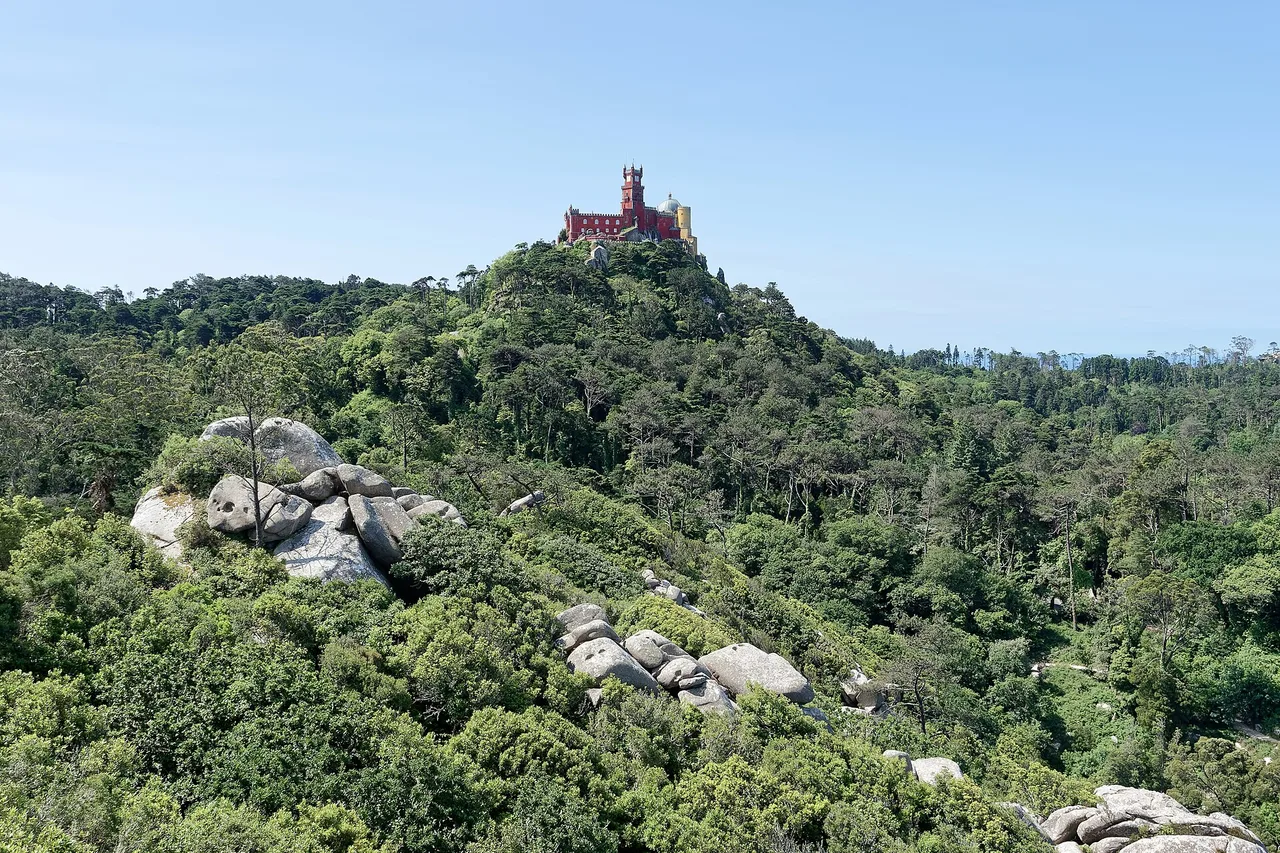
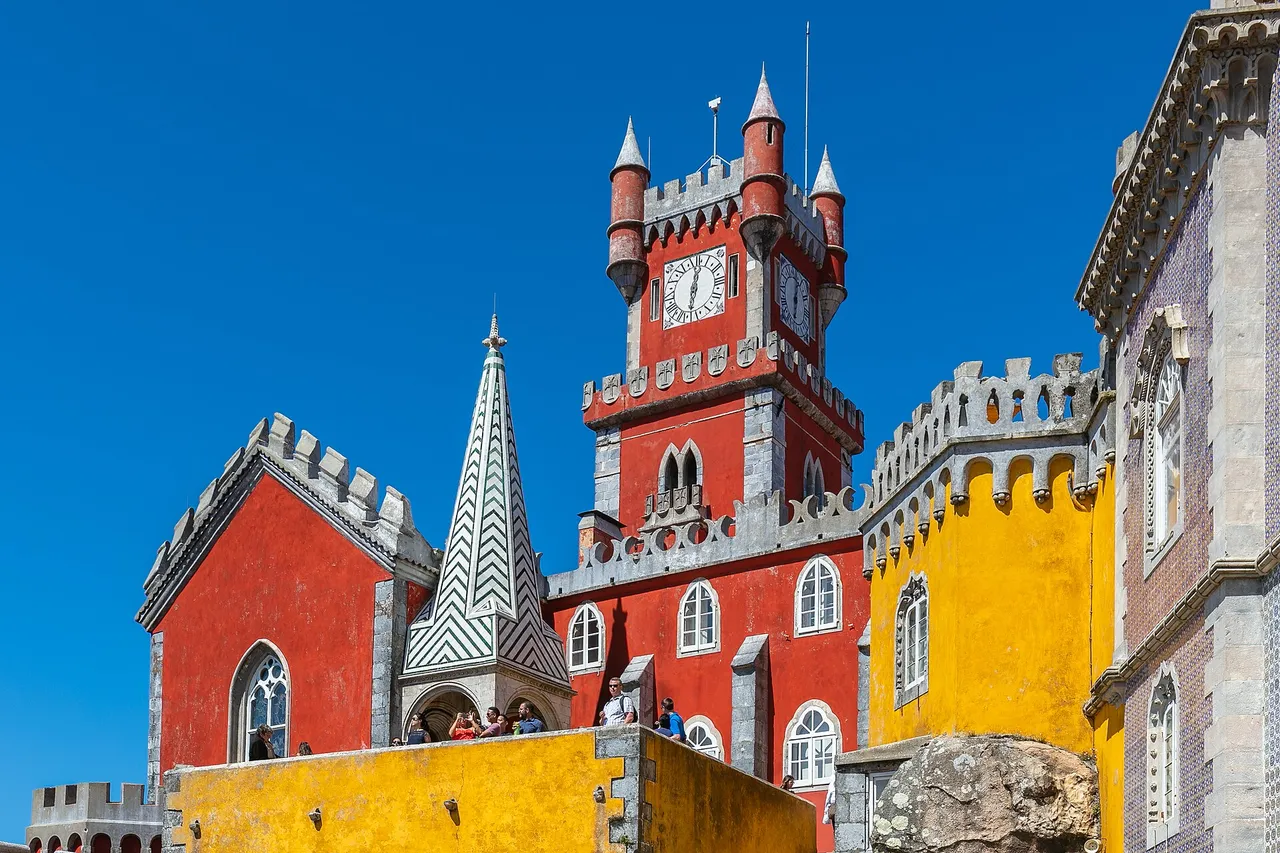
The second fact is blunter than the first, and many travellers discover it on the spot. At Sintra, private vehicles cannot enter the zone serving the Pena Palace, the Moorish Castle and the Pena Park. The restriction applies to private cars without distinction: rental vehicles and foreign plates are covered exactly like Portuguese ones.
What remains allowed inside the zone: taxis, ride-hailing vehicles and tour operator vehicles. What is asked of you if you arrive under your own steam: park outside the centre, then take the 434 bus, which leaves from the station and loops around the sites.
⚠️ The practical consequence is simple, and it explains the order of this itinerary: a car rented on day one would spend the Sintra day parked in a Lisbon street, doing nothing. Sintra is done by train from Lisbon — a forty-minute ride, no space to hunt for — and the car only enters the story the next morning.
For the palaces themselves, crowding is the real issue: Pena Palace entry slots sell out ahead in high season, and turning up without a ticket on a summer Saturday is the surest way to lose two hours. Booking a guided tour or a skip-the-line ticket for Sintra settles both the entry and the transport on site, since those operators are permitted inside the restricted zone. If you would rather do it all yourself, the official ticket is sold directly by Parques de Sintra and the 434 bus is bought at the station: it is cheaper, and perfectly workable on a weekday out of season.
Full guide: Lisbon and Sintra Tickets: Pena, Jerónimos, Tram 28
The itinerary, day by day
Seven days, three cities, only two real driving days. Distances are road distances, rounded.
| Day | Stage | Transport | Distance |
|---|---|---|---|
| Day 1 | Lisbon — Alfama, Baixa, Graça | On foot and by tram | — |
| Day 2 | Sintra in the morning, Belém in the afternoon | Train and bus 434 | — |
| Day 3 | Collect the car → Óbidos → Nazaré | Car | 130 km |
| Day 4 | Alcobaça, Batalha → Coimbra | Car | 120 km |
| Day 5 | Coimbra → Douro valley | Car | 180 km |
| Day 6 | Douro → Porto, return the car | Car | 120 km |
| Day 7 | Porto — Ribeira, Vila Nova de Gaia | On foot and by metro | — |
| Over the week | — | 4 rental days | ≈ 550 km |
Two remarks are worth more than ten tips. Days 1, 2 and 7 involve no car at all, and that is not an accident: they are the three city days. Lisbon and Porto are both built on hills, with narrow streets, expensive parking and slow traffic. A car there is a burden, not a freedom.
Full guide: Renting a car in Portugal: motorways and tolls
⚠️ Day 5 is the longest of the week, and it is deceptive. A hundred and eighty kilometres from Coimbra is nothing on a motorway — but the approach into the Douro valley runs on narrow, winding roads, often behind a lorry. Allow plenty of time, leave early, and plan no visit for that afternoon.
📌 The distances in this table are rounded road distances, not durations. On the national roads of central Portugal, eighty kilometres take as long as a hundred and fifty of motorway. Always count in driving hours.
Rent in the middle, not at the start
This is the only real decision in the itinerary, and it fits in one sentence: collect the car on the morning of day 3, return it on arrival in Porto on day 6. Four days instead of seven.
What you save along the way: three rental days, two nights of parking in the country’s two most expensive city centres, and the two hours always lost hunting for a space on arriving in a historic centre with luggage. What you lose: nothing. Not one stop on the itinerary disappears.
One tip on where to collect it: avoid the branches in Lisbon’s historic core and prefer one on the outskirts or at the airport, easier to reach and above all easier to leave — driving north out of Lisbon from Alfama on a weekday morning is not the best way to begin a day on the road. Comparing local rental agencies in Portugal lets you see the off-airport branches, often cheaper than the big chains on a short hire like this one. Check two things above all before confirming: how motorway tolls are paid with the vehicle supplied, and the fuel policy.
📌 On tolls, one clarification is enough here: Portugal uses an electronic system, and some motorways have no barrier at which to pay cash. The rental company usually offers a transponder or an automatic billing arrangement — ask at collection, not on return. The subject deserves an article of its own, and it will get one.
The Douro, and what the week does not contain
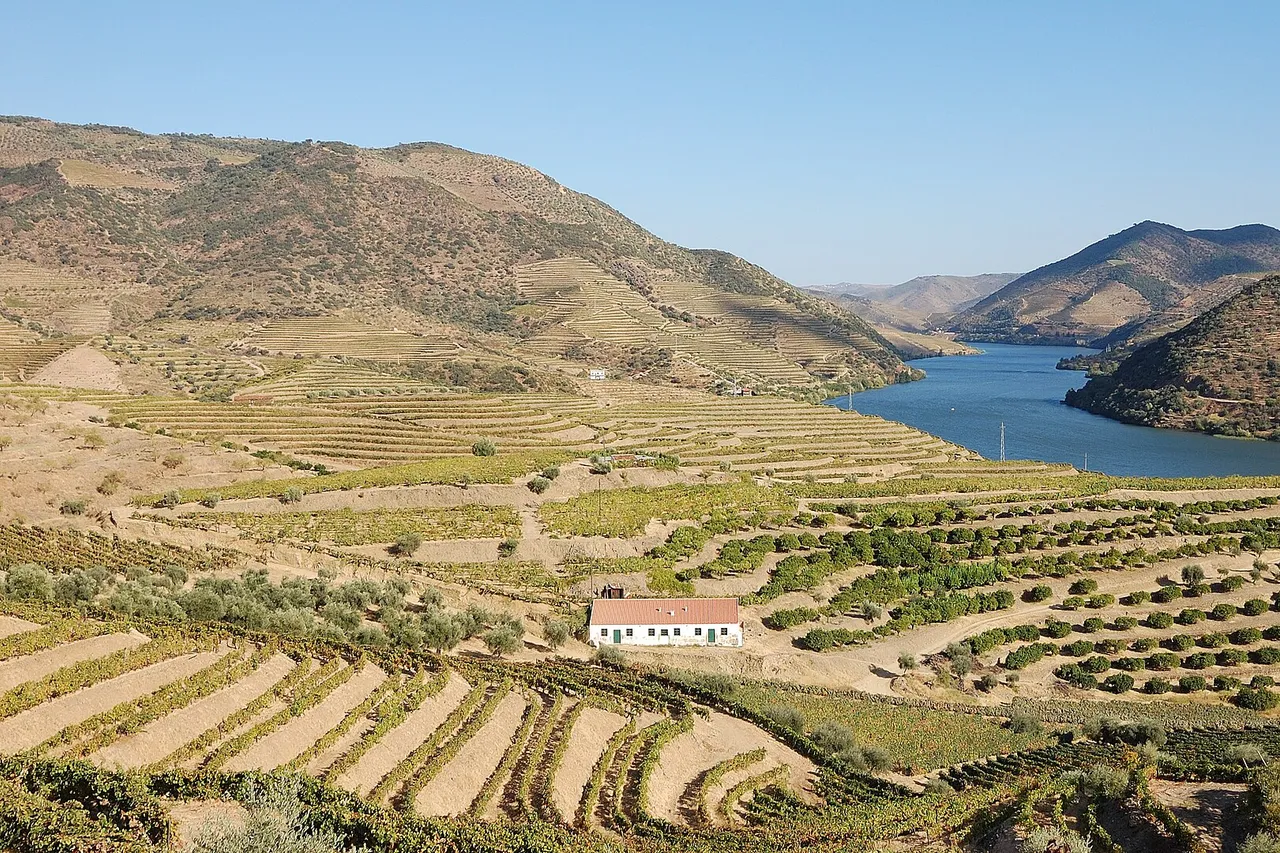
Days 5 and 6 are the ones you remember, and they are also the ones that justify the rental on their own. The Douro valley is the first place on the itinerary where there is no practical alternative to a car if you want to stop where you please: the railway follows the river and it is superb, but it does not stop at the viewpoints.
A week does not cover all of Portugal, and it is better said than implied. This itinerary does not include the Algarve — that is a separate trip, four hours south of Lisbon, and adding it would turn the week into a motorway corridor. Nor does it include the Alentejo, or the north beyond Porto.
What it does contain holds together: two great cities seen without rushing, the monastery region, a university town halfway along, and two days in the wine valley. That is a seven-day rhythm, not a three-week digest.
In short
The train beats the car on Lisbon–Porto: 2 h 50 against 3 to 3.5 hours, and €35.70 against €25.05 in tolls before fuel is even counted. The car is barred from the Sintra monuments. Both facts lead to the same place: four rental days in the middle of the trip, and not one more.
If you remember one thing: do not book the car for your arrival day. It is the most common booking, and the one that costs the most for the least service.
Top-rated activities in Portugal, bookable online: