Everyone will hand you a daily budget: €60 to €90 for an average traveller. Nobody measures that figure. The one Portugal’s national statistics institute published on 31 August 2026 is measured: in July, the average occupied room cost €154.90 a night — the bed alone, already above the “all-in” daily budget you are quoted elsewhere. Three months earlier, that same average room cost €93.80. That is where your week is decided.
The one Portuguese budget figure that is actually measured
A “budget” article is only as good as the origin of its numbers. Most of the ones you will find online reprint a daily range that no organisation calculates. Yet an official measurement does exist — monthly, free and public — from Portugal’s national statistics institute, the INE, whose most recent release is dated 31 August 2026.
| Indicator | Q1 2026 | July 2026 |
|---|---|---|
| Average price of an occupied room | €93.80 (+2.7%) | €154.90 (+3.2%) |
| Average revenue per available room | — | €104.30 (+1.8%) |
| Room occupancy rate | — | 67.3% (−0.9 pt) |
| Overnight stays in the month | — | 9.6 million (+2.1%) |
| Best-paid region | Greater Lisbon, €115.90 | Algarve, 35% of national revenue |
Hold on to the first line; everything else follows from it. An occupied room cost €154.90 a night on average in July 2026. That is the bed alone — no meal, no metro ticket, no museum entry — and it is already more than the “all-in daily budget” quoted elsewhere. It is not that the other articles lie: it is that they describe a hostel trip in February and present it as the norm.
Full guide: Where to stay in Lisbon: a neighbourhood guide with numbers
📌 Two honest caveats about that figure, because a number without its limits is a half-truth. It is a national average across every category, from Algarve resorts to small inland guesthouses: your room may well cost far less. And it is a price per room, not per person: two people share it.
Your travel dates weigh more than all your discipline
Take the two official figures and do the only sum that matters for a week’s holiday, which is seven nights:
| Period | Average price per night | Seven nights |
|---|---|---|
| July 2026 | €154.90 | €1,084.30 |
| Q1 2026 | €93.80 | €656.60 |
| Gap for the same week | +65% | €427.70 |
Four hundred and twenty-seven euros. That is what you move by changing nothing but the square on the calendar. No amount of discipline on the ground comes close: eating the dish of the day rather than the tourist menu, taking the metro rather than a taxi, avoiding café terraces on famous squares — all of it together saves a few tens of euros over a week, not four hundred.
🟢 And the effect compounds off season. In the Algarve several towns cut or suspend their tourist tax in winter; Albufeira only levies it between 1 April and 31 October, and Faro drops it from €2 to €1 from November to February. You pay less for the room, and less tax on it.
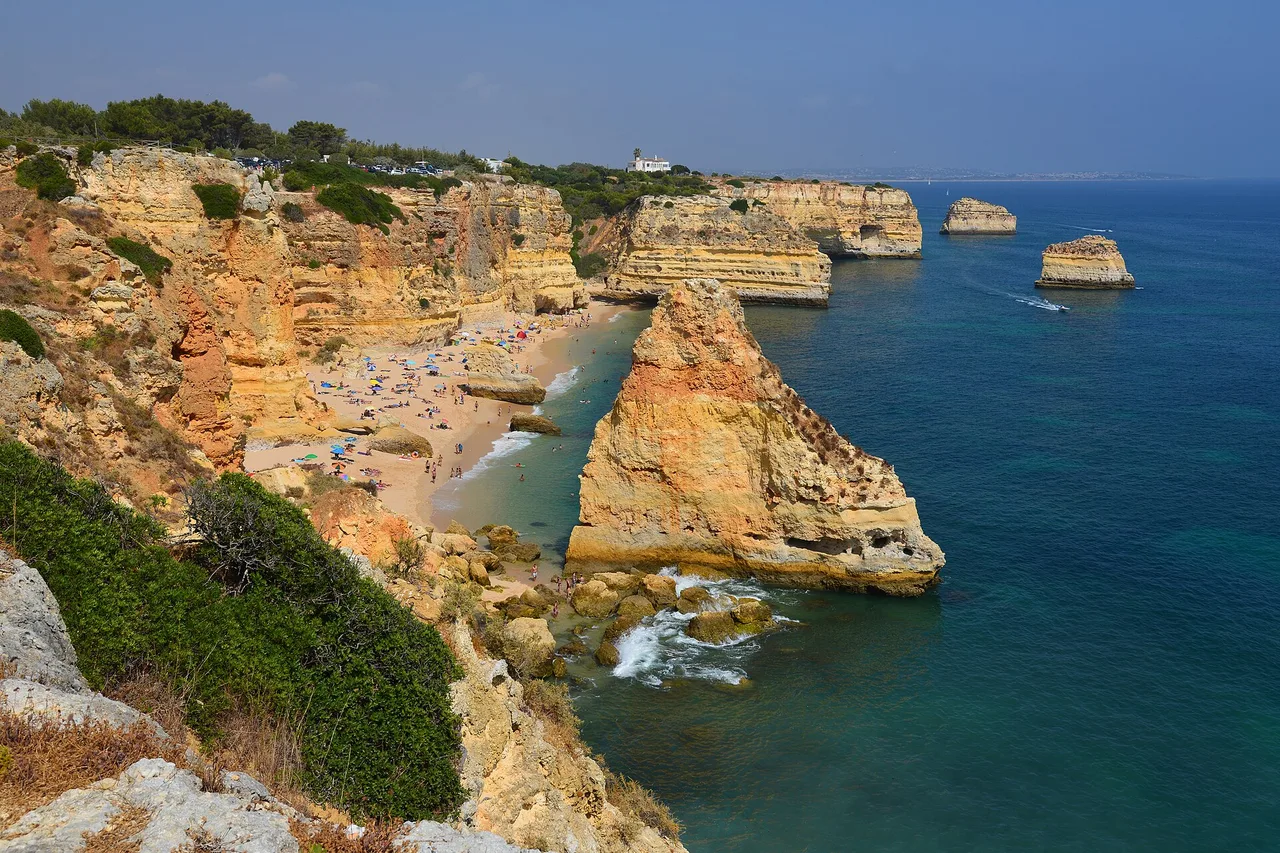
⚠️ The trade-off is real, and it is not only about weather. In the Algarve and along part of the coast, hotels, restaurants and beach clubs simply close from November to February. The sea is cold. The days are short. If your week is built around the beach, the saving is worth nothing. If it is built around Lisbon, Porto, the Douro or the Alentejo, it is hard to turn down.
What we refuse to put a number on, and why
You will find no meal prices in this article, and that is deliberate. Statistics offices publish price indices — changes over time and comparisons between countries — but nobody publishes the amount charged for a dish. The figures in circulation come from travel sites and databases filled in by users.
They are not absurd. A dish of the day at ten to fifteen euros in a neighbourhood tasca, a coffee at a little over a euro at the counter, a small draught beer around seventy-five cents away from the tourist streets: those orders of magnitude match what travellers report. But they are observations, not measurements, and we will not present them with the authority of an official figure.
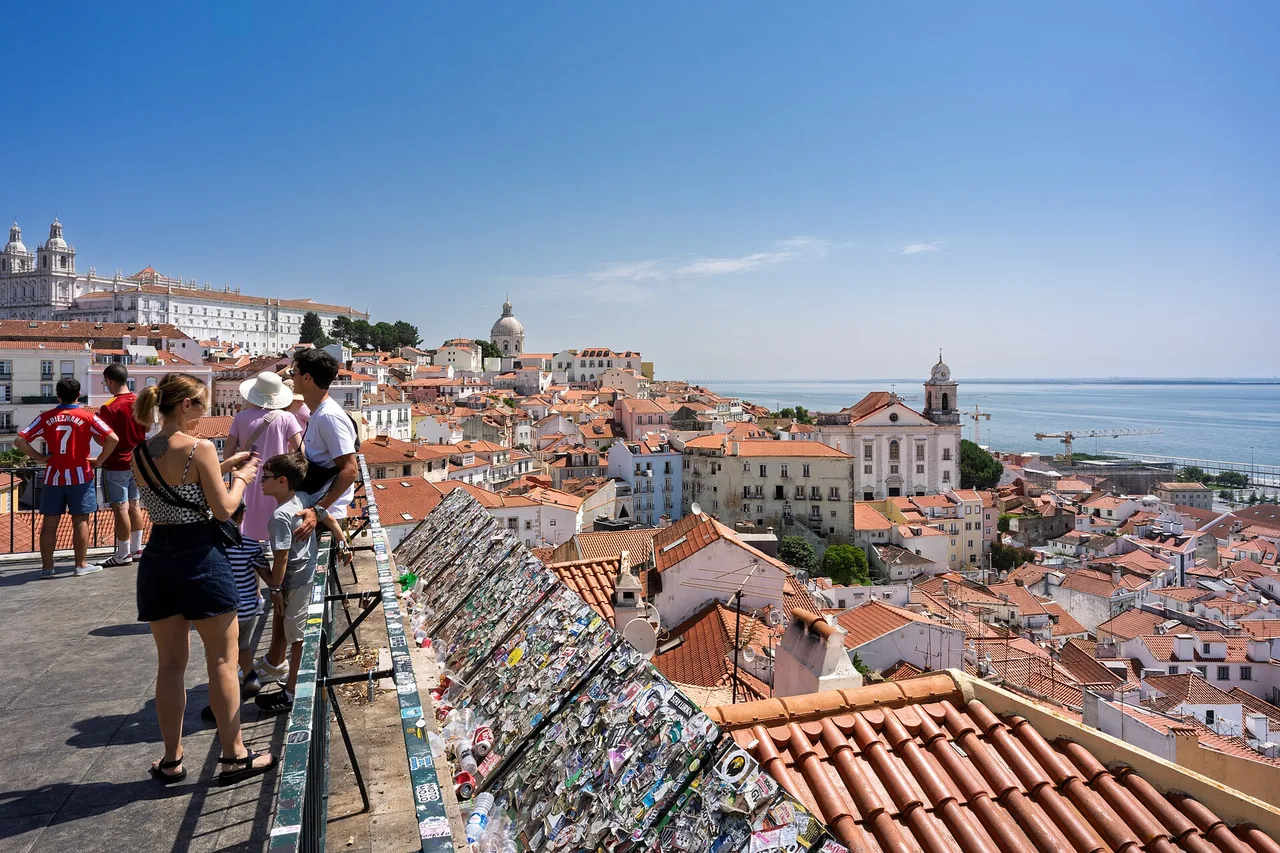
📌 What is verifiable and useful, on the other hand, is the gap between two streets. The same dish does not cost the same in Chiado and in Campo de Ourique, on Porto’s Ribeira and three hundred metres behind it. You do not need a figure for that: you need the rule, and it fits in one line — walk three streets away from the most photographed viewpoint and look at who is having lunch around you. If they work in the area, you are in the right place.
Fixed costs: what you pay whatever you do
The municipal tourist tax is the one line in your week that rewards no economising. It applies to every licensed form of accommodation, hotels and short-term rentals alike, and it depends neither on your budget nor on your comfort.
| Town | Amount per person per night | From age | Cap |
|---|---|---|---|
| Lisbon | €4 (since September 2024) | 13 | 7 nights → €28 |
| Porto | €3 | 13 | 7 nights → €21 |
| Albufeira | €2, from 1 April to 31 October | 13 | 7 nights |
| Faro | €2 March–October · €1 November–February | 16 | 7 nights |
Five other Algarve municipalities levy it too — Lagoa, Loulé, Olhão, Portimão and Vila Real de Santo António — at one to two euros depending on the season. The principle is the same everywhere: a high rate from March or April to October, a low or zero rate for the rest of the year.
🟢 Two pieces of good news most articles leave out. First, the seven-night cap: over a week you pay the maximum, but if you stay ten days the last three nights are not taxed. Second, the children’s exemption: under 13 in Lisbon, Porto and Albufeira, under 16 in Faro. For two adults and two children under thirteen, seven nights in Lisbon, the bill is €56, not €112.
⚠️ Check how it is collected. It is very often charged on arrival, in person, and does not appear in the price shown when you book. It is not an unfair surcharge: it is a municipal tax the host collects for the town hall. But it takes people by surprise, and for a family over seven nights it is the price of a good dinner.
Transport: the cheapest line, and the most predictable
This is the good surprise of a Portuguese budget, and it is official: the 2026 public transport fares are published, they have barely moved, and season passes have not risen at all.
| Ticket | Lisbon (Metro / Carris) | Porto (Andante) |
|---|---|---|
| Single journey | €1.90 | Z2: €1.40 (unchanged) |
| Rechargeable pay-as-you-go | €1.72 (zapping) | Z3: €1.85 · Z4: €2.30 |
| 24 hours | €7.25 | Andante 24 |
| 24 h including boat / train | €10.35 · €11.40 | — |
| Bought on board the bus | €2.30 — avoid | — |
| Monthly pass | €30 municipal · €40 metropolitan | unchanged in 2026 |
Two things are worth underlining. In Lisbon, navegante passes have not risen for the seventh year running — €30 for the city, €40 for the whole metropolitan region, unlimited travel. In Porto, the Z2 ticket stays at €1.40; it is the one that covers most journeys in the centre, and on its own it accounts for more than six occasional ticket sales in ten. Only the outer zones went up by a few cents.
Full guide: Lisbon and Sintra Tickets: Pena, Jerónimos, Tram 28
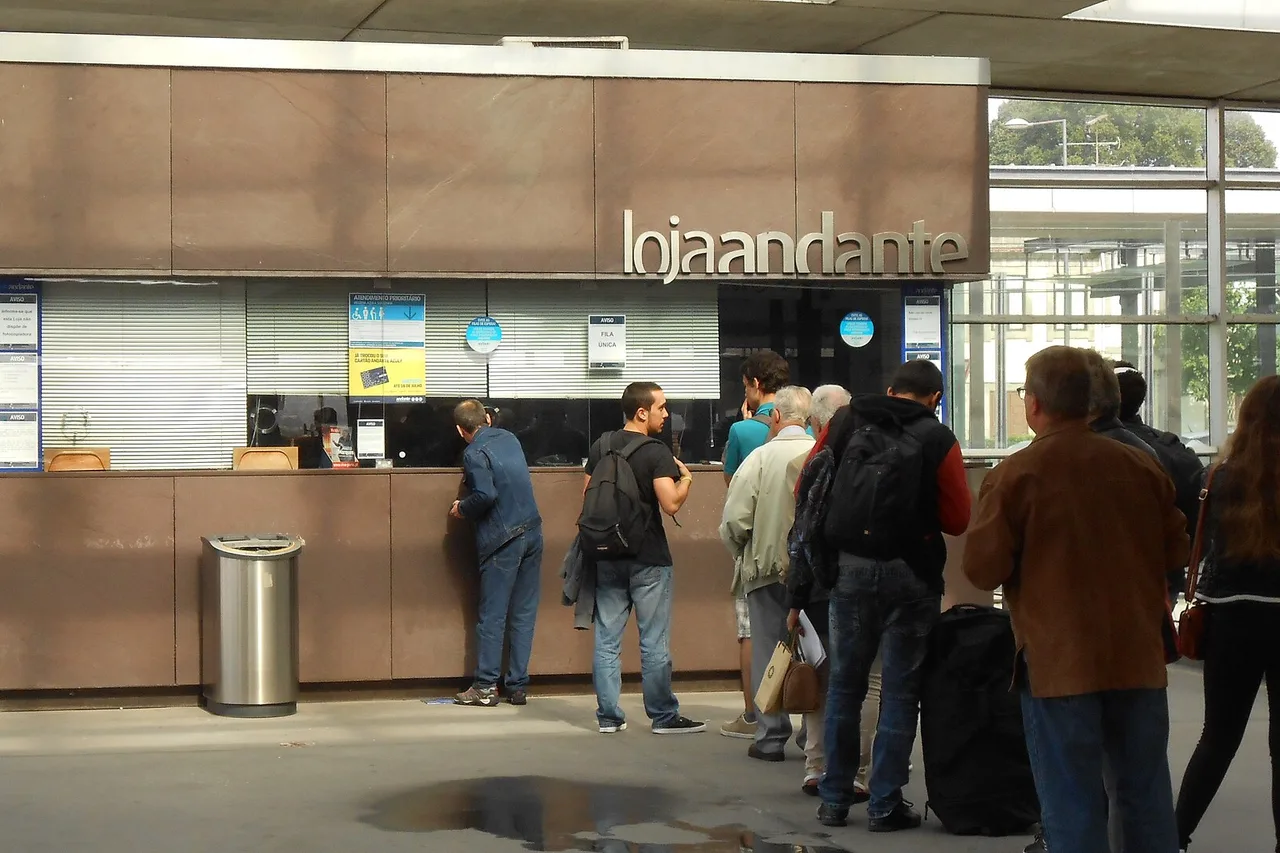
📌 One mistake costs more than all the others: buying your ticket on board the bus in Lisbon. It takes the fare from €1.90 to €2.30, over 20% extra for something the platform machine does for free. Over a week at four journeys a day, that is around ten euros thrown away.
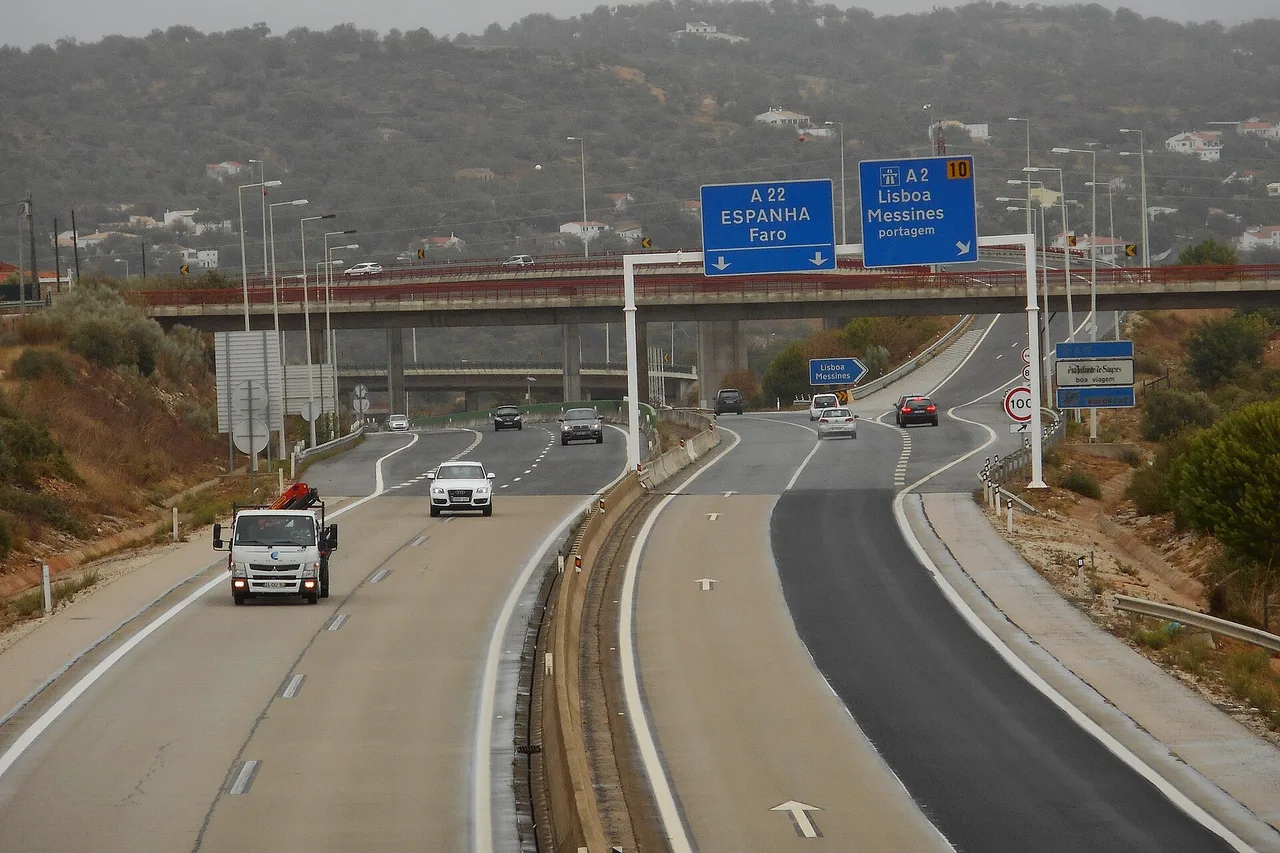
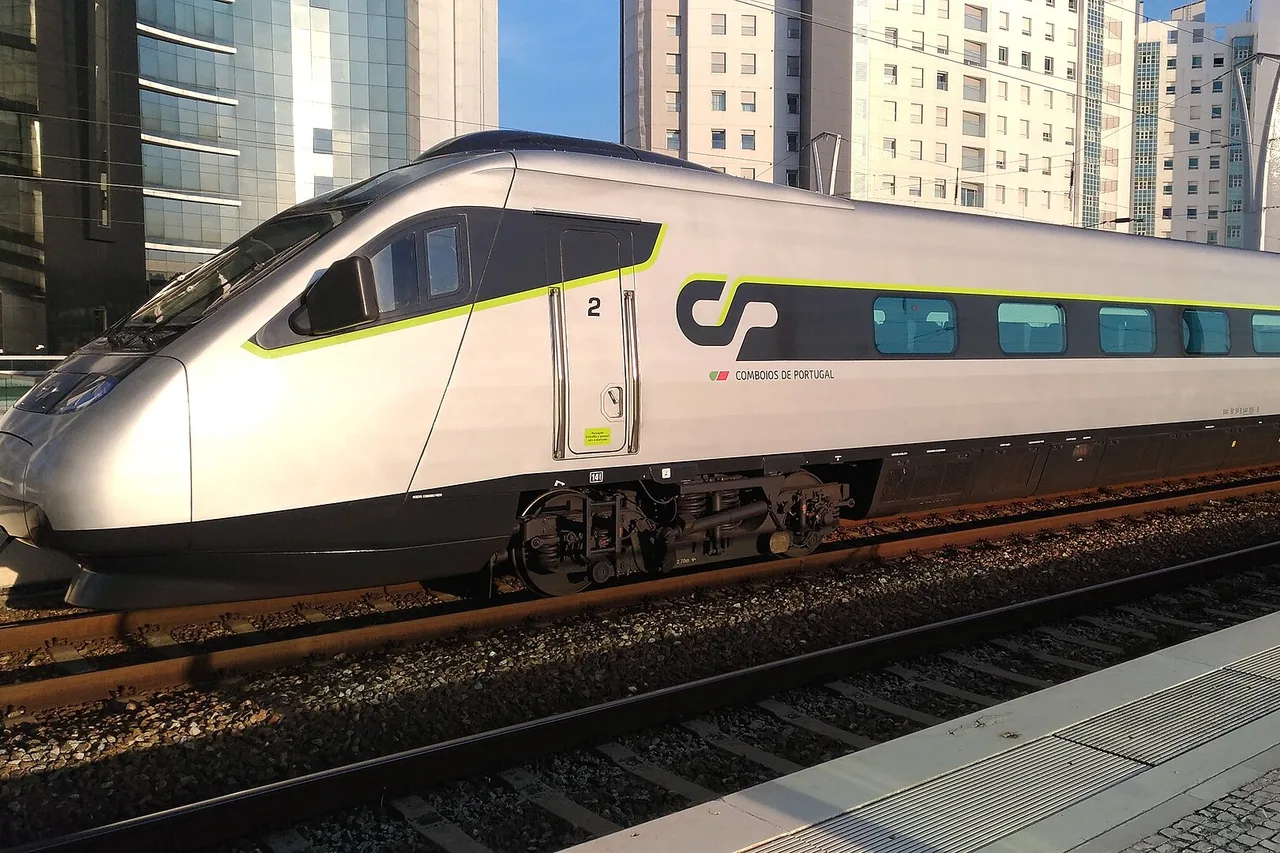
Between the two cities the train is unbeatable: the Alfa Pendular links Lisbon to Porto in just under 2 hours 50, for about €35.70 in second class at 2026 fares. It drops you in the centre, with no toll, no fuel and no parking. We are not covering cars, motorways and tolls here: that is a subject of its own, with its own traps for foreign number plates, and it has its own article.
Passes and monuments: do the arithmetic yourself
The Lisboa Card costs €31 for 24 hours in 2026, €51 for 48 hours and €62 for 72 hours; children aged 4 to 15 pay €21, €28 and €35. It gives unlimited public transport and entry to more than fifty sites.
The question is not “is it worth it” but “is it worth it for your day”, and the sum takes one line. The 24-hour card costs €31. The unlimited transport it contains sells for €7.25 over the same period. That leaves roughly €24 of paid admissions to use up on the same day to break even. Three monuments in a row: it wins. One visit and a lot of terrace time: it does not, and nobody at the counter will tell you.
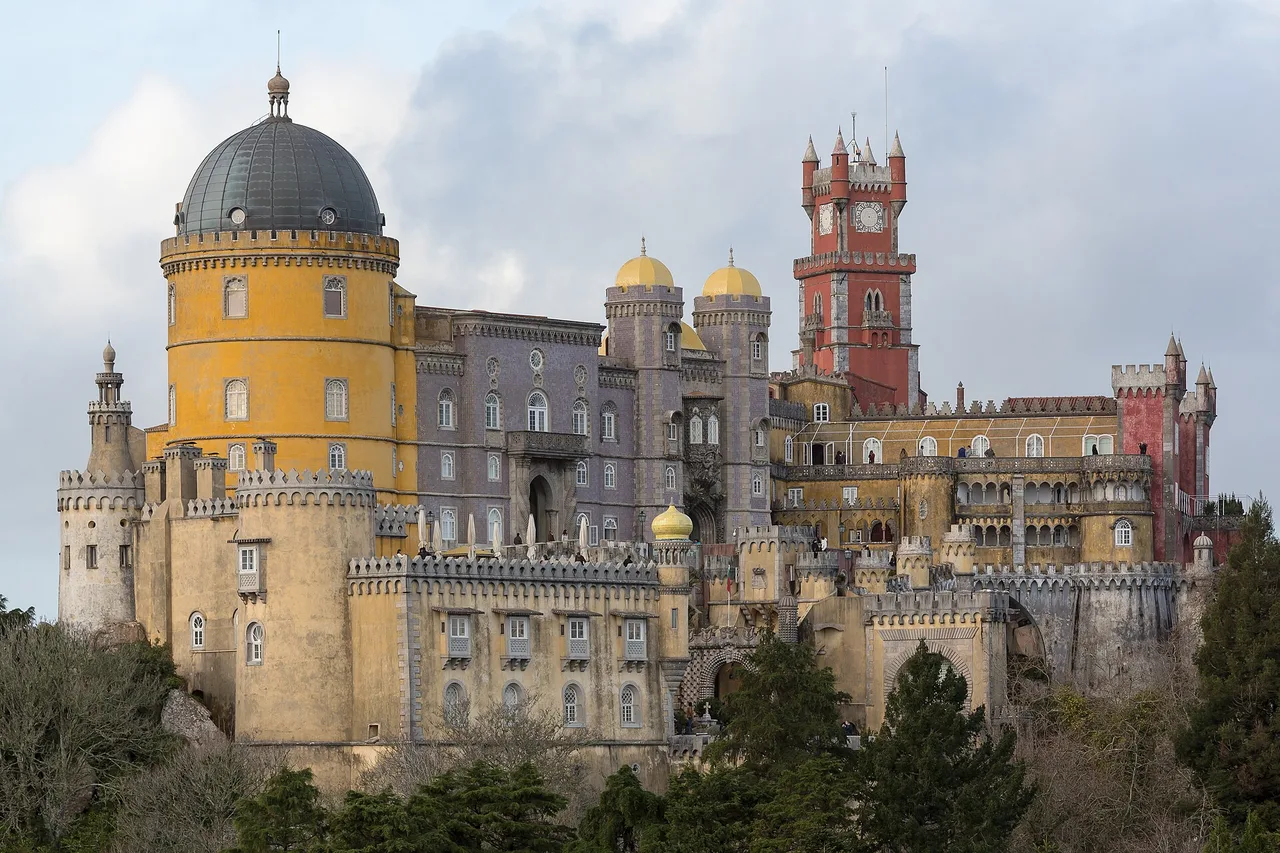
🚱 One price we will not publish: the Pena Palace at Sintra. We found three different amounts in three sources, the official price page still showed a 2024 table, and the online ticket office quotes nothing outside the booking flow. We would rather write nothing than write a wrong figure in an article whose whole subject is figures.
✅ What is verified, and matters more: at Sintra, booking a date AND a time slot is compulsory, and tickets are bought online. Turning up at the gate on a summer morning without a slot means risking not getting in at all. Buy on the official Parques de Sintra site — that is where the price is lowest, and where you can reschedule your visit for up to a year if the weather turns.
Money you can get back, and money you can avoid spending
A budget is not only made of outgoings. Two items are worth knowing about before you leave.
① A delayed or cancelled flight owes you money. Every flight departing from an airport in the European Union, Portugal included, carries a right to fixed compensation in case of a long delay on arrival, a late cancellation or denied boarding. The amounts — a few hundred euros per passenger — comfortably exceed your entire transport budget for the week.
🟢 Start with the free route; it often works. Claim directly from the airline: it costs nothing, it is your right, and a form is enough in most cases. Only if you are ignored, or the case drags on, does a specialist service become useful — it is then paid by a commission on what it recovers, so you receive less than through the direct route, but you receive something rather than nothing. In that case only, having your compensation claim checked will tell you within minutes whether your flight qualifies.
② Departure day often costs an extra night for nothing. The room is released around midday, the plane leaves in the evening: many travellers pay for a late check-out, sometimes the price of half a night, simply to avoid dragging their luggage around.
🟢 Ask your accommodation to keep your bags first: it is very common in Portugal, and it is free. Hotels and rentals with a reception do it without difficulty. If nobody is on site — often the case with short-term rentals — a luggage storage point in the centre costs a fraction of a late check-out and gives you your last day back.
In short
If you keep only four things from this article:
① The only officially measured figure is the average price of an occupied room: €154.90 a night in July 2026, €93.80 in the first quarter. Over seven nights the gap is €427.70. ② No saving made on the ground comes near that: your dates decide, not your discipline. ③ Tourist taxes are the line you cannot reduce — €4 a night in Lisbon, €3 in Porto, capped at seven nights and free for under-13s. ④ Public transport is cheap and barely rose in 2026: just do not buy your ticket on board the bus.
And be wary of round daily budgets, including the ones that suit you. Ours does not exist, because it cannot be measured; what can be, you have just read, with its sources and its dates.
Top-rated activities in Portugal, bookable online: