You will be told to choose between these two cities on atmosphere: Porto the working-class one, Lisbon the luminous one. Both are true, and have been for twenty years. In 2026 something far more concrete settles it: four of Lisbon’s five historic funiculars are out of service, and the city of seven hills now has to be climbed on foot. Porto has kept its own — but is digging a metro line until the end of the year. Both cities are diminished; not in the same place, and not with the same consequences.
What the comparisons do not tell you yet
The usual comparison between these two cities has not moved in twenty years: Porto is said to be more authentic, Lisbon more alive; one has the wine, the other the light. All of it is true, and none of it decides anything. In 2026, what genuinely separates the two cities is physical, dated, and missing from almost every article online.
| Lisbon | Porto | |
|---|---|---|
| Historic funiculars and lifts | 1 of 5 running (Graça, 9am–5pm) | Running all year (Guindais) |
| Historic tram | Tram 28, normal | Heritage trams, normal |
| Works under way | None on central transport | Metro: Ruby Line until end of 2026 |
| Metro line awaited | — | Pink Line pushed to Q1 2027 |
| Tourist tax | €4 per night per person (max €28) | €3 per night per person from 13 (max €21) |
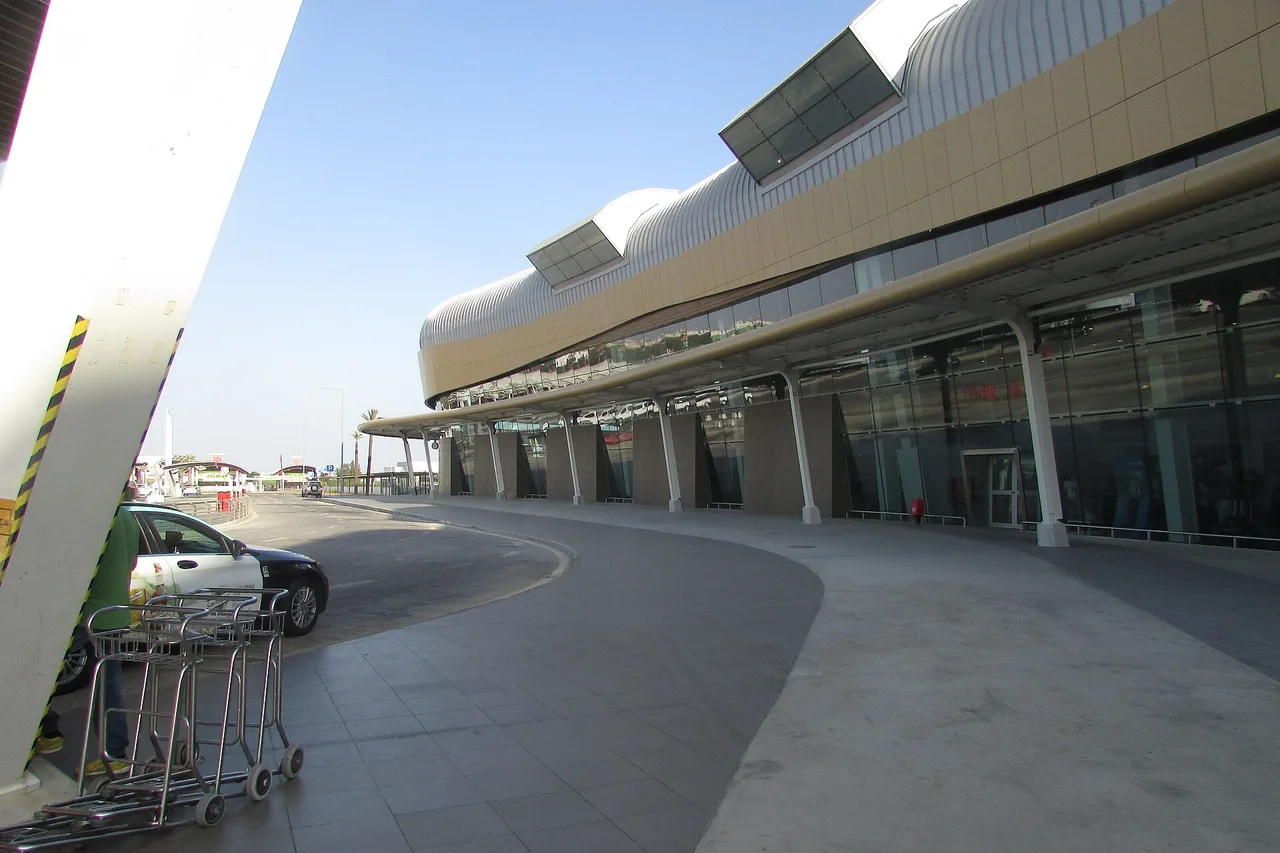
| Airport | Metro red line, direct | Metro violet line, direct |
| Climate | Drier | Noticeably wetter and rainier |
One line of that table weighs more than all the others, and it is the first. Lisbon is built on seven hills, and the machines that used to climb them no longer work. This is not a detail of logistics: it changes the nature of the visit, from morning to evening and every day of the trip.
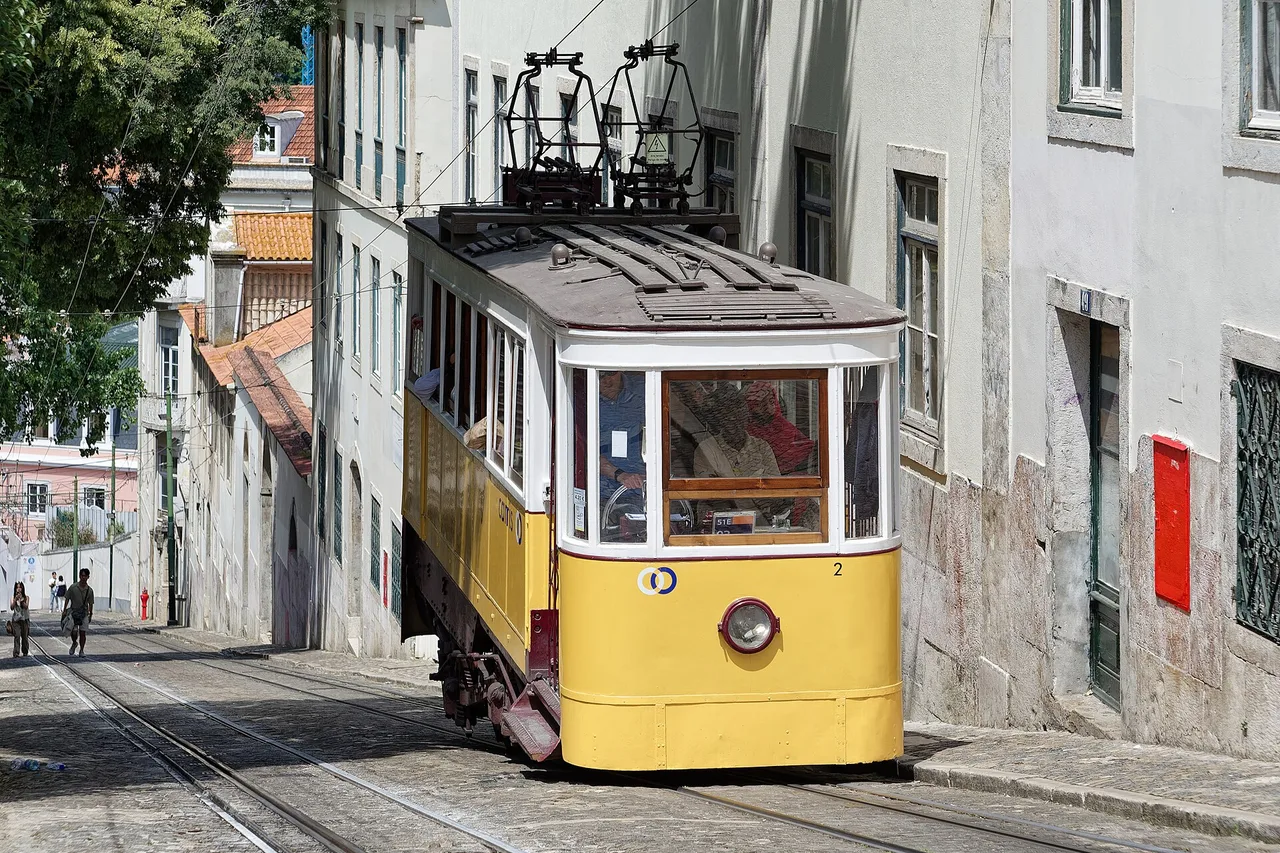
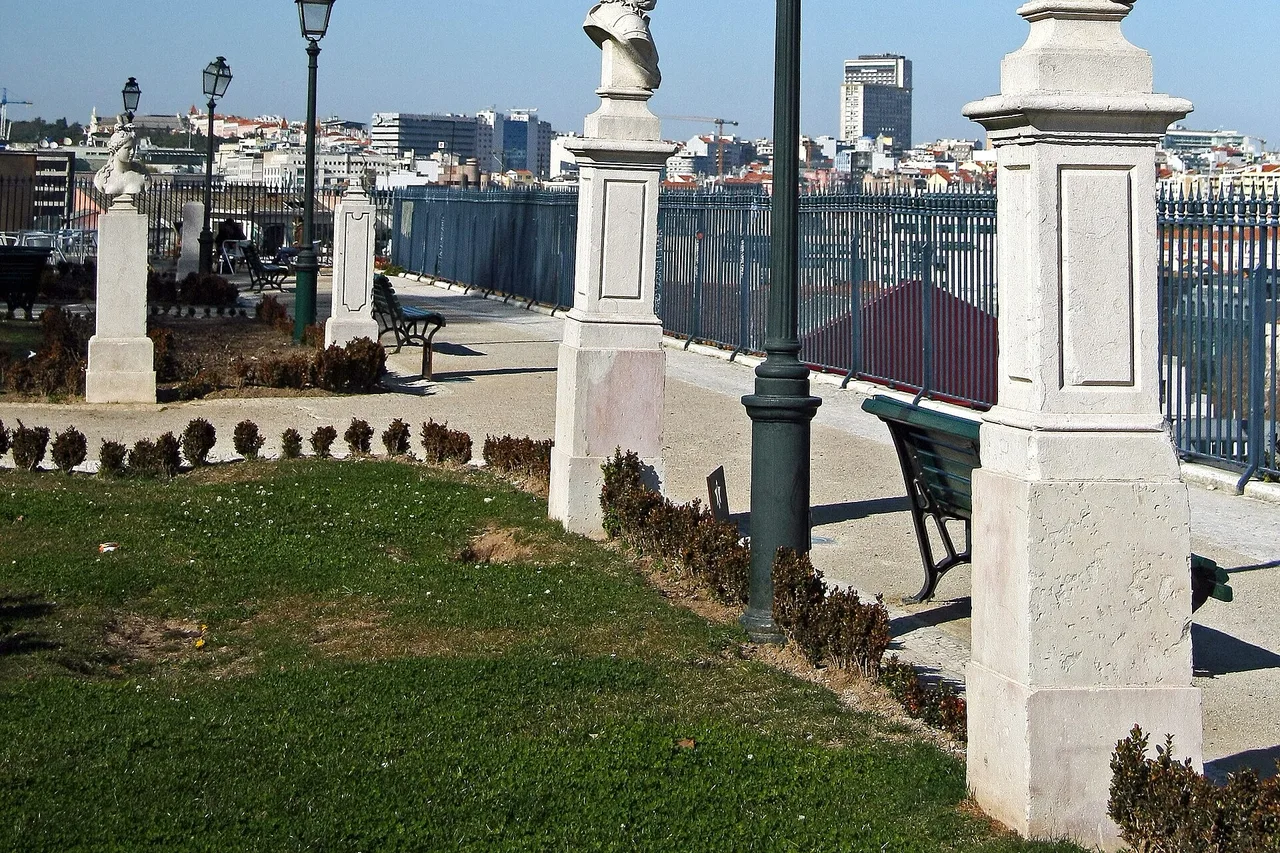
Lisbon: the city of seven hills has lost its machines
On 3 September 2025 the Elevador da Glória derailed. The accident killed sixteen people and injured more than twenty. That same day the city suspended, as a precaution, the three other installations of the same family: the Elevador da Bica, the Elevador do Lavra and the Santa Justa lift.
A year later, only one of those four has returned to service. The Graça funicular reopened on 30 April 2026, on reduced hours — 9am to 5pm — with a priority queue for pass holders. For the other three, technical assessments were still under way at the time of writing, with no announced restart date; Santa Justa’s is described as further along than the Lavra’s, but not finished. As for the Glória, no reopening is planned: entirely new equipment is expected, in 2029. The old cars from the Glória and the Lavra are destined to become museum pieces.
⚠️ Check this yourself before you travel, because the online guides are wrong. Two of them, consulted while writing this article, still presented the Elevador da Glória as a working attraction, one of them with opening hours and a 2026 ticket price. A third had Santa Justa reopening “in January 2026”. We took these facts from the Portuguese press and from the operators, not from travel guides.
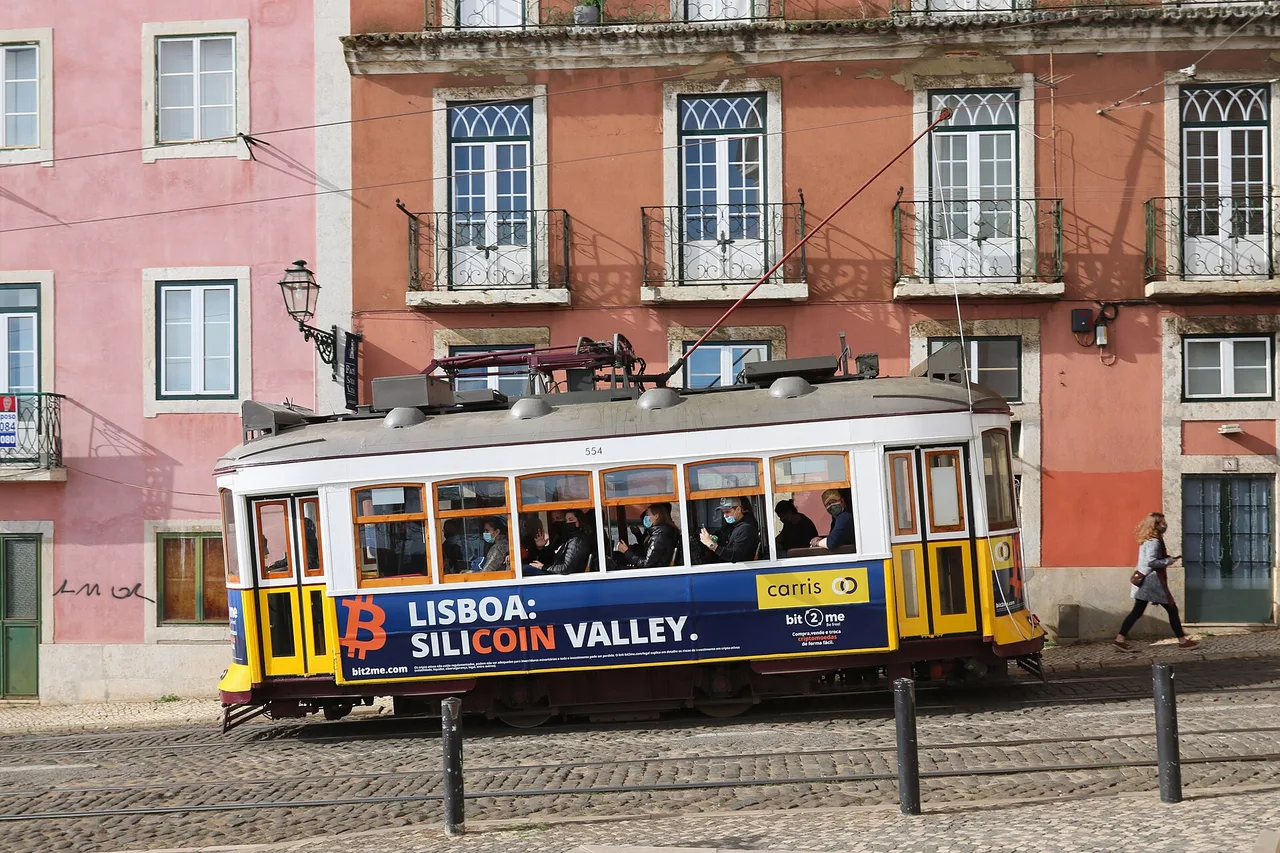
What it means in practice: the Baixa, Lisbon’s flat district, is ringed by slopes. To reach the Bairro Alto, the Chiado, Graça or the Castelo from below, you have to climb. Three ways remain: tram 28, which runs normally and is still excellent, but is packed at tourist hours and does not go everywhere; the city buses, highly effective and largely ignored by visitors; and your legs. The São Pedro de Alcântara viewpoint, where the Glória used to deposit you in three minutes, is now earned on a real slope.
📌 This is not a reason to drop Lisbon — it is a reason to plan it differently. Bring proper shoes, accept that you will take the bus, and above all do not schedule five visits a day across the whole city: that pace assumed funiculars that no longer exist.
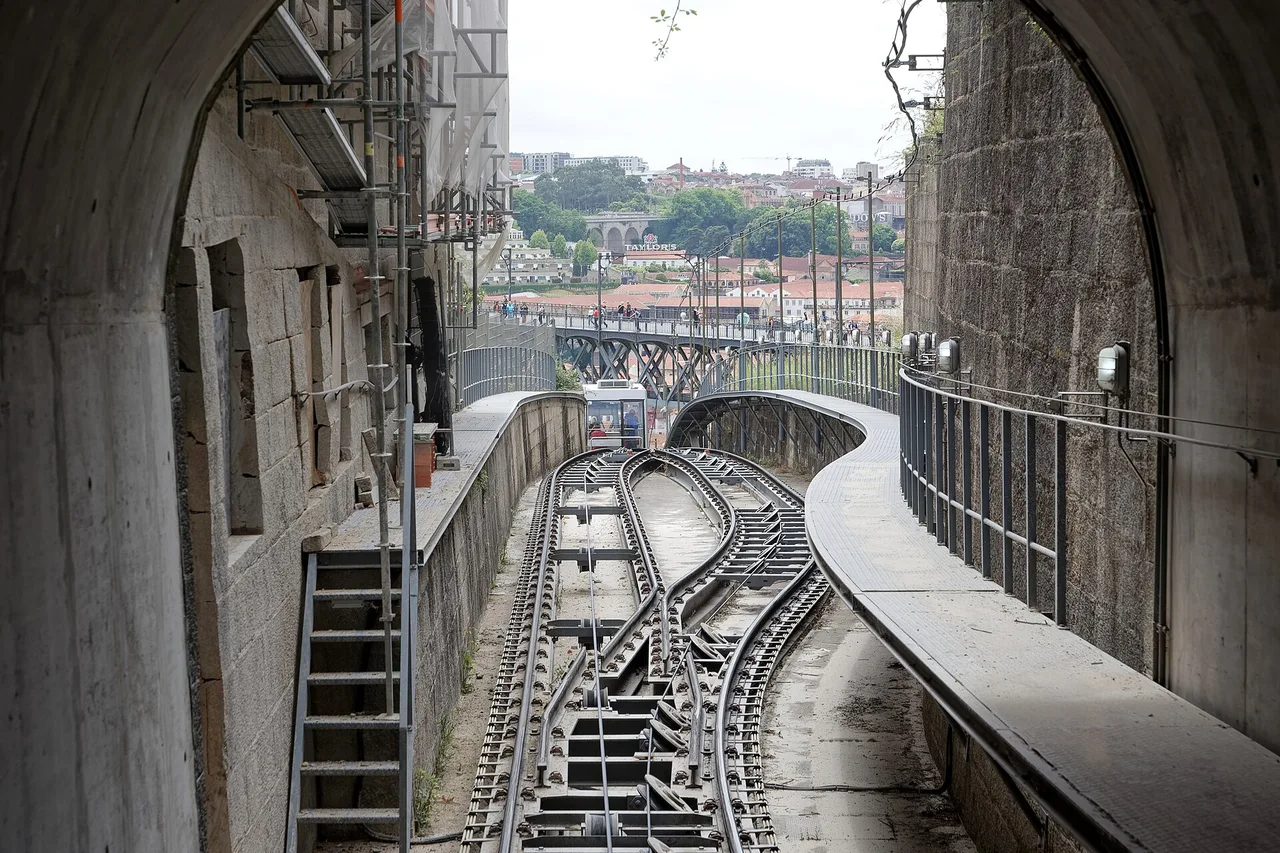
Porto: the funicular runs, the metro digs
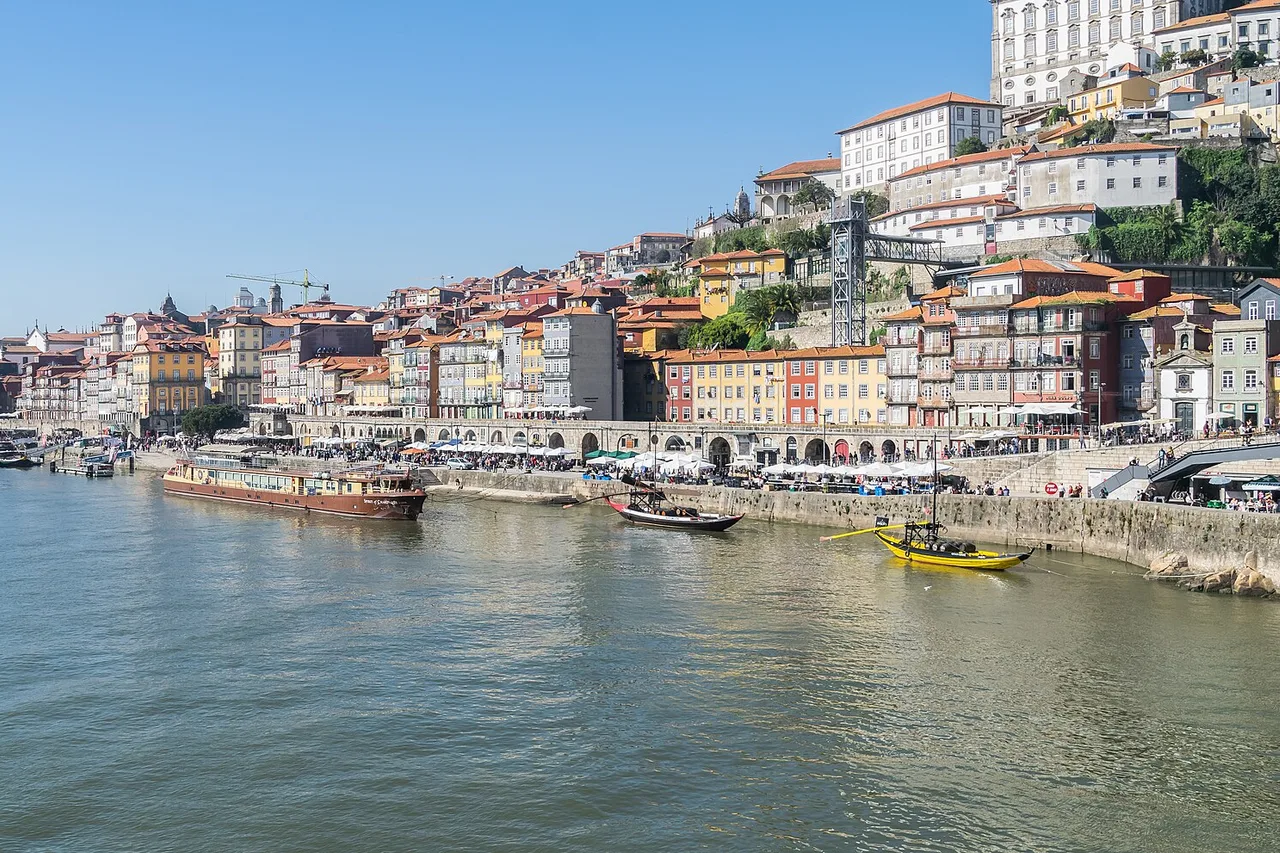
Porto presents the mirror image. Its main slope — the one separating the Ribeira, on the Douro, from the upper town — is steeper than most of Lisbon’s. But the Funicular dos Guindais works, all year, roughly every ten minutes. It opens at 8am and closes at 8pm from November to March, 10pm from April to October, later on Fridays and Saturdays. That is exactly the service Lisbon has lost.
In exchange, Porto is living through metro works that are not over. The Pink Line, which will link São Bento to Casa da Música in about fifteen minutes entirely underground, via the Santo António hospital and Praça da Galiza, was announced for the first quarter of 2026; the operator has acknowledged the delay and now targets the first quarter of 2027. Works on the Ruby Line, between Casa da Música and Santo Ovídio — 6.7 km, eight stations, two tunnels and a new bridge over the Douro reserved for the metro, pedestrians and bicycles — run until the end of 2026.
🟢 Keep this in proportion: it is a nuisance, not a handicap. The works are concentrated around Casa da Música, Praça da Galiza and Santo António. The historic centre, the Ribeira, São Bento station, the Clérigos tower and the Vila Nova de Gaia cellars are untouched, and the existing network runs normally, airport included. You will lose a few minutes changing lines, not days.
A word on the Gaia cellars, since it is the visit everyone makes there: they can only be seen with a guide, as the tasting is supervised. Before buying anything, know that the finest view of the city is free: you get it by walking across the upper deck of the Dom Luís I bridge, open to pedestrians, between the metro and thin air. If you then want a guided visit — of the cellars or of the old town — booking a guided tour in Porto mainly saves you half a day spent comparing houses whose names mean nothing to you. It is not compulsory; it is comfortable.
So which one first?
The right answer does not depend on the cities but on six things about your trip. Find the line that looks like you: in most cases one is enough to settle it.
| Your situation | Rather | Why |
|---|---|---|
| A short stay, 2 or 3 days | Porto | It can be seen in full in that format. Lisbon needs four or five days not to be skimmed. |
| Walking a lot costs you | Porto | One real slope, and a working funicular to avoid it. Lisbon has lost four devices out of five. |
| You travel with a pushchair | Porto | Same reason, made worse by the steps and narrow cobbled pavements of Lisbon’s Baixa. |
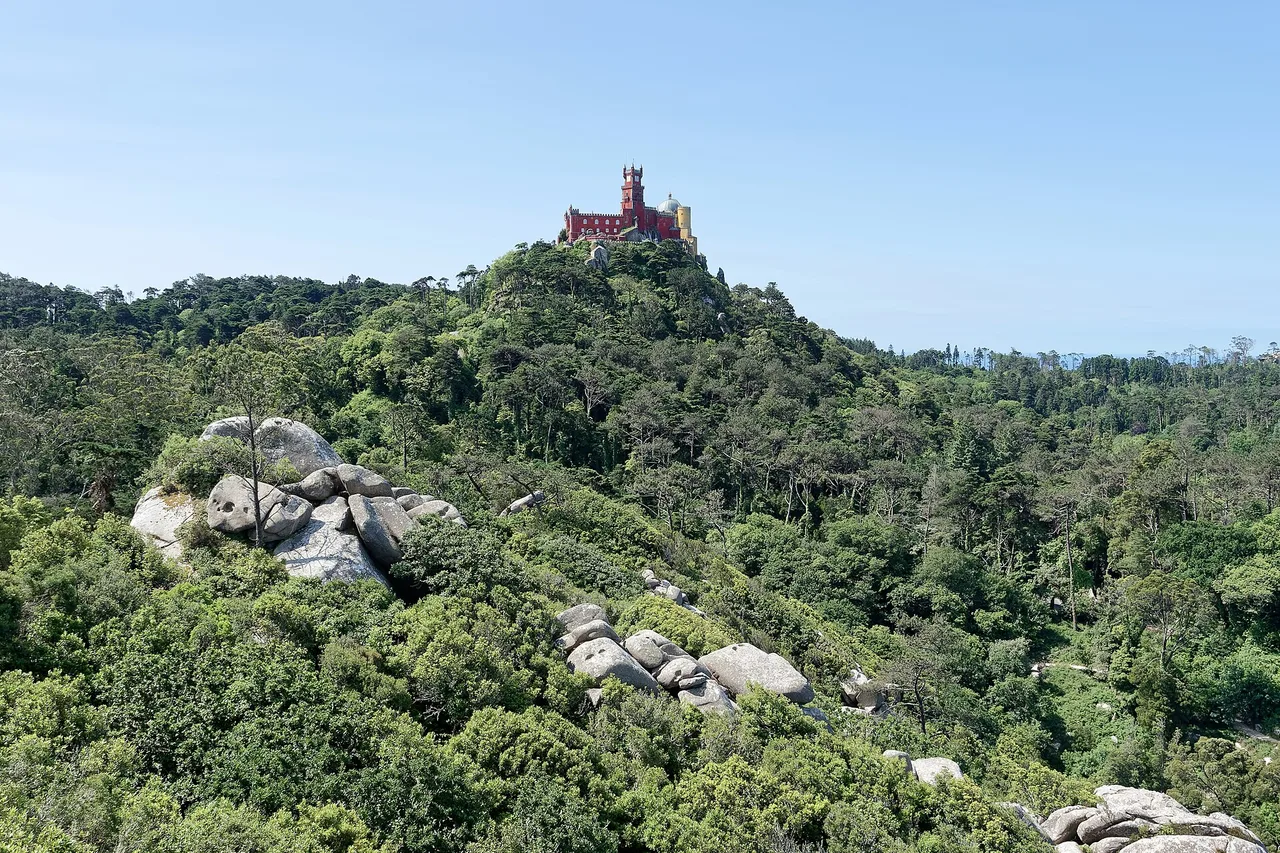
| A week or more | Lisbon | Sintra, Cascais, the coast and Setúbal are under an hour away. The day-trip radius is far richer. |
| You are travelling in winter | Lisbon | Porto is noticeably wetter and rainier, for temperatures only slightly lower. |
| You already know one of them | The other | They are not alike enough for the second visit to feel like a repeat. |
An honest caveat on the second and third rows: Porto is not a flat city. The climb from the Ribeira is brutal, and some central lanes are cobbled and slippery in wet weather — which happens often. Porto’s advantage is not the absence of slopes: it is that its main slope is equipped, and that the rest of the city fits in a handkerchief.
If you do both: Porto first
Many travellers do the two cities in one trip, and the order is not neutral. Start with Porto. Three reasons, in order of weight.
One. Porto does not survive the comparison well when it comes after Lisbon: it looks small, and you spend two days looking for what you have already seen on a larger scale. The other way round, Lisbon suffers no such effect — it simply unfolds something else. Two. Lisbon airport has far more connections: finishing there keeps your choice of return flights open. Three. The rhythm works better: Porto is the short format, Lisbon the long one, and settling in beats packing up.
Take the train between the two. The Alfa Pendular links them in just under two hours fifty since the Gaia–Espinho works were finished, for around €35.70 in second class at 2026 fares — centre to centre, which neither car nor plane manages. Two warnings: new works are announced on the Northern Line and may lengthen that time, and the high-speed line meant to bring the trip down to around an hour and a quarter is not expected before 2030-2031.
📌 Transfer day is the awkward one, and it is where Lisbon without funiculars reminds you of itself: you arrive in the early afternoon with your bags and cannot check in yet. Always start by asking your accommodation to keep your luggage: it is very common, and free. If that is not possible, leaving your bags in a city-centre locker gives you back the half day — and above all spares you dragging a wheeled suitcase up the slopes of Alfama, which was never a good idea even when the funiculars ran.
In short
If you keep only four things from this article:
① Lisbon has lost four of its five historic funiculars and lifts since September 2025; only Graça has reopened, on reduced hours, and the Glória is not expected before 2029. The city is climbed on foot, by bus or on tram 28. ② Porto has kept its own, but its metro is under construction until the end of 2026 around Casa da Música, and the Pink Line will not open before 2027. ③ For a short stay, with small children, or if walking costs you, go to Porto; for a week or more, in winter, or to range out towards Sintra and the coast, go to Lisbon. ④ If you do both, start with Porto and finish in Lisbon, by train.
And check the state of transport a few days before you leave, on carris.pt for Lisbon and metrodoporto.pt for Porto. This is a moving subject: the dates in this article are those of September 2026, and they were already wrong in half the guides we consulted.
Top-rated activities in Portugal, bookable online: