In the parish every guide recommends, 68.8% of homes are tourist accommodation. Santa Maria Maior — Alfama, the Baixa, Chiado, the Castelo — is barely a lived-in neighbourhood any more, and the city has stopped issuing new licences there. That figure does not say “stay away”. It says the useful criterion is not the distance to the centre: it is the gradient, and the noise.
The figure that changes the question
Before comparing neighbourhoods, one figure from Lisbon city council, because it makes half the advice written elsewhere obsolete.
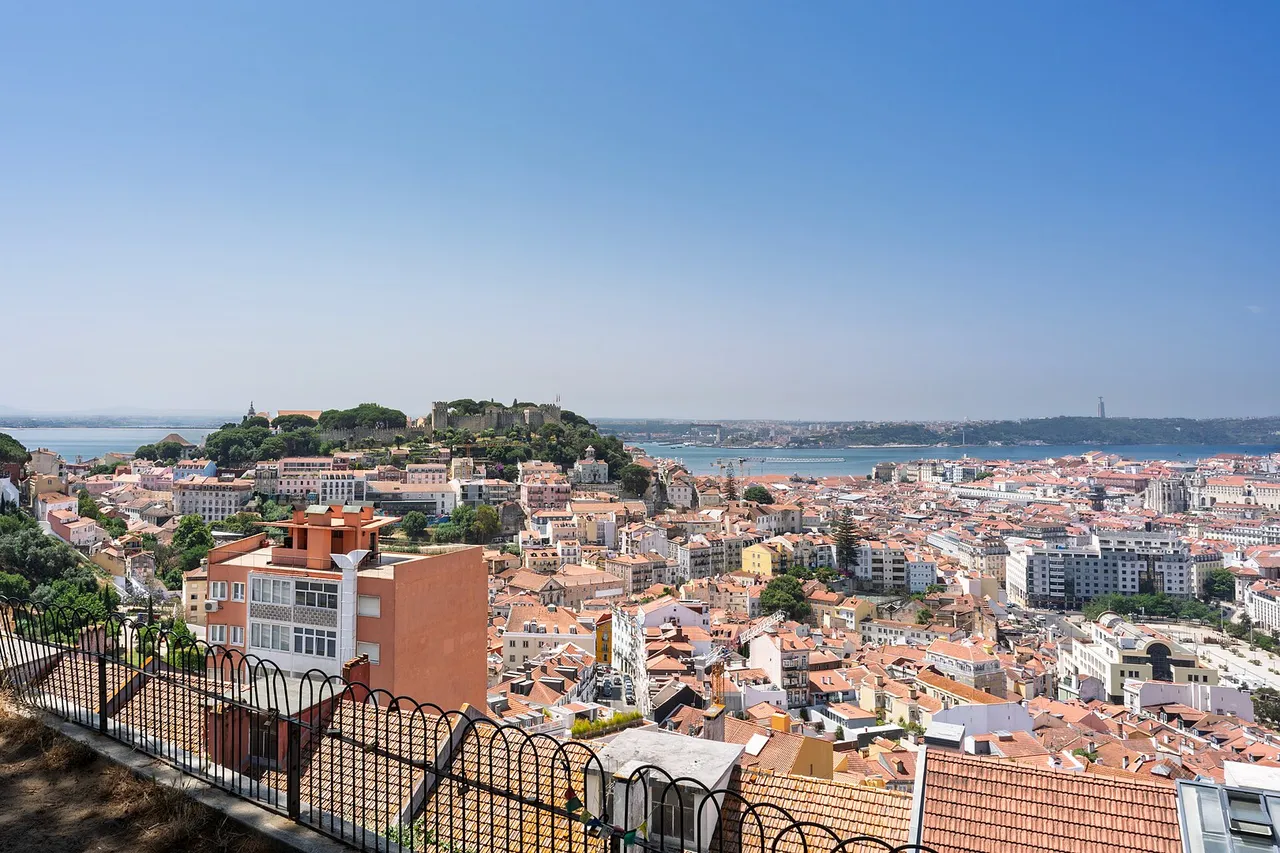
In Santa Maria Maior, tourist accommodation accounts for 68.8% of dwellings. This parish is not some backwater: it contains Alfama, the Mouraria, the Baixa, the Castelo and Chiado — precisely the list the guides recommend. Nearly seven homes in ten are no longer occupied year-round.
The city has drawn its conclusions. After the April 2026 reclassification, it stopped issuing new licences in the most saturated districts:
| Regime | Parishes affected | What it means |
|---|---|---|
| Absolute containment | Santa Maria Maior, Misericórdia, Santo António | No new registration possible |
| Relative containment | Arroios, Estrela, São Vicente | Municipal authorisation required |
| In total | 22 neighbourhoods | New licences blocked |
📌 This table does not say “don’t stay in the centre”: existing accommodation continues to exist, and there is plenty of it. It says something more useful — when a city turns off the tap in a district, that is information about what you will find when you sleep there. A neighbourhood that is 68.8% tourist no longer has a grocer open on Sunday, no café where you hear Portuguese spoken, no neighbours.

The two criteria nobody looks at: gradient and noise
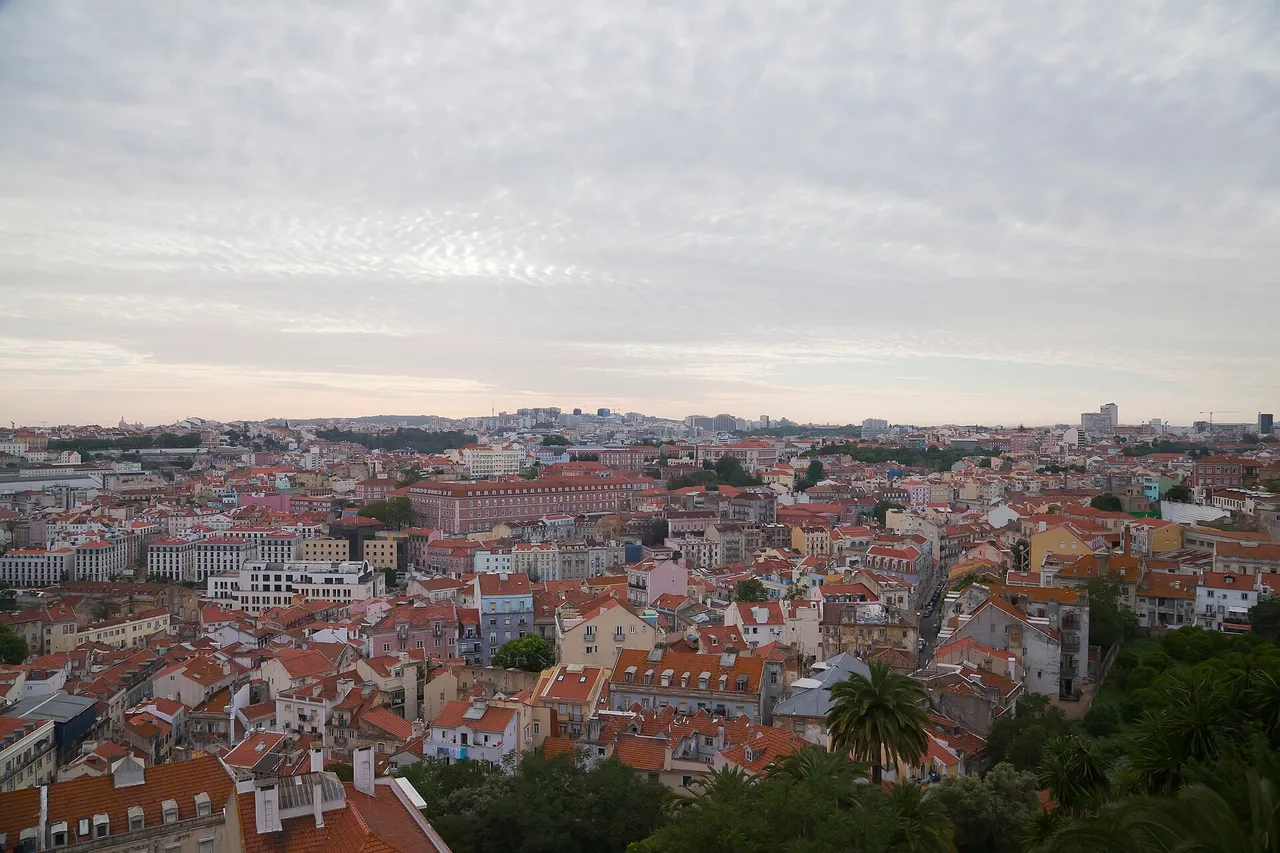
Lisbon is built on hills, and maps do not show it. “Four hundred metres from the centre” can mean sixty metres of vertical climb, twice a day, carrying whatever you carry. It is the first criterion and by far the most underestimated.
The second is noise, and it oddly follows the same geography. The most photogenic districts are the ones where you sleep worst: in Alfama, tram 28 runs below the windows from early morning through lanes where sound bounces; in Bairro Alto, the nightlife happens in the street rather than inside the bars, until hours that surprise people.
⚠️ A “street-side” room in either district is not a comfort detail, it is the difference between a good week and a bad one. If you stay there, ask explicitly for a courtyard-facing room — and treat a listing’s claim that “it is quiet” as worth nothing.
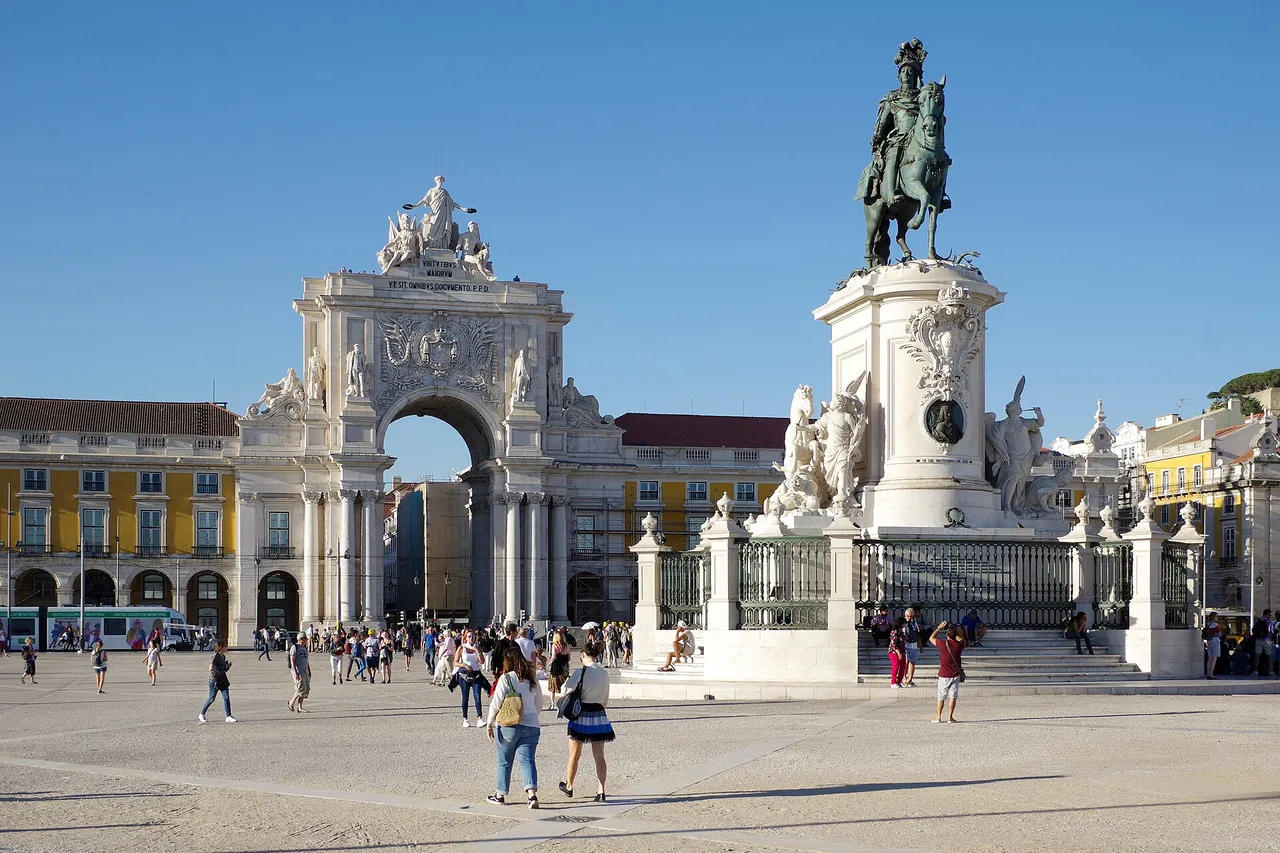
The neighbourhoods, one by one
| Neighbourhood | Gradient | Noise | Who for |
|---|---|---|---|
| Baixa | Flat | Moderate | First visit, heavy bags, walkers |
| Chiado | Moderate | Moderate | Short stay, everything on foot |
| Alfama | Steep, stepped | High | Atmosphere before comfort |
| Bairro Alto | Steep | Very high at night | Nights out, solid sleepers |
| Príncipe Real | Moderate | Low | Quiet, ten minutes from the centre |
| Estrela / Campo de Ourique | Moderate | Low | Still-lived-in district, longer stays |
| Graça | Steep | Low | The view, if climbs do not worry you |
| Belém | Flat | Low | Families, space, museums |
| Parque das Nações | Flat | Low | Families, business stays, direct metro |
Two remarks on this table. The Baixa is the only genuinely flat district in the historic centre, and it is a quality you only measure once you are there: it spares you the daily climbs while leaving you within walking distance of everything.
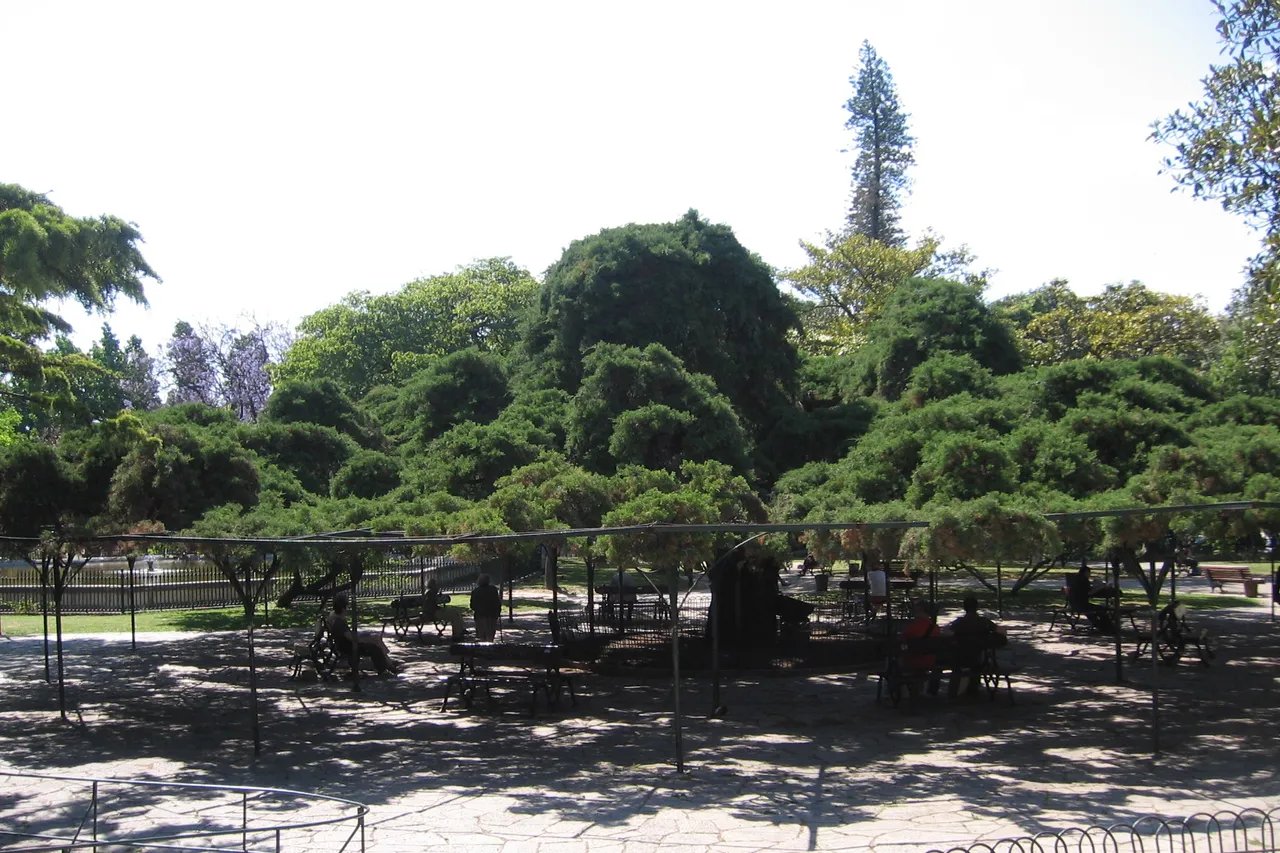
And Príncipe Real and Estrela are the two best compromises in the city: close enough to do everything on foot or by tram, far enough out that Lisboetas still live there. That is where you find what the centre has lost — a baker, a market, the noise of neighbours rather than of wheeled suitcases.
The €4 a night the comparison site does not show you
Lisbon charges a municipal tourist tax, and it does not appear in the price shown when you book. Four euros per person per night in 2026, in hotels and tourist lets alike, capped at seven nights per stay, due from the age of thirteen, with no seasonal variation.
| Stay | Nights charged | Total tax |
|---|---|---|
| 1 adult, 3 nights | 3 | €12 |
| 2 adults, 5 nights | 10 | €40 |
| 2 adults, 7 nights | 14 | €56 |
| 2 adults, 10 nights | 14 (7-night cap) | €56 |
| 2 adults + one 10-year-old, 7 nights | 14 | €56 |
📌 Note the fourth line: beyond seven nights the tax stops rising. On a long stay it becomes negligible; on a week for two it comes to €56 you had better have budgeted. Exempt are under-thirteens, stays for medical reasons, and students and researchers attached to a Lisbon institution, for up to sixty consecutive days.
Arriving with the bags — the one moment you pay for your gradient
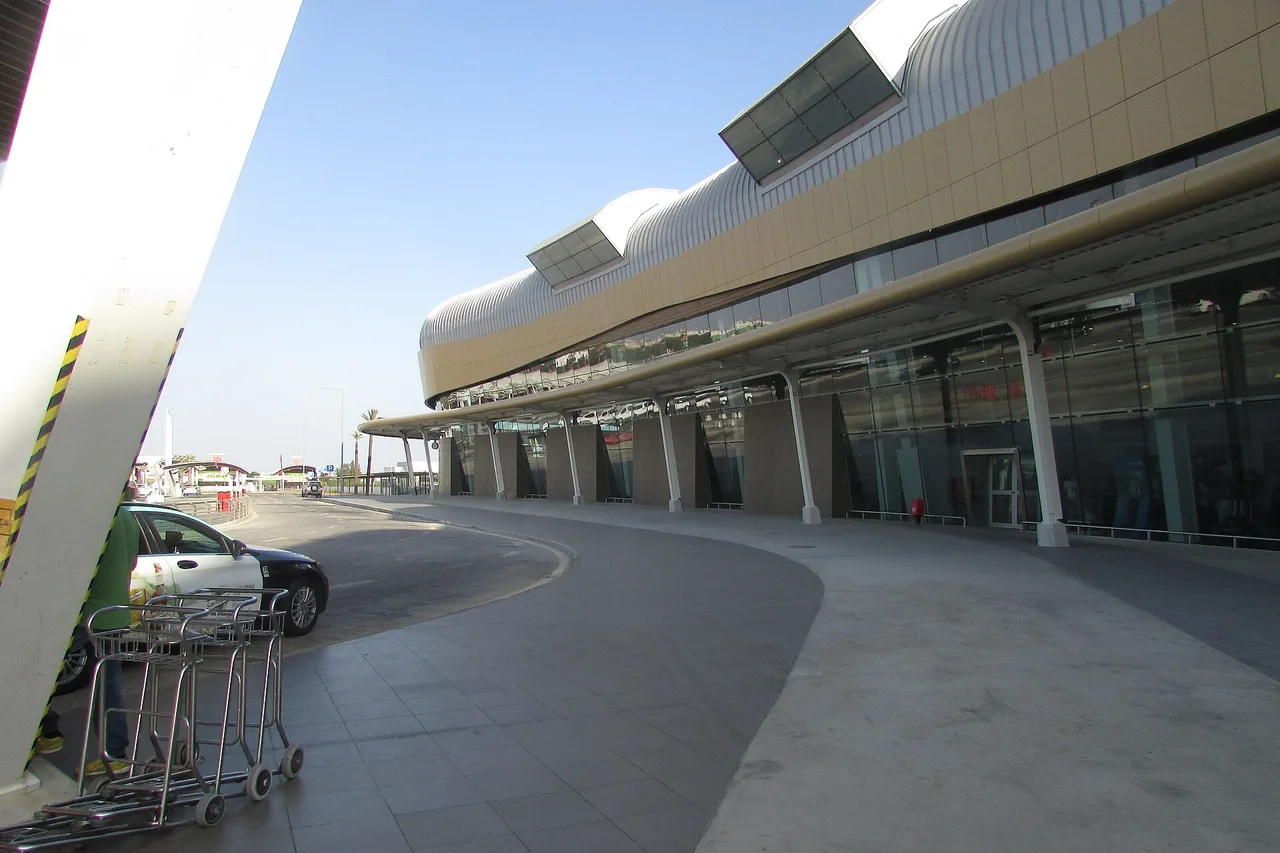
There is good news and bad news. The good: Lisbon airport is inside the city, linked to the centre by metro — that is rare and convenient, and for most travellers it is the cheapest and simplest solution.
The bad: the metro drops you at a station, not at your door. And it is precisely in the steep districts that the last three hundred metres cost the most — in steps, in cobbles, and in suitcase wheels. If you are staying in Alfama, Graça or Bairro Alto, arriving at night, with children or with heavy bags, a private transfer to the address settles the one genuinely painful part of arriving. For a daytime arrival, travelling light, into the Baixa or Belém: take the metro, it does the job well and costs a fraction as much.
⚠️ One thing to check before booking, whatever the district: ask whether the building has a lift. Many older buildings in the centre do not, and a fourth floor without a lift on a sloping street turns every return from a day out into an ordeal.
In short
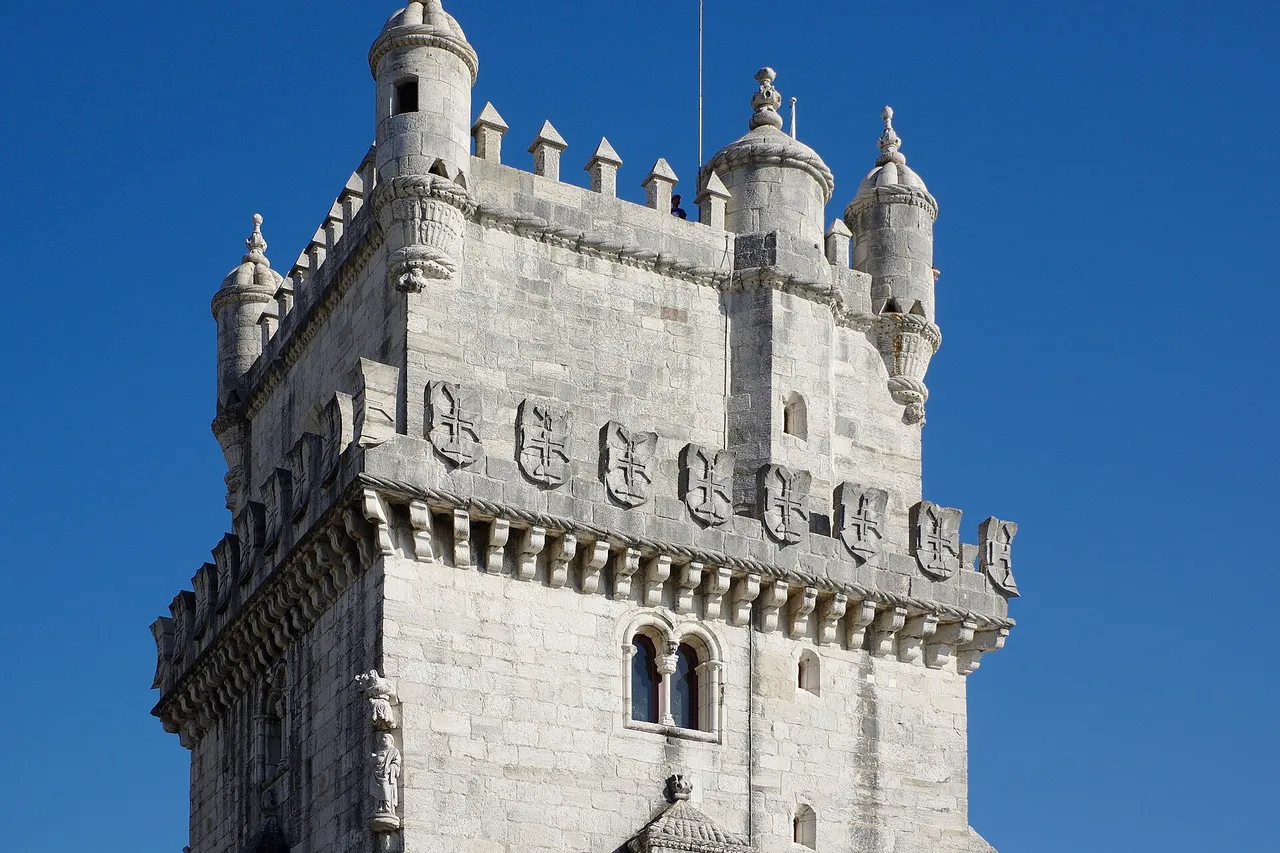
The district every guide recommends is 68.8% tourist and the city no longer issues licences there. That is not a reason to avoid it, it is a reason to choose knowingly: the gradient and the noise will concern you every day, the distance to the centre almost never.
If you remember one thing: the Baixa if you want flat, Príncipe Real or Estrela if you want a city still lived in. And budget €4 per person per night on top of the advertised price, up to seven nights.