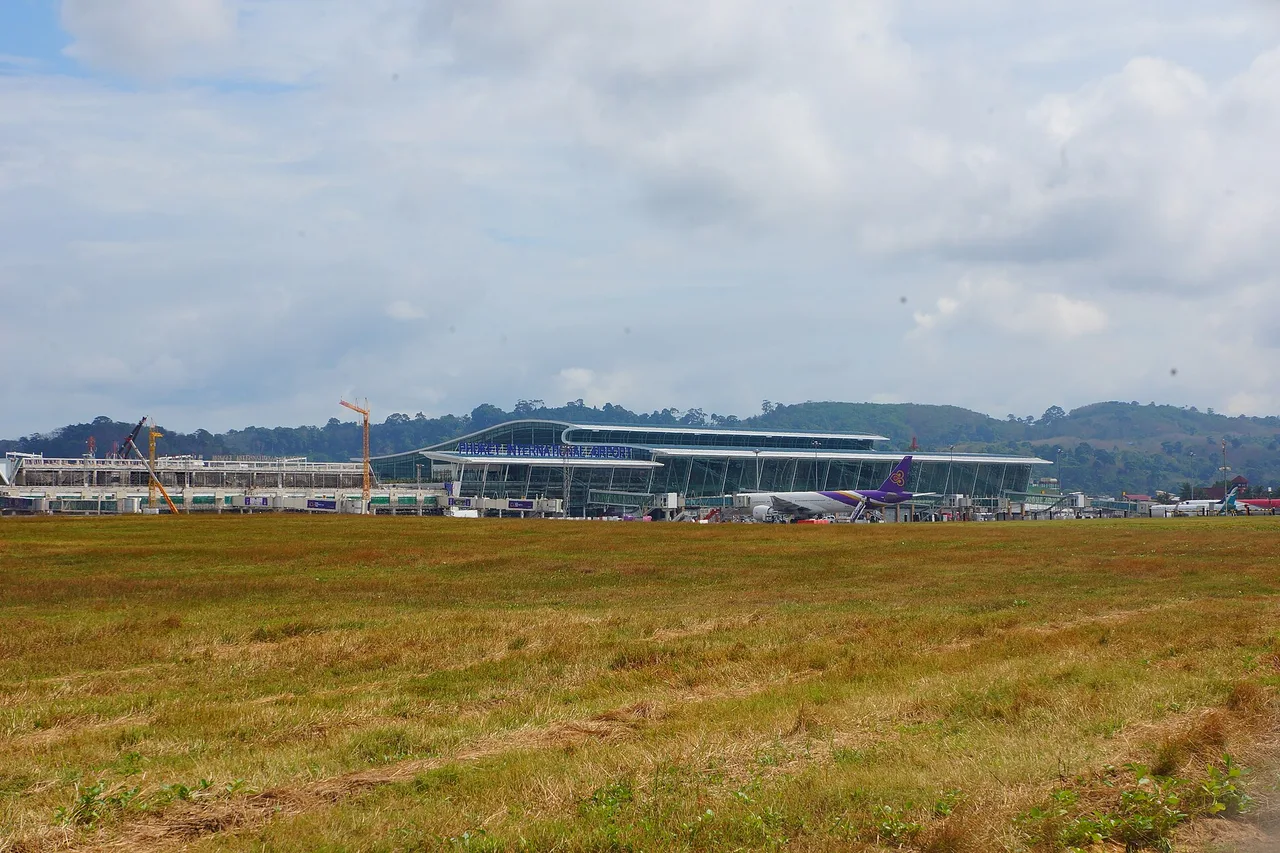
A Bangkok – north – islands loop covers roughly 1,500 kilometres from the first hotel to the last. Most fifteen-day itineraries online line up eight stops and forget to count what moving between them costs: three full days, sometimes four. This one counts them, wins one back by sleeping on the train, and states plainly the trade-off nobody owns up to — what has to go. One decision is not yours to make: the coast you finish on depends on the month, not on your taste.
What fifteen days actually allows
Between Bangkok airport and a beach in the south lie roughly fifteen hundred kilometres. That is the distance from Paris to Lisbon, and a fifteen-day trip has to cover it one way, stopping along the route. That constraint is not negotiable: it sets how many stops are possible, and everything else follows from it.
The rule that works is simple: three main stops, not four. A capital, a north, a south. Every extra stop costs half a day on arrival — finding the hotel, working out the neighbourhood, restocking — and half a day on departure. Add two more and you have spent two whole days on pure logistics without seeing anything new.
Full guide: Where to stay in Bangkok: choose the line, not the district
The second rule is less intuitive: count travel days as days. An internal flight "of an hour and twenty" really consumes six to seven hours from the moment you leave one hotel to the moment you walk into the next. The table below counts three of them, shaded, so they cannot be quietly forgotten.
The itinerary, leg by leg
| Days | Leg | Nights | How you get there | Time |
|---|---|---|---|---|
| J1 – J3 | Bangkok | 3 | international arrival | — |
| J3 | Ayutthaya (day trip) | — | train from Krung Thep Aphiwat | ≈ 1 h |
| J3 → J4 | Night train north | 1 (on the train) | train #9, 18:40 → 07:15 | 12 h 15 |
| J4 – J6 | Chiang Mai | 3 | arrive at the station at dawn | — |
| J7 – J8 | Pai | 2 | minivan, Arcade terminal | ≈ 3 h |
| J9 | Back to Chiang Mai, then fly south | 1 | minivan + domestic flight | 3 h + ≈ 2 h |
| J10 – J14 | The islands (Andaman or Gulf) | 5 | ferry from the mainland | 1 h 30 – 2 h |
| J15 | Back to Bangkok | — | domestic flight | ≈ 1 h 20 |
Fifteen nights, three stops, one night gained on the train. Note that the only excursion in the whole plan — Ayutthaya — costs no night at all: that is what makes it possible in a trip this tight.
Bangkok and Ayutthaya: three nights, not two
The temptation, when time is short, is to cut Bangkok to two nights and head north. That is an arithmetic mistake, not a matter of taste. The first day after a long-haul flight with five or six hours of jet lag is not a sightseeing day: you move through it half-submerged, and what you see does not stick. Three nights give you two real days.
The first covers the historic core — the Grand Palace and Wat Phra Kaeo early, before the heat and the coaches, then Wat Pho a few minutes' walk away, and the river crossing by public boat rather than taxi: it is the most pleasant journey in the city, and the cheapest.
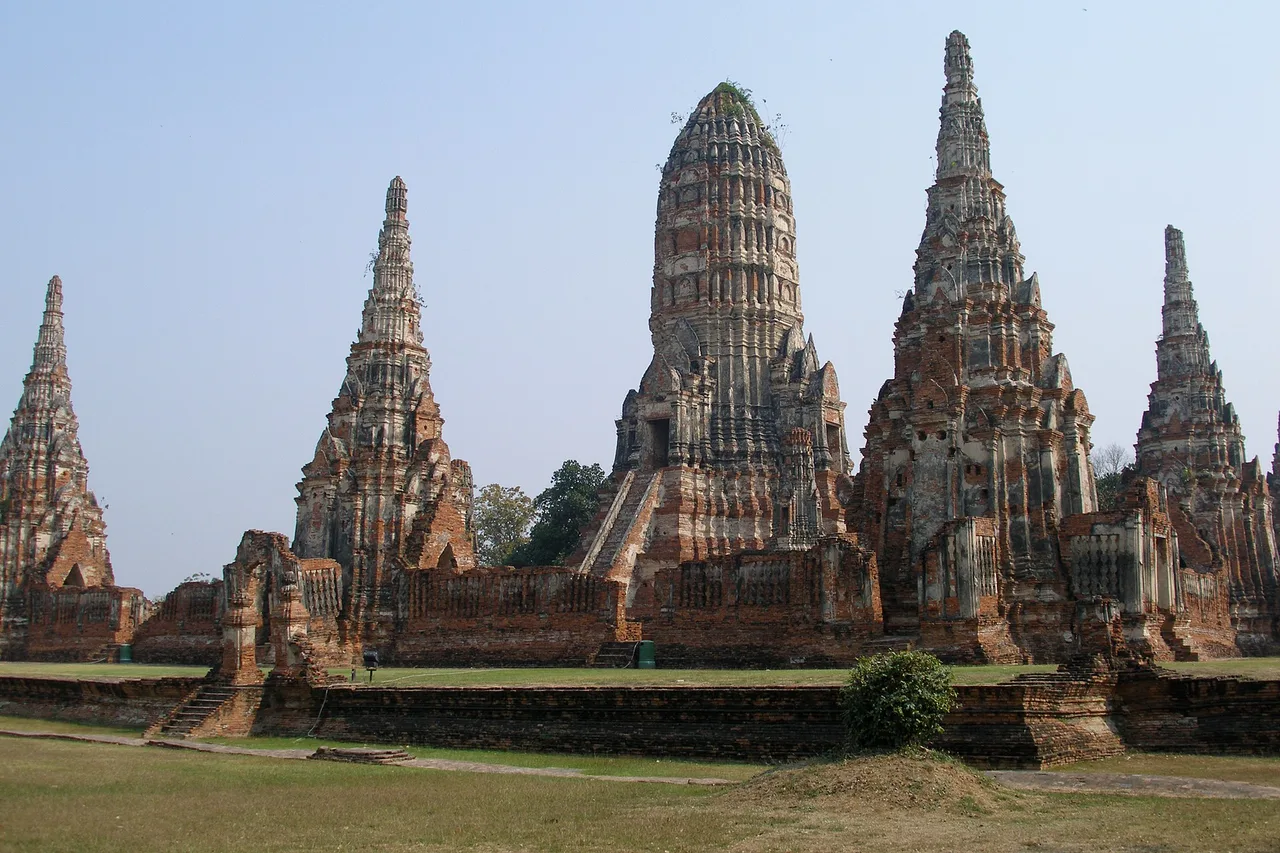
The second goes to Ayutthaya, the old capital of the kingdom of Siam, razed in 1767 and left in ruins. The train takes about 55 minutes, with sixteen services a day and a ticket costing a few dozen baht: it is one of the best-value day trips in South-East Asia. You rent a bicycle outside the station and ride between the temples.
One detail decides the day: the ruins are bare brick, without shade, spread across a wide site. Arriving at midday means giving up after an hour. Taking the first train changes everything.
The night that does not cost a day
This is the best idea in the itinerary, and it is over a century old. On the evening of the Ayutthaya day you return to Bangkok, collect your bags and take the night train. Train #9 leaves at 18:40 and reaches Chiang Mai at 07:15, twelve hours and a quarter. The journey consumes no day at all: it consumes a hotel night, which it replaces.
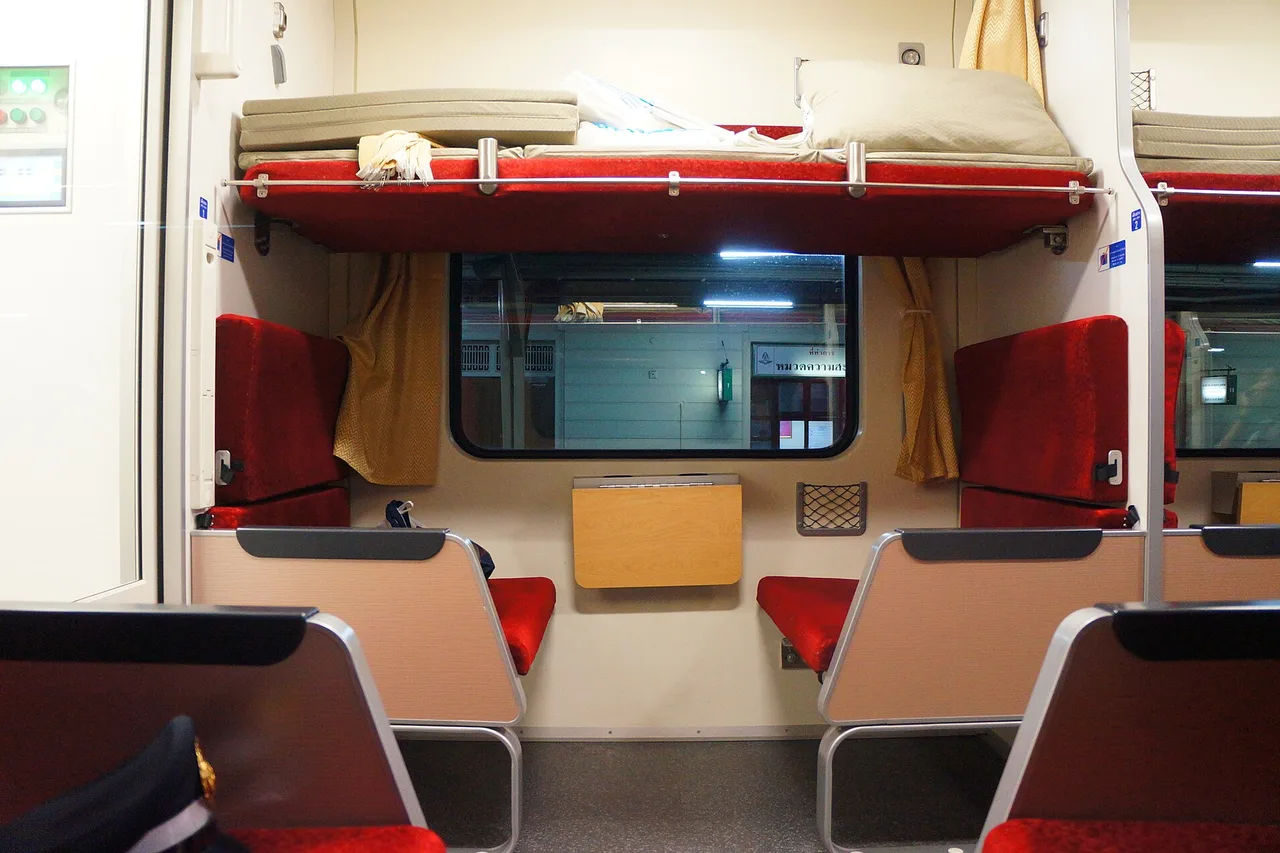
Take #9 rather than #13. Its carriages, in service since 2016, are electric, markedly quieter and better kept; #13 leaves later (20:05, arriving 08:40) with older, noisier diesel stock. A lower second-class air-conditioned berth costs about 1,050 THB. Take a lower berth: slightly dearer, wider, and above all it has a window — the upper berth does not.
🔴 And here is the fact that makes people miss the train. Since 19 January 2023, long-distance trains on the Northern, North-Eastern and Southern lines no longer leave from the historic Hua Lamphong station but from Krung Thep Aphiwat, also called Bang Sue, some ten kilometres further north. Hua Lamphong keeps only the Eastern line and a few special services. Many guides, blogs and maps still online name the old station: turning up there with a ticket to Chiang Mai costs you the train and the night.
One last point: these berths sell out weeks ahead in high season. Along with the domestic flight, it is the only thing on this trip that genuinely needs booking early.
Chiang Mai: three nights, and what to do with them
You arrive at 07:15, which leaves the whole day — another dividend of the train. Chiang Mai is a former walled city whose old town fits inside a square about a mile and a half across, ringed by a moat: everything is walkable, and it is restful after Bangkok.
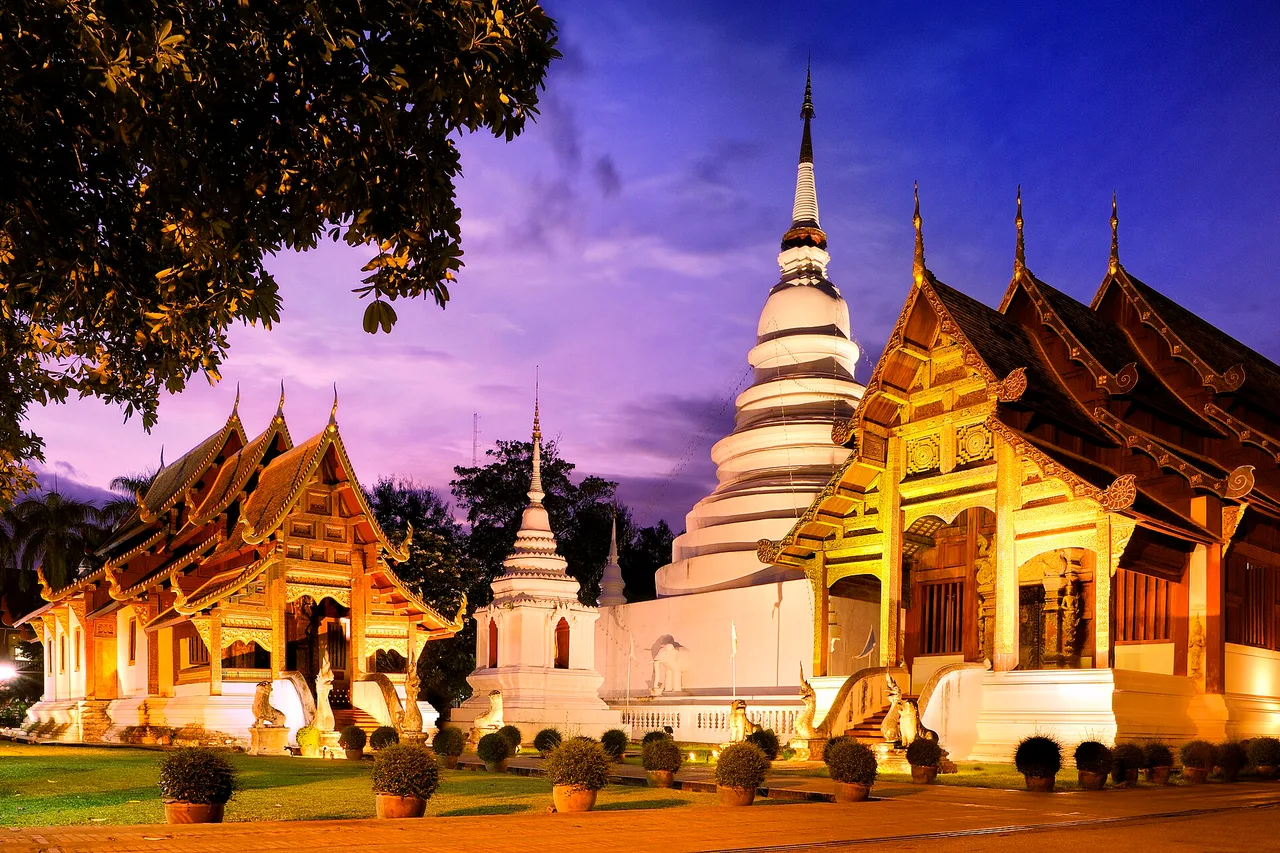
Three nights divide up naturally. One day for the old town and its temples — Wat Phra Singh, Wat Chedi Luang and its stupa split open by a sixteenth-century earthquake — then Doi Suthep late in the afternoon, when the light drops across the valley. A second to get out of town: Doi Inthanon national park, the country's highest point, or an elephant sanctuary. On that last point one rule holds: a place that offers elephant rides is not a sanctuary, whatever word it puts in its name. The third day suits the Sunday night market if the calendar lands well, or a cooking class — the one souvenir of Thailand that genuinely travels home. All three book online a few days ahead — Klook covers the north properly.
⚠️ A seasonal caveat, and a serious one. From late February to April the north goes through its burning season: the sky is dry and blue on paper, and the valley disappears into a brown haze. If your trip falls inside that window, our guide to the seasons in Thailand sets out the figures — they are unambiguous — and the answer is the same: shift the dates, or shorten the north.
Pai, and the matter of 762 curves
Three hours north-west, in a valley ringed by mountains, Pai is the counterweight of the trip: nothing to visit, and that is the point. Minivans leave the Arcade terminal every hour from 06:30 to 17:30, for 150 to 250 THB at the counter.
The road has 762 curves — the figure is exact, and has become a local joke printed on t-shirts — and motion sickness there is the rule rather than the exception. Three precautions beat one bad memory: a seat at the front, a light breakfast, and a tablet taken thirty minutes before departure, not at the first bend.
Two nights is enough: the canyon at sunset, the hot springs, a scooter loop around the valley. A word on that scooter, because it is the leading cause of traveller injury in Thailand: a category A international permit is required, travel insurance almost never covers a rider without a valid licence, and 762 curves are not a place to learn.
If Pai does not appeal, those two nights sit perfectly well in Chiang Rai or in the south — an extra island is never wasted time.
The south: the one decision the weather makes for you
This is where most itineraries go wrong, recommending Phuket or Krabi all year round. But Thailand's two coasts do not rain at the same time: they run on opposite monsoons. The rule, measured month by month in our seasons guide, fits on one line: October to April, the Andaman coast; May to September, the Gulf.
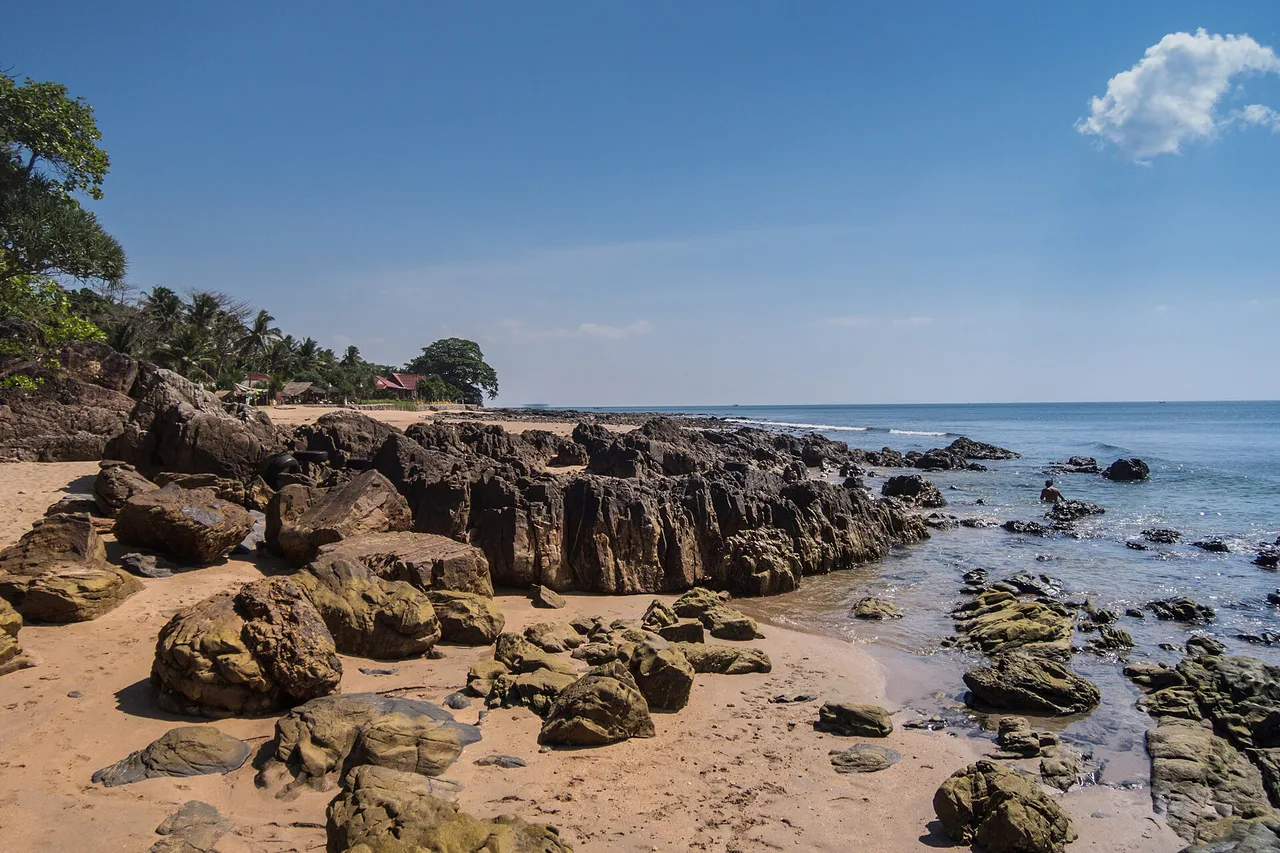
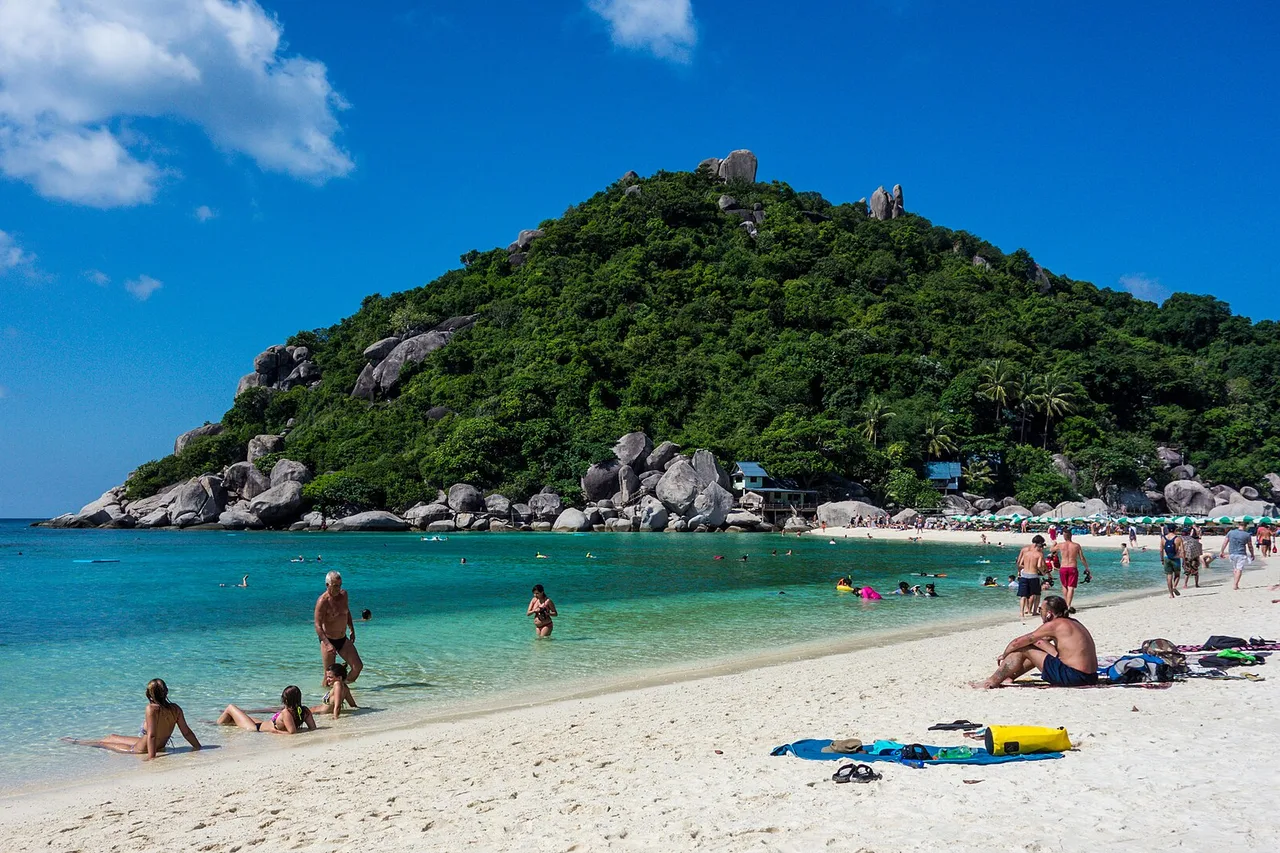
Andaman version (October → April). Fly Chiang Mai to Krabi, about two hours direct. From there, Koh Lanta is the best base for five nights: long, quiet, with real beaches and a rhythm that is not Phuket's. The ferry leaves Klong Jilad for Saladan in 90 minutes (Ao Nang Princess, Andaman Wave) up to 120 minutes on the wooden Lanta Naga, for $12 to $20 per person each way. Railay, reachable only by long-tail boat, and a day out to Phi Phi round the stay out nicely. ⚠️ If you had the Similans in mind, note that the national park closes each year from around mid-May to mid-October: it is not a wet-season option.
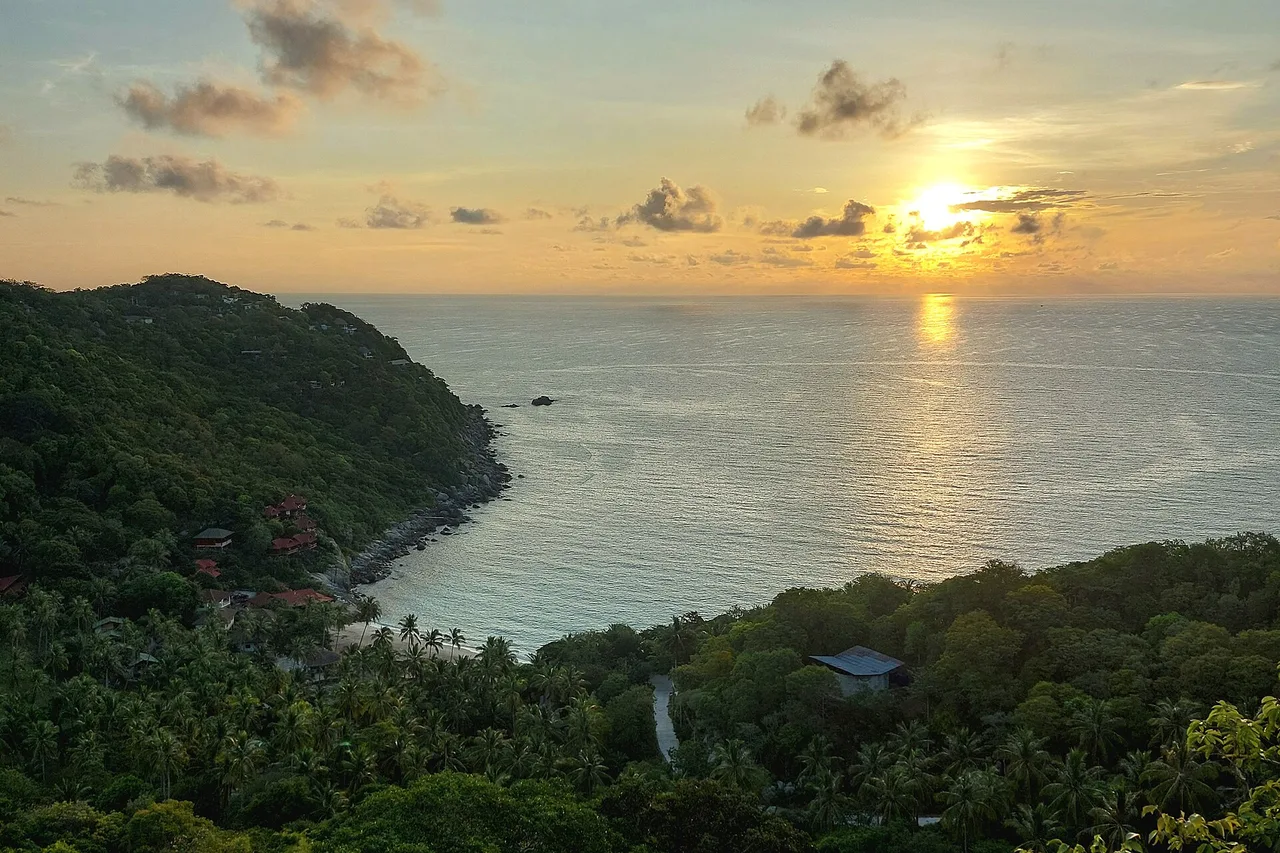
Gulf version (May → September). This is the trade that rescues European summer holidays, and almost nobody makes it. In November Phuket gets 195 mm of rain and Koh Samui 445; in July and August the ratio inverts exactly. Fly Chiang Mai to Koh Samui or Surat Thani, then ferry to Koh Phangan or Koh Tao. Koh Tao remains one of the cheapest places in the world to take a first diving certification, and the water is clear precisely during the months when the Andaman is churned up.
Sukhothai: the deliberate sacrifice
An honest article has to say what it cuts. This itinerary leaves out Sukhothai, the first capital of Siam in the thirteenth century and, for many, the finest archaeological site in the country — quieter than Ayutthaya, and built to be ridden through by bicycle between the ponds.
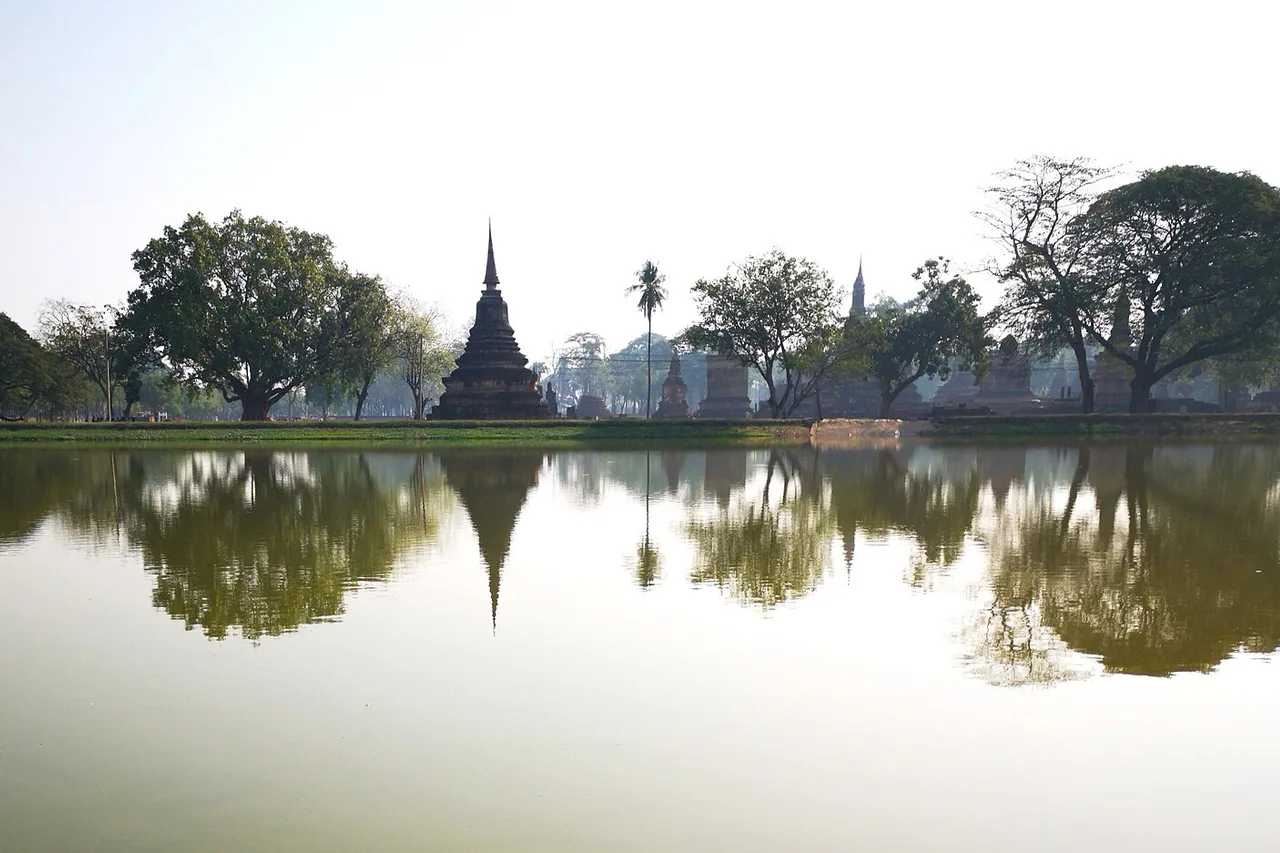
So why cut it? Because it is not on the way. The night train passes Phitsanulok, an hour's drive from the site, at one in the morning; fitting it in properly needs a night in Sukhothai and half a day of travel, and costs you either Pai or an island night. In fifteen days, adding it turns a journey into a race.
If you have eighteen to twenty days, it is on the other hand the first thing to put back, ahead of any other stop — two nights on site, breaking the run north. And if you must choose between Ayutthaya and Sukhothai without time for both: Ayutthaya for ease of access, Sukhothai for the beauty of the site.
The mistakes that cost a day
Turning up at Hua Lamphong. The costliest of all, and the most common: since 2023 the northern trains leave from Krung Thep Aphiwat. Check the station printed on your ticket, not the one in the blog that inspired the trip.
Booking a domestic flight too tight after a ferry. Crossings are cancelled when the sea gets up, and an island has no other exit. Plan a night on the mainland before an international flight, never a same-day chain.
Counting a domestic flight by its flying time. An hour and twenty in the air is six to seven hours hotel to hotel. That is a day, and the table above counts it as one. A transfer booked in advance (Kiwitaxi) obviously does not shorten the flight: it removes the taxi queue on arrival, which is the easiest half-hour to win back.
Full guide: Cheap Flights to Thailand: When to Book, Direct or Stop
Wanting Chiang Mai and Chiang Rai and Pai. The north alone would absorb fifteen days. Picking one and staying there makes a better trip than crossing all three.
Choosing your coast at random. It is the one mistake on this list you cannot fix once you are there: arriving in Koh Samui in November, or Krabi in September, is five nights of rain the calendar had announced.
Booking all fifteen nights in advance. Outside the very high season, only the night train and the domestic flights deserve it. The rest is found on the spot, often better and cheaper — and leaves you free to stay two extra nights wherever you feel good.
Top-rated activities in Thailand, bookable online: