“When should I go to the Canary Islands” is the wrong question, and a single figure shows why. The airports of Fuerteventura, Lanzarote and Gran Canaria all report the same annual mean — 21.1 °C — and five of the archipelago’s six main stations have an average January high between 20.6 and 21.7 °C (AEMET, 1981-2010 normals). No month is cold, anywhere. What the calendar does change is three other things — rain, cloud and wind — and they do not change the same way from one island to the next. So the answer is built island by island, and reason by reason.
21.1 °C: the figure that makes the question the wrong one
Start with the result, because it defuses most of what you will read elsewhere. Under the 1981-2010 climate normals published by AEMET, Spain’s meteorological agency, the airports of Fuerteventura, Lanzarote and Gran Canaria all report the same annual mean: 21.1 °C. Tenerife South sits at 21.4 °C, La Palma at 20.7 °C.
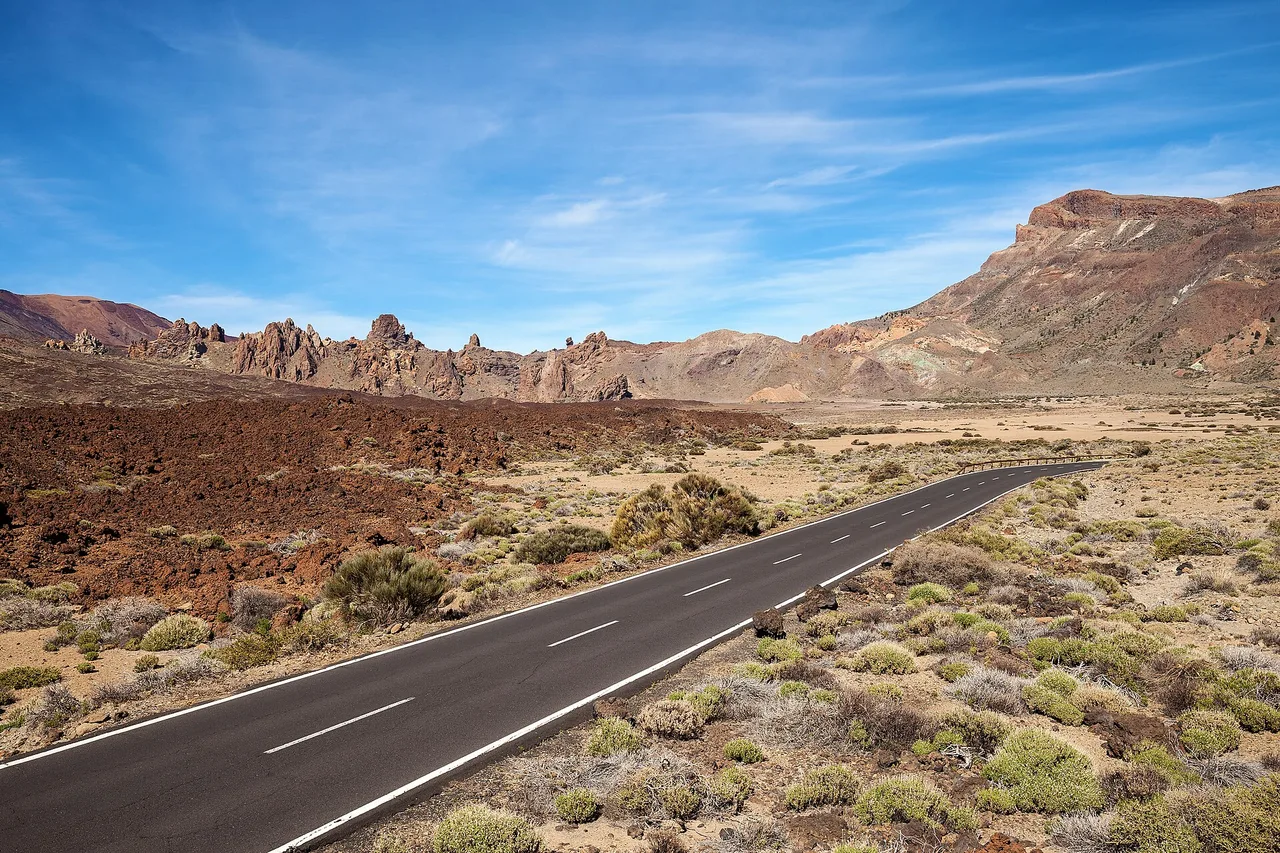
Three islands separated by hundreds of kilometres, with opposite relief and landscapes that have nothing in common — and the same mean temperature, to the tenth of a degree. Add that the average January high falls between 20.6 and 21.7 °C at five of those six stations, and you reach a conclusion that is awkward for a seasonal guide: the thermometer separates neither the months nor the islands.
This is not a curiosity, it follows directly from the geography. The archipelago sits in a cool ocean current and under a steady wind; the ocean flattens the extremes, winter does not drop and summer does not climb. The real seasonal question in the Canaries is therefore not “will I be warm”, but “what am I trading”: rain, cloud, or wind.
What the calendar really changes is rain — and it does not fall everywhere
Here are the archipelago’s six main stations, ordered from the driest to the wettest. One set of figures, one source, one period.
| AEMET station | Altitude | Annual mean | Average January high | Rain per year |
|---|---|---|---|---|
| Fuerteventura Aeropuerto | 25 m | 21.1 °C | 20.6 °C | 98 mm |
| Lanzarote Aeropuerto | 14 m | 21.1 °C | 20.7 °C | 111 mm |
| Tenerife Sur Aeropuerto | 64 m | 21.4 °C | 21.7 °C | 132 mm |
| Gran Canaria Aeropuerto | 32 m | 21.1 °C | 20.8 °C | 151 mm |
| La Palma Aeropuerto | 33 m | 20.7 °C | 20.6 °C | 369 mm |
| Tenerife Norte Aeropuerto | 632 m | 16.8 °C | 16.0 °C | 520 mm |
The gap is immediate: 98 mm a year at Fuerteventura, 520 mm at Tenerife North airport. A factor of five, between islands a few hours apart by ferry. Two honest caveats before drawing anything from it. First, Tenerife North airport sits at 632 metres: it measures the La Laguna plateau, not the shoreline, and much of its temperature gap comes from that. Second, an airport station does not summarise an island: on both Tenerife and Gran Canaria the southern coast and the summits live in different climates.
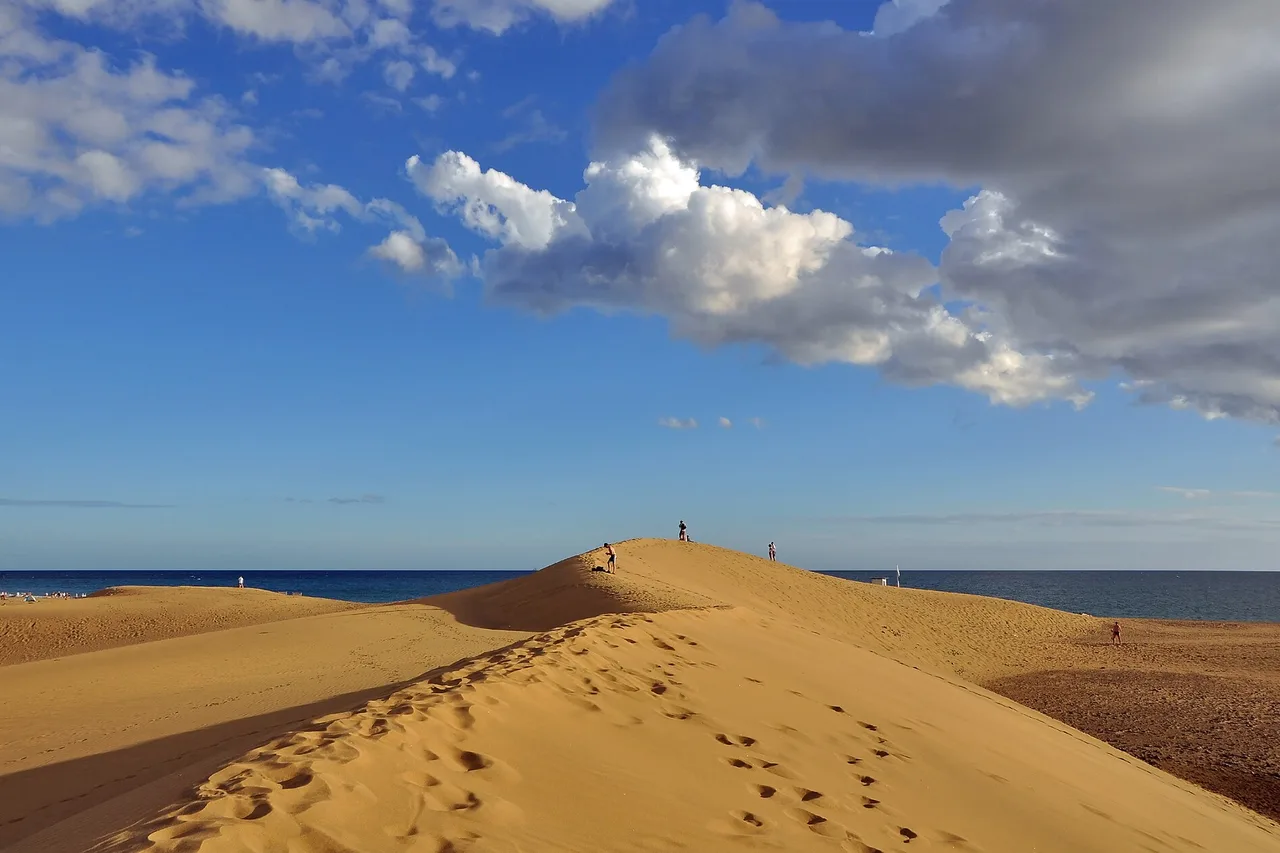
The rule that emerges is simple and worth remembering: rain in the Canaries falls from November to February, and it falls on the slopes facing north-east. From June to August, the rainfall normal at the three eastern airports — Fuerteventura, Lanzarote, Gran Canaria — is zero millimetres. That is not a dry season; it is the absence of a wet one.
Practical consequence: if your first criterion is “not a single drop”, the map matters more than the calendar. A week in January on Fuerteventura will almost always be drier than a week in January in Puerto de la Cruz.
The summer paradox: in the north, it is the greyest season
This is what surprises European visitors most, and what spoils the most badly targeted trips. On the northern slopes of Tenerife and Gran Canaria, summer is not the sunniest season: it is the most overcast.
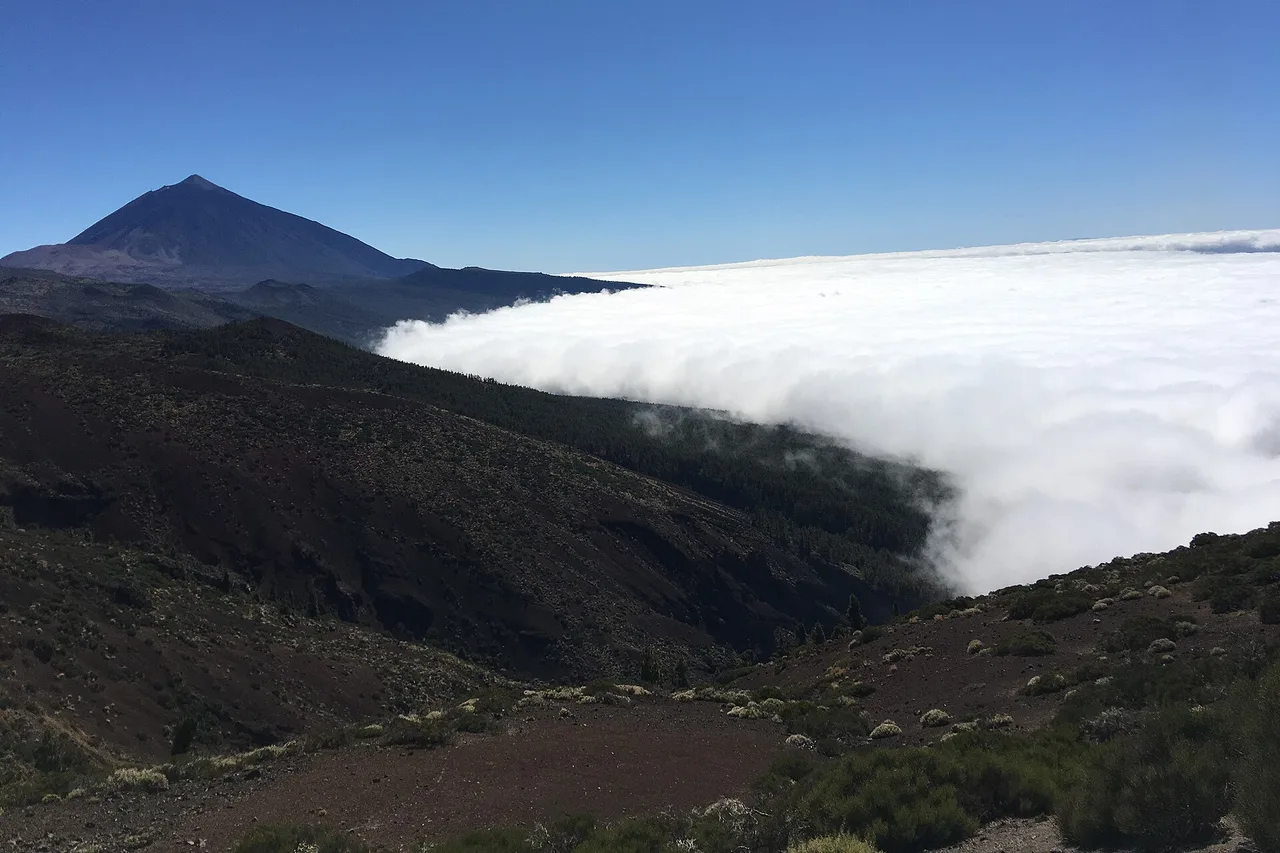
The mechanism is the panza de burro, the “donkey’s belly” Canarians have always called it. The trade winds arrive from the north-east loaded with Atlantic moisture; hitting the island, the air is forced upward, it cools, it condenses. The result is a layer of low cloud clamped to the relief, generally between 1,000 and 2,000 metres of altitude. It settles at the start of summer and does not properly lift before September.
AEMET’s ranking is unambiguous: in Las Palmas de Gran Canaria the cloudiest months of the year are June, May, April, July and August. In that order. A reader who books “northern Gran Canaria in July, because it is summer” has picked precisely the greyest month of the station’s year.
Does that mean fleeing the north in summer? No — as long as you know what you are buying. That cloud cover holds temperatures around twenty degrees while the continent bakes, and it is exactly what many islanders come looking for. It also feeds the laurel forests, the cultivated valleys and the green that makes the whole difference between north and south.
Above all there is a way around it, and it is the one genuinely actionable point in this article: on the two big islands, the season is dodged by crossing over. One hour to an hour and a half of road separates Tenerife’s two sides; barely more on Gran Canaria. The local reflex is to look in the morning at which side the cloud is on, and drive to the other. That assumes a vehicle: if your base is in the north and you intend to let the weather arbitrate your days, renting a car is not a comfort, it is the condition of the manoeuvre. Without one you take the sky your balcony gives you; with one you change it in an hour.
Good to knowIn high season, cars get booked up fast and prices rise as the dates approach. Comparing local rental companies before you go lets you lock in the car and the rate in the Canaries, with deposit and insurance shown upfront.
Rent a car in the CanariesLocal rental companies on LocalrentFull guide: Car hire in the Canary Islands: prices, deposit, ferries
Winter: the one season Europe has no equivalent for
If the Canaries have a high season that owes nothing to school holidays, this is it. From November to March the archipelago offers something no other European region does: average highs around twenty-one degrees, a swimmable sea, and a day that stays bright.

The winners of that season are the eastern islands — Lanzarote and Fuerteventura — and the southern coasts of Tenerife and Gran Canaria. These are the places where winter rain stays anecdotal and where the wind eases compared with summer. On Lanzarote, December is the wettest month of the year at 29 mm: less than a summer month in Berlin.
Two trade-offs are real and worth knowing. First, it is the most sought-after period: northern Europeans do not come here in February by accident, and availability thins early. Second, it is the calima season — see section 6. Finally, a detail the annual mean hides: the days are short, with sunset around six in the evening in December. A winter hiking day is planned for early morning, not for eleven o’clock.
Wind: July is a peak, and that peak does not mean the same thing on every island
The trade wind is not a weather accident in the Canaries, it is the prevailing regime. It blows from the north-east for much of the year, and it strengthens sharply in summer: July is the archipelago’s windiest month.
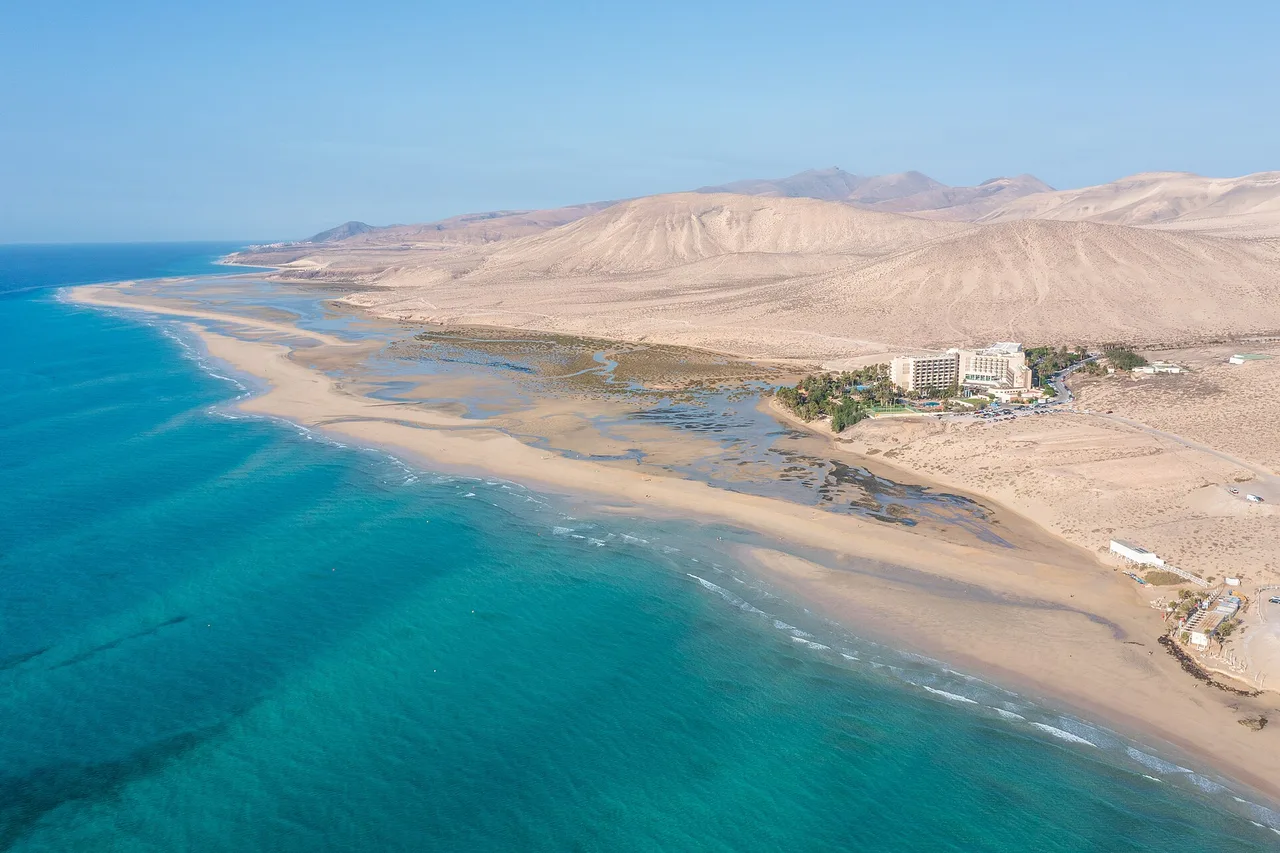
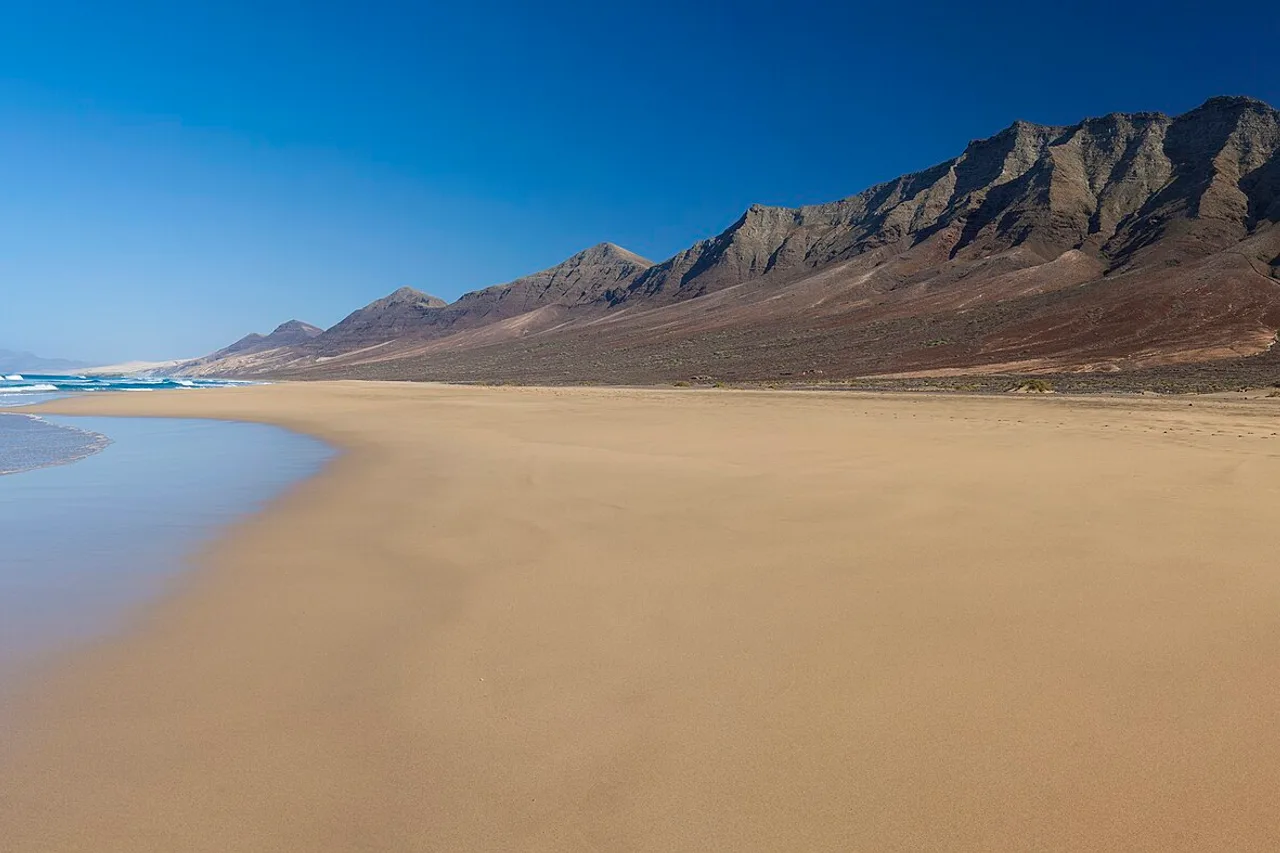
On the Jandía peninsula in Fuerteventura, Sotavento beach concentrates the phenomenon spectacularly: the relief accelerates the trade wind and gives it a very regular cross shore direction, with a 75 to 95 per cent probability of 25 to 30 knots from May to September. That figure, not chance, is why a leg of the world windsurfing tour has been held there for decades.
The same wind therefore produces two opposite truths, depending on what you came for.
- You came to sail — board, kite, wingfoil: May to September, peaking in July. Sotavento and El Cotillo on Fuerteventura, El Médano in south-eastern Tenerife, Costa Teguise and Famara on Lanzarote.
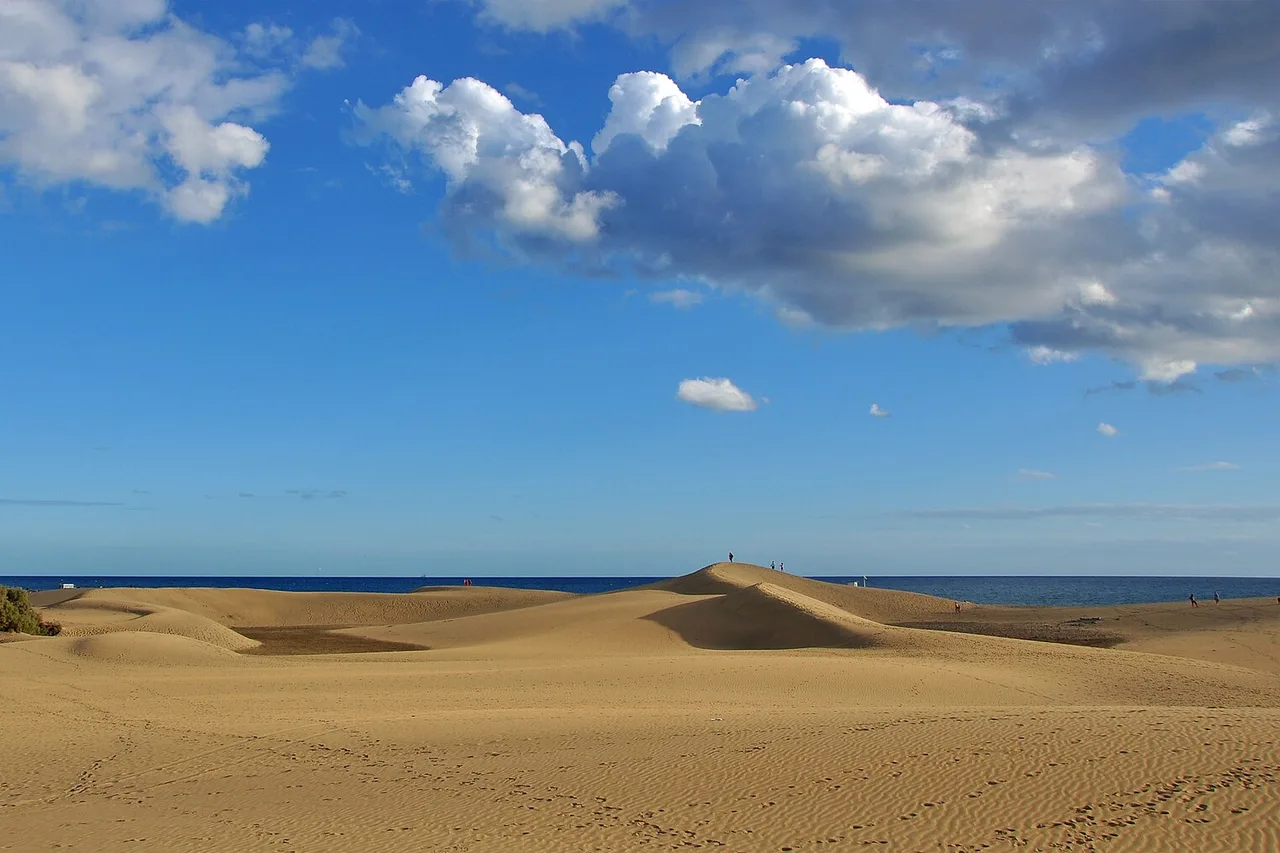
- You came to lie on a towel: the same window will give you sand in your eyes and cool afternoons despite the sun. Look instead for sheltered coasts — western Tenerife, south-western Gran Canaria — or shift to spring and autumn.
It is also why “it is 26 °C” means nothing on its own out here. Twenty-six degrees with no wind in south-western Tenerife and twenty-six degrees with twenty-five knots at El Médano do not produce the same day.
Calima: the real Canary variable, and it is a winter one
This is the factor seasonal guides mention least and residents watch most. Calima is an air mass off the Sahara, loaded with dust, that covers part or all of the archipelago: the sky yellows, the horizon vanishes, the heat steps up and the air turns dry.
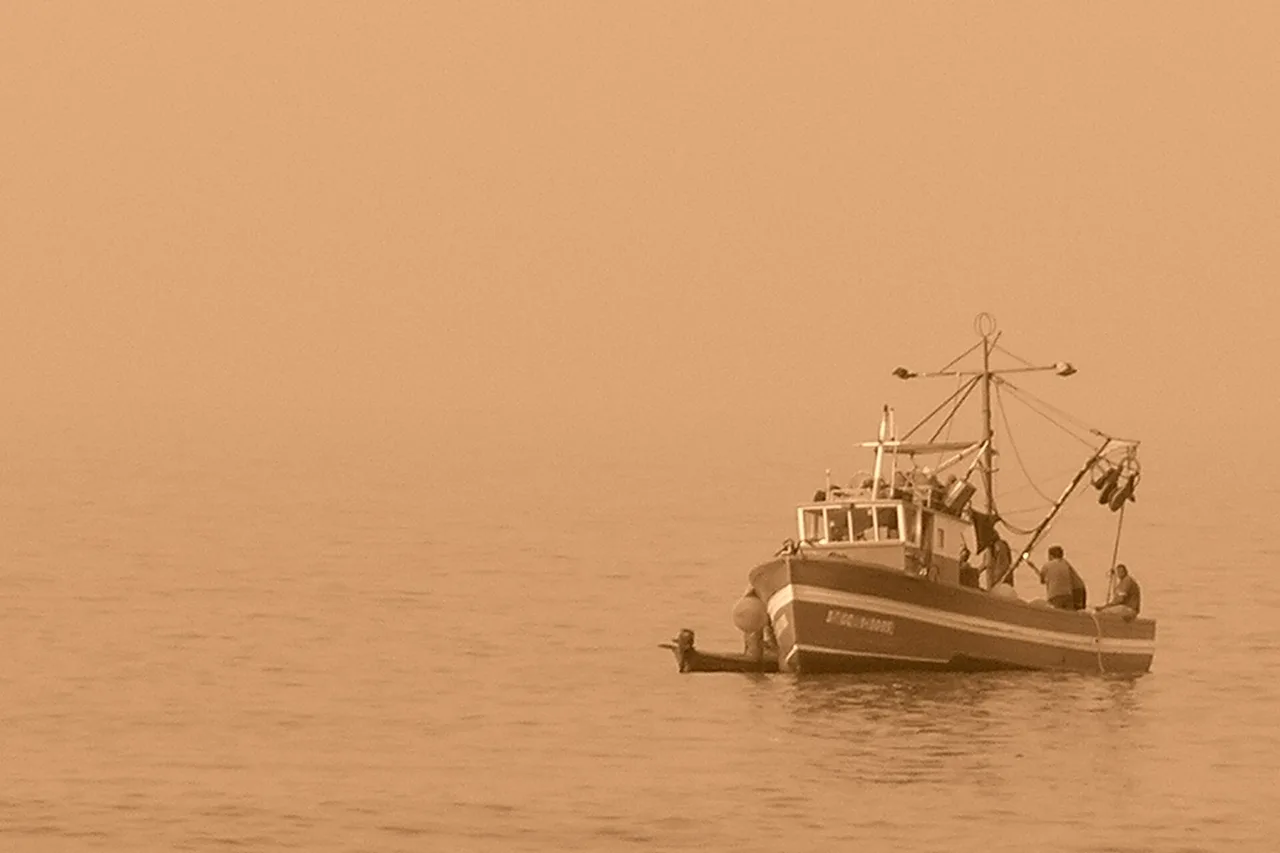
It is not rare: the average is 146 calima days a year, about 40 per cent of days — nearly five months in total. What varies with the season is less its presence than its intensity and duration: the longest episodes occur in January and February, and February is when visibility falls furthest. The mean episode runs about 3.7 days from October to March and 6 days from April to September.
In the large majority of cases this amounts to a nuisance: dull photographs, a dry throat, a high-altitude hiking day stripped of its point. In extreme cases it reaches aviation. On 22 and 23 February 2,020 an exceptional episode left the airports of Gran Canaria, Tenerife North and Tenerife South inoperative for several hours: 725 flights cancelled on the Sunday alone and 89 aircraft diverted.
Good to knowFlight prices often rise as departure gets closer: comparing now, and checking nearby dates too, is often enough to bring the bill down.
Compare flightsCompare airlines on AviasalesA word on the law, because it is routinely misunderstood. A cancellation caused by weather is an extraordinary circumstance under EU Regulation 261/2004: it does not entitle you to the fixed compensation. It does not, however, erase your right to a refund or re-routing, nor the duty of care — meals, accommodation, transport — the airline owes you while you wait. If your flight is cancelled for some other reason — technical fault, missing crew, overbooking — the logic reverses and compensation becomes due; that is the only case where having your claim checked makes sense. Telling the two situations apart will save you from spending time on a claim that cannot succeed.
The sea, the nights and the western islands
Water temperature runs on its own calendar, offset from the air’s. It swings between roughly 18 and 24 °C, bottoming out in late winter and peaking in September-October — precisely when the air has begun to fall again. For a beach holiday that is a serious argument for early autumn over high summer.
A geographical nuance sits on top of it: the eastern islands swim slightly cooler, because of deep-water upwelling along the African coast, while La Palma and El Hierro, further west, run marginally milder.
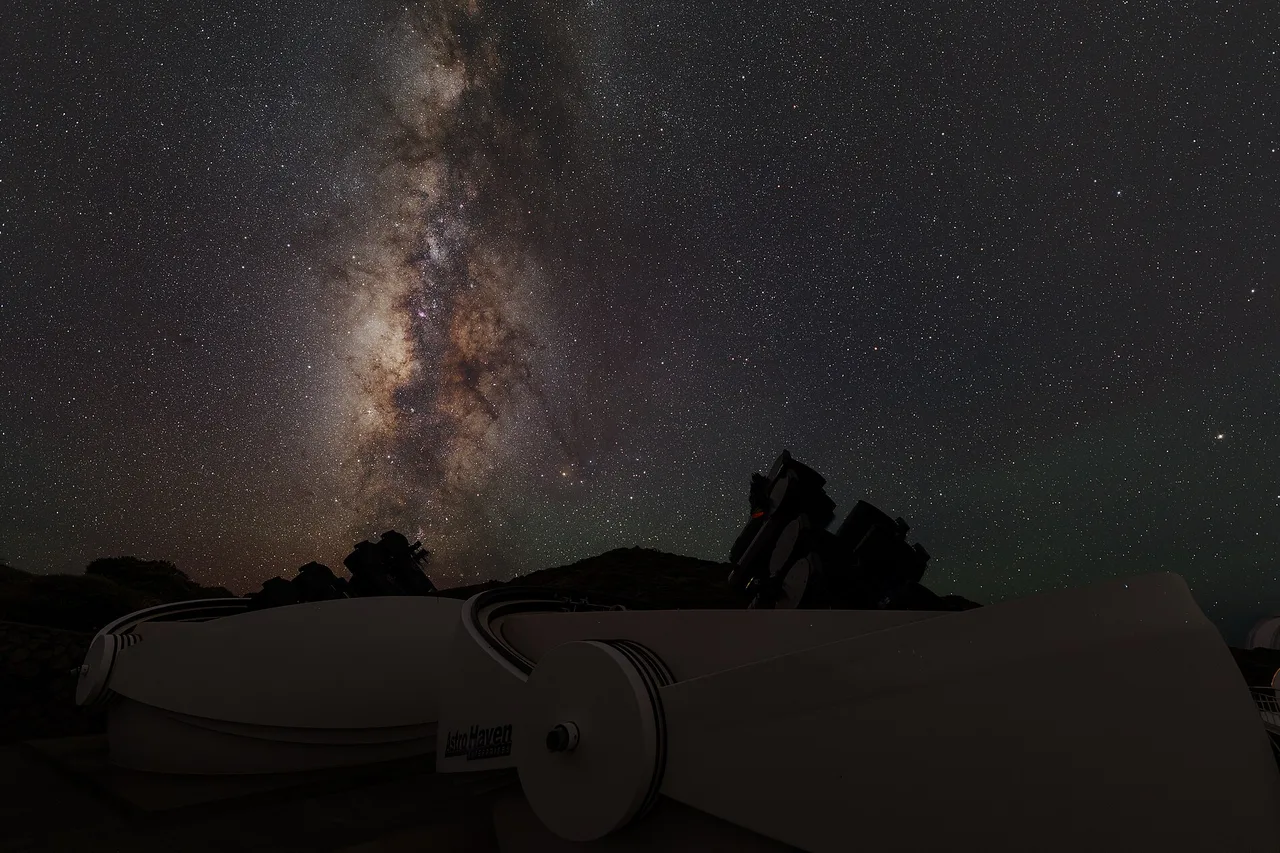
Those western islands deserve to have the seasonal reasoning turned on its head. On La Palma, summer is not the beach season: it is the sky season. The Roque de los Muchachos observatory sits above two thousand metres, well clear of the trade-wind cloud layer; when the coast disappears under the panza de burro, the summit stays in dry, stable air. From May to September the nights up there are among the clearest in Europe. Pack a fleece: at that altitude it is cold after sunset, August included.
The table that decides: which window, which island, for what you came to do
Everything above condenses into one grid. It does not give you “the best month” — there is none — but the intersection of an intention, a window and an island.
| You are coming for… | The window | The islands | What you accept |
|---|---|---|---|
| Guaranteed sun in midwinter | November to March | Fuerteventura, Lanzarote, southern Tenerife and Gran Canaria | This is Europe’s high season — book early |
| Walking all day | October to April | La Palma, La Gomera, El Hierro, northern Tenerife | Short days and a few genuinely wet ones |
| Board, kite, wind | May to September, peaking in July | Fuerteventura (Sotavento), Tenerife (El Médano), Lanzarote (Costa Teguise) | That same wind cools the afternoons and roughens the sea |
| The warmest sea | September and October | All of them, slightly milder in the west | The water peaks just as the air starts to drop |
| Escaping a European heatwave | June to August | Northern Gran Canaria and Tenerife | It is the cloudiest season of the year on those slopes |
| The night sky | May to September | La Palma, the heights of Tenerife | It is cold at altitude after dark, even in August |
| Quiet, outside school holidays | May-June and late October | All of them | Nothing is guaranteed about the sky on the northern side |
The most useful reading of that table fits in two lines. If you want reliable sun, go east in winter; if you want landscape, go west in the shoulder season. And if you are still hesitating, May-June and October are the two windows that stack the most advantages: the water is still or already good, the wind has not peaked, the panza de burro is either not installed or has just lifted, and the European school holidays have not started.
One last piece of advice, more important than picking a month: do not book seven nights on a single coast without knowing which way the wind blows. In the Canaries, weather is dodged sideways far more often than it is waited out. Few destinations offer that — but you still have to use it.