Manuel Antonio, Corcovado, Tortuguero, Arenal and Poás are Costa Rica’s best-known national parks – but each one works differently. Some need an online ticket, one needs a guide, another a boat. Here is which park suits your trip and what to book before you go.
A well-protected country, but every park is different
Costa Rica is famous for its nature, and its national parks are the reason why. They are run by SINAC, the public body in charge of protected areas. What matters for travellers is this: each park has its own rules. Some require an online ticket, one a guide, another a boat.
The table shows the parks in this article at a glance. After that, each park is covered with what you need to know before you visit.
| Park | Region | Best for | Good to know |
|---|---|---|---|
| Manuel Antonio | Central Pacific | beaches, monkeys, sloths | online tickets only, closed one day a week |
| Corcovado | Osa Peninsula | the wildest rainforest | guide mandatory, Sirena closed in October |
| Tortuguero | Caribbean coast | canals, turtles | by boat or plane only |
| Arenal Volcano | North | volcano, lava flows | summit off-limits |
| Poás Volcano | Central Valley | crater lake | book ahead, may close at short notice |
| Rincón de la Vieja | Guanacaste | mud pots, waterfalls | closed on Mondays |
| Tenorio | North | Río Celeste | turquoise river |
| Cahuita | Caribbean coast | beach, sloths | Kelly Creek entrance by donation |
| Marino Ballena | South Pacific | “whale tail”, whales | sandbar at low tide only |
One point first: Monteverde is not a national park but a private biological reserve. It is on many itineraries, with its own rules.
Manuel Antonio: beaches and wildlife, ticket required
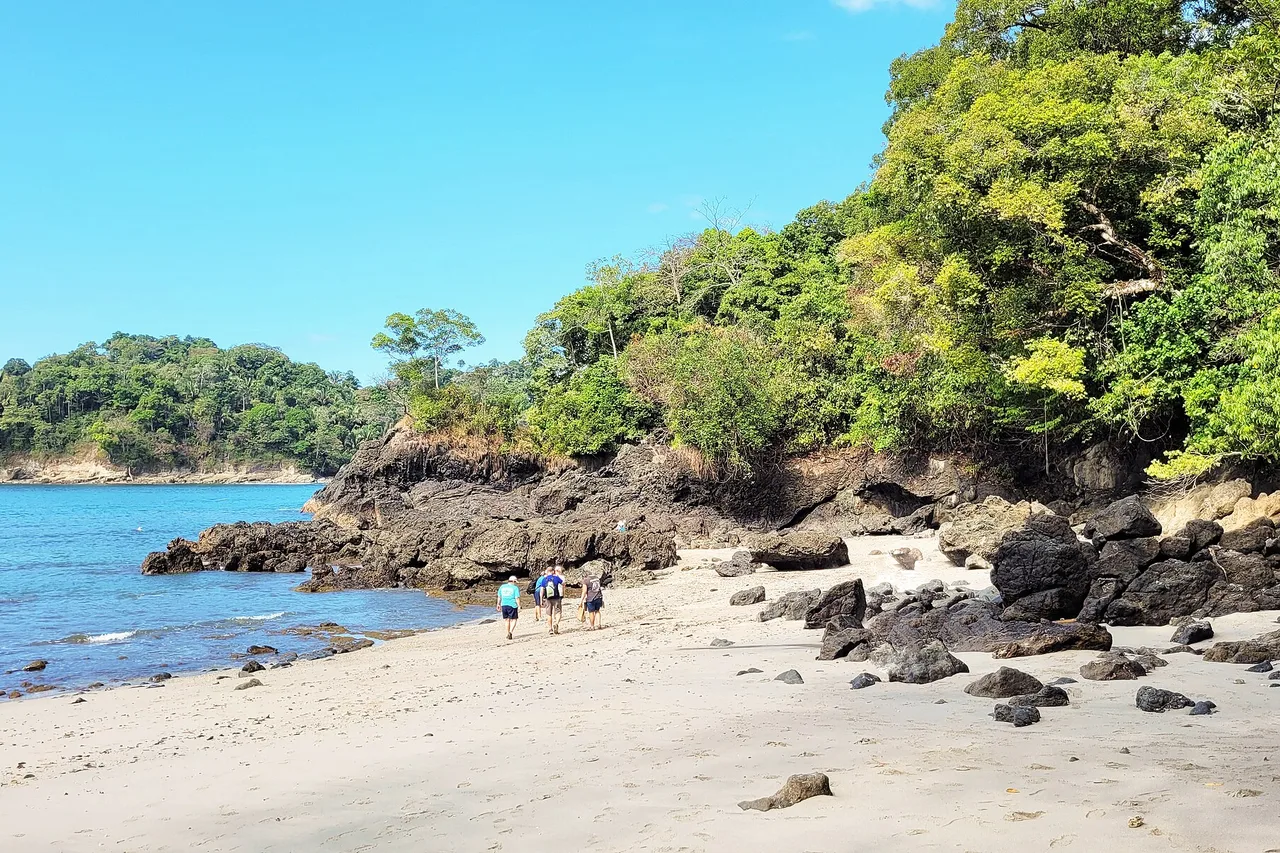
Manuel Antonio is small, sits right on the Pacific, and is the most visited park in the country. Pale sandy beaches, forest running down to the water, monkeys and sloths in the trees: this is the picture many people have of Costa Rica.
The key point: tickets are sold online only, on the SINAC portal, not at the gate. You show a QR code on your phone. Daily numbers are capped and tickets go fast, especially in high season. Book a few days ahead.
The park closes one day a week, on Tuesdays according to recent sources. Arrive early: animals are more active in the morning and the trails are quieter. And never feed the wildlife – raccoons and monkeys have learned to open bags.
Corcovado: the wildest rainforest, with a guide
On the Osa Peninsula, Corcovado is considered Costa Rica’s most biodiverse park. Tapirs, monkeys, macaws and, with luck, wild cats live here. It is also the park that takes the most planning.
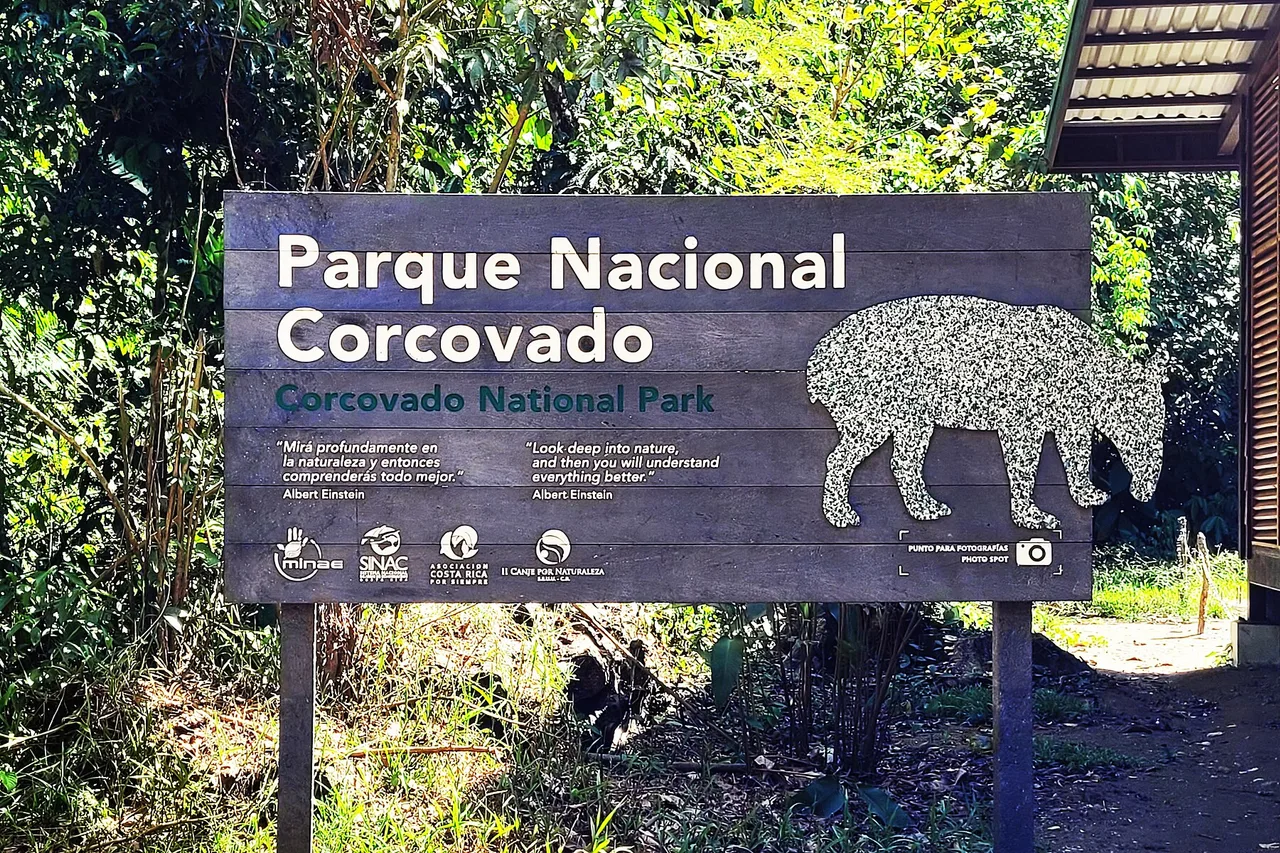
Since 1 February 2014, nobody may enter the park without a certified guide. Guides usually arrange the transport too. The well-known Sirena station is reached by boat, for example from Drake Bay or Sierpe, or on a long hike. Sirena requires a reservation.
Watch the calendar: the Sirena sector is closed for the whole of October because of heavy rain and maintenance. And Osa is remote: plan at least two nights in the area.
Tortuguero: canals instead of roads
Tortuguero, on the Caribbean coast, has no road. You can only get there by boat or plane. Most travellers drive to the La Pavona dock, where the road ends and there is guarded parking. The boat ride takes roughly 45 minutes to two hours, depending on the river level.
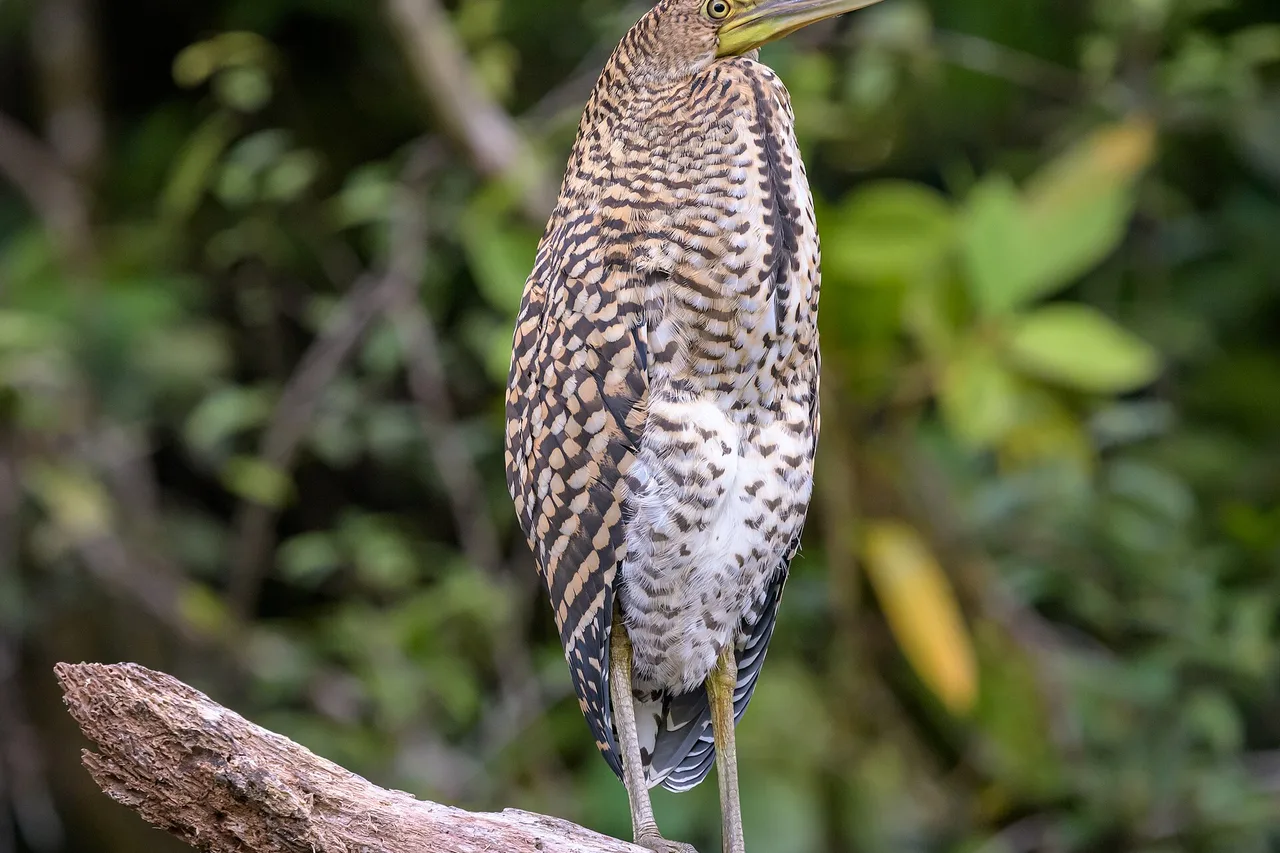
The park is mostly explored by boat, on calm canals full of birds, caimans and monkeys. Here too, tickets are bought online through SINAC.
Tortuguero is famous for its sea turtles: green turtles nest from about July to October. On the beach, you may only watch them at night with a licensed guide. The best months are covered in our article Best time to visit Costa Rica.
Arenal Volcano: lava fields and a viewpoint
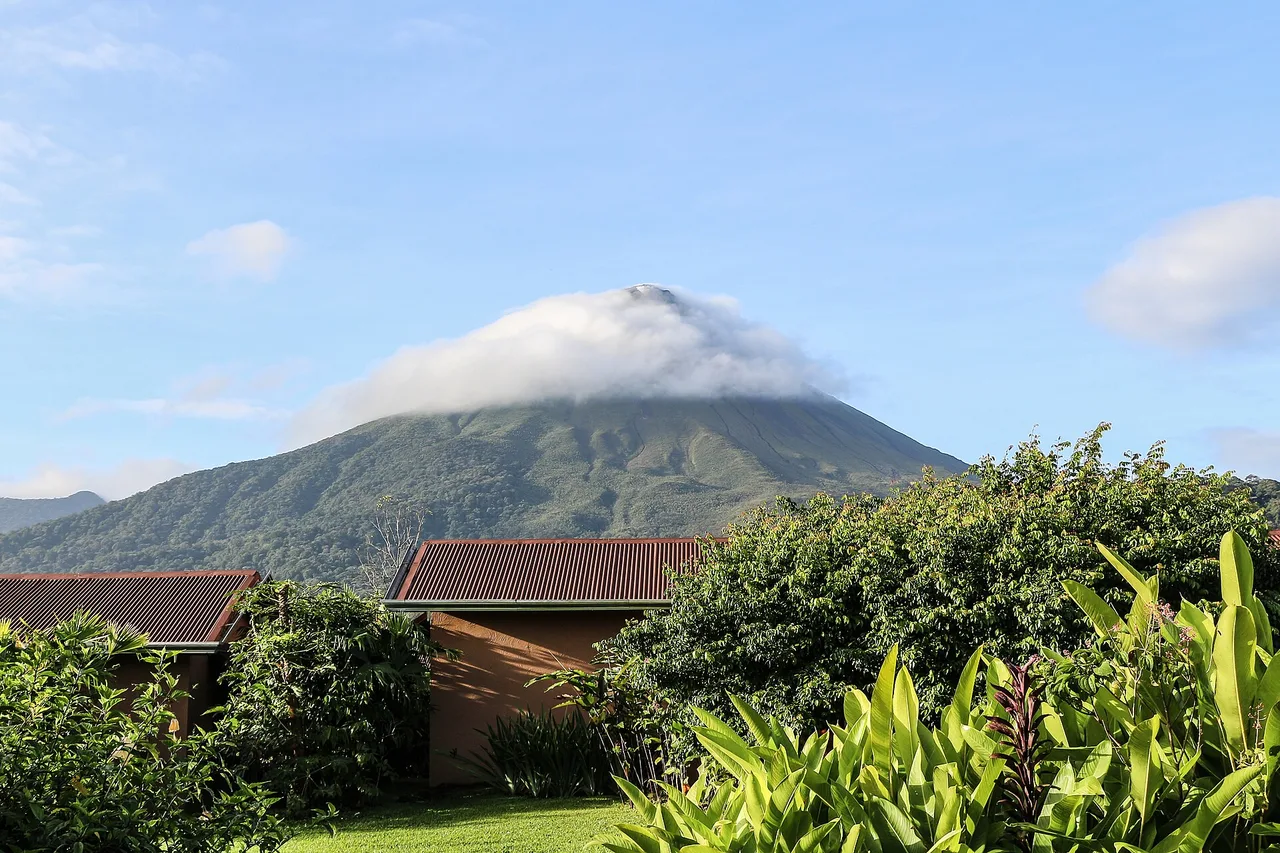
Arenal is the perfectly cone-shaped volcano you see in every photo of La Fortuna. Climbing to the summit is forbidden – it is both banned and dangerous.
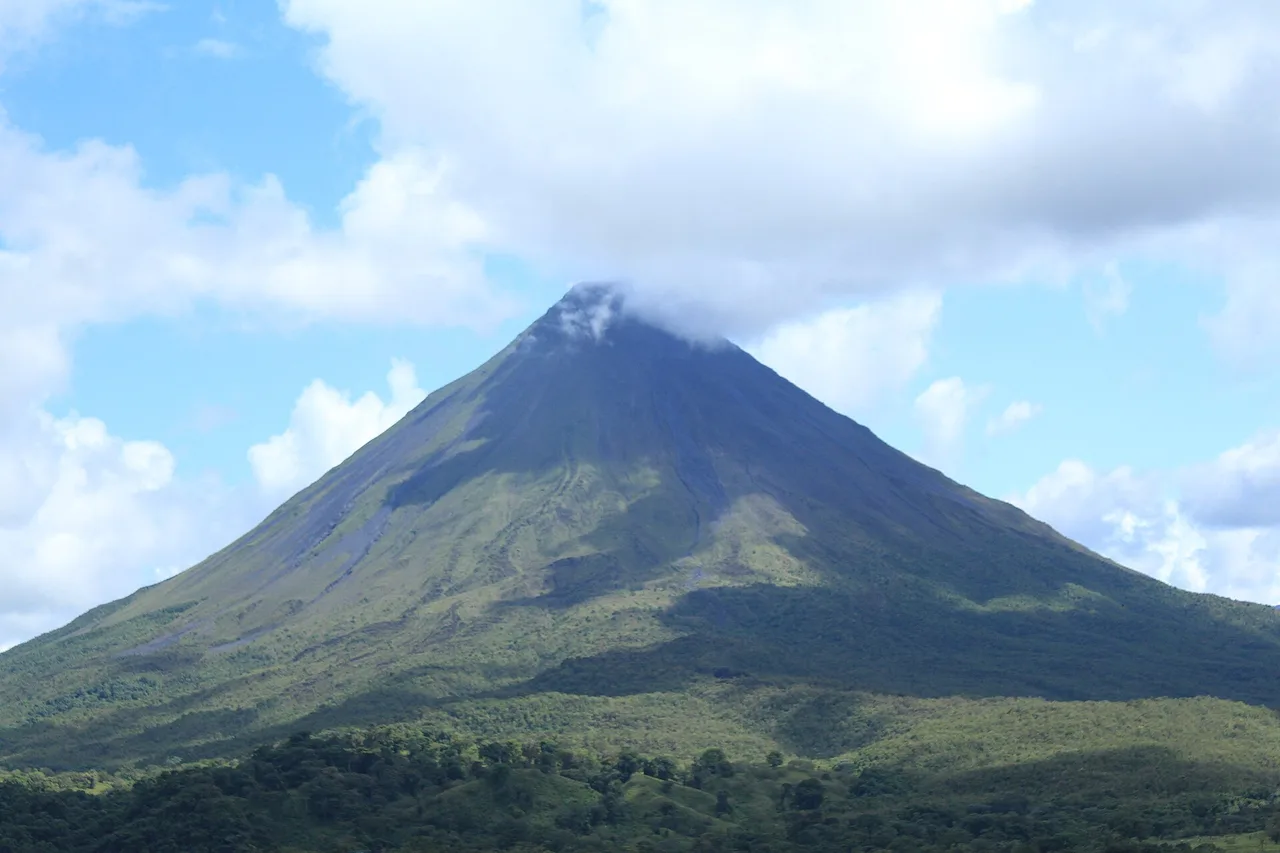
In the national park, trails cross old lava flows, such as the Las Coladas trail, to a viewpoint facing the volcano. A second sector, Península, lies along Lake Arenal.
Don’t mix them up: the popular “Arenal 1968” trail is in a private reserve next to the park, not in the national park itself. Both are worth it, but they are two separate entrances. The summit is often in cloud: your chances of a clear view are usually better in the morning.
Poás Volcano: the crater lake, under new rules
Poás is not far from San José airport. From the viewpoint you look down into a huge crater with a turquoise acid lake – when the clouds allow.
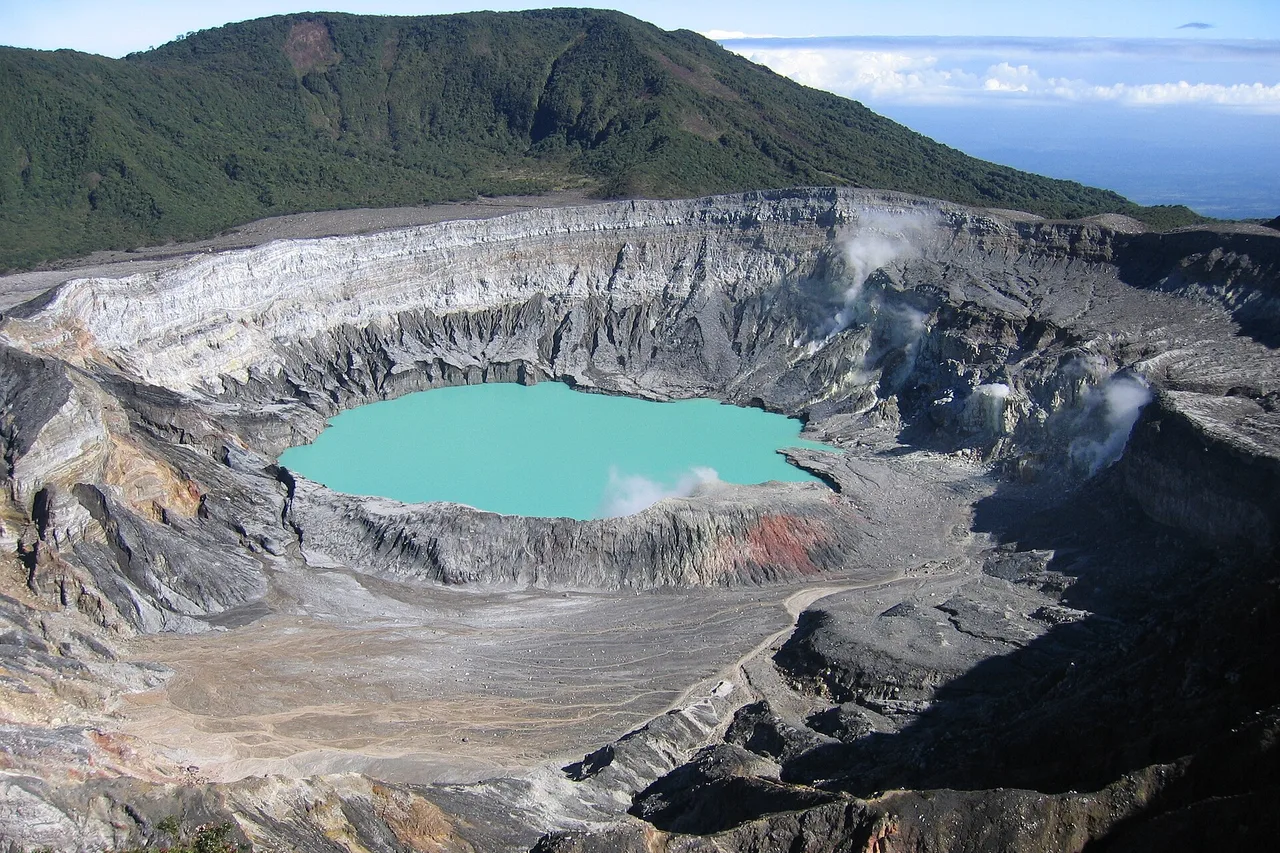
Tickets must be booked in advance online through SINAC. After an eruption in late August 2026, the rules were tightened: smaller groups, less time at the viewpoint and a daily visitor limit cut almost in half. Tickets can sell out faster, especially at weekends.
The park may close at any time because of volcanic activity. In January 2026, for example, it closed for repairs to an access bridge and reopened on 29 January. Check the day before.
Rincón de la Vieja and Tenorio: the north
Rincón de la Vieja in Guanacaste is a park where you feel the volcano: bubbling mud pots, steam and waterfalls in the Las Pailas sector. The park is closed on Mondays; the Las Pailas sector opens Tuesday to Sunday. The crater trail is closed because of volcanic activity; the volcano erupted twice in August 2026.
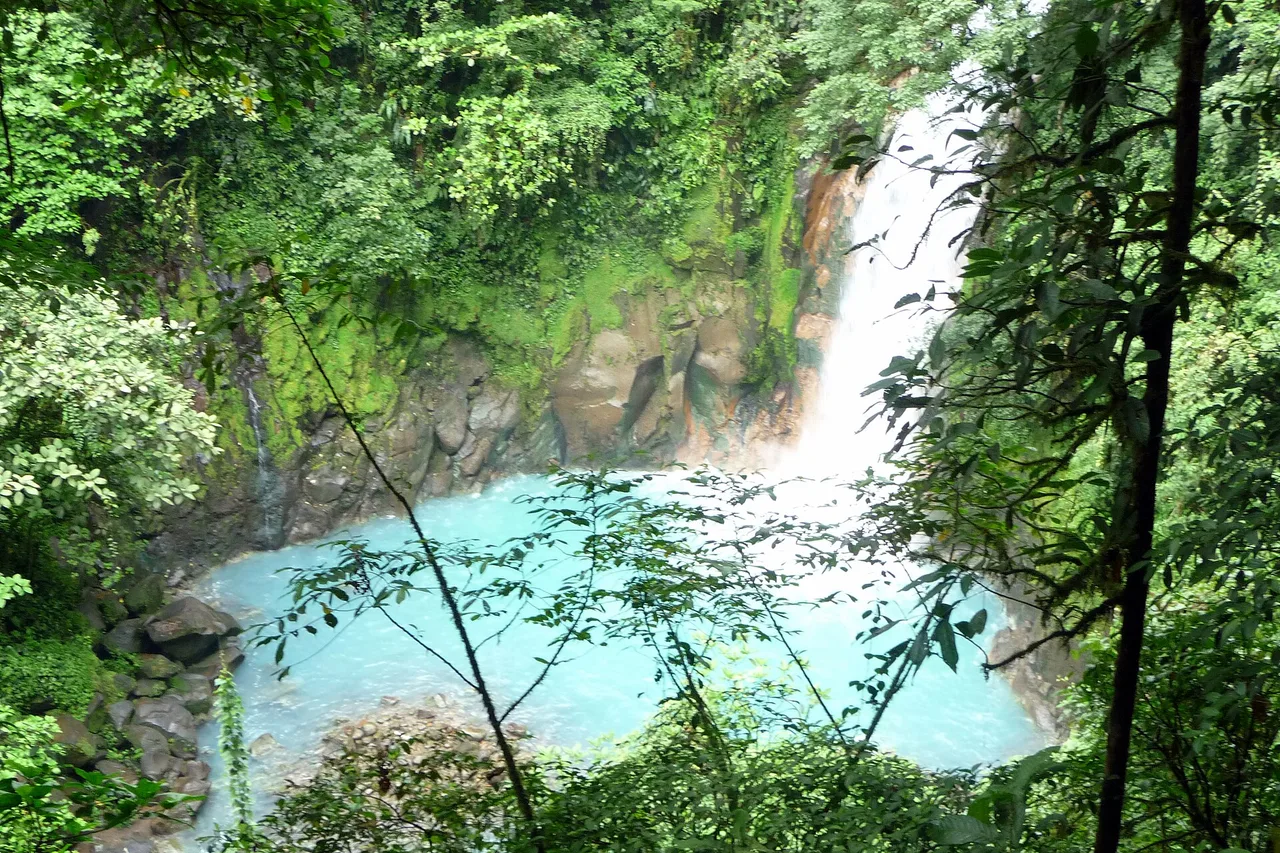
In Tenorio National Park flows the Río Celeste, a river of bright turquoise water, with a waterfall dropping into a pool of the same colour. It is one of the most photogenic places in the country. Both parks fit well on a route between Arenal and the Guanacaste beaches.
Cahuita and Marino Ballena: parks by the sea
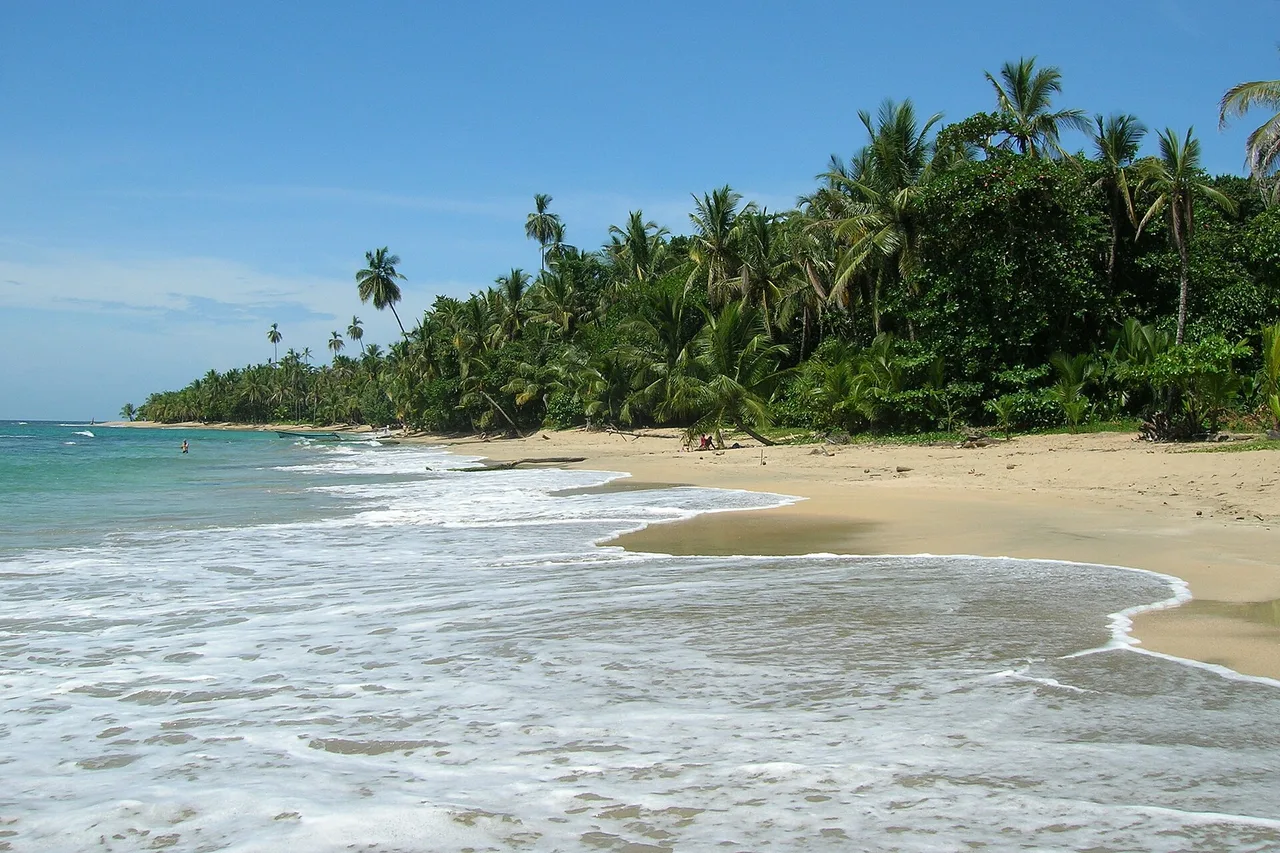
Cahuita, on the Caribbean coast, combines beach, forest and a coral reef. A trail follows the shore, and sloths and monkeys are often seen in the trees. One special feature: at the Kelly Creek entrance, reached on foot over a footbridge, entry is by donation. The Puerto Vargas entrance charges a fixed fee.
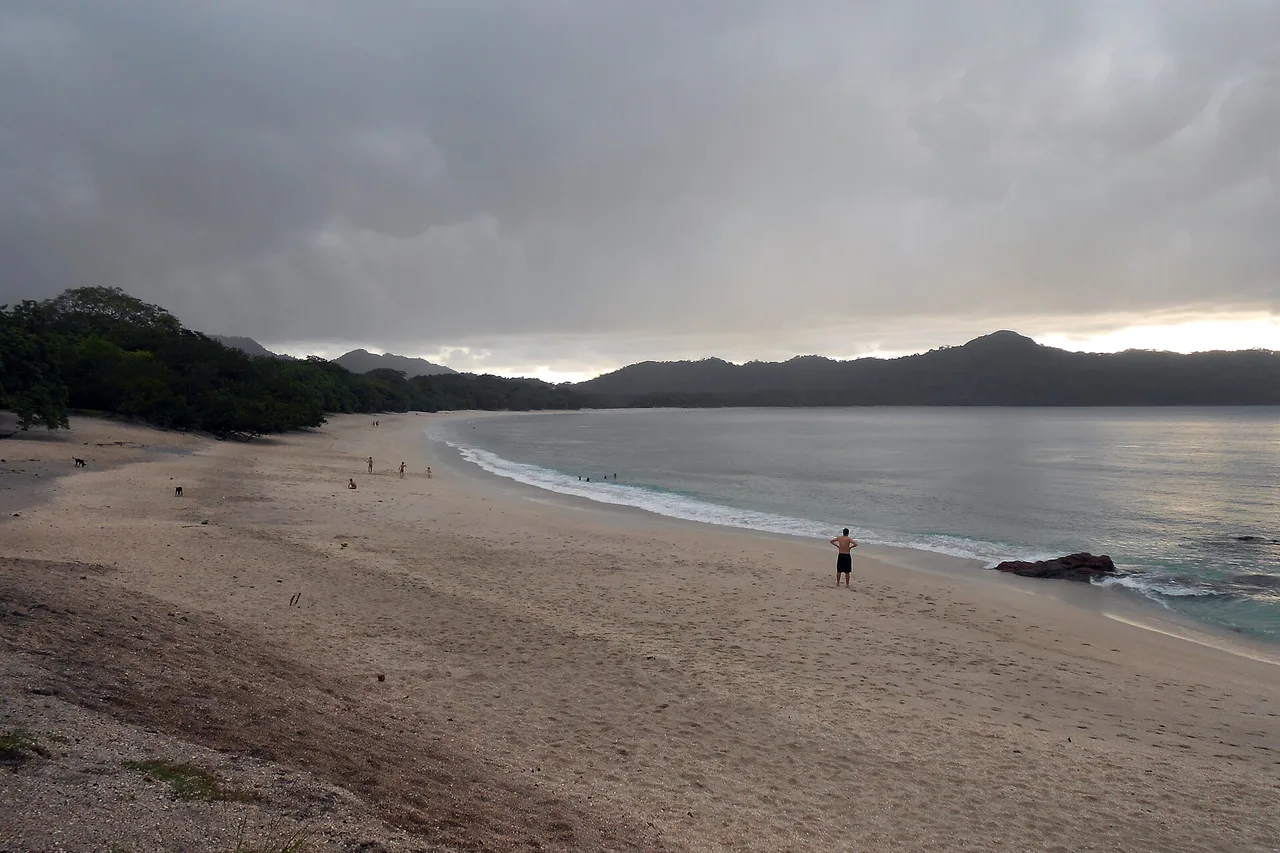
Marino Ballena, near Uvita on the south Pacific coast, is a marine national park. Its highlight is a sandbar shaped like a whale’s tail, best seen from above. You can only walk it at low tide: check the tide table before you go. From about July to October and December to March, humpback whales pass offshore.
Tickets, guides, closing days: how to plan
- Book online: Manuel Antonio, Poás and Tortuguero sell tickets on the official SINAC booking portal. Use the official site, not unknown resellers.
- Check closing days: one day a week at Manuel Antonio, Mondays at Rincón de la Vieja, October at Sirena.
- Arrive early: animals are more active in the morning, and views at Poás and Arenal are often clearer.
- Consider a guide: mandatory in Corcovado, optional elsewhere. With a spotting scope you see far more.
- Check at the last minute: volcano parks can close because of activity or weather.
Most parks are easy to reach by rental car. On back roads in the rainy season a 4x4 helps – see our guide to car rental in Costa Rica.
Good to knowIn high season, cars get booked up fast and prices rise as the dates approach. Comparing local rental companies before you go lets you lock in the car and the rate in Costa Rica, with deposit and insurance shown upfront.
Rent a car in Costa RicaCompare rental companies on Discover CarsWhich parks in two weeks?
Two weeks are not enough for every park. A classic selection: Tortuguero for the Caribbean, Arenal and Tenorio in the north, then Manuel Antonio and Marino Ballena on the Pacific. For more adventure, swap part of it for two nights in Osa to see Corcovado.
To link these stops, follow our 2-week Costa Rica itinerary.
In short
Costa Rica’s best national parks are Manuel Antonio, Corcovado, Tortuguero, Arenal and Poás. Book tickets online through SINAC, check closing days, take a guide for Corcovado and the boat for Tortuguero. And go early: the wildlife won’t wait until noon.