For sunshine on the Pacific coast, the dry season from December to April is the safest bet. The green season from May to November is quieter and often cheaper, and the Caribbean coast runs on a calendar of its own. Here is which month suits which trip – and what El Niño changes in 2026.
Two seasons, two coasts
Costa Rica has no summer and winter as Europe or North America know them, but a dry season and a rainy season. Locals call the dry season “verano”, summer, and the rainy season “invierno”, winter. Tour operators prefer to say green season.
The key point: the two coasts do not share the same weather. The Pacific calendar does not apply to the Caribbean side. The table gives a first overview.
| Period | Pacific, Guanacaste, Central Valley | Caribbean coast |
|---|---|---|
| December – April | dry season, high season | changeable, rain possible |
| May – June | start of the rainy season | changeable |
| July – August | green season, often a short dry spell | changeable, turtle season |
| September – October | the wettest months | often the driest months |
| November | transition, rain easing | rain possible |
This is an average, not a promise. Weather also depends on altitude, and 2026 is not a normal year (more on that below).
The dry season: December to April
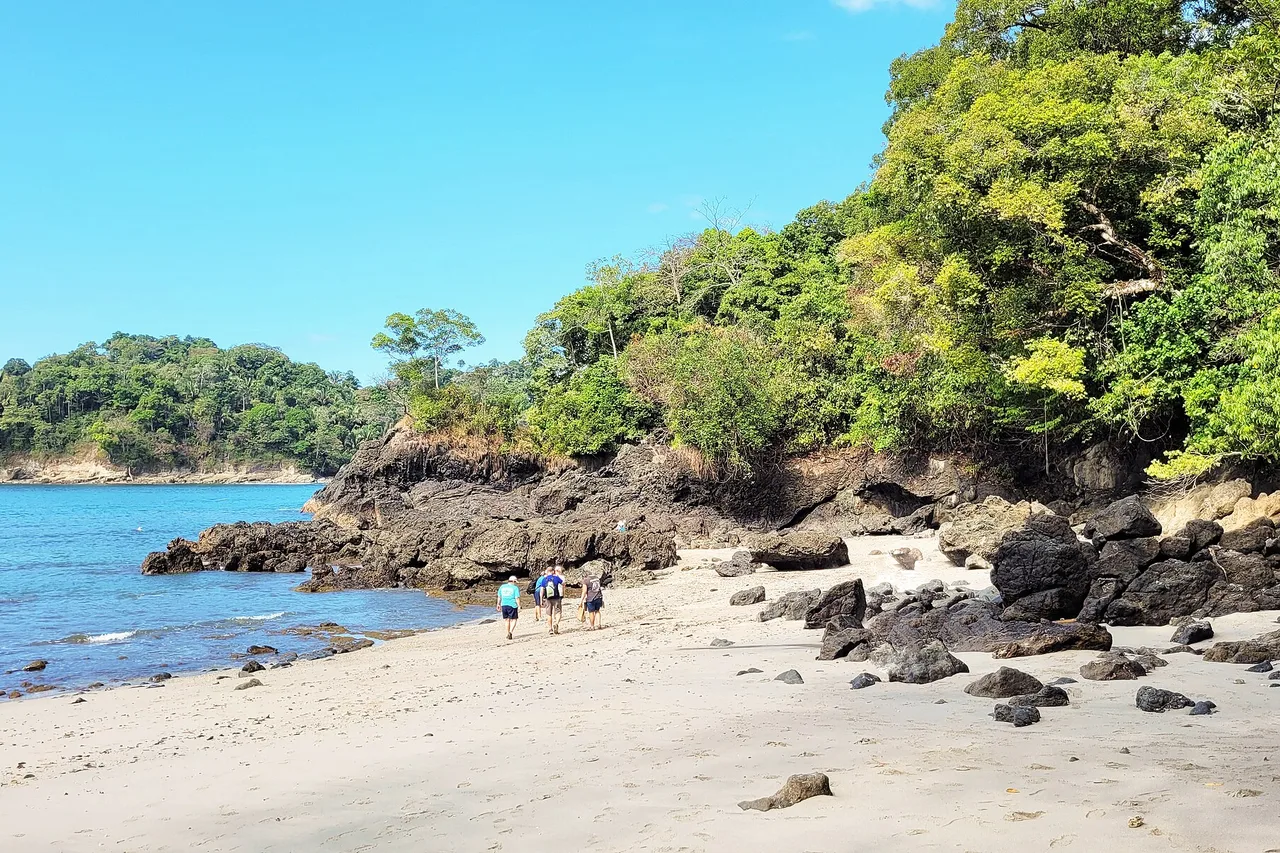
From December to April, the Pacific coast, Guanacaste and the Central Valley are usually sunny and dry. In Guanacaste, the dry season often lasts a few weeks longer than in the rest of the country.
The upside: reliable beach weather, dry trails and back roads that are easier to drive. For a first road trip, this is the simplest time.
The downside: it is high season. Demand for accommodation is at its peak, so are prices, and the famous parks are busier. Around Christmas, New Year and Easter, book early. And by the end of the season Guanacaste turns brown and dusty: the lush green of the photos is then found further inland.
The green season: May to November
The rainy season starts in May. That rarely means rain all day. The usual pattern is a sunny morning, then a heavy shower or a thunderstorm in the afternoon.
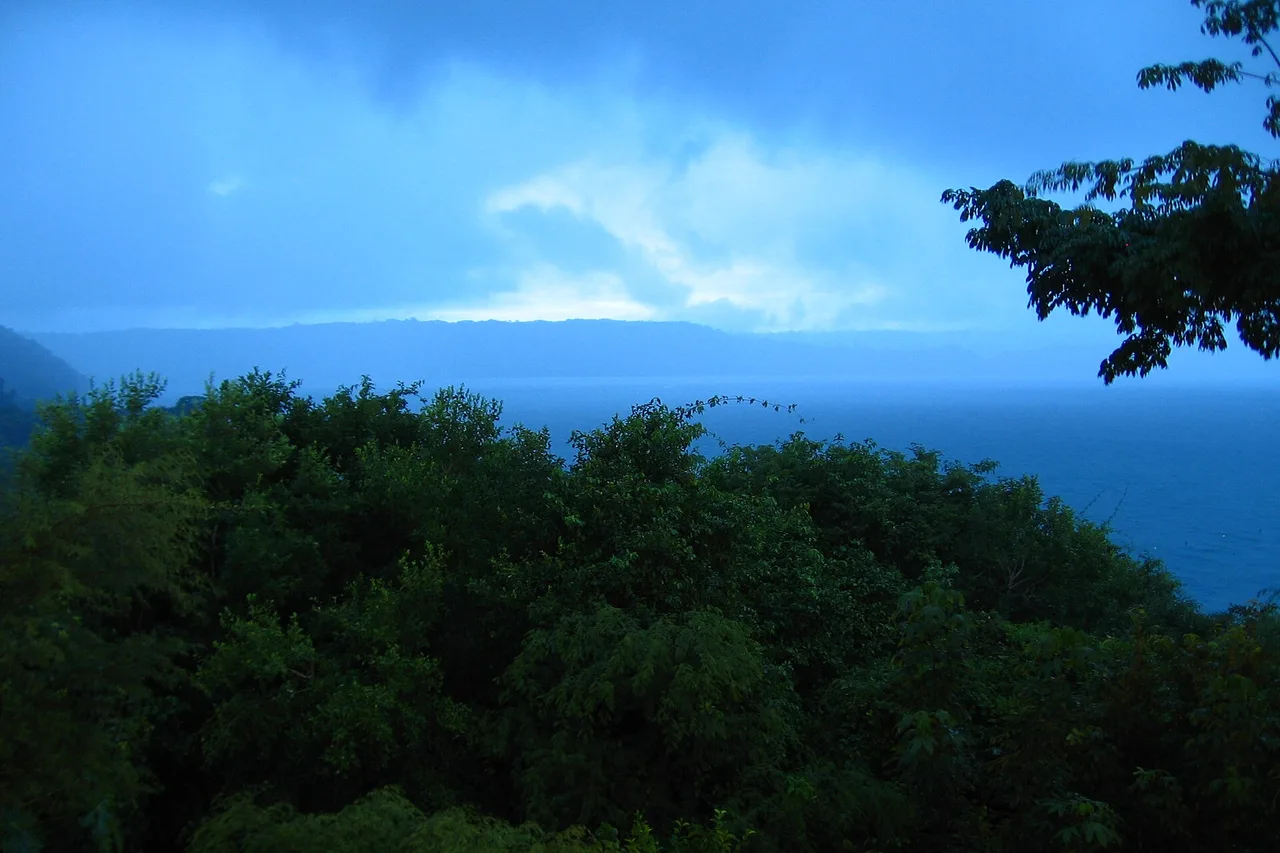
For travellers this has real advantages: the landscape is green, there are fewer tourists, and places to stay are often cheaper than in high season. Plan hikes and outings early in the morning and keep the afternoon for driving or a break.
Good to knowIn high season, cars get booked up fast and prices rise as the dates approach. Comparing local rental companies before you go lets you lock in the car and the rate in Costa Rica, with deposit and insurance shown upfront.
Rent a car in Costa RicaCompare rental companies on Discover CarsIn July, a short drier spell of one to two weeks often arrives. Costa Ricans call it the “veranillo”, the little summer. July and August are popular months, also because of the school holidays.
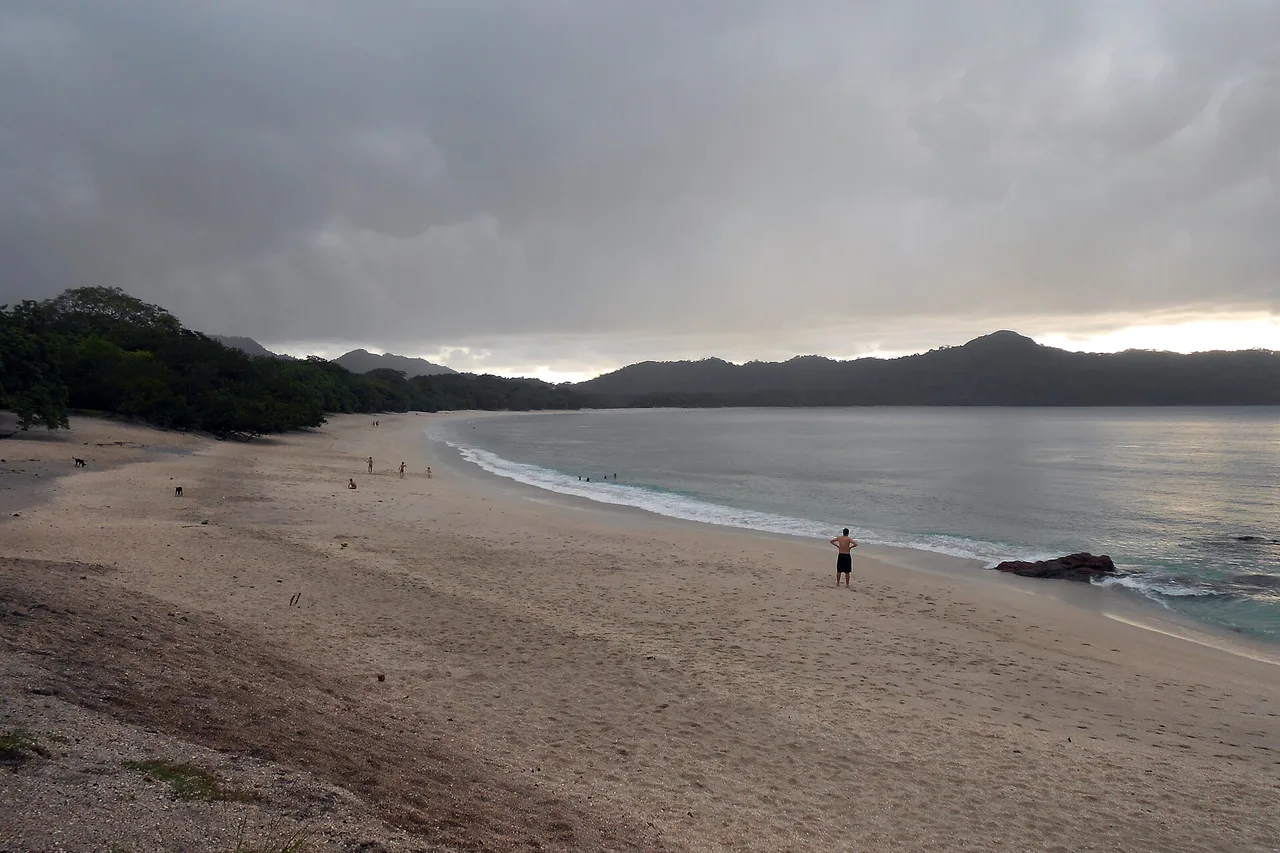
September and October are the wettest months on the Pacific side. Some lodges close, rivers run high and unpaved roads turn muddy. If you drive then, a 4x4 really matters – see our guide to renting a car in Costa Rica.
The Caribbean coast has its own calendar
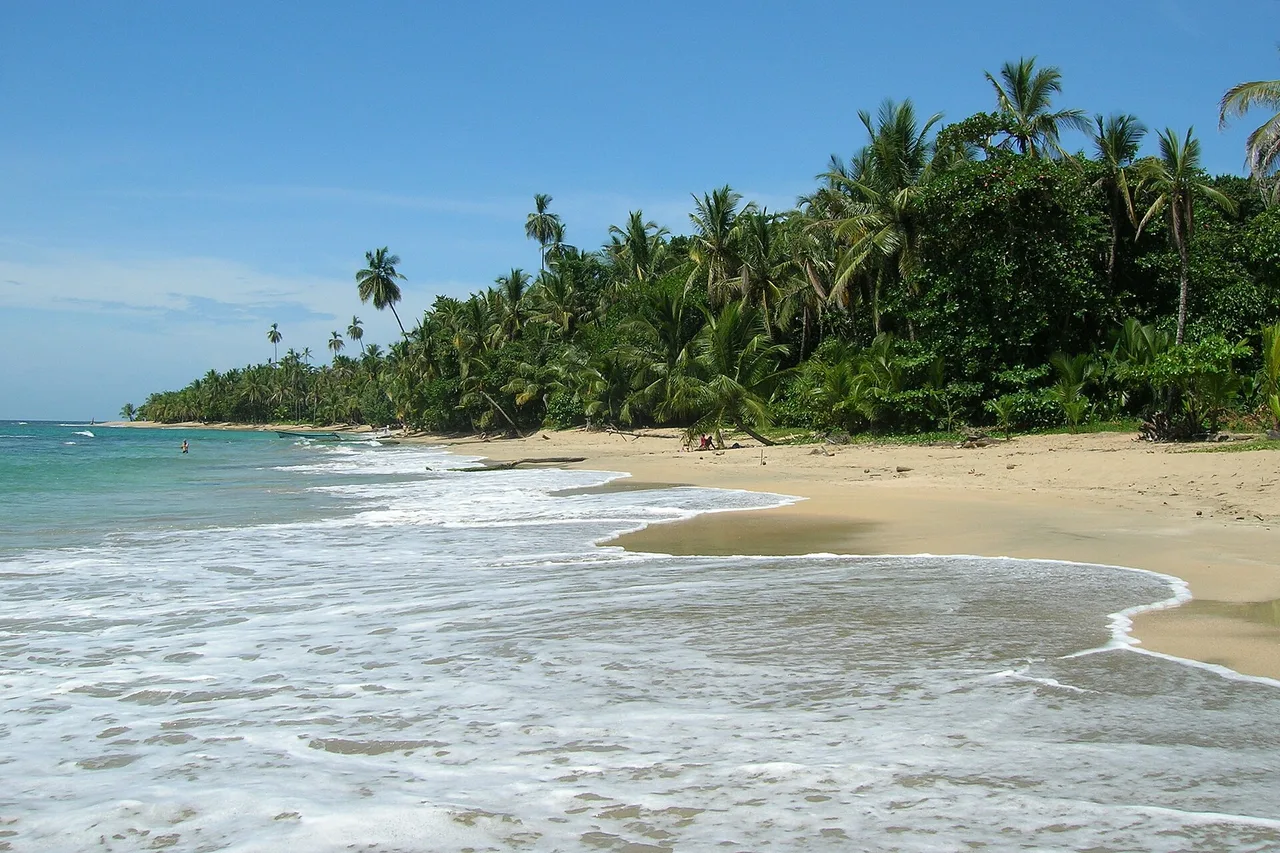
Puerto Viejo, Cahuita and Tortuguero lie on the Caribbean coast. There is no real dry season there: rain is possible all year, which is why the coast is so green.
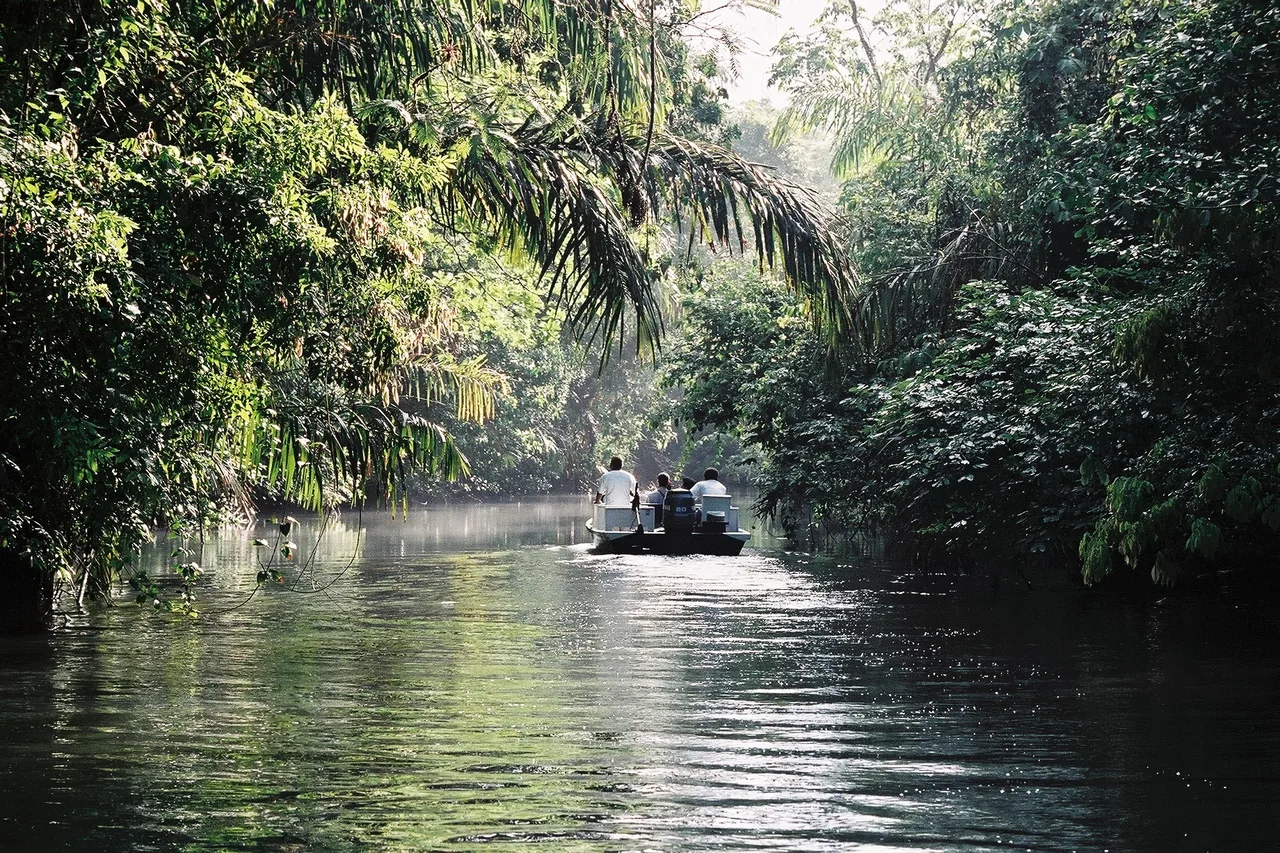
One detail makes this coast interesting, though: September and October are often among its driest months, just when the Pacific is at its wettest. If you travel in the autumn, shift your route towards the Caribbean.
To choose the coast that suits you, read our comparison Caribbean or Pacific coast in Costa Rica.
Mountains and cloud forest: cooler than you think
Costa Rica is not only coastline. In the Central Valley and the mountains, it is much cooler than by the sea. In the Monteverde cloud forest, clouds often hang low, the wind blows and evenings get chilly.
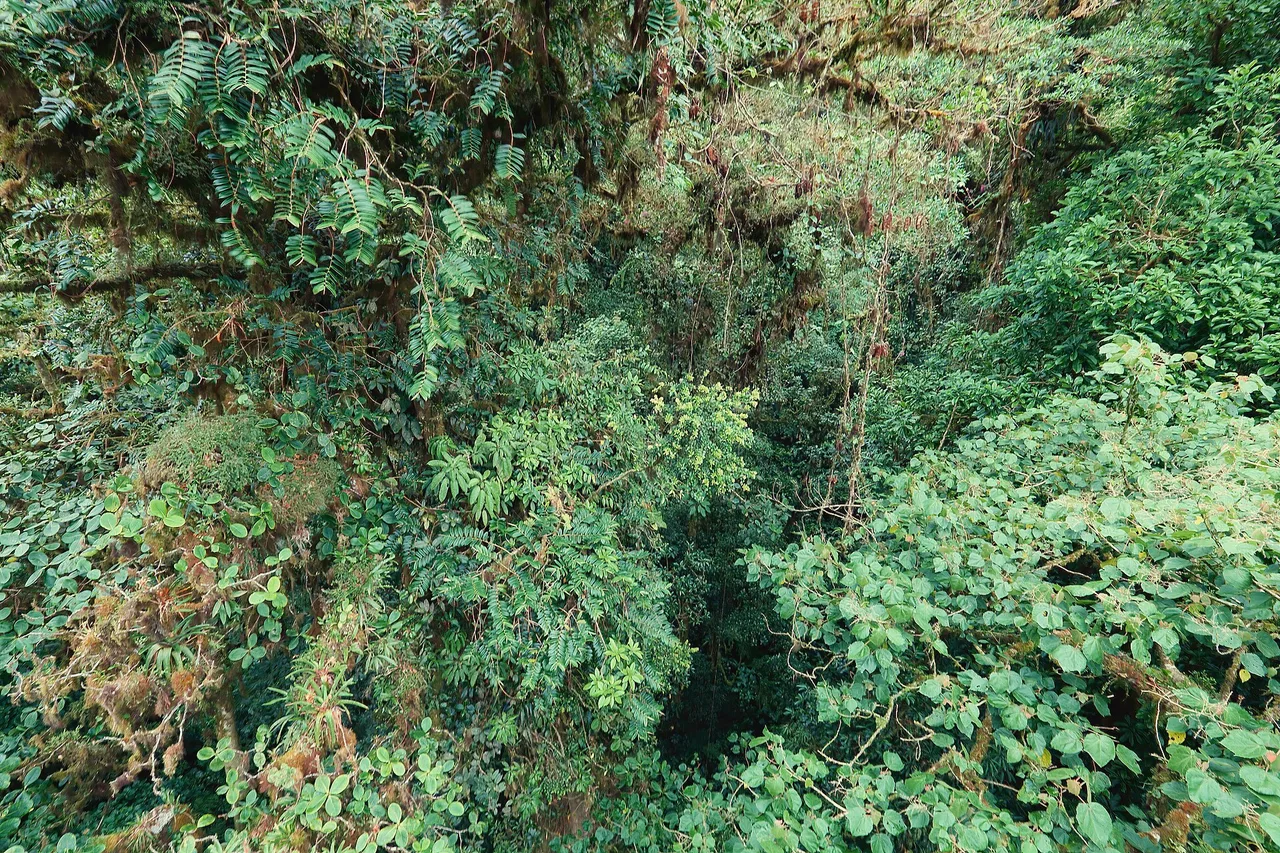
So pack a light jacket and a rain jacket even in the dry season. Mist and drizzle are part of the cloud forest – they are the reason it is so dense and green.
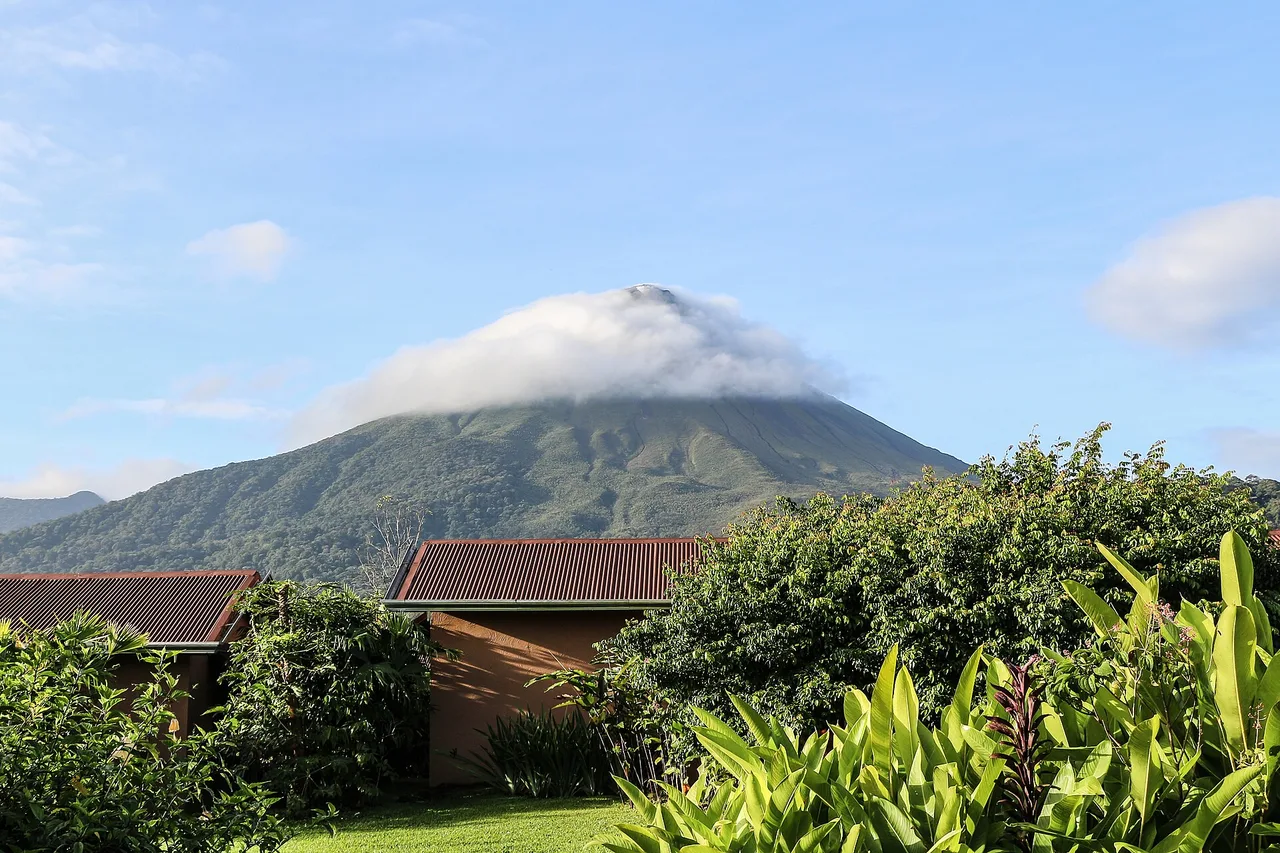
At Arenal Volcano, too, clouds often cover the summit. No month guarantees a clear view: your chances are usually better in the morning.
Whales and turtles: the wildlife calendar
For some travellers, wildlife decides the dates rather than the weather. Two events stand out.
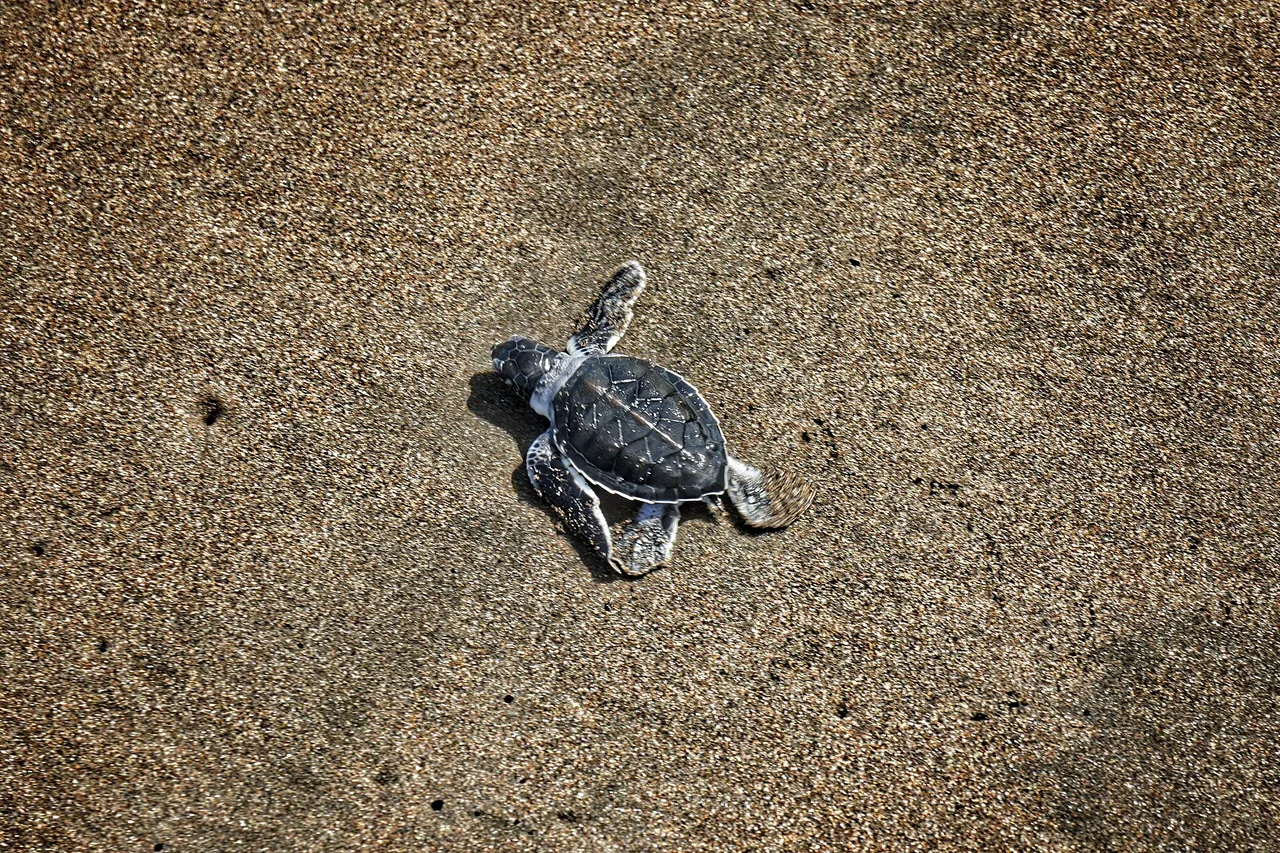
Sea turtles in Tortuguero: green turtles nest from roughly July to October, most of all in August and September. Leatherbacks come earlier, roughly from March to May or June. Night-time viewing on the beach is only allowed with a licensed guide.
Humpback whales off Uvita: Marino Ballena National Park on the southern Pacific coast has two seasons. From about July to October, whales come up from the Southern Hemisphere; from about December to March, whales arrive from the north. Boat operators speak of good chances, but a sighting is never guaranteed.
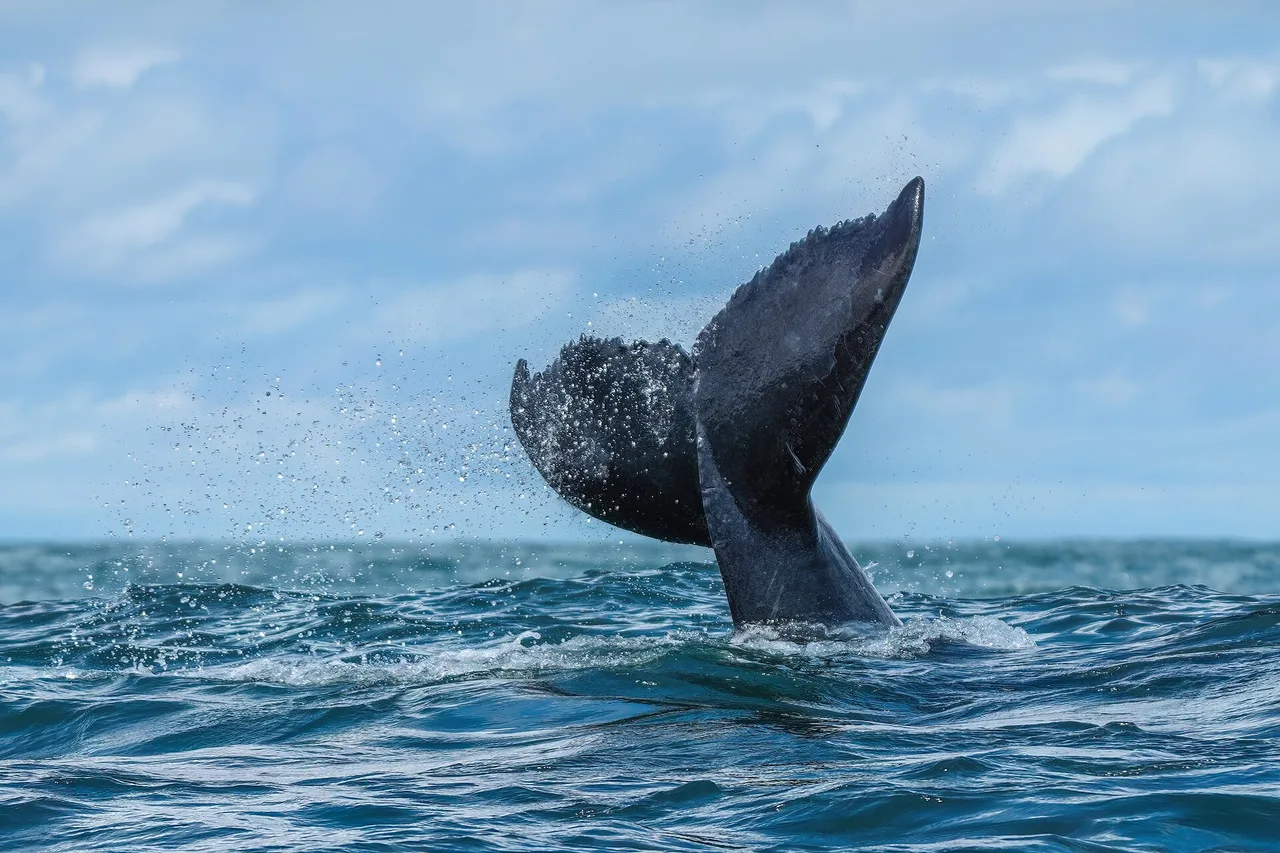
July to September therefore combines both – right in the green season.
2026 and 2027: El Niño changes the rules
This is not an average year. A strong El Niño is making Costa Rica drier and hotter than usual. According to the national weather service (IMN), as quoted in the press, the 2026 rainy season started late and irregularly. October 2026 was the driest nationwide since 2020.
The IMN expects very strong El Niño conditions until around January 2027. The effects could be felt until mid-2027. Guanacaste is the hardest-hit region, with possible water rationing.
For your trip, this means: the 2026–2027 dry season is likely to be especially dry, above all in the northwest. That is rather good news for beach lovers. Check the latest news shortly before you leave, as forecasts change.
Which month suits your trip?
- First road trip with Pacific beaches: December to April, ideally January to March. Book early.
- Fewer crowds, often cheaper: May, June or November – the shoulder months.
- Summer family holiday: July and August, with luck during the “veranillo”.
- Turtles and whales: July to September, Tortuguero and Uvita on one route.
- Travelling in September or October: focus on the Caribbean coast and keep the Pacific part short.
To link the stops together, see our 2-week Costa Rica itinerary.
What to pack in any season
- a light rain jacket – even in the dry season, for the cloud forest;
- quick-drying clothes and shoes with good grip;
- a warm jumper for Monteverde and the mountains;
- sun cream and insect repellent, on both coasts.
In the green season, a waterproof pouch for your phone and documents helps, especially on boat trips.
In short
The safest time to visit Costa Rica is December to April; the greener and often cheaper one is May to November. In September and October, favour the Caribbean coast; from July to September, the wildlife. And in 2026–2027, El Niño is likely to make the dry season especially dry.