One week is enough for Croatia's finest stretch of coast – as long as you don't change hotels every night. This plan uses just three bases: Split for Krka and Hvar, one night on Korčula, then Dubrovnik. Plus: why to take the Pelješac Bridge rather than drive through Neum, and what the city walls cost in 2026.
The itinerary at a glance
The most common mistake on a week in Croatia: a different hotel every night. This plan uses just three bases – three nights in Split, one on Korčula, two in Dubrovnik. You only repack twice.
| Day | Plan | Overnight |
|---|---|---|
| Day 1 | Split: Diocletian's Palace, the Riva, sunset on Marjan | Split |
| Day 2 | Krka National Park and Šibenik | Split |
| Day 3 | Day trip to Hvar by catamaran (or Trogir) | Split |
| Day 4 | Coast road south, Pelješac Bridge, Ston, ferry to Korčula | Korčula |
| Day 5 | Korčula in the morning, then on to Dubrovnik | Dubrovnik |
| Day 6 | City walls early in the morning, Fort Lovrijenac | Dubrovnik |
| Day 7 | Lokrum island or the Srđ cable car, departure | – |
The route works best with a hire car picked up in Split and dropped off in Dubrovnik. The car-free version is further down.
Days 1 to 3: Split as your base
Day 1 is for the old town. It sits entirely inside Diocletian's Palace, built for the Roman emperor around the year 300. Split's historic centre has been on the UNESCO World Heritage list since 1979. What makes it special: people still live and work here, between Roman walls. Its heart is the Peristyle, the colonnaded courtyard in front of the vestibule.
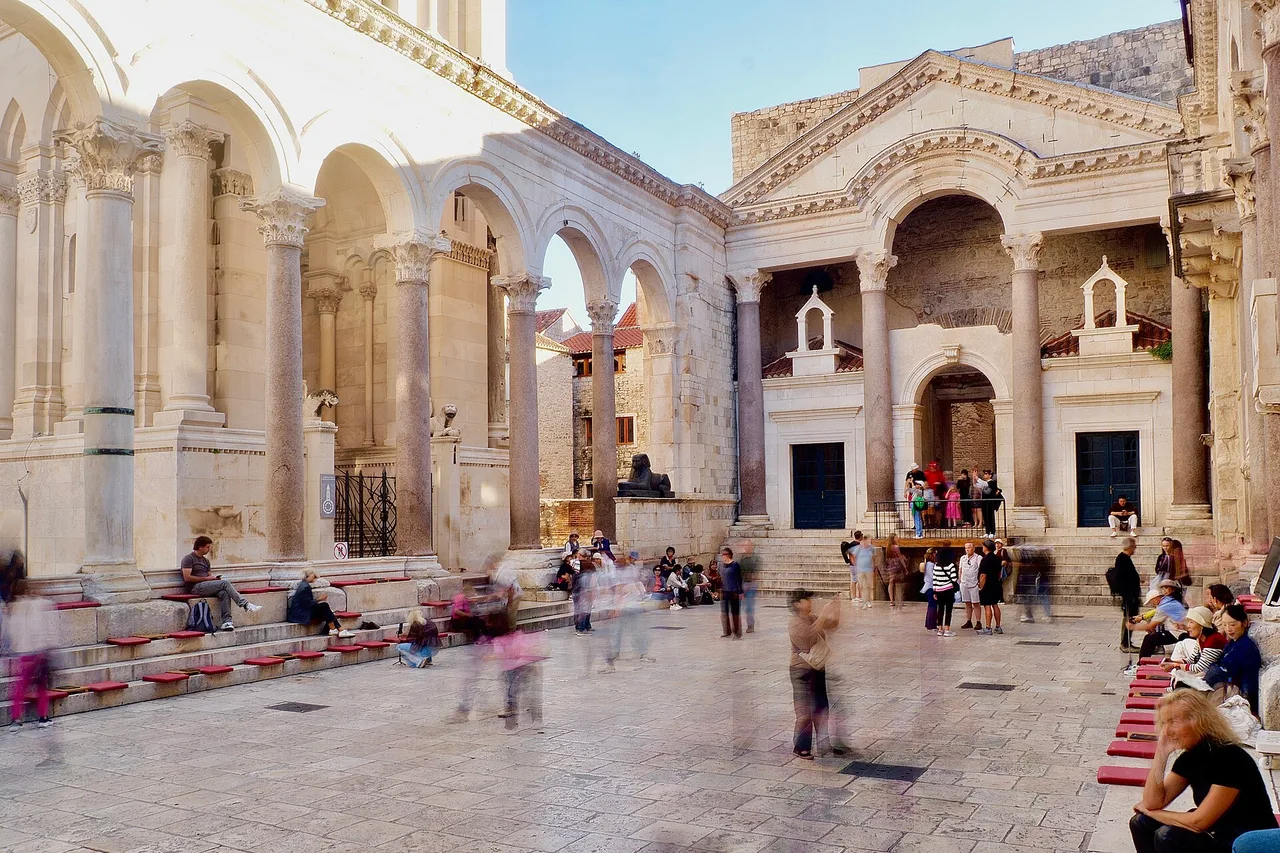
In the afternoon, stroll along the Riva, the waterfront promenade in front of the palace. At sunset, walk up Marjan, the wooded hill at the edge of the old town. From the top you see the city, the harbour and the islands.
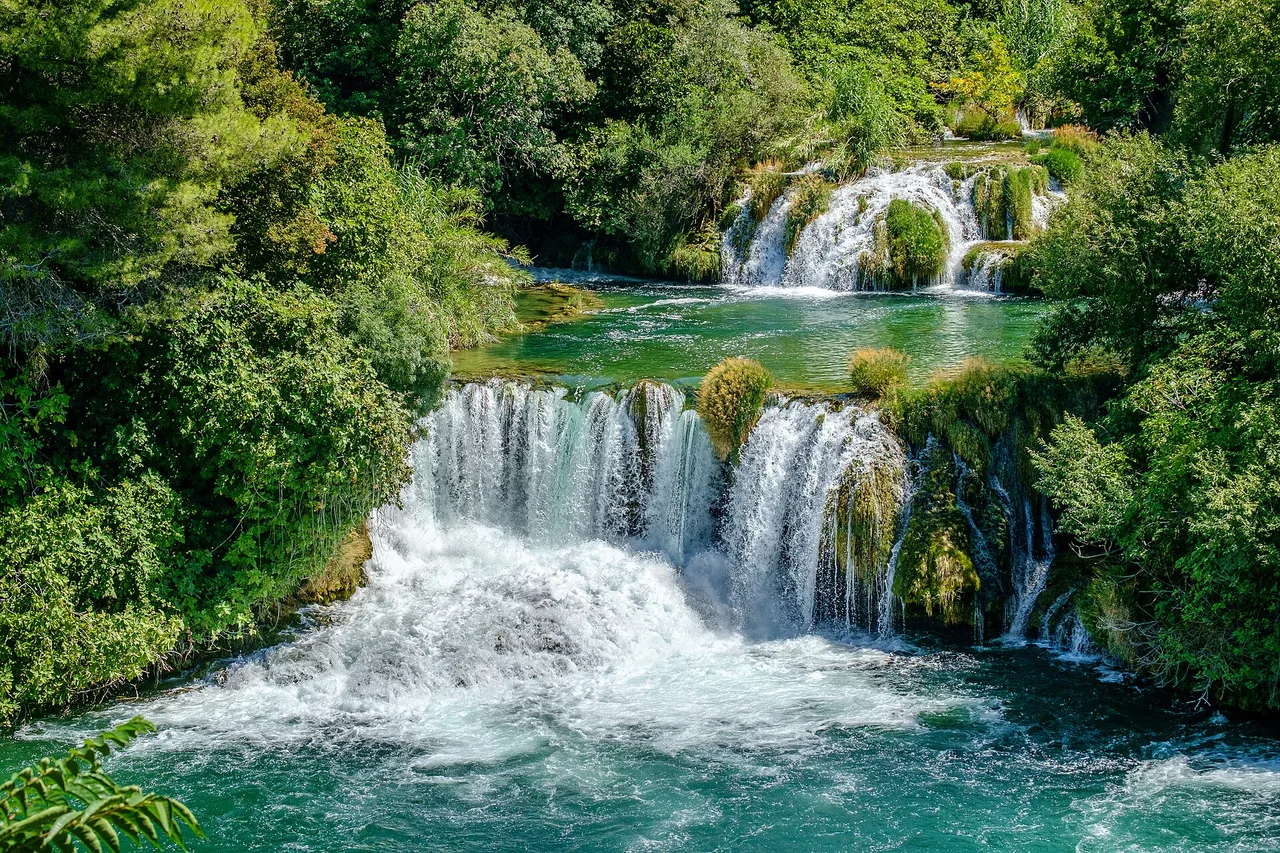
Day 2: Krka National Park. By car, Skradin is a little over an hour away. From April to October, the boat from Skradin to the Skradinski buk waterfall is included in the ticket. Check current prices on the park's website, as they change with the season.
⚠️ Important: swimming at Skradinski buk has been banned since 2021. Many older photos still show people in the water. Save your swim for the sea.
On the way back, stop in Šibenik. Its Cathedral of St James, built entirely of stone, has been a UNESCO World Heritage site since 2000. An hour in the old town is enough, then back to Split.
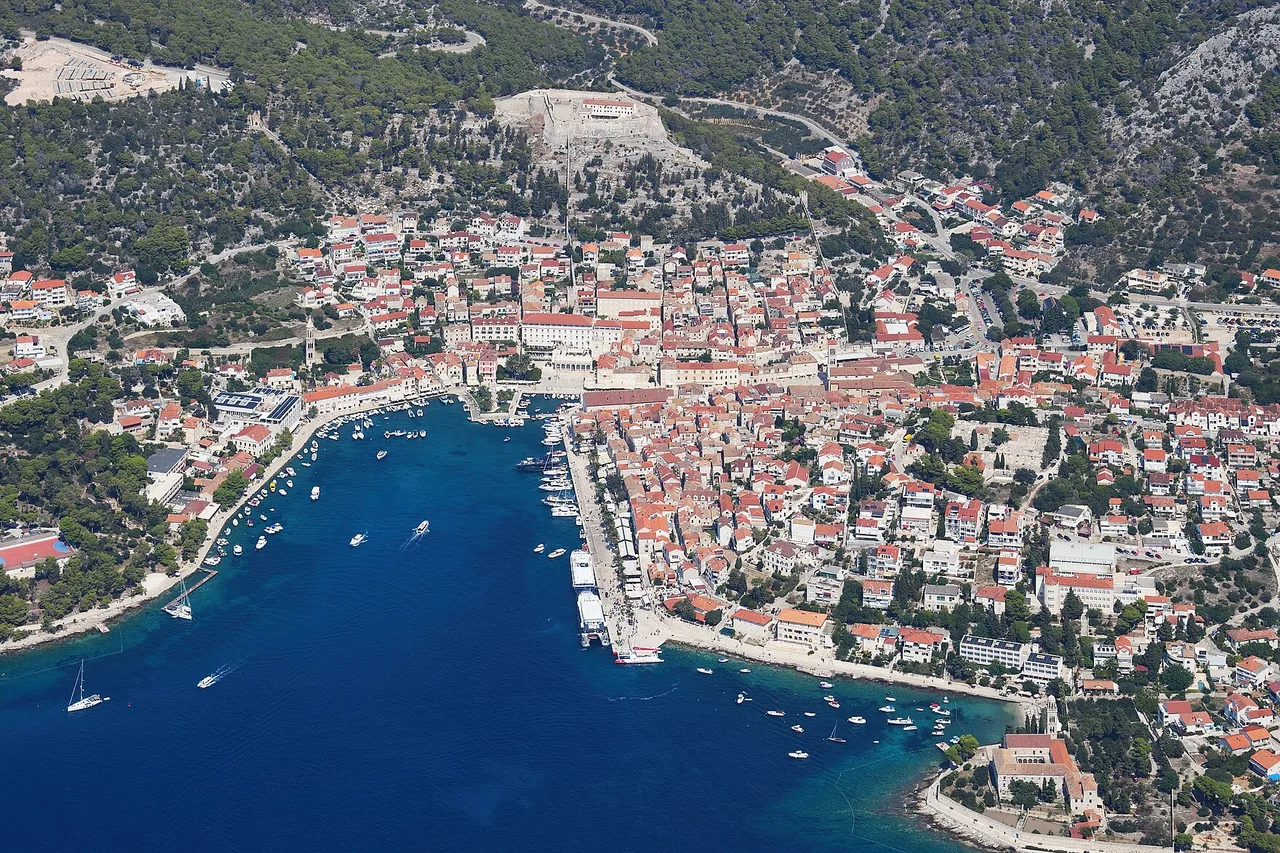
Day 3: an island. The catamaran takes you to Hvar in about an hour. The town has a lovely main square, a harbour full of boats and a fortress on the hill with views of the Pakleni islands. In summer the boats fill up, so buy tickets in advance.
Rather stay on land? Head to Trogir, about 30 kilometres from Split. Its small old town on its own island has been on the UNESCO list since 1997, and it is quieter than Split.
Day 4: south over the Pelješac Bridge
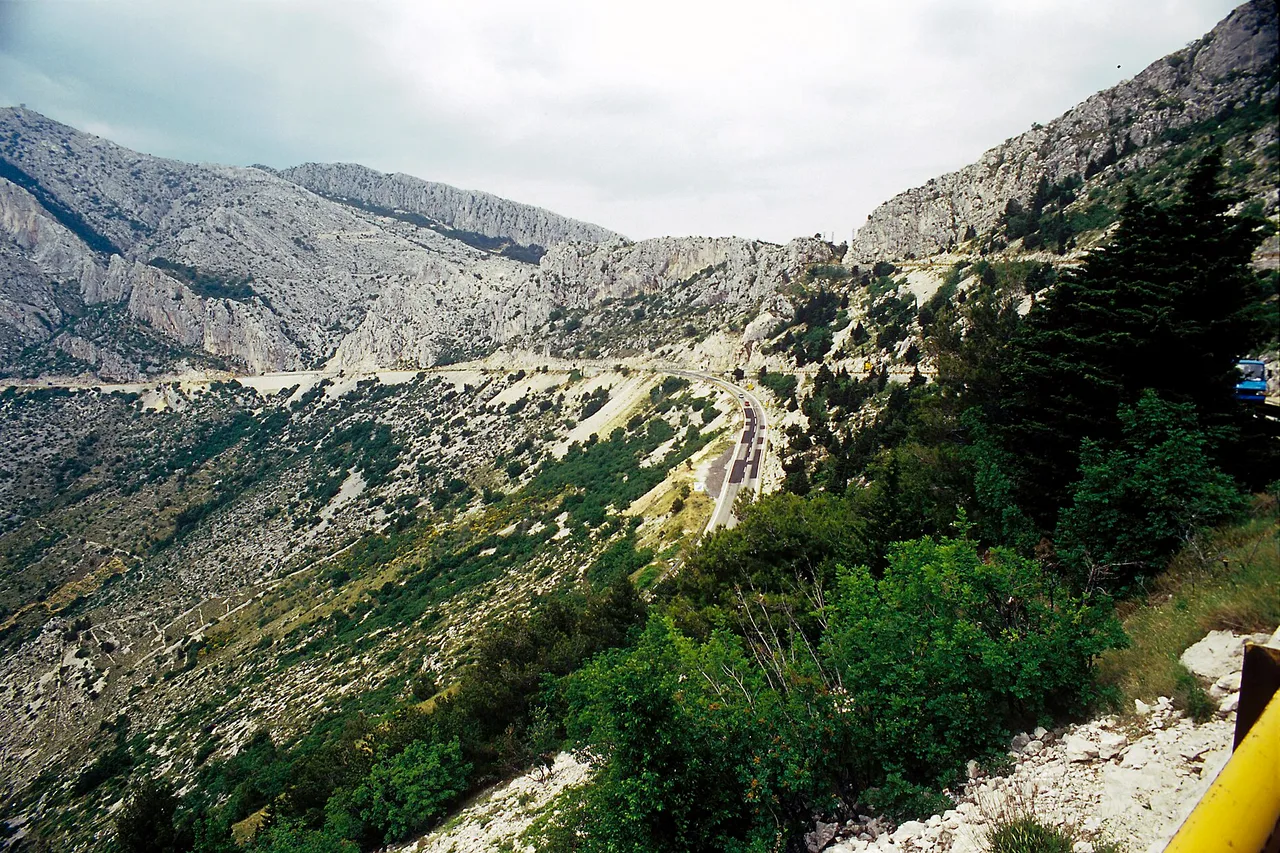
Today you leave Split. The coast road follows the Makarska Riviera, with the Biokovo mountains rising above the sea. Stop wherever you like – the day is long enough.
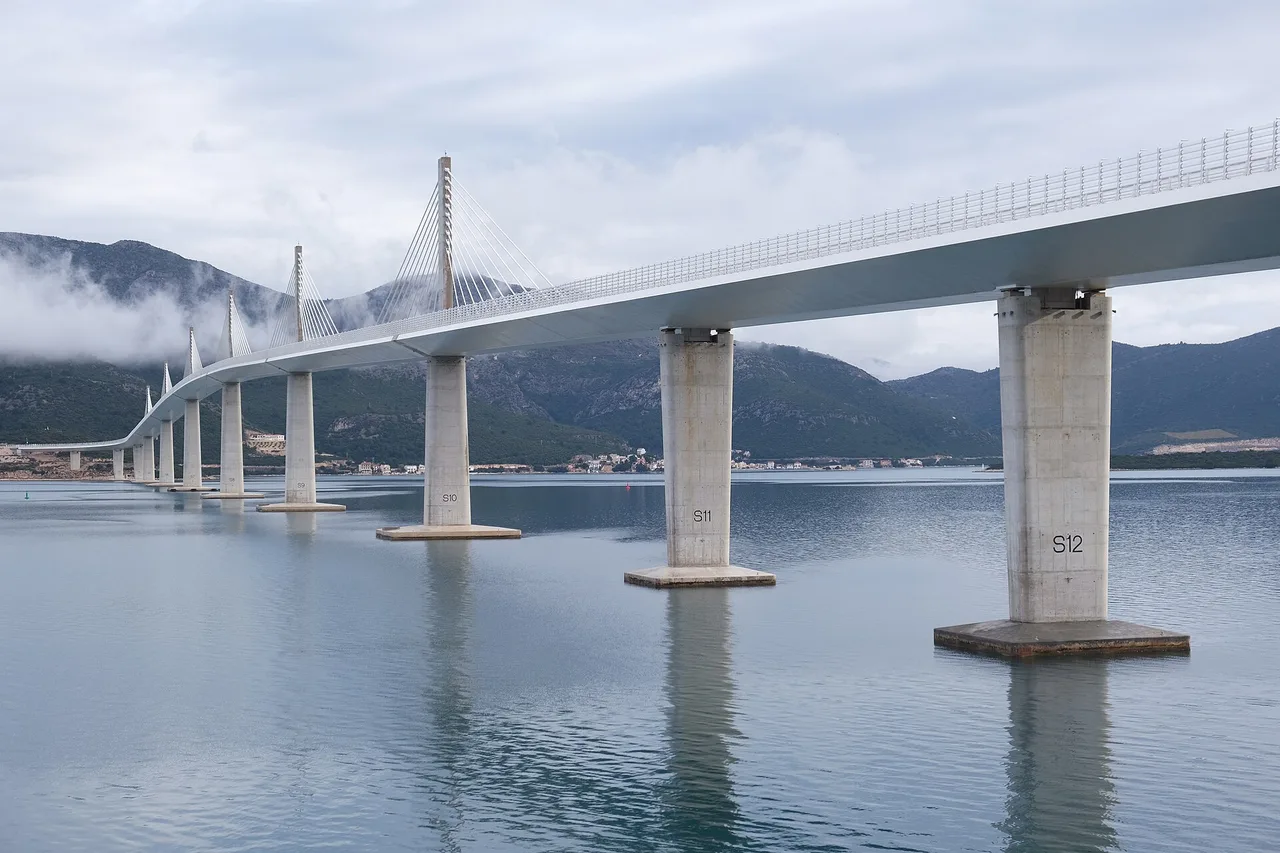
Then comes the key point of the route: the Pelješac Bridge. It is 2.4 kilometres long and has been open since July 2022. Before that, you had to go through Neum, a short stretch of coast that belongs to Bosnia and Herzegovina. Since Croatia joined the Schengen area on 1 January 2023, this is a real external border, with checks on the way out and on the way in.
📌 Our advice: take the bridge. The Neum route is only a few kilometres shorter and barely faster when there is no queue. But in summer, cars back up at the border. The bridge has no border at all.
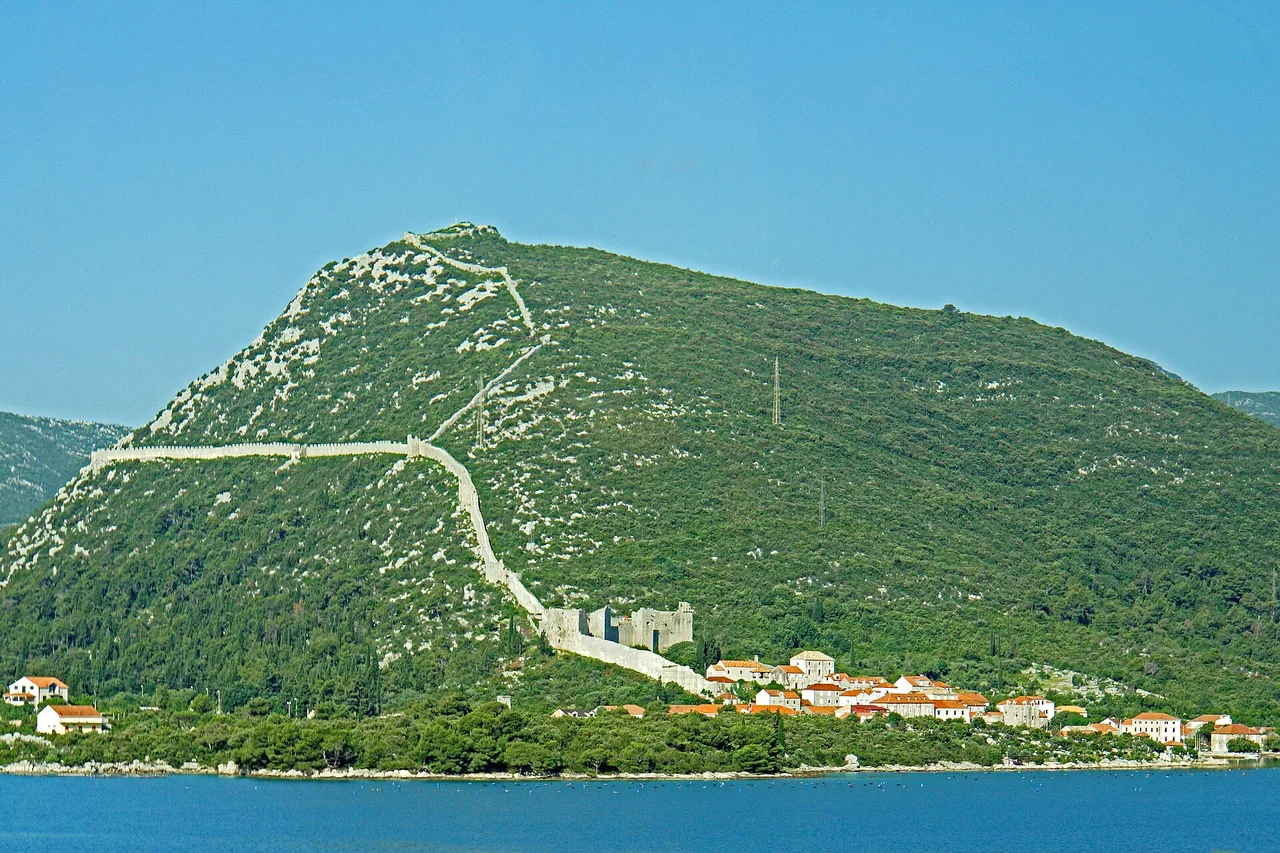
On the peninsula lies Ston. Its 14th-century walls climb the hill all the way to Mali Ston. You can walk part of them – bring water, there are lots of steps. Oysters are farmed in the bay of Mali Ston, and lunch there is a classic.
In the afternoon, cross the peninsula to Orebić. From there, the car ferry gets you to Korčula in about a quarter of an hour.
Day 5: Korčula, then Dubrovnik
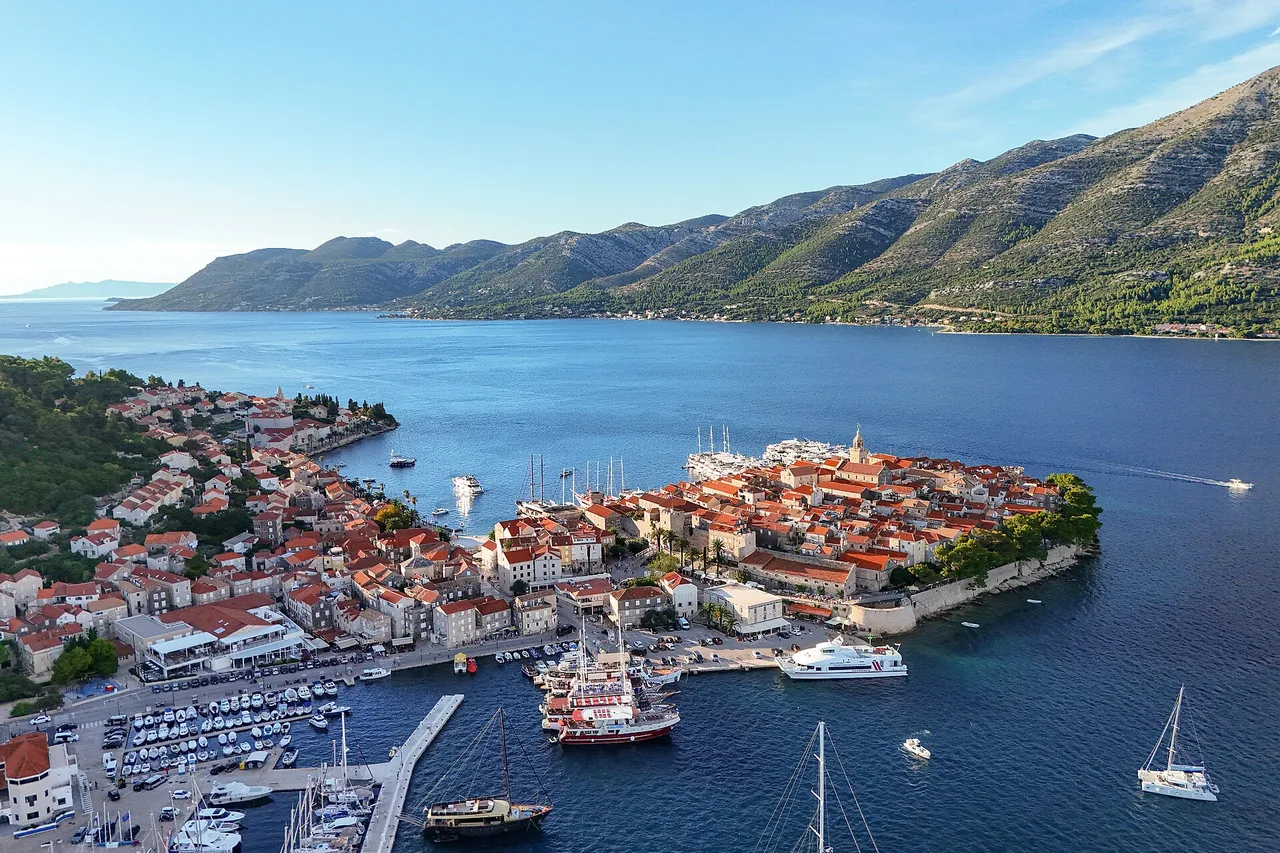
Korčula town sits on a small peninsula, ringed by walls. Its lanes are laid out like a fishbone: one main street, with side lanes branching off left and right. In the morning, before the excursion boats arrive, the town is at its best.
Around midday, take the ferry back to Orebić and drive on to Dubrovnik. Drop the car off there: you won't need it in the old town, and parking is expensive and scarce.
Good to knowIn high season, cars get booked up fast and prices rise as the dates approach. Comparing local rental companies before you go lets you lock in the car and the rate in Croatia, with deposit and insurance shown upfront.
Rent a car in CroatiaCompare rental companies on Discover Cars💶 A word on the car: picking it up in Split and returning it in Dubrovnik is a one-way rental. Many companies charge extra for that. Compare the total price, not just the daily rate.
Days 6 and 7: Dubrovnik
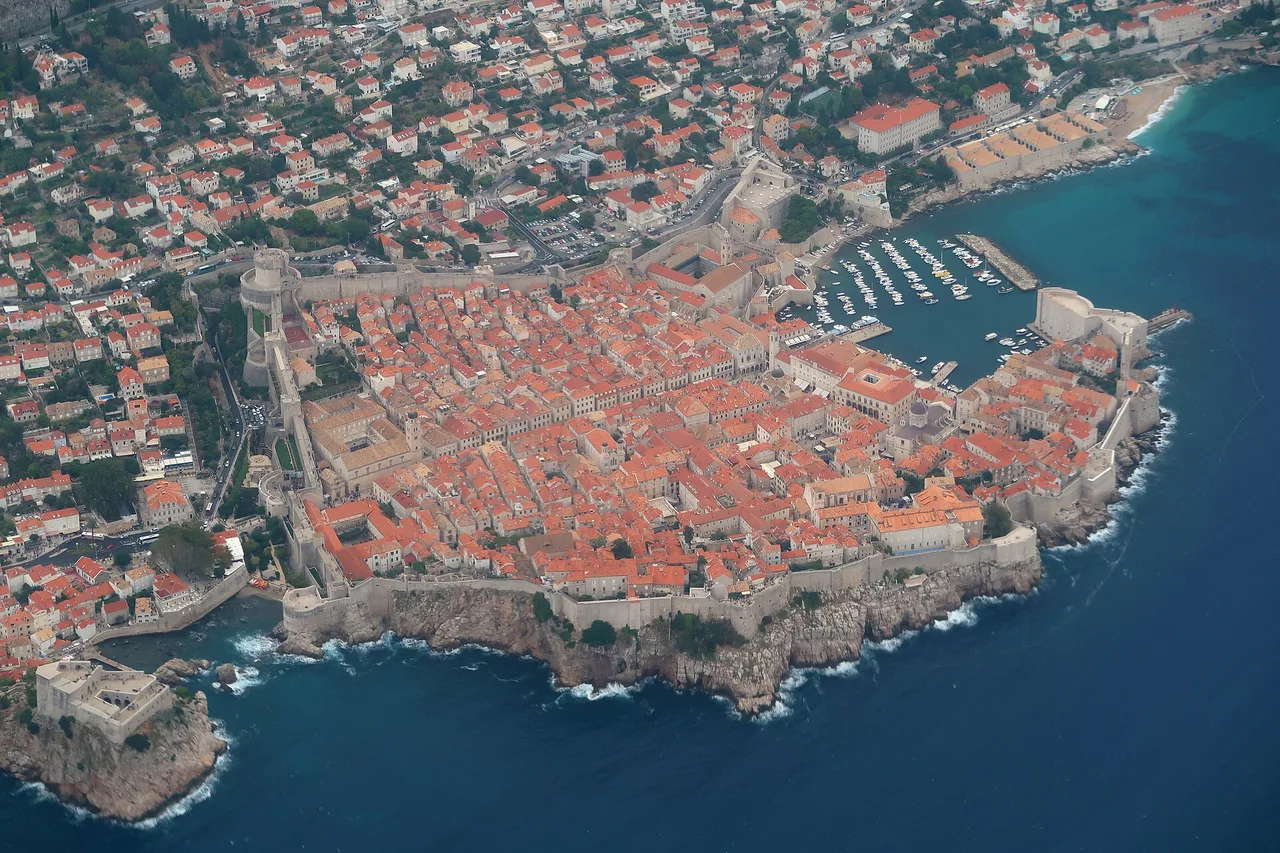
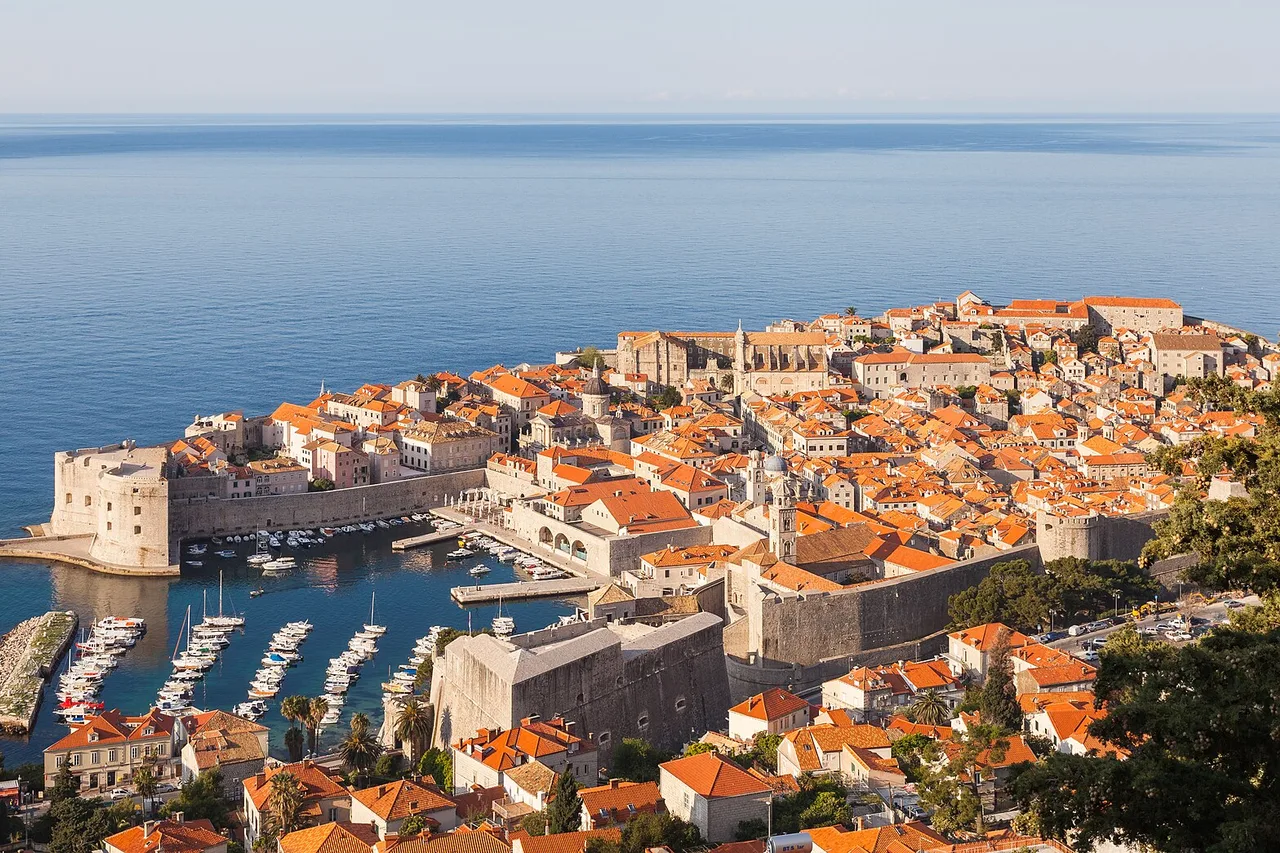
Dubrovnik's old town has been a UNESCO World Heritage site since 1979. The highlight is the city walls: just under two kilometres around the old town, with views over the roofs and the sea. Allow an hour and a half to two hours.
| Ticket | Price |
|---|---|
| Adults | €40 |
| Children aged 7 to 18 | €15 |
| Under 7 | free |
Go early. In June and July the walls open at 8 am. It is still cool then, and there are fewer people up top. At midday there is hardly any shade. Good to know: the ticket also covers Fort Lovrijenac, within 72 hours, so you can visit it in the afternoon or the next day.
Day 7 is your free day. Two ideas: a boat from the old harbour to Lokrum island, with its woods, rocks to swim from and peacocks. Or the cable car up Srđ, the mountain above the city, for a view of the whole old town. Then it's off to the airport.
The itinerary without a car
You can do it without a car too, but only in season. The line 842 catamaran (TP Line) links Split, Milna, Hvar, Korčula and Dubrovnik. In 2026 it ran from 1 April to 31 October, and Split – Dubrovnik cost €50. The 2027 timetables have not been published yet; they usually come out in spring.
For Krka, book an organised trip from Split instead. Ston usually drops out without a car – unless you visit it on a trip from Dubrovnik. Out of season, buses run along the coast, but Korčula island becomes harder to reach.
Three mistakes that cost you the week
1. Moving every day. Sleeping in a different town every night means spending the week on luggage and check-ins. Three bases are enough. Split is the right base for Krka and Hvar.
2. Driving through Neum without ID. Even if you plan on the bridge, the sat-nav sometimes routes you through Neum. There are border checks there. Always keep a passport or ID card in the car, for every passenger.
3. Walking the walls at noon. In summer the walls are hot and crowded, with almost no shade. Go at opening time or late in the afternoon. And bring water: on nearly two kilometres with lots of steps, you will need it.
📌 One last money tip: Croatia has used the euro since 2023, so there is no currency to change for travellers from the eurozone.
In short
A week from Split to Dubrovnik works well if you only check in three times. Three nights in Split with Krka and Hvar, one night on Korčula after Ston and the Pelješac Bridge, two nights in Dubrovnik. Take the bridge rather than Neum, and climb the walls early.
Without a car, the catamaran takes you in season from Split to Dubrovnik via Hvar and Korčula. More Croatia articles are on the way: Plitvice, choosing an island and where to stay in Dubrovnik.