Ten days on the road in Croatia cost two people roughly €1,700 to €2,500 in summer – before flights and car hire. In shoulder season it is closer to €1,400 to €2,000. Here is where that total comes from, which item weighs the most and where you can really save.
The short answer: the budget at a glance
For this budget we priced a real route: two people, ten days, nine nights, driving from Zagreb to Dubrovnik. Every price was checked in November 2026. Flights and car hire are not in the total because they vary too much with your departure city and booking date – more on that below.
| Item | High season (July–August) | Shoulder season (May, June, Sept.) |
|---|---|---|
| Accommodation, 9 nights | €800–1,200 | €550–800 |
| Food and drink | €600–900 | €550–850 |
| Tickets (Plitvice, Krka, city walls) | €190–240 | ≈ €170 |
| Split – Hvar catamaran, return | €40 | ≈ €26 |
| Fuel (≈ 750 km) | €70–90 | €70–90 |
| Tolls | €25–40 | €25–40 |
| Total for two | ≈ €1,700–2,500 | ≈ €1,400–2,000 |
Per person per day, that is about €85 to €125 in summer and €70 to €100 in shoulder season. The key finding: bed and plate make up around 80% of the spend. That is where you save – not on tolls.
The route behind the numbers
The calculation follows a classic loop: one night in Zagreb, one at the Plitvice Lakes, one in Zadar, then Krka National Park on the way to Split (two nights), two nights on Hvar and finally two nights in Dubrovnik. That is about 650 kilometres of driving, around 750 with detours.
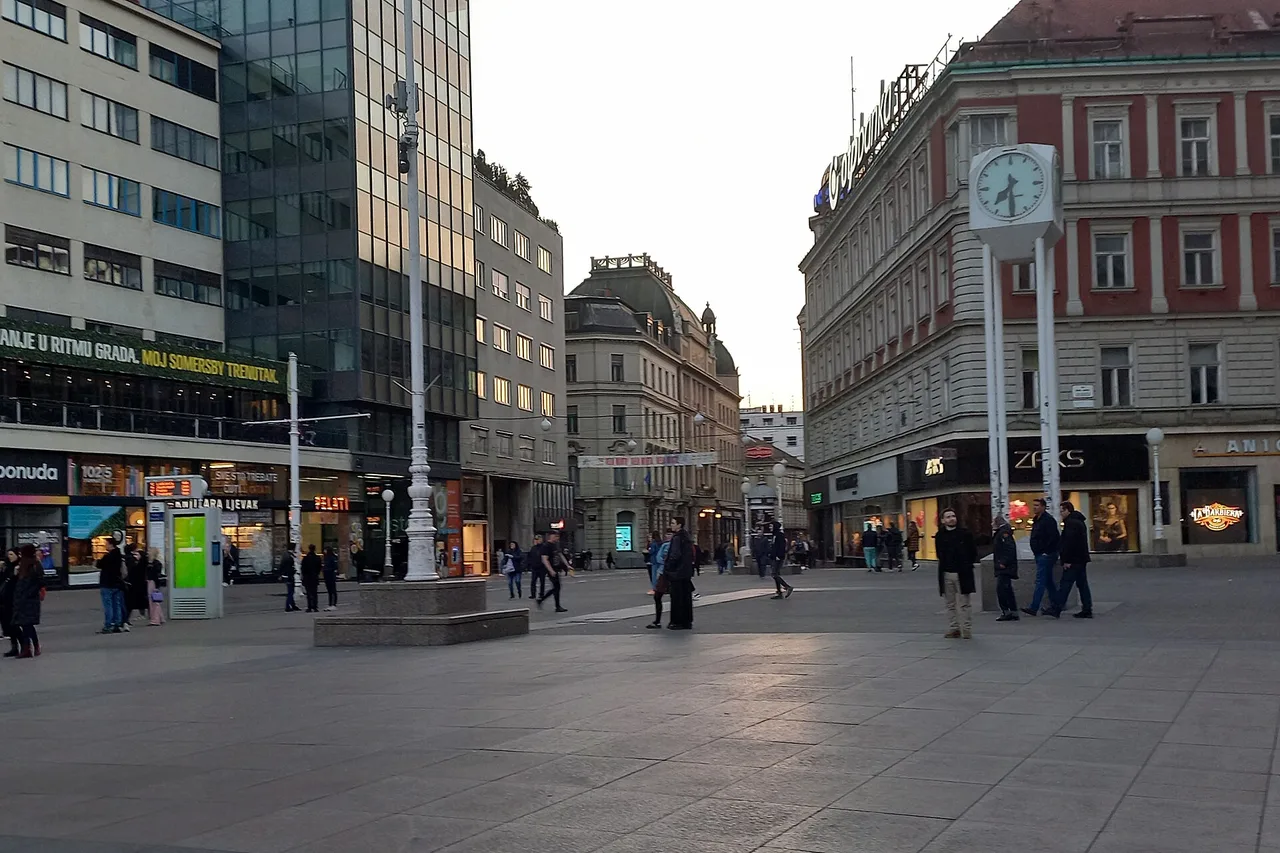
If you only have a week, the shorter version starting in Split is in our article Croatia in one week from Split to Dubrovnik. The daily cost stays similar – only Zagreb and Plitvice drop out.
Accommodation: the biggest item
In Dalmatia, a small apartment without a direct sea view usually costs €90 to €130 a night in July and August, and more like €60 to €90 in shoulder season. A room in a private home (the well-known “sobe”) is a little cheaper: around €65 to €100 in summer, €45 to €70 in May, June or September. Three-star hotels are well above that in high summer.
Two stops push the bill up: Dubrovnik and Hvar town. The same apartment costs noticeably more there than in Zadar or Split. For a cheaper, quieter Dubrovnik, the areas are compared in Where to stay in Dubrovnik; on Hvar, Stari Grad is usually cheaper than Hvar town.
Remember the tourist tax too: it is compulsory in Croatia, often included in the price, sometimes paid on arrival. Ask when you book.
Food and drink
A main course in a konoba (the typical family-run restaurant) usually costs €15 to €25; fish is often sold by weight and can cost much more. In Dubrovnik and on Hvar prices climb, with €18 to €40 per main course quite common.
The best trick is called marenda or ručak: the lunch menu many restaurants offer for about €8 to €13. Eat your hot meal at lunchtime, cook or picnic in the evening, and two people manage on about €60 a day. Eat out twice a day and allow €80 to €90 instead. Hence the €550 to €900 in the table.
The car: hire, fuel and tolls
Car hire is not in our total because its price depends too much on season, car class and booking date. Two things to know: in July and August the cheap cars go early, and a one-way rental (pick up in Zagreb, drop off in Dubrovnik) often carries an extra fee. Book early and compare car hire prices in Croatia, looking closely at the one-way fee and the excess.
Good to knowThat’s often where the nasty surprises hide. The comparison of local rental companies shows the deposit, insurance and excess for each car before you book — so you choose with your eyes open.
Rent a car in CroatiaCompare rental companies on Discover CarsFuel: a litre of Eurosuper 95 cost about €1.60 to €1.70 in November 2026; the government sets a maximum price, so pump prices are very similar. Assuming 6 litres per 100 km over about 750 km, that is 45 litres, or about €70 to €90.
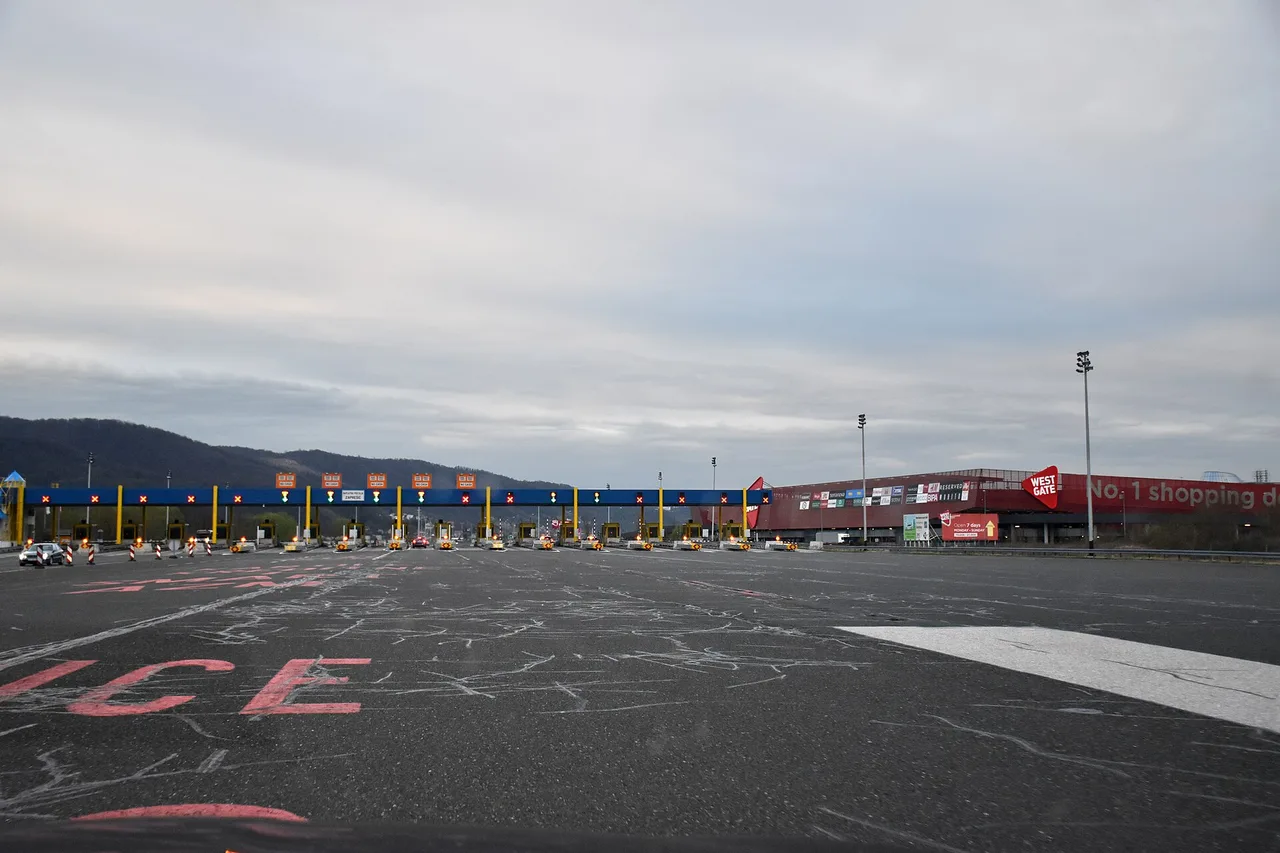
Tolls: Croatia has no vignette. You take a ticket when you join the motorway and pay at the exit, in cash or by card. The whole A1 from Zagreb to Split costs a car about €26 to €30 according to 2026 figures. Our route only uses the motorway for part of the way – the road to Plitvice is a national road – so we estimate €25 to €40. Add parking: €2 an hour in summer at the Plitvice Lakes, a lot more in Split and Dubrovnik.
Tickets: Plitvice, Krka and the city walls
The route’s three big tickets cost around €120 per person in summer, so €240 for two. With the right timing you can save a fifth of that.
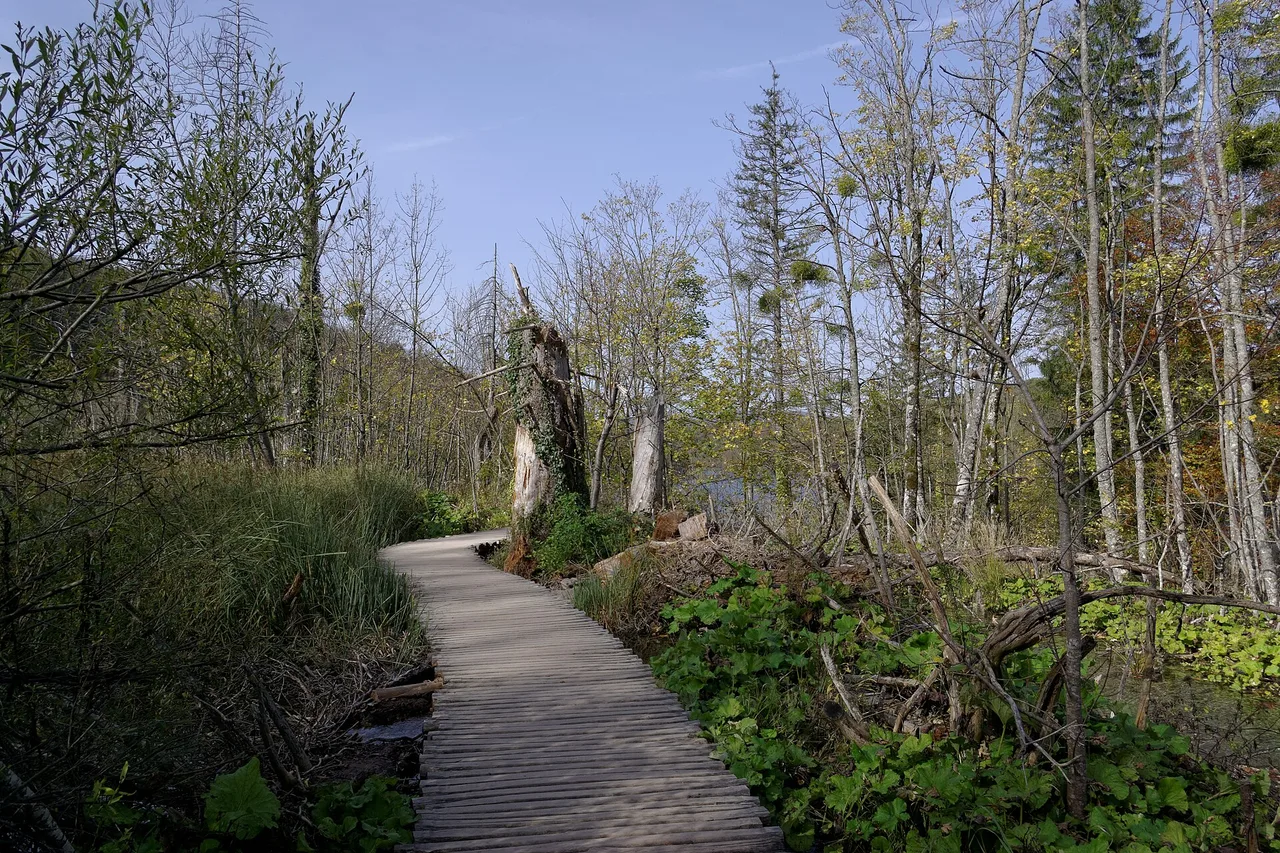
Plitvice Lakes: €40 per adult from June to September, €23 in April, May and October, €10 in winter. There is a cheaper afternoon ticket at €25: after 4 pm in June, July and August, after 3 pm in September. In summer, buy online in advance. Which trail to pick is explained in Plitvice Lakes: routes and tickets.
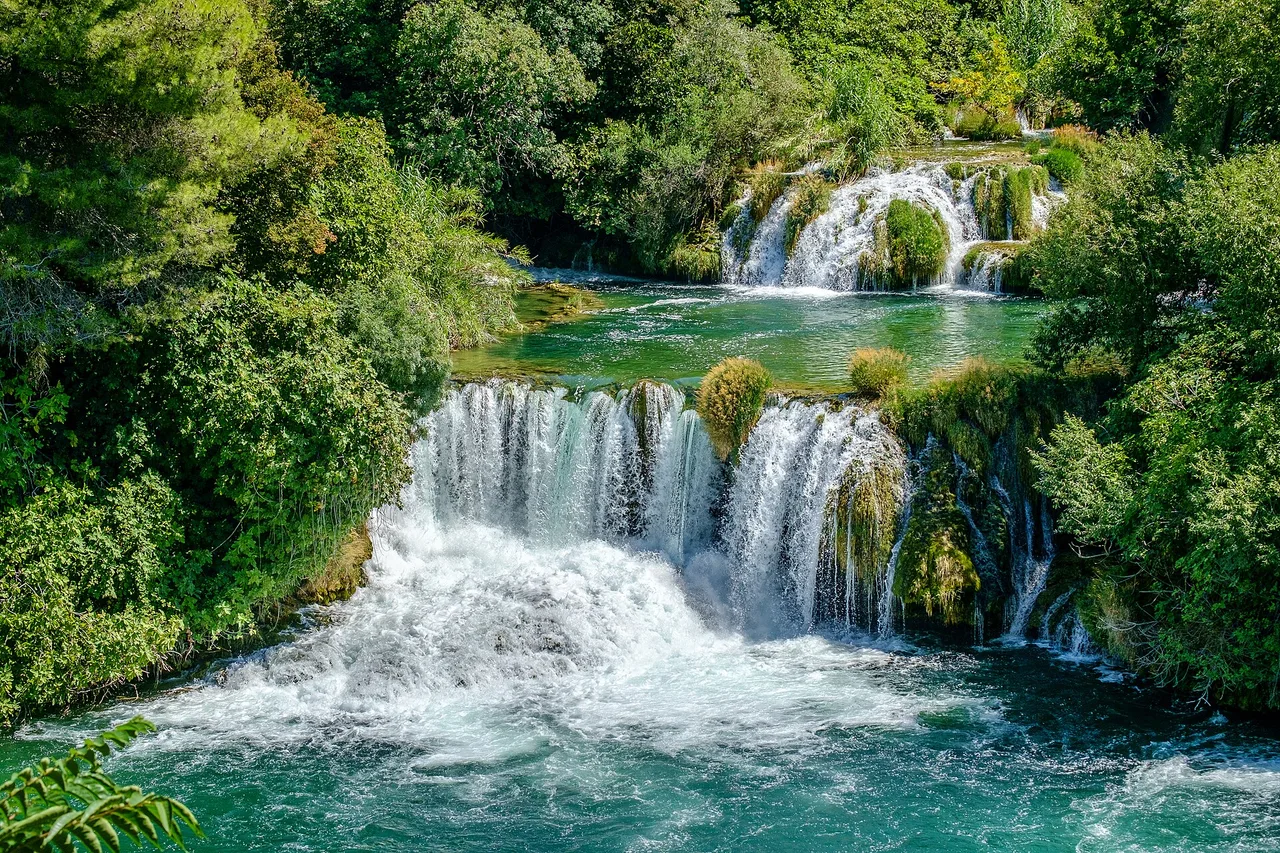
Krka National Park: about €40 per adult in summer, €30 for entry after 3 pm according to the official price list. In shoulder season the ticket is much cheaper, around €20.
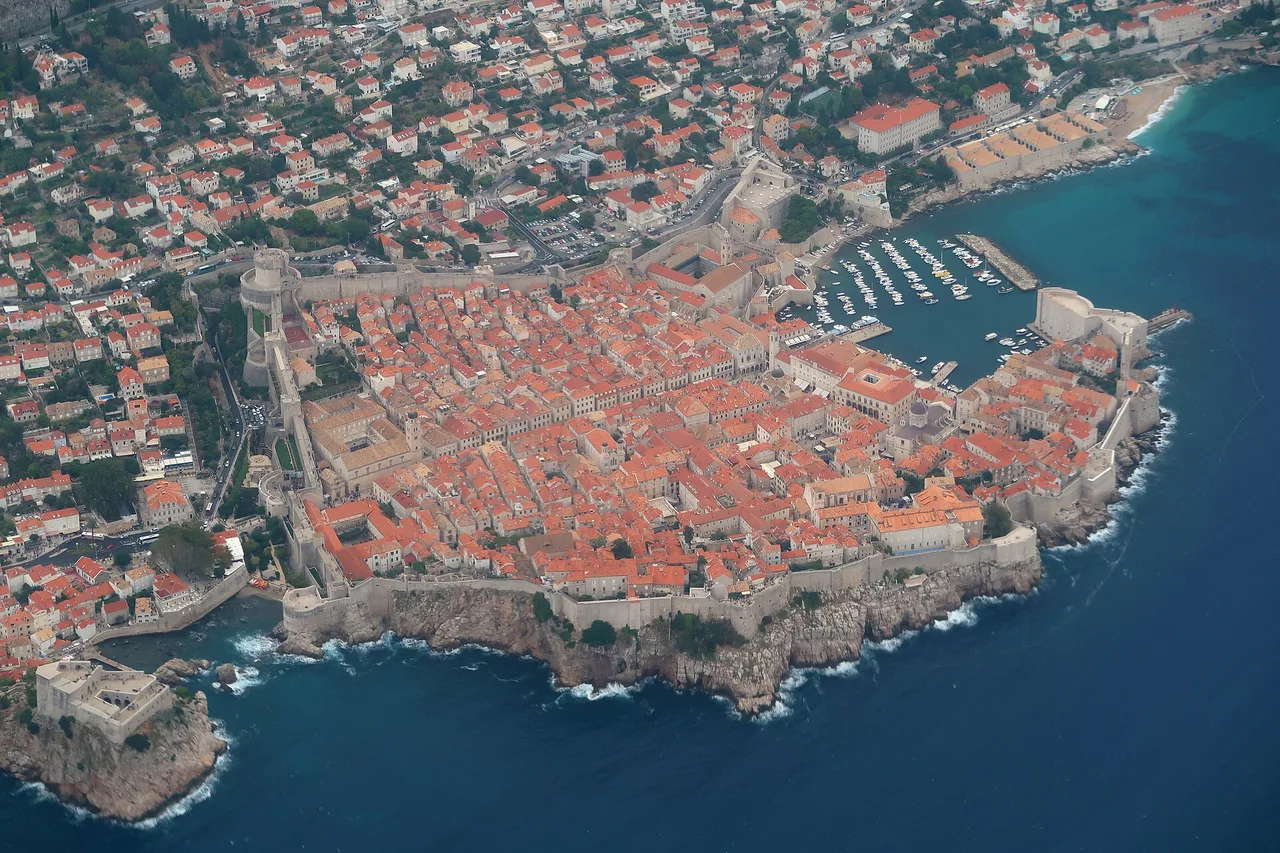
Dubrovnik city walls: €40 per adult according to most 2026 sources (a few say €35). The one-day Dubrovnik Pass also costs €40 and includes the walls plus museums and buses – if you plan to visit museums anyway, it is the better buy.
The boat to Hvar
For two nights on Hvar, the easiest option is to leave the car in Split. The Jadrolinija catamaran to Stari Grad costs, in 2026, €10 per adult each way in high season (29 May to 27 September) and €6.40 outside it. For two, return: €40 in summer, about €26 in shoulder season. Fast boats from other operators going straight to Hvar town cost more.
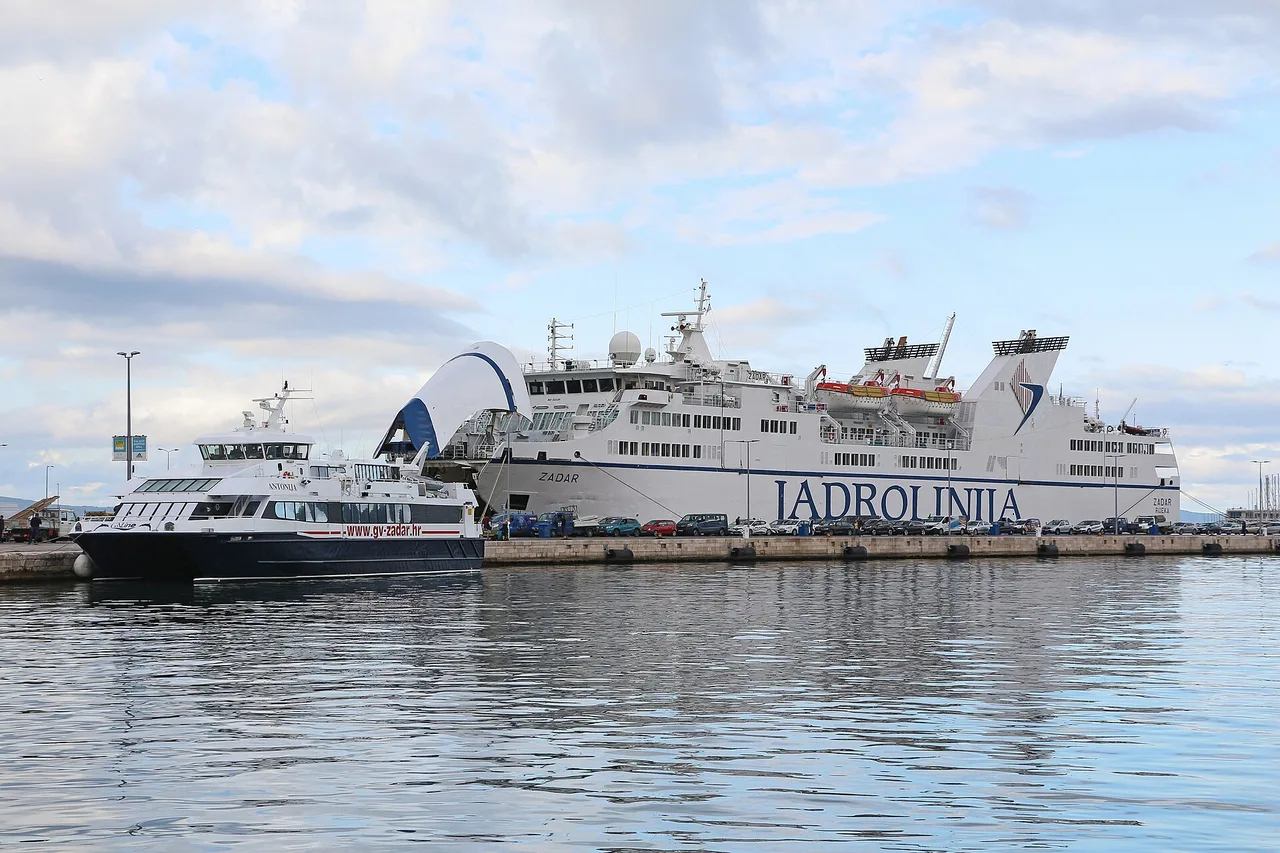
If you take the car, the vehicle alone costs €47.60 each way in high season and €35.60 in low season on the Split – Stari Grad ferry, plus passengers. In return you avoid parking in Split. To choose your island, see Hvar, Brač or Korčula: which island.
Split to Dubrovnik: free over the bridge
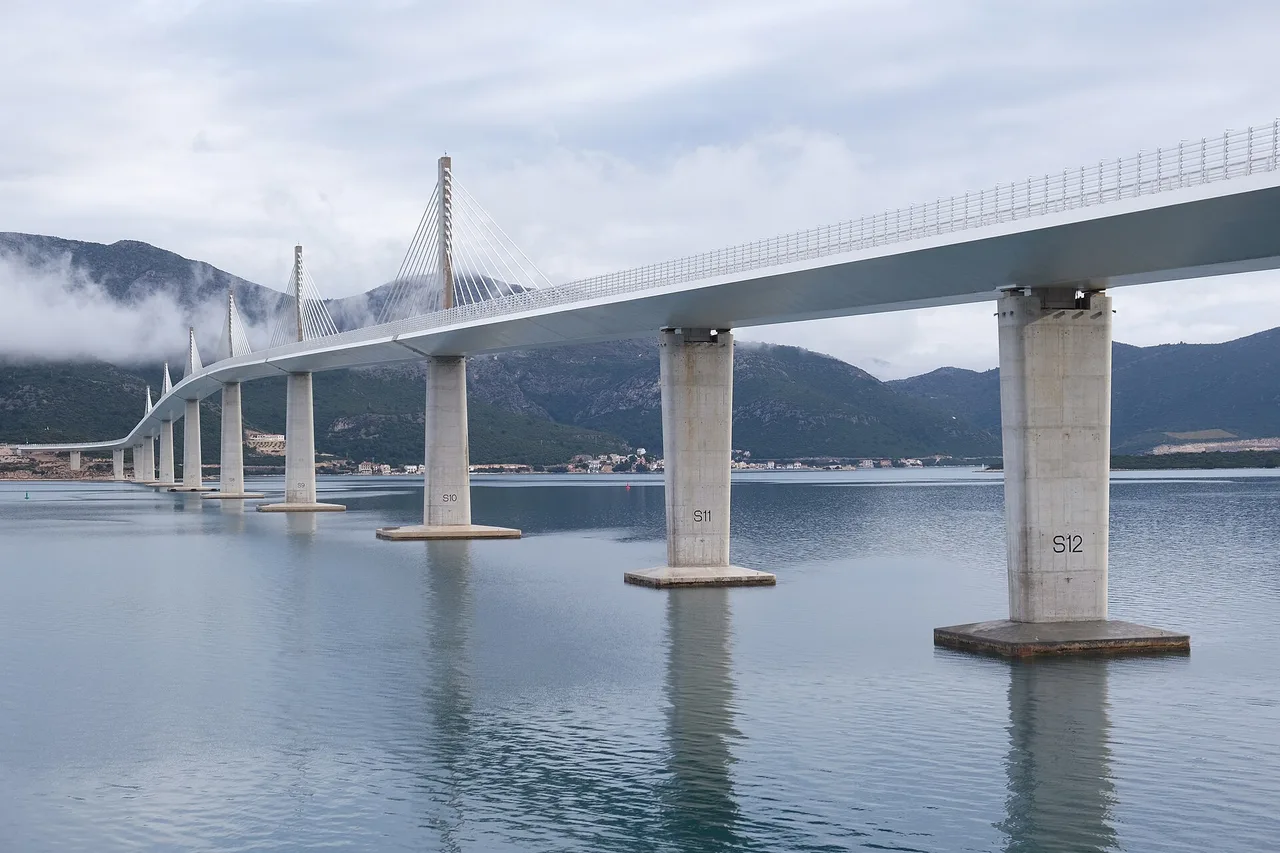
Since July 2022, the Pelješac Bridge has linked the mainland to the Pelješac peninsula across the sea. You no longer need to drive through the Neum corridor in Bosnia and Herzegovina. That saves two border checks – Croatia has been in the Schengen area since 2023, Bosnia and Herzegovina has not – and the bridge itself is toll-free.
Seven tips that really save money
1. Travel in June or September. Accommodation and tickets alone drop by several hundred euros, and the sea is warm.
2. Use the afternoon tickets. Plitvice in the afternoon and Krka after 3 pm save two people €50 in summer.
3. Eat your hot meal at lunch. The lunch menu often costs half as much as dinner à la carte.
4. Sleep next to the hotspot. Stari Grad rather than Hvar town, Lapad rather than Dubrovnik’s Old Town.
5. Book the car early and compare the one-way fee with a loop starting and ending in Split.
6. Leave the car on the mainland if you won’t drive much on the island.
7. Shop at the supermarket for breakfast and picnics – every mid-sized town has one.
In short
A ten-day road trip in Croatia costs two people about €1,700 to €2,500 in summer and about €1,400 to €2,000 in shoulder season, plus flights and car hire. Accommodation sets the budget, and the season sets the accommodation. All prices are rounded and based on 2026 rates: check tickets and boats on the official websites before you go.