Hvar, Brač and Korčula sit side by side, yet feel very different. Brač is the island of beaches and short ferries, Hvar of lavender and long evenings, Korčula of the old town and wine. Here is which one suits you, how to get there, and how to link two or three of them.
The three islands at a glance
All three lie in central Dalmatia, south of Split. Brač is closest, Hvar just behind, Korčula further south, already halfway to Dubrovnik. The difference is less the scenery than the pace: beach, evenings or old town.
| Brač | Hvar | Korčula | |
|---|---|---|---|
| Character | Beaches, white stone, villages | Lively town, lavender, coves | Old town, wine, quiet |
| Ferry from Split | about 50 min (Supetar) | just under 2 h (Stari Grad) | about 2 h 30 (catamaran) |
| Best-known spot | Zlatni Rat, Bol | Hvar town, Pakleni Islands | Korčula old town |
| Best for | Families, beach | Couples, nightlife | Culture, wine, calm |
📌 In short: Brač for an easy beach holiday from Split, Hvar for evenings on the harbour, Korčula for a beautiful old town and the road on to Dubrovnik.
Hvar: lavender, harbour and long evenings
Hvar town is the liveliest place on the three islands. Around the harbour: cafés, restaurants and bars, with a fortress above. In summer, evenings are busy. If you want quiet, stay elsewhere on the island.
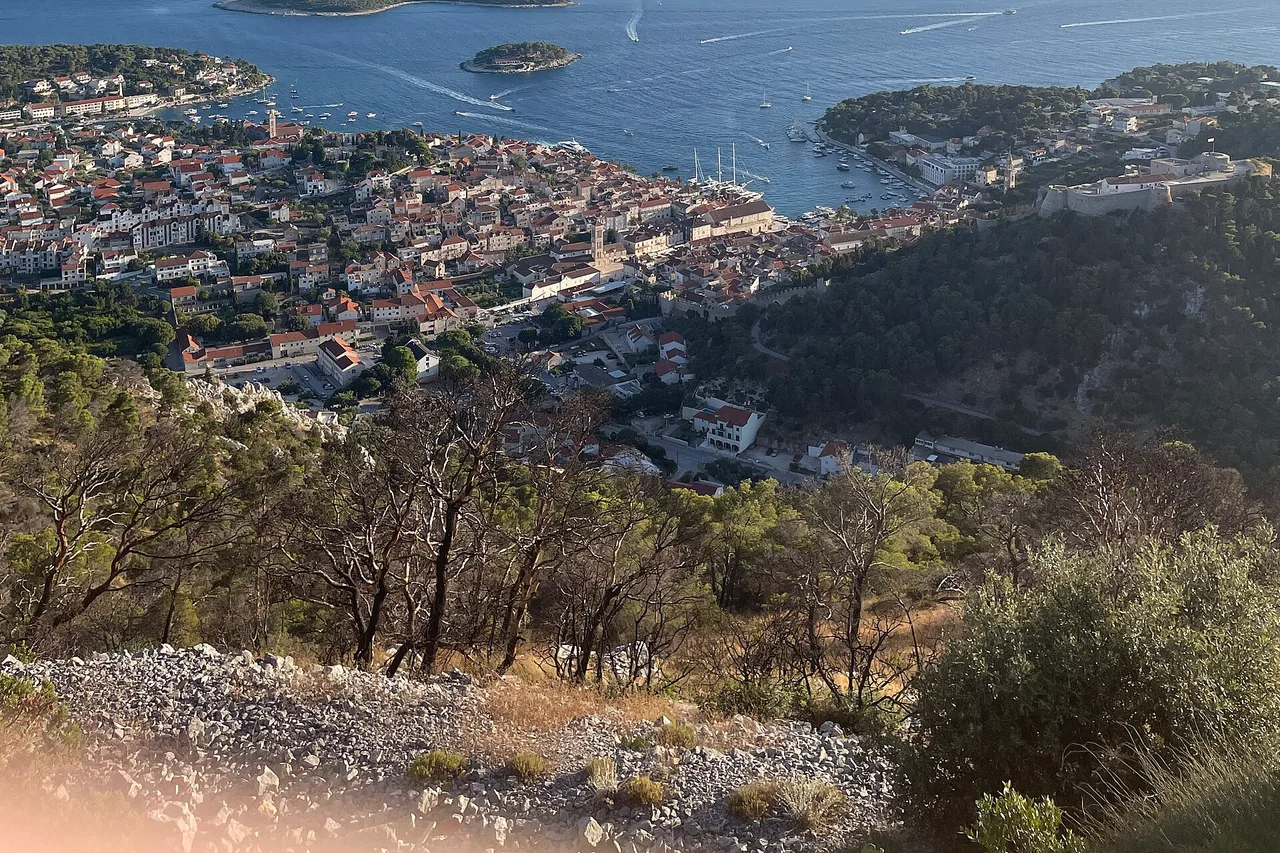
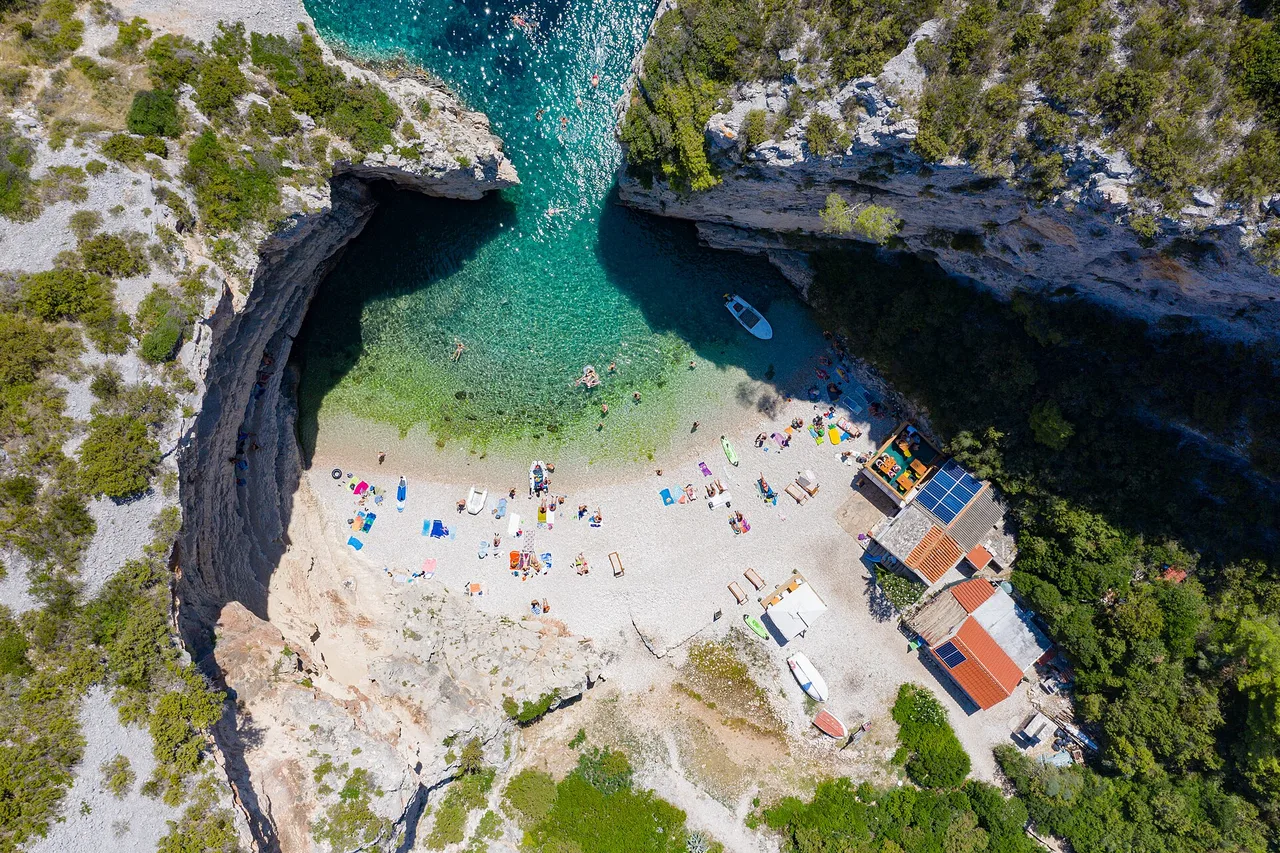
Opposite the town lie the Pakleni Islands: small wooded islands full of coves, a few minutes away by water taxi. That is the classic swimming day on Hvar.
Good to knowThe most relaxed option is to book your transfer before you go: a driver waits at the terminal exit, and the price is fixed in advance — no haggling on arrival.
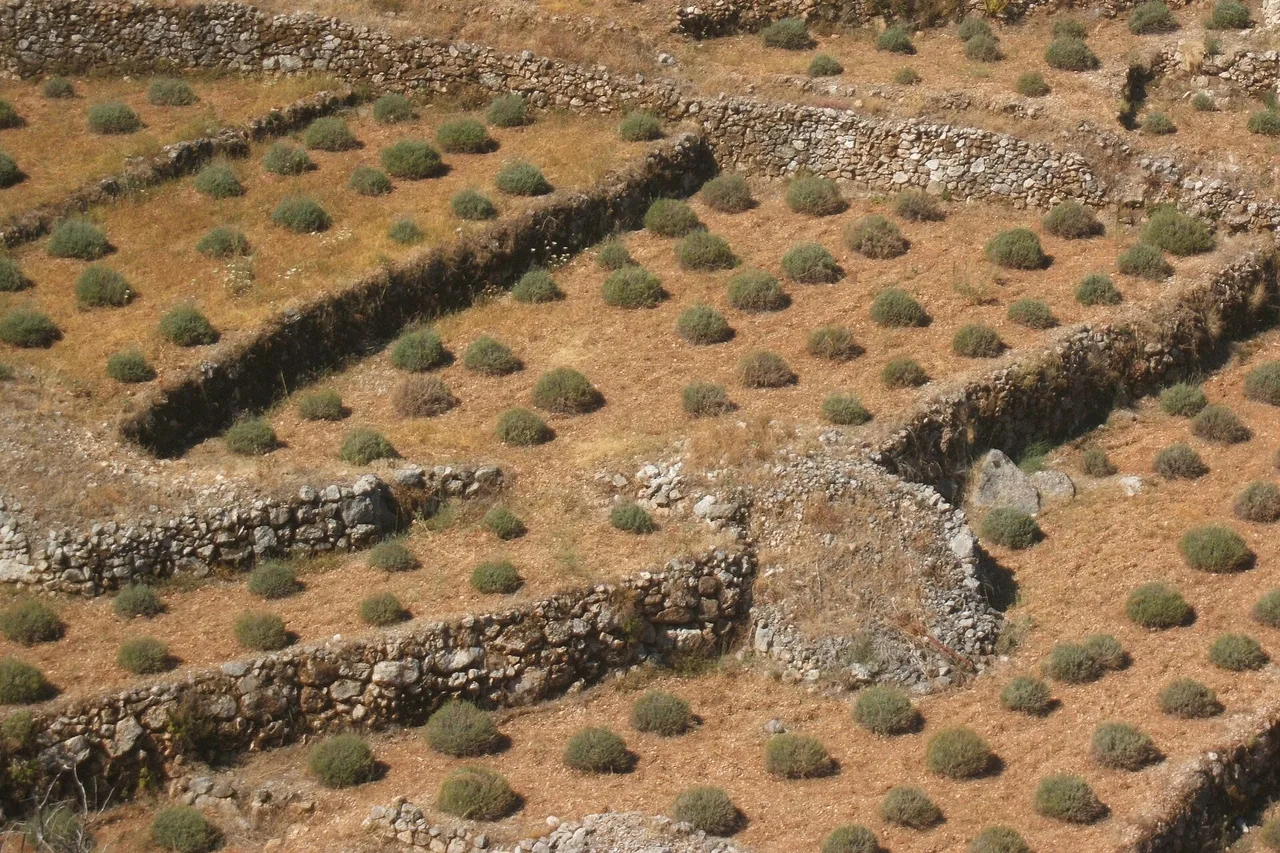
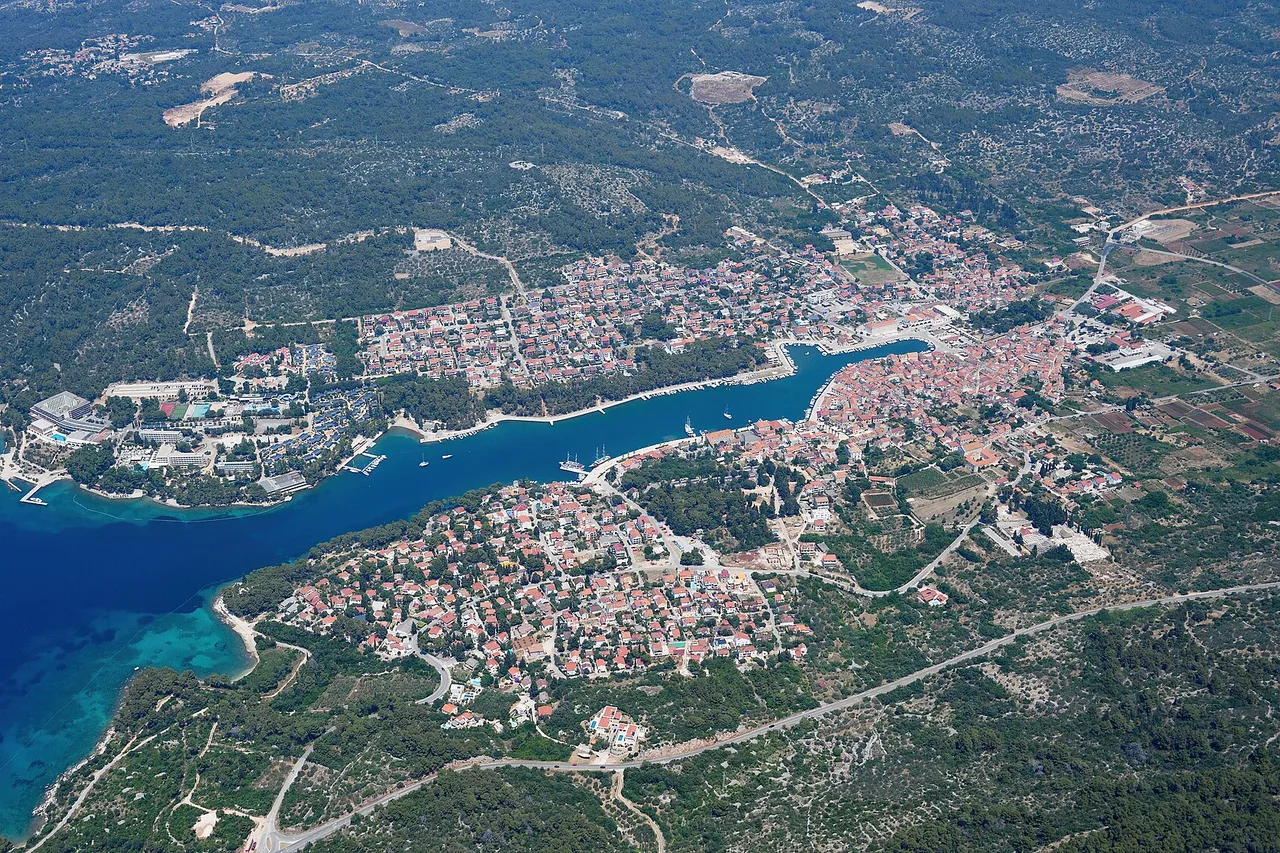
Airport transferPre-booked driver on KiwitaxiQuieter is Stari Grad, on the north side. The Greeks founded a town here, and the fields behind it, the Stari Grad Plain, have been a UNESCO World Heritage Site since 2008: their plots have barely changed since antiquity. Inland, lavender grows between dry-stone walls; it flowers in early summer.
Brač: Zlatni Rat and white stone
Brač is the largest island in Dalmatia and the quickest to reach: the Split–Supetar car ferry takes about 50 minutes. That makes it ideal for families, or for a first island stay.
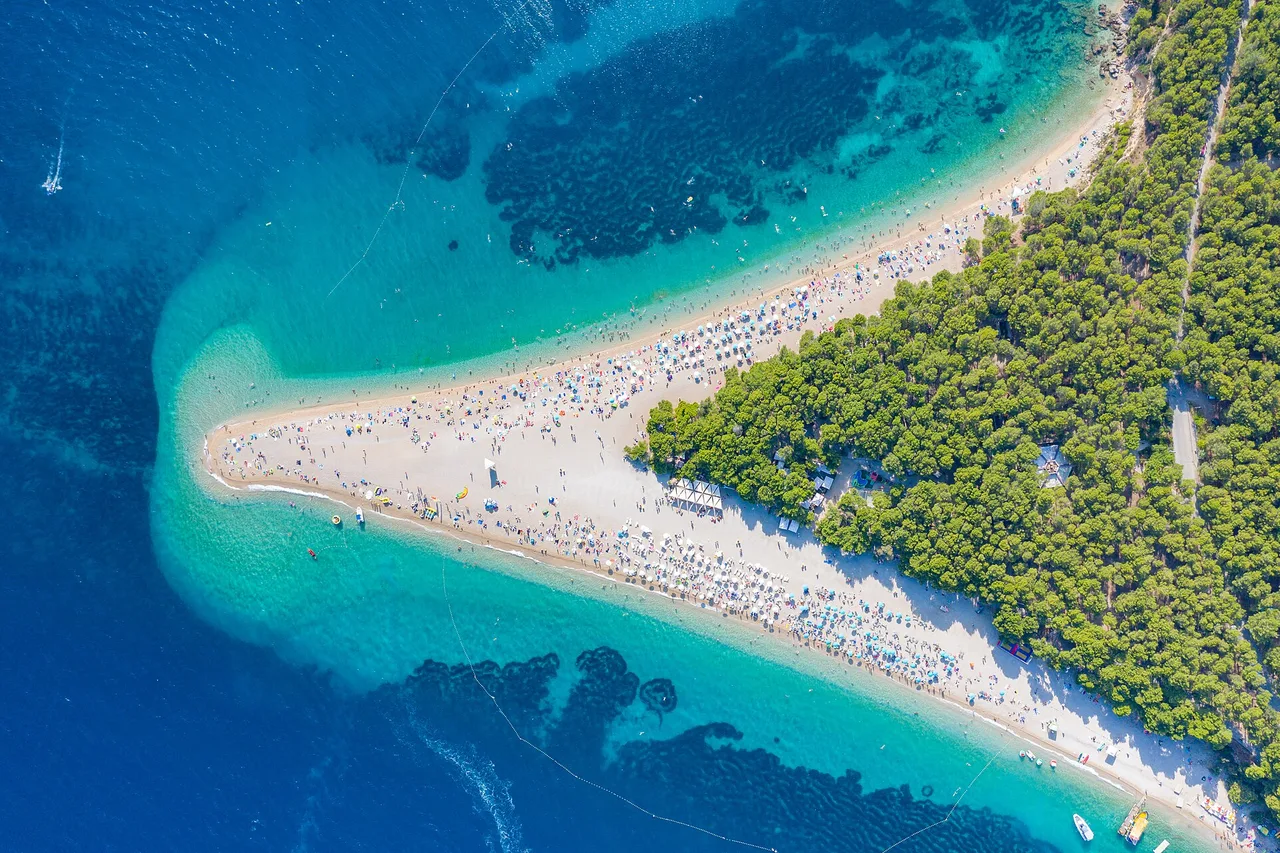
Its emblem is Zlatni Rat beach near Bol, in the south: a spit of fine pebbles that shifts shape slightly with wind and current. Above it rises Vidova Gora, 778 metres, the highest peak of all the Adriatic islands. Bol is also a well-known windsurfing spot.
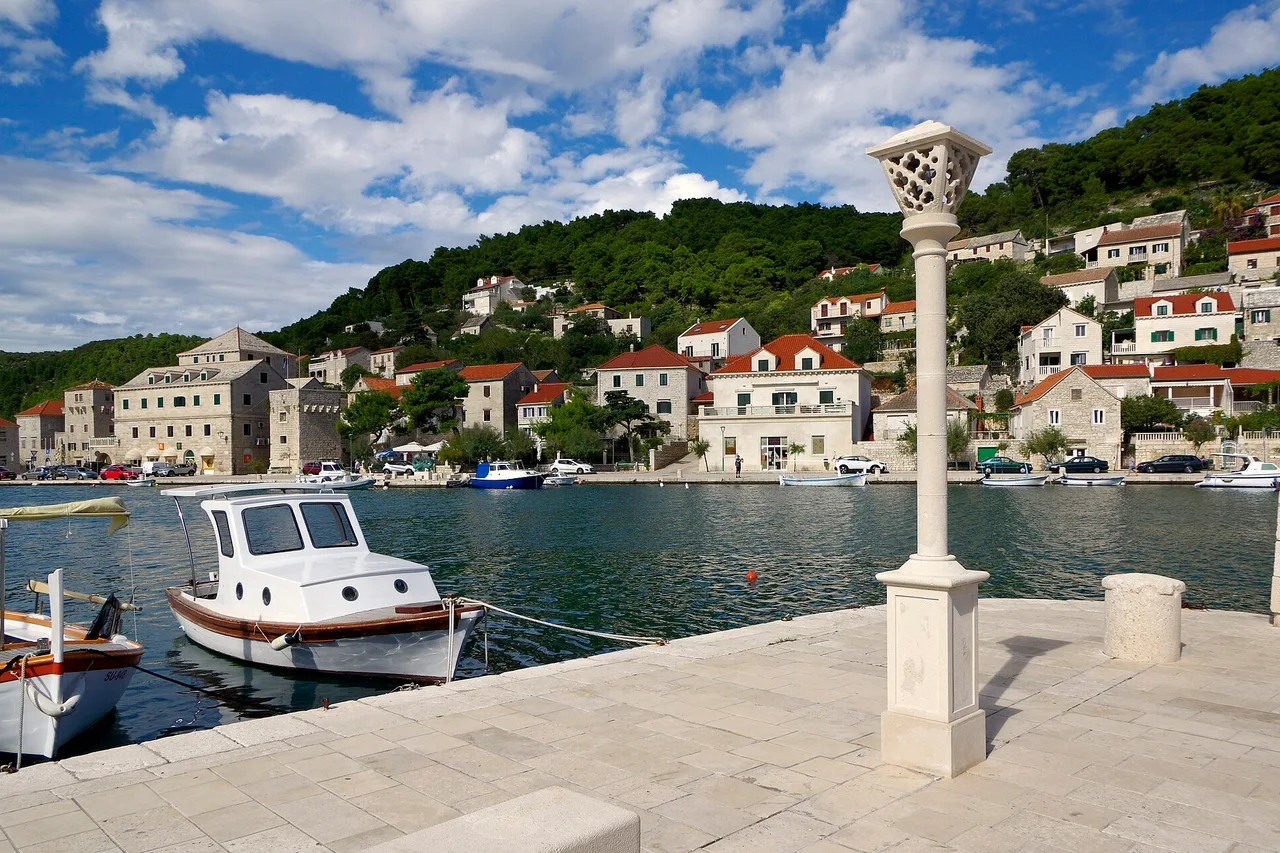
Brač is also the island of white stone. In Pučišća, on the north coast, it has been quarried and carved for centuries; the village and its bright harbour are worth a detour.
And Brač is the answer to “which Croatian island has an airport”: above Bol there is a small airport, mainly served in summer, roughly from late May to September.
Korčula: old town, wine and the way to Dubrovnik
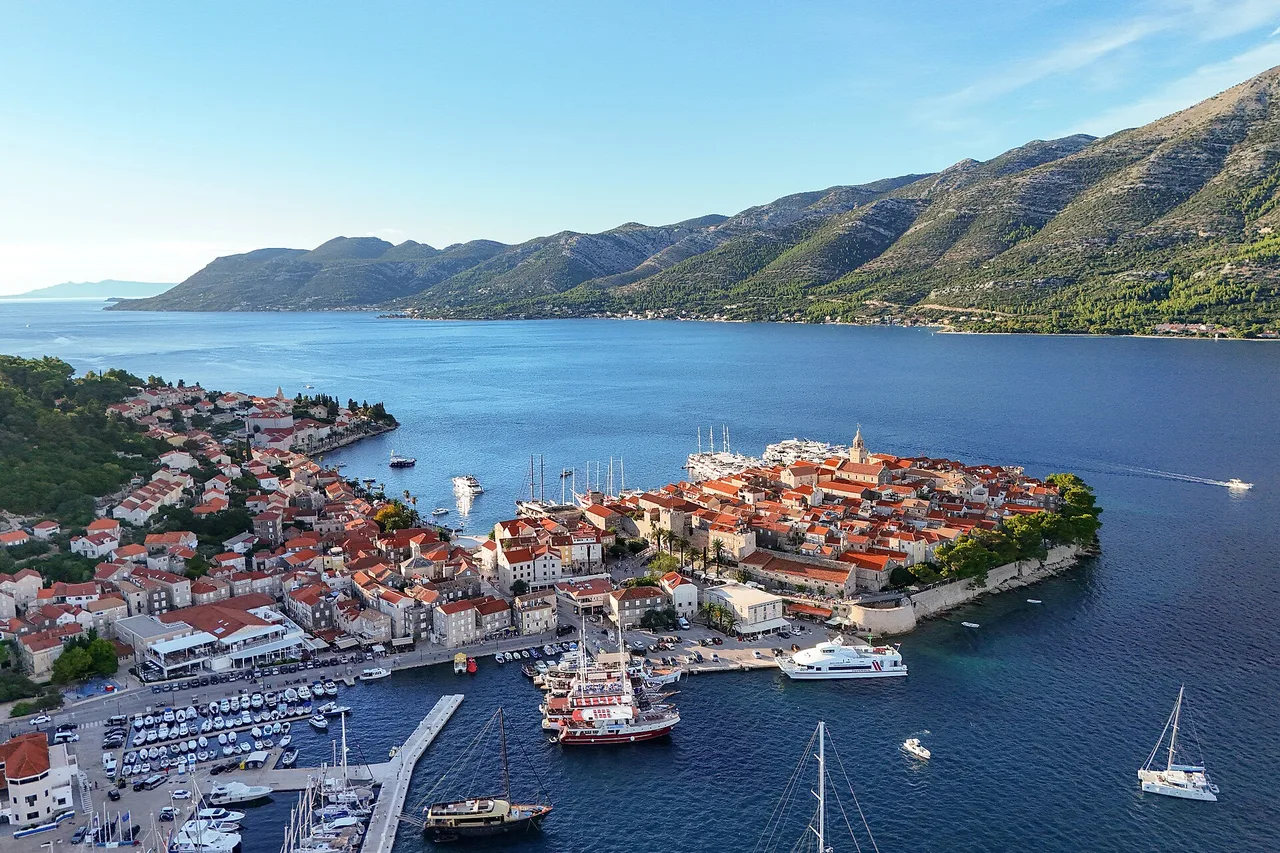
Korčula old town sits on a small peninsula, almost entirely surrounded by sea. Its lanes are laid out like a fishbone, to spread wind and shade. In summer, the Moreška, an old sword dance, is performed here.
In the east of the island, Lumbarda is known for its white wine, Grk, and for sandy beaches – rare in Dalmatia, where pebbles are the rule. If you are looking for “a Croatian island with sand”, this is one answer.
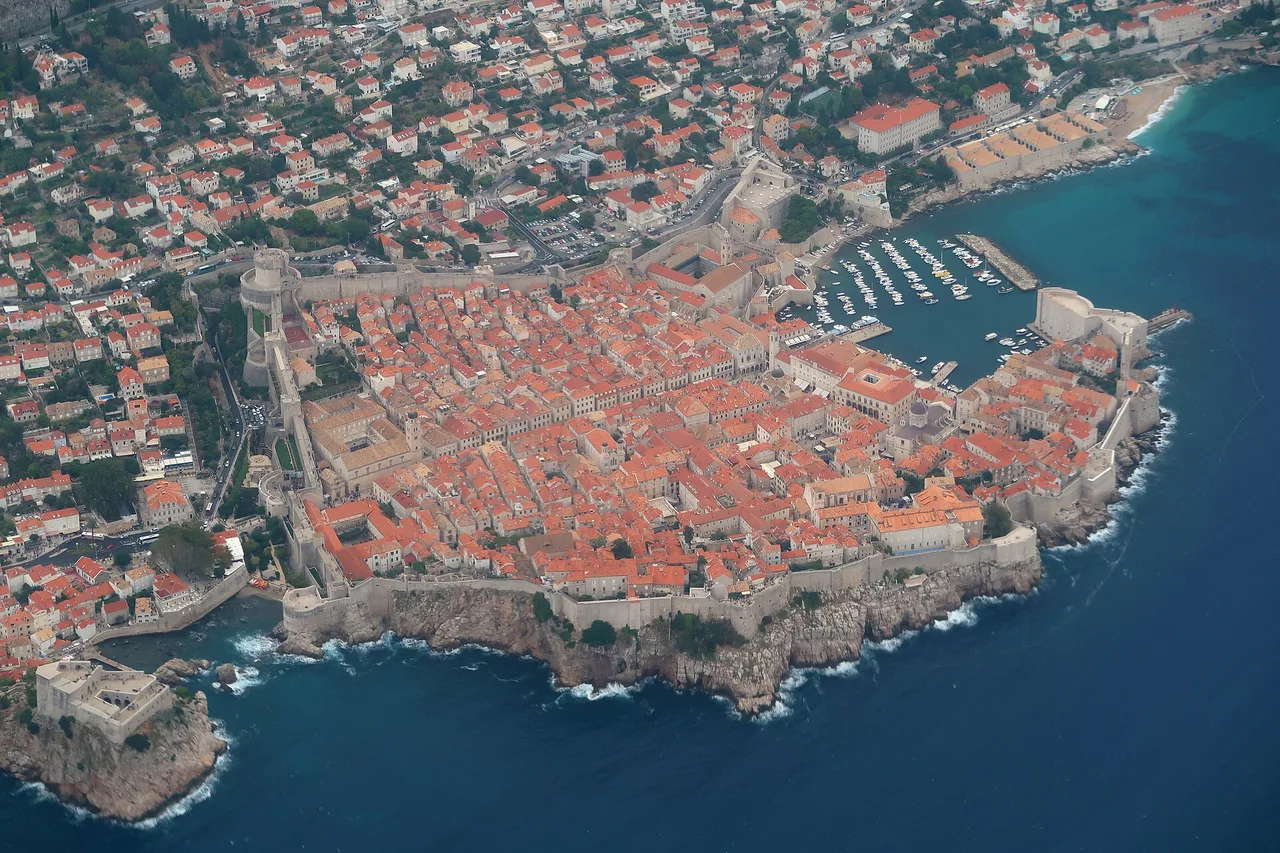
Korčula's big advantage: it is close to Dubrovnik. From Orebić, on the Pelješac peninsula, the ferry crosses in about 20 minutes. And since the Pelješac Bridge opened in 2022, you can drive from Dubrovnik to Orebić without passing through Bosnia and Herzegovina (Neum).
Getting there: ferries and airport
Almost every traveller lands in Split (or Dubrovnik for Korčula). From there:
| Island | Connection | Time (approx.) |
|---|---|---|
| Brač | Car ferry Split – Supetar | 50 min |
| Hvar | Car ferry Split – Stari Grad | just under 2 h |
| Hvar | Catamaran Split – Hvar town (no cars) | depends on the line |
| Korčula | Catamaran Split – Korčula town | about 2 h 30 |
| Korčula | Ferry Orebić – Dominče | about 20 min |
Timetables change with the season: there are far more sailings in summer than in winter. Check current times with the Jadrolinija ferry company or the catamaran operators. With a car in high summer: be at the port early, space is limited.
Good to knowIn high season, cars get booked up fast and prices rise as the dates approach. Comparing local rental companies before you go lets you lock in the car and the rate in Croatia, with deposit and insurance shown upfront.
Rent a car in CroatiaCompare rental companies on Discover CarsDo you need a car? On Brač and Hvar, yes, if you want to explore beaches and villages off the beaten track. If you only stay in Hvar town or Korčula old town, catamaran, bus and water taxi are enough.
Which island for whom?
With children: Brač. Short crossing, gently shelving pebble beaches, many villages right on the water.
As a couple who like evenings out: Hvar. Hvar town at night, the Pakleni Islands by day.
For old streets, wine and calm: Korčula. And it is the shortest route if you are heading on to Dubrovnik.
Only a few days, little planning: Brač, thanks to the short, frequent ferry from Split.
Where to stay on each island? On Brač, Supetar is practical, right at the ferry port from Split; Bol, in the south, is closer to Zlatni Rat but further from the ferry. On Hvar, Hvar town puts you in the middle of the action, while Stari Grad or Jelsa on the north coast are much quieter. On Korčula, stay in or right next to the old town; for beaches and vineyards, choose Lumbarda.
One last tip on timing: in July and August all three islands are full and the ferries are busy. In June and September the sea is warm, the harbours are calmer and it is easier to get a place on the car ferry.
Combining two or three islands
The three islands sit almost in a line between Split and Dubrovnik. One week is enough for all three: for example two nights on Brač, three on Hvar, two on Korčula, then Dubrovnik. The driving route, stage by stage, is in our article Croatia in one week, from Split to Dubrovnik.
A common mistake: changing island every day. Each crossing costs half a day of packing, waiting and getting to the port. Two to three nights per island is a good minimum.
In short
Brač for beaches and short trips, Hvar for evenings, lavender and coves, Korčula for the old town, wine and being close to Dubrovnik. None is “the most beautiful” – but one will suit your trip better.
From Split, ferries take from 50 minutes (Brač) to about two and a half hours (Korčula). In summer, book early and be at the port early. Coming soon on this blog: where to stay in Dubrovnik.