Egypt costs less than most people think — as long as you know where the money goes. One part is fixed and the same for everyone: the visa and the tickets for the big sites, about 88 euros plus 30 US dollars. The rest is up to you: your bed, your meals, your transport. Here are the numbers for a 10-day trip, line by line.
How much does Egypt cost? The short answer
An Egypt budget splits in two. The fixed part is the same for everyone: the visa and the site tickets. The variable part depends on how you travel: hotels, food, getting around. The fixed part can be costed to the pound. For the variable part, we give the ranges that several 2026 guides agree on.
| Budget | Mid-range | |
|---|---|---|
| Per day (bed, food, transport) | $30 to $50 | $80 to $150 |
| Visa + 7 sites | about $133 | about $133 |
| 10 days in total | about $430 to $630 | about $930 to $1,630 |
The figures are in US dollars because that is how the guides count and because the dollar is the reference currency for tourism in Egypt. Not included: your flight to Egypt, a domestic flight and the Nile cruise. These three vary so much by season and seller that a number here would mislead more than help. To fit them into ten days, follow our 10-day Egypt itinerary.
A word on the exchange rate: in September 2026, one euro bought about 59 Egyptian pounds. In this article we use 1 euro ≈ 60 EGP and 1 US dollar ≈ 51 EGP. These are orders of magnitude, not today's rate: the pound has moved a lot in recent years.
The visa: what it costs and where to pay
British, Irish, American and most European travellers need a visa. The visa on arrival has cost $30 since 1 March 2026, up from $25. You buy it at the airport, at a bank counter before passport control, in US dollars or euros. Have the exact amount ready: change is not always given.
There is also an e-visa, applied for before you travel on the official site visa2egypt.gov.eg. Its price varies between sources. The real advantage is elsewhere: you skip the queue at the counter. Either way, your passport must be valid for at least six months after entry.
Watch out for sites that look like the official portal but add a fee. A visa that cost several times $30 was almost always bought through a middleman.
Entry tickets: the one cost that is the same for everyone
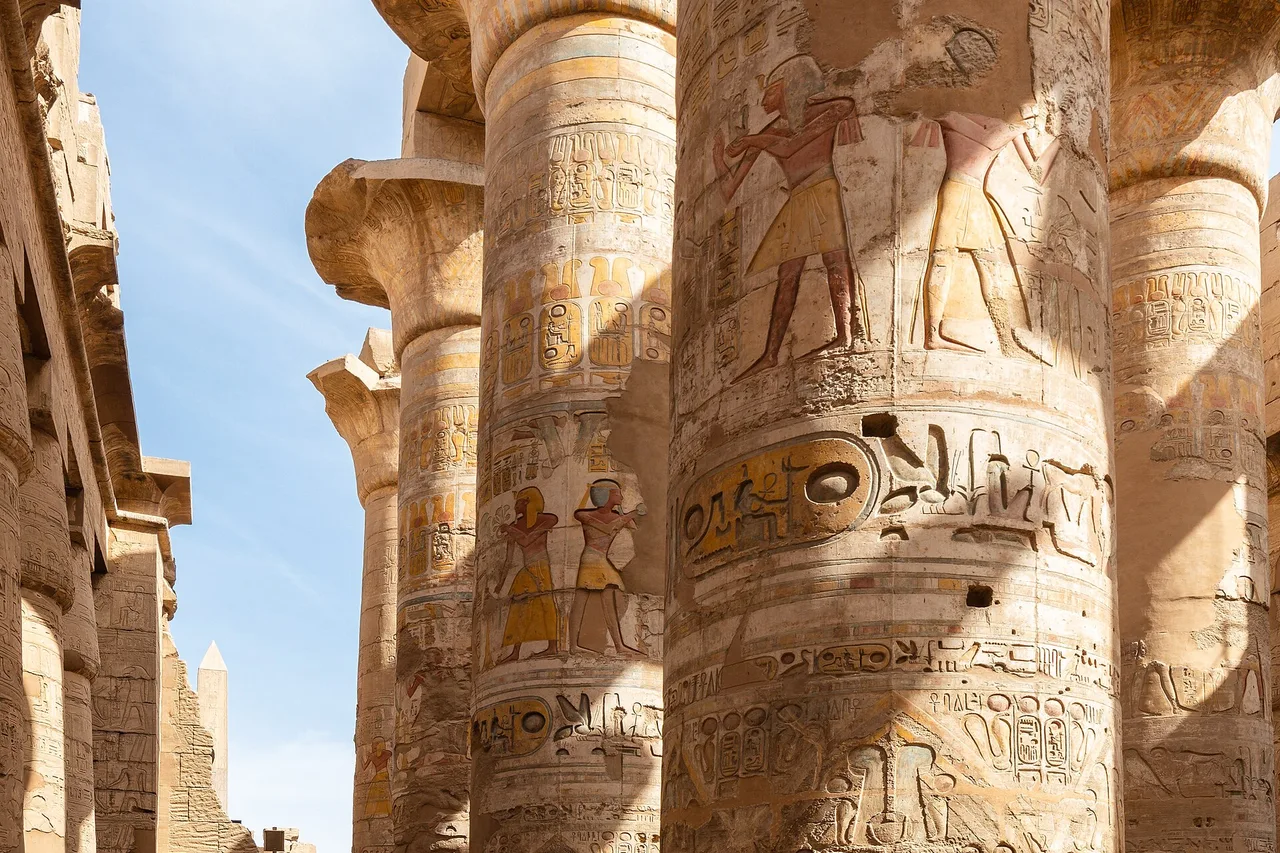
In Egypt, entry fees are not a detail. For the seven sites on our 10-day route, you pay 5,262 Egyptian pounds in total, about 88 euros or $103. The prices below are for foreign adult visitors, as shown by Egypt's Ministry of Tourism and Antiquities in August 2026 (Abu Simbel: May 2026).
| Price | In euros | |
|---|---|---|
| Grand Egyptian Museum (GEM) | 1,450 EGP | ≈ 24 € |
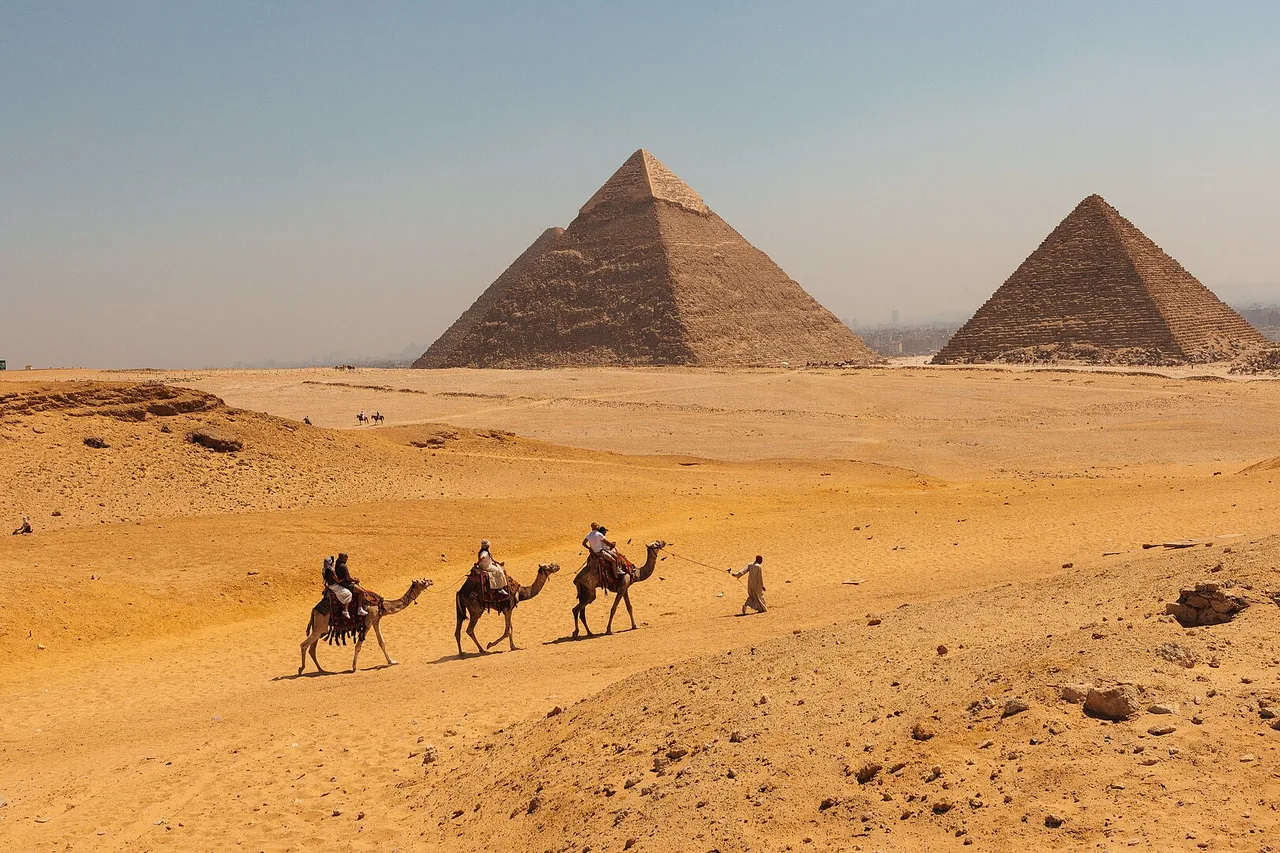
| Giza plateau | 700 EGP | ≈ 12 € |
| Karnak Temple | 600 EGP | ≈ 10 € |
| Luxor Temple | 500 EGP | ≈ 8 € |
| Valley of the Kings (3 tombs) | 750 EGP | ≈ 13 € |
| Temple of Hatshepsut | 440 EGP | ≈ 7 € |
| Abu Simbel | 822 EGP | ≈ 14 € |
| Total | 5,262 EGP | ≈ 88 € |
Three things push this total up if you are not careful. First, the extra-cost tombs in the Valley of the Kings: Tutankhamun's costs 700 pounds more, Seti I's 2,000 pounds. The basic ticket opens three other tombs, and they are already superb. Second, the inside of the pyramids: the plateau ticket does not let you into a pyramid. Third, fake ticket sites: for the Grand Egyptian Museum, foreign visitors buy online, and the official site is visit-gem.com. Several copies with similar names are around.
Good news: taking photos with your phone in the Valley of the Kings no longer needs a photo permit. It used to cost extra. Students with an international ISIC card pay roughly half price at most sites.
Where to stay: the cost you control
Your bed makes the biggest difference between a cheap and a comfortable Egypt trip. The 2026 guides give about $20 a night in a hostel and about $80 for a room in a four-star hotel. In between there are many small family-run hotels and guesthouses, especially on Luxor's West Bank and in Aswan.
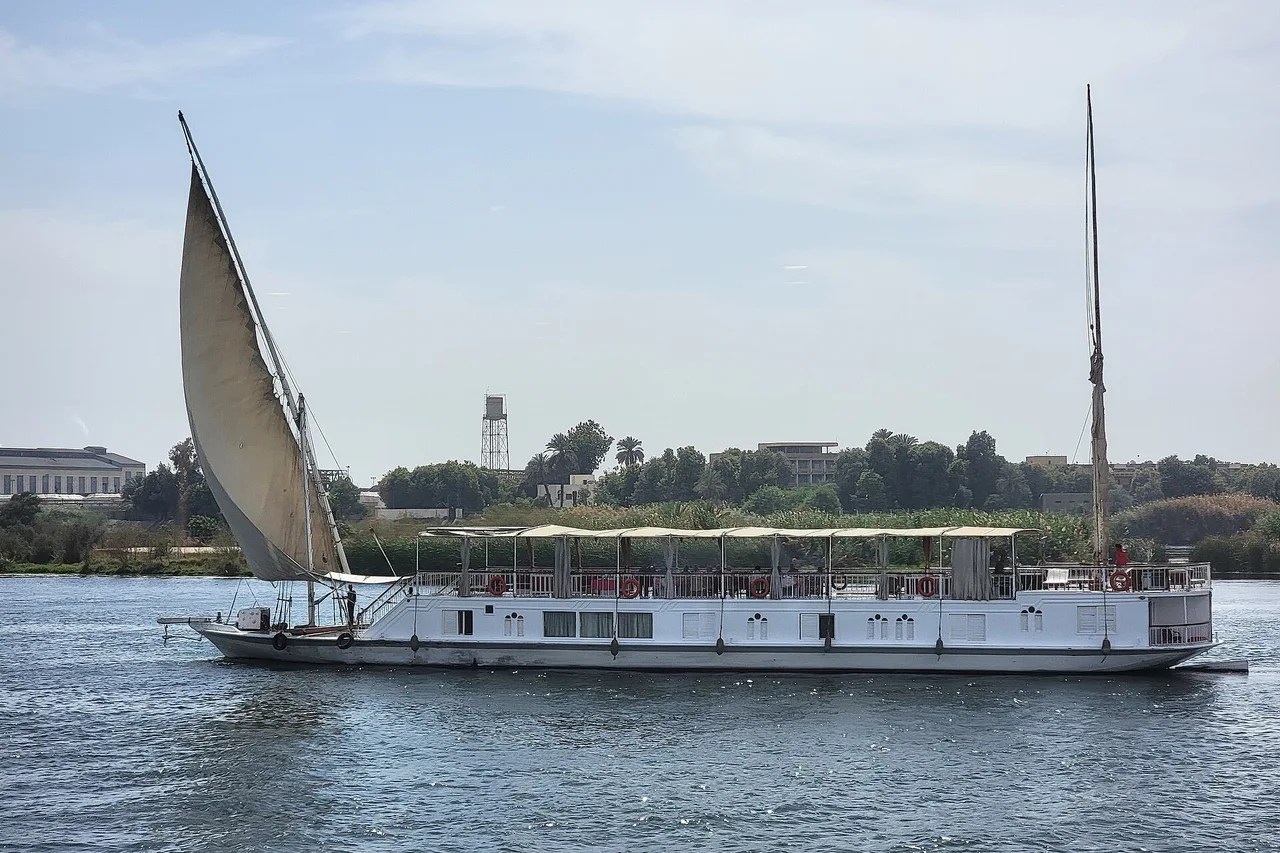
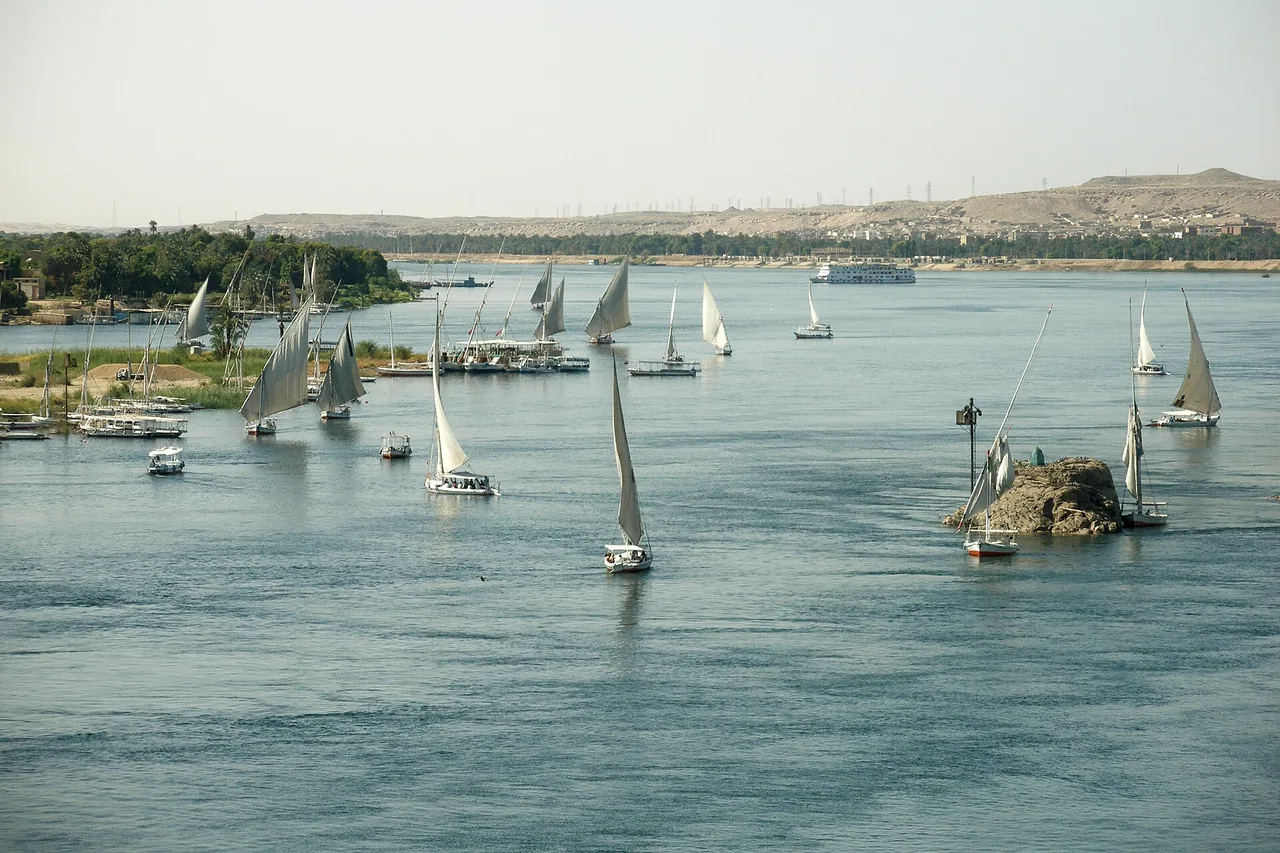
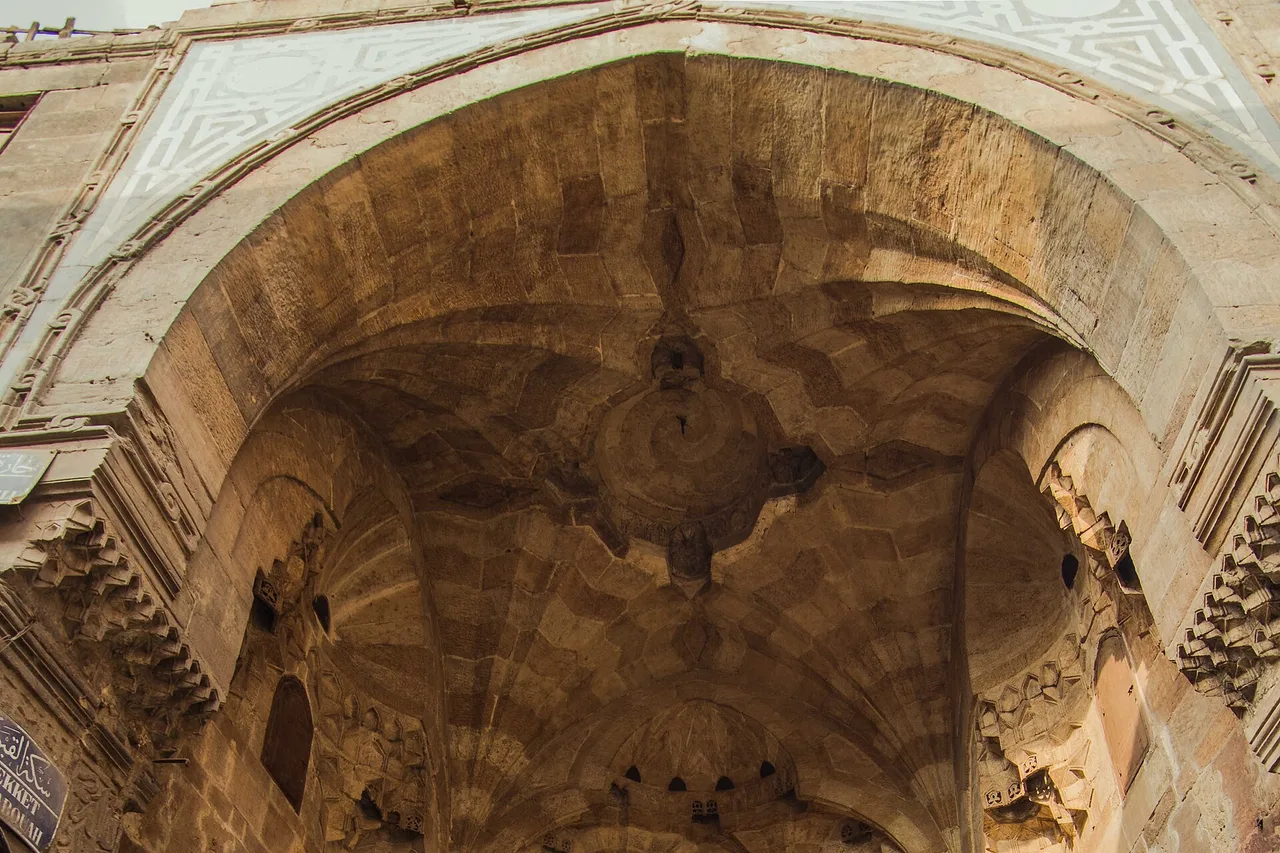
In Cairo, picking the right area saves both time and money. Staying near Giza avoids the morning traffic to the pyramids and the Grand Egyptian Museum. Staying downtown puts you close to the Egyptian Museum on Tahrir Square and the bazaar. A budget tip: on a Nile cruise, the boat is your hotel, restaurant and transport all at once, so you do not pay twice for those nights. To pick the right boat, read our comparison Nile cruise: dahabiya, felucca or big ship.
Food: very cheap if you eat local
This is the line that surprises visitors most. The 2026 guides count $5 to $10 in a simple restaurant and $10 to $20 in a mid-range one. On the street, a dish often costs less than a dollar.
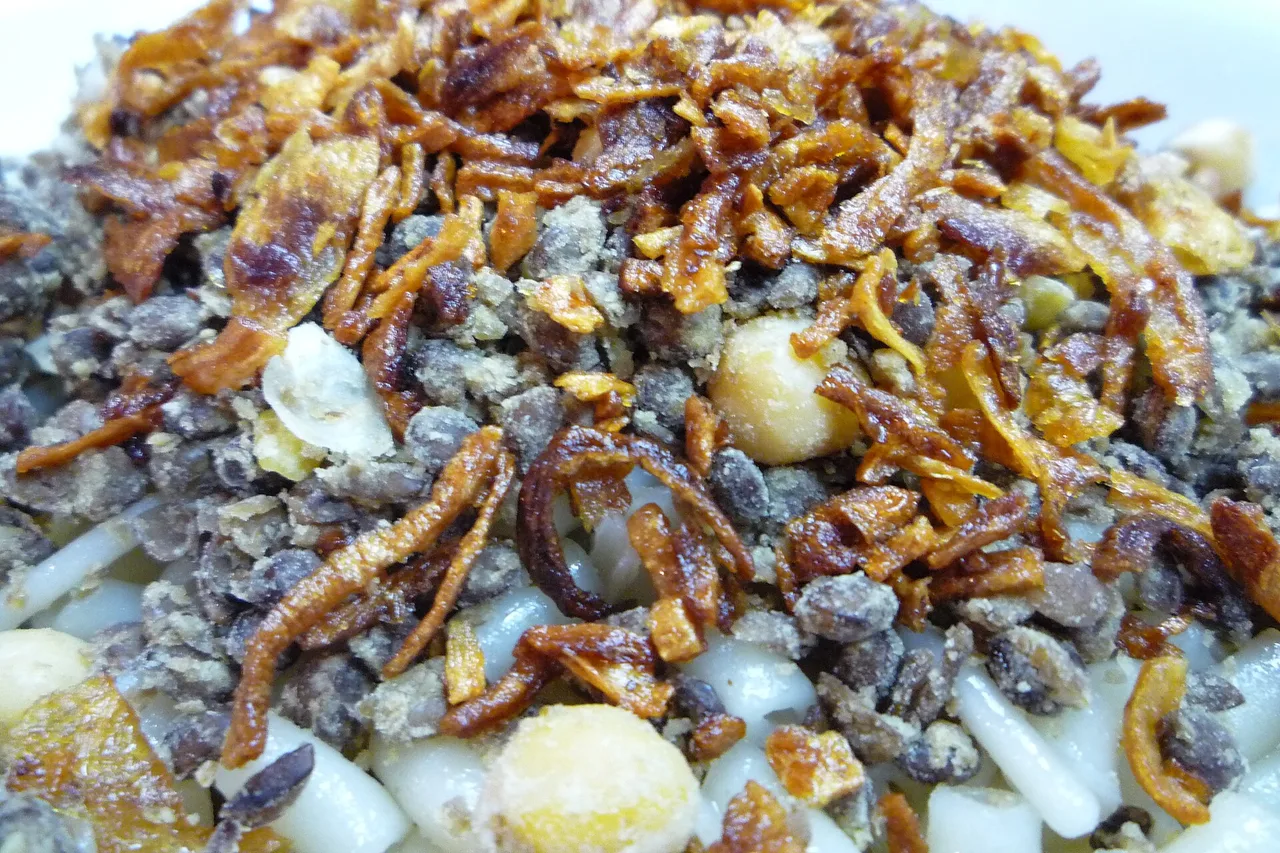
The best-known example is koshari, the national dish: rice, pasta, lentils and chickpeas with tomato sauce and fried onions. It fills you up for almost nothing. Add ful (mashed fava beans) and ta'ameya, the Egyptian falafel, often eaten at breakfast. Prices climb in hotel restaurants and in places with a view of the pyramids or the Nile: there, you are paying for the view too.
Drink bottled water, not tap water. Alcohol is available in Egypt, but not everywhere, and it costs much more than tea or fresh juice.
Getting around: metro, train, minibus
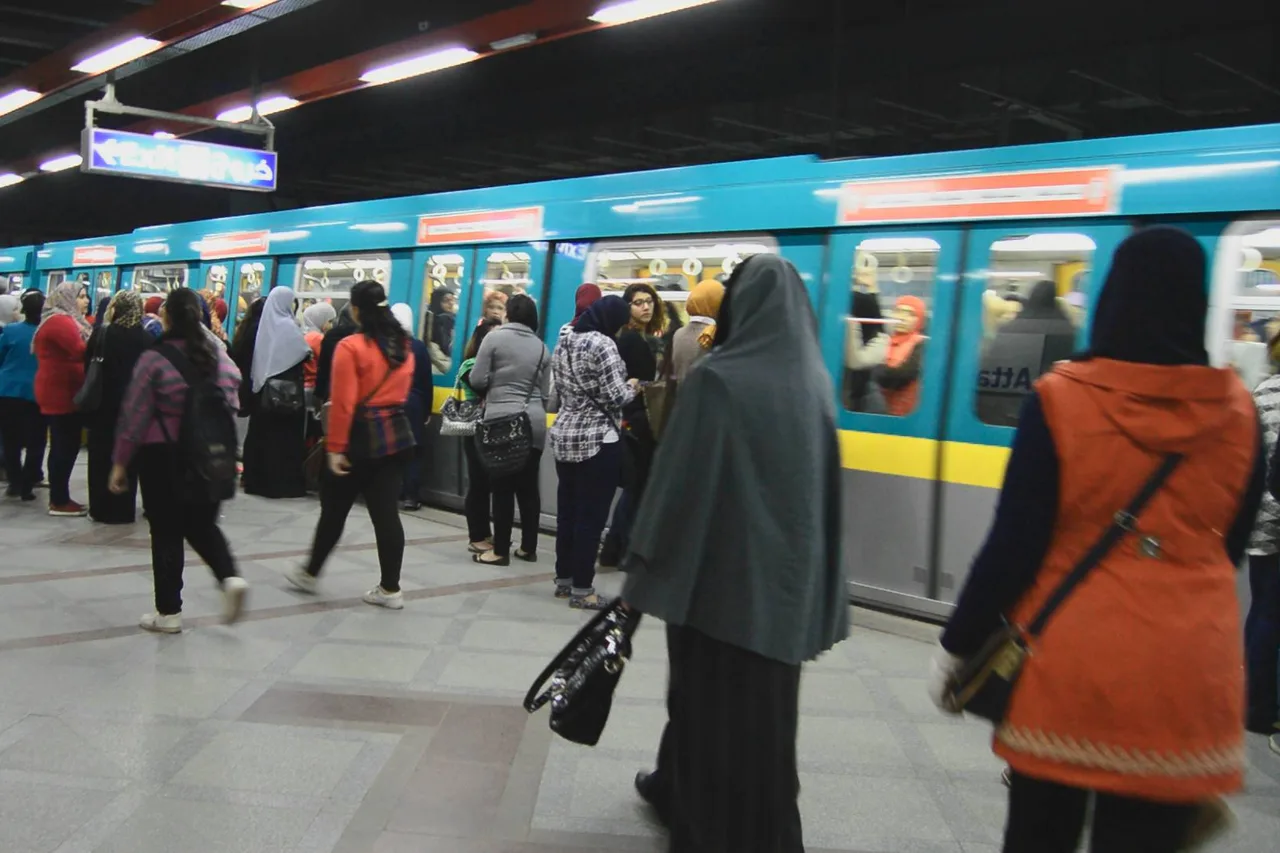
In Cairo, the metro is the cheapest option: a ride costs the equivalent of $0.50 to $1.50 depending on distance. For trips the metro does not cover, many travellers use ride-hailing apps: the fare is set before you leave, and there is nothing to haggle over.
Between Cairo and the south you have three choices. A domestic flight is the fastest, around an hour and a half to Aswan or Luxor, and usually the most expensive. The sleeper train runs overnight, about twelve hours to Aswan, and costs foreigners roughly $80 to $130 per person depending on the cabin. Published figures do not fully agree, so check the price when you book. Either way it saves a hotel night. The ordinary train is the cheapest, but long and less comfortable.
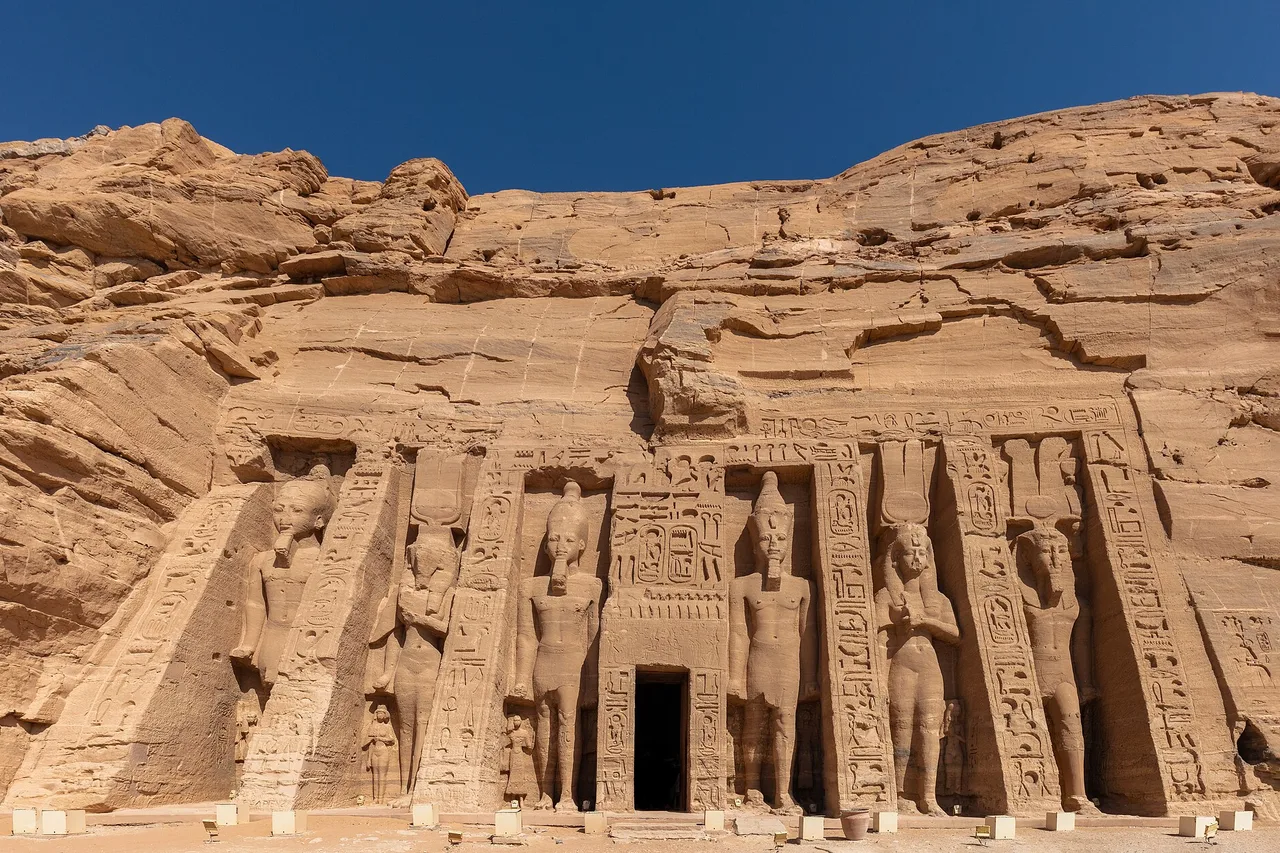
For Abu Simbel from Aswan, the ride comes on top of the ticket. A seat in the minibus that hotels organise costs about 800 to 1,200 pounds per person. It leaves around 4 a.m. and returns in the early afternoon. The public bus is cheaper, but a same-day return is not guaranteed.
Tips and small costs
Baksheesh, the tip, is part of everyday life in Egypt. The hotel porter, the guard who shows you a corner of a temple, the driver at the end of the day, the guide at the end of a tour: all expect a small sum. There is no official scale. What matters most is to always carry small notes in pounds. With a big note, you often will not get change.
Also budget for toilets at the sites (often a small fee), water and souvenirs. At the Khan el-Khalili bazaar in Cairo, you haggle: the first price is an offer, not the price.
Cash, cards and internet
Cash. In Egypt you pay day to day in cash and in pounds. There are ATMs in every town on the route, and withdrawing is often easier than changing money. Big hotels and restaurants take cards; street stalls and taxis do not.
Internet. If you come from Europe, Egypt is outside the EU, so your plan does not work as it does at home and roaming gets expensive fast. The simplest fix is to install an Egypt eSIM before you leave. It is active when you land, so you can book a ride or find your hotel on the map straight away.
Five ways to save money in Egypt
1. Travel between October and April, avoiding the Christmas and New Year holidays if you can, when hotel and boat prices rise. 2. Eat where Egyptians eat: koshari and ful cost a fraction of a hotel meal. 3. Take the night train instead of a flight plus a hotel, if you sleep well on trains. 4. Buy tickets only on official sites, especially for the Grand Egyptian Museum. 5. Choose the extra-cost tombs on purpose: the basic Valley of the Kings ticket is enough for a first visit.
Our verdict
A 10-day trip to Egypt costs, without flights or a cruise, about $430 to $630 on a budget and about $930 to $1,630 mid-range, per person. Around $133 of that is fixed: the visa and the tickets. The rest is up to you.
Our advice: cost the fixed part precisely, carry small notes, and spend where the money changes the trip — a night on the Nile, or a good guide in the Valley of the Kings. The route to go with it: our 10-day Egypt itinerary.