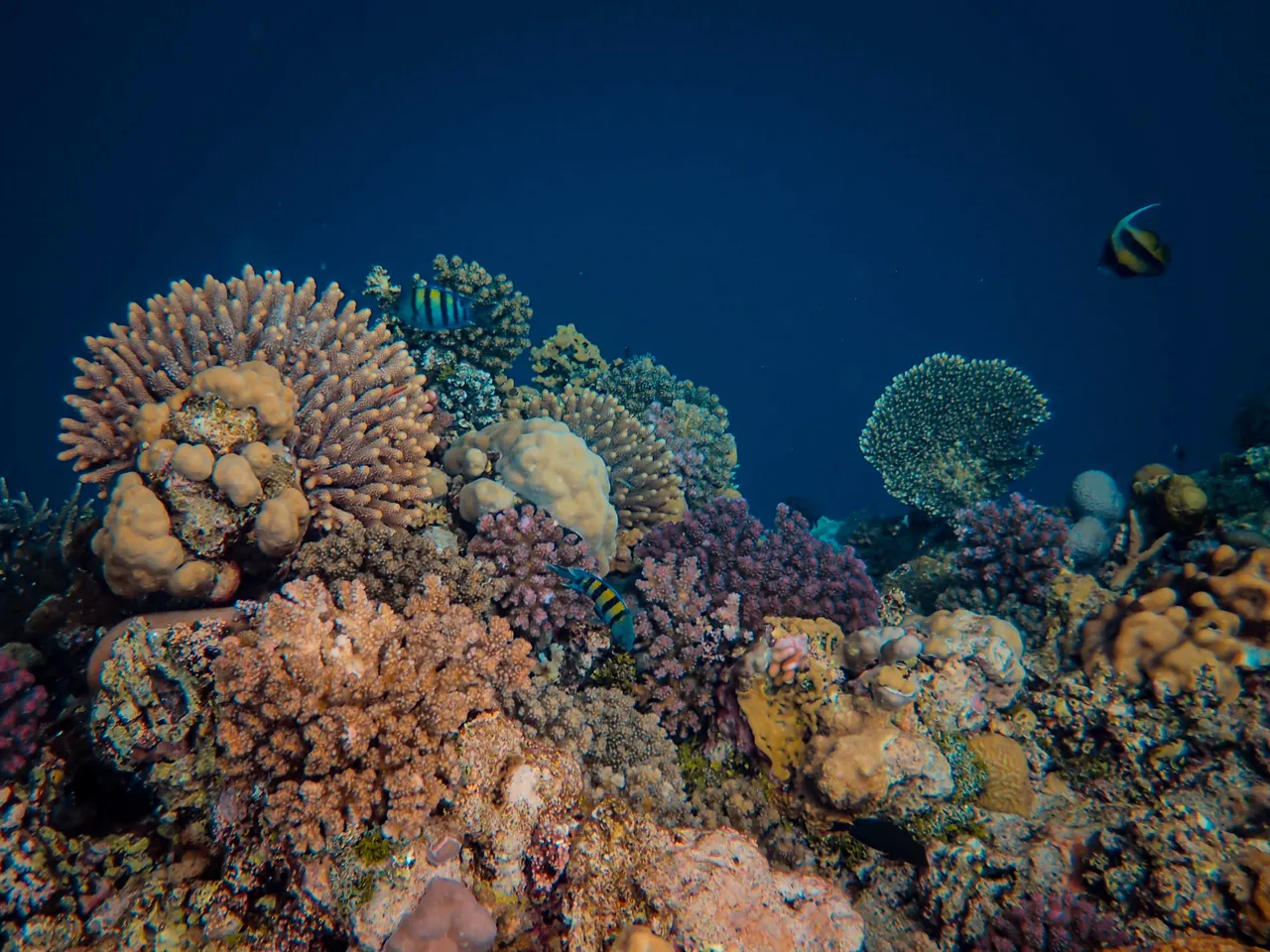
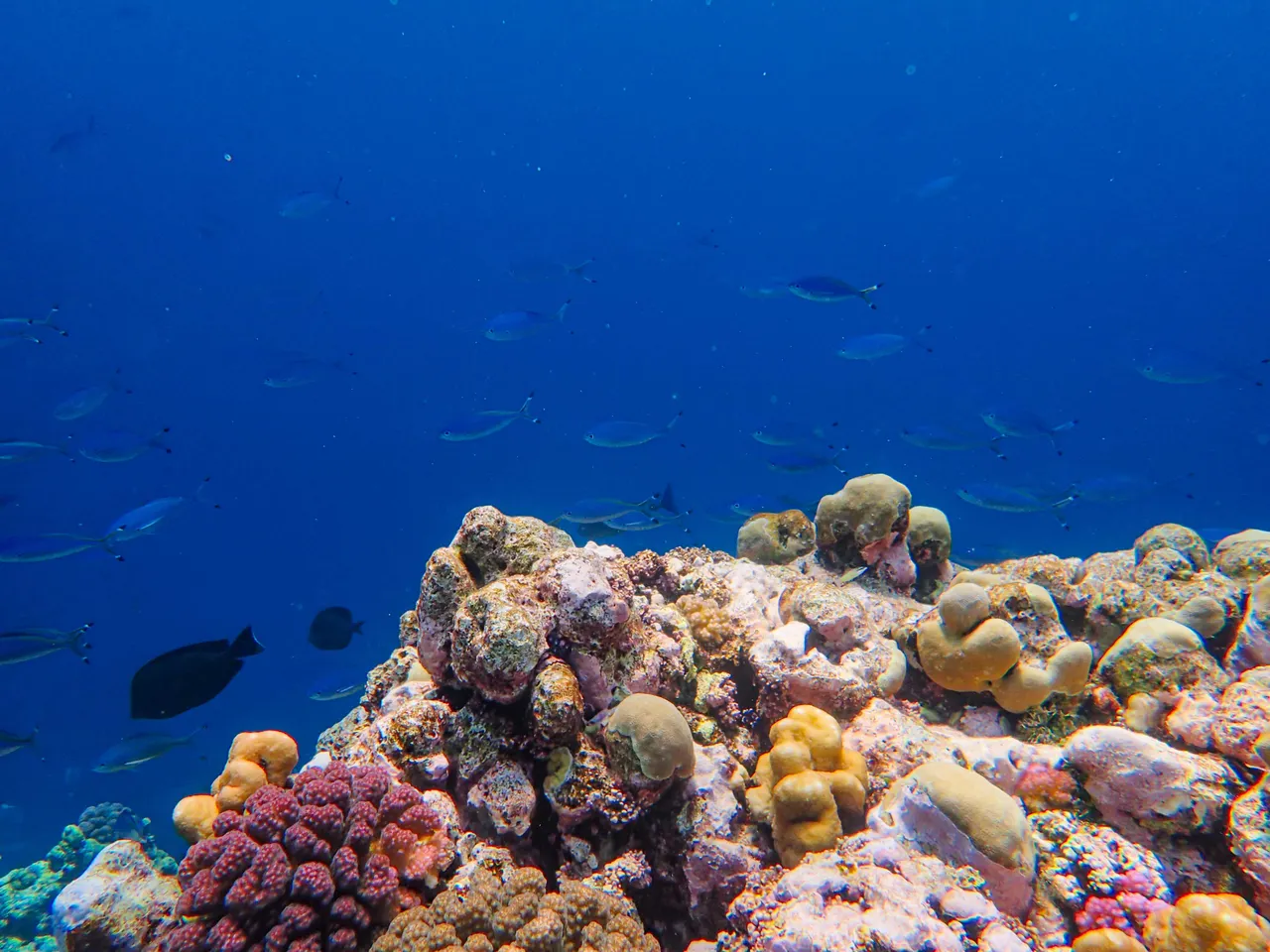
A mask, a snorkel, and Mauritius gives up its best-kept secret. Just below the lagoon surface lies a world of coral, parrotfish, silver shoals and — if you're lucky — turtles and rays. The catch is knowing where to put your face in the water, because not every spot is equal — and none of them is equal on every single day.
Budget tip: in Mauritius, some of your activities can cost you less. See how to save thanks to discounts on your activities.
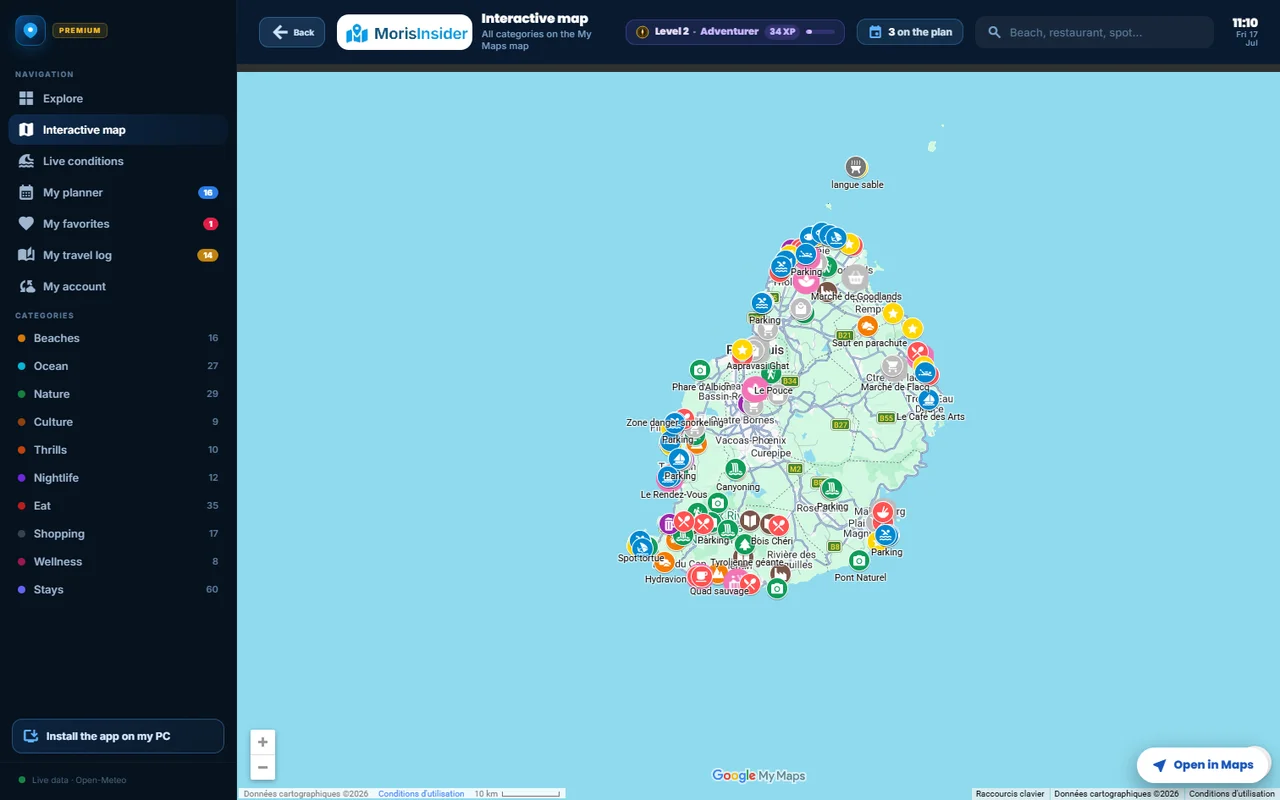
Living here and behind Moris Insider, the guide and map co-created with Mauritians, we've pulled together the 12 snorkelling spots that genuinely earn their place. Some are three steps off the sand; others you have to earn by boat. For each one: what you'll see, how to get there, and the one thing you need to know about the sea.
Blue Bay: the marine park, star of the south-east
If you only do one spot, make it this one. Blue Bay Marine Park, protected since 1997, covers more than 350 hectares in the south-east, a ten-minute drive from the airport. You'll swim over dozens of coral species — including huge, centuries-old brain corals — and clouds of colourful fish in shallow water. It's the perfect place to start. Find the park entrance straight on the map before you go.
Trou aux Biches: turtles and reef a fin-kick away
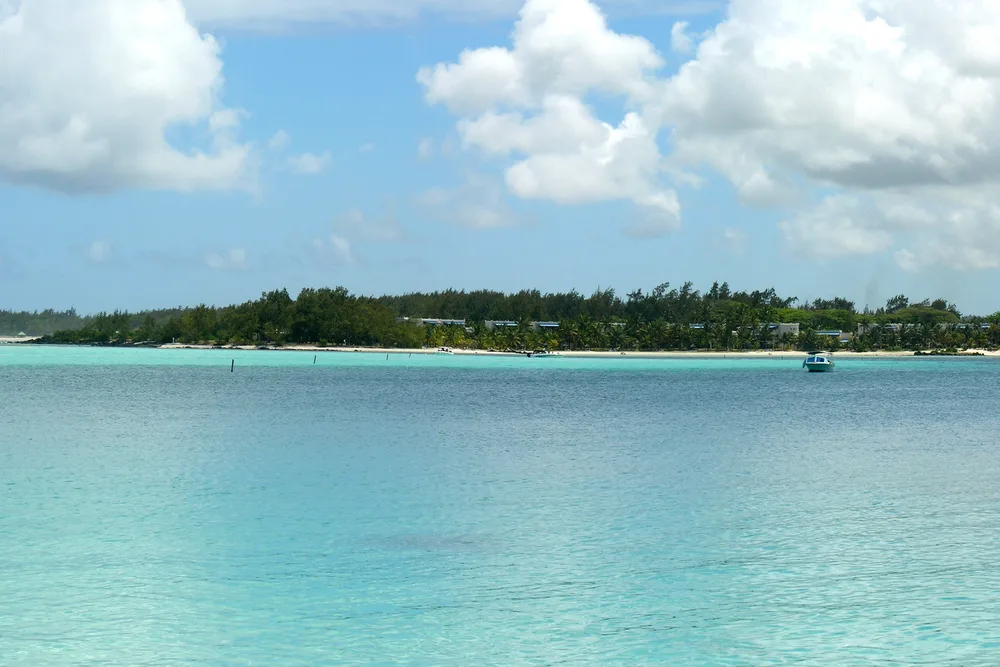
On the north-west coast, Trou aux Biches unrolls a long crescent of white sand fringed with casuarina trees, with a reef that sits unusually close to shore. That means no boat needed to see coral, parrotfish and small reef life. The lagoon is shallow, calm and clear, which makes it one of the best beaches for a first family snorkel. It's also a well-known spot for crossing paths with turtles.
Getting there: easy by car, just north of Pointe aux Piments. Best in the morning, when the lagoon is calmest and the light still soft.
Coin de Mire: the northern boat trip
This big rock sitting 8 km off the north coast — Coin de Mire, or Gunner's Quoin — is a protected nature reserve: you can't set foot on the islet, but you snorkel in clear water around 6 metres deep, over coral in far better shape than in many mainland lagoons. You reach it by speedboat or catamaran, usually on a trip that strings together several islets. It's worth slotting the trip into your plan on a calm-sea day.
Flat Island and Gabriel Island: the islet lagoon
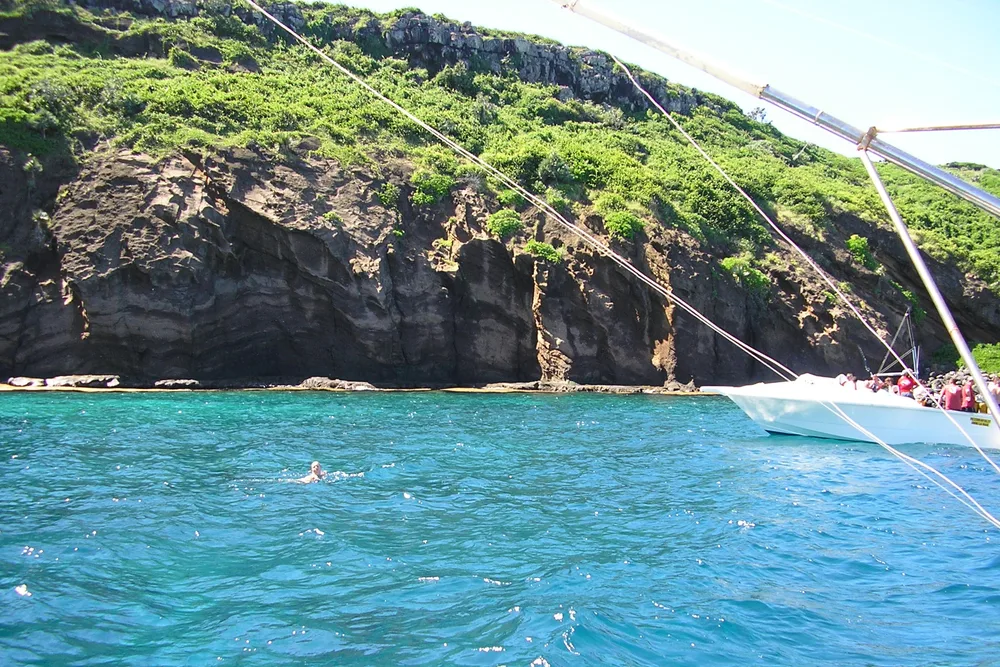
Still in the north, about ten kilometres offshore, Flat Island (Île Plate) and Gabriel Island form a pair of islets linked by a gorgeous turquoise lagoon. You might see rays, turtles and shoals of tropical fish. It's one of the finest day trips on the island — but the current between the two islets can be strong, and that stretch is for confident swimmers only.
Getting there: by catamaran or speedboat from Grand Baie, often combined with Coin de Mire. A full day out, best booked in settled weather.
Balaclava / Turtle Bay: the turtle reserve
On the north-west coast, between Port Louis and Grand Baie, the Balaclava marine reserve — nicknamed Turtle Bay — has protected a sheltered cove since 1997. Calm water, coral and, above all, a real chance to glide over turtles in a well-preserved setting at the mouth of the Citron River. It's a gentle spot, ideal when the sea is rough elsewhere.
What if every spot told you the sea state today?
Moris Insider brings together dozens of locally-checked spots and live marine weather, so you can see at a glance where the water is clear and calm today — and where it isn't.
Discover the app →Pereybère: the easy spot off the beach
A stone's throw from Grand Baie, Pereybère is a small, handy public beach: sheltered lagoon, easy entry into the water, and coral to watch without swimming far. It's the ideal spot when you want a snorkel with zero logistics, within reach of kids and beginners alike. The downside: it's popular, so come early.
Getting there: in the heart of Pereybère village, between Grand Baie and Cap Malheureux. Parking and small restaurants sit right behind the beach.
Île aux Bénitiers and Crystal Rock: turquoise west
Off the south-west coast, inside the great Le Morne lagoon, Île aux Bénitiers is a hugely popular escape. Snorkel boats stop here for pretty coral and reef fish, and often pull up at Crystal Rock — a block of fossilised coral standing in shallow, see-through water. This is also the stretch where you sometimes spot dolphins at first light, over towards Rivière Noire. Find the boarding points on the spots map.
Getting there: by boat from Le Morne or Rivière Noire, usually a half-day or full-day trip.
Le Morne and La Prairie: turtles from the shore
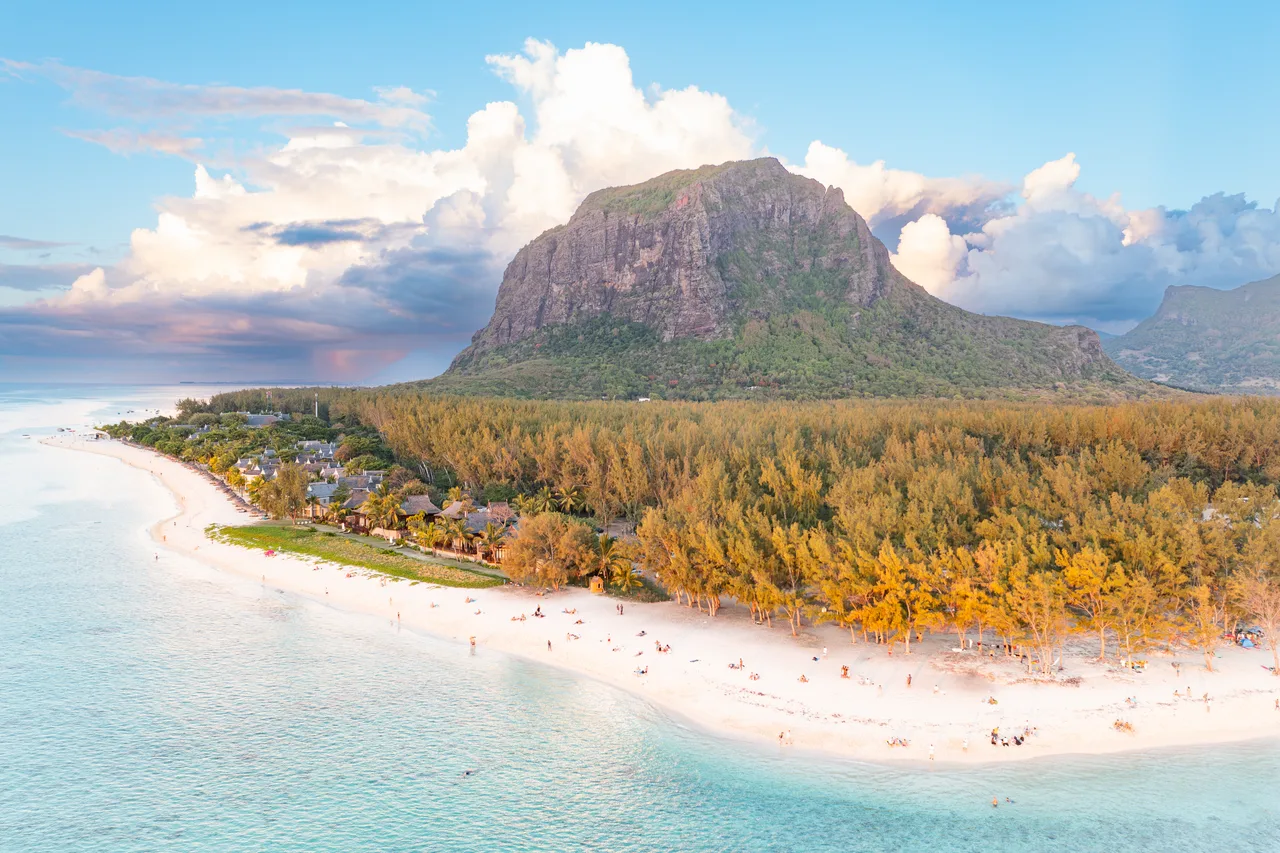
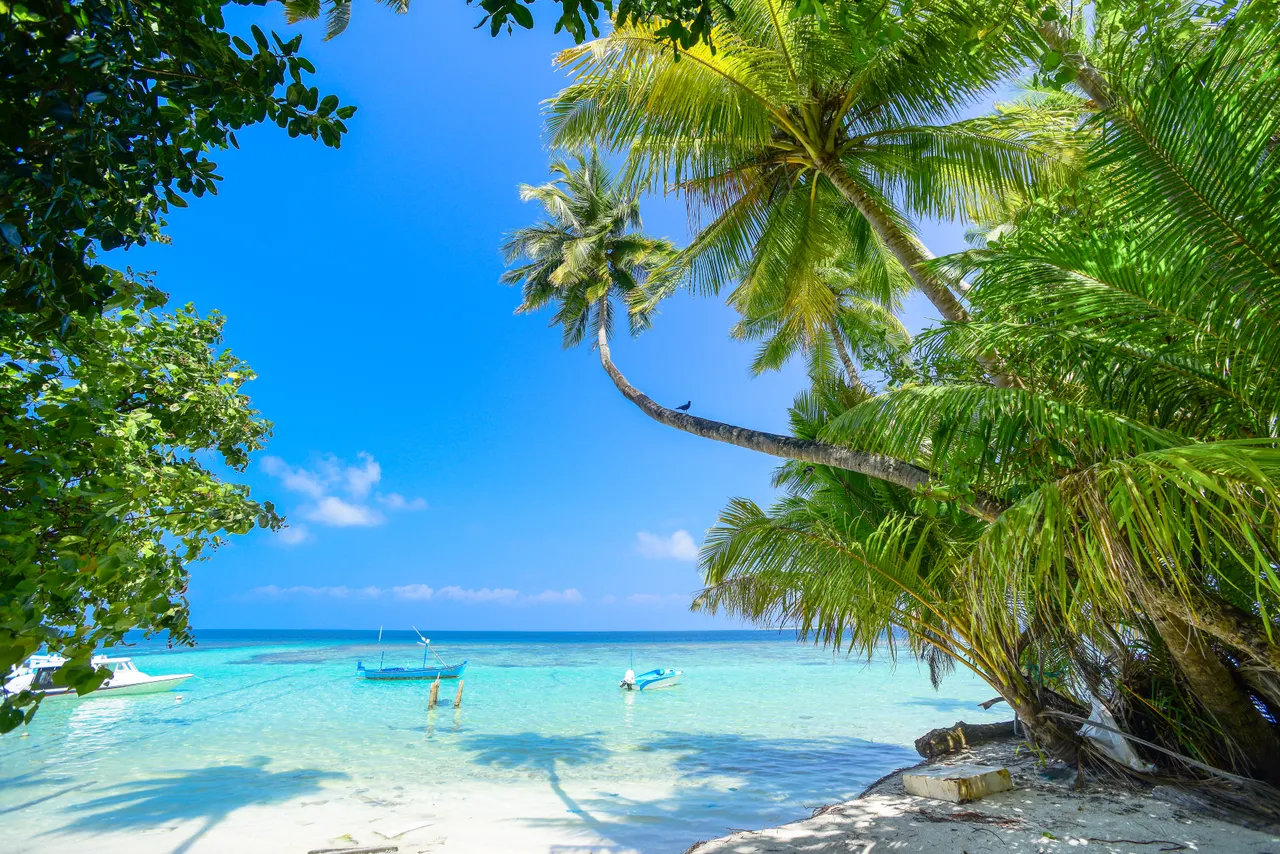
At the foot of Le Morne mountain in the south-west, La Prairie beach and the water in front of Le Morne rank among the best shore-accessible snorkelling on the island. The lagoon is wide and often stunning, and turtles show up regularly. It's an area that pairs a spectacular backdrop with a living seabed. To base yourself nearby, look at where to stay in the south-west.
Flic en Flac: the west-coast reef
A big west-coast resort town, Flic en Flac is best known to divers for its offshore drop-offs. But for snorkelling, the reef edge offers lovely patches of coral and fish for anyone who stays inside the lagoon. Be honest with yourself: here, the best is a little further out, so this spot suits confident swimmers in calm seas.
Getting there: along the west coast, easy by car. As everywhere on this side, late afternoon delivers superb sunsets once the mask is put away.
Belle Mare: the great eastern lagoon
On the east coast, Belle Mare lines up kilometres of white sand and a vast lagoon. You'll watch branching coral and shoals of fish straight from the beach, in water that's often very clear. Because the east is windier, the ideal window is early morning, before the trade wind ruffles the surface.
Getting there: between Trou d'Eau Douce and Belle Mare village, by car. Pick a calm morning for the best visibility.
Anse la Raie: the quiet north-east corner
Less busy than its neighbours, Anse la Raie in the north-east offers a sheltered lagoon and a peaceful feel. It's a smart pick for a quiet snorkel away from the crowds, with sandy floors dotted with coral. The area is also loved by kitesurfers when the wind gets up, so give them a wide berth.
Getting there: between Cap Malheureux and Grand Gaube, by car. Best in the morning, when the sea is at its flattest.
Île aux Cerfs and Grand Sable: the catamaran lagoon
In the east, Île aux Cerfs and the Grand Sable lagoon are best known for their postcard beaches, but catamaran trips often include snorkel stops in the passes and the liveliest coral zones. It's a sociable day out, more "beach and boat" than pure snorkelling, but with lovely underwater moments if you choose your trip well. A good candidate to block out a full day in your itinerary.
Getting there: boarding at Trou d'Eau Douce. Book a trip that explicitly plans snorkel stops if that's your priority.
Snorkelling smart: the sea on the day changes everything
Above all, remember this: on the same day in Mauritius, the north can be glassy while the east is ruffled by the trade wind, and a pass that's superb in the morning can turn dangerous by afternoon. Wind, swell and tide make all the difference between crystal water and a murky, choppy soup. Before you jump in, always check the sea and wind conditions. And, as everywhere, respect the coral: reef-safe sunscreen, never stand on the coral, keep your distance from wildlife.
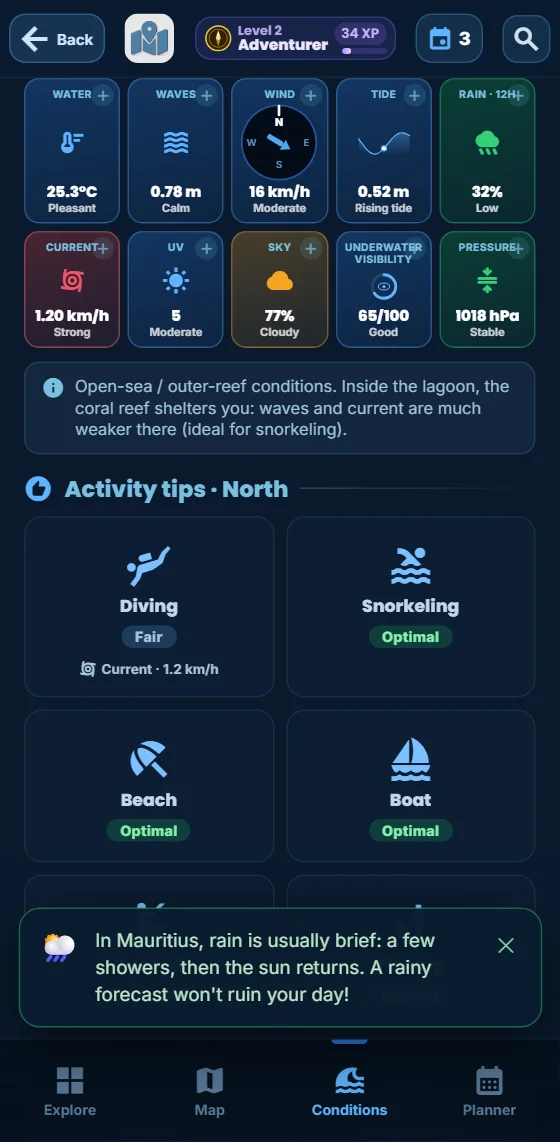
Want to explore the quietest coasts further? Our guide to the secret beaches of Mauritius pairs perfectly with this selection. And answering the question "where's the water good today?" is exactly why we built Moris Insider: for each locally-checked spot, the app shows live marine conditions, so you never waste a morning on a cloudy lagoon.
Find the right snorkelling spot, with today's sea
Locally-checked spots, live marine weather and a day planner. €24.90 once, for life. 30-day money-back guarantee.
Discover the app →