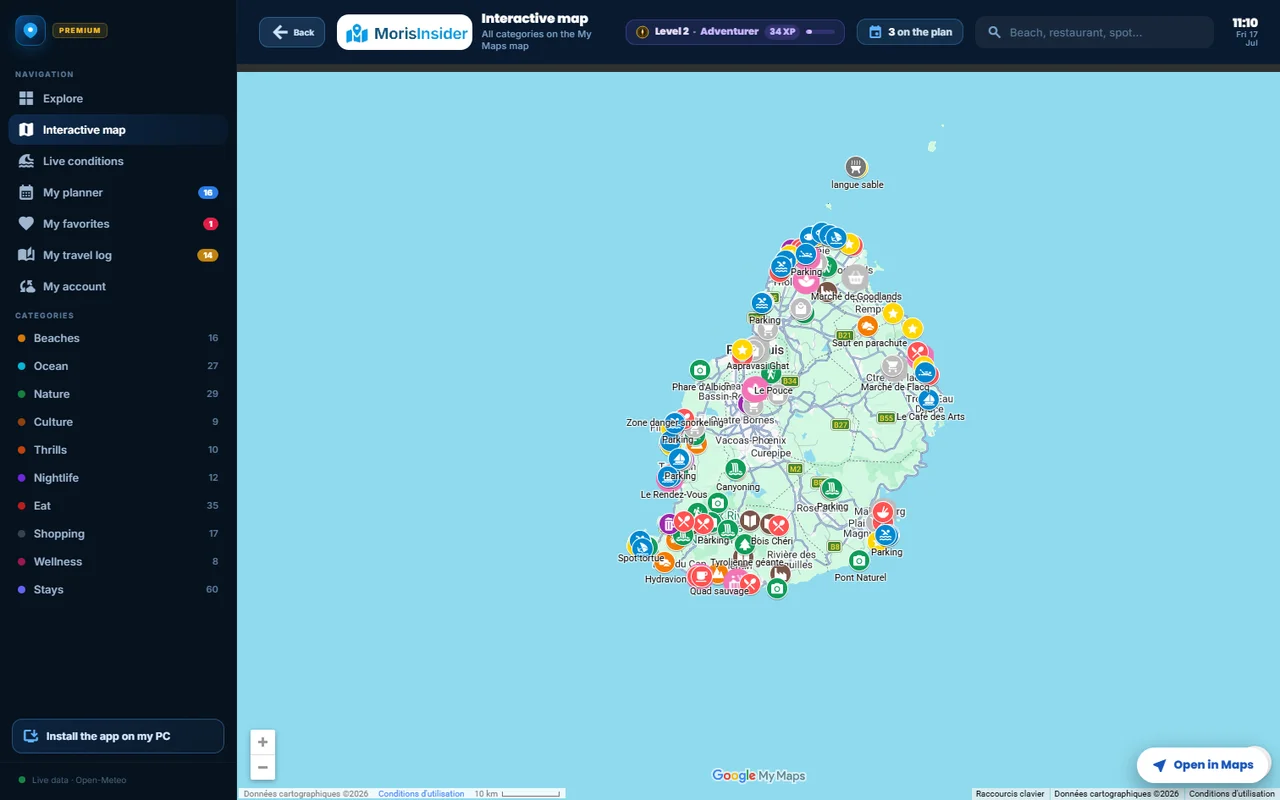
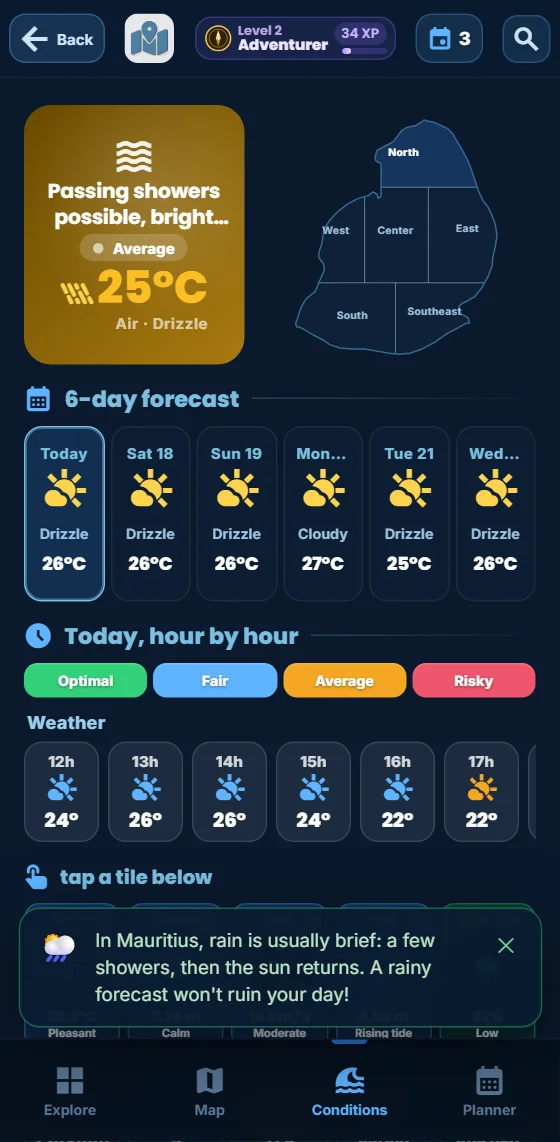
This is THE question that sets the tone for your whole trip. In Mauritius you don't really "pick a hotel" first — you pick a coast. And the north, west, east and south have almost nothing in common: not the same sea, not the same wind, not the same vibe, not the same pace. The four coasts, their spots and the day's weather are on the island's map.
Budget tip: in Mauritius, some of your activities can cost you less. See how to save thanks to discounts on your activities.
We live here and run Moris Insider, the guide and interactive map built together with Mauritians, and we see the same hesitation from nearly every traveller. So here's the honest, region-by-region breakdown: who each coast is for, what you gain, what you give up, and the one factor far too many people forget to check before they book.
The North: lively, practical, easy-going
The north means Grand Baie, Pereybère, Trou aux Biches, Mont Choisy and Cap Malheureux. It's the most developed coast for tourism, and by far the liveliest. You'll find the biggest concentration of restaurants, bars, shops, supermarkets, car-hire desks and tour departures. If you like being able to walk out to dinner, having options and a bit of nightlife, this is the place.
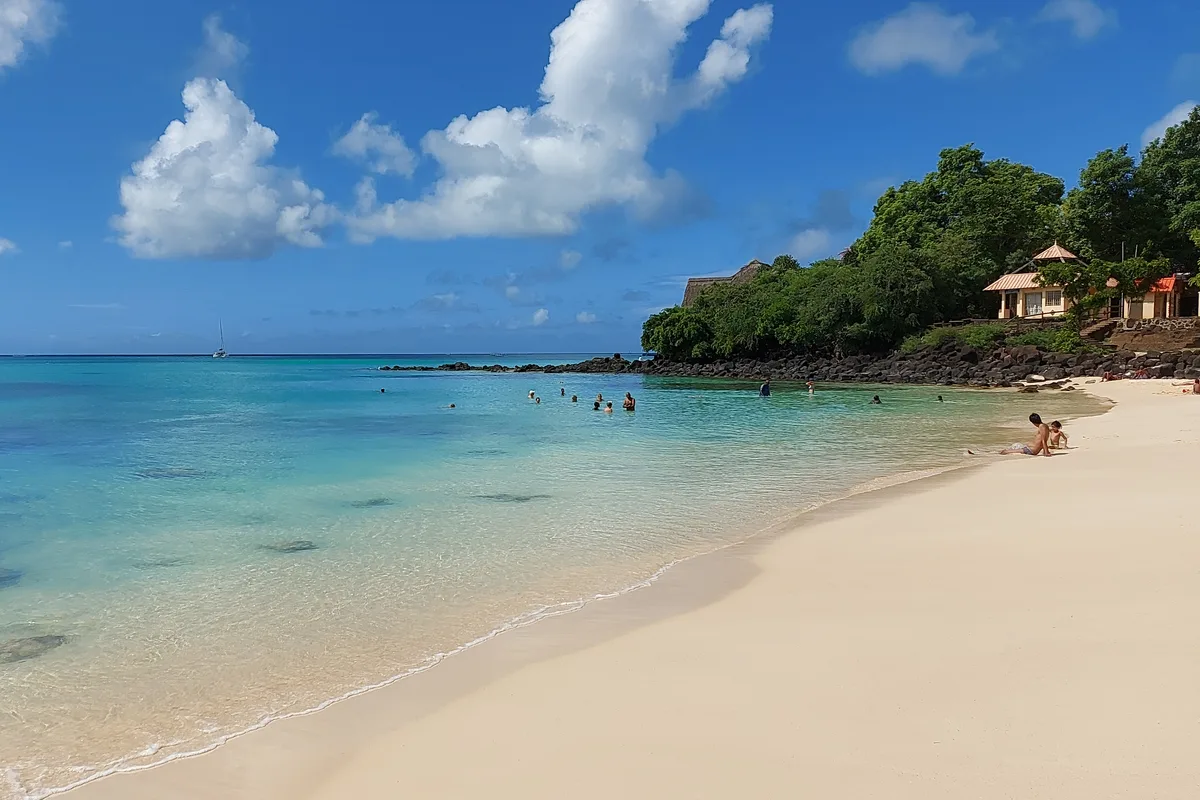
At sea, the northern lagoons are often calm and shallow — great for stress-free swimming, kids included. Trou aux Biches and Mont Choisy roll out long public beaches shaded by casuarina trees. The flip side: it's also the busiest, most "touristy" coast, and the headline beaches fill up at weekends.
The West: sunsets, dolphins and sheltered sea
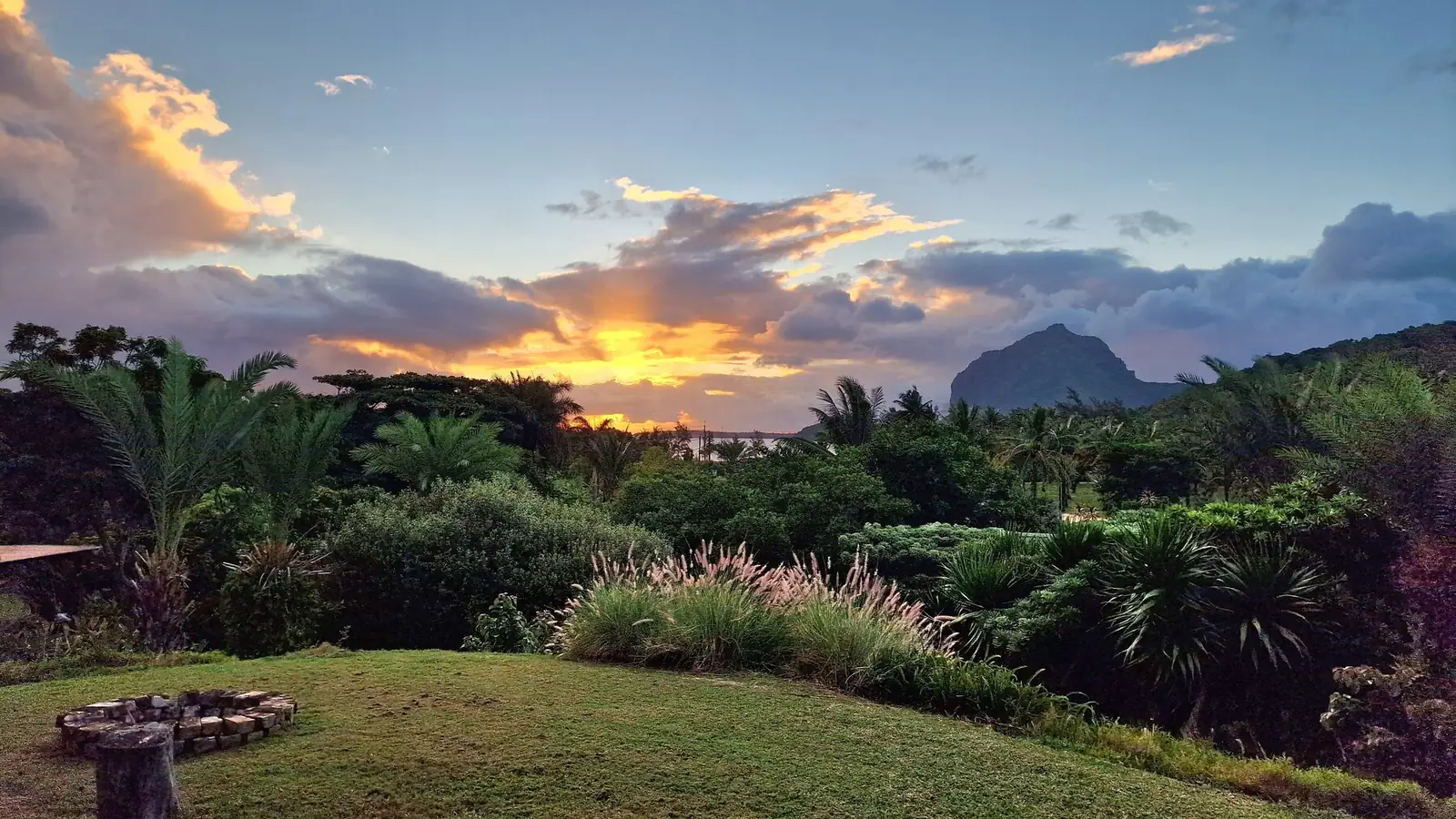
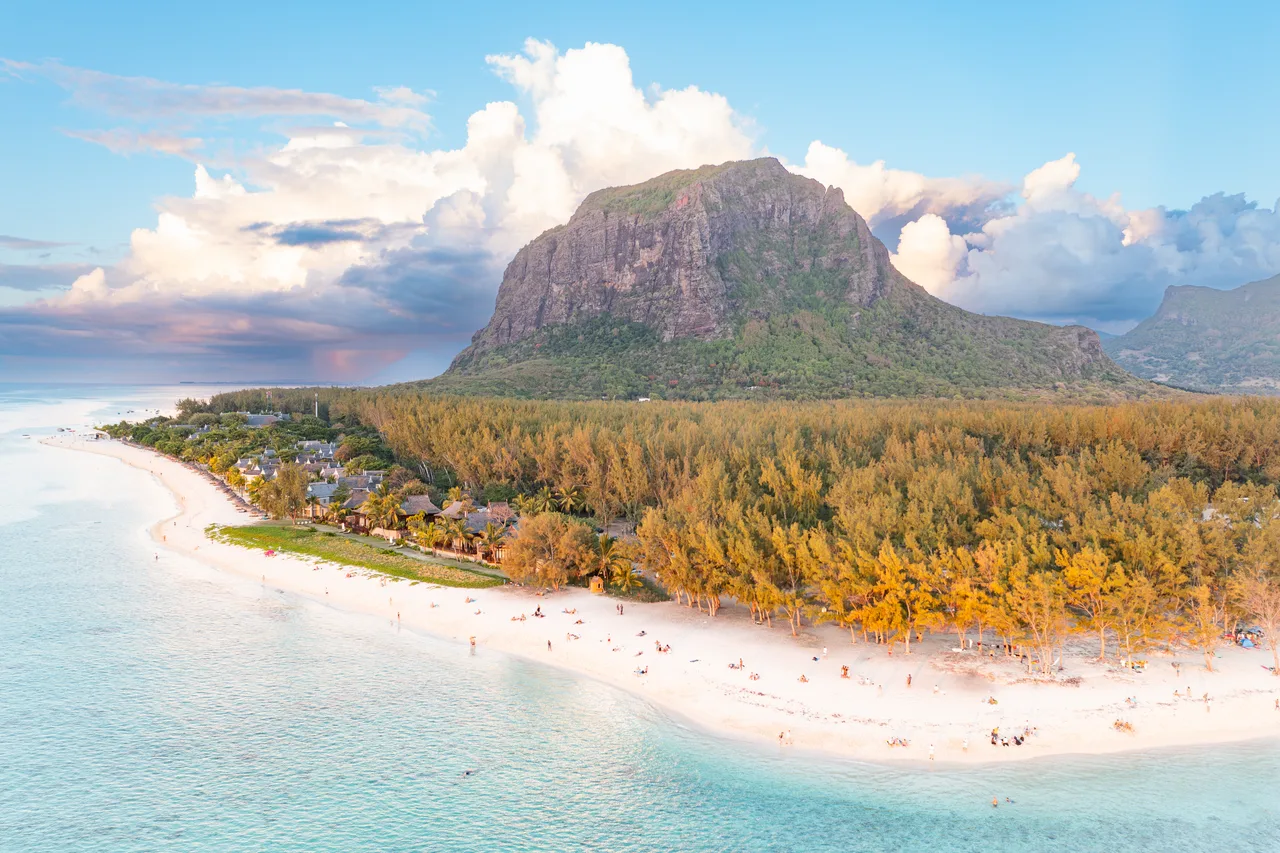
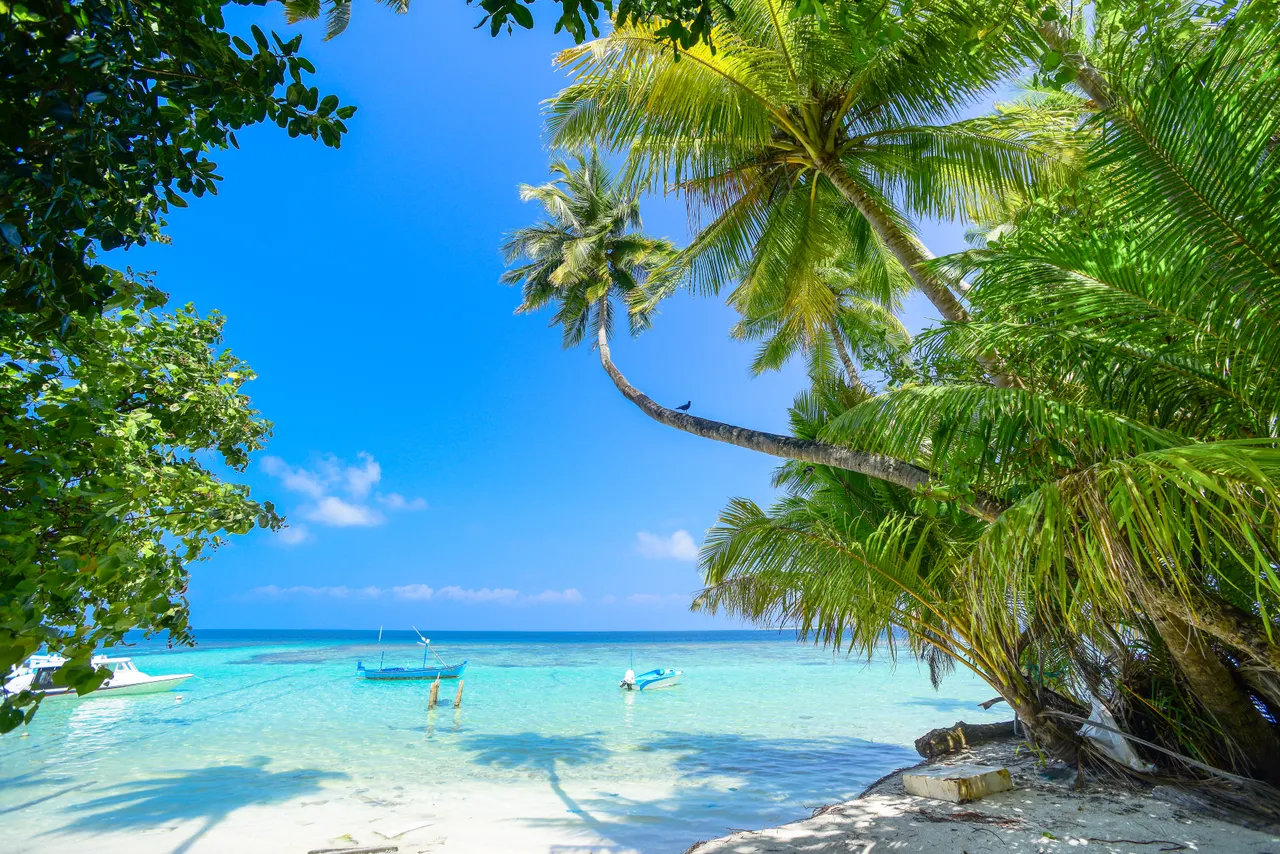
The west coast — Flic en Flac, Tamarin, Black River, down to Le Morne in the south-west — has one unbeatable card: it's sheltered from the trade winds by the central mountains. On average, it's the driest, warmest and most wind-protected coast across the year. It's also the one with those famous sunsets over the ocean that the east simply doesn't get.
This is dolphin country, where you can head out early to watch them off Tamarin and Black River. It's also the home of surf and kitesurf around Le Morne, hikes into the Black River Gorges, and a slightly more "nature and local" feel than the north. Flic en Flac has a long lagoon that's ideal for swimming and snorkelling on a calm sea.
The East: the best beaches, but wind
If you're chasing the ultimate postcard — dazzling white sand, a vast lagoon in an unreal shade of blue — the east often wins. Belle Mare, Palmar, Trou d'Eau Douce and Poste Lafayette line up some of the finest beaches on the island, with huge stretches of sand and spectacular lagoons. It's also the gateway to Île aux Cerfs.
The price you pay: this is the most wind-exposed coast. The trade winds blow here all year and pick up markedly from May to September. That's brilliant for windsurfing and kitesurfing, less pleasant for lazy sunbathing or snorkelling in those months. The east is also quieter and more residential, with little nightlife — a "switch off" choice, not a "buzz" one.
The South: wild, authentic, dramatic
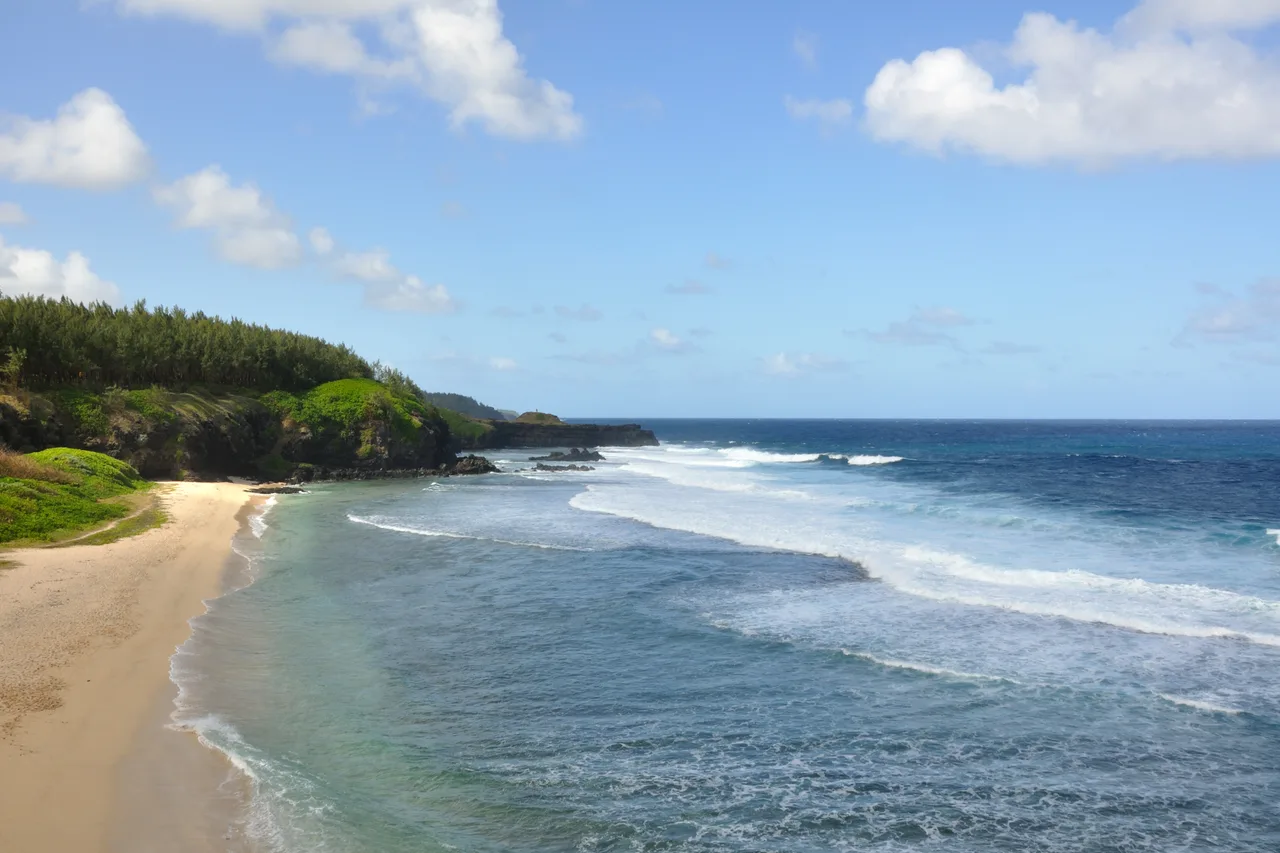
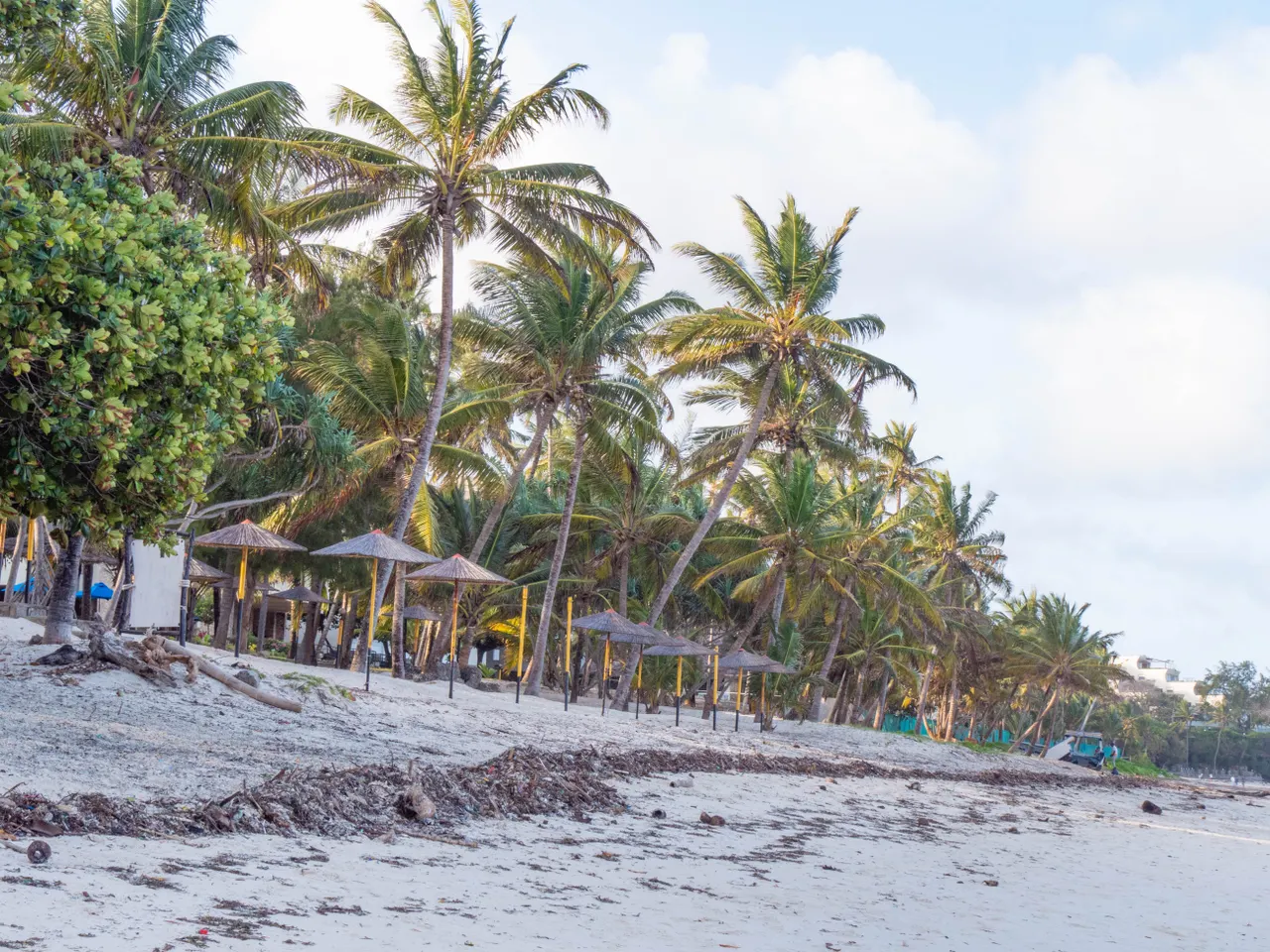
The south and south-east — Blue Bay, Mahébourg, Bel Ombre, Souillac, Gris-Gris — is the rawest, most dramatic Mauritius. Cliffs pounded by the ocean, green rolling landscapes, authentic villages, nature everywhere. This is where you'll find the Blue Bay marine park, known for snorkelling on a calm sea, and powerful settings like Gris-Gris, where the ocean hurls itself against the cliffs with no protecting reef.
It's the coast for anyone who wants character, authenticity and open space rather than a row of resorts. On the downside, there are fewer "easy" swimming beaches than up north, the coastline is more broken up, and it too catches the wind, especially from June to August. You stay here for the atmosphere and the nature, not for a permanent paddling-pool lagoon.
What if you knew, spot by spot, where the sea is good today?
Moris Insider brings together dozens of beaches and spots checked on the ground and live marine weather. You can see at a glance which coast is calm and which one is catching the wind — before you even book.
Discover the app →The wind: the factor everyone forgets
If you take one thing from this guide, make it this. The number-one difference between the coasts of Mauritius isn't price or hotel style — it's the wind. The south-easterly trade winds hit the east and south first, while the central mountains shield the north and west. On the very same day, the west can be glassy calm while Belle Mare is swept by the breeze.
The season matters just as much. In the southern winter (May to September) the wind strengthens everywhere, but especially in the east and south — that's when the west and north come into their own. Conversely, the southern summer (November to April) is hotter and more humid, with calmer lagoons in the east. To line all this up, our guide on the best time to visit Mauritius breaks down the climate month by month.
Budget and vibe by coast
One last insider point: the coast also shapes the kind of place you'll stay, and with it the vibe and the budget. The north and west offer the widest spread, from small family guesthouses to big resorts, which makes them the most flexible bases when you're watching your spending and want to be able to walk out to dinner without breaking the bank. The east leans more towards large resorts: gorgeous, but you live a little more "inside the hotel bubble", with fewer restaurants within walking distance. The south tilts towards guesthouses, table-d'hôte dinners and a village feel, ideal if you want contact and authenticity.
Whatever the coast, two choices stretch a budget further than anything else: a self-catering place with a kitchen, and a hire car to stay independent. We break down all these trade-offs, region by region, in our Mauritius budget guide.
So, which coast is right for you?
Here's the summary we'd give a friend just landing. First trip, want ease and buzz: the north. Couple, sunsets, safest weather: the west. Best beaches and quiet, outside deep winter: the east. Nature, authenticity, landscapes: the south. And if you're staying a week or more, the real insider secret lies elsewhere.
The island is small: you can cross it in roughly 1.5 to 2 hours by car. Nothing forces you to pick a single coast. Plenty of travellers combine two bases — say a few nights in the west or north, then a few in the east — to taste two vibes and follow the weather. If a road trip tempts you, our 7-day itinerary shows how to string the regions together with no wasted time, and our secret beaches guide will help you get off the beaten track once you're there. To pin down the budget, take a look at our home page too: morisinsider.com.
Frequently asked questions
Which coast is best for a first trip?
The north (Grand Baie, Trou aux Biches, Pereybère) is usually the easiest: calm lagoons, plenty of restaurants and activities, short drives to the rest of the island. The west is a great alternative if you value sunsets and a more laid-back feel.
Which coast is the windiest?
The east and south-east are the most exposed to the trade winds, which blow all year and strengthen from May to September. The north and especially the west, sheltered by the central mountains, stay calmer.
Where to stay for the best beaches?
The east coast, around Belle Mare and Trou d'Eau Douce, is famous for its long white-sand beaches and vast lagoons. The sweet spot is often between October and May, when the wind eases.
Do I have to pick just one coast?
Not necessarily. You can cross the island in about 1.5 to 2 hours. For a week or more, combining two bases (say west then east) lets you vary the mood and follow conditions.
Choose your coast with your eyes open
Spots checked on the ground, live marine weather and a day planner. €24.90 once, for life. 30-day money-back guarantee.
Discover the app →