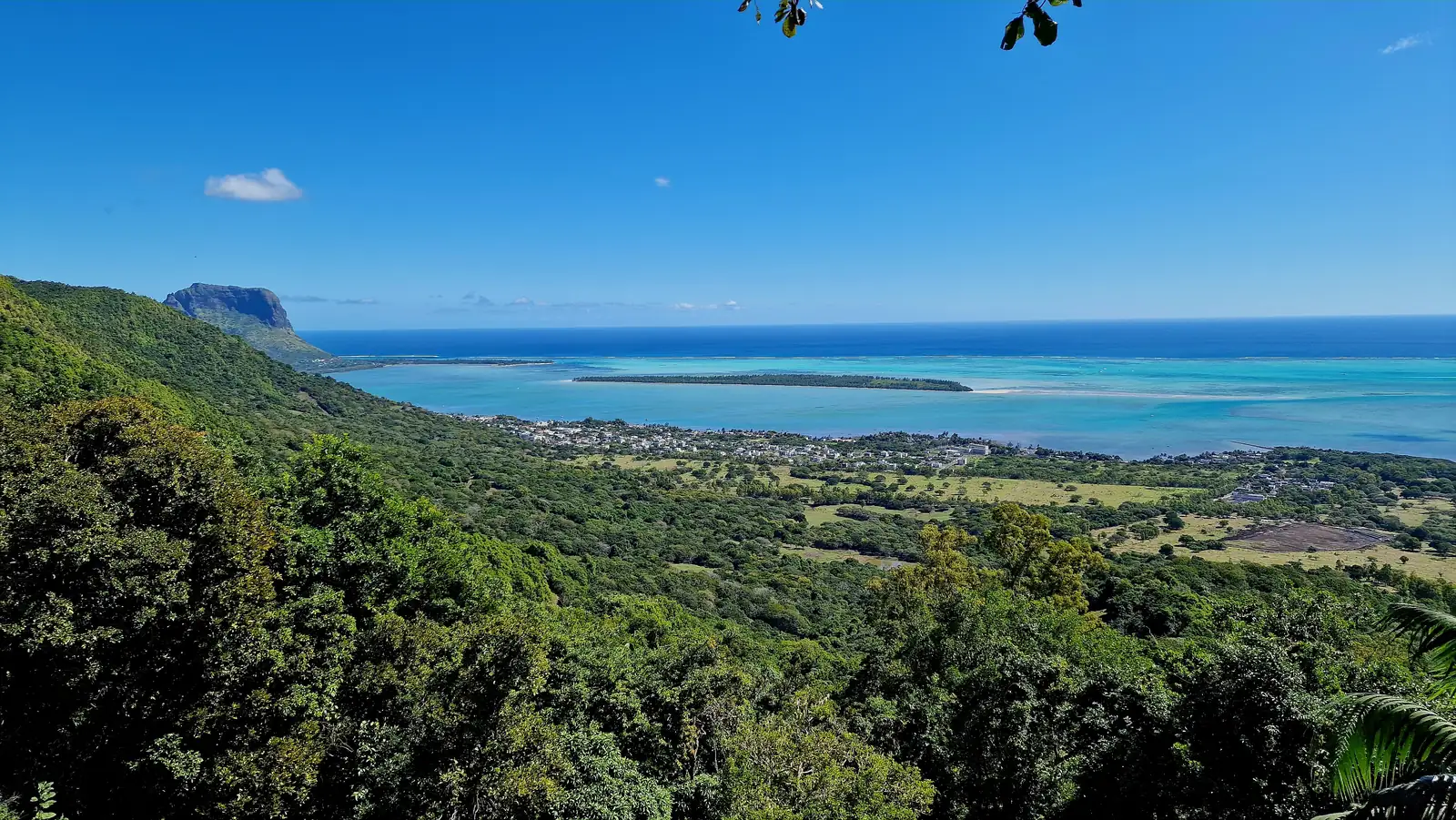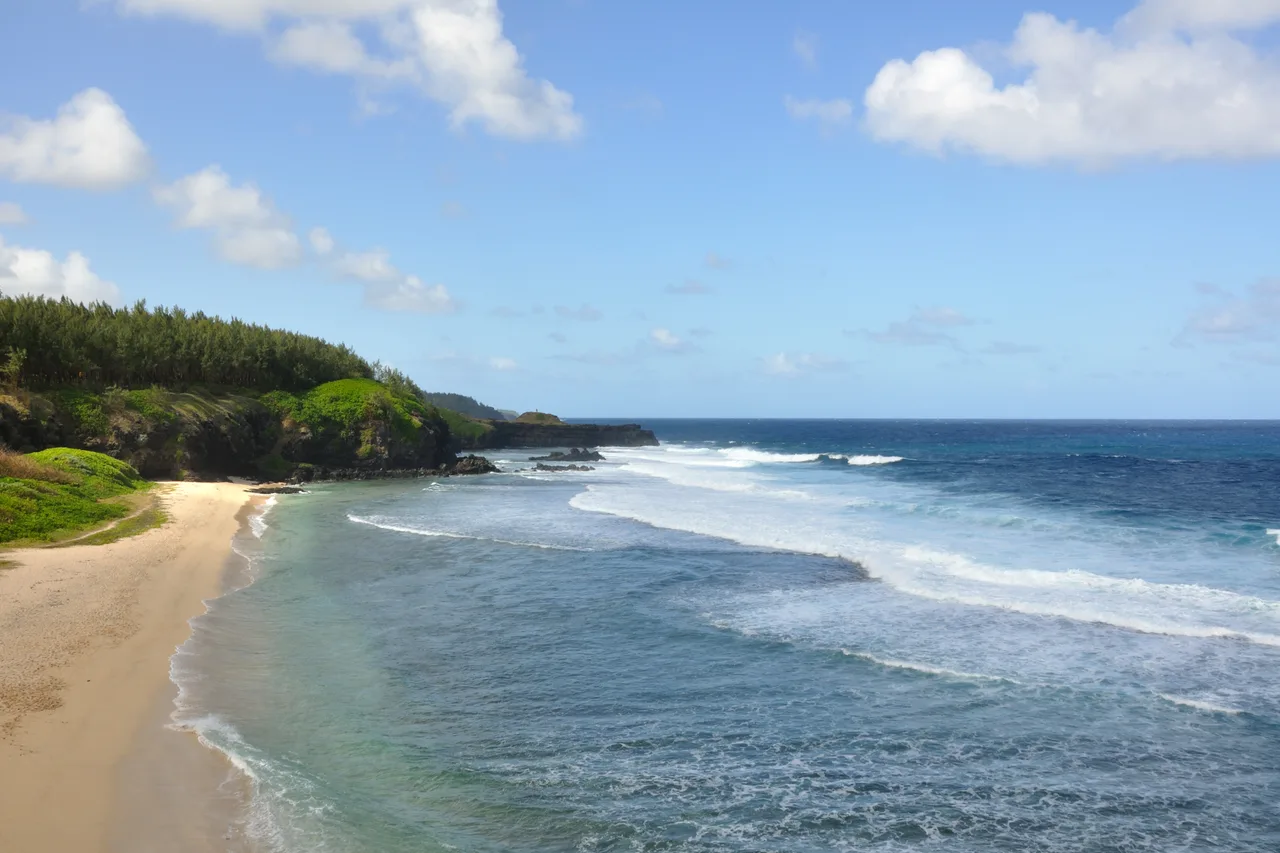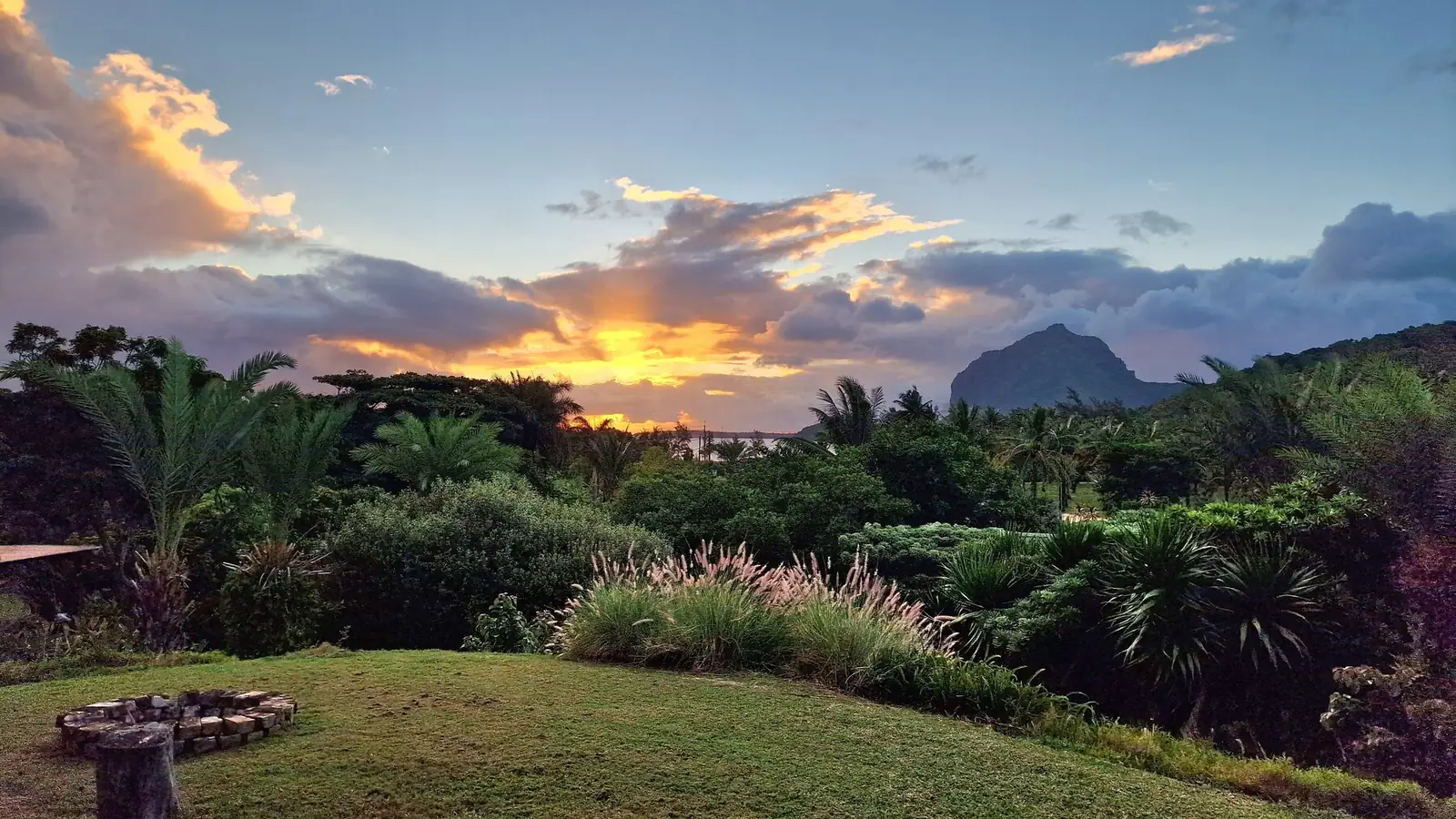
There is no single best time to visit Mauritius. There is a best time for your kind of trip. Honeymooners chasing glassy lagoons, families after warm, calm swimming, kitesurfers craving wind and hikers wanting cool, clear trails all want different things from the same island, and the calendar treats them very differently.
Budget tip: in Mauritius, some of your activities can cost you less. See how to save thanks to discounts on your activities.
Mauritius sits in the Southern Hemisphere, so the seasons are flipped: summer runs roughly November to April (hot, humid, greener, with most of the rain and the cyclone risk) and winter runs roughly May to October (cooler, drier, breezier, especially on the south and east coasts). The good news for everyone: the sea stays swimmable all year, generally hovering somewhere between 22°C and 28°C. Below, we break it down month by month so you can match the island to your trip.
1. The short answer: best months overall
If you want the safest all-round bet, aim for the shoulder windows: May to June at the start of winter, and September to early December as the island warms back up. These months tend to combine pleasant temperatures, lower humidity, plenty of sunshine and seas that are calmer than the depths of winter, all while sitting outside the peak of both the rainy stretch and the busiest, priciest holiday periods.
July and August are gorgeous too, just cooler and noticeably windier on exposed coasts, which is wonderful for sailing and watersports and slightly less so for lazing on an east-coast beach. High summer (December to March) is hot, lush and lively, but it is also the wettest and the only real cyclone window.
2. Beach and snorkelling season
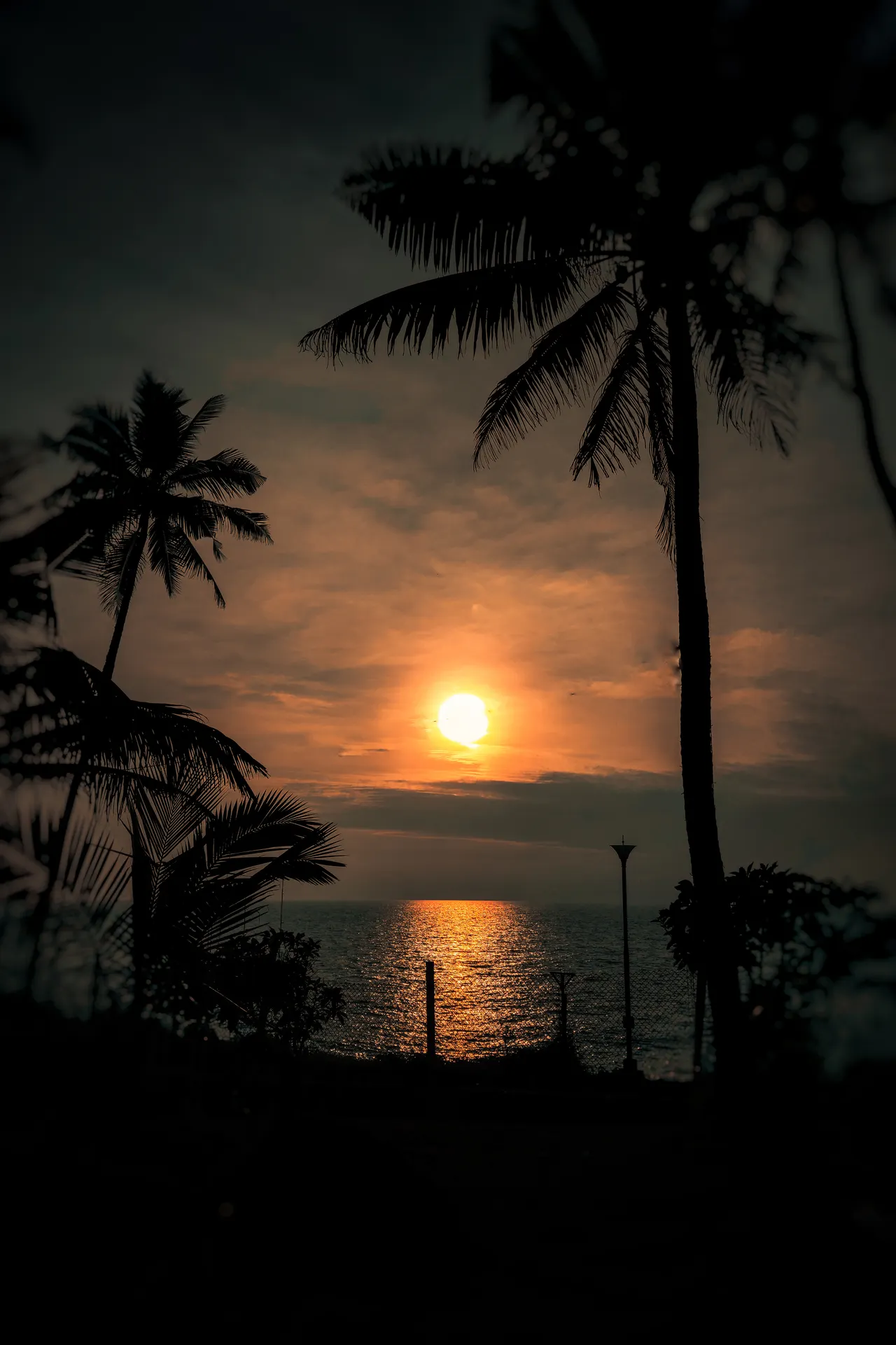
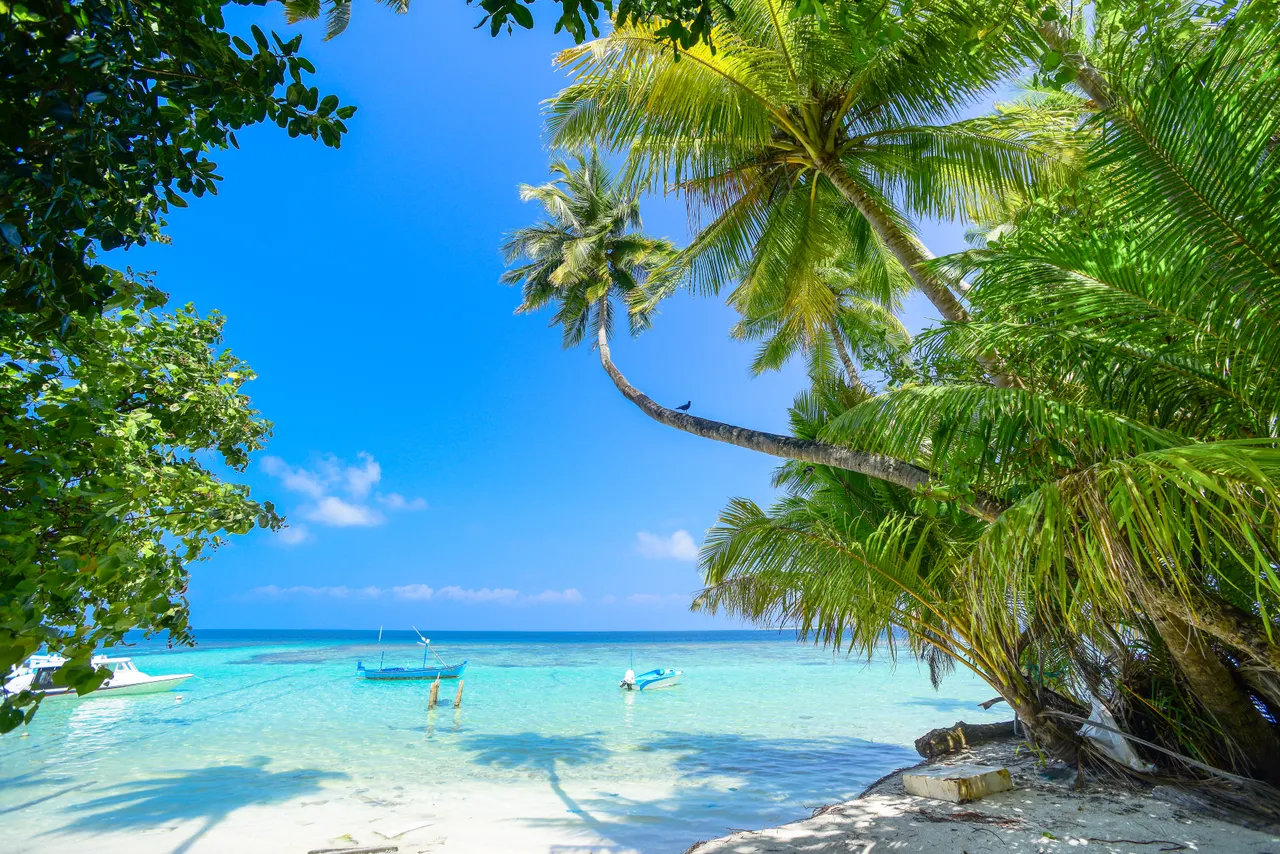
Here is the reassuring part: you can swim in Mauritius in any month. The protected lagoons inside the reef stay warm and clear for most of the year, which is why the island is such a dependable beach destination. That said, the calmest, most photogenic lagoon days lean towards the warmer months, roughly October to April, when the trade winds ease and the water turns that postcard turquoise.
For snorkelling, sheltered, west and north-facing spots such as Trou aux Biches, Mont Choisy, Blue Bay Marine Park and the lagoon around Île aux Cerfs reward you with calm, clear water and good visibility. In winter, when the southeast trades pick up, the same reefs can be choppier and visibility patchier, so it pays to pick your day and your coast.
3. Kitesurf and windsurf season
If you came for wind, winter is your season. From roughly May to October, the southeast trade winds blow consistently and the south coast comes alive. Le Morne is the headline spot, home to the famous One Eye wave, while Bel Ombre and the Anse La Raie lagoon in the north offer flatter, friendlier water for those still learning. This is when the kite and windsurf schools are at their busiest and the conditions are at their most reliable.
The peak of the wind tends to fall around June to September. Summer can still serve up breezy days, but the wind is far less dependable, so dedicated kiters should plan around the winter window.
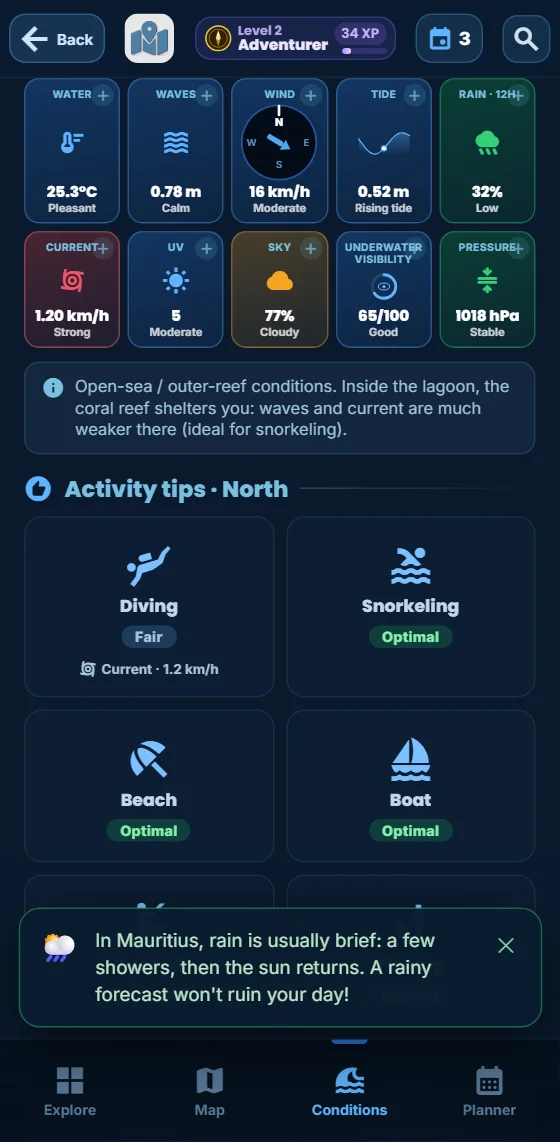
See the sea before you go
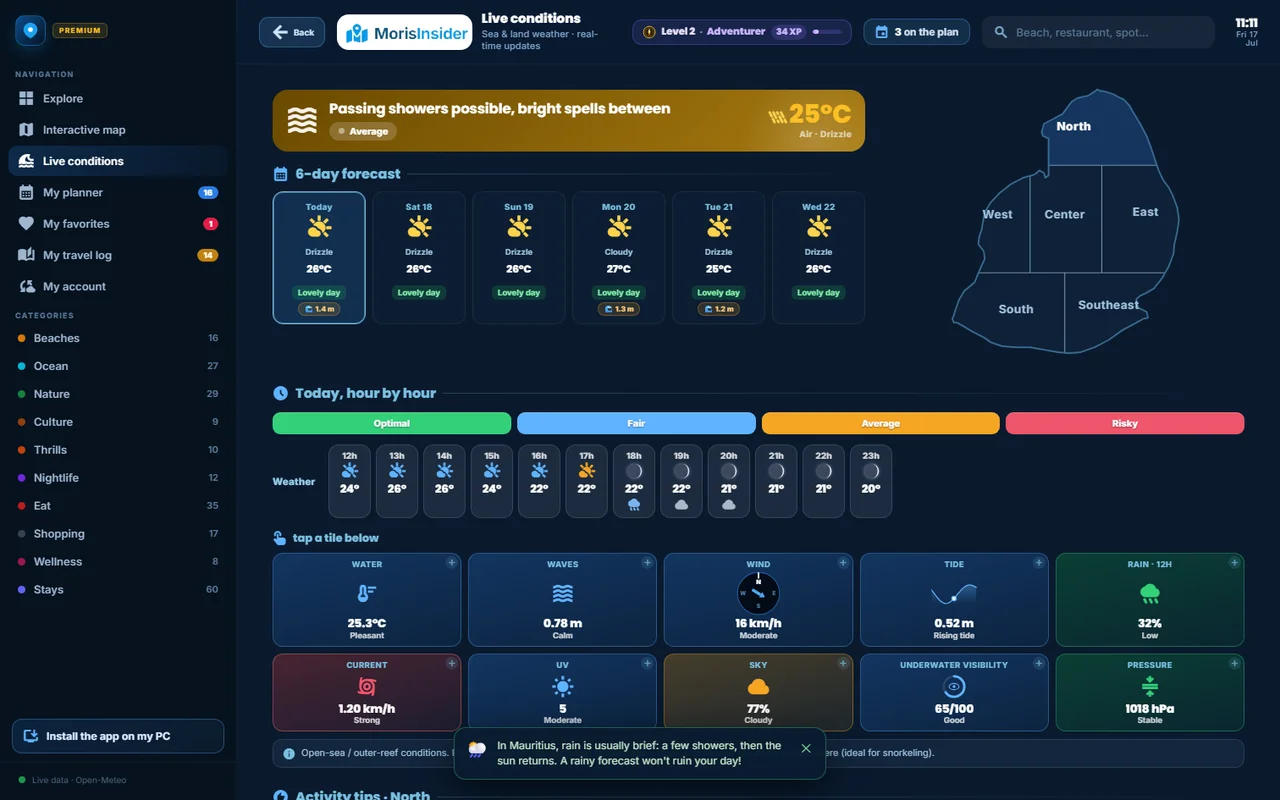
Moris Insider shows live marine weather, wind and conditions for every coast of Mauritius, plus locally verified spots and a day planner so you always pick the right beach on the right day.
Discover the app →4. Hiking and the great outdoors
The cooler, drier winter months, around June to September, are the sweet spot for walking. Lower humidity and gentler temperatures make the climb up Le Morne Brabant, the trails of Black River Gorges National Park and the lookouts above Chamarel far more comfortable than in the sticky heat of summer. Skies are often clearer too, which means better views from spots like the Black River Peak and Tamarin Falls.
Summer hiking is still possible, but go early, carry plenty of water and watch the forecast: afternoon downpours and slippery trails are common from December to March. Whatever the season, start at first light to beat both the heat and the crowds.
5. Whales, dolphins and the wildlife calendar
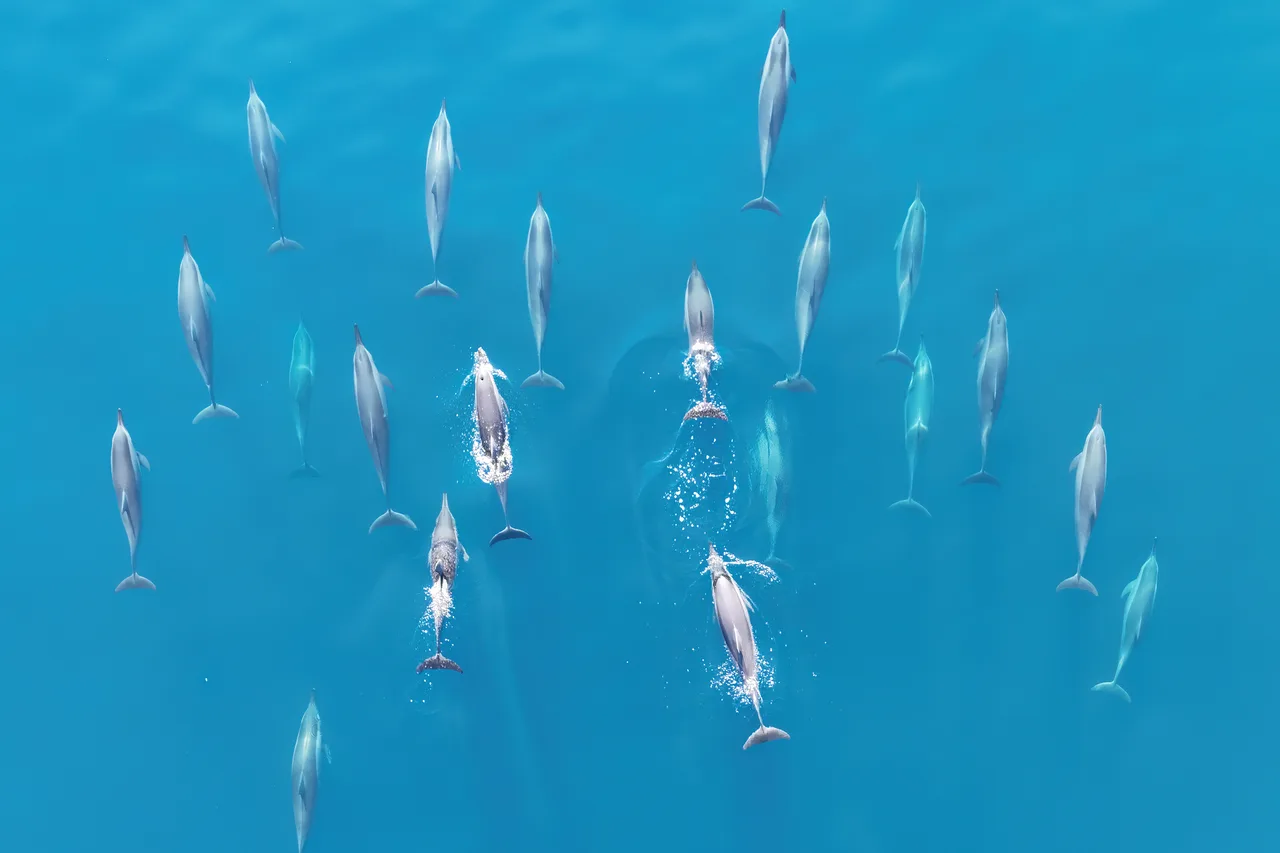
Spinner and bottlenose dolphins are seen off the west coast around Tamarin and the Bay of Tamarin throughout the year, usually best in the early morning when the sea is calm. The bigger draw is humpback whales, which pass Mauritian waters during the cooler season, broadly July to November, with the best odds from July to September. Sightings are never guaranteed, but winter is your best chance, and responsible operators keep a respectful distance.
6. Cyclones and the rainy stretch: what to actually expect
Let us be clear, because this worries a lot of travellers: cyclones are a real but manageable consideration, not a reason to cancel. The official cyclone season, as defined by the Mauritius Meteorological Services, runs from 1 November to 15 May, with the highest risk concentrated around January to March. A direct hit in any given year is relatively uncommon, and even when a system passes nearby it usually means a few days of heavy rain and strong wind rather than disaster. The island is well prepared, with a clear public warning system and resorts that know the drill.
More routinely, summer is simply the rainy, humid season. Showers tend to be tropical: intense but often short, frequently clearing to sun. The upside is a lush, green, sugar-cane-tall landscape and warm seas. If you travel in this window, build in flexibility and keep an eye on the forecast.
7. Crowds, prices and the value windows
The island fills up and rates climb around the festive and New Year period and the European summer holidays in July and August. For better value and quieter beaches, the shoulder months win again: aim for May, June, September and October. You will often find a more relaxed atmosphere, easier restaurant tables and lower accommodation prices, with weather that is still genuinely lovely.
8. Month by month at a glance
January: hot, humid and lush, the heart of summer. Warm lagoons but the wettest stretch and peak cyclone-watch season. Great for sun-seekers who watch the forecast.
February: much like January, hot and humid with cyclone risk. Green landscapes, warm seas and occasional heavy showers.
March: still warm and humid, rain easing towards month-end. Some lingering cyclone risk early on, lovely sea temperatures.
April: a transition month and a quiet gem. Heat and humidity drop, rain thins out, lagoons stay warm. Excellent all-rounder.
May: early winter at its best. Comfortable temperatures, lower humidity, plenty of sun and good value. A top pick.
June: cool, dry and pleasant, with the trades building. Ideal for hiking, sightseeing and the start of kitesurf season.
July: the coolest, breeziest stretch. Brilliant for watersports and whale-watching, slightly fresher for beach days, especially in the south and east.
August: like July, windy and crisp by Mauritian standards. Peak kitesurf and windsurf conditions, busy with summer visitors.
September: winter softens, wind eases a little, skies stay clear. Superb shoulder month for almost everything.
October: warming up, calmer lagoons returning, still dry. Arguably the most balanced month of the year.
November: early summer, warm and mostly dry before the rains. Lovely beach conditions and good value before the festive rush.
December: hot and increasingly humid, with rain and cyclone-watch returning late month. Festive, lively and busy, especially around the holidays.
9. So, when should you go?
If you want one recommendation to cover most travellers, go in the shoulder seasons: May to June or September to early December. You get warm, swimmable seas, generous sunshine, fewer crowds and friendlier prices, all while side-stepping the wettest weeks. Choose high summer for warmth, greenery and lower-season-feel romance if you do not mind the odd downpour, and choose deep winter if wind sports, hiking or whales are the whole point of your trip.
Whatever month you land in, remember the golden rule of Mauritius: the island is small, but the weather is local. The day that is grey and gusty in the southeast can be flat, bright and perfect a forty-minute drive away in the north or west. Plan around the coast and the day, not the calendar alone, and you will rarely have a bad beach day.
Pick the perfect day, on any coast
Locally verified spots, live marine weather for every region, and a day planner that builds your itinerary around the conditions. €24.90 once, for life. 30-day money-back guarantee.
Discover the app →