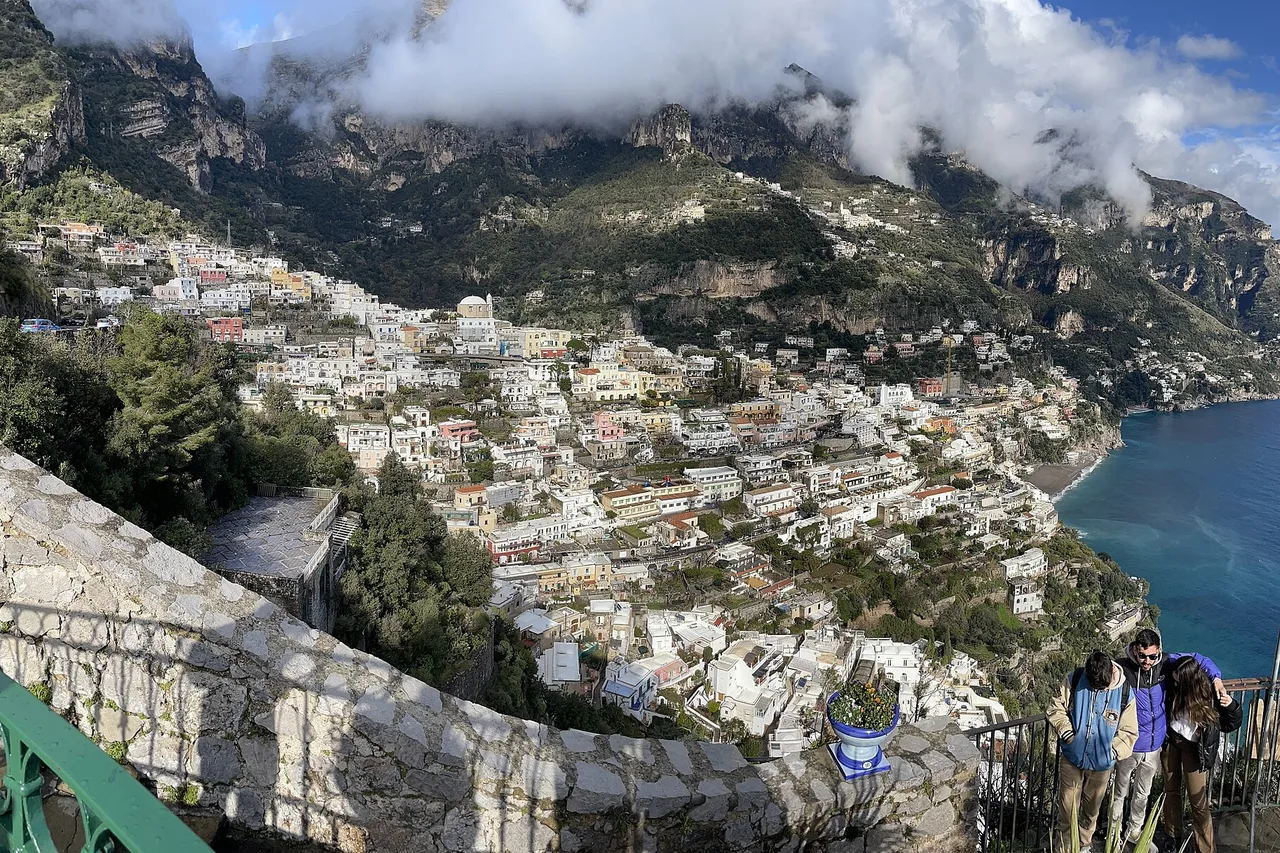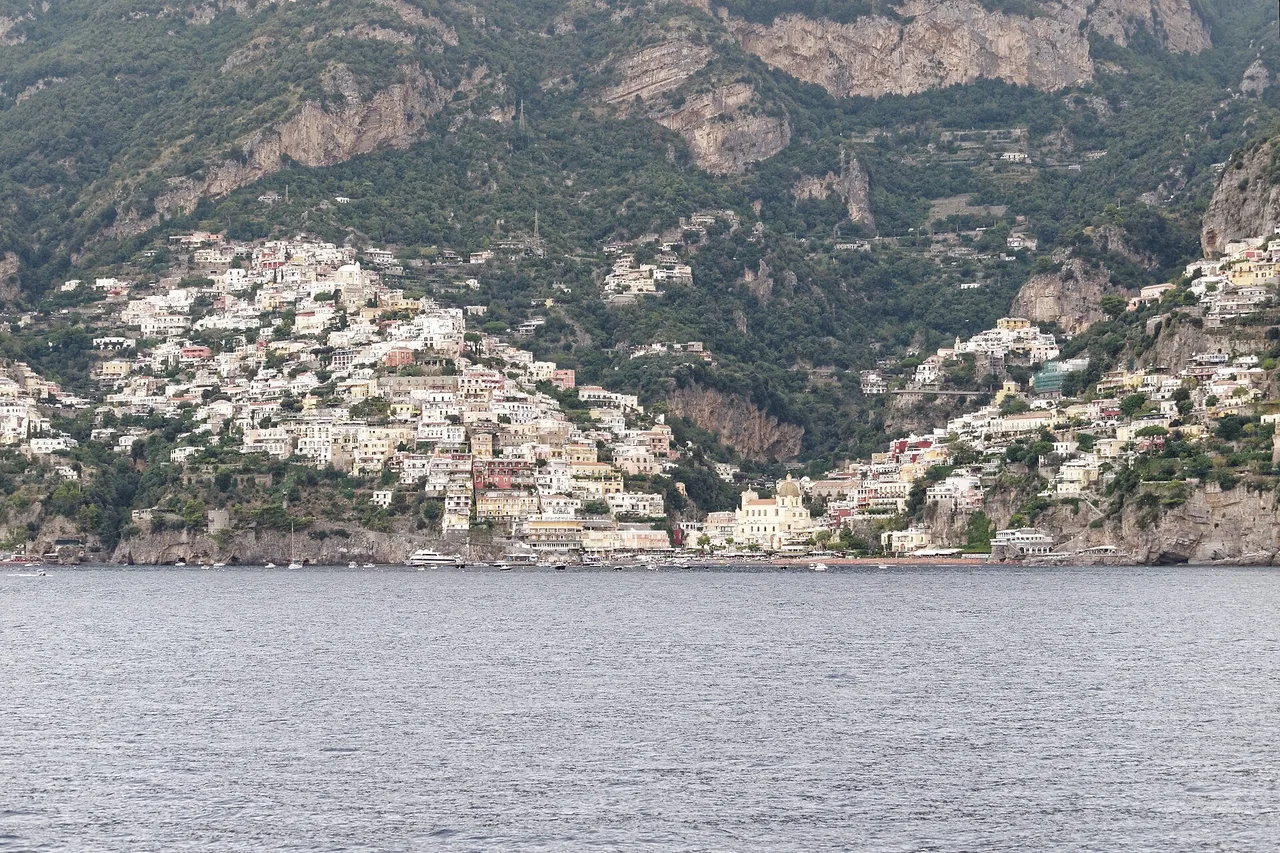
Coming to the Amalfi Coast without a car looks like a sacrifice. It is the opposite. From 1 August to 30 September 2026 the coast road is closed every single day to half of all cars, between 10 a.m. and 6 p.m. — and the rule works the opposite way round from what most people assume. Here is how to move between the villages by bus, by boat and on foot, and what each really costs.
The real reason to come without a car: cars are banned
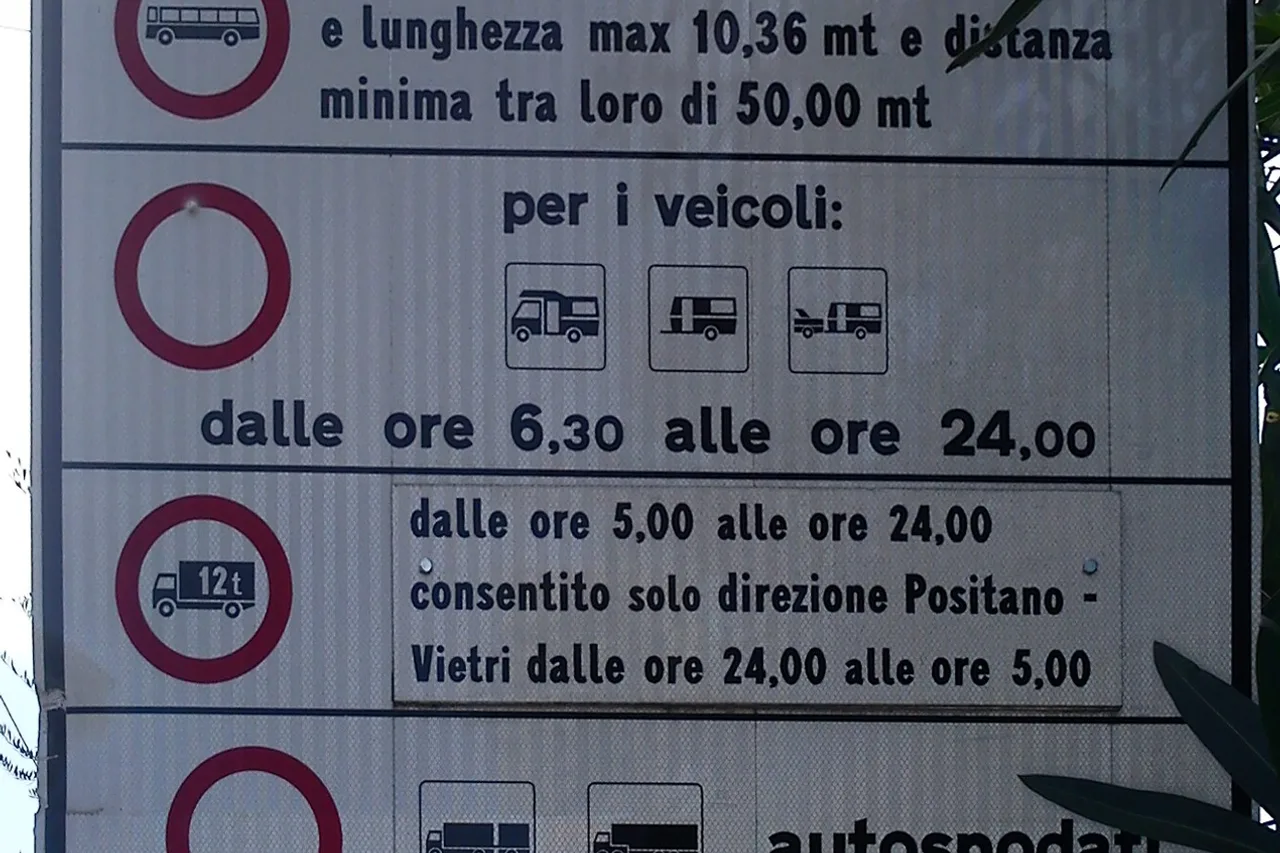
On the Statale 163, between Vietri sul Mare and Positano, traffic is closed every other day according to the last digit of the number plate, from 10 a.m. to 6 p.m. This is not friendly advice: it is an ordinance, and here is its 2026 calendar.
| Period | Days affected |
|---|---|
| 30 March – 6 April | every day (Easter and Easter Monday) |
| 24 April – 2 May | every day (spring public holidays) |
| 1 June – 31 July | weekends and public holidays |
| 1 August – 30 September | every day of the week |
| October, until the 31st | weekends and public holidays |
⚠️ And the rule works the opposite way round from what most people assume. On an odd-numbered date, it is plates ending in an odd digit that are banned — not allowed. Half the articles online state this backwards; read it twice, it is worth a fine.
📌 Two useful qualifications: outside the 10 a.m. to 6 p.m. window there is no restriction at all, and motorbikes and scooters are not affected. The scheme is renewed each year by ANAS ordinance and can be adjusted: the dates above are those recorded for 2026, and the coastal comuni can confirm them.
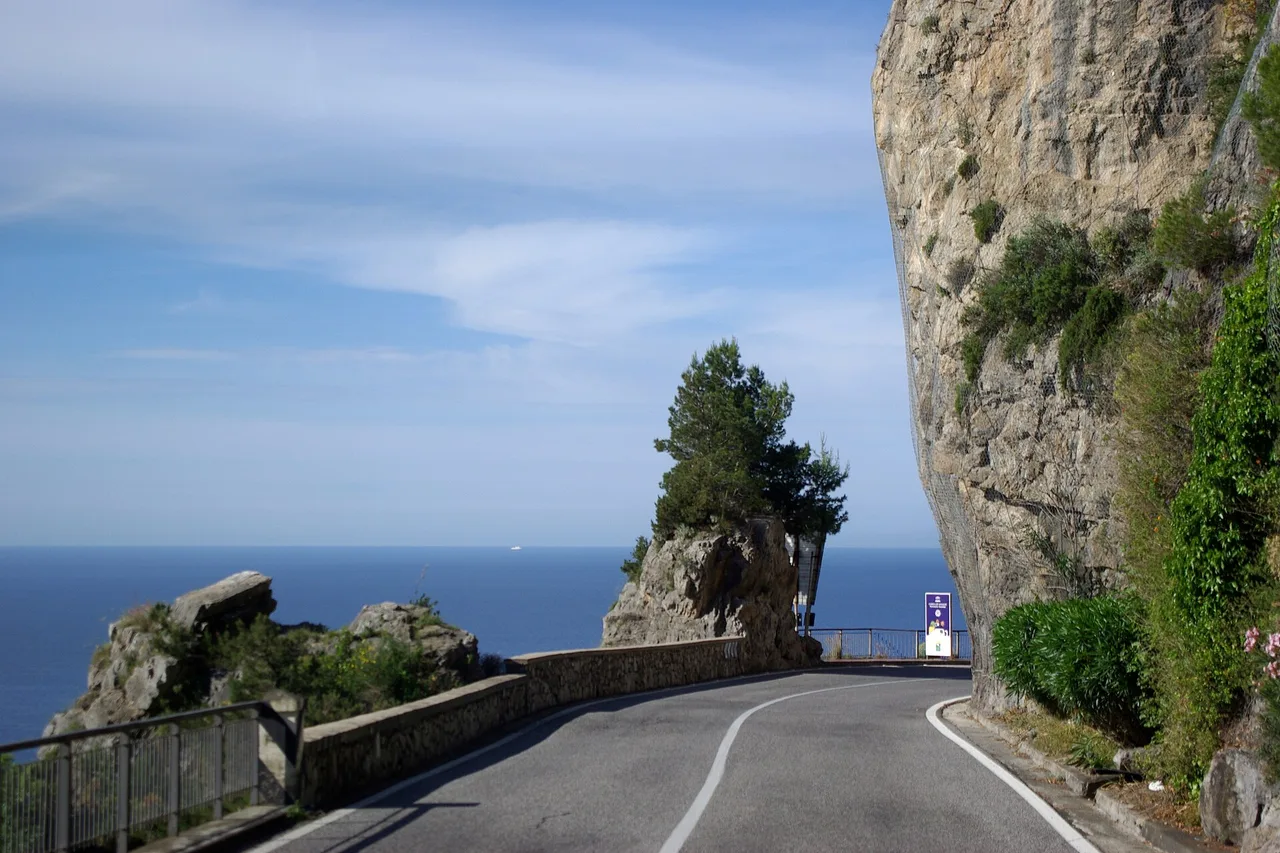
Look at the road: one lane each way, cut into the cliff, with not an inch to widen it. That is why it gets closed — and also why a bus makes better progress here than a car. It knows every bend, and everyone else gives way.
Full guide: Renting a car in Italy: ZTL fines, tolls and deposit
The bus: it runs all year, and it does not sell tickets on board
The SITA SUD network is the only solution that works twelve months a year. The main line links Sorrento, Positano and Amalfi, and continues towards Ravello, Maiori, Minori, Cetara and Salerno.
| Ticket | Price |
|---|---|
| Single, zone AC1 | €1.80 |
| Single, zone AC2 | €2.60 |
| COSTIERASITA 24-hour pass | €10.00 |
| COSTIERASITA 24 h + Positano local buses | €12.00 |
⛔ The trap, and it catches people constantly: tickets are not sold on board. You have to buy one before getting on, from a reseller displaying the SITA SUD logo — tobacconist, newsstand, bar — or on the UnicoCampania app, which takes card payment. Without a ticket the driver will not take you, and the next bus may arrive full: forgetting easily costs an hour.
🟢 The tip that changes the day: board at the terminus, not at an intermediate stop. In Amalfi as in Sorrento you leave from a bus station where you can sit down; along the route, buses often pass by full and do not stop. And if you want the view, sit on the right heading towards Positano, on the left coming back.
The ferry: the backbone from April to October — and nothing in winter
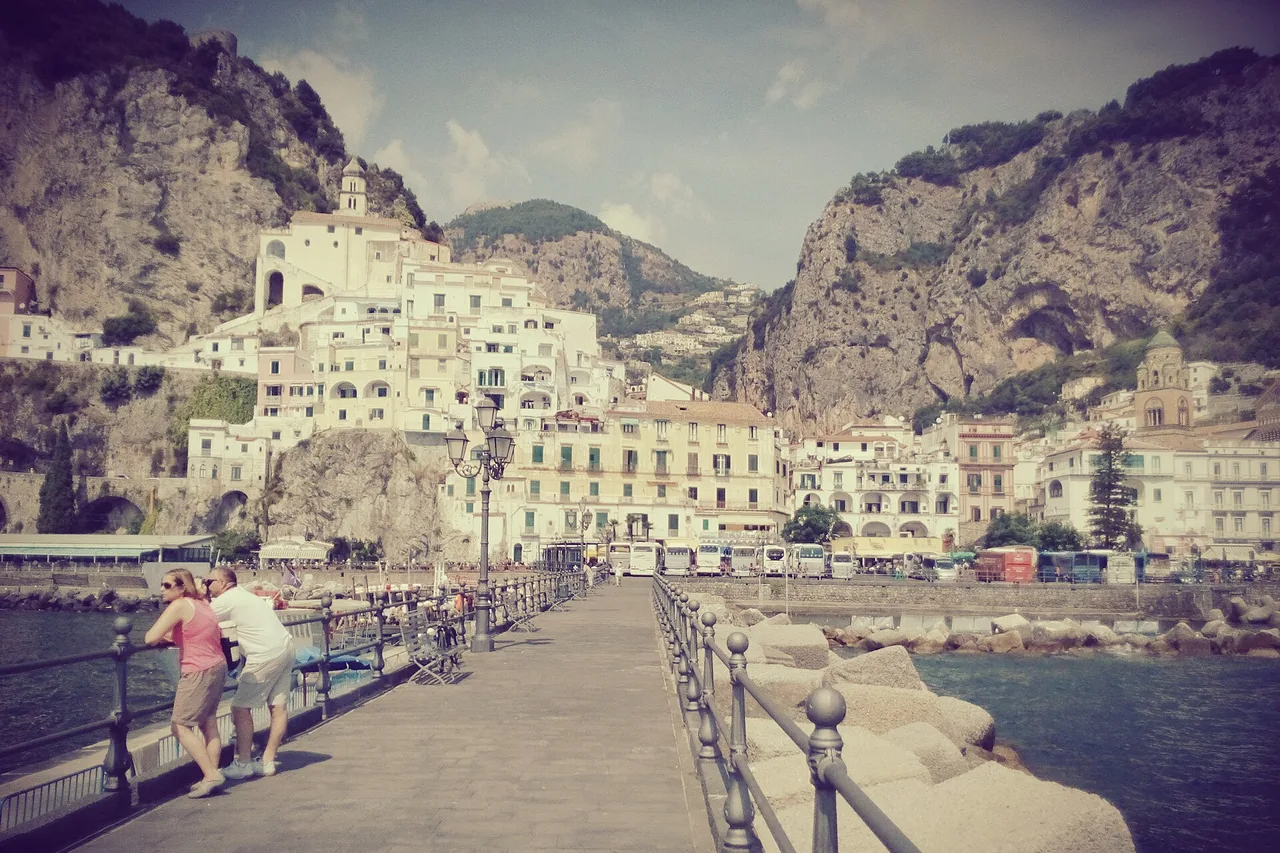
From late March or April until October, the boat becomes the best way to travel: it knows nothing of hairpins, alternate plates or traffic jams. It also gives you the only view that counts, the villages seen from the water.
| Route | Indicative price | Duration |
|---|---|---|
| Amalfi ↔ Positano | €9 – €10 | 15 to 25 min |
| Sorrento → Positano | ≈ €18 | depends on the boat |
| Naples → Positano | ≈ €22 | ≈ 1 h 30 |
Several companies — Travelmar, Alicost, NLG, Positano Jet, Alilauro — share the same routes, which explains the price differences from one ticket desk to the next. On Positano to Amalfi, frequency is high in season. In July and August, book ahead: the late-afternoon sailings leave full.
⚠️ But the ferry has two limits to plan for rather than suffer. First, it stops entirely in winter: from November to March there is nothing, and the bus becomes the only option. Second, it is cancelled as soon as the sea gets up, sometimes that very morning. Never build a day around a single return ferry: keep the last bus time in mind — that is your safety net.
Arriving from Naples or Salerno without ever renting
Two ways in, one at each end of the coast, and neither needs a car.
🟢 From the west, from Naples airport: the Curreri bus links Capodichino to Sorrento station in an hour and a quarter to an hour and a half, for around ten euros, luggage included, with roughly eight departures a day. It drops you at the station, Piazza de Curtis, not at your hotel — that is the one thing to know. From there, the SITA bus or the ferry carry on to Positano and Amalfi.
Full guide: Naples Airport to Positano and Amalfi: Transfer Options
🟢 From the east: take the train from Naples to Salerno, then the ferry or the bus to Amalfi. It is often faster than the coast road, and infinitely more restful. Salerno is an underrated base too: a real town, real prices, and both networks in one place.
One case neither coach nor ferry covers well: arriving outside bus hours, or a village nothing serves conveniently with luggage — Praiano, Conca dei Marini, Furore, where the stop is up on the road and the accommodation a hundred steps below. In that case, and nowhere else, booking a fixed-price transfer in advance saves you arriving after dark with two suitcases on a road with no pavement. Check the Curreri timetable first: most of the time, it is still running.
Where to base yourself when you have no car
Without a car, you choose your base on connections rather than on beauty. Here is what each village actually gives you.
Amalfi — the sound default. The only point where bus and ferry genuinely meet, and the only one from which the road climbs to Ravello. Everything is walkable from the harbour. In exchange, it is also the busiest at landing times.
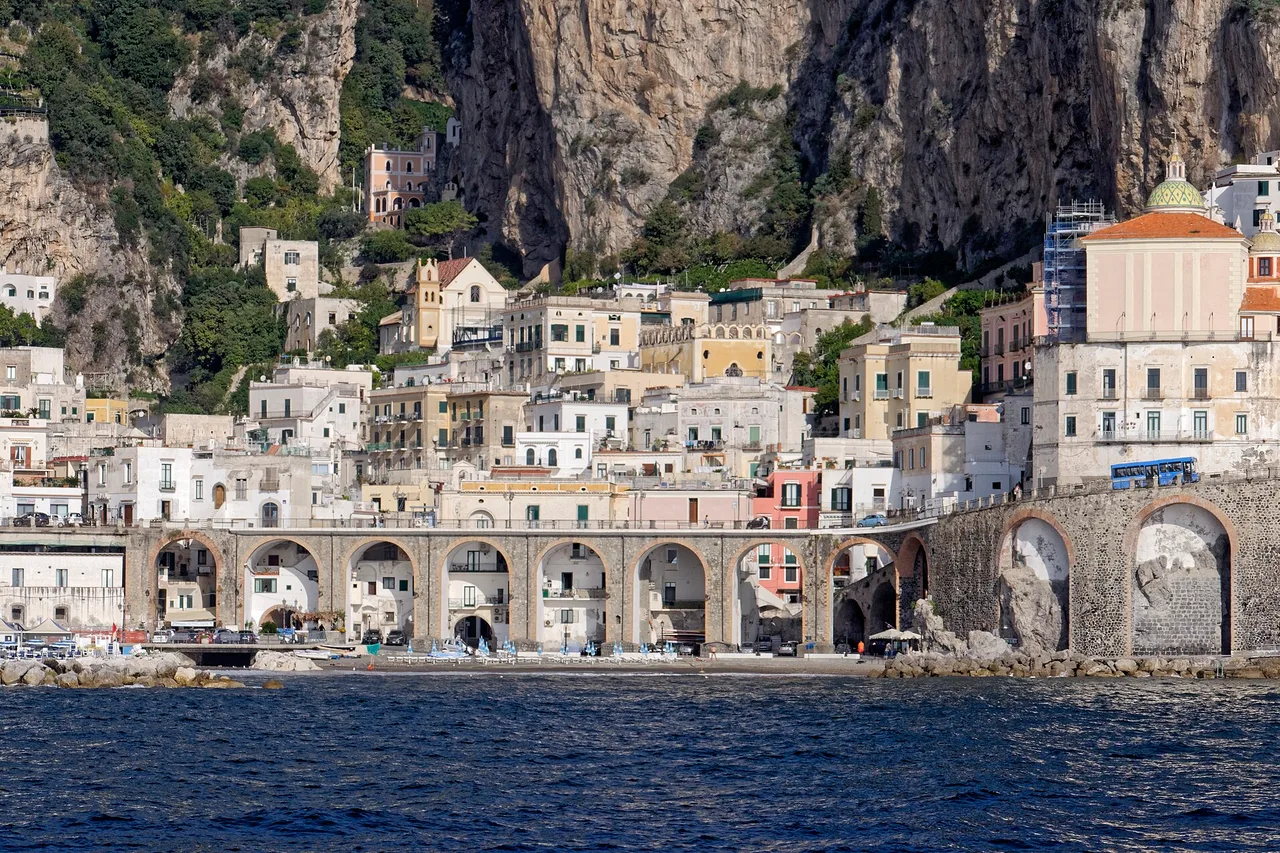
Atrani — the same position, only better. Ten minutes on foot from Amalfi along the shore, Italy’s second-smallest comune, with no coaches and no souvenir shops. Prices are lower and silence returns by seven in the evening. For a car-free stay, this is our recommendation.
Salerno and Vietri sul Mare — for arriving by train. A national station, ferries, buses, and a choice of accommodation the coast itself does not have. You lose the postcard on your doorstep; you gain comfort, space and budget.
Positano — glorious, and made of stairs. There is almost no flat ground: between the bus stop, up on the road, and the beach lie several hundred steps. Check how high your accommodation sits before booking, and travel light. There is an internal shuttle bus — it is what justifies the €12 pass.
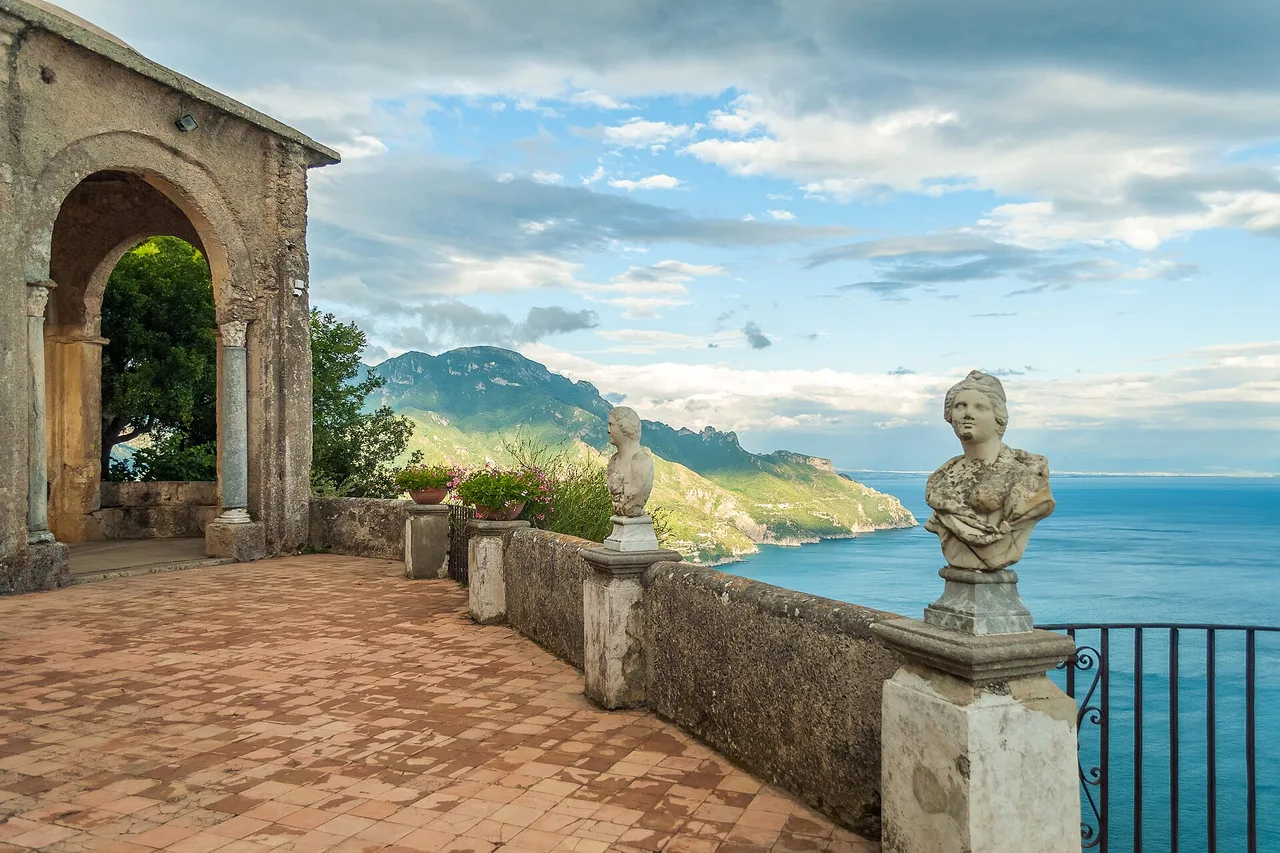
Ravello — to visit, rarely to live in. Perched three hundred metres above Amalfi, with no harbour and no fast road, it is reached only by bus from Amalfi. It is a marvel, and a daily constraint: keep it for a day, not for a base.
Three rules to remember before you go
- Buy the bus ticket before boarding. None are sold on board; a tobacconist or the UnicoCampania app, and the problem disappears.
- Do not build a day around a single ferry. From April to October it is excellent, but it is cancelled when the sea gets up — and from November to March it does not exist.
- If you do come by car, check the date against your plate. From 1 August to 30 September the restriction is daily between 10 a.m. and 6 p.m. — and an odd date bans odd plates.
🟢 The real luxury here is having nothing to park. The bus sets you down in the centre of each village, the boat gives you the coast as the road never can, and the last hundred metres are done on foot, in streets no car enters anyway.
Top-rated activities in Italy, bookable online: