You will not find an “average daily budget” in this article. A daily average is not a measurement, it is an opinion — and it tells you nothing about what you will actually pay. What we do put a figure on here is set by a town hall, by the Italian state or by an EU regulation, so you can check it yourself. And those figures moved in 2026: the tourist tax has broken its historic ceiling, Venice now charges for entry, and only one kind of train still shows a price you can plan around.
Why you will not find an “average daily budget” here
An “average daily budget for Italy” adds up a hotel that is not yours, a season that is not yours and an itinerary that is not yours. It looks like a measurement and it is worth an opinion. We are not going to publish one.
Instead, this article does two things. It puts a figure on the official charges — the ones set by a town hall, by the Italian state or by the European Union, which you can verify yourself and which are added to everything else. And for the rest it gives you a method: fixed costs ÷ usable days.
📌 Those official charges share one decisive feature: they are all decided before you leave. None of them depends on your self-discipline once you are there. That is exactly what makes them useful in a budget — and why they are the only ones we quantify.
The tourist tax changed scale in 2026
Here is the change nobody talked about. For years the Italian tourist tax — the imposta di soggiorno — was capped at €5 per person per night. That cap is gone.
The Anticipi decree and then the 2026 budget law opened a breach: municipalities within 30 kilometres of a Milan-Cortina Olympic venue may add up to €5, with half of the extra revenue going to the state. Milan raised its ceiling to €10.
| Benchmark | Amount |
|---|---|
| National range observed | €1.00 – €10.00 |
| Usual ceiling in many provincial capitals | around €7.00 |
| Major art cities, upmarket properties | up to €12.00 |
| Milan, ceiling raised in 2026 | €10.00 |
| Municipalities applying the tax | 1,411 (+24 in a year) |
⚠️ Do the maths before you compare hotels, not at the front desk. Two adults, nine nights: at €3 the bill grows by €54, at €7 by €126, at €10 by €180. The gap between the bottom and the top of the scale reaches €126 on the same trip — more than most travellers save by switching hotels.
🟢 Three reflexes that bring it down without giving anything up. It depends on the category of the property, not on its price: an expensive room in a three-star pays less than a cheap room in a five-star. Many towns only charge it on the first consecutive nights — in Rome, the first ten. And a lot of cities exempt children below a certain age: for a family of four that changes the whole calculation.
📌 The scale varies from one town to the next and there is no national rate. For the full breakdown by category in the capital, see our article on choosing a neighbourhood in Rome, which publishes the complete Roman scale, from €3.00 to €10.00.
Venice now charges at the door — and the price doubles at the last minute
This is the easiest line to forget, because it resembles nothing else: Venice charges people to enter the city if they do not sleep there.
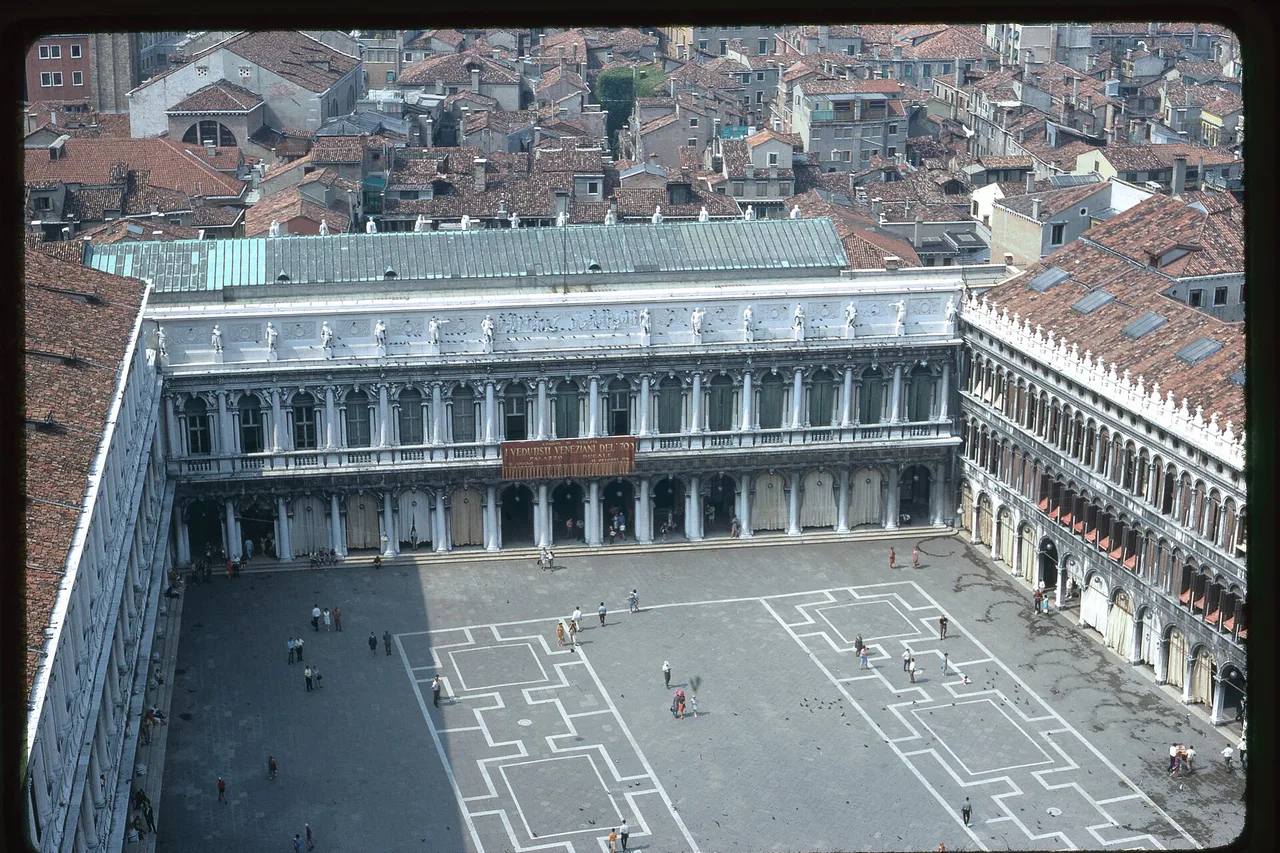
The 2026 contributo di accesso applies on 60 non-consecutive days, from 3 April to 26 July, and only between 8.30am and 4pm. Outside those days and those hours it costs nothing.
| When you pay | Amount |
|---|---|
| Up to the 4th day before your visit | €5.00 |
| Within the 4 days before entering | €10.00 |
| You are sleeping in Venice | exempt (you pay the tourist tax) |
| Entering after 4pm, or outside the 60 days | €0.00 |
| Smaller islands in 2026 (Lido, Murano, Burano, Torcello, Sant’Erasmo) | not covered |
🟢 Two free decisions, taken in advance, cancel this line. Paying five days ahead rather than the night before halves the amount. And arriving after 4pm removes it altogether — a late afternoon and an evening in Venice, once the coach groups have left, is often better than a morning in the crowd.
📌 Booking and payment go through the city’s official portal, cda.ve.it. Keep the receipt: that is what gets checked at the access points.
The ZTL: the only line where you lose money without buying anything
This is the line that does the most damage, and it appears in no budget. Italian historic centres are limited traffic zones, monitored by cameras. Entering without a permit is an offence, and the camera cannot tell a distracted resident from a tourist looking for their hotel.
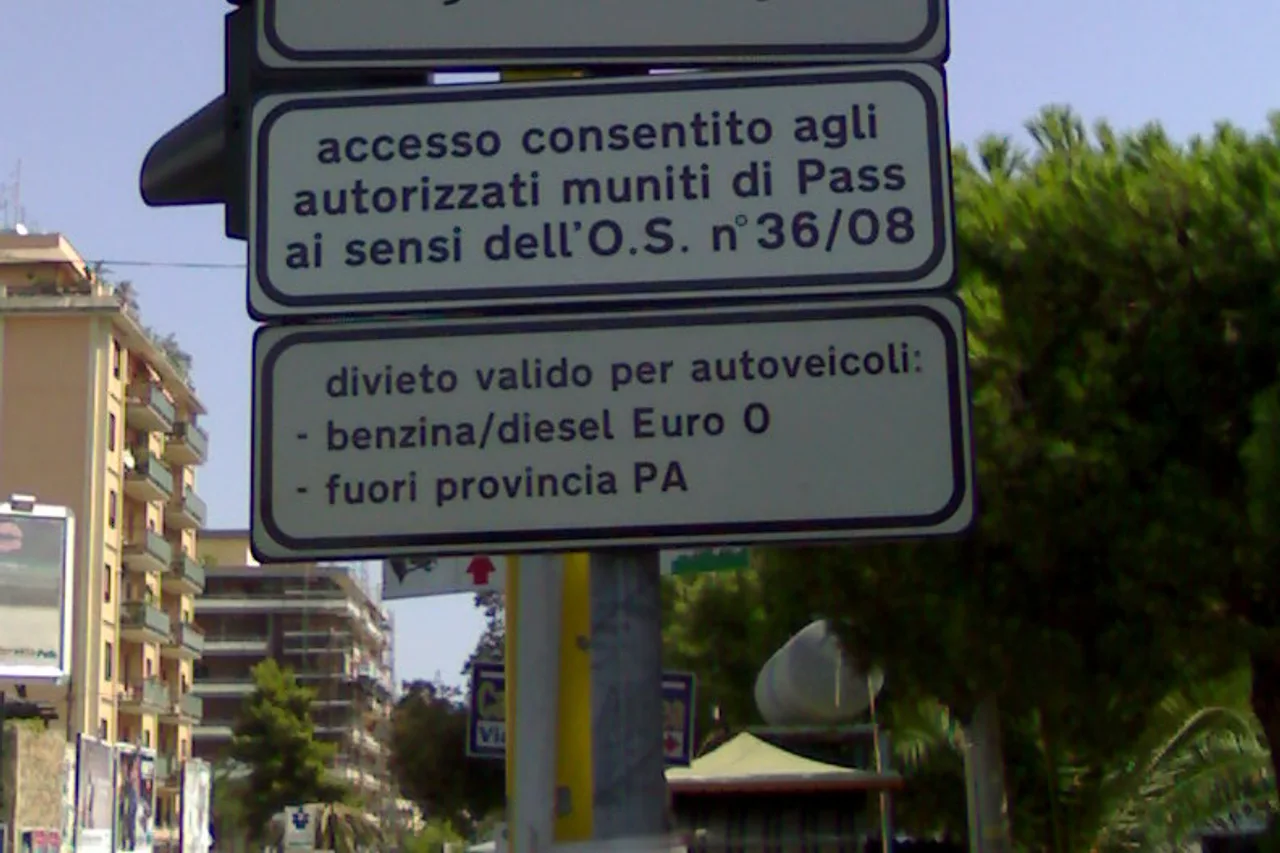
The general scale runs from €83 to €332, indexed to inflation. Going through a rental company, a traveller receives a fine of €81 to €164, notified first to the rental firm and then passed on, usually with an administration fee on top.
🔴 Here is the part almost nobody grasps in time: it is not one fine per trip, it is one fine per camera. Three cameras means three fines. A round trip to your hotel morning and evening can produce four in a single day. At the bottom of the scale, three crossings cost €243 — close to double the tourist tax for two people over nine nights.
🟢 What works in your favour. Paying within five days entitles you to a 30% reduction, and no licence points are at stake: it is purely financial. But the notice often arrives months after you get home, long after the five-day window has closed — which is why it pays to watch your post after a driving holiday.
📌 And tolls went up on 1 January 2026, by 1.5%, following decisions by the Constitutional Court and the transport regulator. The increase actually measured across 38 significant routes is more modest — 1.1% on average, or 10 to 20 cents more per toll booth. Three networks did not move: Concessioni del Tirreno (A10, A12), Ivrea-Torino-Piacenza (A5, A21) and Strada dei Parchi.
Full guide: Renting a car in Italy: ZTL fines, tolls and deposit
⛔ The practical conclusion: do not take a car to visit Italian cities. It will not save you a single minute, and it will cost you parking, tolls and ZTL risk. It is, however, the right tool the moment your itinerary leaves the cities — the Tuscan hills, Puglia, inland Sicily, Trentino. In that case only, comparing rental companies before you leave is worth the effort: prices booked on the spot at an airport desk are consistently the highest.
Since January 2026, only one train still shows its price in advance
This is the most structural change for a budget drawn up weeks before departure. Since 1 January 2026, Trenitalia applies dynamic pricing to its Frecce — Frecciarossa, Frecciargento, Frecciabianca. The fare climbs with demand and as the date approaches.
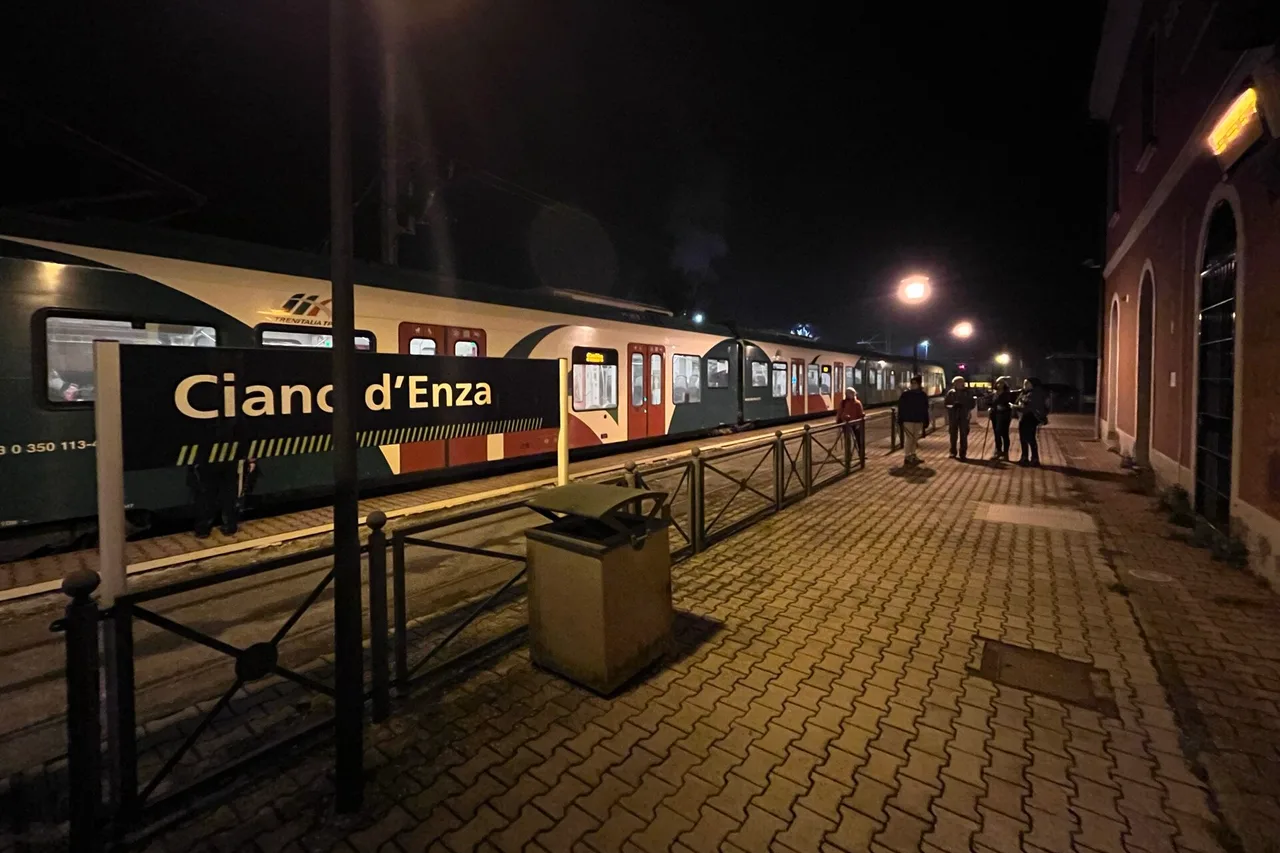
🟢 Regionali and Intercity trains are not affected. They fall under public service contracts: their fares stay regulated and stable. The distinction is not commercial but legal — the Frecce are “market” trains that live off ticket sales; the others are subsidised.
📌 What that changes for you, very concretely. The Regionale price you note today will still be the price on the day you travel: you can put it in a budget without booking. A Frecciarossa price will not — it is the price of a moment. Two consequences: book the Frecce early, and never budget a high-speed leg at the price you saw the day before your search.
⚠️ The Regionale is not just cheaper: it is also much slower, and it does not serve the same stations. On Rome–Florence, high speed takes an hour and a half; the regional takes three times that, with changes. The right call is not “always take the Regionale”, it is: high speed for long legs booked early, regional for short hops and for days when the plan is not fixed.
The date that takes 480 museums down to zero
There is one day in Italy when a whole section of your budget disappears, and it is written into the official calendar: on the first Sunday of every month, more than 480 state museums, monuments and archaeological parks are free for everyone. That is the Domenica al museo scheme, running throughout 2026.
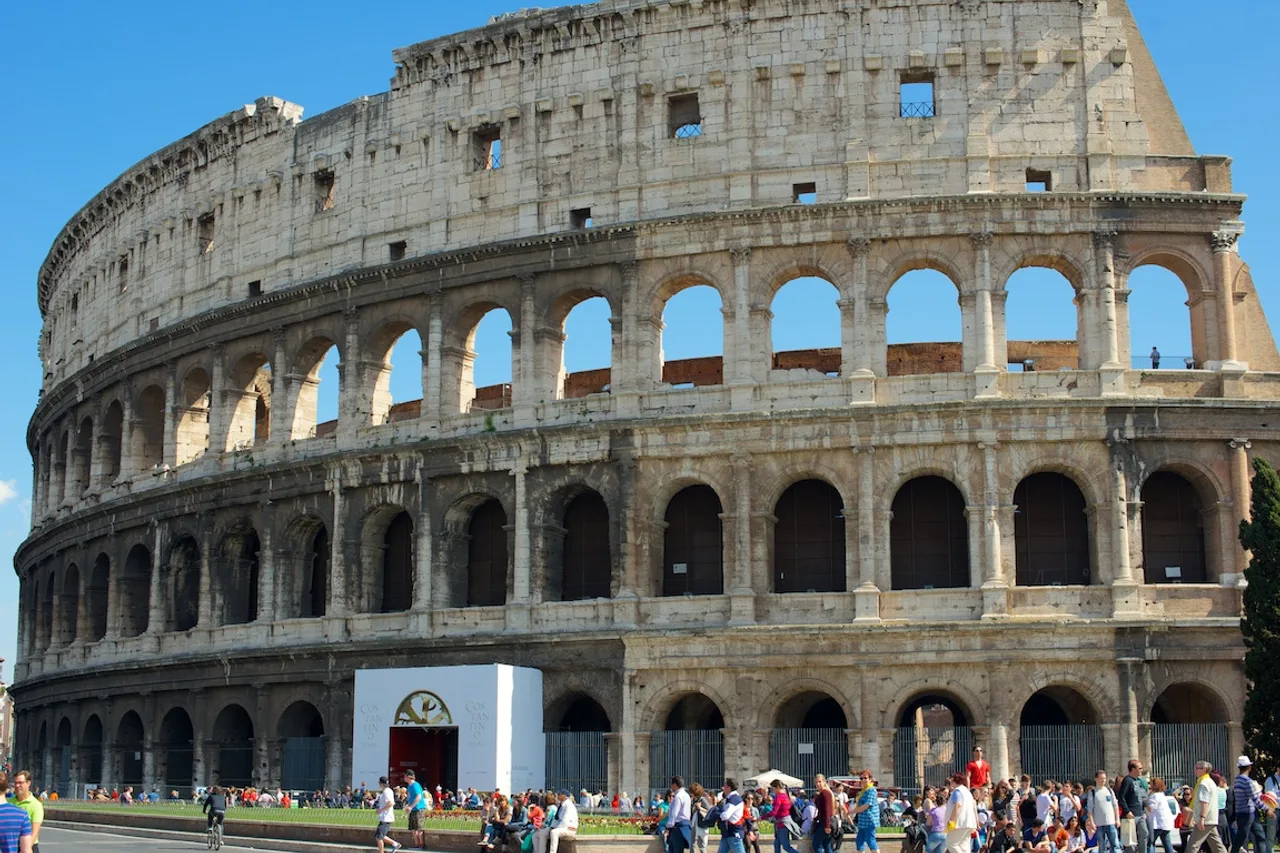
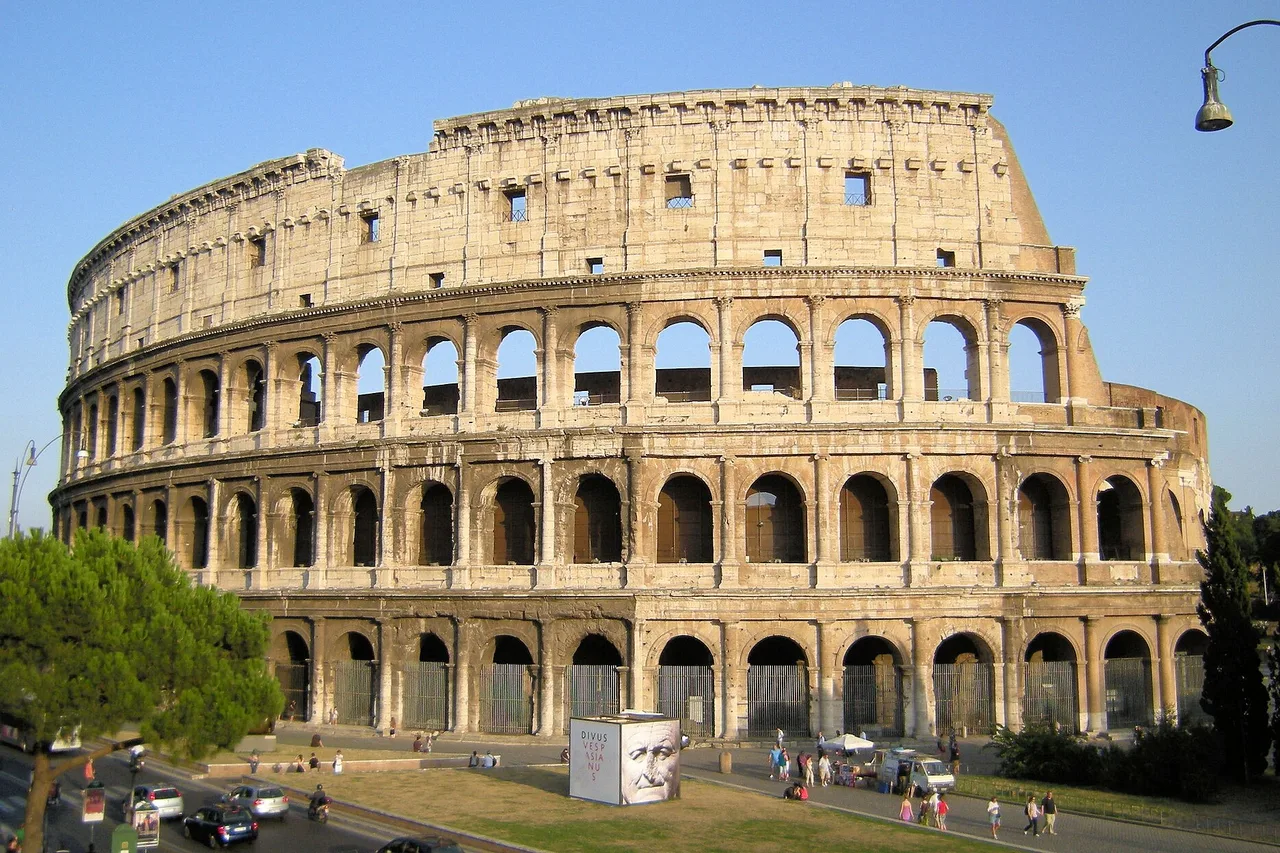
The list is anything but marginal: the Colosseum, the Palatine, the Roman Forum, Pompeii, Herculaneum, the Borghese Gallery, the Uffizi, and the national museums of most cities.
⚠️ One calendar rule catches travellers out every year: if the 1st of the month falls on a Monday, the first Sunday is the 7th, not the 31st of the previous month. Check the exact date for your month before you build a whole day around it.
🟢 Free does not mean walk-in. Entry numbers stay capped, and the busiest sites require a booking — sometimes with a quota of free slots released online that goes within hours. A first Sunday at the Colosseum without a reservation is a queue, not a saving.
📌 And for the other eleven months — or for municipal and private museums, which do not take part — the only real saving is time: booking tickets ahead avoids the queue and, more importantly, avoids the closed desk once the daily quota is reached, which is the real risk at Pompeii and at the Uffizi alike.
The only three-figure line in this budget is a refund
Every line so far costs you money. This one pays you, and it is the largest figure in the article.
European regulation EC 261/2004 creates a right to fixed compensation from three hours’ delay on arrival, and in cases of late cancellation or denied boarding through overbooking. It is independent of the ticket price: a €40 flight can be worth €250.
| Flight distance | Amount |
|---|---|
| Up to 1,500 km | €250 |
| Intra-EU flights over 1,500 km, and 1,500 – 3,500 km | €400 |
| Over 3,500 km outside the European Union | €600 |
🟢 The reflex that decides everything is a photograph. At the airport, photograph the departures board and keep your boarding pass: that is what proves the real arrival time, months later. Without it, the claim rests on your memory.
📌 Claiming directly from the airline is free, and that is always where to start. If it drags on or is refused, a specialist service such as AirHelp will take it on for a commission on the sum recovered — you trade part of the amount for not chasing it yourself for six months.
⚠️ Two limits worth knowing: extraordinary circumstances (weather, air traffic control strikes, security) remove the entitlement, and the delay is counted on arrival, not on departure. A flight that left two hours late and landed three hours and ten minutes late qualifies; the other way round, it does not.
The method for everything else: fixed costs ÷ usable days
That leaves everything we refuse to price: hotels, meals, flights, fuel. Here is the only useful thing to say about it, and it is not an amount but a structure.
A 10-day trip does not contain 10 days of sightseeing. Arrival eats one — flight, transfer, settling in. And each change of city eats a fraction: packing, checking out, travelling, settling in again.
🔴 In Italy, the discovery is that it is not the number of cities that costs you, it is the MODE. A hop by Frecciarossa, city-centre station to city-centre station, costs roughly a quarter of a day. The same hop by car — collecting the vehicle, getting out of the city, finding a car park, avoiding the ZTL — costs half a day.
| Number of cities | By high-speed train | By car |
|---|---|---|
| 2 cities | 8.75 days | 8.50 days |
| 3 cities | 8.50 days | 8.00 days |
| 4 cities | 8.25 days | 7.50 days |
| 5 cities | 8.00 days | 7.00 days |
📌 On a five-city itinerary, the train hands you back a whole day — 8.00 usable days against 7.00, which is 14% more trip for the same number of nights paid. It is the one “saving” in this article that depends on no tariff at all: it depends on your plan.
🟢 So divide. Take what your trip costs in fixed expenses — flight, nights, rental — and divide it by the number of usable days, not by 10. Two itineraries at the same headline price do not cost the same in reality: the one with five cities by car sells you seven days at the price of ten.
And if you remember only one thing from all of the above: the five official charges in this article are all decided before you leave. Once you are there, all that remains is self-discipline — the most tiresome and least profitable part of any budget.
Top-rated activities in Italy, bookable online: