The Tuscan loop is the same everywhere: Florence, Chianti, Siena, San Gimignano, the Val d’Orcia. That is not where trips go wrong. They go wrong on the car — and the bill does not land when you get home. It lands up to 360 days later, as ZTL fines nobody saw coming. Here is the route, and the one rule that genuinely changes its cost.
The most expensive mistake is not in the itinerary
Every guide will give you the same loop, and they are right to: Florence, Chianti, Siena, San Gimignano, the Val d’Orcia. That is not where it is decided. What derails a Tuscan budget is the ZTL — the zona a traffico limitato, the restricted-traffic area covering the historic centre of almost every Italian town.
There is no barrier, no officer, no alarm. A camera reads your plate at the entrance and the ticket issues itself. You will know nothing at the time, nothing at the end of the trip, nothing when you hand the car back.
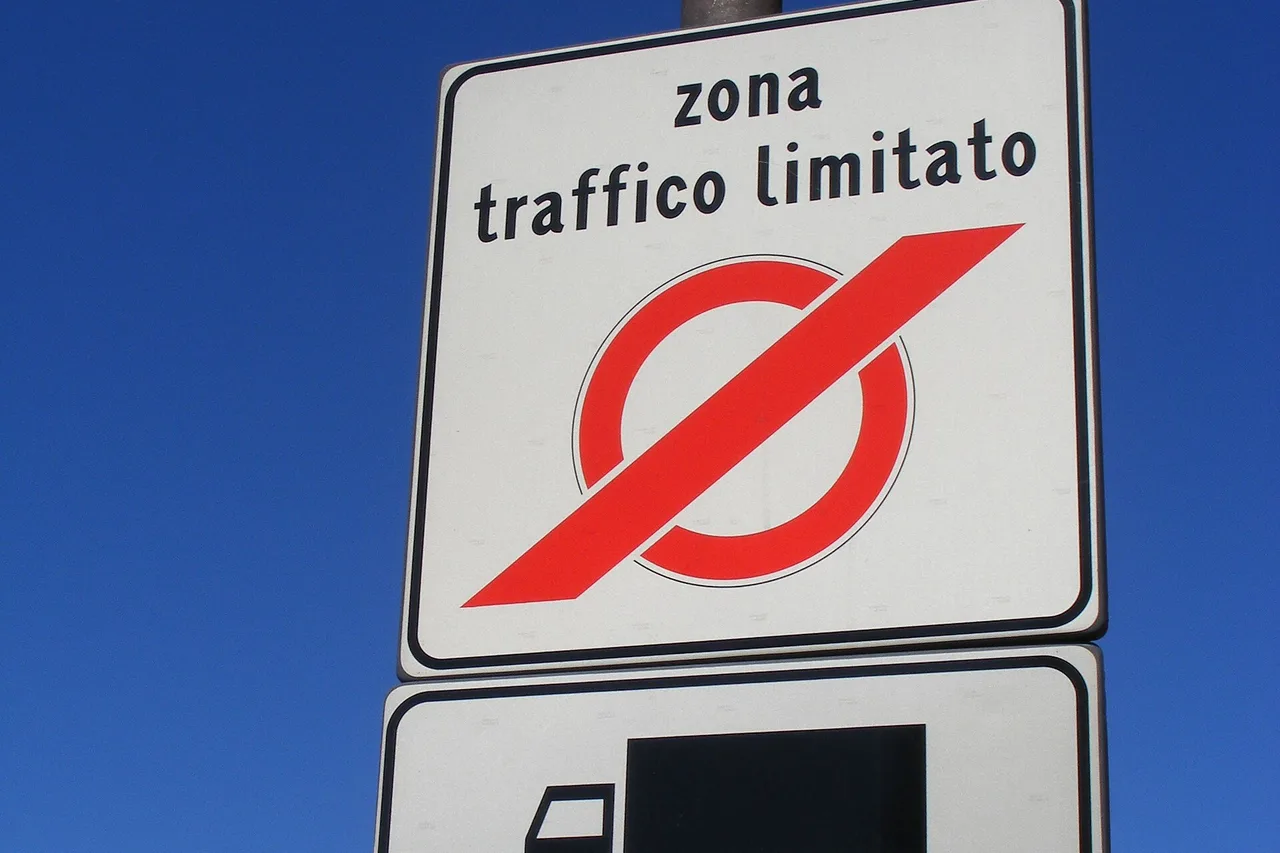
The amount comes from article 7 of the Italian highway code: €83 to €332, with a 30% reduction if you pay within five days of notification, plus notification costs, which carry no reduction. No licence points are deducted when the offence is caught on camera.
⚠️ And here is the figure that surprises everybody. Article 201 of the same code sets the notification deadline at 90 days for a resident of Italy and 360 days for a resident abroad. With a rental car, add a step: the notice goes to the rental company first, which must supply the driver’s identity, and only then does the clock start. A ZTL entry in spring can therefore reach you the following summer.
📌 One point we will not settle. Sources disagree on repeated entries: some describe every pass under a camera as a separate offence, others announce that passes on the same day in the same zone are grouped together. None is official. We would rather tell you that than invent a rule — and the practical conclusion is the same either way: do not make it a bet.
The principle here: the car on day 3, not day 1
Everything else follows from that. Florence is walked, not driven: the centre is small, dense, and entirely inside the ZTL. Arriving by car means hunting for expensive parking on the edge of an area you are not allowed to enter anyway.
Full guide: Renting a car in Italy: ZTL fines, tolls and deposit
So turn the habit around: two days in Florence without a car, then pick the rental up on the morning you head south, and drop it on the way back. Three gains, all measurable: three fewer rental days, no city-centre parking, and above all no camera exposure at all for half the trip.
🟢 From Florence airport, the T2 tram reaches the centre in 22 minutes, running every four to five minutes at peak times. The city ticket was showing €1.70 at the machine when we checked — a specific airport fare has been discussed locally, so read the price on the machine rather than trusting a figure found somewhere.
Days 1 and 2 — Florence, on foot
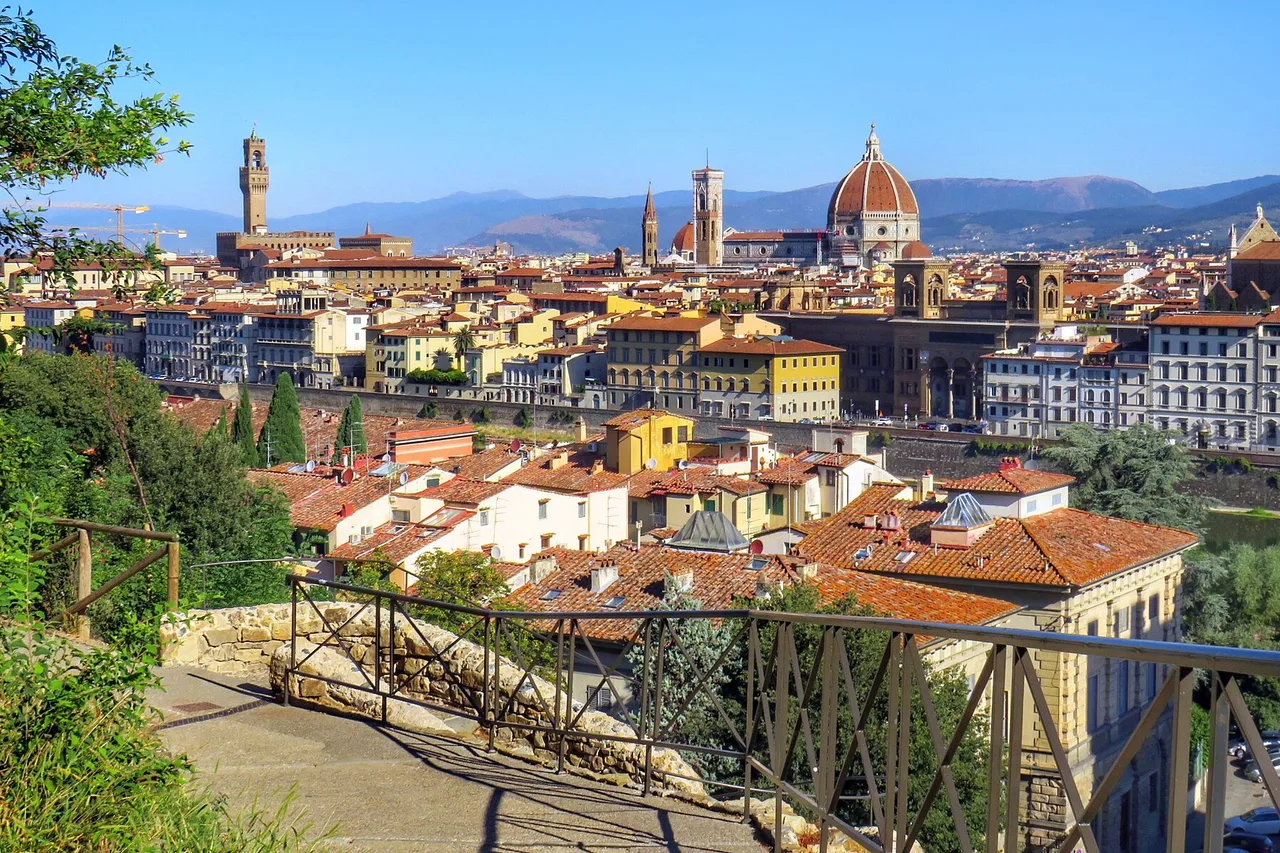
Two full days, no vehicle. The first for the city itself: the Duomo and its dome, the Baptistery, Piazza della Signoria, the Ponte Vecchio, then the climb to Piazzale Michelangelo late in the afternoon. The second for the museums, which need organising ahead.
The official prices, taken from the source. At the Gallerie degli Uffizi the ticket is €25 on the day and €29 in advance — the €4 difference is the booking fee. Uffizi + Vasari Corridor is €43 on the day and €47 in advance; the five-day ticket covering all the museums is €40; Palazzo Pitti €16 / €19 and the Boboli Gardens €10 / €13.
At the Galleria dell’Accademia, home of the David, reckon on €16 full price plus €4 booking, so €20; €2 for EU citizens aged 18-25, and free under 18. ⚠️ The official page mixes a €20 fare with an older notice quoting €16: check the amount when you book rather than relying on our reading.
🟢 The official box office is always the cheapest, and it is where you start. In high season, though, it shows sold out for days ahead on morning slots. In that case only, ticketing platforms such as Tiqets hold separate allocations and can often find you a slot — dearer than official, but available. It is a fallback, not a shortcut.
Day 3 — collect the car and drive into Chianti
This is the morning everything shifts. You pick the car up and leave Florence without ever driving back into its centre.
Where to collect it. Two options in Florence: Peretola airport, whose desks sit off-site at the Palagio degli Spini, and the agencies on Borgo Ognissanti, ten minutes’ walk from Santa Maria Novella station. In both cases, ask the branch for the exact route out and do not follow your satnav blindly: an ordinary satnav does not know the gate timetables and will route you straight through the zone without a word.
Two reflexes matter more than the headline daily rate: the excess amount, and the fuel policy — full-to-full is the only one that does not make you pay for fuel you will not burn. For a Florence pick-up, comparing the companies available locally covers the major names present at Peretola and on Borgo Ognissanti, with the conditions shown before you book.
⚠️ Ask in writing how the branch handles ZTL fines too: most charge an administrative fee for passing on your identity, on top of the fine itself. Better known beforehand than discovered a year later.
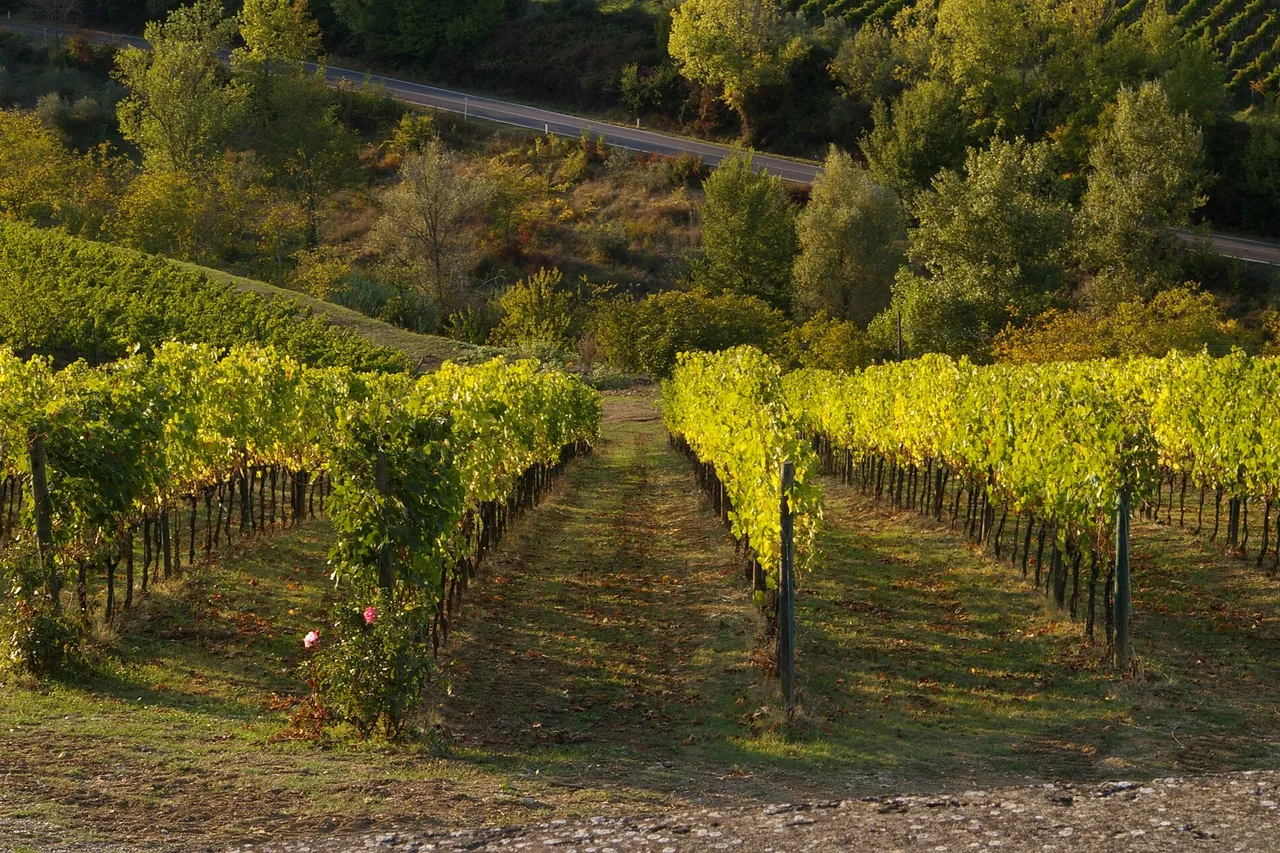
Then take the Chiantigiana, the SR222, rather than the fast road. Greve in Chianti is around thirty kilometres from Florence, but allow double the time: it is a slow, winding road between vines and cypresses — which is exactly why you take it. Panzano, Castellina, Radda: stop wherever you like, and reach Siena at the end of the day.
Day 4 — Siena, and the art of parking outside the walls
Siena is the trip’s second base. The historic centre, inside the walls, is a restricted zone: you park in the car parks against the ramparts and walk in, often by escalator. That is not a constraint, it is the normal way to visit the city.
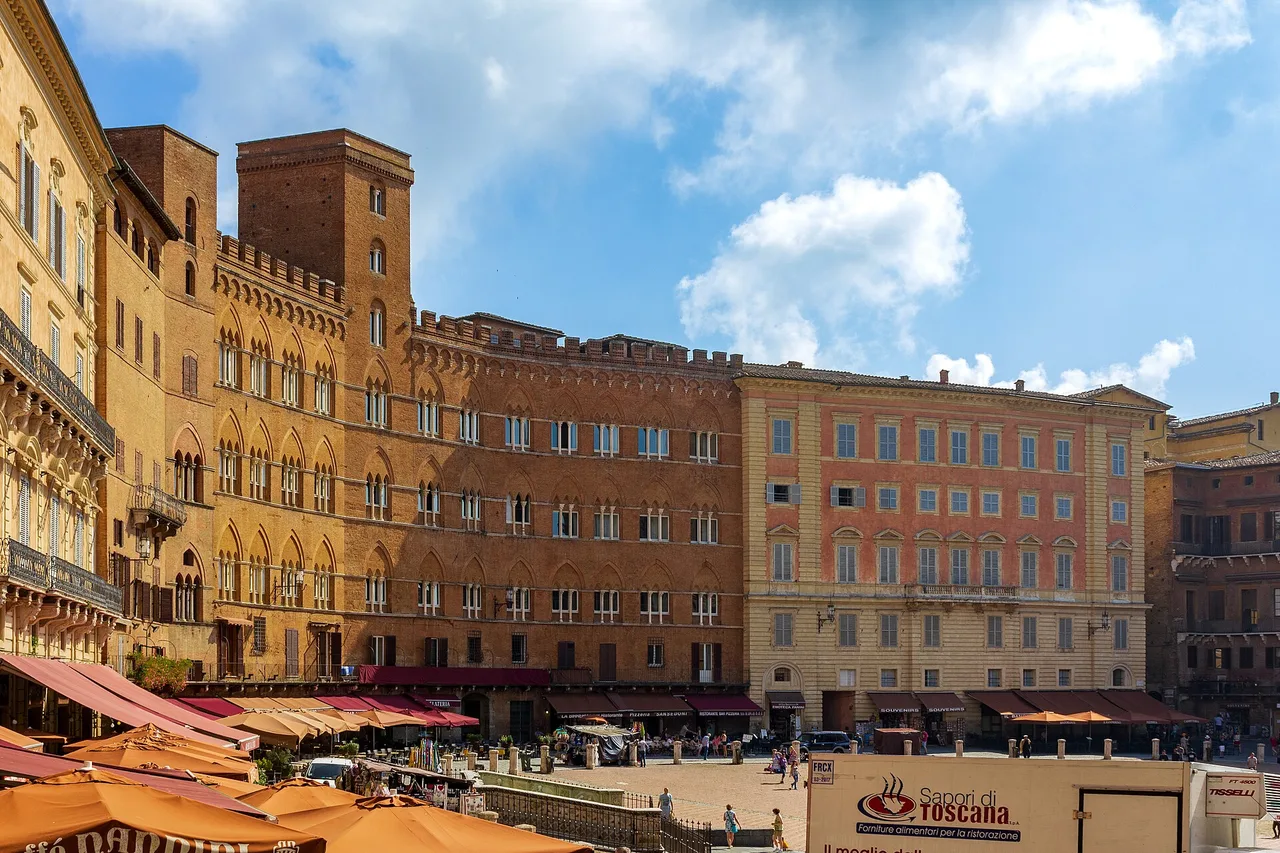
The Piazza del Campo, the Duomo with its marble façade, the climb up the Torre del Mangia to see the fan-shaped square from above: one full day is enough, and two nights there save you unpacking one more time.
🟢 If your hotel is inside the walls, write a few days ahead with the exact plate, the date and the arrival time, and ask for written confirmation of the registration. Booking a room in the zone confers no right to drive in: it is the plate declaration that counts, and it must come before you do.
Day 5 — San Gimignano and Volterra
A loop day from Siena. San Gimignano is about 45 kilometres away, Volterra another thirty beyond it; both fit comfortably in a day, returning to Siena in the evening.
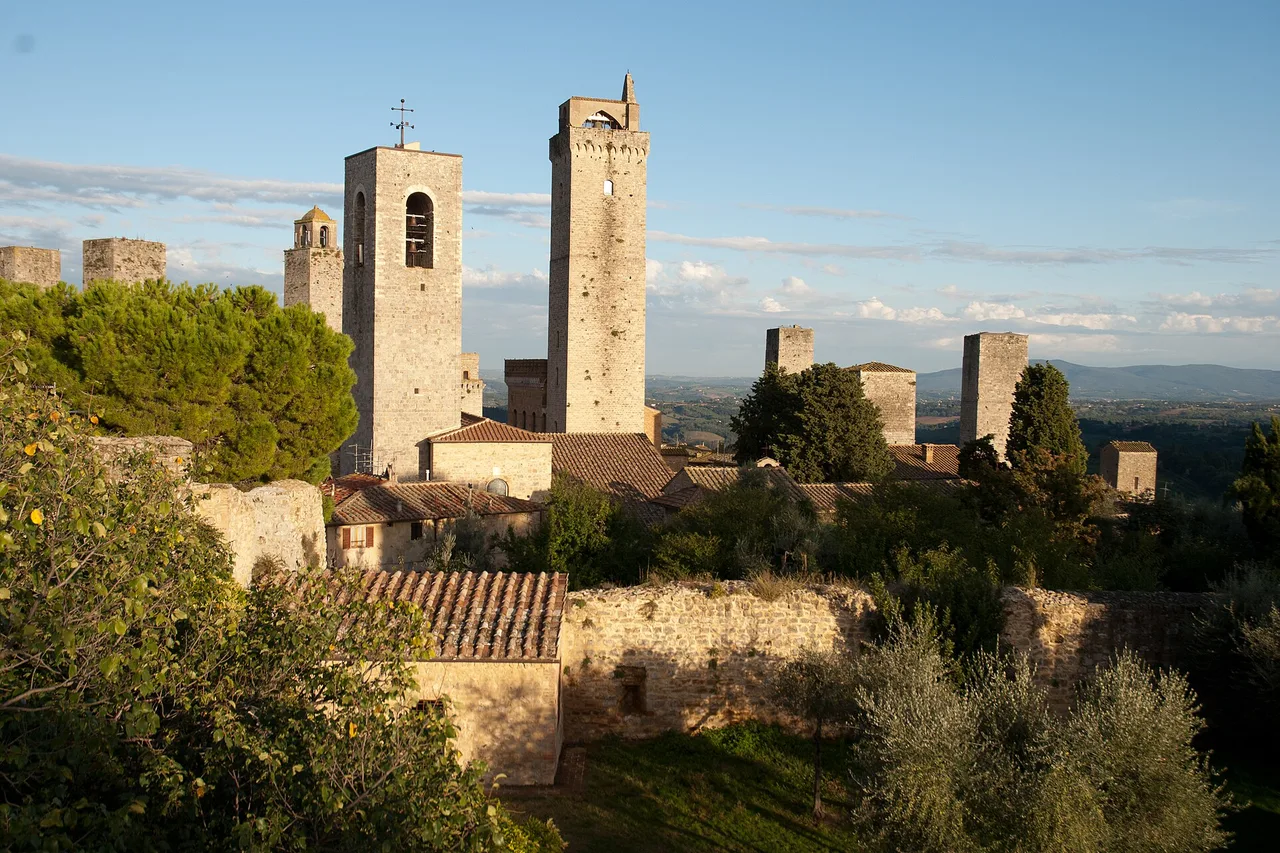
⚠️ San Gimignano deserves particular attention, because the rule there is new. Its camera-controlled ZTL has six gates and has been enforced since 1 May 2026, after a trial phase. As elsewhere, it is the accommodation that registers guests’ plates on the local police portal. For a simple day visit the answer is straightforward: the car parks are outside the walls, and the village is crossed on foot in a few minutes.
Volterra, higher and sterner, is worth it for its Roman theatre, its ramparts and its alabaster. It is markedly quieter than San Gimignano at the same hour.
Days 6 and 7 — the Val d’Orcia, then back
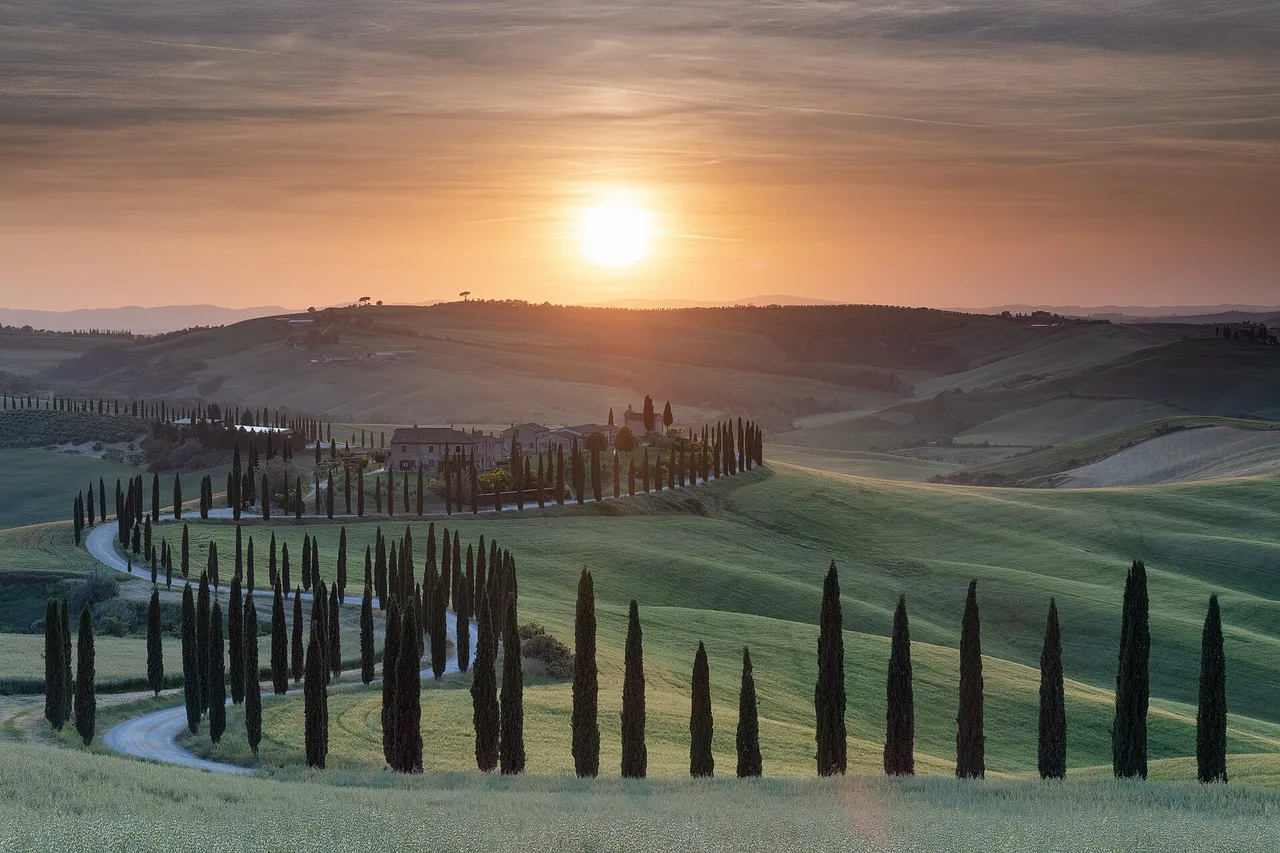
This is the landscape everyone comes for: bare hills, isolated farms, lines of cypresses. From Siena, allow around fifty kilometres to Pienza, then fifteen more to Montepulciano; Montalcino lies west, on the same loop.
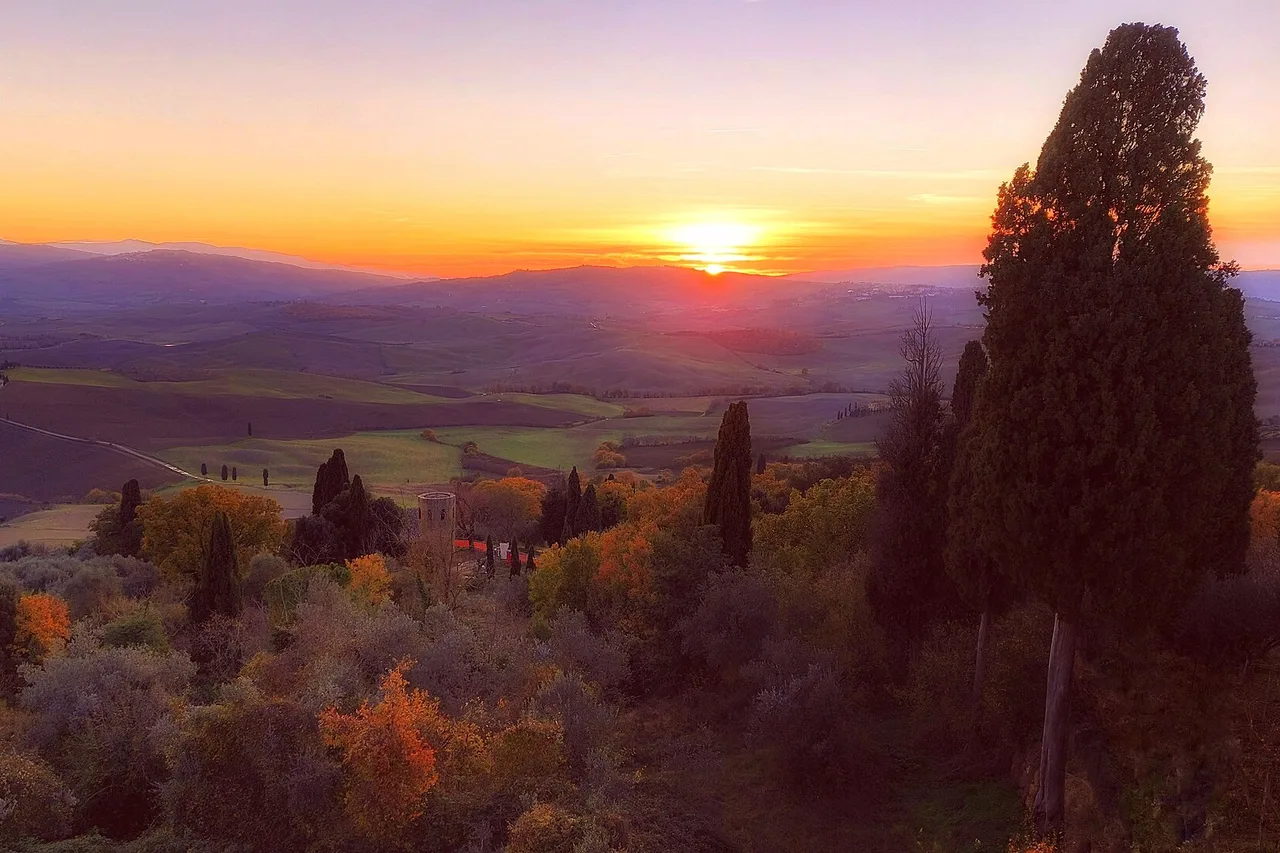
It is also the only stretch where the car is essential: the viewpoints are on back roads between villages, and no public transport serves them usefully. Drive slowly, stop often — a whole day can go by without covering a hundred kilometres.
On day seven, the run back to Florence takes about two hours on the A1. Return the car before going into the centre, never after: it is the last trap of the trip, and it closes just as you think you are done.
The distances, as orders of magnitude
The figures below are orders of magnitude, given to help you build your days — not measurements to the kilometre. In Tuscany, time matters more than distance: a ridge road averaging 40 km/h has nothing to do with the same distance on a dual carriageway.
| Leg | Distance | Kind of road |
|---|---|---|
| Florence → Greve in Chianti | ≈ 30 km | SR222, slow and winding |
| Greve → Siena via the Chiantigiana | ≈ 40 km | hill road, frequent stops |
| Florence → Siena via the RA3 link road | ≈ 70 km | free, 90 km/h |
| Siena → San Gimignano | ≈ 45 km | secondary roads |
| San Gimignano → Volterra | ≈ 30 km | ridge road |
| Siena → Pienza | ≈ 55 km | Val d’Orcia, scenic |
| Pienza → Montepulciano | ≈ 15 km | short, very beautiful |
| Montepulciano → Florence | ≈ 120 km | A1, tolled |
📌 The RA3 link road, the Autopalio, is free: 56.360 kilometres between Florence and Siena, two lanes each way, run by Anas, no toll — like most Tuscan fast roads. ⚠️ But it is not a motorway: the limit is 90 km/h, and 60 km/h on the hardest sections. Bends, climbs and descents are plentiful.
The ZTLs, town by town
The table below sums up what we checked for the three towns on this route. Times change — Florence’s summer schedule was reinstated on 2 April 2026 — so always read the illuminated sign at the entrance, which tells you whether the zone is active right now.
| Town | What to know | What to do |
|---|---|---|
| Florence | Five sectors (A, B, F, G, O). Sector A Monday to Saturday, 7.30 am-8 pm in winter hours, plus 11 pm-3 am on Thursday nights; suspended on Sundays and national holidays. The Scudo Verde environmental zone runs 24/7 all year, in service since April 2025 and enforced since July 2025. | Do not go in at all: two days on foot, car collected on the way out. |
| Siena | Historic centre inside the walls. Each pass under a camera is recorded as a separate pass. | Car parks against the ramparts, walk or take the escalators up. |
| San Gimignano | Camera-controlled ZTL, six gates, enforced since 1 May 2026. Guests’ plates are registered by the accommodation on the local police portal. | Car parks outside the walls; the village is crossed on foot. |
🟢 One rule, valid everywhere: if your plate has not been registered beforehand by your accommodation, with written confirmation, you do not drive in. You park outside and you walk. It is the one expense of the trip you can bring down to zero, and it is worth several times the price of a car park.
Top-rated activities in Italy, bookable online: