For a Morocco trip through Marrakech, the coast and the High Atlas, a data-only eSIM with 10 GB for 30 days is usually enough – at Saily it lists at $33.99, and 3 GB at $15.99 (comparison dated 23 June 2026). Install the profile at home on wifi a few days before you fly, and switch the line on only after landing. The biggest trap is not the price but the geography: in the Atlas passes and the dune camps near Merzouga, several guides report little or no signal – on any SIM, a local one included.
The essentials in numbers (sources and dates in the text):
- Saily Morocco (list prices): 3 GB / 30 days $15.99 · 10 GB / 30 days $33.99 · 20 GB / 30 days $42.99 (as of 23 June 2026).
- Networks: Maroc Telecom, Orange and inwi – Saily names all three; which one your phone picks is not fixed.
- Local SIM: passport required; at the airport a travel blog reports €10–20 for the card alone, €3–5 in town (March 2026).
- Reviews: 4.7 out of 5 on Trustpilot, 31,993 reviews (as of 7 October 2026).
What to book – and when
If you do classic Morocco – Marrakech, the High Atlas, the desert, perhaps Essaouira, as in our one-week itinerary – and carry just one smartphone, you do not need a Moroccan number. A data-only eSIM is enough: a plan that loads onto the phone as a profile, with no plastic card and no counter. For international eSIMs such as Saily, passport registration is normally not required according to one guide (Traveltomtom, September 2026); for a local SIM card it is.
How much data? One estimate (Marrakist, 2026): 5 GB for three to five days in town, 10 to 15 GB for one to two weeks with mountain and desert trips. If you stream video or share the connection with a laptop, go up a tier. The Morocco plans from Saily come in 1, 3, 5, 10 and 20 GB, plus an unlimited option – prices are further down.
Timing is simple: order a few days before departure, install at home on wifi, and keep the line off until you land. According to Saily, the plan starts by itself on arrival, provided the eSIM is switched on and data roaming is enabled for that line. You then have a map, messaging and a taxi app from the terminal – no queue, no passport.
eSIM, local SIM or roaming?
Four routes lead to mobile internet in Morocco; sources and dates are in the table caption.
| Option | Price (sources in the caption) | Network | Worth knowing |
|---|---|---|---|
| Data eSIM (Saily) | 1 GB / 7 days: $8.99 · 3 GB / 30 days: $15.99 · 10 GB / 30 days: $33.99 | Maroc Telecom, Orange and inwi named as local networks – which one your phone picks is not fixed | Install before you fly · hotspot with no cap · no phone number · usually no passport registration, per one guide |
| Local eSIM from a carrier | Orange “Marhaba”: from 120 Dh per Orange’s page · Maroc Telecom and inwi also offer an eSIM for visitors | one network – your choice | Volumes and terms are on the carriers’ pages · a local number is possible |
| Local SIM card (airport or town) | Orange card: 20 Dh with starting credit · travel blog (March 2026): airport €10–20 for the card, town €3–5 | one network – your choice | Passport required, registered at activation · counters in the arrivals hall · counter prices published nowhere |
| Roaming on your home plan | per your carrier’s price list | your carrier’s partner network | EU “roam like at home” does not apply in Morocco |
Let’s be honest: the local SIM is cheaper per gigabyte. One guide (Traveltomtom, March 2026) puts it at about $20 for 20 GB, against $42.99 for 20 GB at Saily. With the eSIM you pay for something else: the network is already there when you land. A Moroccan tour operator (Marrakech Desert Trips, June 2026) suggests combining them: an eSIM for the first day, then a cheaper SIM card in town.
Roaming on your home plan is convenient and often expensive. The “roam like at home” rule applies, per the European Commission, only in the 27 EU countries plus Iceland, Liechtenstein, Norway, Ukraine and Moldova – not Morocco. Read your carrier’s price list before relying on it.
Which network? What Opensignal measures
A travel eSIM has no network of its own: it attaches to the carriers in the country – in Morocco, Maroc Telecom, Orange and inwi. Saily names all three on its Morocco page; other comparisons write “local partner networks” (Gizmodo, 13 July 2026) or note that Saily does not disclose its network (Traveltomtom, September 2026). With competitors it is clearer: Nomad, Airalo and Jetpac run on Orange according to Traveltomtom, Holafly on Maroc Telecom and inwi.
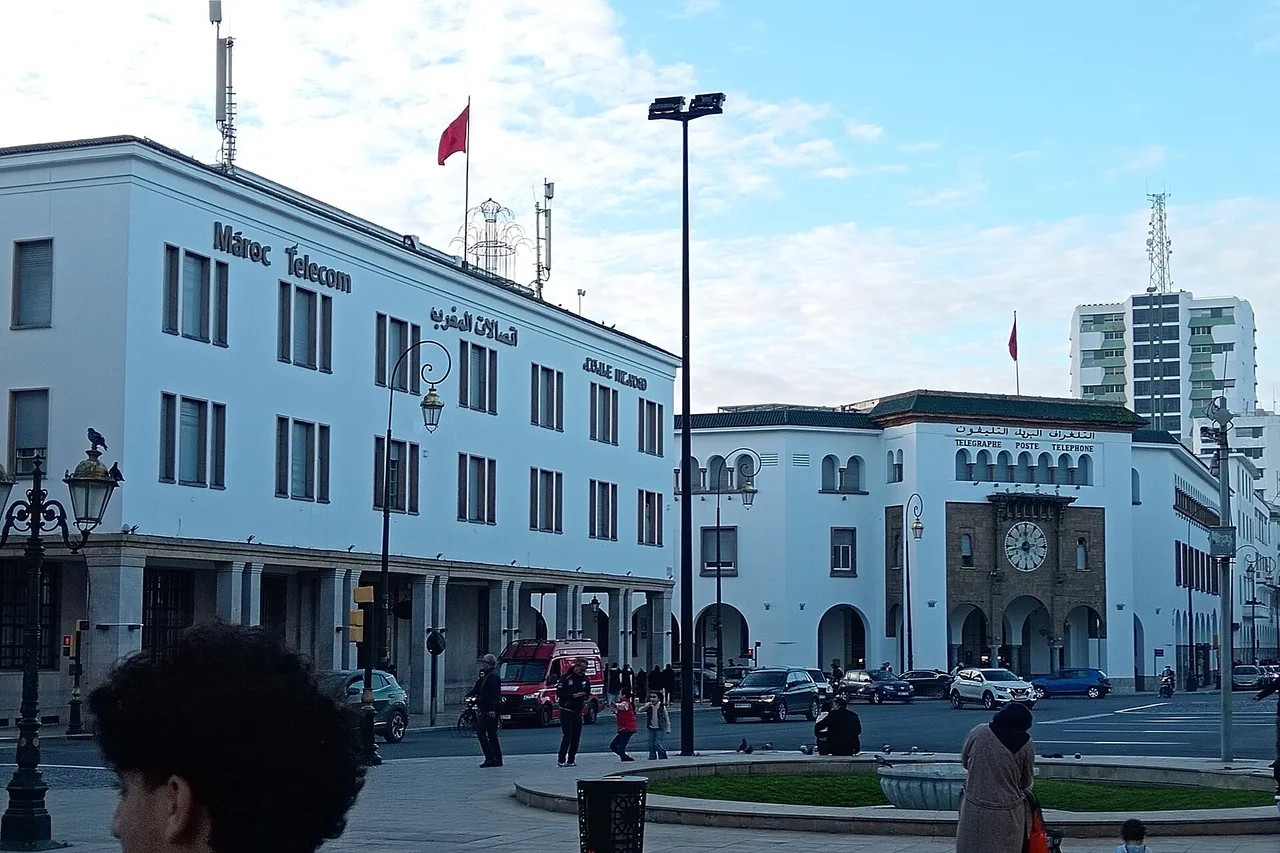
Measurements instead of marketing: in Opensignal’s April 2026 report (1 January to 31 March 2026), Maroc Telecom is “Best Network” with seven outright wins, including speed, coverage, 5G coverage and consistent quality. Orange wins on 5G availability (51.2% against 44.6% for inwi and 38.7% for Maroc Telecom), inwi on video and reliability. The Opensignal page could not be opened (HTTP 403); the figures come from the summary that search engines display.
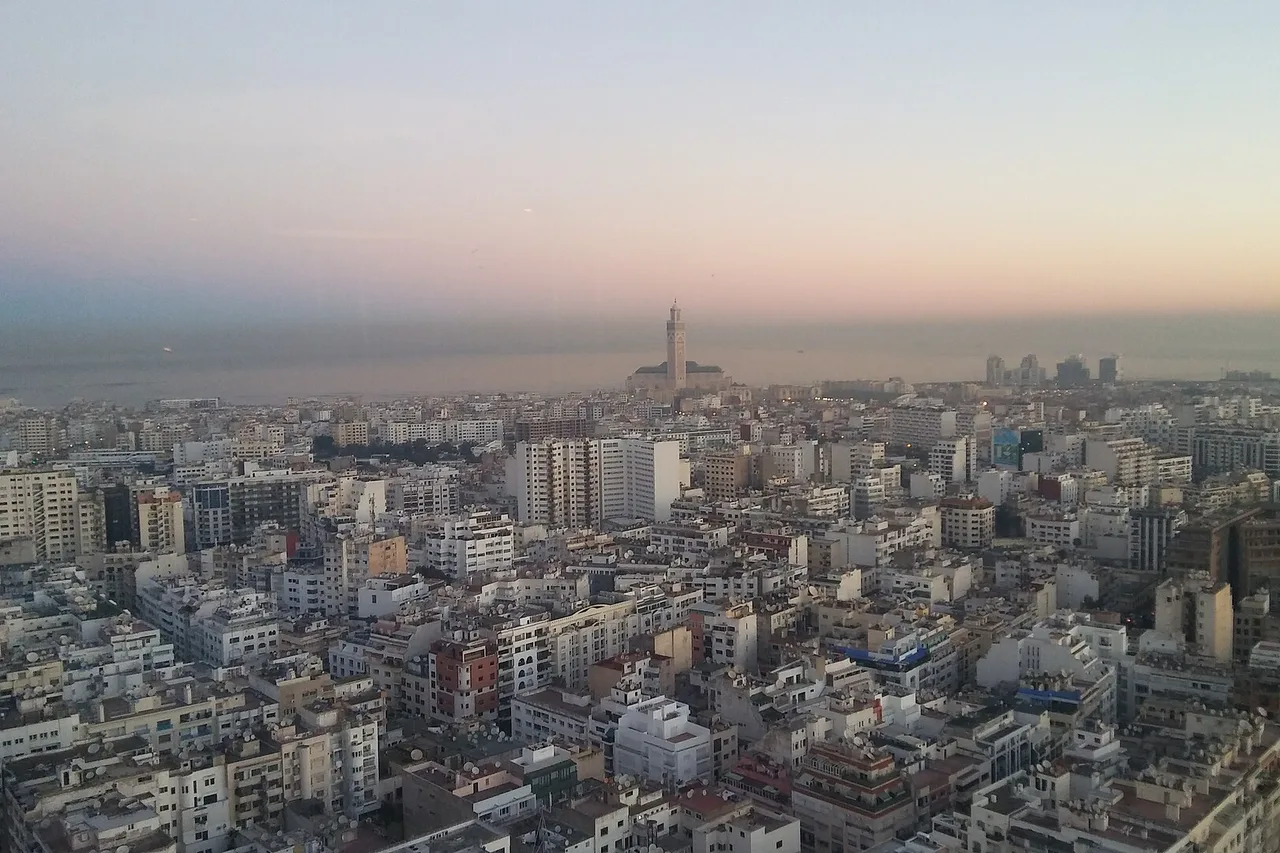
What does that mean for you? In towns and cities any of the three will do: Yesim (updated 20 September 2026) describes good 4G from all three in Marrakech, typically 20 to 50 Mbit/s. 5G is, per the guides, only starting, mainly in Casablanca and Rabat – do not count on it in the Atlas. In the countryside and the mountains Maroc Telecom comes out ahead in several guides (Marrakist, Marrakech Desert Trips, Nomadwise), which matches the Opensignal coverage result.
A word on sources: many eSIM comparisons online are run by eSIM sellers. So every figure here comes with its source and date, and the network question is settled by what Opensignal measures – not by a ranking of providers.
Atlas and desert: where the signal ends
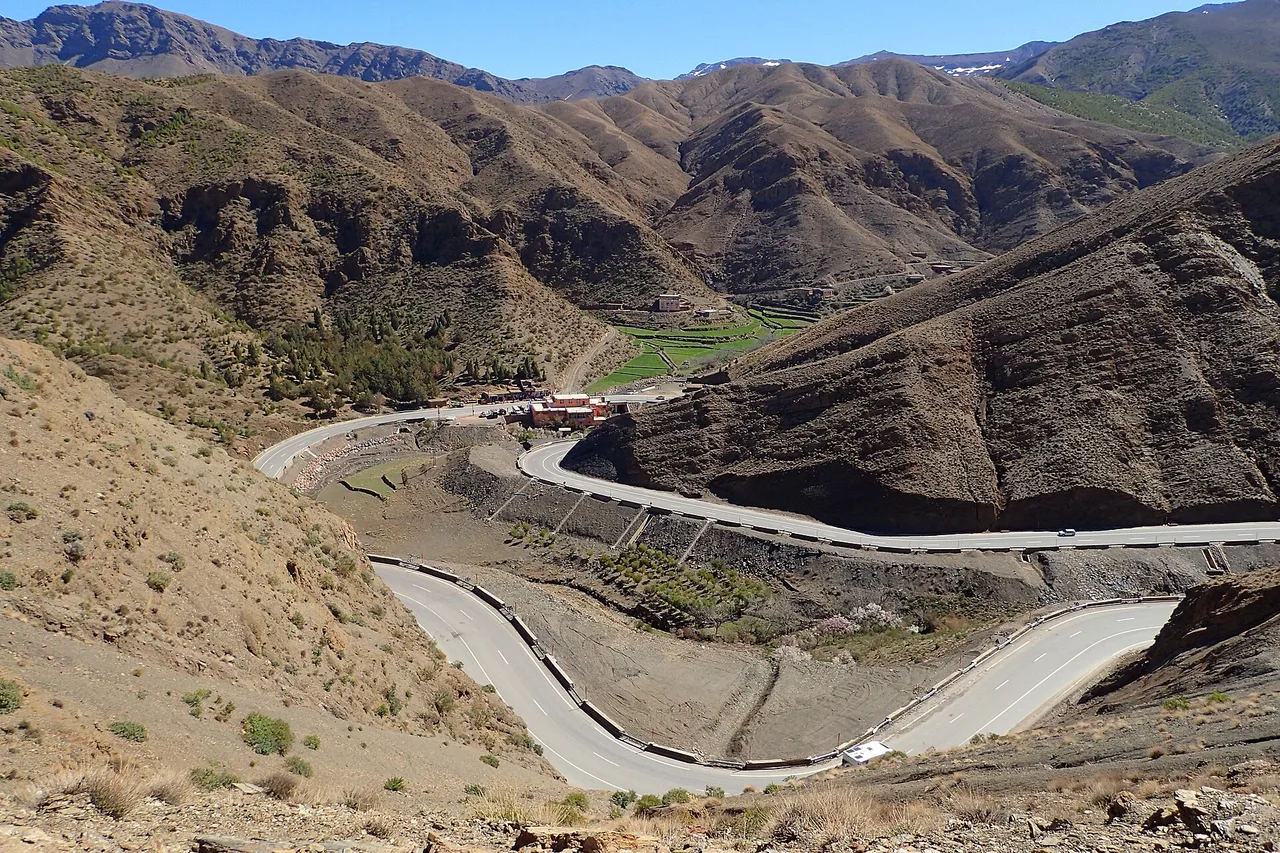
No brand and no plan changes this – better to know before you buy. According to Yesim (updated 20 September 2026), reception in the High Atlas is moderate along the main routes and thins out in villages and at altitude; in the Sahara there is coverage in the main towns and on the N9, little or none in remote camps. Marrakech Desert Trips (June 2026) puts it more briefly: gaps on the Atlas hairpins, little or no signal in the dunes and camps, Maroc Telecom the strongest. Another guide records only an intermittent connection for Merzouga, M’Hamid and Zagora.
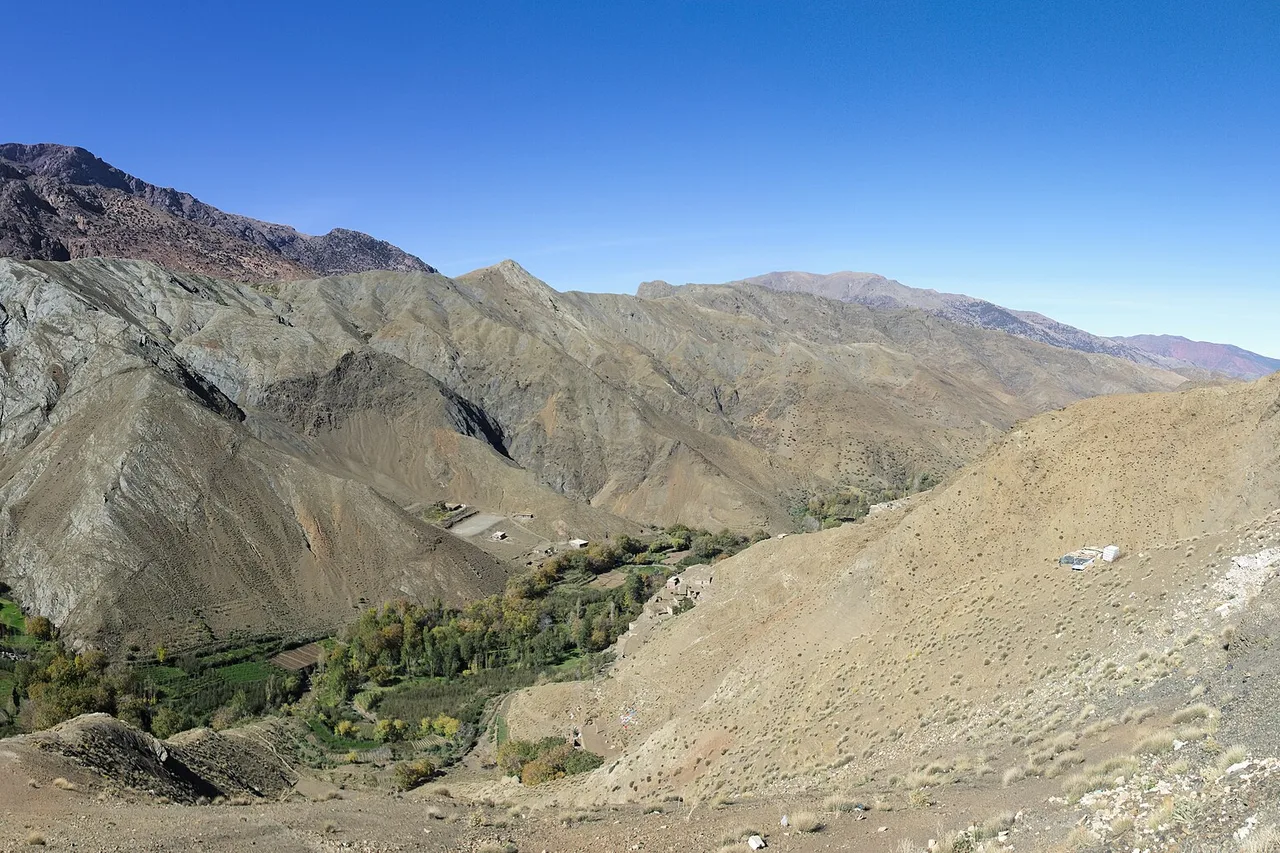
The road over the Tizi n’Tichka pass (N9) links Marrakech and Ouarzazate and reaches about 2,205 metres according to Wikipedia. Masts stand where people live; in between, the signal weakens. Outside the mountains there are dead spots too: in Fès reception is patchy in the medina because of the dense buildings (Yesim), and around Essaouira, Tangier and Chefchaouen in the surrounding hills.
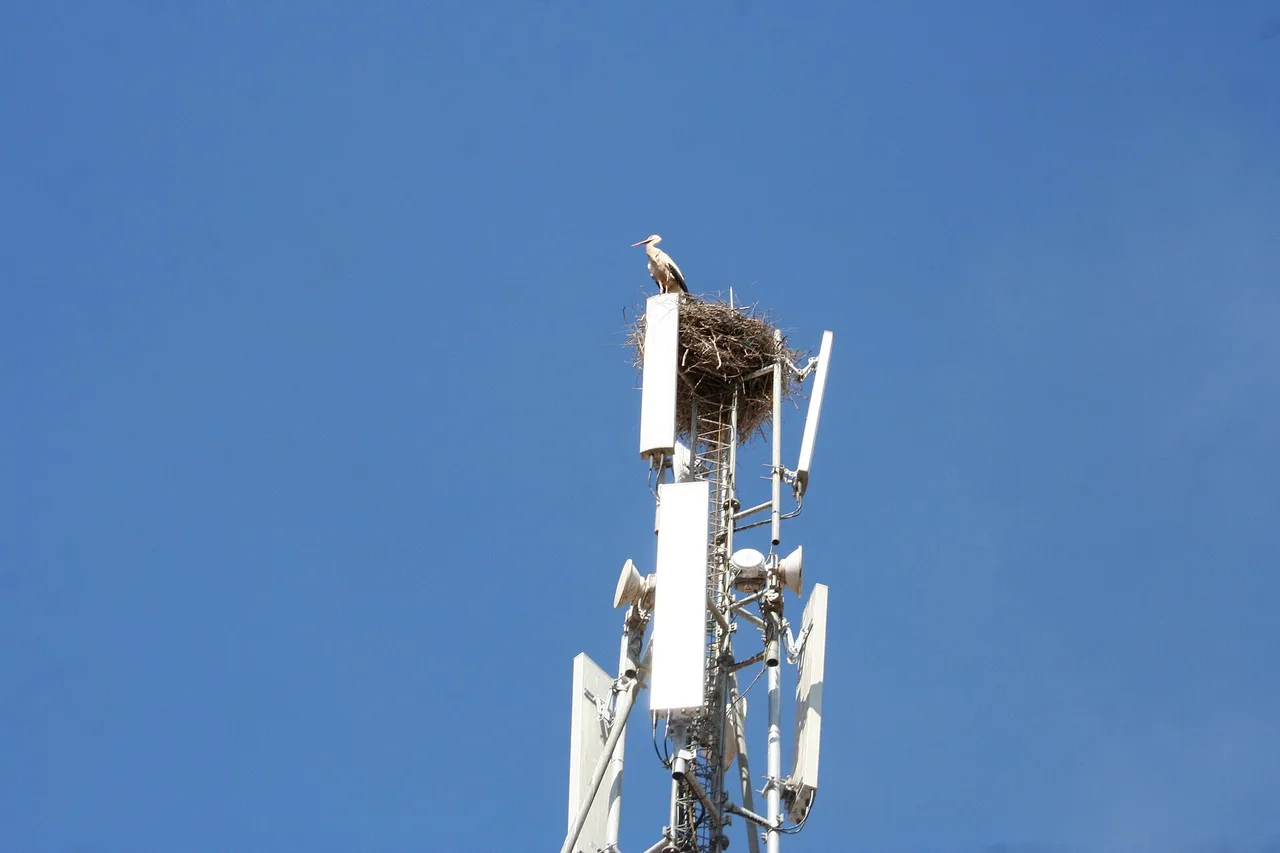
What to do? Download offline maps and booking confirmations before you set off, agree meeting points before the network disappears, and plan the desert night without a phone. If you are torn between Merzouga and Zagora, our Merzouga or Zagora comparison covers the journey.
The prices at a glance
Saily’s Morocco page could not be opened automatically (HTTP 403, a robot check we do not bypass). The list prices therefore come from Nomadwise (23 June 2026) and match the excerpt of saily.com that search engines show (“from $8.99”). Gizmodo (13 July 2026) gives lower amounts for the same tiers, for example $28.89 for 10 GB: promotions are possible. Only the amount at checkout on the Saily page for Morocco counts.
| Tier | Validity | List price | Rule of thumb |
|---|---|---|---|
| 1 GB | 7 days | $8.99 | arrival, a map, a small buffer for emergencies |
| 3 GB | 30 days | $15.99 | short city break with messaging and maps |
| 5 GB | 30 days | $21.99 | three to five days in town (one guide’s estimate) |
| 10 GB | 30 days | $33.99 | one to two weeks with Atlas and desert trips (one guide’s estimate) |
| 20 GB | 30 days | $42.99 | plenty of video, hotspot for a laptop |
| Unlimited | 15 days | $48.99 | plenty of video, several devices, short trip |
The price per GB falls with the tier: 10 GB works out at about $3.40 per GB, 20 GB at about $2.15. According to Gizmodo, the hotspot at Saily has no cap; the same page limits it to 500 MB a day at Holafly. To see where the eSIM fits in the whole budget, read our 10-day Morocco budget.
Installing and activating the eSIM, step by step
- Check the phone. Apple lists eSIM support from the iPhone XS, XS Max and XR onwards; for two lines from different carriers (home SIM and eSIM) the iPhone must be unlocked, per Apple. On Android, follow the manufacturer’s list; a seller’s guide cites flagships from around 2020.
- Order and load the profile. The QR code arrives by e-mail or appears in the app. A one-time QR code cannot be reused, according to Yesim: do not delete the profile.
- Install at home on wifi and name the line, for example “Morocco”. Do not switch it on yet.
- After landing: switch the eSIM line on, enable data roaming for that line, and turn data roaming off on your home SIM, otherwise it may trigger charges.
- Quick test: open a map, send a photo, keep the order confirmation.
Whom are you trusting? Saily is a service from Nord Security, the company behind NordVPN. On Trustpilot, Saily stands at 4.7 out of 5 from 31,993 reviews on 7 October 2026; the page notes that the service typically replies within 24 hours and has replied to 99% of negative reviews.
The traps, and how to avoid them
- Data only, no number. According to Gizmodo (13 July 2026), none of the providers it tested gives you a Moroccan number; Saily is data only. Calls go through WhatsApp and the like; a Moroccan number comes only with a local SIM or eSIM.
- WhatsApp calls. According to eSIM Maroc (16 August 2026) and Cellesim (22 April 2026) they are not officially blocked, but networks may throttle internet calling (eSIM Maroc). Earthsims (March 2026) goes further and says carriers throttle or block internet calling. All three are eSIM sellers, so read with caution. Test a call on day one.
- Buying too early. According to Gizmodo (13 July 2026), Saily has a 30-day activation window. Do not buy much more than a month before the trip, and check on the plan page when the validity starts.
- Street sellers. Traveltomtom advises against buying a SIM from them because it is not registered to your passport; according to Earthsims (March 2026), unregistered SIMs are deactivated. More on scams: safety tips for a first trip to Morocco.
- The price at the airport counter. It is published nowhere, and the reports differ: Traveltomtom (March 2026) found the same prices as in the carriers’ own shops in Marrakech, an independent travel blog (20 March 2026) reports €10–20 for the card alone against €3–5 in town, a tour operator (June 2026) 20 to 40% more. Ask for the price in dirhams before the card is inserted. Buy before leaving the baggage hall: per Traveltomtom you cannot go back after the customs check.
- Opening hours. Traveltomtom describes the Marrakech counters as open round the clock; we found no official statement – do not rely on it if you land late.
Before you pay: the checks
Six questions, five minutes:
- Does my phone qualify? eSIM-capable and carrier-unlocked.
- What route am I taking? Atlas and desert? Then the limits above apply to every SIM.
- How much, until when? GB, days and when the validity starts.
- Is hotspot allowed? Useful for a laptop or a second person.
- What is the final price? The amount actually charged.
- Do I need a number? If so, a data eSIM is not the answer.
If your route stays in the towns and on the main roads, the sum is simple: a data eSIM with 10 GB for 30 days, installed at home and switched on after landing. The Saily plans for Morocco are one option; check the network and final price at checkout. For the desert it is the same eSIM – with offline maps on top. And to pick the right time to go: when to visit Morocco.