Marrakech, Fez, the desert and Chefchaouen in seven days: that is the programme you will be sold, and it does not work. The desert is 560 km from Marrakech, over a 2,260 m pass, and no railway crosses the High Atlas — Marrakech is the southern end of the network. Reaching the dunes and coming back is 1,120 km: three of your seven days. Here is the itinerary that fits, and the two that do not.
The sum nobody does before booking
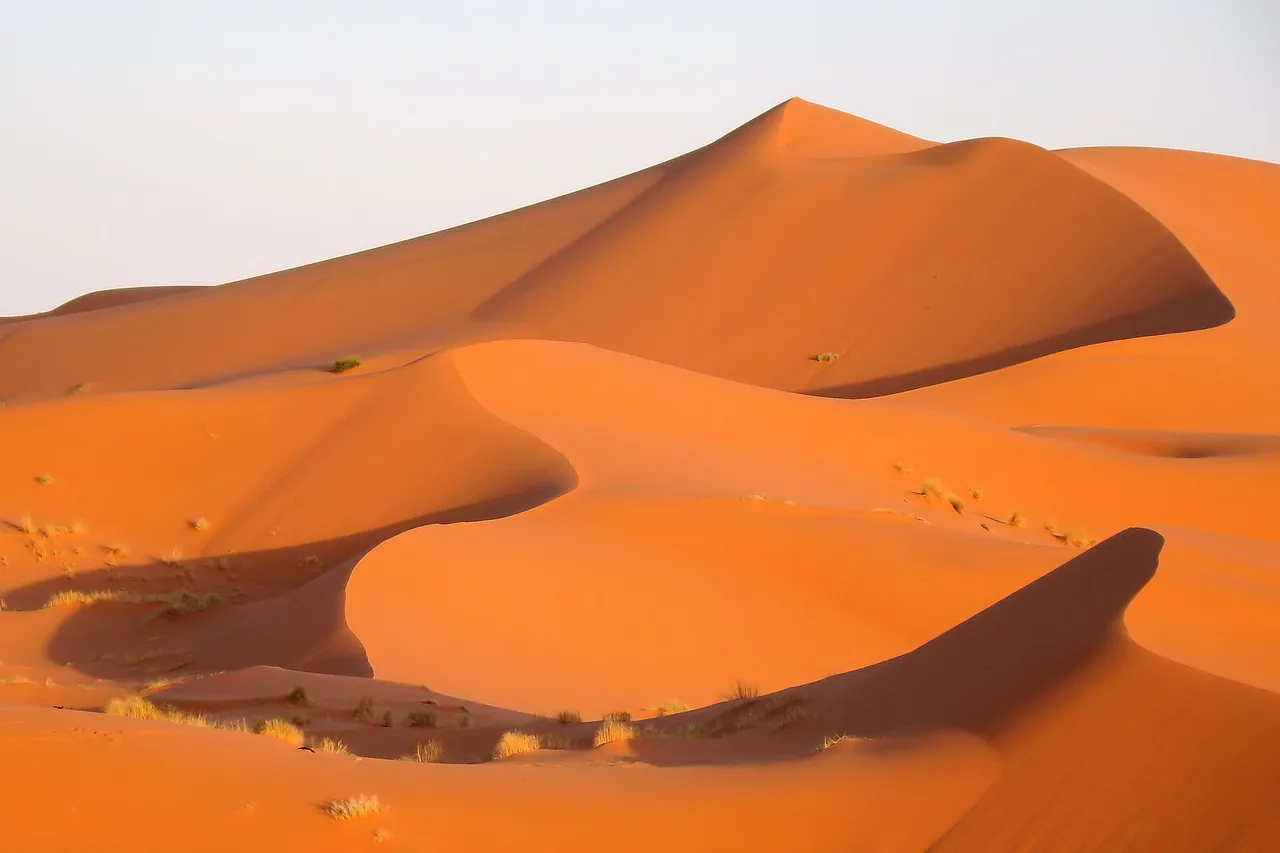
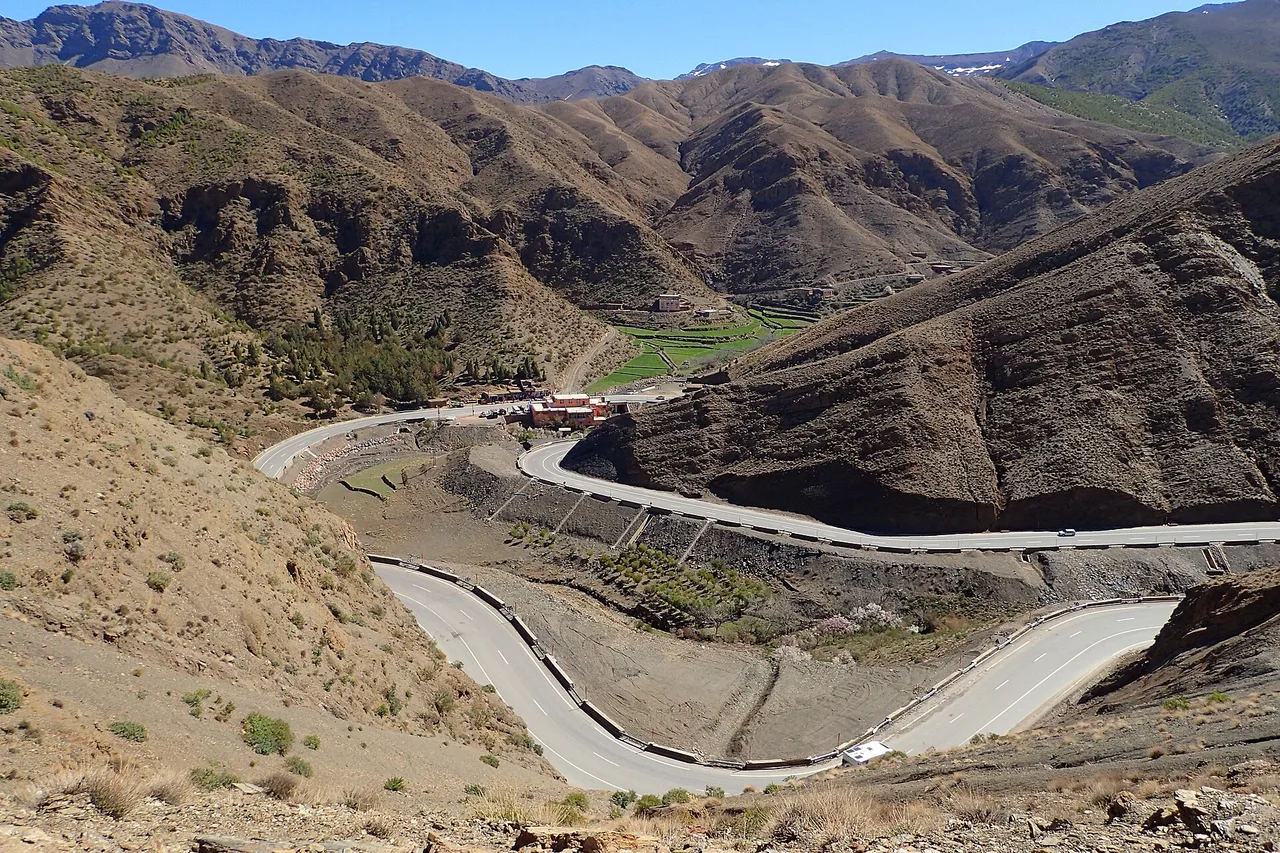
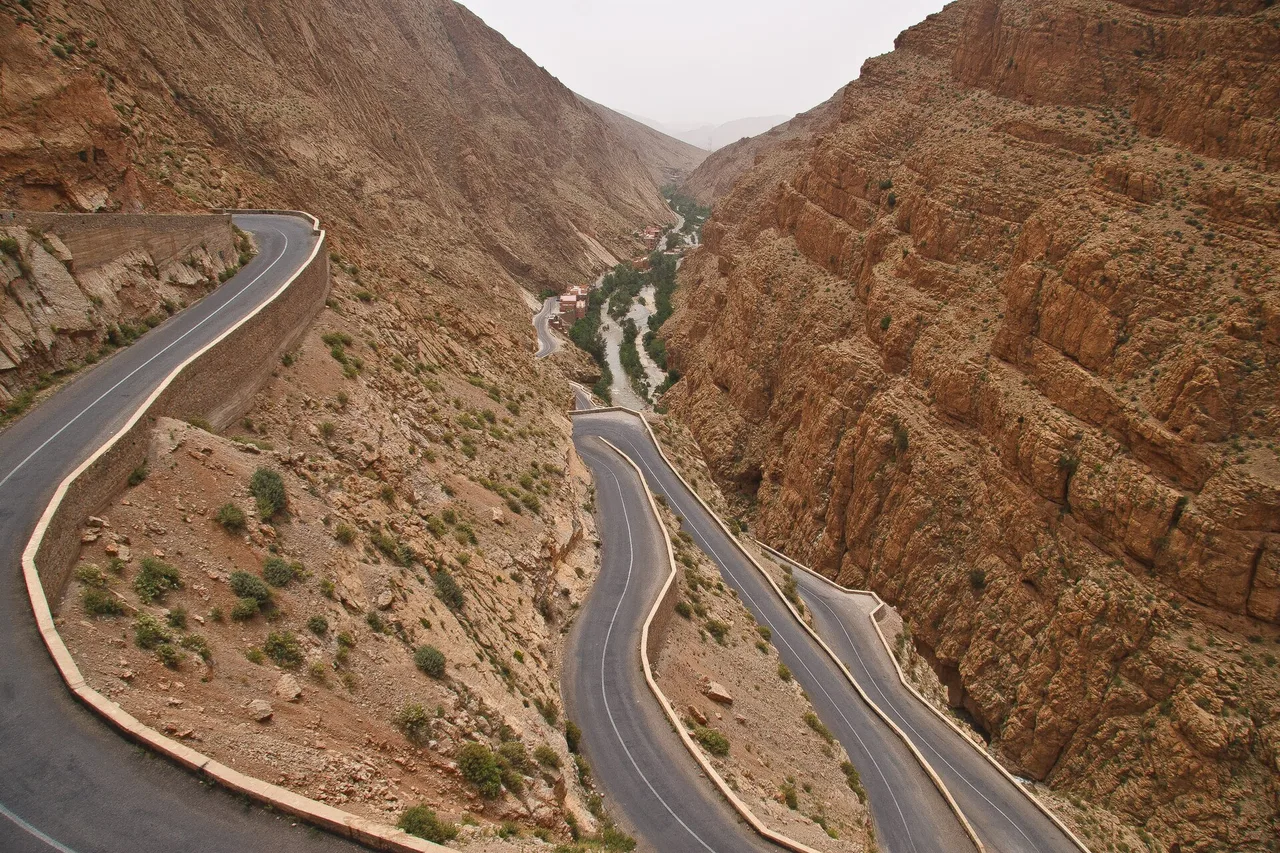
A one-week itinerary is judged on one thing: how many kilometres it asks you to swallow. For Morocco that number is known, and it is brutal. The Merzouga desert is 560 km from Marrakech by road. There and back, that is 1,120 km, and the road crosses the Tizi n’Tichka, the highest major paved mountain pass in North Africa, at roughly 2,260 m.
| Item | Days |
|---|---|
| Arrival and departure (flights, transfers) | 1 |
| Down to the dunes, a night in the desert, back up | 3 |
| What is left for the cities | 3 |
| Total | 7 |
Three days. That is enough for one city and what surrounds it — Marrakech and the Ourika valley, say. It is not enough for two medinas half a day of train apart, and nowhere near enough for four cities. That is the flaw in the itineraries doing the rounds: they count stops, not hours.
📌 An honest word about that 560 km, because it does not close on itself. Agencies split the drive into three legs: Marrakech → Aït Ben Haddou 196 km, then the Dades valley 110 km, then Merzouga 164 km. That is 470 km, not 560. The two figures therefore do not describe the same line — the second takes detours the first ignores. We publish both as they stand: adding the legs up to land on 560 would have been neater and plainly false.
⚠️ We publish no guaranteed driving time. Sources quote nine to ten hours non-stop, and ten to fourteen hours with stops, for the same journey. That is an order of magnitude, not a measurement: it depends on the pass, the season, the traffic and you. What is measurable is the distance — so the distance is what we give.
What the train does very well, and where it stops dead
Morocco has an excellent railway, and many travellers are surprised by it. Al Boraq links Tangier to Casablanca in a little over two hours, touching 320 km/h between Kenitra and Tangier, stopping at Kenitra and Rabat Agdal. On the Atlantic axis it is faster, cheaper and less tiring than driving.
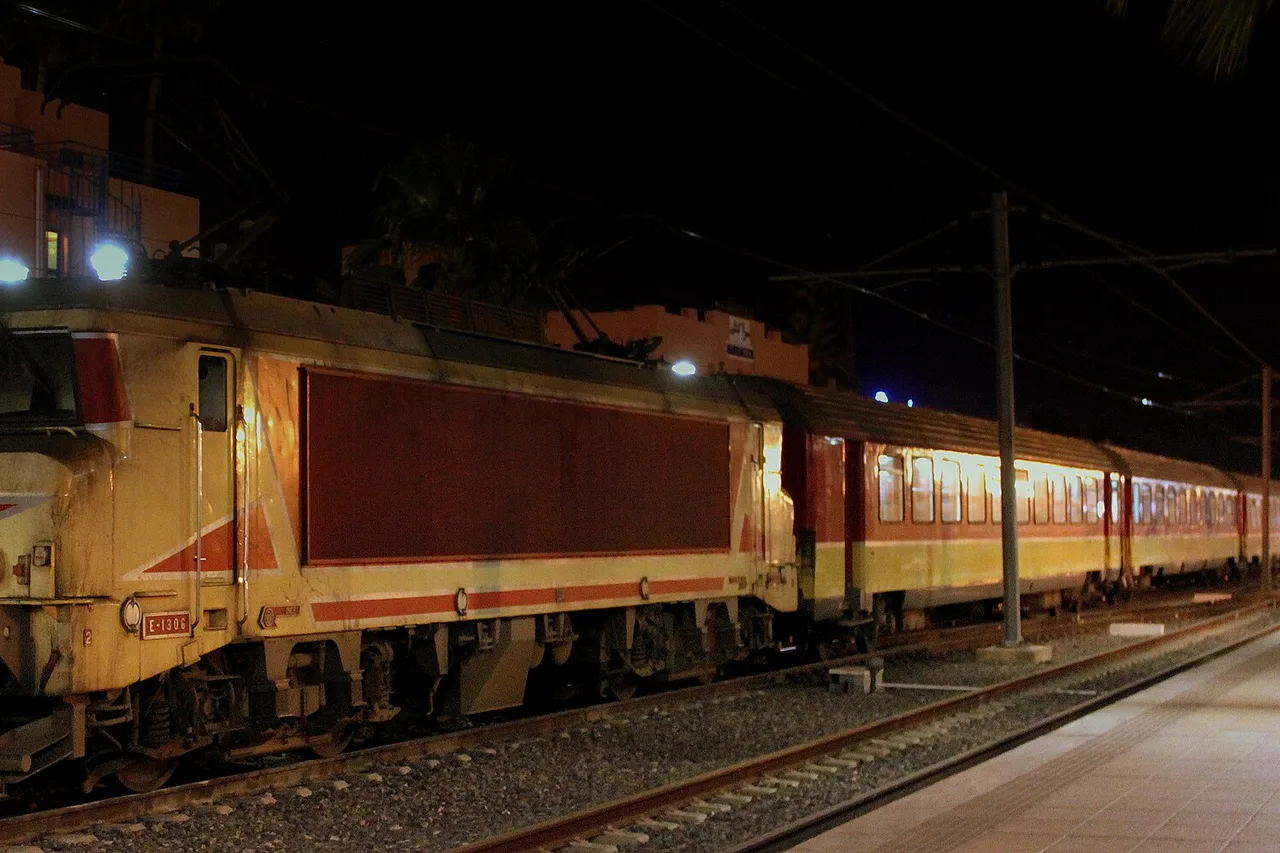
Then it stops. Marrakech is the southern terminus of the national network. No railway crosses the High Atlas towards Ouarzazate. Agadir is not served either: it is on the master plan, not on the rails. In other words, the southern half of your itinerary cannot be done by train, however willing you are.
🟢 The good news is that ONCF knows this and organises it. Its Supratours coaches extend the lines where the rails end, designed as connections rather than as a fallback. Many “train to Marrakech, coach onward” journeys book as a single ticket.
📌 And this will change, but not for your trip. The Kenitra–Marrakech high-speed line, 430 km, was launched in April 2025 and is targeted to enter service in 2029, ahead of the 2030 World Cup. It will bring Tangier–Marrakech down to 2 h 40, saving 2 h 35. Do the subtraction backwards and you get today’s journey: 2 h 40 + 2 h 35 = 5 h 15 by train from the north to Marrakech.
⚠️ In September 2026 the network is a building site — and it reaches you at the airport
This is the point no printed guide carries, because it dates from late August 2026. To press on with that same high-speed line, ONCF announced two waves of adjustments for September 2026.
| When | What changes |
|---|---|
| Works from 23:00 on 5 September to 23:00 on 6 September | Airport train suspended, replaced by Supratours shuttle buses · direct Safi–Casablanca service cancelled · El Jadida service limited to Bouskoura · Settat service suspended · Khouribga service limited to Berrechid · possible delays on Al Atlas trains |
| From 14 September | New transport plan: adjusted services, changed timetables, shortened runs, gradual closure of Facultés and Ennassim stations |
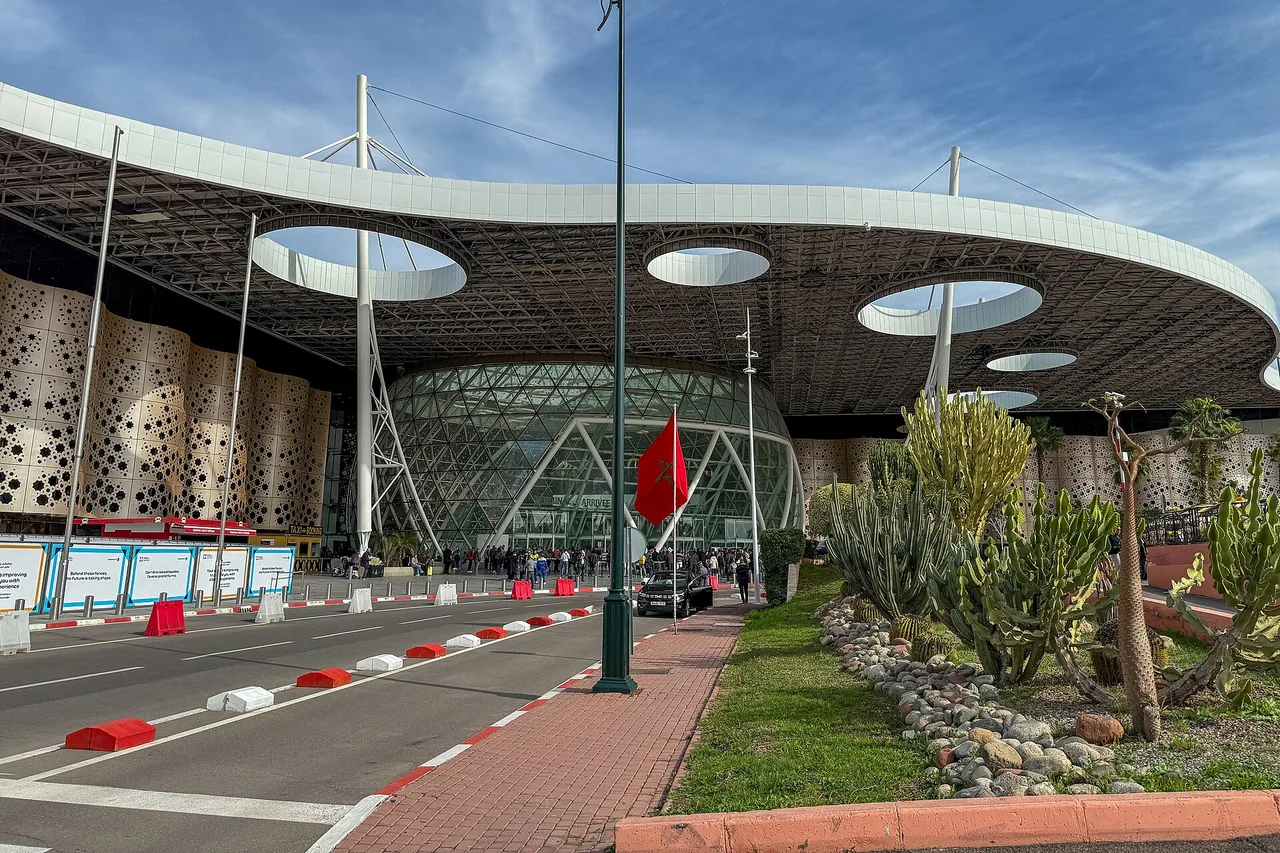
Hold on to the first line, because it reaches you as you step off the plane: the airport train may not be running, and is then replaced by road shuttles. If your plan was “land, take the train”, have a fallback.
🚱 What we will not tell you, because ONCF did not say it. The statement ties the airport train suspension to the 5–6 September window. The exact content of the plan starting on 14 September is not detailed. So we do not know whether that train runs normally for the rest of the month, and we are not going to invent an answer either way. Check your times through ONCF’s official channels before travelling — which is precisely what the operator asks.
🟢 Start with the cheapest option, which exists. When the train is not running, the Supratours replacement shuttles cover the route, and the grand taxi remains the usual local answer, agreed before you get in. Only if you land late, with children or a lot of luggage, does a private transfer booked in advance earn its price: you know who is waiting and what you pay, on an evening when the train may not run.
The seven-day itinerary that holds up
One desert, two cities, and the road treated as part of the trip rather than a chore. Here is the shape that absorbs 1,120 km instead of suffering them.
| Day | Where | Why |
|---|---|---|
| 1 | Arrive in Marrakech | The day is eaten by the flight and the transfer. Plan nothing. |
| 2 | Marrakech | The medina in the morning, while it still belongs to the people who live in it. |
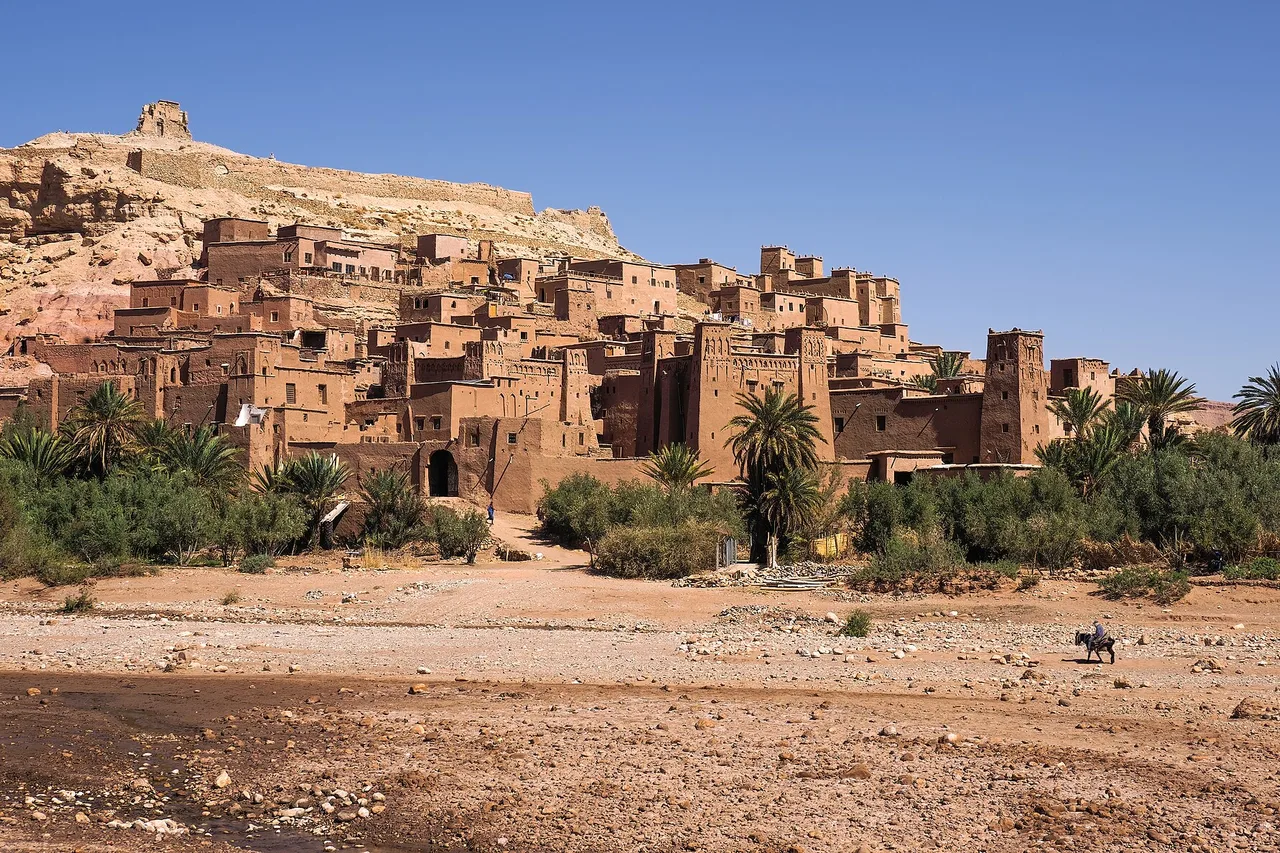
| 3 | Marrakech → Aït Ben Haddou | About 196 km and the Tizi n’Tichka. The ksar deserves a night, not a drive-through. |
| 4 | → Dades or Todra gorge | About 110 km. The finest stretch, and the slowest. |
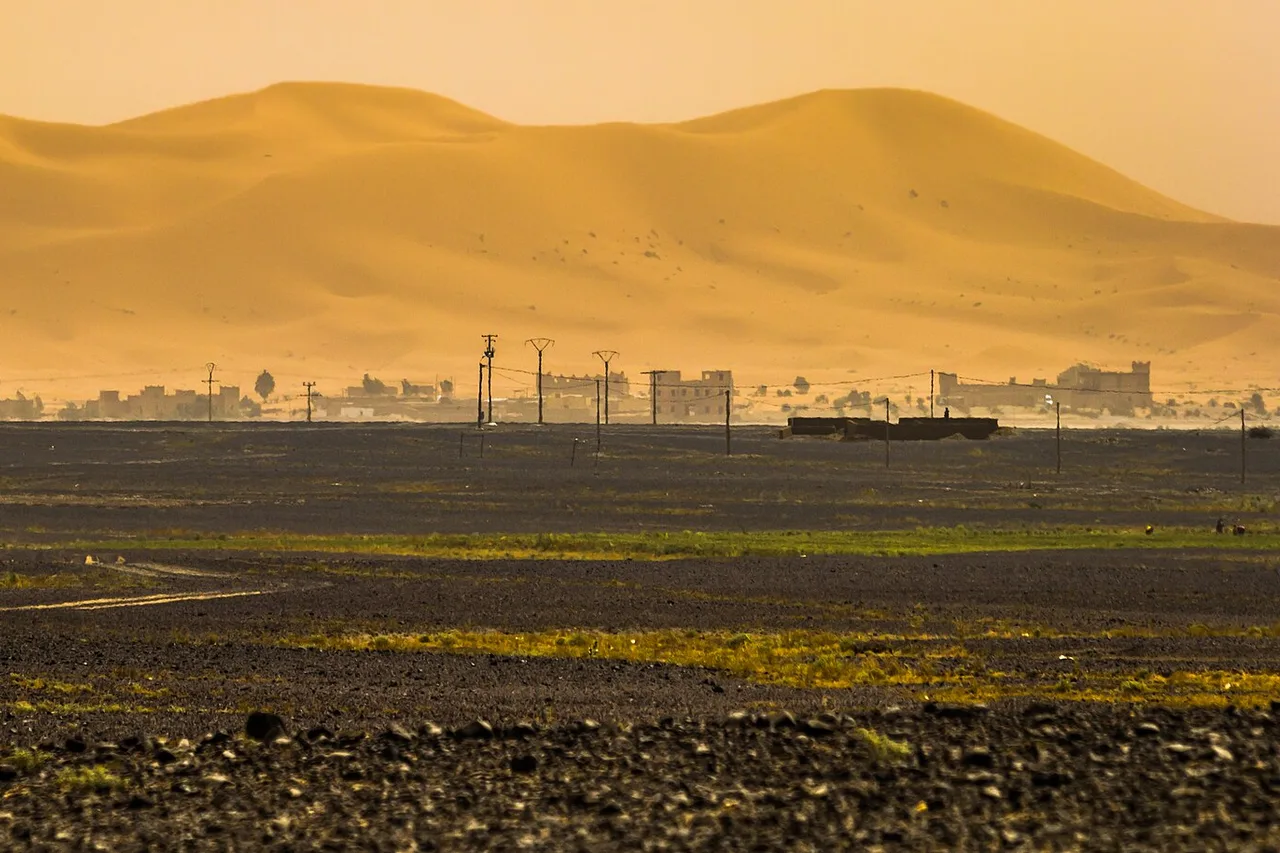
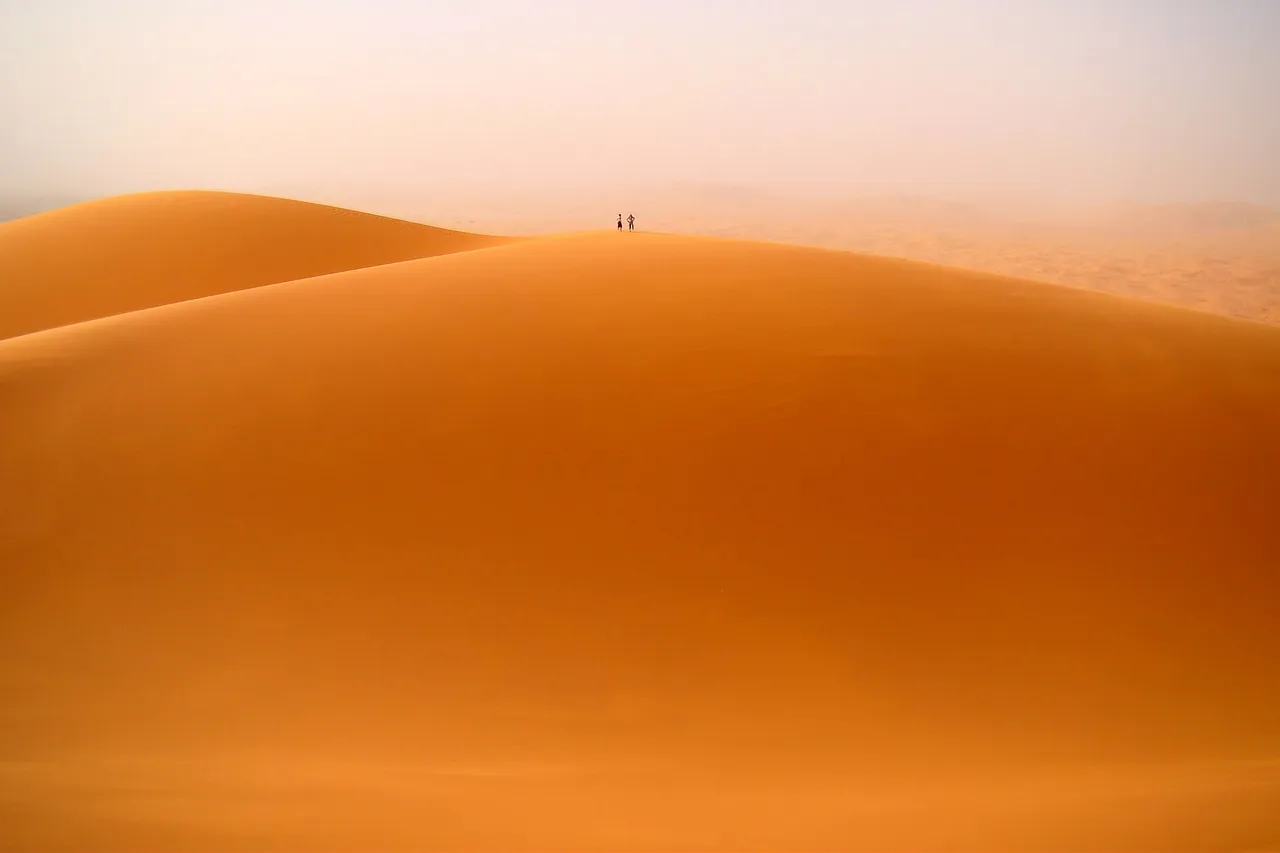
| 5 | → Merzouga, night in the dunes | About 164 km. Erg Chebbi at sunset, then at sunrise. |
| 6 | Back up to Marrakech | The whole day. That is the price, and it was announced. |
| 7 | Marrakech, then departure | One last morning, with no ambition. |
🟢 Before renting, know that you do not have to. CTM and Supratours coaches serve Ouarzazate and the south for a fraction of a rental, and a driver often comes to the same total as a car once the pass, the fuel and the parking are counted — with the advantage that you are not the one driving the Tizi n’Tichka. A car wins in one case only: if you want to stop wherever you like between the ksar, the Dades and the Todra. That case, and only that one, justifies comparing local rental firms in Morocco, looking at the total with insurance rather than the headline price.
Full guide: Car Rental in Morocco: Prices, Deposit and Police Checks
The two itineraries that do not work, and why you are sold them
① Marrakech + Fez + the desert. Fez sits at the other end of the imperial axis, the desert south of the High Atlas, and the two are not on the same road. You will spend the week travelling and come home having seen three stations and two hotels.
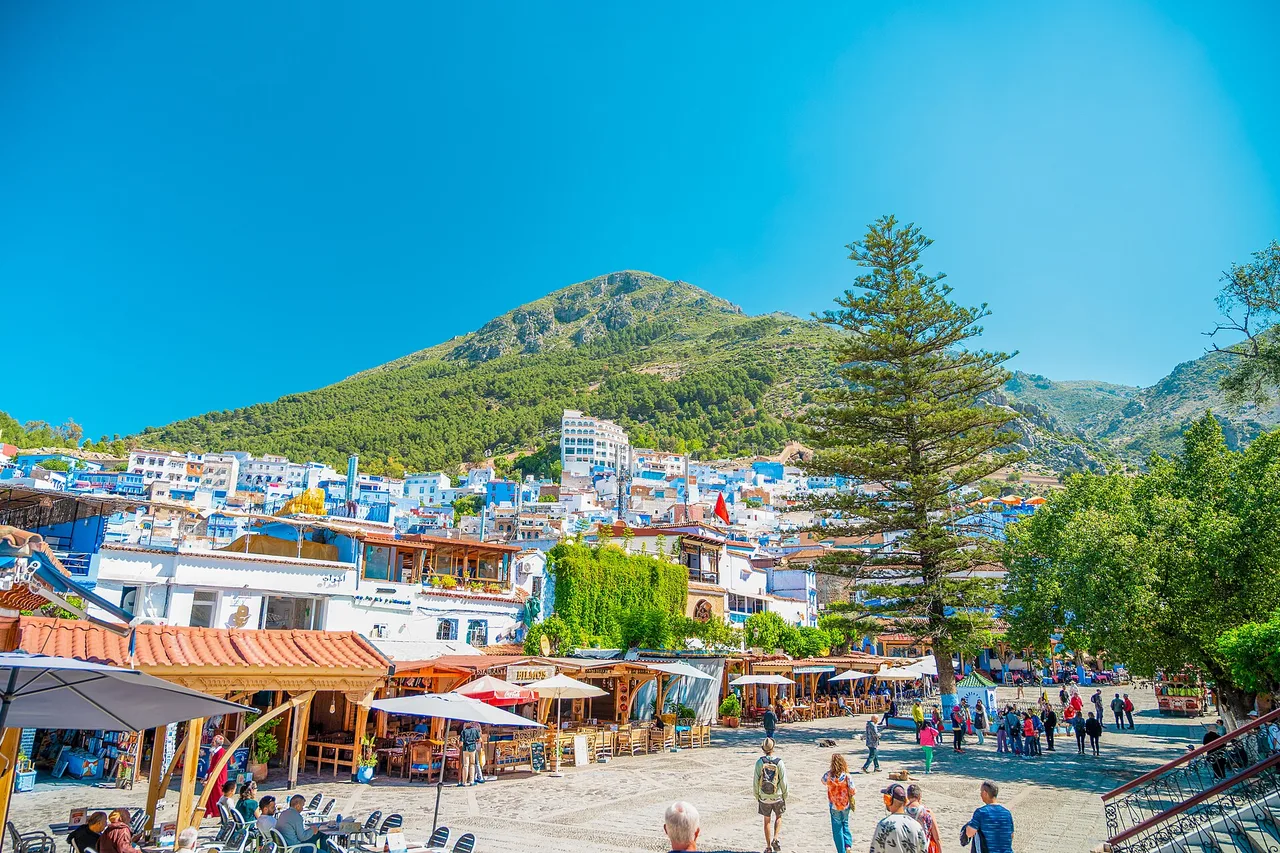
② Marrakech + the desert + Chefchaouen. Chefchaouen is in the Rif, in the north, and the desert in the south-east: that is the full diagonal of the country. The blue town is superb and it deserves a trip of its own — it does not deserve to be tacked on. We publish no distance or duration for that leg, because we have not verified them; what we do know settles it: the railway goes no further south than Marrakech, and Chefchaouen is further north again than Tangier on the map.
📌 Why do these programmes exist? Because an itinerary sells on a list of names, and a list of four names looks more generous than a list of two. The constraint does not show on the brochure: it shows up on day four, in a car.
Two things to settle before you go
① Your passport, not your identity card. This is a change many travellers have missed: national identity cards are no longer accepted at the Moroccan border, package tours included. A valid passport is required. Nationals of sixty-nine countries — including France, Belgium, Switzerland, Canada and most of the European Union — enter without a visa for a tourist stay of up to ninety consecutive days.
② Your mobile data, because Morocco is not in the European Union. The roaming included in a European plan does not apply here, and ordinary roaming charges climb fast.
🟢 Start by buying nothing: wifi is everywhere. Riads, cafés, restaurants, stations: in the cities a whole week goes by without a single megabyte of mobile data. The subject only becomes serious on the road south, between the pass and the dunes, where there is neither wifi nor a signpost and you would like to check where you are. If that is your case, an eSIM activated before departure installs from home and spares you the airport counter queue on a day when the train is not running.
Full guide: Morocco eSIM: networks, prices and airport SIMs compared
📌 One figure to place your trip: Morocco received 19.8 million visitors in 2025, up 14%, for 124 billion dirhams in receipts, up 19%. Two records. In practice: book the desert night earlier than you thought, and see the big Marrakech sights at the very start of the morning.
In short
If you remember only five things:
① The desert is 560 km from Marrakech over a 2,260 m pass: 1,120 km return, three of your seven days. ② No railway crosses the High Atlas — Marrakech is the southern terminus, and the rest is coach, car or driver. ③ In September 2026 the network is a building site: airport train suspended on 5 and 6 September, new transport plan from the 14th — check your times through official channels. ④ In seven days take one desert and two cities; Fez and Chefchaouen belong to another trip. ⑤ Passport required, identity cards refused, and no visa for ninety days for sixty-nine nationalities.
Top-rated activities in Morocco, bookable online: