“Zagora” means two very different deserts, and it is almost never the big one you are sold. Zagora is an oasis town in the Draa valley; the dunes on a two-day tour are 30 to 40 m high, where Merzouga’s reach 150 m. And the genuinely big erg on that side, Chigaga, is earned on a 4×4 track. Hence the paradox: the desert that is further away is the easier one to reach.
“Zagora” means two deserts, and rarely the one you are sold
This is the misunderstanding that spoils the most trips to Morocco, and it rests on one town’s name being used for three things.
Zagora is an oasis town in the Draa valley, keeper of a caravan past. It is not a dune field, and nobody sleeps in the sand at Zagora itself. When an agency sells a “Zagora desert tour”, it is selling a night under canvas somewhere south of the town — and the somewhere changes everything.
There are in fact three deserts behind two names:
| What you are sold | What it actually is | Dune height |
|---|---|---|
| “Merzouga” | Erg Chebbi, at the foot of Merzouga village | up to 150 m |
| “Zagora”, 2 days / 1 night | Erg Lehoudi, most often | 30 to 40 m |
| “Chigaga” or “Chegaga” | Erg Chigaga, 98 km south of Zagora | big wild erg |
📌 The Erg Lehoudi range, published as found. One source gives 30 to 40 m, another goes up to 60. We keep 30 to 40 m, the tighter and more widely cited range — and we say so, rather than taking 60, which would have narrowed the gap and conveniently suited our own argument.
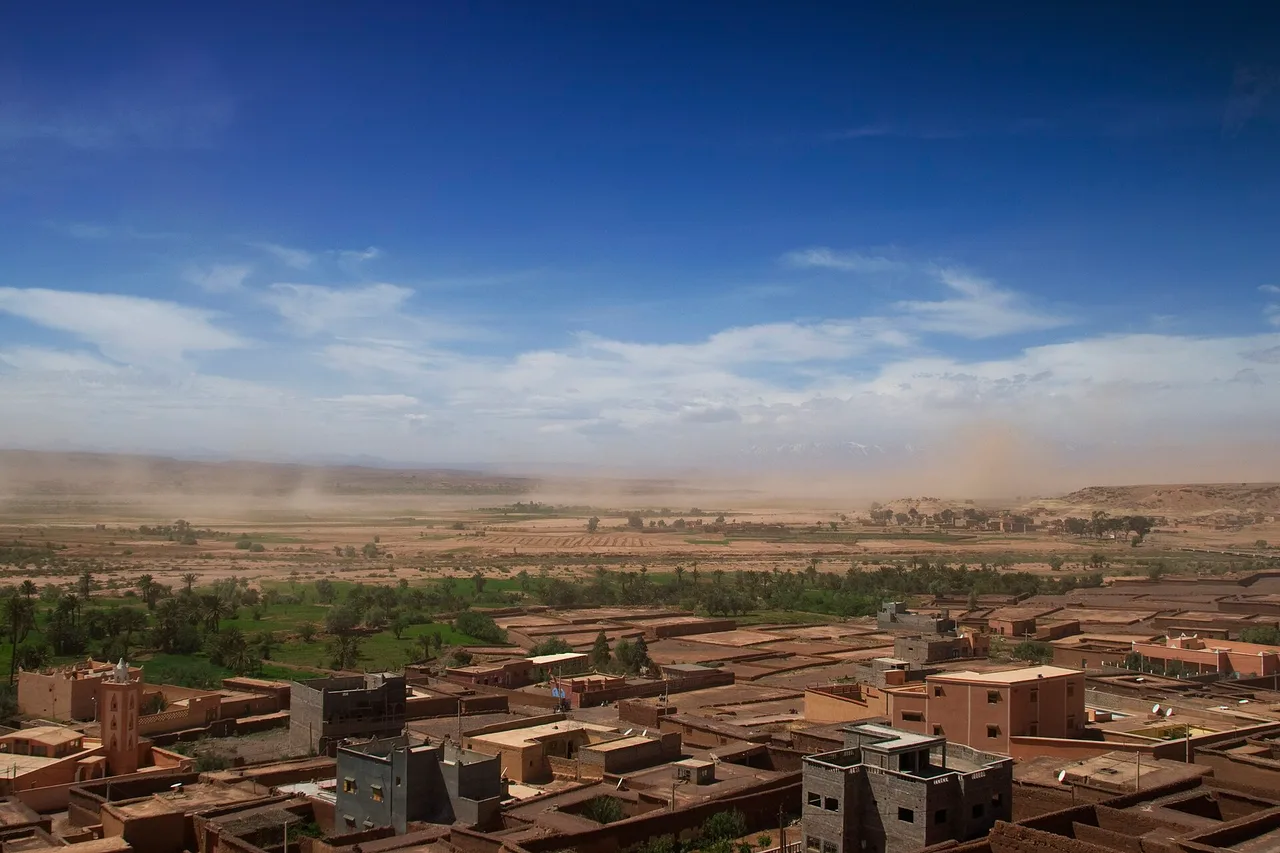
What an erg is, and why height changes everything
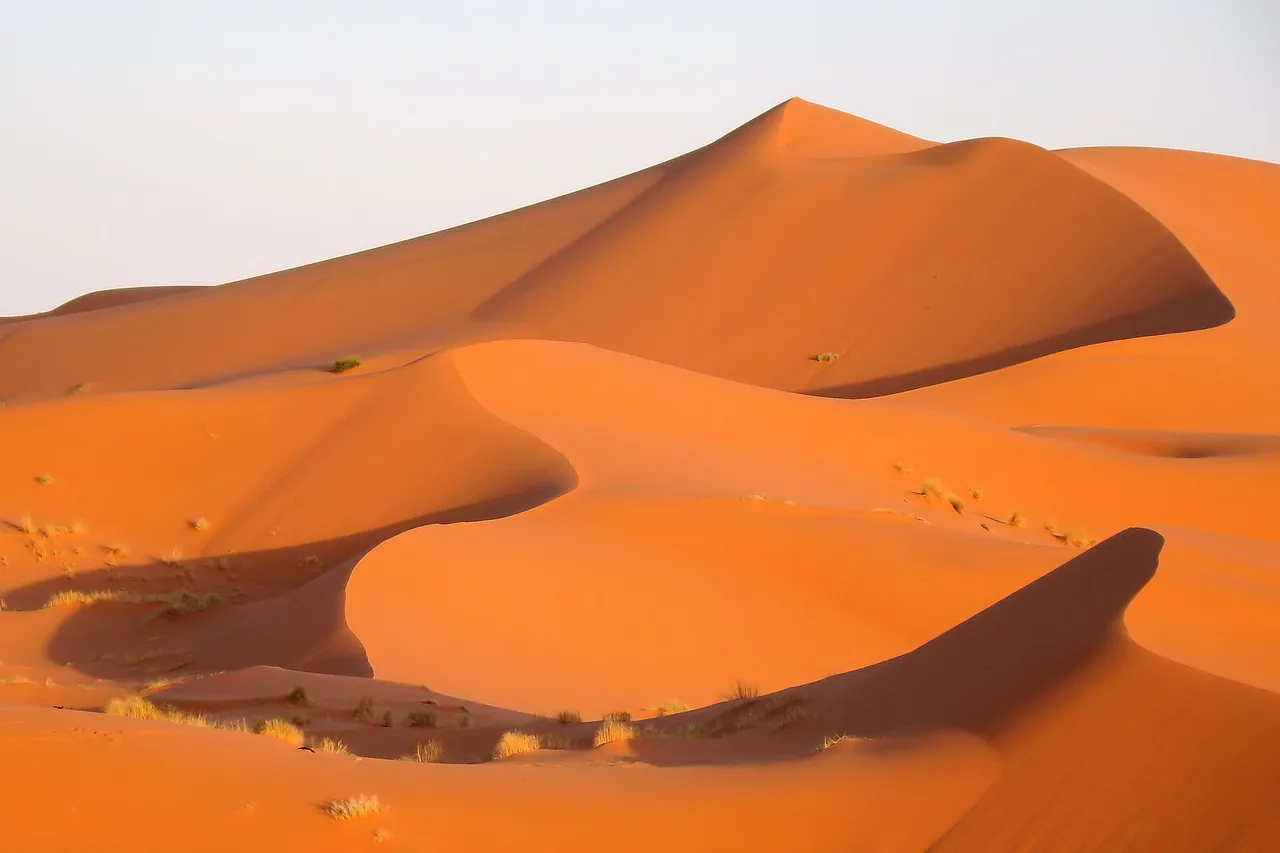
An erg is not “some sand”: it is a sea of sand set on a stony plain, with a sharp edge.
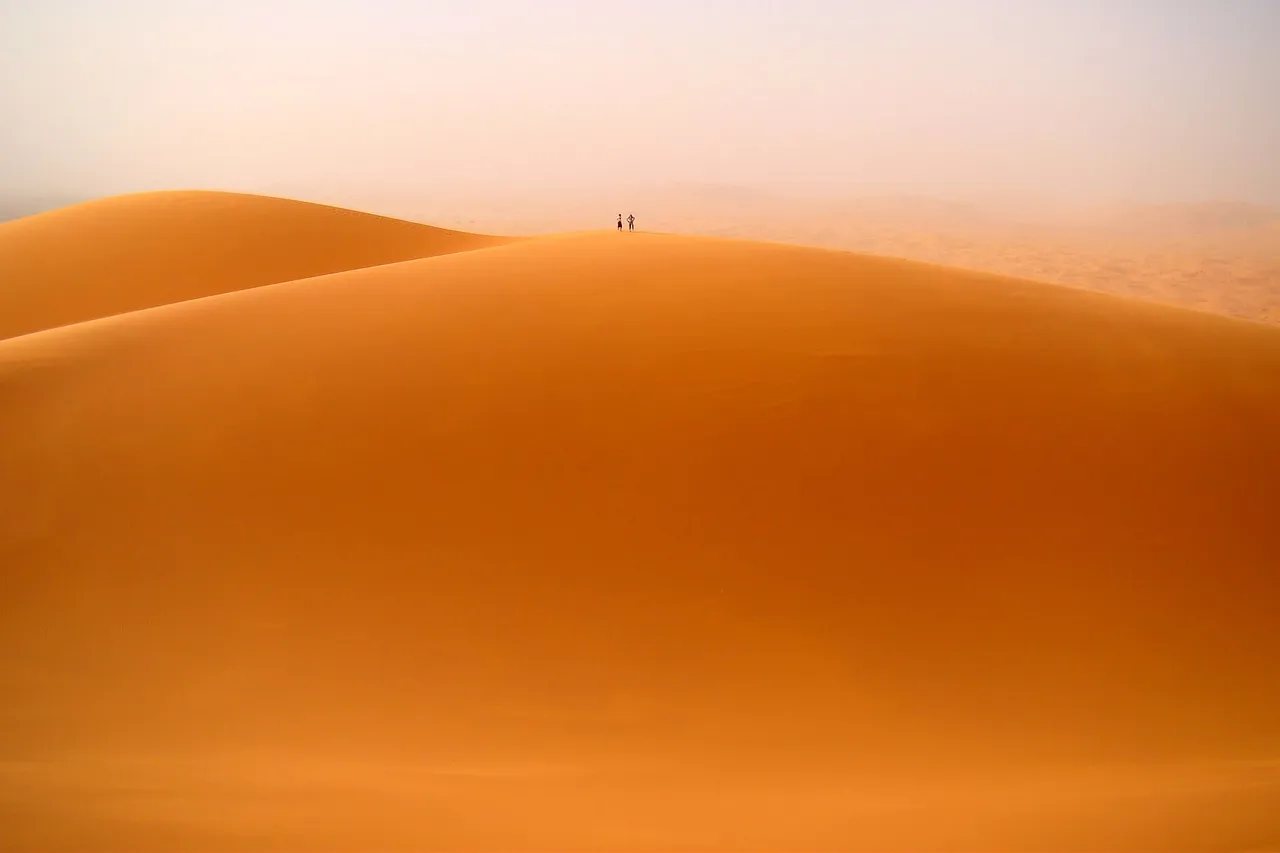
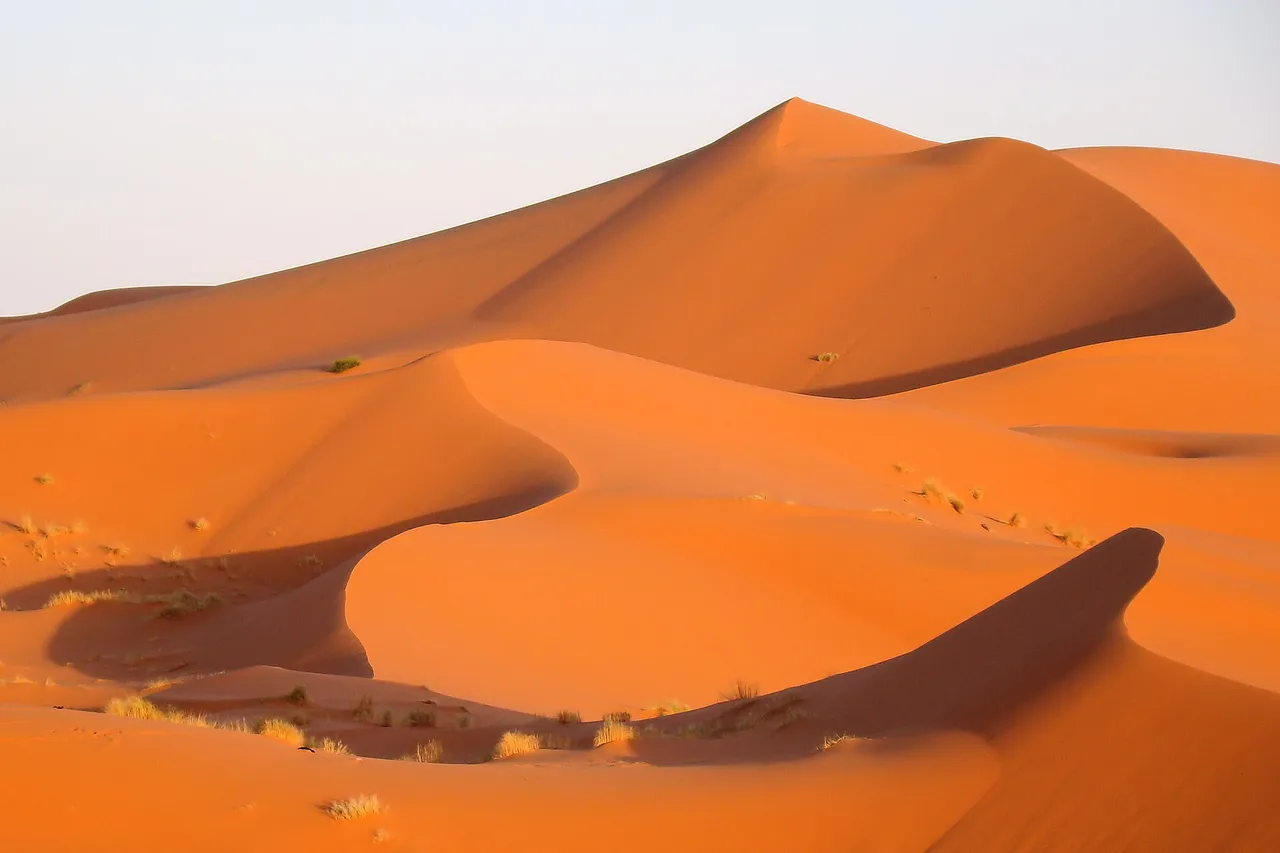
Erg Chebbi, the Merzouga one, is about 22 km long by 5 km wide, roughly 110 km², and its highest dunes reach 150 m. Set against Erg Lehoudi’s 30 to 40 m, that is a ratio of 150 ÷ 40 ≈ 3.75: nearly four times higher.
This is not a quarrel about numbers. A 150 m dune takes some twenty minutes to climb in sand, it hides the horizon once you are behind it, and it changes the evening light. A 35 m dune is climbed in three minutes and you can see the road from the top. These are two landscapes, not two sizes of the same one.
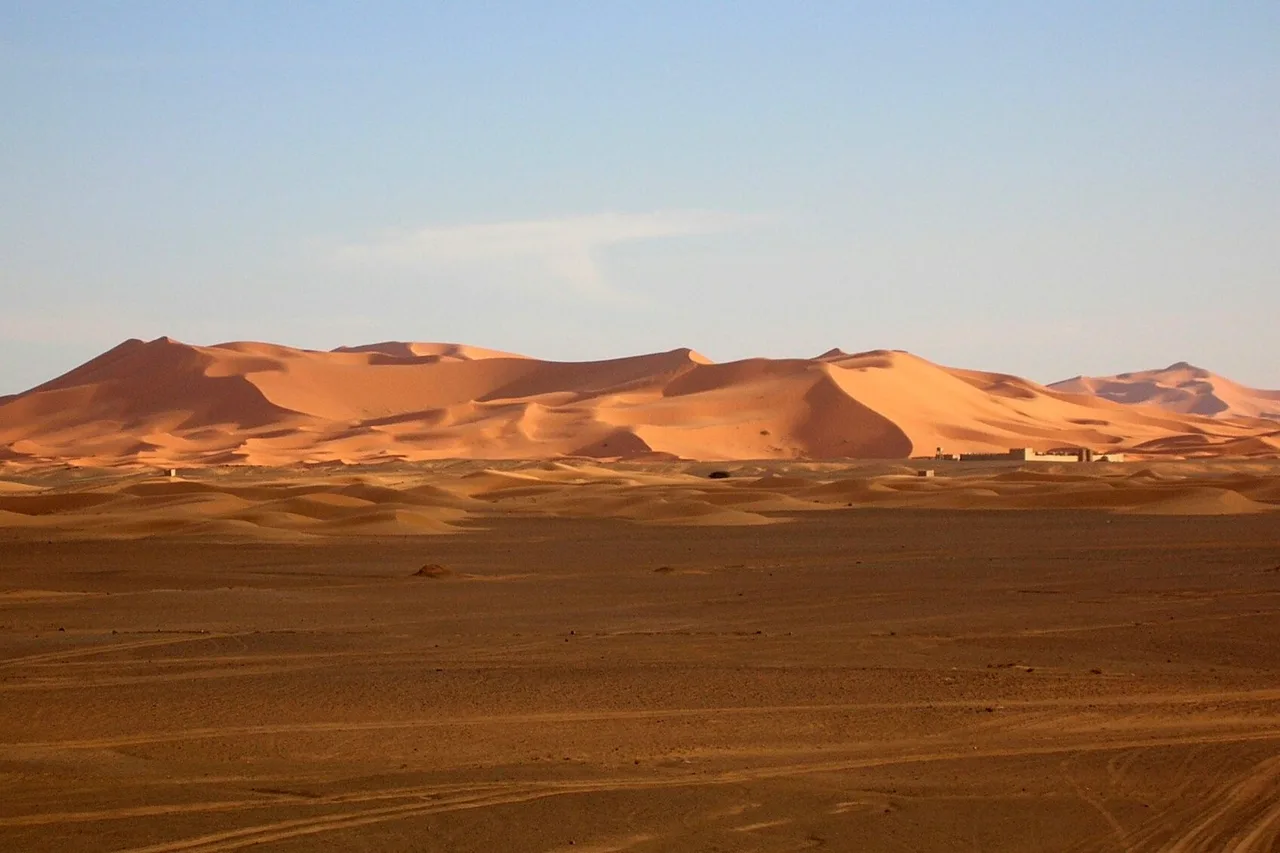
The paradox: the desert that is FURTHER is the EASIER one
This is the sentence you read nowhere, and it is the one that should decide.
On the map, Zagora wins easily: 350 km from Marrakech against 560 km for Merzouga, that is 560 − 350 = 210 km less, and about seven hours of road instead of nine or ten.
But the map does not say what matters:
| Merzouga (Erg Chebbi) | Erg Chigaga (Zagora side) | |
|---|---|---|
| Distance from Marrakech | 560 km | 350 km to Zagora, + 98 km |
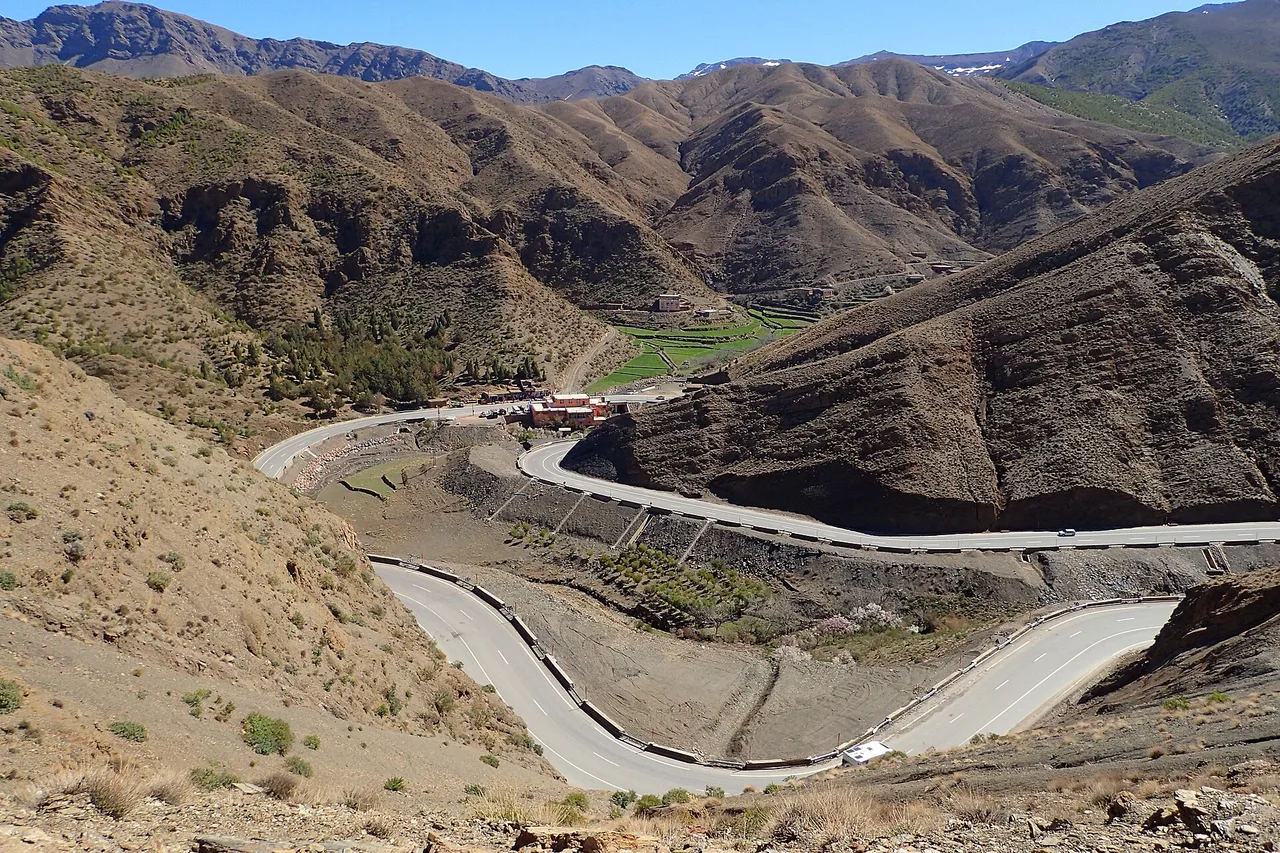
| Surface | 100 % tarmac | tarmac to M’Hamid, then track |
| Final stretch | easy track to the dunes | 50 to 60 km, 1 h 30 to 2 h, 4×4 required |
| Ordinary rental car | ✅ enough | ❌ will not do it |
In other words: 350 + 98 = 448 km, still less than 560 — on paper. In reality those last kilometres are not road kilometres: they are a track you do not take alone, in a vehicle you have not rented, with someone who knows it. The Zagora side is nearer and, if you want real dunes, harder.
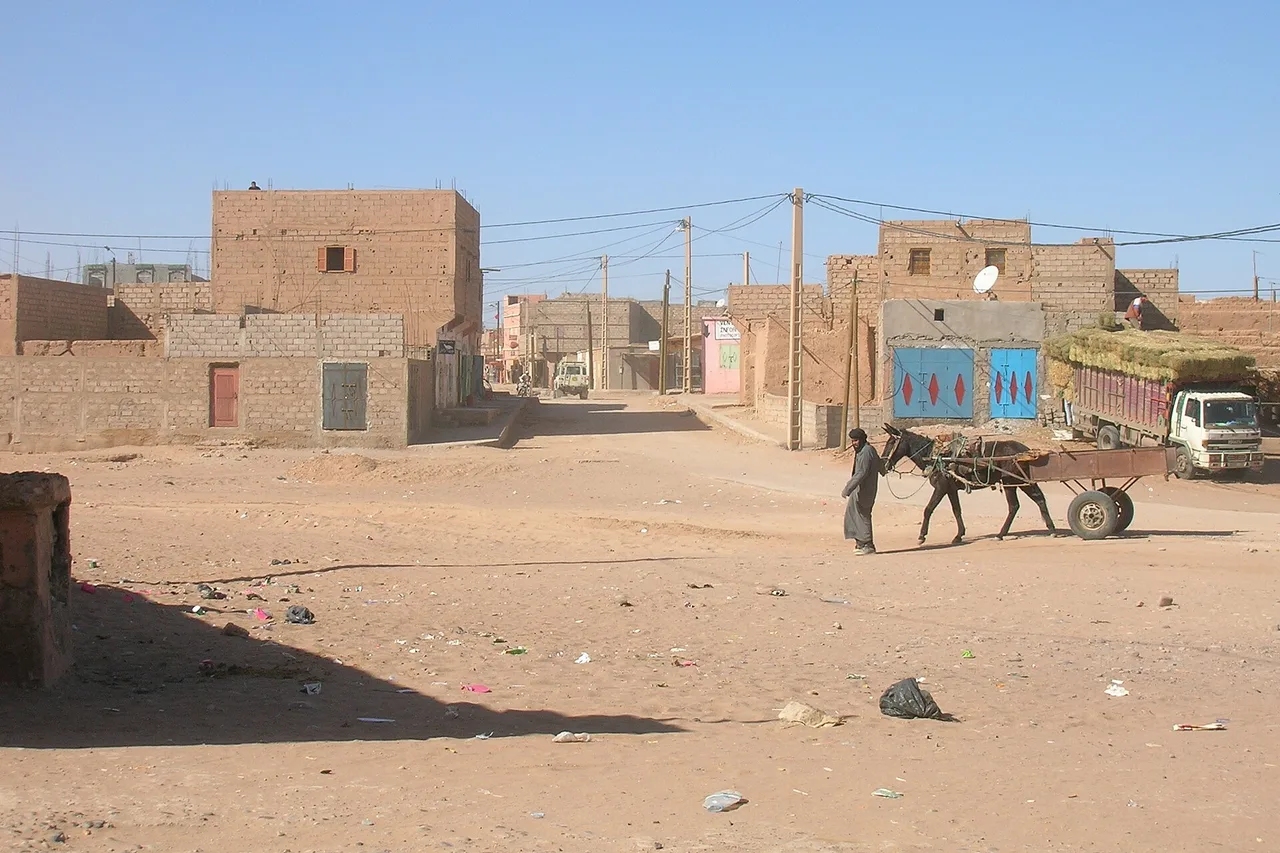
The real cost is counted in DAYS, not kilometres
This is where the two-day packages show what they are.
| Format | Road | What is left on site |
|---|---|---|
| “Zagora” 2 days / 1 night | ≈ 7 h out, 7 h back — ≈ 14 h | one evening and one sunrise |
| Merzouga 3 days / 2 nights | 560 km × 2 = 1,120 km, pass at 2,260 m | a full day and two nights |
Worth recalling if you only have a week in Morocco: those 1,120 km are three of your seven days. That is the calculation we already made when setting out the one-week itinerary, and it does not change here — no railway crosses the High Atlas, Marrakech is the southern terminus of the network, and everything happens by road.
🟢 Before renting a car, know that you do not have to. CTM and Supratours coaches serve the south for a fraction of a rental, and an organised trip with a driver often comes to the same total once fuel, the pass and the nights are counted. A car wins in one precise case: if you are heading for Merzouga and want to stop wherever you like between the ksar, the Dades and the Todra. That case, and only that one, justifies comparing rental firms in Morocco, looking at the total with insurance rather than the headline price. For Erg Chigaga the question does not arise: the track is not driven in a rental car.
Full guide: Car Rental in Morocco: Prices, Deposit and Police Checks
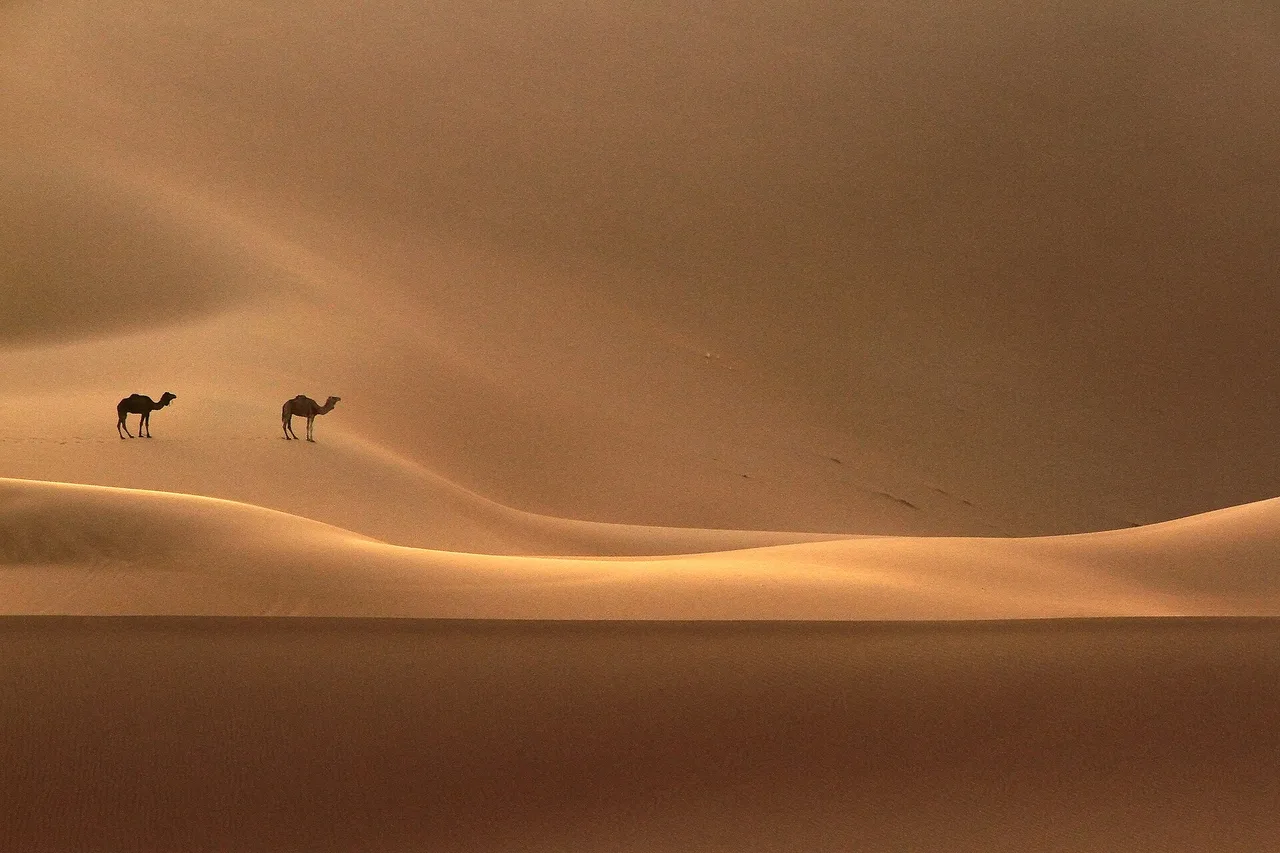
When to go — and what nobody says about the night
Only one period is genuinely to be avoided, and one surprise catches everybody.
Avoid July and August. Saharan heat there reaches 45 to 50 °C: walking in the dunes in the middle of the day becomes hard, and sometimes dangerous. This is not a matter of comfort, it is basic safety.
And expect to be cold at night. The gap between day and night is considerable all year round in the desert. It is the most common surprise: you leave in a T-shirt at 35 °C and shiver under canvas at three in the morning. Take something warm even when the day you set off suggests nothing of the kind.
📌 One detail that is not a detail: there is no signal at the camp. That is even a good reason to go — but it means anything that has to be settled (the meeting point, the return time, who collects you) is settled before you leave the tarmac, not from the dunes.
The table that settles it, by situation
There is no best desert. There is the number of days you have, and the vehicle you are sitting in.
| Your situation | What will suit you |
|---|---|
| You have 3 days and want THE dunes | Merzouga / Erg Chebbi — 150 m, and tarmac all the way |
| You only have 2 days | The Zagora side, knowing it will be Erg Lehoudi and 14 h of road |
| You want wild and empty | Erg Chigaga — and you must accept 50 to 60 km of track in a 4×4 |
| You are driving yourself | Merzouga — the only one of the three an ordinary car reaches |
| You are travelling in July or August | None — 45 to 50 °C, postpone this part of the trip |
| You only have a week in Morocco | The desert will take 3 of your 7 days: a choice, not an add-on |
In short
If you were to remember only five things:
① “Zagora” means two deserts: the Erg Lehoudi of two-day tours (30 to 40 m) and Erg Chigaga, much further out. ② Merzouga’s Erg Chebbi rises to 150 m over 22 × 5 km — nearly four times higher. ③ The further one is the easier one: Merzouga is tarmac end to end, Chigaga demands 50 to 60 km of track in a 4×4. ④ Count in days, not kilometres: two days on the Zagora side is ≈ 14 h of road for one night. ⑤ No desert in July or August (45 to 50 °C), and take warm clothes for the night, all year round.
Top-rated activities in Morocco, bookable online: