The same second-class seat between Casablanca and Marrakech costs 49 dirhams booked early, and up to 300 at the last minute. A factor of six, on the same train, decided once. That is why the daily average — the figure everyone publishes — is the wrong tool in Morocco: the big gaps are not daily ones. Here are the four decisions that actually make the budget, and the slip of paper without which your unspent dirhams stay behind.
The daily averages in circulation cannot be compared
Before any figure, a simple check that ought to appear in every budget article and never does.
The sources consulted on 3 September 2026 give, for a thrifty traveller:
| Source | Figure | What it contains |
|---|---|---|
| Source A | 150 to 300 MAD / day | excluding hotels and major transport |
| Source B | €40 to €50 / day | basis not stated |
At today’s rate, 40 × 10.88 = 435 MAD. Source B’s lower bound is therefore nearly one and a half times source A’s upper bound. The two do not describe the same trip: one excludes the bed, the other plainly includes it. A reader consulting two articles compares two different things without knowing it, and ends up with a budget that is wrong in one direction or the other.
📌 The rule to keep, more useful than any amount: a daily budget without its basis means nothing. Always ask what it contains — and if that is not written down, do not use it.
The rate itself is given dated or not at all: €1 ≈ 10.88 MAD on 3 September 2026. Over the past week it ranged from 10.75 to 10.83, and the expected band across 2026 runs from 10.50 to 11.00. A rate without a date is a dead figure: recalculate at yours.
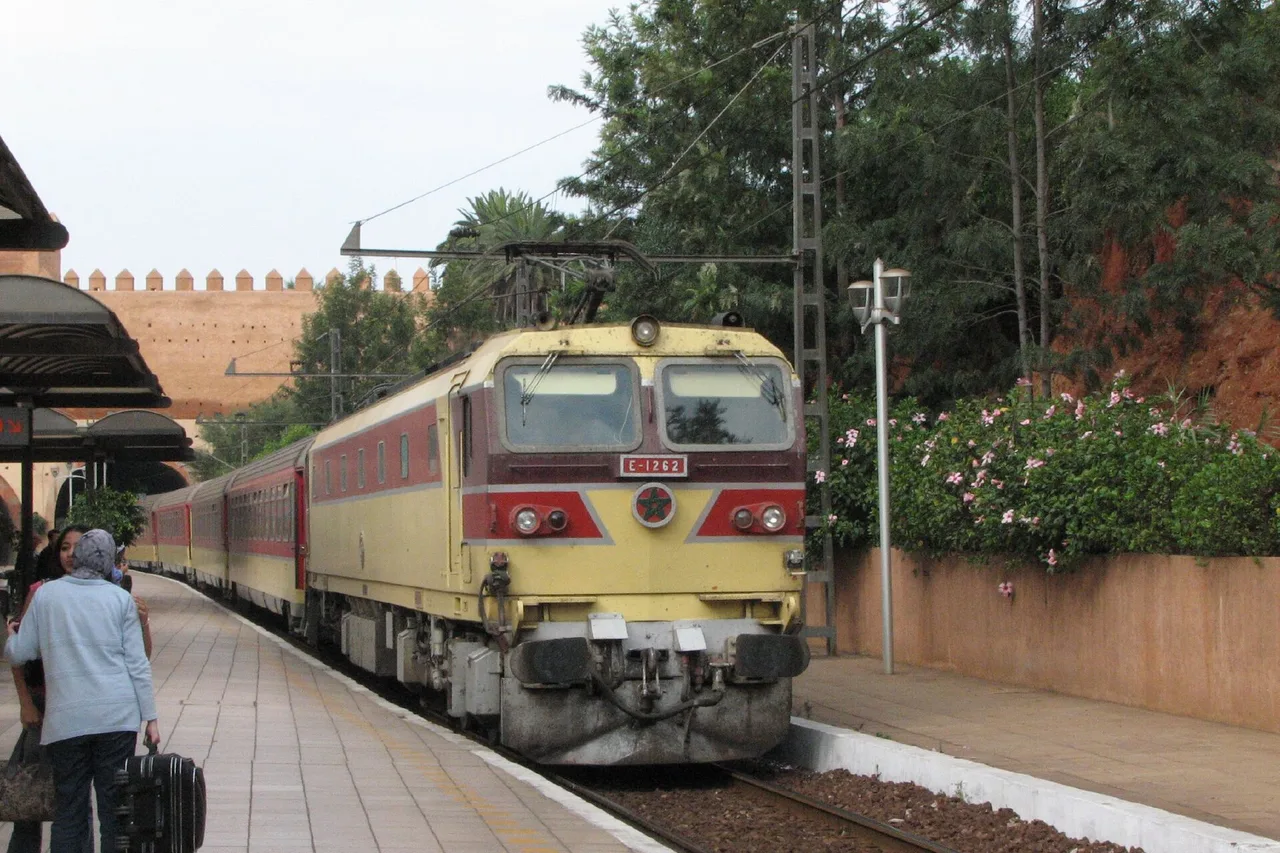
The same train seat costs 49 or 300 dirhams
Here is the widest gap of the whole trip, and it is decided once, from home.
ONCF uses dynamic pricing, and tickets go on sale thirty days before departure. On Casablanca–Marrakech, in second class:
| When you buy | Price |
|---|---|
| As soon as sales open | from 49 MAD |
| Standard fare | around 98 MAD |
| Peak or last minute | 150 to 300 MAD |
| First class | 190 to 240 MAD |
300 ÷ 49 ≈ 6. Six times the price, for the same seat, the same train, the same day. No saving on meals makes up that gap — and that is exactly why the daily average is the wrong tool: it smooths over what is decided once.
⚠️ Honesty about this figure: sources disagree on the “normal” fare — one gives 130 to 150 MAD in second class, another 90 to 130 with a standard at 98. We publish the mechanism and its bounds rather than an average, because it is the mechanism that is actionable: the price depends on when you buy, so buy early.
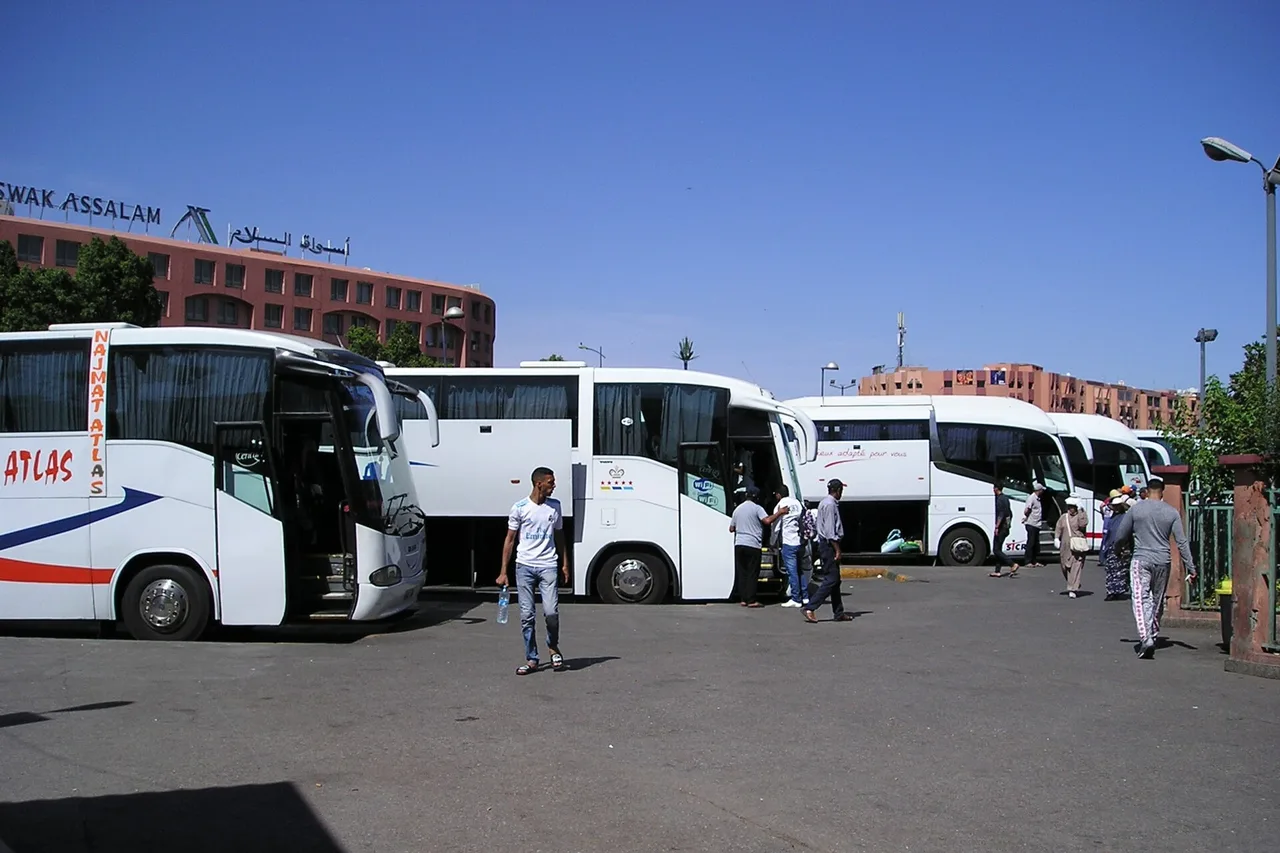
The dirham is a CLOSED currency — and the receipt decides
This is the point that costs real money to people who had otherwise prepared well.
The Moroccan dirham is not convertible abroad: you cannot obtain it before you leave, and the law governs both its entry and its exit. Three rules to know:
| Rule | Threshold |
|---|---|
| Dirhams you may take out of Morocco | 2,000 MAD maximum (≈ €184) |
| Foreign currency to declare at customs on entry | equivalent of 100,000 MAD or more (≈ €9,200) |
| Converting your dirhams back on departure | capped at a percentage of what you exchanged |
🟢 And here is the free move that decides everything: keep your exchange receipts. Converting back on departure is possible only on presentation of those slips. Without them, the dirhams you did not spend do not leave with you. It is a scrap of paper you discard automatically at the counter, and it determines whether your leftover money comes home.
📌 Practical consequence for planning: since dirhams cannot be obtained abroad, exchange on arrival — and exchange in stages rather than all at once. You will avoid ending up with a surplus that the 2,000 MAD ceiling stops you taking out.
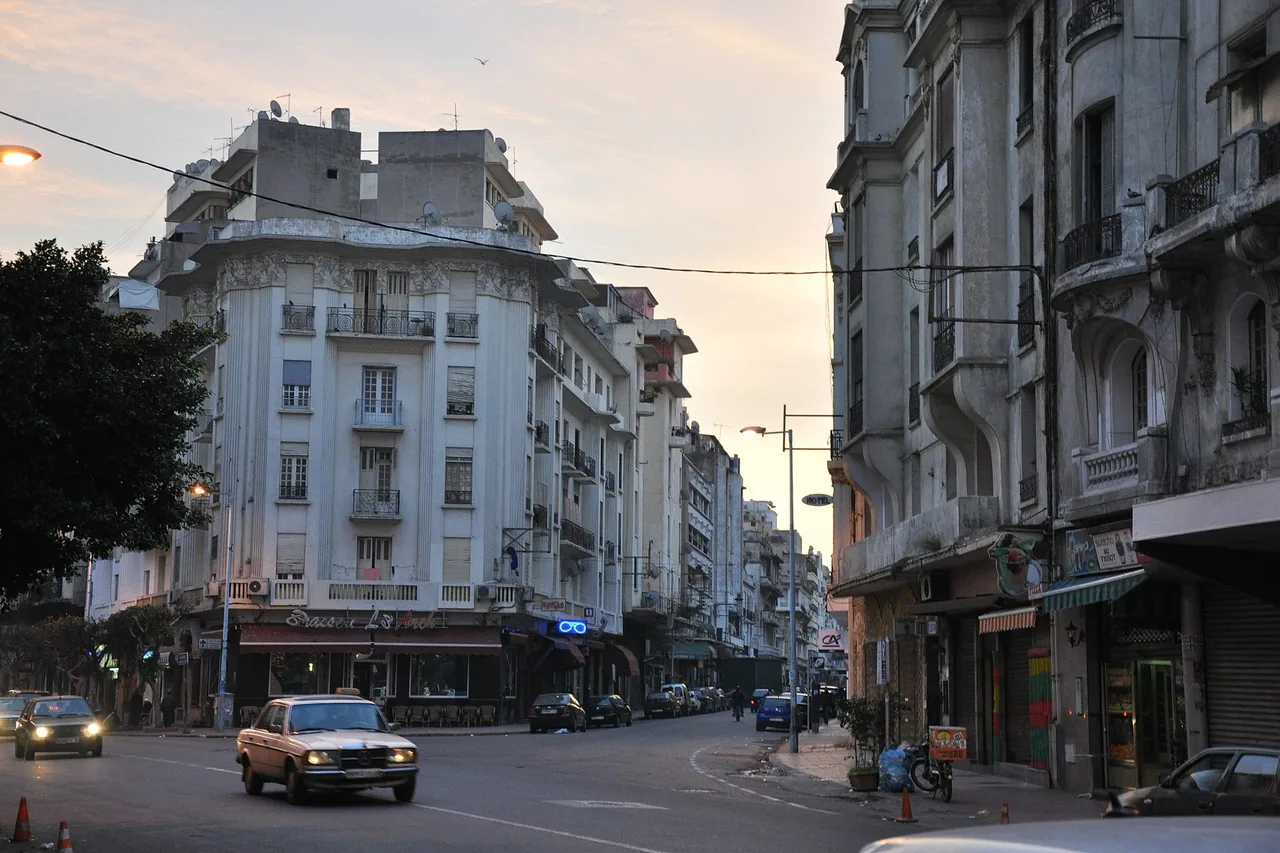
The desert is not a budget line, it is three days out of ten
The desert question is one of days before it is one of dirhams — and over ten days it changes everything else.
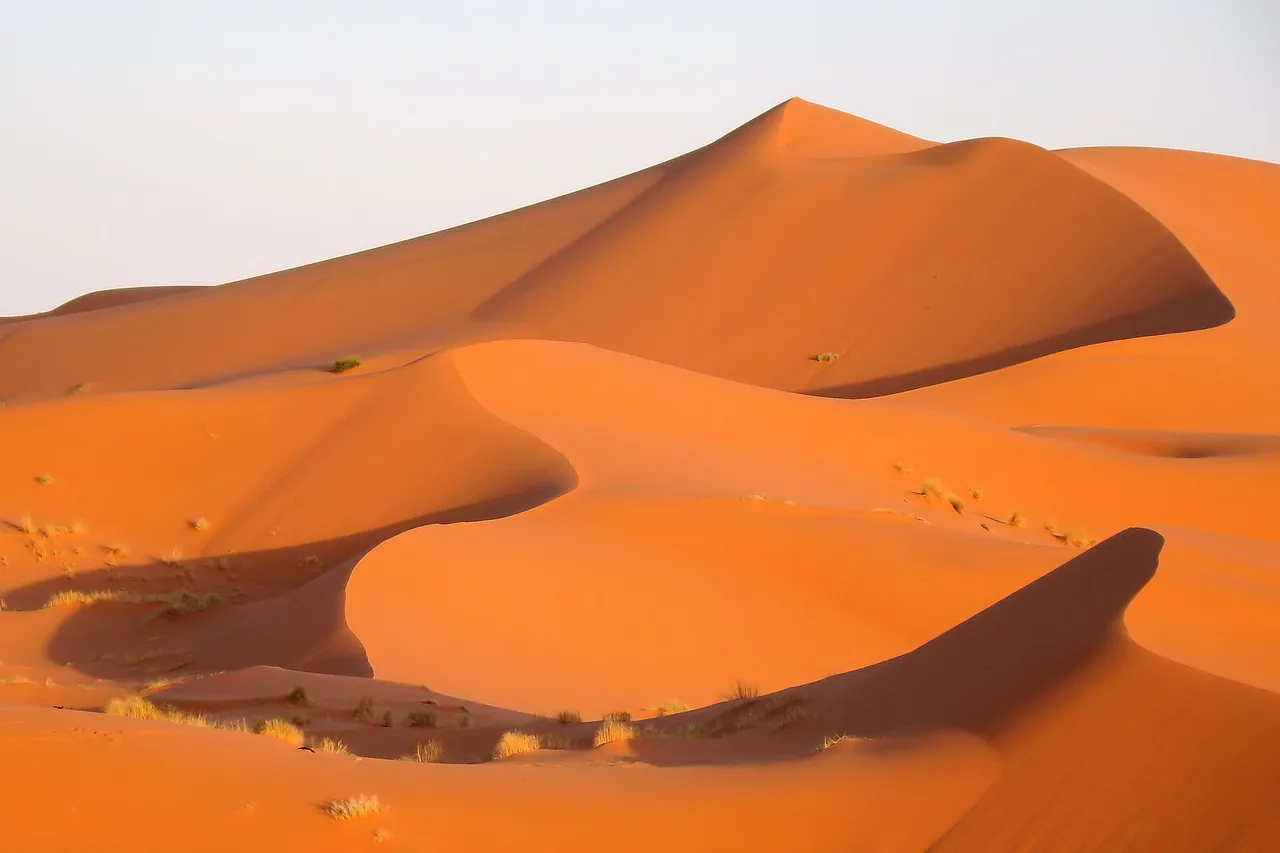
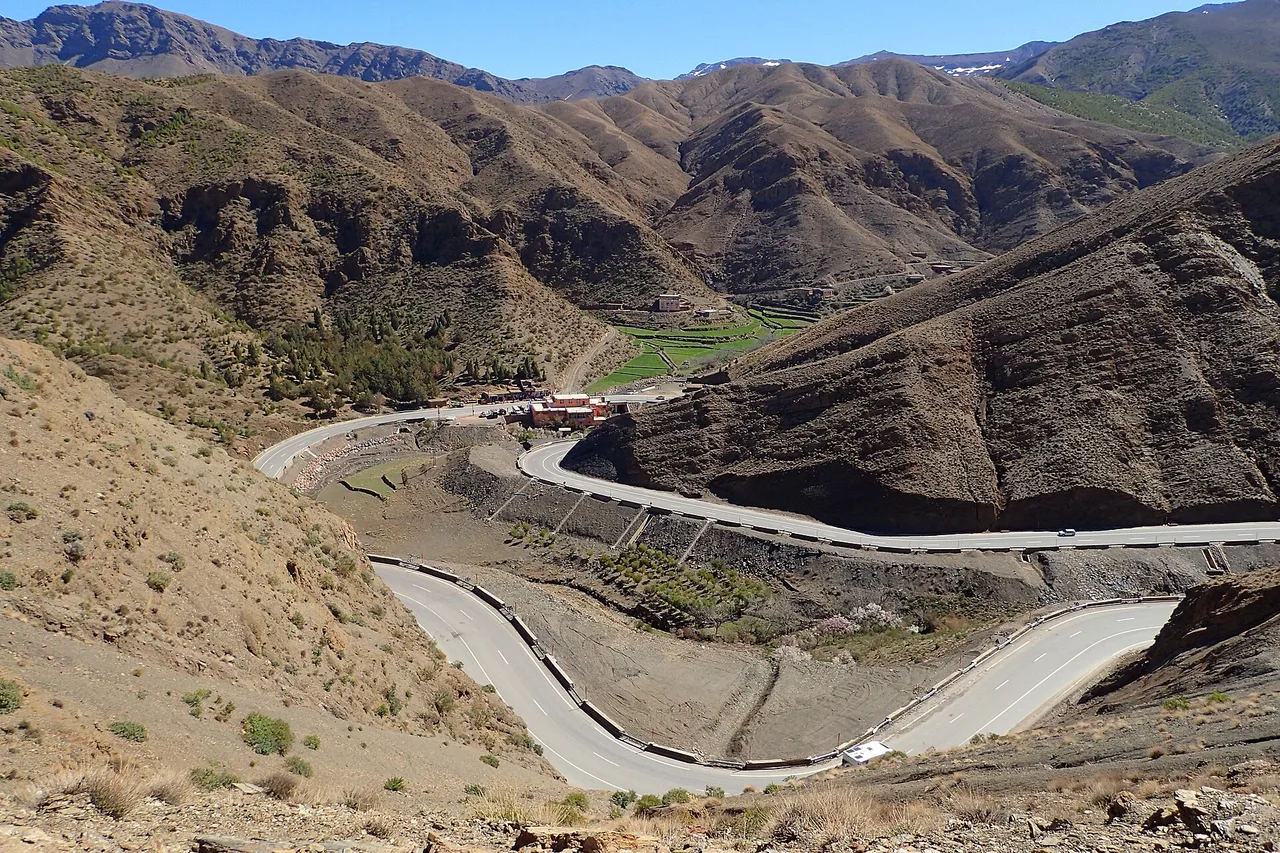
We established it when setting out the itinerary and then the choice of desert: Merzouga is 560 km from Marrakech, that is 1,120 km there and back, and no railway crosses the High Atlas. That amounts to three days — 30 % of a ten-day trip spent travelling.
What matters for the budget is the consequence, not the price of the tour: three days on the road are three days when you are not paying for a city room but are not visiting anything either. A ten-day trip with the desert is not a cheaper ten-day trip: it is a seven-day sightseeing trip with three travel days added.
Full guide: Things to Do in Marrakech: Day Trips, Tickets, Prices
📌 We deliberately publish no price for a desert tour: the sources consulted offered only unverifiable agency ranges, which vary with the season, the group size and the comfort of the camp. An invented figure here would do more harm than no figure at all.
The items that appear on no comparison site
Four lines that show up nowhere when you book, and are all paid on the spot.
① The tourist tax, due per person per night. Sources diverge — we publish both readings rather than choose one:
| Reading | Per person per night | 2 people × 10 nights |
|---|---|---|
| A — guest house | municipal 15 + promotion 11 = 26 MAD | 26 × 2 × 10 = 520 MAD ≈ €48 |
| B — scale by classification | 10 to 25 MAD | from 10 × 2 × 10 = 200 MAD ≈ €18 |
② Prices that are negotiated rather than displayed. For the same airport–medina run, sources range from 70 to 200 dirhams. That is not a measurement, it is a negotiating range: agree the price before getting in, as residents do. The same principle applies in the souk.
③ The dual entry fee. At the Bahia Palace, entry is 100 MAD for an adult, 50 MAD for a child under twelve, and 30 MAD for Moroccans and residents. (One source gives “between 70 and 100”: check on site.) This is not an anomaly but a common practice — budget for the visitor rate.
④ The small everyday spending that no budget counts and that nonetheless makes the total: tea, water, public toilets, tips. You do not control them by cutting them out, but by expecting them.
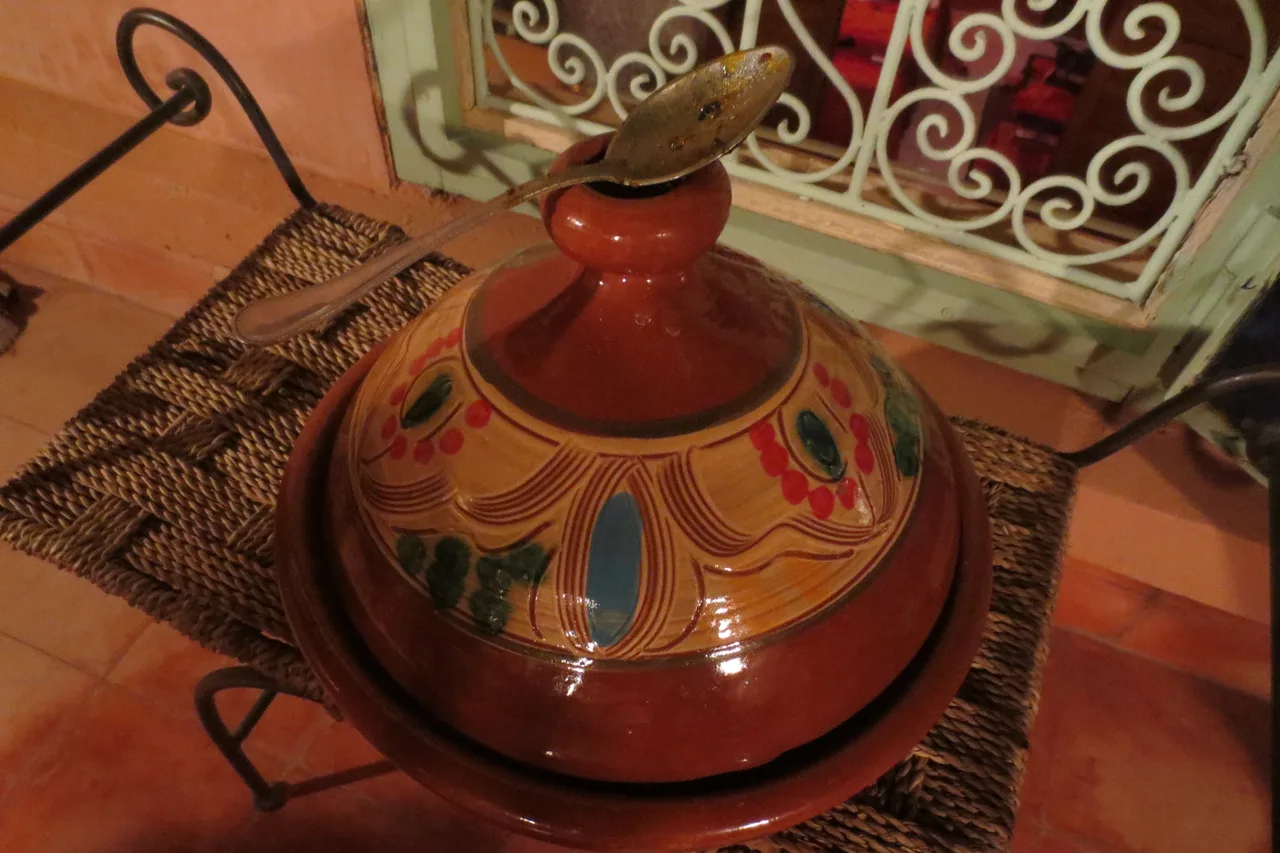
Three budgets for ten days — with their basis written down
Since the whole problem comes from implicit bases, here are ours, in black and white.
Figures recorded on 3 September 2026, per person, excluding international flights, on the basis of a room shared by two:
| Item | Thrifty | Comfortable |
|---|---|---|
| Room per night | simple riad €30 to €60 | charming riad €80 to €160 |
| Meal | local eatery €3 to €6 | restaurant €8 to €20 |
| Train Casa–Marrakech | 49 MAD booked early | 150 to 300 MAD at the last minute |
| CTM coach, same route | 90 to 120 MAD (Supratours 150 to 280 on comparable distances) | |
| Tourist tax, 10 nights | 200 to 520 MAD depending on the reading (≈ €18 to €48) | |
| Published daily marker | 150 to 300 MAD excluding bed and long journeys | 400 to 800 MAD, same basis |
Over a week excluding flights, sources put the total at around €300 to €350 thrifty and €650 to €800 comfortable. These are orders of magnitude, not quotes — and they move with the season, the city and the date on which you book your journeys.
🟢 Before renting a car, know that you do not have to. For one or two people the coach almost always wins: 90 to 120 MAD per person for Casablanca–Marrakech is a fraction of a rental once fuel, tolls and parking are counted. The trade-off only flips at three or four, because the cost of the car divides while the cost of tickets multiplies. That case, and only that one, justifies comparing rental firms in Morocco, looking at the total with insurance rather than the headline price. A reminder from the rest of this series: a car does not enter the medina, and it does not do the track to Erg Chigaga.
🟢 For mobile data, likewise start by buying nothing. Wifi is everywhere — riads, cafés, restaurants, stations — and a week in the cities goes by without a single megabyte of mobile data. It only becomes a budget item if you drive south, or if you need to be reachable continuously. In that case only, note that Morocco is outside the European Union and the EEA: the roaming included in your European plan does not apply, and ordinary roaming climbs fast. An eSIM activated before departure installs from home and can be set against what your operator charges outside the zone — compare the two, the answer depends on your plan.
Full guide: Morocco eSIM: networks, prices and airport SIMs compared

In short
If you were to remember only five things:
① A daily budget without its basis means nothing: 150-300 MAD/day excluding the bed and €40-50/day do not describe the same trip — €40 = 435 MAD. ② Book your trains as soon as sales open, 30 days ahead: the same seat goes from 49 to 300 MAD, a factor of six. ③ Keep your exchange receipts: without them your unspent dirhams stay in Morocco, and you may not take out more than 2,000 MAD in any case. ④ The desert costs 3 days out of 10 before it costs a single dirham. ⑤ The tourist tax is paid on the spot, per person per night: 200 to 520 MAD for two over ten nights, on no comparison site.
Top-rated activities in Morocco, bookable online: