2026 is the record year for sargassum in the Caribbean, and that is not a traveller's impression — it is a satellite measurement. But a regional figure tells you nothing about the beach where you will actually lay your towel. On this coast, two beaches ten miles apart can be, on the very same morning, one buried in weed and the other perfectly clear — and the reason is neither luck nor the hotel's budget. It is which way the shore faces. Here is the real calendar, the places the seaweed does not reach, and the official map to check the night before your beach day.
What sargassum is, and why 2026 stands out
Sargassum is a brown seaweed that floats in rafts out at sea and never takes root. Offshore it is a habitat: turtles, juvenile fish and crabs live in it. The trouble begins when the current pushes it ashore and it rots on the sand.
Since 2011 a University of South Florida satellite programme has measured what is known as the Great Atlantic Sargassum Belt, a band of weed stretching from West Africa to the Gulf of Mexico. In May 2026 it reached 38 million tonnes across the whole monitored area — Caribbean, Atlantic and Gulf. That is the highest level ever recorded, far above the previous peak of 22 million tonnes in June 2022.
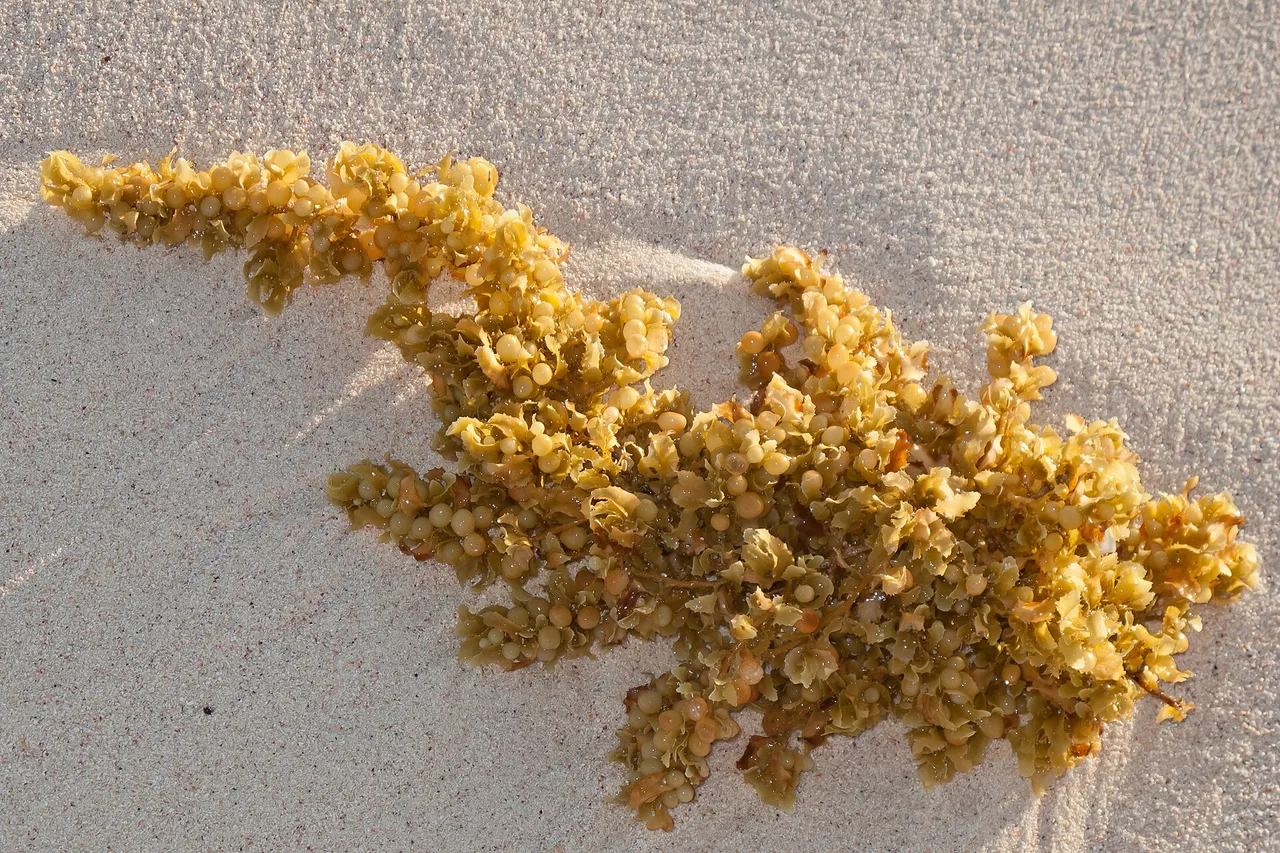
On the Mexican side, the number that matters is what gets collected. Quintana Roo, the state running from Cancún to the Belize border, had removed more than 87,000 tonnes from its beaches as we write, and is on course to pass the 92,500 tonnes of 2025. The highest forecasts of the season pointed to 130,000 tonnes, a third more than last year.
One word of honesty about those figures: they describe an entire state, four hundred kilometres long. They say nothing about your beach — and that is precisely the misunderstanding that gets trips cancelled which never needed to be.
The calendar, and where the sources disagree
The broad rule is stable: sargassum arrives as the water warms, peaks in high summer, and pulls back in autumn.
In practice the season starts in late March, builds through May, and the worst weeks of 2026 fell between August and October. On 28 May, nearly one beach in two across the state was rated red, and thirty-four northern beaches — including Cancún, Playa del Carmen and Tulum — were in that category.
It is the end of the season we cannot be categorical about, and we would rather say so. Specialists quoted in March forecast a season that might close as early as July or August; operational monitoring runs it through to November. The gap is explained nowhere, and it covers two to four months. If your trip falls in October or November, treat the question as open and check the preceding month.
One nuance has shifted in recent years, and it matters: there is no longer a completely clear season. Landings were confirmed in Mexico, Belize and Honduras as early as January 2026. December to March remains by far the best window, but promising "zero sargassum in February" would be untrue.
Why two neighbouring beaches get very different weather
This is the point almost nobody explains, and it is the one that lets you choose a beach instead of entering a lottery.
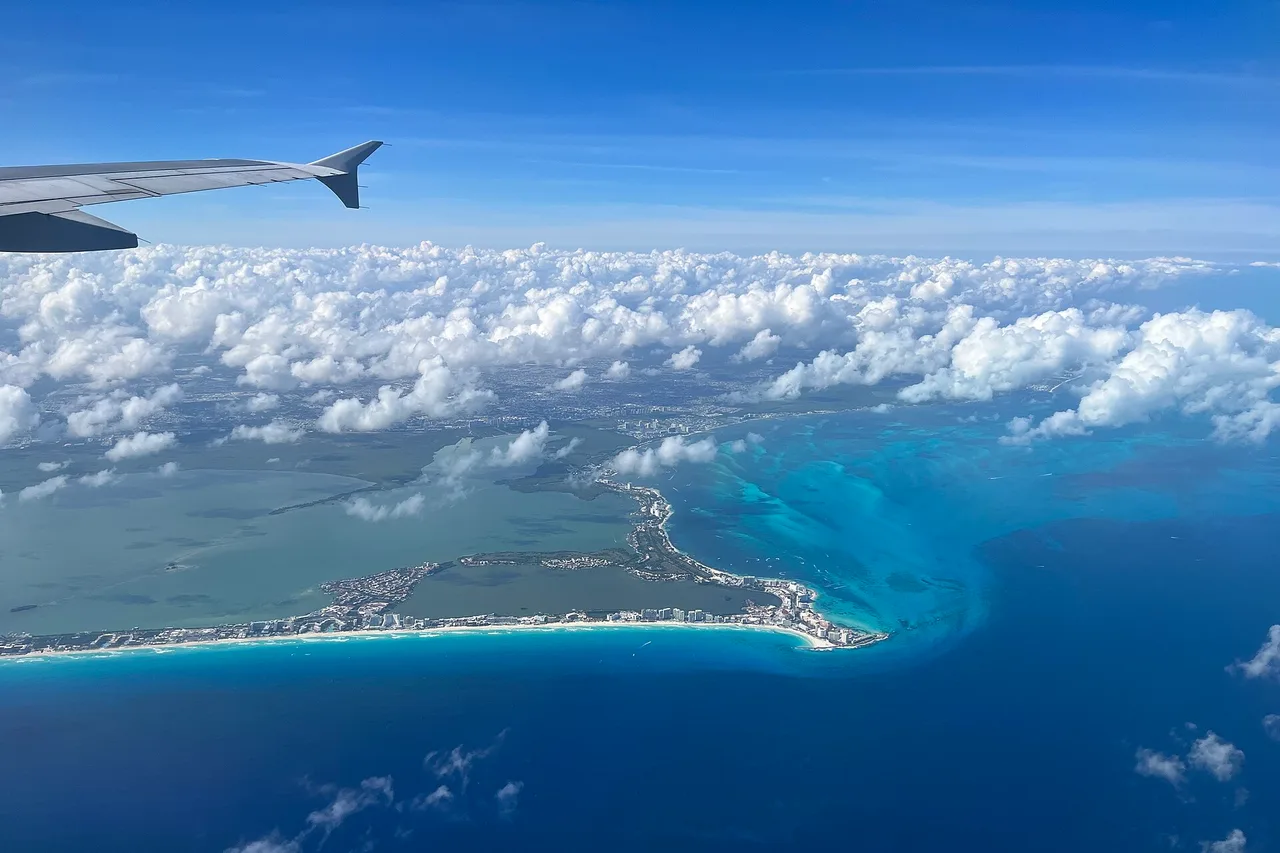
Sargassum does not arrive from everywhere: it is pushed by the Caribbean current, which comes from the east-south-east. A beach facing that way takes it head on. A beach turned north, turned west, or sheltered behind an island or a headland receives only what the wind brings back — which is far less.
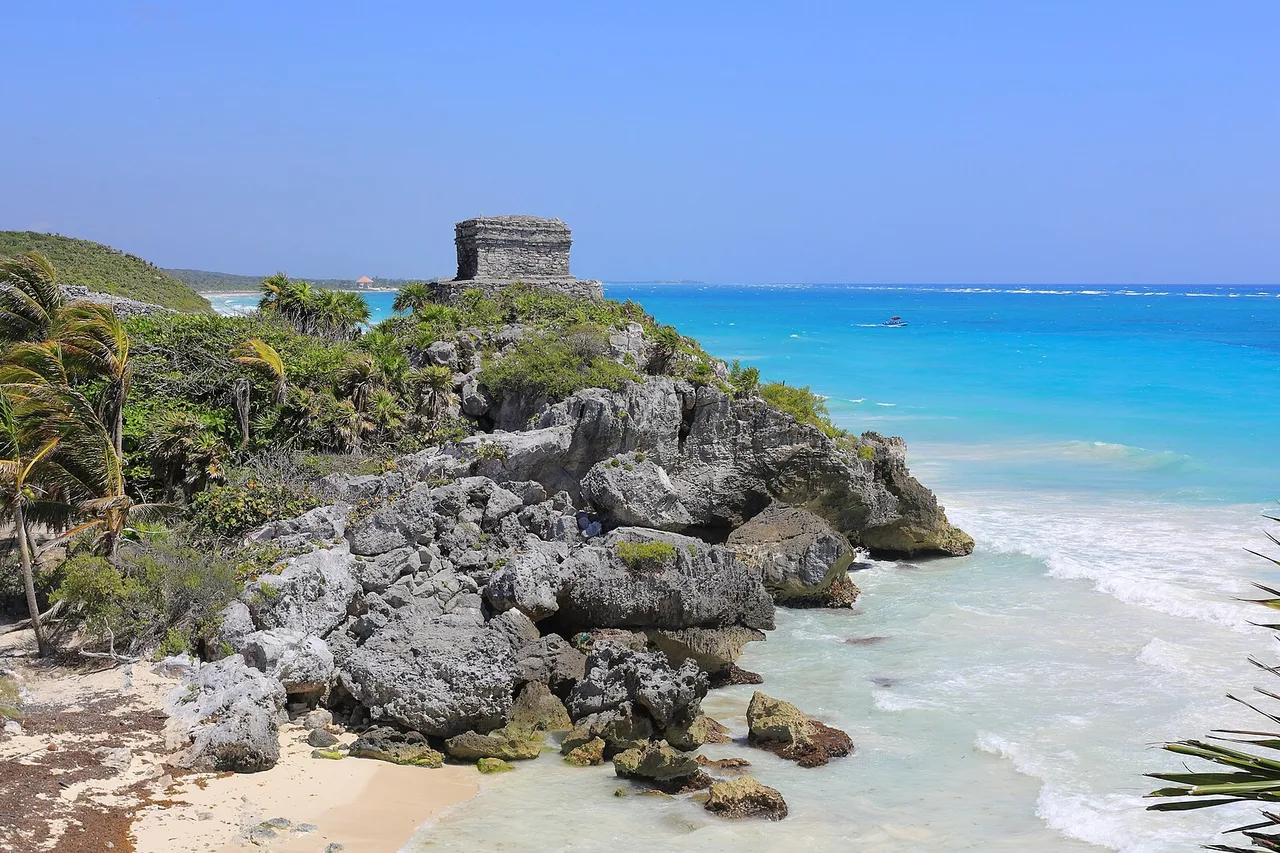
The whole eastern front of the Riviera Maya is therefore exposed by design: Mahahual, Tulum, Akumal, Playa del Carmen, Puerto Morelos, and the long stretch of Cancún's hotel zone that faces open water. Sheltered shores, conversely, stay sheltered year after year, because geography does not move.
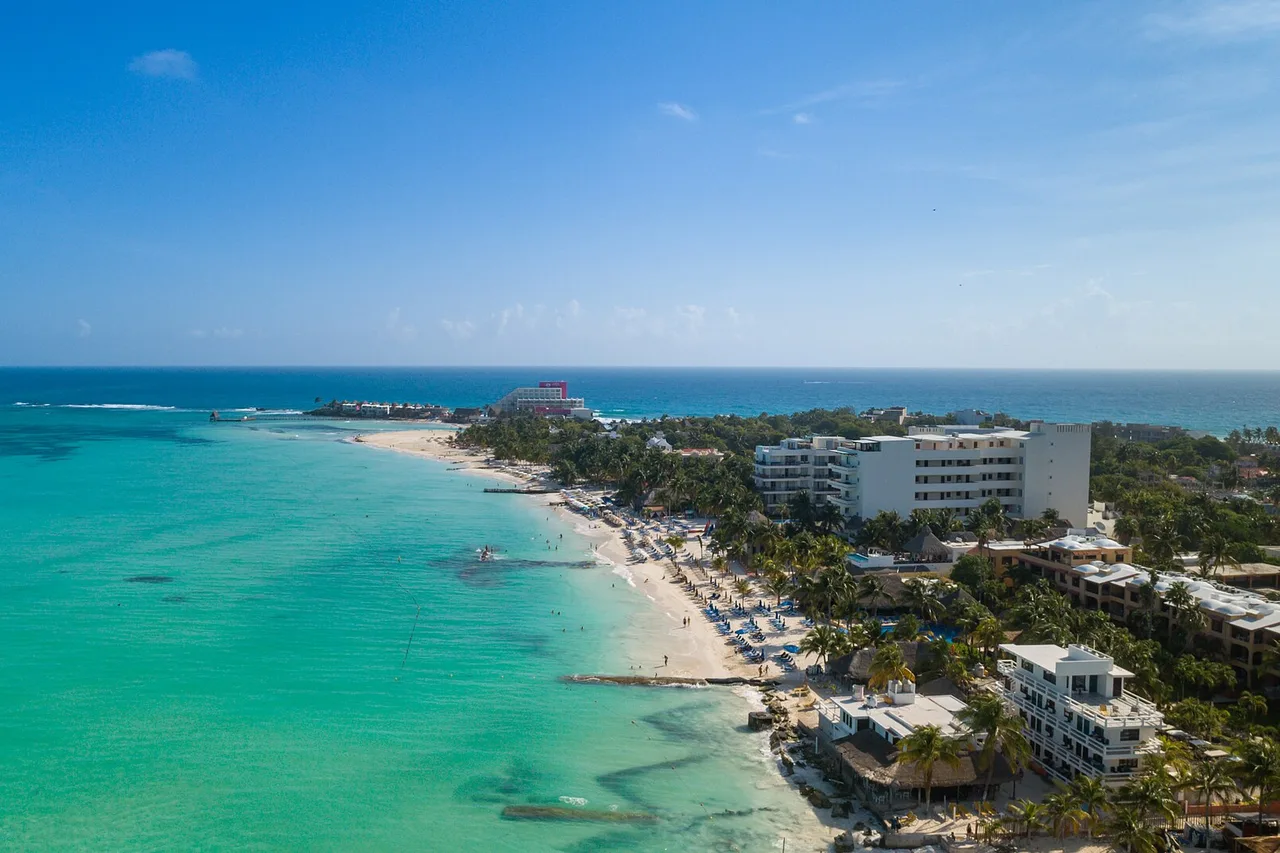
That way of reading the coast beats any list of beaches, because it will still be true next year. Before booking, look at a map and ask one question: does this beach face the open sea, to the east? If it does, plan a fallback. If it faces north or sits inside a bay, you have already settled the main issue.
The safe bets on the Caribbean side
The official summer 2026 record lets us name the places that held, and they match the logic above exactly.
Four sites were rated "no sargassum" through the heaviest weeks: the Holbox ferry pier, Isla Contoy, Isla de la Pasión off Cozumel, and Banco Chinchorro. All are islands or sheltered shores, and none of that is coincidence.
Isla Mujeres is the best compromise for a stay, because you can sleep there. Playa Norte, Playa Centro and Punta Sur stayed green or blue at the height of the season: the island is low, stretched north to south, and its main beach faces Cancún bay with its back to the open sea. The ferry from Puerto Juárez takes thirty minutes.
Cozumel works on the same principle at a larger scale: its east coast, facing open water, takes the weed and is unswimmable anyway because of the currents; its west coast, shielded by the island itself, is where the town, the beaches and the dive sites are.
In Cancún, finally, the divide runs through the middle of the hotel zone. The northern beaches — Las Perlas, Langosta, Tortugas, Caracol — open onto Mujeres bay and regularly show green while the east-facing stretch around Playa Delfines sits at orange or red. They are also calmer and shallower, which makes them the better call with children.
Contoy and Chinchorro are not accommodation questions: they are nature reserves visited on day trips, by boat and with a licensed operator. Day tours from Cancún and Isla Mujeres can be booked ahead at a known price — just check that the marine park entry fee is included, as that is the line that varies most between operators.
Holbox and the Gulf coast: the other Yucatán
This is the most radical fix, and the one travellers know least: change sea without changing peninsula.
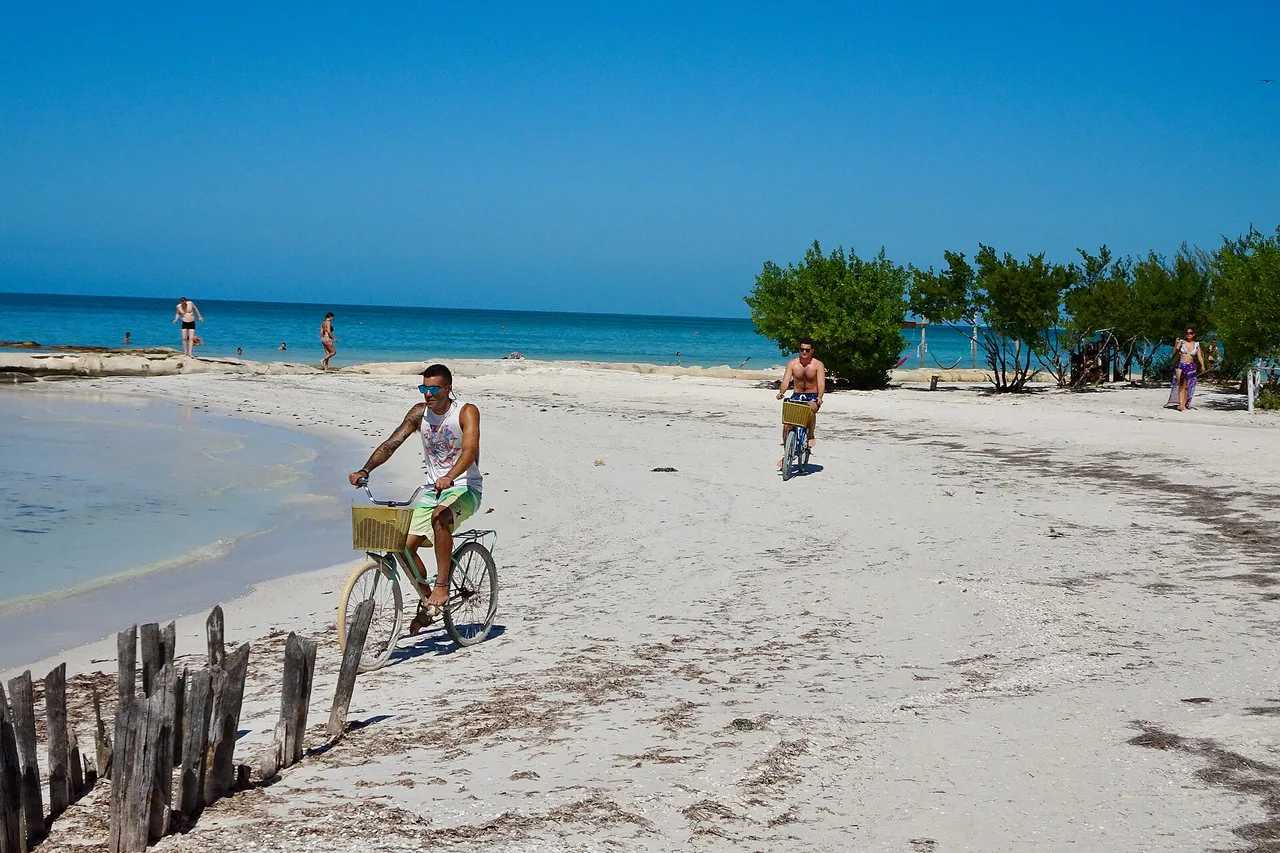
Holbox is not in the Caribbean. The island sits at the top of the peninsula, behind Cape Catoche, and looks out on the Gulf of Mexico. Its water is milkier and less turquoise than Tulum's, and shallow for hundreds of metres — you wade a long way before you are out of your depth. In exchange, sargassum barely touches it: its ferry pier held the "no sargassum" rating right through the critical stretch of 2026.
Getting there takes a little planning: two and a half hours by road from Cancún airport to the port of Chiquilá, then a twenty-five-minute ferry. ADO coaches serve Chiquilá directly and remain the cheapest option. If you land at night or travel as a family with luggage, a private transfer from Cancún airport to Chiquilá can be booked at a fixed price in advance, which spares you the haggling on arrival — but start by checking the coach timetable, it very often does the job.
Full guide: Cancún Airport Transfer to Tulum and Playa del Carmen
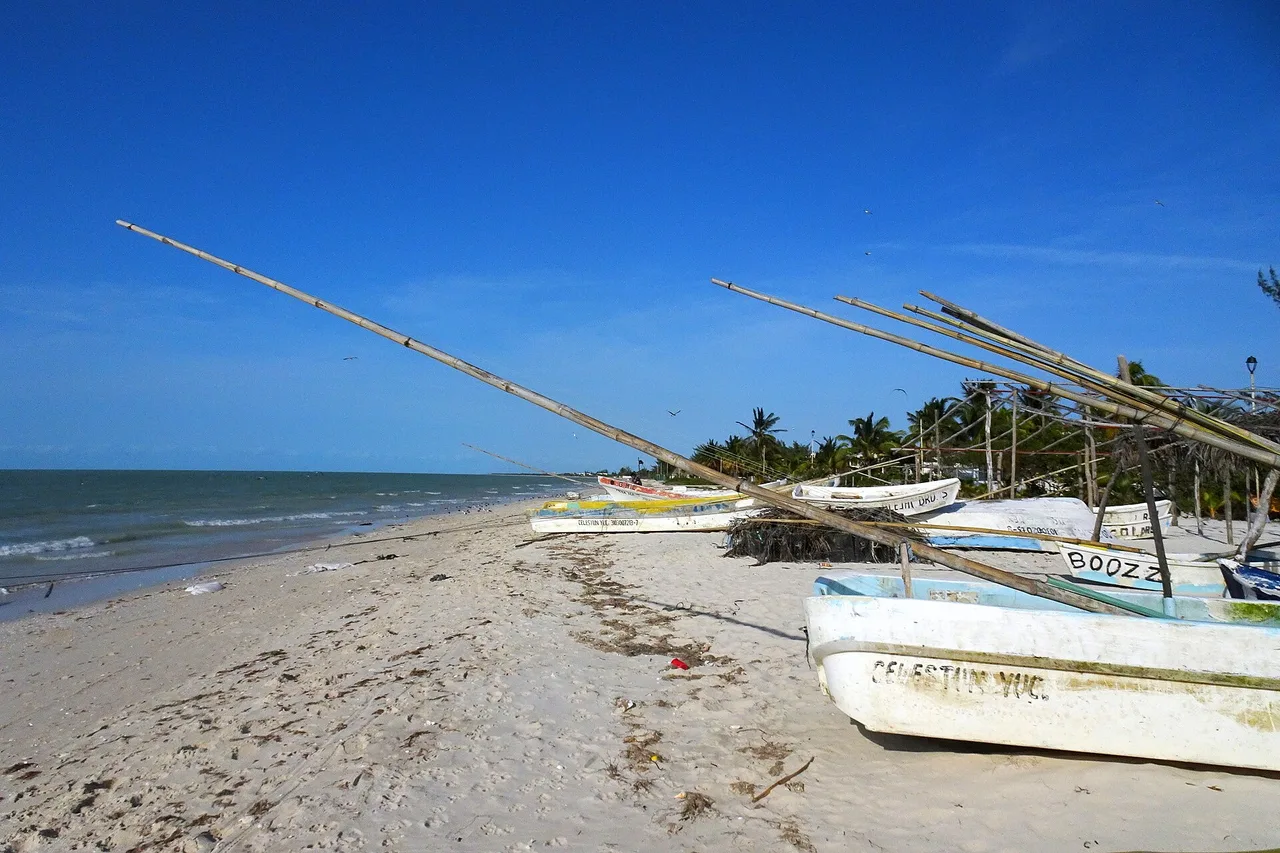
Further west, the Gulf coast on the Yucatán side is entirely beyond the reach of the Caribbean current: Celestún and its flamingos, Progreso and its enormous pier, Río Lagartos and its pink lagoon. It is not the turquoise postcard, and we may as well say so — the water is green and the sand grey-beige. But you eat fish with your feet in the sand for the price of a coffee in Tulum, and the sargassum question simply does not arise.
One constraint to know: nothing regular runs to these villages from the Riviera Maya. You need a car, and Mérida is the best place to pick one up. If you rent, compare on the total price including third-party liability — it is the only insurance required by law in Mexico, and headline rates almost never include it. That is why we point to local Yucatán agencies, which quote insurance-inclusive rates; one limit verified on the day of publication: their coverage is denser in Cancún and Playa del Carmen than in Mérida.
Fresh water: the only absolute guarantee
There is one category of swimming sargassum cannot reach, by physical design rather than by weather luck.
Cenotes are freshwater sinkholes fed by the underground water table of the Yucatán limestone. No connection to the swell, no tide, no marine current: sargassum will never get there, in any month. A trip built around Valladolid or Mérida, with the sea as a supplement, sails through the worst of the season untouched — we set out the sites and their prices in our guide to the best cenotes in the Yucatán.
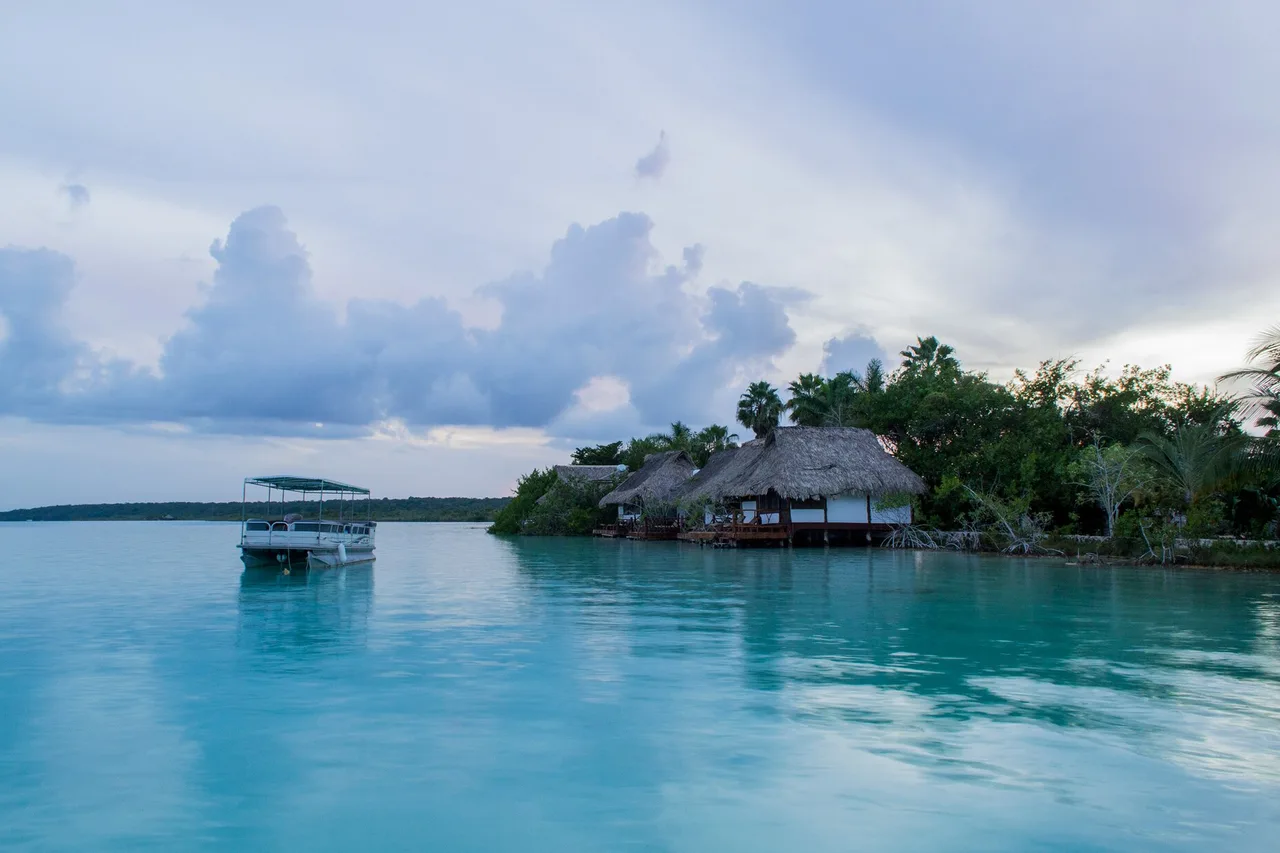
The Bacalar lagoon, in the south of the state, is the same principle on a grand scale: forty kilometres of fresh water over a white bed, seven shades of blue, no marine algae at all. It also happens to sit beside the worst-affected stretch of coast, at Mahahual — the contrast, forty minutes apart by road, is striking.
That leaves hotel pools, which deserve to be named without hypocrisy: on the Riviera Maya in August, a fair share of holidaymakers end up at the pool. It is not a disaster, but if you are paying for the sea view, better to know beforehand than after.
Checking for yourself, the evening before
No article, this one included, can tell you what state a beach will be in on the day you visit. An official map can.
The Quintana Roo environment secretariat publishes a daily traffic light with five levels: blue (none), green (low), yellow (moderate), orange (abundant), red (excessive). Around a hundred beaches are tracked one by one. A citizen monitoring network posts dated photographs alongside, often more telling than a colour.
Two habits keep you from misusing it. First, the reading is daily and it genuinely moves: consulting it three weeks before departure is pointless, the evening before is everything. Second, it goes down to beach level, not town level: two beaches at the same resort can be rated differently.
That assumes mobile data from the moment you land, which is also handy for road maps and payments. An eSIM activates before departure in a few minutes and skips the airport counter queue: data plans for Mexico cover the whole peninsula. If your own carrier already includes Mexico — some premium European plans do — check first, you may need nothing at all.
Full guide: eSIM for Mexico: networks, prices and traps to avoid
Smell, health, and what actually deserves concern
Precision matters here, because this subject circulates widely and often badly.
Fresh, floating sargassum is harmless: it is a seaweed, it does not sting or burn, and the water stays swimmable. The only real drawback is that swimming through it is unpleasant, and the rafts can make getting in awkward.
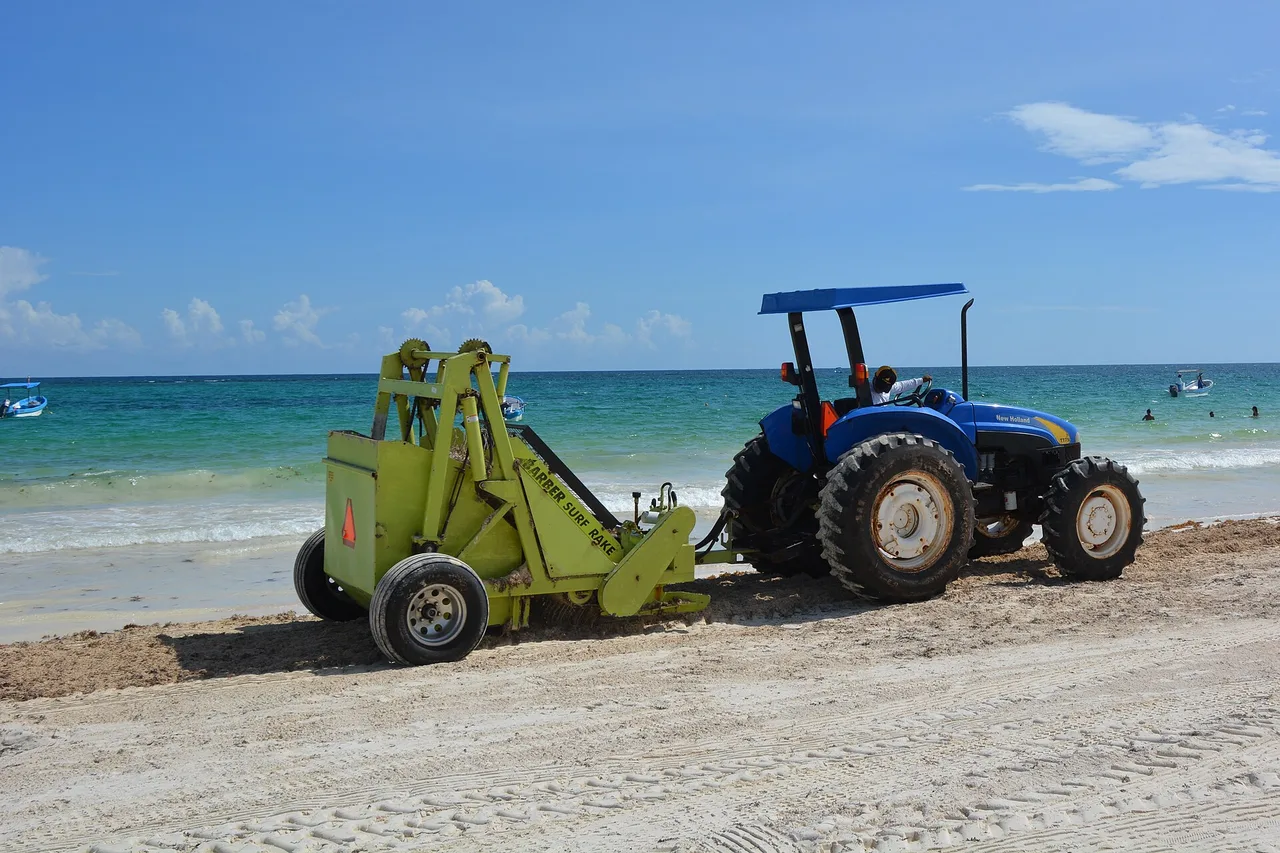
The problem appears when it rots on the sand, usually after a day or two. It then releases hydrogen sulfide, the gas with the rotten-egg smell. At low concentrations it irritates the eyes, airways and skin. People with asthma or chronic lung disease are more sensitive, and they are the one group of travellers we would genuinely steer away from an uncleaned seafront in peak season.
The documented serious cases — digestive trouble, skin conditions, insomnia — involve the clean-up workers who spend entire days in decomposing weed. A UNAM study recorded hydrogen sulfide peaks among them of up to fifty times the official limit. That figure does not describe an hour on the beach, and quoting it as if it applied to holidaymakers would be dishonest. It does describe a real human cost behind those beaches raked at dawn.
So should you move your dates?
Our answer, after going through the season's records, fits in one sentence.
Between May and October, do not change your dates: change your places. Shifting a trip to December-March means aiming at three months of peak season, with dearer flights and hotels, to avoid something that varies from one day and one beach to the next. Rearranging the itinerary costs far less and works far better.
The formula that comes through the season unharmed is always the same: a base inland — Valladolid, Mérida — or on a sheltered shore — Isla Mujeres, Holbox, Bacalar — with cenotes and archaeological sites as the backbone, and the Caribbean as a bonus rather than a promise. That is exactly the logic behind our two-week Yucatán road trip itinerary.
And if you are set on sleeping facing the sea on the Riviera Maya, one last practical note: choose the location over the star rating, and read our comparison of Tulum town versus the beach strip — in sargassum season, the neighbourhood question stops being about comfort and becomes a question of view.