Madeira has no truly bad month — but each month suits a different trip. In Funchal, average highs range from 19.9 °C in February to 26.8 °C in August. Yet the island has several climates: what holds for Funchal does not hold for the north or the mountains. Here are the official figures month by month, and the best time to hike, swim, see the festivals or avoid the crowds.
In short: Madeira works all year, but not for everything
Madeira is often called the "island of eternal spring". For Funchal, that is true. For the whole island, it is too simple.
The figures from Funchal's official weather station (IPMA, 1991–2020 averages) are clear: the average temperature is 20.0 °C over the year. The coolest month is February, the warmest is August. It never freezes in Funchal. And truly hot days above 30 °C are rare: just 2.5 a year on average.
The real difference between the seasons is rain. July and August are almost dry: 1.7 and 1.3 millimetres a month. October to December are the wettest months, with 80 to 95 millimetres. Even then, it rains on only 7 to 9 days a month in Funchal on average.
📌 That is the south coast. In the mountains and the north, it is cooler, wetter and windier. More on that below — it matters a lot for hikers.
Funchal weather month by month
These figures come from the Portuguese weather institute (IPMA), Funchal station (58 metres above sea level). They are 30-year averages: any single year can differ.
| Month | Average high | Average low | Rainfall | Rain days (≥ 1 mm) |
|---|---|---|---|---|
| January | 20.0 °C | 14.3 °C | 67 mm | 6.2 |
| February | 19.9 °C | 13.9 °C | 72 mm | 5.5 |
| March | 20.6 °C | 14.3 °C | 62 mm | 5.8 |
| April | 21.0 °C | 14.9 °C | 45 mm | 4.7 |
| May | 22.0 °C | 16.2 °C | 27 mm | 3.3 |
| June | 23.7 °C | 18.2 °C | 8 mm | 1.0 |
| July | 25.4 °C | 19.7 °C | 2 mm | 0.3 |
| August | 26.8 °C | 20.7 °C | 1 mm | 0.4 |
| September | 26.6 °C | 20.4 °C | 23 mm | 3.1 |
| October | 25.2 °C | 19.2 °C | 91 mm | 7.0 |
| November | 22.8 °C | 17.0 °C | 80 mm | 7.3 |
| December | 21.0 °C | 15.5 °C | 95 mm | 8.6 |
What the table shows: between the coolest and the warmest month, the afternoon difference is only about 7 degrees. At night in Funchal, the average never drops below 13.9 °C. A light jacket for the evening is enough on the coast most of the year.
October and November are a special case: it is still warm (25.2 and 22.8 °C in the afternoon), but it already rains more. February and March are the coolest months, but Funchal stays mild, around 20 °C in the afternoon — a good escape from the northern European winter.
The microclimate: south, north and mountains
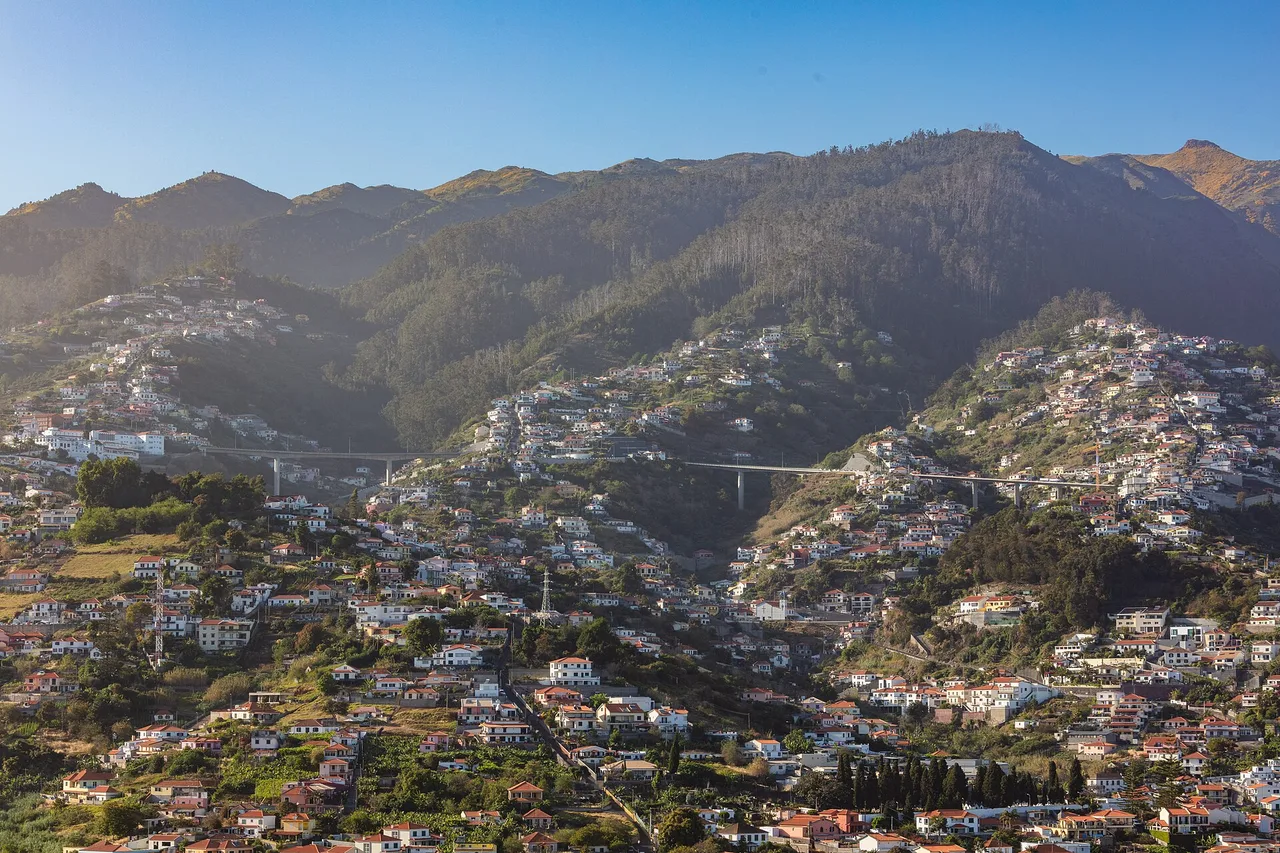
Madeira is a steep volcanic island. Its highest peaks rise above 1,800 metres. The mountains stop the clouds coming in from the Atlantic. Visit Madeira, the official tourist board, describes the result like this:
- The south (Funchal, Câmara de Lobos, Calheta) is usually warmer and drier.
- The north (Santana, São Vicente, Porto Moniz) is more exposed to wind and rain. In return, it is greener.
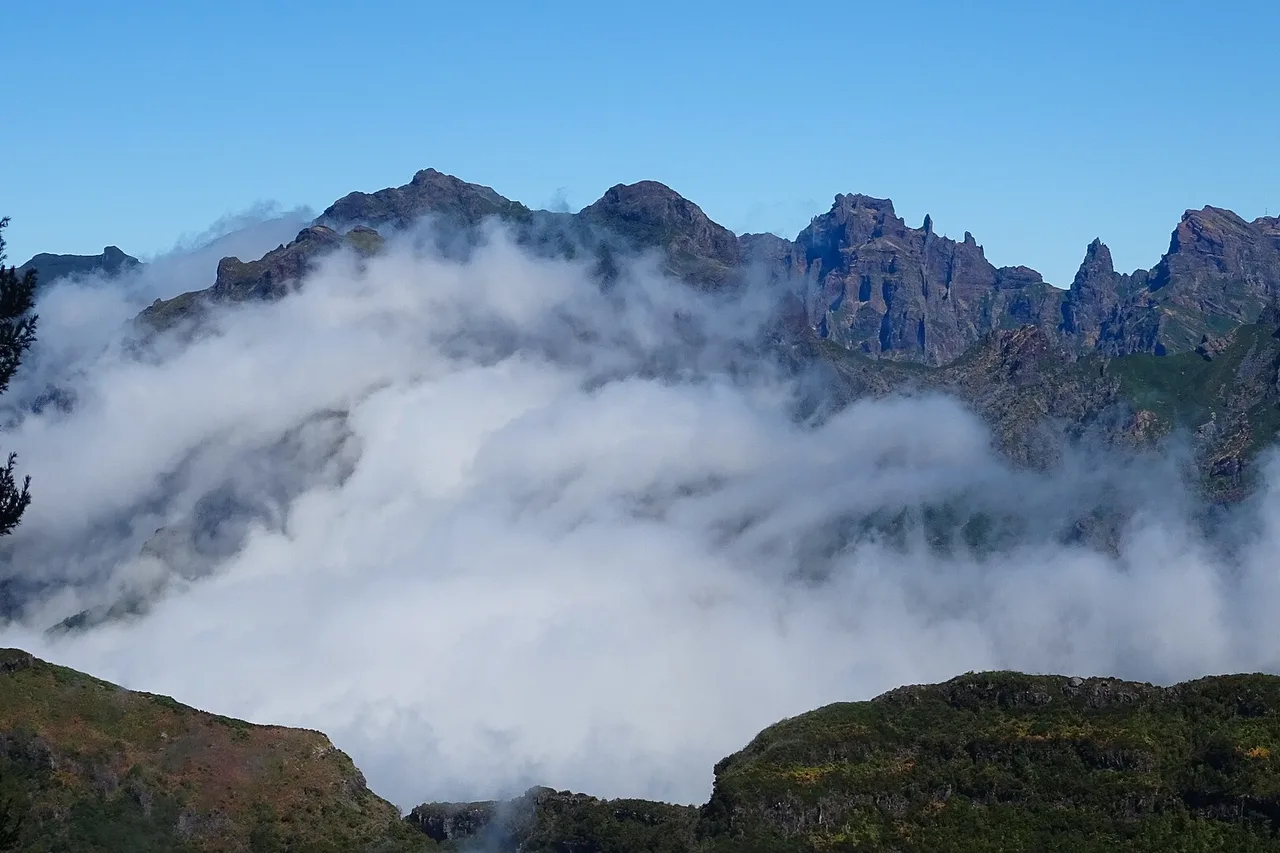
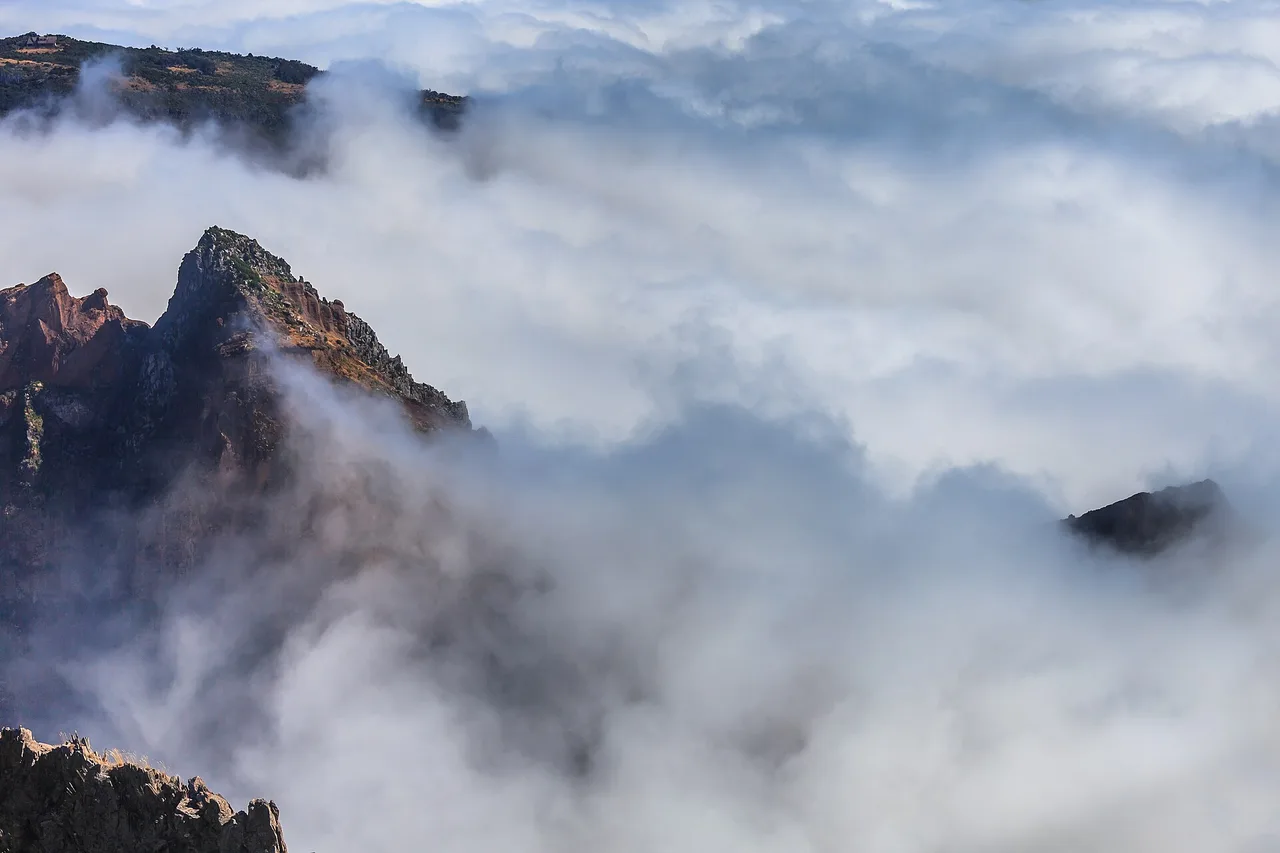
- In the mountains, fog and cool temperatures are common, even when the sun shines on the coast.
This has two consequences for your trip. First, the weather can change several times a day, depending on where you are. Second, according to Visit Madeira, the sun is almost always shining somewhere on the island. With a car, you can drive away from a cloud.
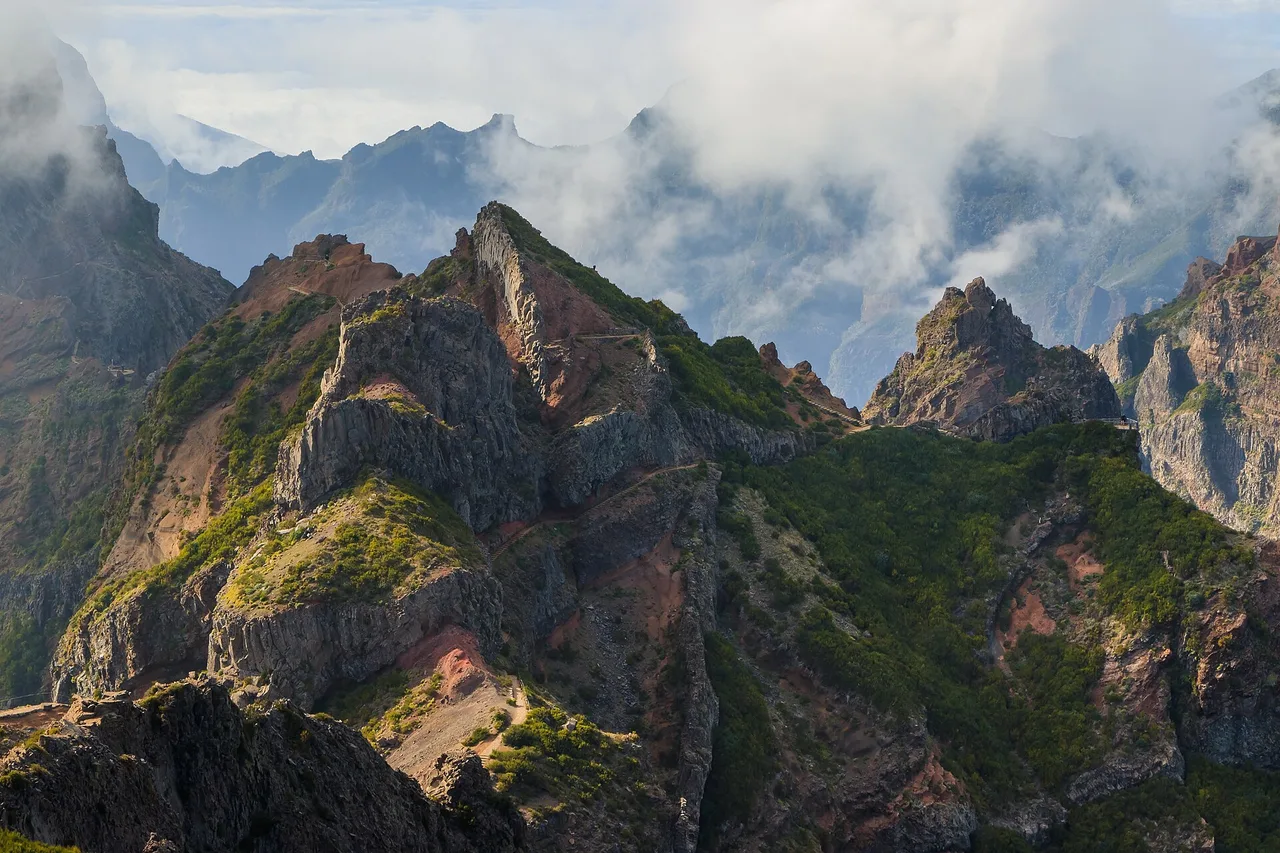
⚠️ The table above does not apply to the mountains. At Pico do Arieiro it can be cold and windy even in summer. Always take a warm layer and a rain jacket when you drive up, even when it is 25 °C in Funchal. The weather institute does not publish comparable averages for the north and the peaks, which is why we give no figures for those areas.
Best time for hiking
Madeira is above all a hiking island: the levadas, old irrigation channels, run through the laurel forest and along the cliffs. The best time:
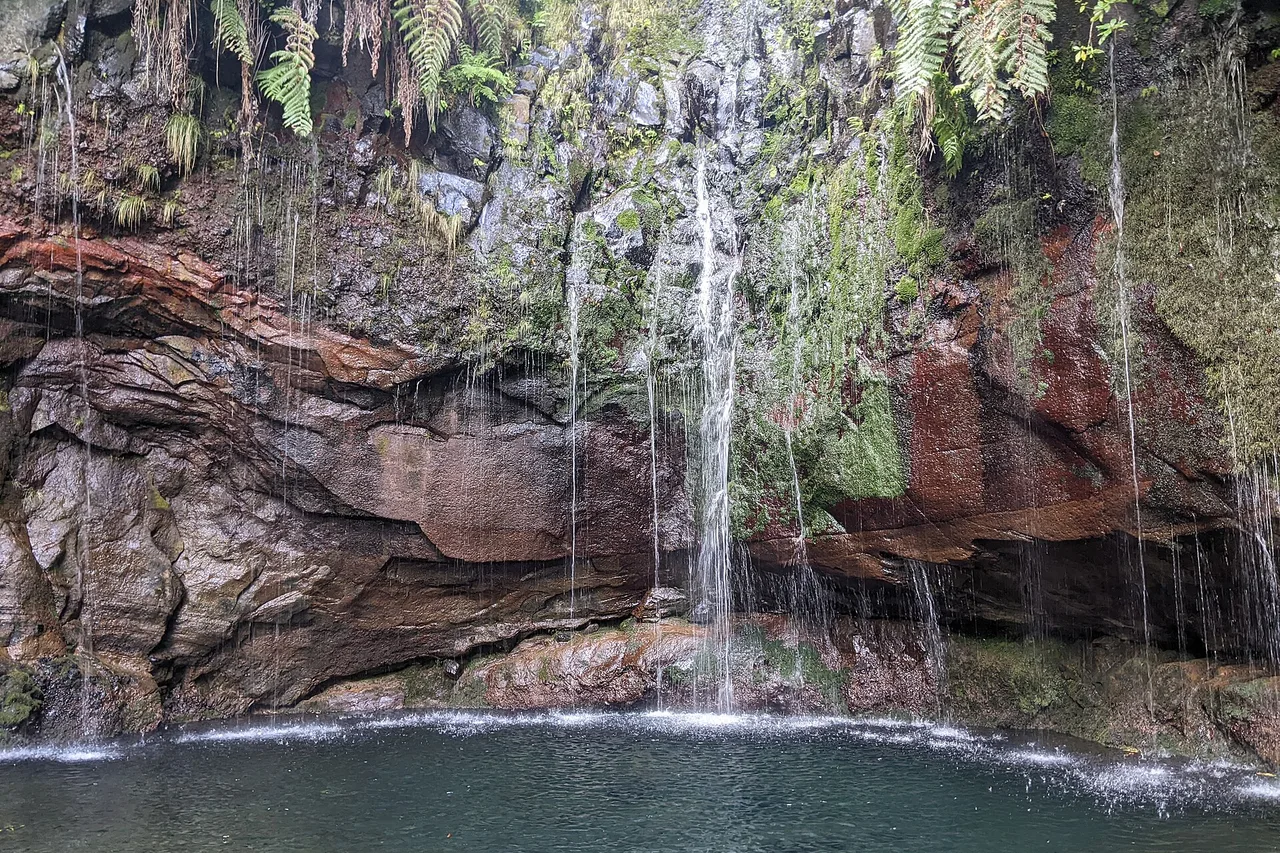
- Spring (March to May): mild (Visit Madeira gives 18 to 22 °C), everything is in bloom, and the waterfalls still carry plenty of water after winter.
- Autumn (September to October): still warm, long days, fewer people than in summer. The risk of rain rises from October.
- Summer (June to August): the driest season. The trails are in good shape, but the most famous ones are crowded. Start early.
- Winter (December to February): possible, but with more rain days. Slippery paths and rockfall are more of an issue then.
📌 Two rules in every season. One: rain, strong wind or fog can close a trail temporarily. Check the forecast and the trail status in the morning. Two: since 1 January 2026, every official trail (PR) has to be booked in advance. It is all explained in our guide to the best levada walks in Madeira.
If you come in October, note the Festival da Natureza, the island's nature festival: 5 to 10 October in 2027, according to the official calendar.
Best time for swimming
For a beach holiday, July to September are the best months. Funchal averages 28 days above 25 °C in August, 26.6 in September and 18.6 in July. The sea reaches around 24 °C in summer, according to Visit Madeira.
In winter, the sea is around 18 °C. That is too cool for many swimmers, but sunbathing by a seawater pool is perfectly possible in January.
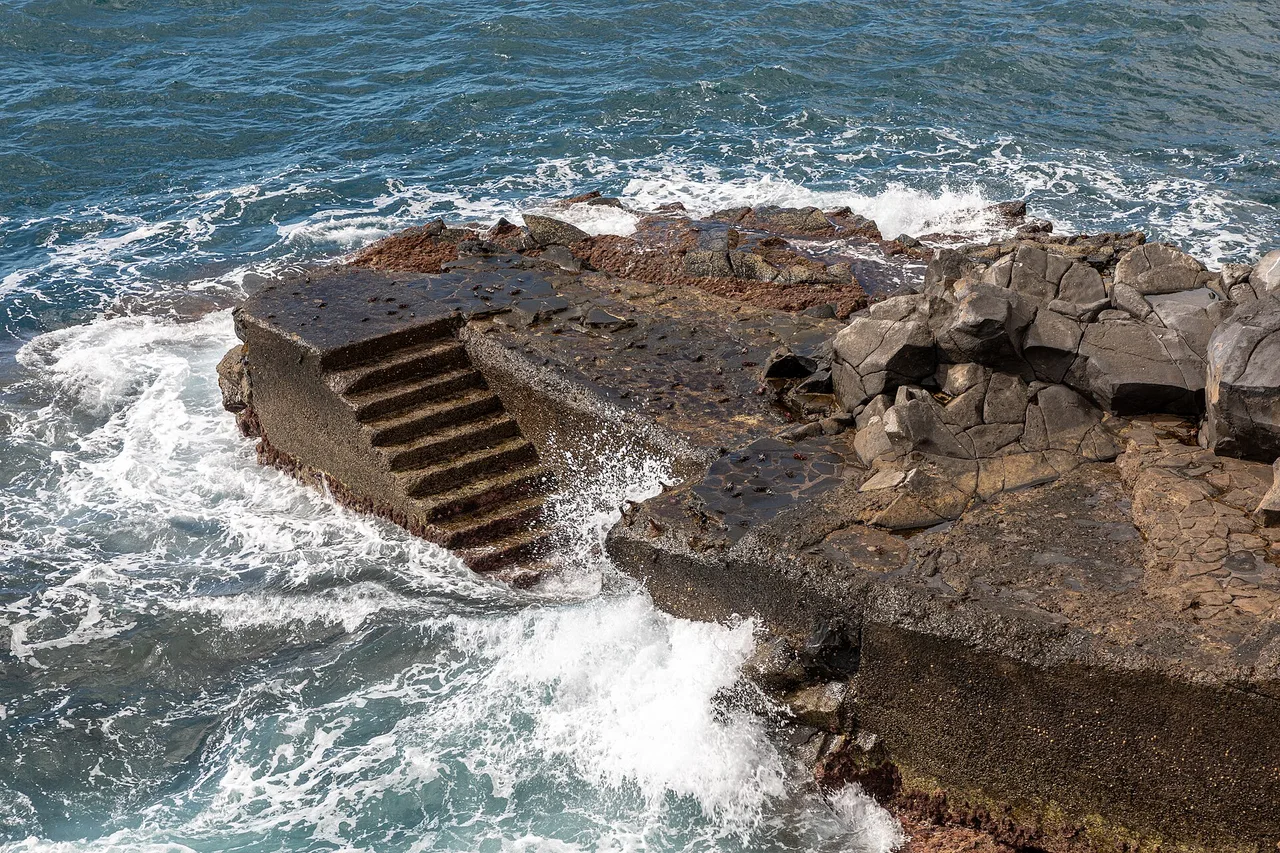
Good to know: Madeira is not a beach island. The coast is mostly rock and pebbles. People often swim in seawater pools, or from steps leading into the ocean, as at the Lido in Funchal. The few pale sandy beaches, such as Calheta, are man-made.
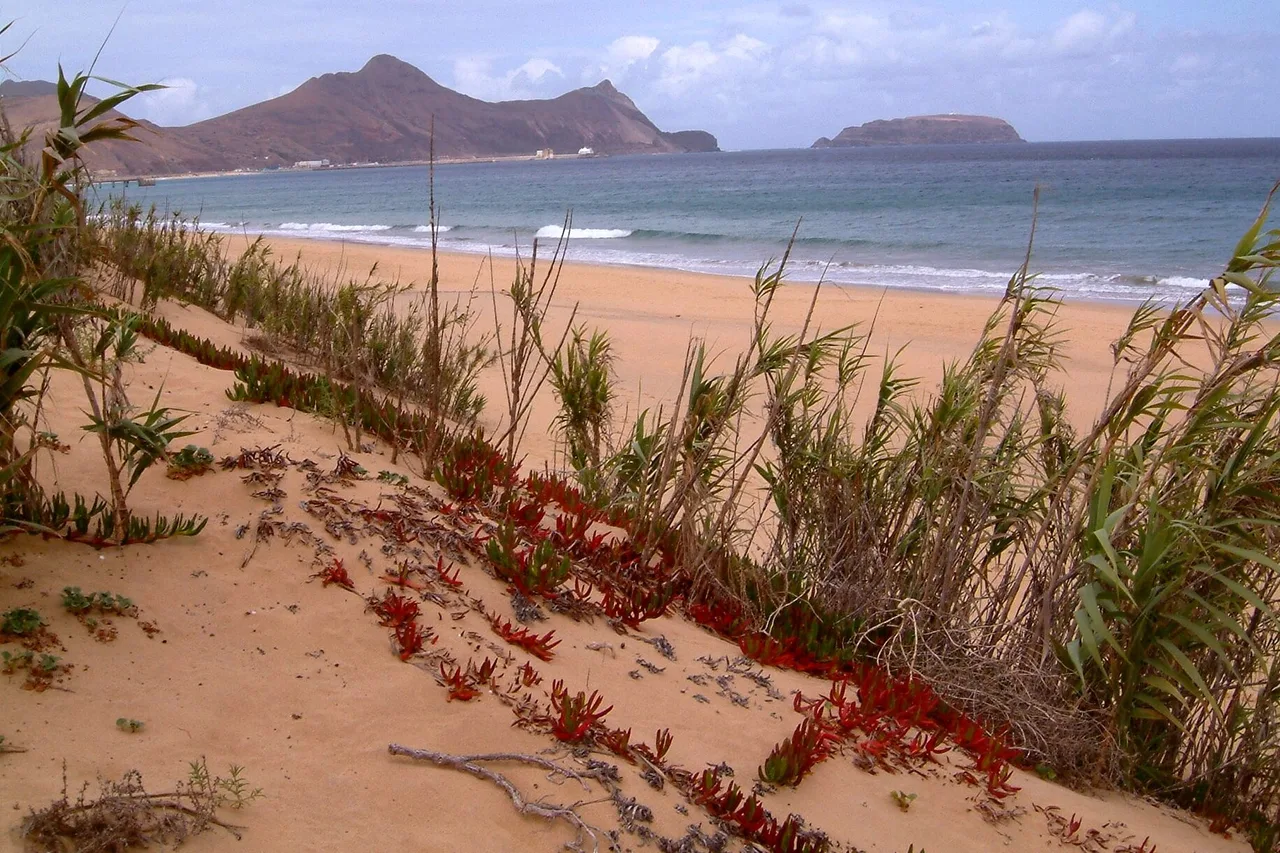
🏖️ The real sandy beach is on Porto Santo, the small neighbouring island: about 9 kilometres of pale sand. Porto Santo is also drier than Madeira: 382 millimetres of rain a year according to IPMA, against 574 in Funchal. In August, the average high there is 25.7 °C.
The festivals: flowers, wine, New Year
Many travellers pick their dates around the festivals. Here are the main ones, from the regional government's official calendar (which may still change):
| Festival | Dates | Highlight |
|---|---|---|
| Christmas and New Year 2026 | 1 December 2026 – 10 January 2027 | Fireworks on 31 December |
| Carnival 2027 | 3–14 February | Big parades on 5 and 6 February |
| Flower Festival 2027 | 29 April – 30 May | Big parades on 2 and 16 May |
| Atlantic Festival 2027 | 4–27 June | Fireworks on 5, 12, 19 and 26 June |
| Wine Festival 2027 | 22 August – 12 September | Grape harvest in Estreito de Câmara de Lobos on 11 September |
| New Year 2027 | 1 December 2027 – 9 January 2028 | Fireworks on 31 December |
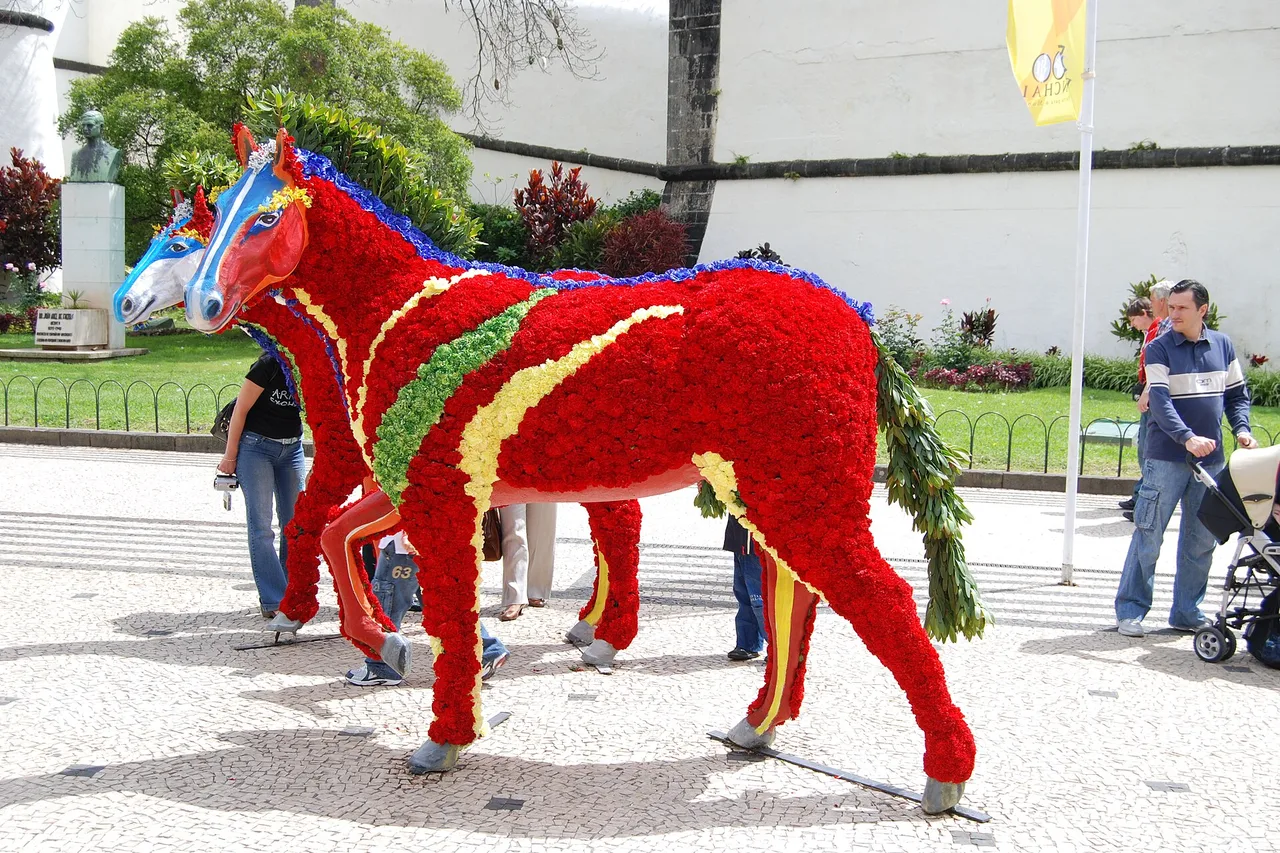
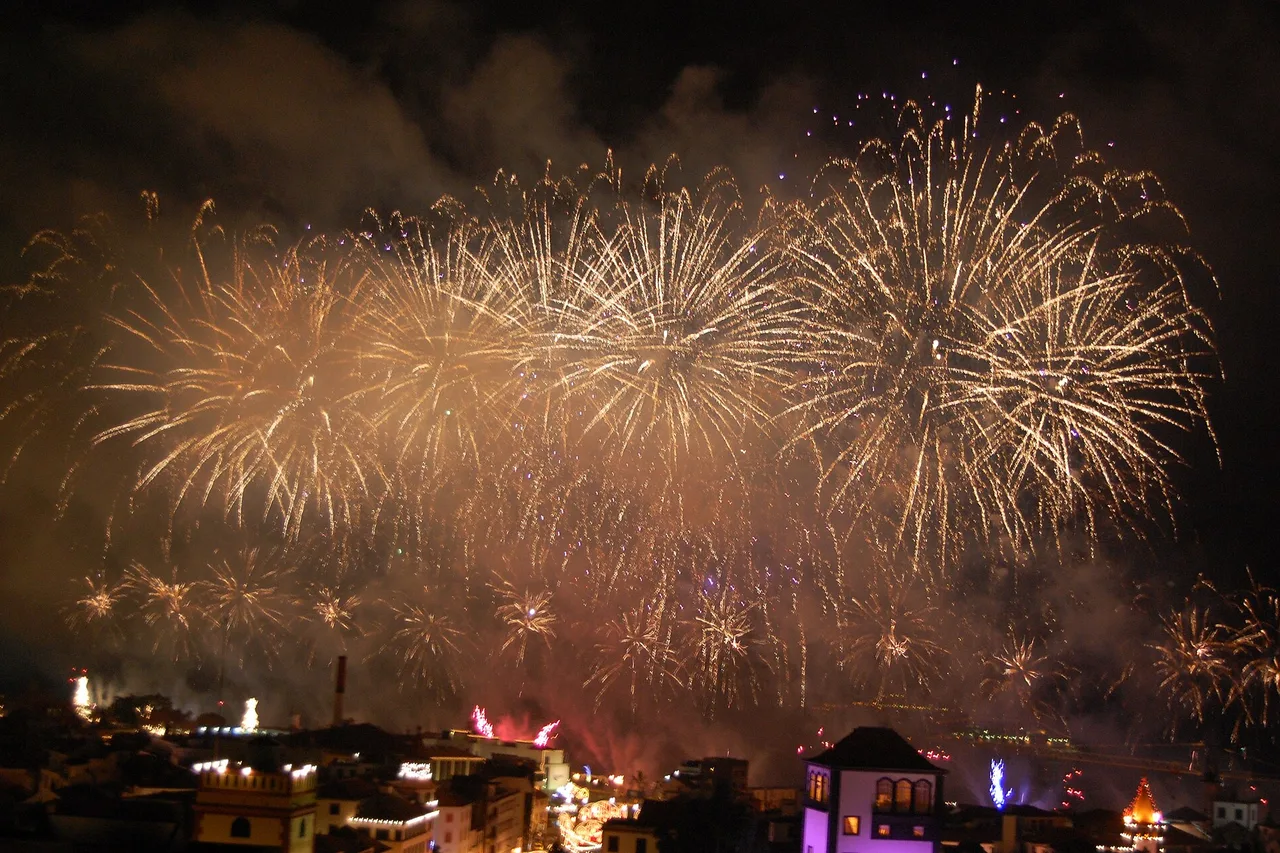
The bloom is the big story of spring. During the Flower Festival, flower carpets and sculptures decorate central Funchal, and the parades move along the seafront avenue. The New Year fireworks over the bay are the most famous event of the year.
⚠️ On those dates the island is full. Book flights and accommodation early if you want to come for a festival.
Fewer tourists: when is Madeira quiet?
Madeira is in demand all year — precisely because it stays mild in winter. Still, figures from the regional statistics office (DREM) show clear differences: in January 2025 there were 780,500 overnight stays in the region's tourist accommodation. In October 2025, about 1.17 million (provisional figure) — around 50% more.
The takeaway: January and February, outside the holidays and carnival, are the quietest months. They are mild, but not completely dry. Autumn, by contrast, is popular, even though it already rains more. If you want quiet and good weather, late April and June are a good compromise — avoiding the Flower Festival weekends.
Our advice, by type of trip
| Your trip | Best months | Why |
|---|---|---|
| Hiking | April–June, September–October | Mild, little rain, long days |
| Swimming and sun | July–September | Warmest and driest, sea around 24 °C |
| Flowers and festivals | Late April – May | Flower Festival in Funchal |
| Few tourists | January–February | Quietest months, mild but wetter |
| Winter sun | November–March | Around 20 °C in the afternoon in Funchal |
Whatever the season: stay in the south, where the weather is usually better. The best places are in our guide Where to stay in Madeira. To plan your week, see our one-week Madeira itinerary by car. And a car is useful precisely because of the microclimate: it lets you drive to where the sun is. Everything is in our guide to renting a car in Portugal.