In Madeira, the real question is not “which hotel” but “which side of the island”. The south is usually warmer, drier and sunnier. The north is greener and quieter — and more often wet. The island is small: from a base in the south, you can reach every part of it on a day trip. Here are the places compared, with the weather, driving times and the tourist tax that now applies almost everywhere in 2026.
The real question: southern sun or northern green
Madeira is only about 57 kilometres from east to west. Yet the island has several climates. That is the most important point when choosing where to sleep.
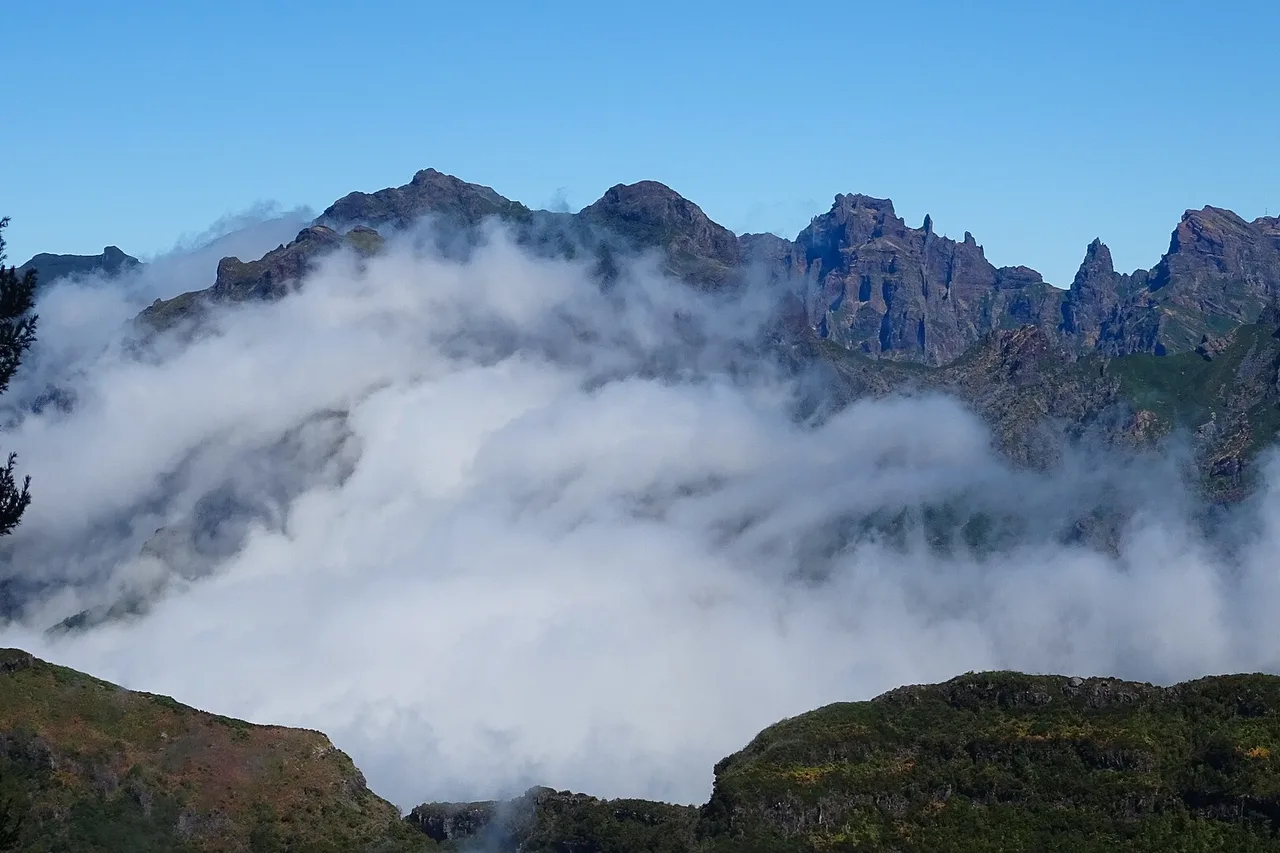
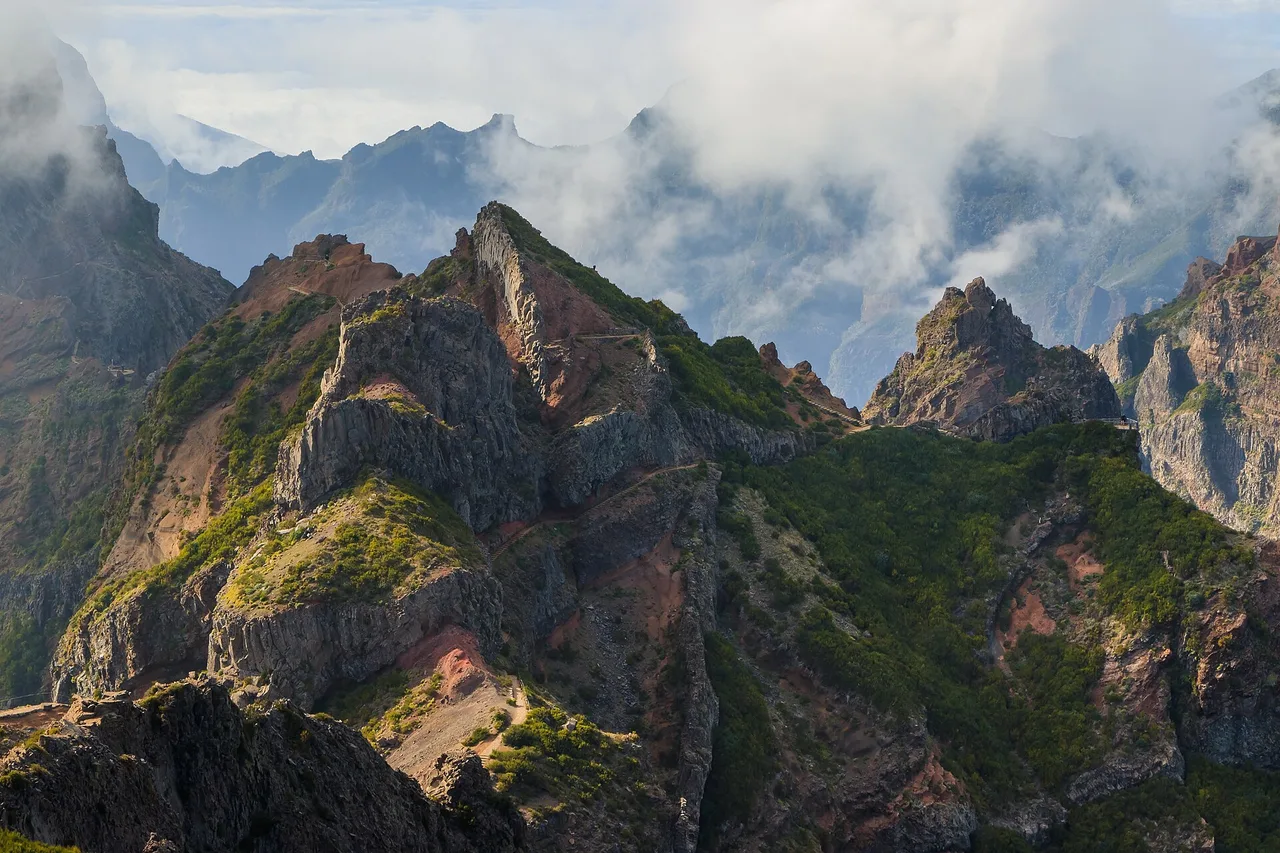
The south is usually warmer, drier and sunnier. That is how Visit Madeira, the official tourist board, describes it. The north and the mountains are more exposed to wind and rain. In return, the north is greener: that is where the laurel forest grows. Fog is common in the mountains, even when it is sunny by the sea.
What does this mean for you? In the south, the weather outside your door is usually better. In the north, you are closer to the green trails — but you wake up under clouds more often.
📌 Good news: the island is small enough for a single base. From Funchal, allow about 1 hour to Santana in the north and about 1 hr 15 to Porto Moniz in the north-west. The VR1 expressway on the south coast is 44 kilometres long and has no tolls.
Funchal: the most practical choice
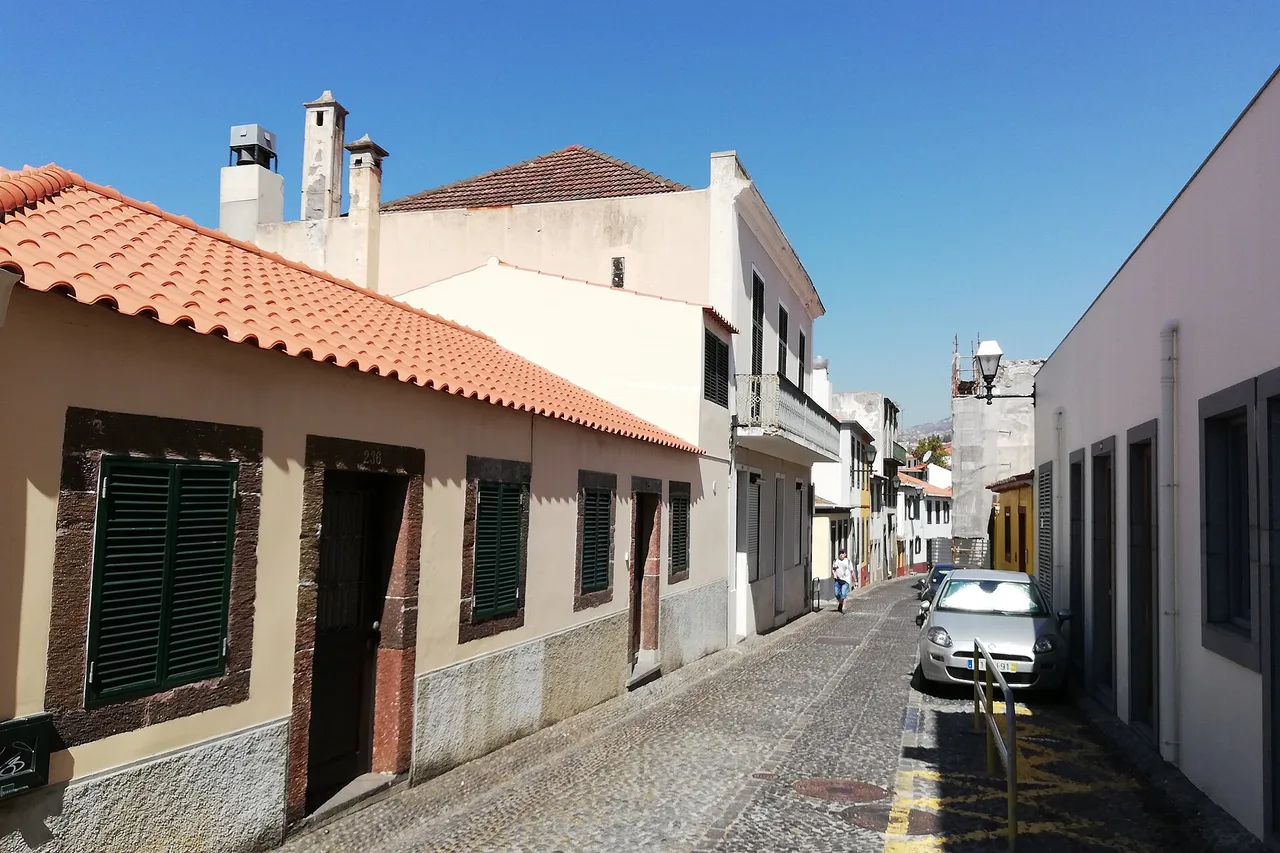
Funchal is the island’s capital. The airport is about 20 kilometres away. It has the most restaurants, shops and bus connections. For a first trip without a car, it is the only truly comfortable choice.
The Zona Velha (old town) is by the sea, and it is flat. Here you find the lanes with painted doors, lots of restaurants and the cable car station up to Monte. Evenings are lively. Ideal for couples and short stays; less so for light sleepers.
The hotel zone to the west (around the Lido) is quieter. There are seawater pools and a long seafront promenade. You reach the centre on foot or by bus.
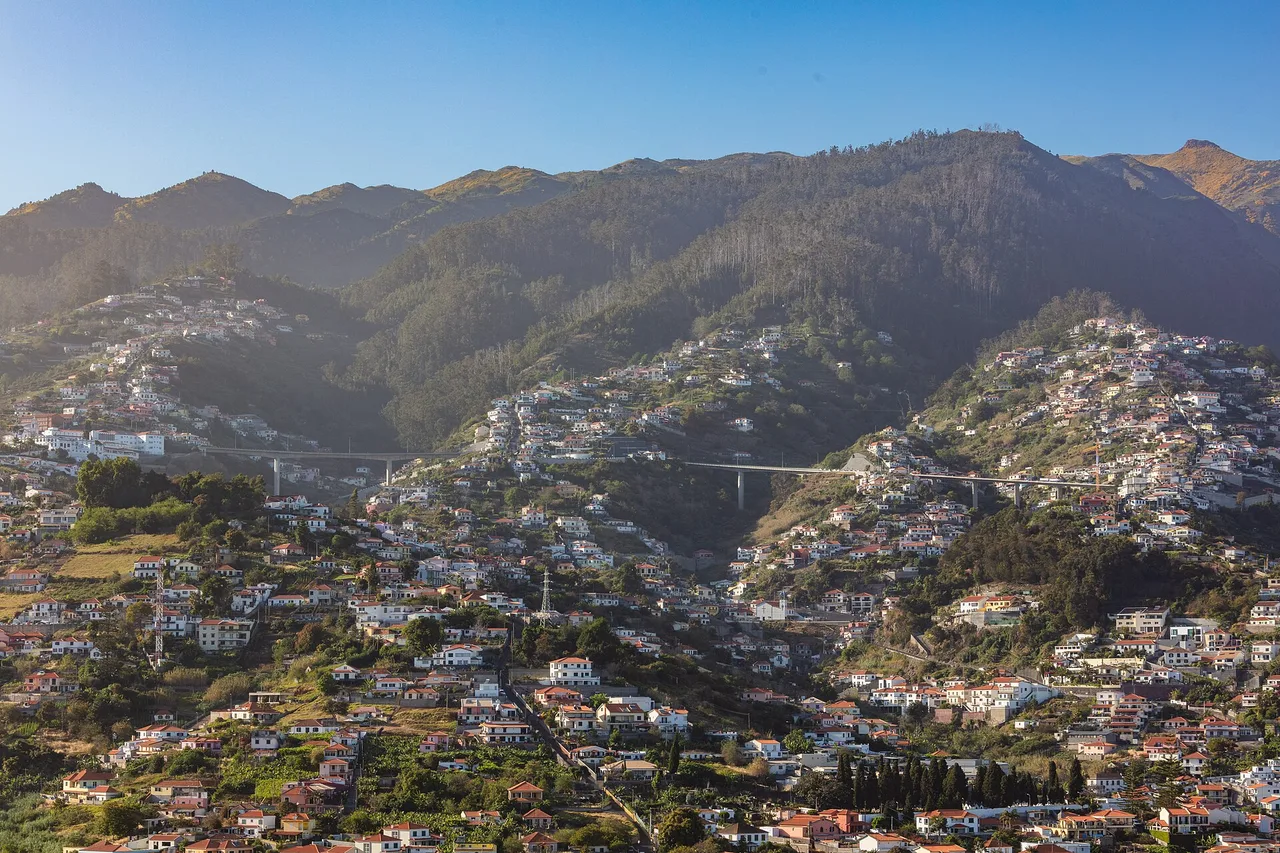
⚠️ Watch the slope. Funchal is built like an amphitheatre on steep hills. A place “with sea views, 1 km from the centre” is often high up. That means very steep streets on foot, or a taxi or car every time you go out. Check the altitude on the map, not just the distance.
The south coast beyond Funchal: quieter, same sun
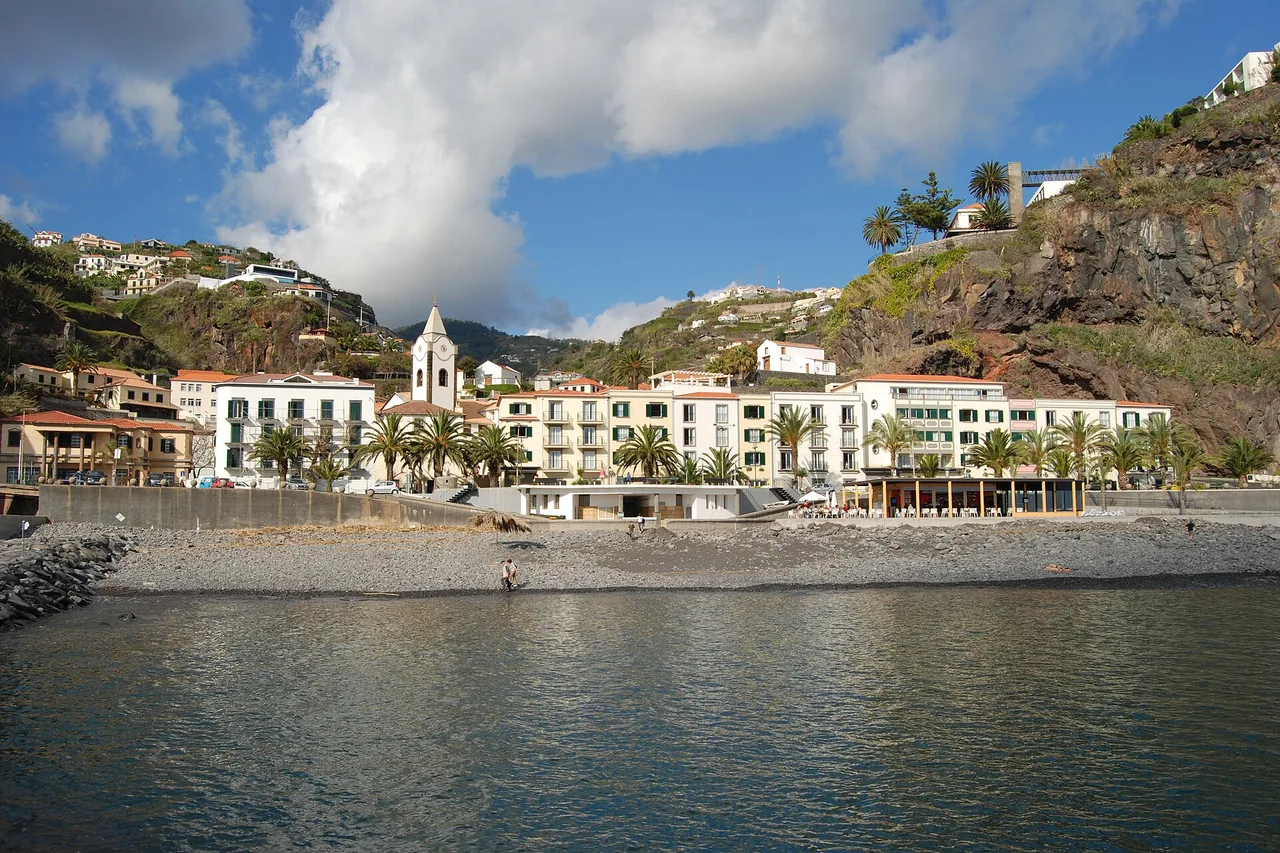
If you want the southern sun without the city, you have several options:
- Caniço (east of Funchal): close to the airport, with the Garajau marine reserve. Good for diving and snorkelling.
- Câmara de Lobos (west of Funchal): a fishing village a few minutes from the city, near Cabo Girão.
- Ponta do Sol: a small town on the south-west coast, quiet, with a seafront.
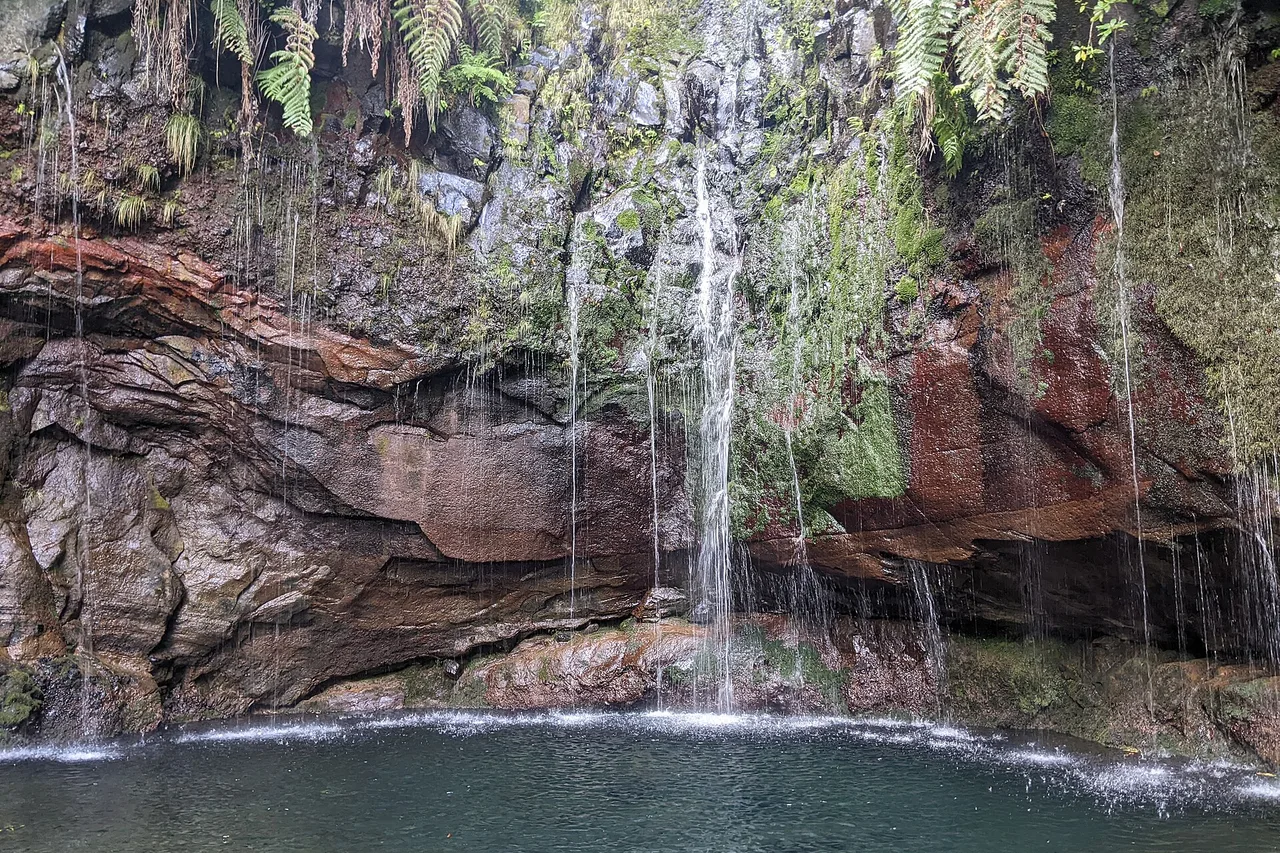
- Calheta: a marina and one of the island’s few light sand beaches. Close to the Paul da Serra plateau and the 25 Fontes levada.
- Machico (east): a bay with a sandy beach, very close to the airport.
These places are quieter, and often closer to the sea than Funchal’s hotels. The trade-off: fewer restaurants in the evening, and without a car it is hard to get around.
The north: for hikers and anyone seeking quiet
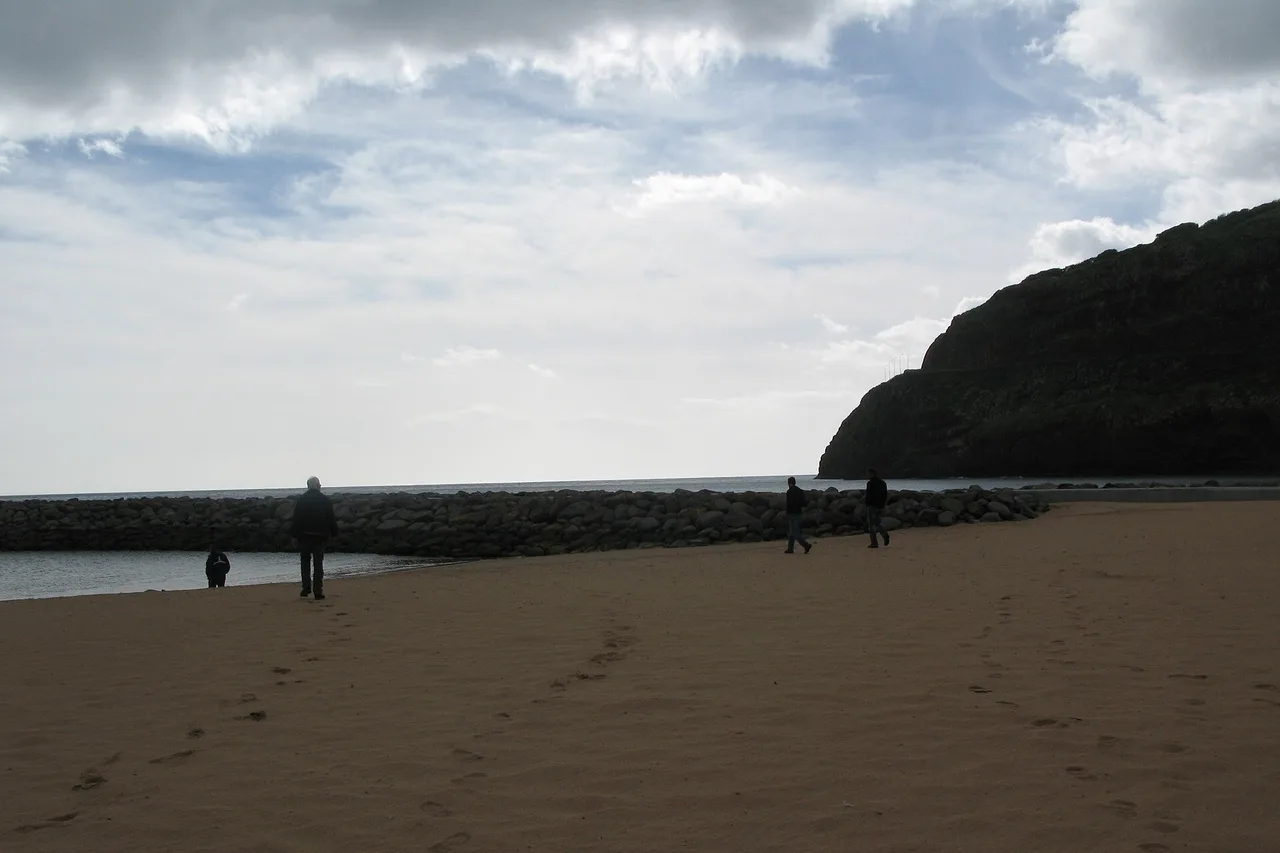
The north is green, steep and silent. Staying here means sleeping in the middle of nature. The best-known places:
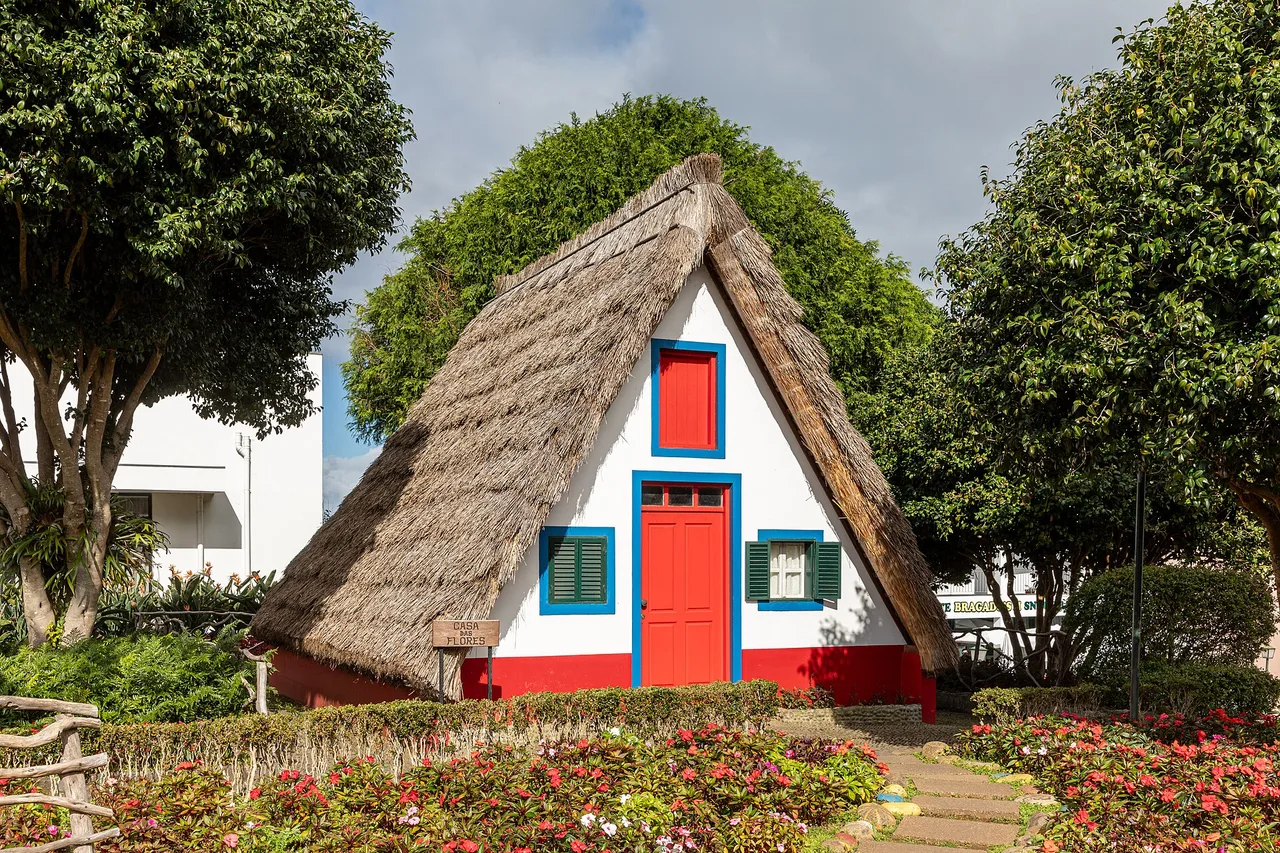
- Santana: famous for its triangular thatched houses. The Caldeirão Verde levada starts from Queimadas, in the municipality of Santana.
- São Vicente: a village in a valley, near the north coast and the volcanic caves.
- Seixal: a small black-sand bay with natural pools.
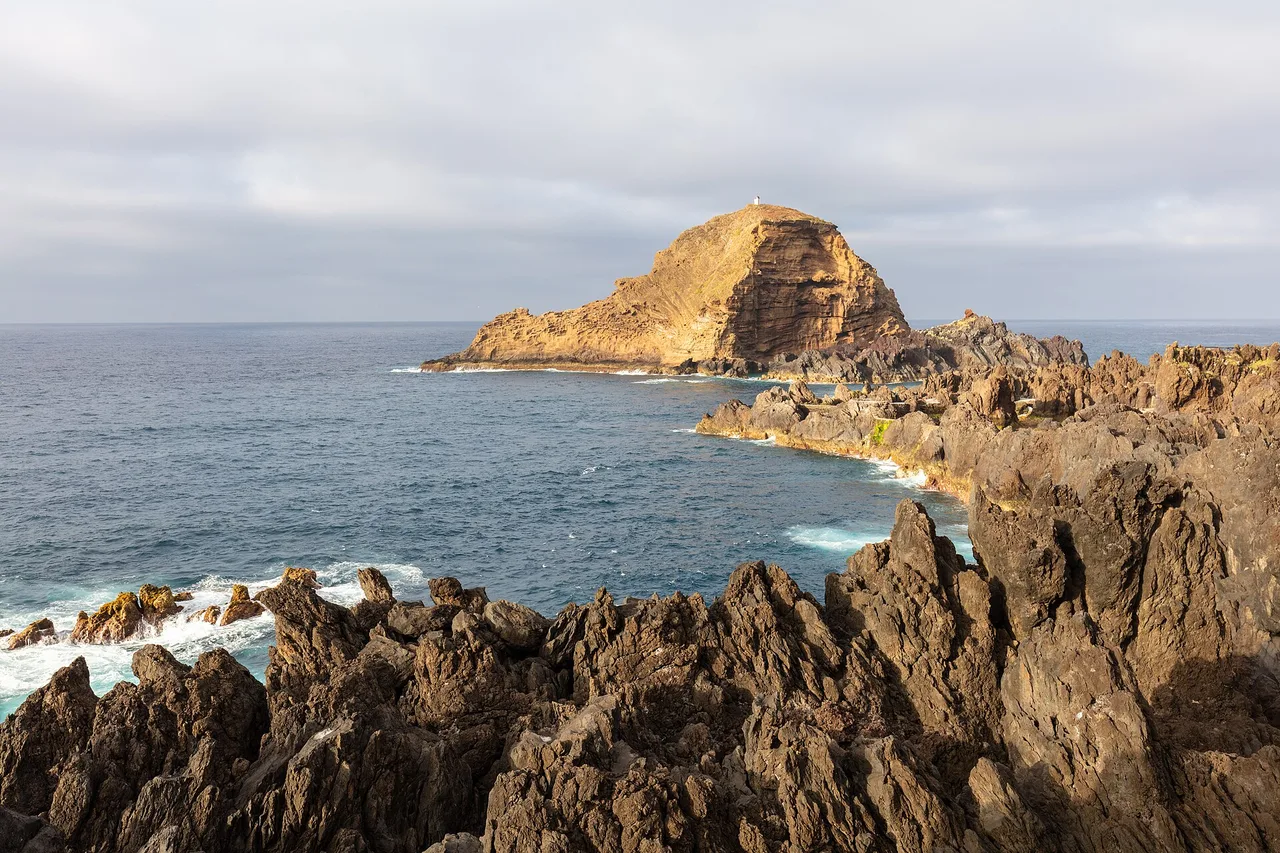
- Porto Moniz: at the far north-west, with pools among the lava rocks. The large pool is a complex with an entrance fee.
Who is the north for? Hikers who want to be on the trails early, before the buses from Funchal arrive. Anyone looking for quiet. Less so for a beach holiday: the weather is more changeable, and you drive for almost everything.
📌 Remember the trails: since 1 January 2026, every official trail (PR) must be booked in advance. Everything is explained in our guide to the best levada walks in Madeira.
The 2026 tourist tax: €2 almost everywhere, soon €4 in Funchal
The tourist tax is not included in the price on booking sites. You pay it on site. In 2026, 10 of the island’s 11 municipalities charge it.
| Municipality | Amount | Good to know |
|---|---|---|
| Funchal | €2 | Maximum 7 nights. Rise to €4 voted, target January |
| South coast (Santa Cruz, Machico, Câmara de Lobos, Ribeira Brava, Ponta do Sol, Calheta) | €2 | Maximum 7 nights |
| North (Santana, São Vicente) | €2 | São Vicente since May 2026 |
| Porto Moniz | none | Planned for 2027 |
An example: two adults, seven nights in Funchal, pay €28 today. With the €4 rate, it will be €56. Children under 13 do not pay in Funchal.
Our advice, depending on your trip
| Your trip | Where to stay | Why |
|---|---|---|
| First trip, no car | Funchal | Restaurants, buses, excursions from the city |
| A week with a hire car | Funchal or the south coast | Best weather, the whole island as day trips |
| Quiet and the sea | Ponta do Sol, Calheta, Caniço | Sunny side, quieter than the city |
| Lots of hiking | South + 1–2 nights in the north | Early on the laurel forest trails |
| Late flight | Machico or Caniço | Close to the airport |
For a week, one base is enough. Every change of hotel costs half a day. To plan the week from a single base, see our one-week Madeira itinerary by car. And if you still need to book the car: our guide to car hire and tolls in Portugal.
In short
Stay in the south — in Funchal if you want the city and buses, in Ponta do Sol, Calheta or Caniço if you want quiet. The south usually has the best weather, and the whole island is a day trip from there.
The north is worth one or two nights if you hike a lot. And budget for the tourist tax: €2 per person per night almost everywhere, soon €4 in Funchal.