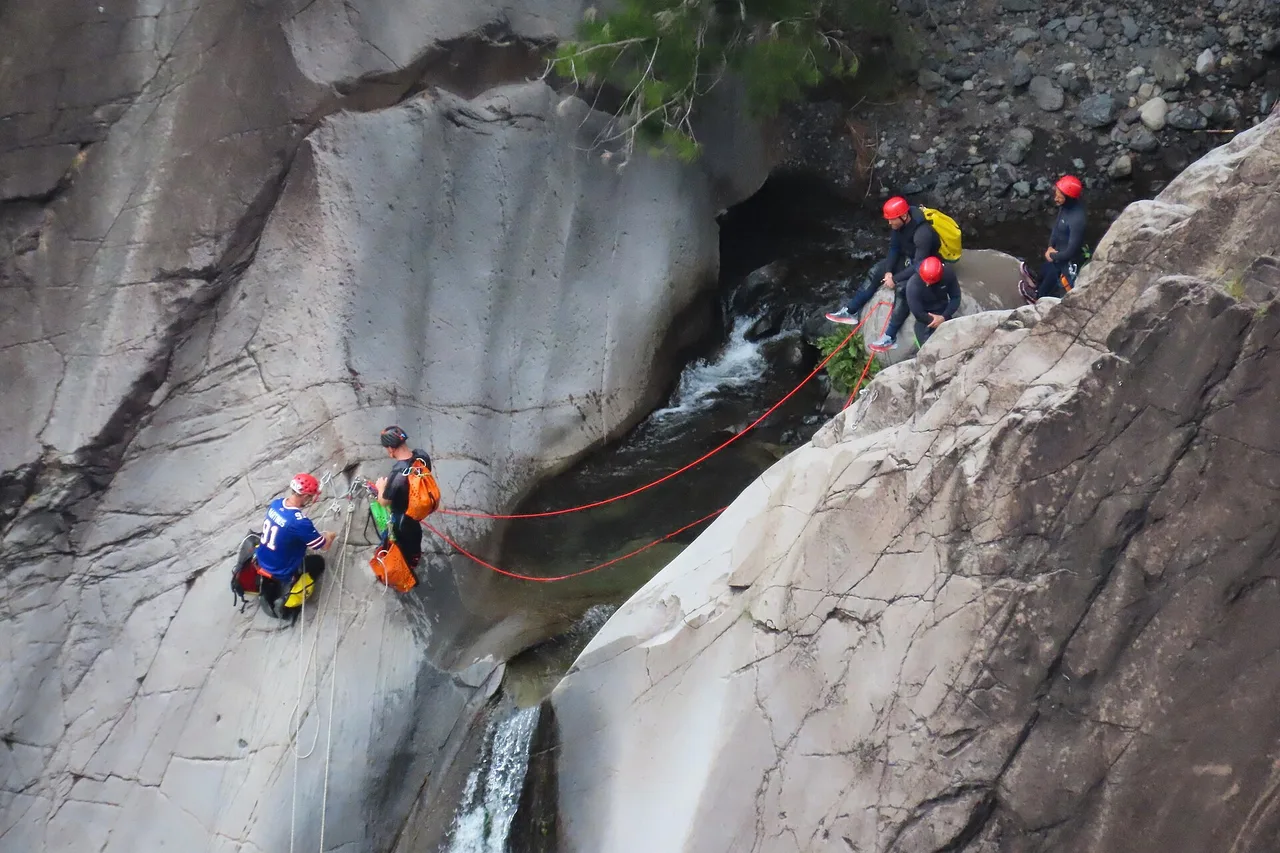
Réunion Island is one of the world’s great canyoning playgrounds: a volcanic island that rain and time have carved into hundreds of ravines — waterfalls, natural slides and abseils in the middle of the jungle. This guide compares the finest routes, from the family run open to kids aged 8 up to the full-on sporty canyon: level, duration, real prices, and the safety rules nobody negotiates here. Facts and prices checked on 3 November 2026.
Why Réunion is a canyoning paradise
The recipe is simple: a young volcano rising above 3,000 m, three giant natural amphitheatres — the cirques of Cilaos, Salazie and Mafate — and tropical rain that ranks, on the east coast, among the heaviest on Earth. The result is a maze of deep ravines with clear water, basalt walls and chains of waterfalls: booking platforms list around 130 equipped routes on the island, from first-timer runs to full expeditions.
Best of all, canyoning here works all year round, and the range genuinely covers every level. If you can swim and walk a mountain trail, there is a canyon for you — children from age 8 included. The four classics below are the ones the guides themselves recommend most.
One planning tip first: the canyons are spread across the whole island — Fleur Jaune and Bras Rouge up in Cilaos (at the end of the famous road with its roughly 420 bends), Trou Blanc in Salazie, Langevin in the far south, Bassin Bœuf on the north-east coast. Pick your route by where you are staying rather than crossing half the island at dawn: the mountain roads into the cirques are spectacular, but slow.
Fleur Jaune (Cilaos): the icon with the big abseils
The Fleur Jaune ravine, in the cirque of Cilaos, is THE showcase descent of the island: dry “mineral” rock, sunshine, plunging views over the cirque — and abseils up to 55 m, sometimes right beside the waterfall. The classic version takes 5.5 to 7 hours depending on the operator and costs from about €77–85; a shortened half-day “mini Fleur Jaune” starts around €65. Some operators set a minimum age of 14 here.
The level: intermediate. No experience required, but decent fitness and a head for heights — the abseils are tall and the walk out climbs steeply. If you are heading up to Cilaos anyway (and you should: our Cilaos guide explains why), the canyon pairs perfectly with a night or two in the mountain village.
Trou Blanc (Salazie): the island’s giant waterslide
A completely different character in the cirque of Salazie, the greenest and rainiest on the island: Trou Blanc is an “aquatic” canyon — less abseiling, more sliding and jumping through basalt chutes polished smooth by the water. Many guides call it the most fun descent on the island, but it is a sporty one: around 6 hours in the water, from about €90–110.
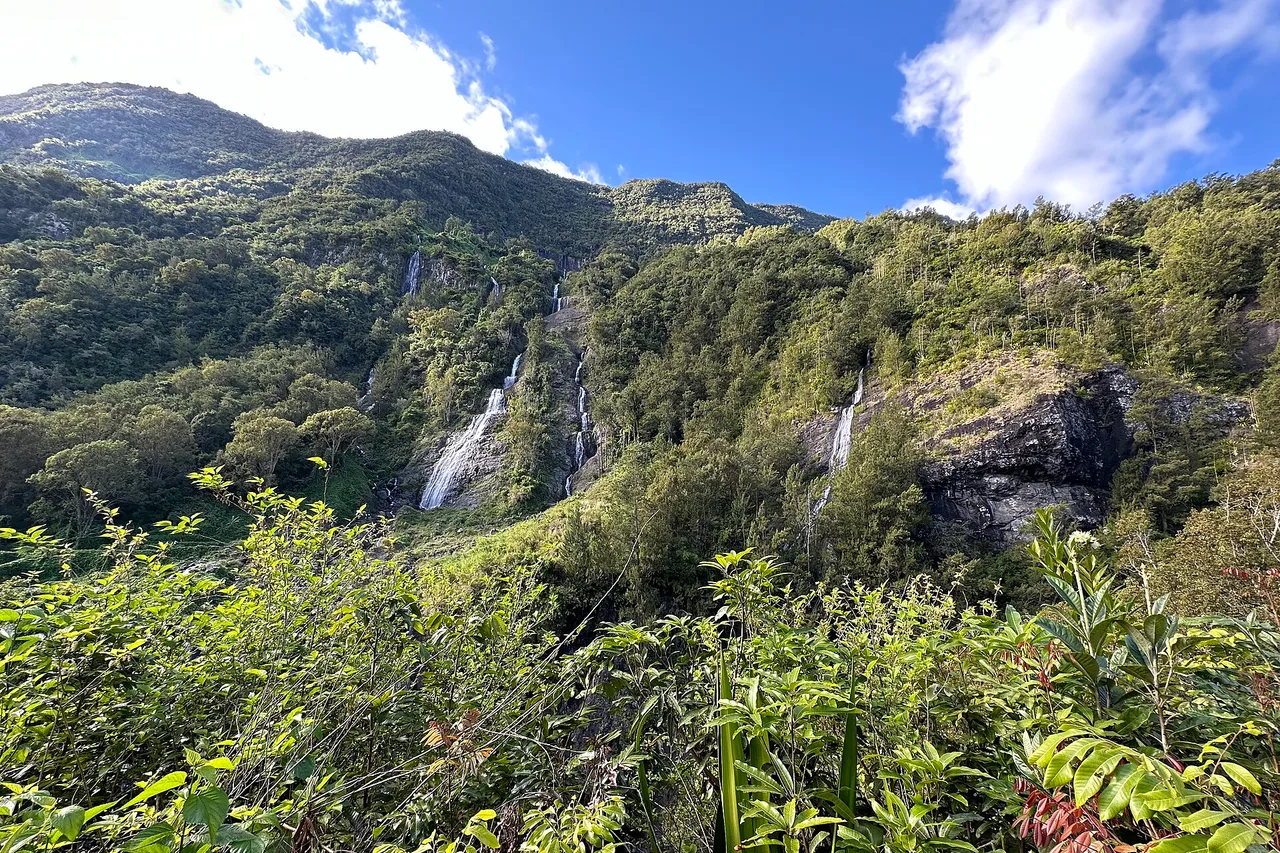
Jumps are never compulsory — tell your guide honestly how confident you feel and they will pick the line accordingly. And keep time for the cirque afterwards: our Salazie guide leads to Hell-Bourg and the Voile de la Mariée falls.
Langevin (Grand Galet): beginners and families
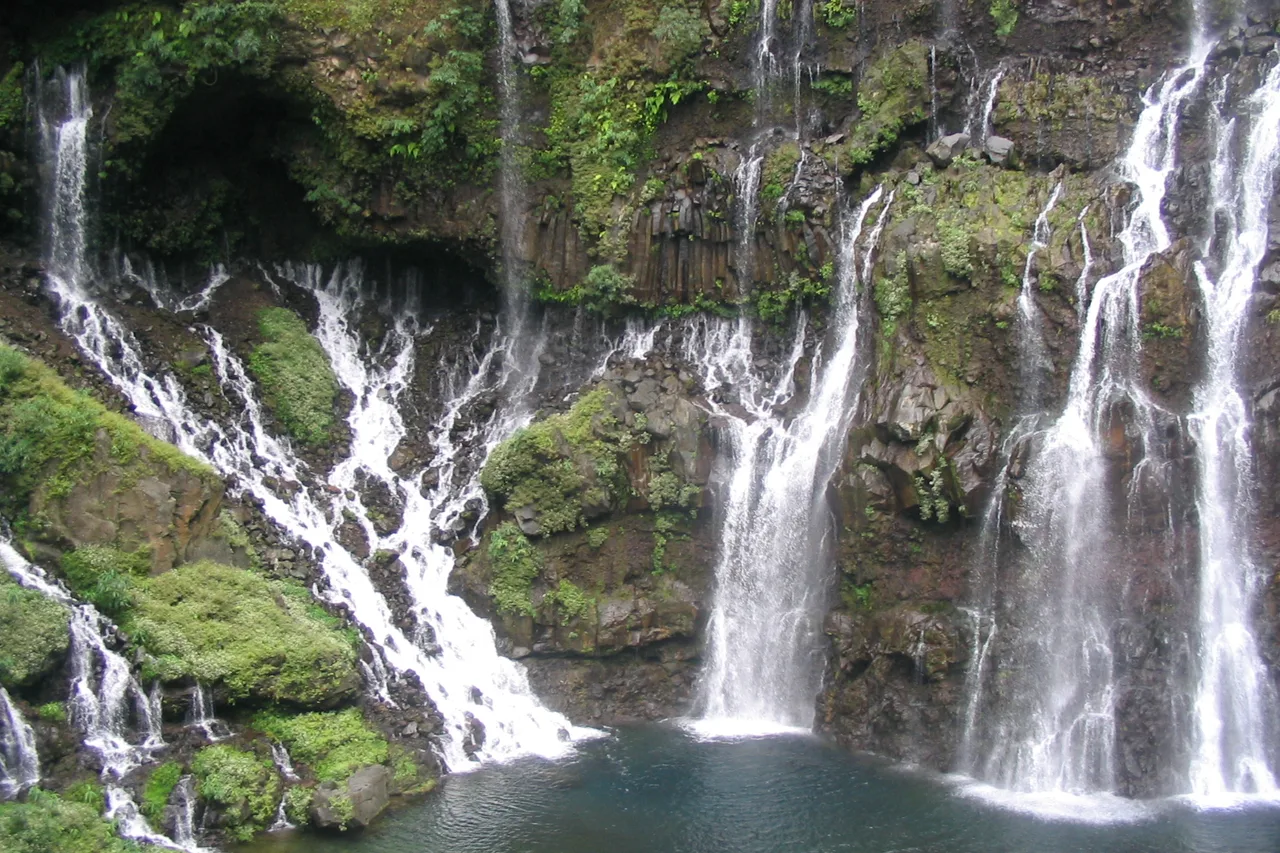
In the wild south, near Saint-Joseph, flows the Langevin river — with the famous Grand Galet waterfall as a backdrop. The canyoning runs here are considered the most accessible on the island: short abseils, slides, pools to swim, usually as a half-day from about €55–65, from around age 12 depending on the operator. For your first wetsuit, this is the place.
Bras Rouge (Cilaos) and Bassin Bœuf (Sainte-Suzanne)
Two more routes complete the picture. Bras Rouge, at Cilaos, starts with a 45-minute approach walk and rewards you with perhaps the finest panorama of any canyon: abseiling with the whole cirque in view, from about €90.
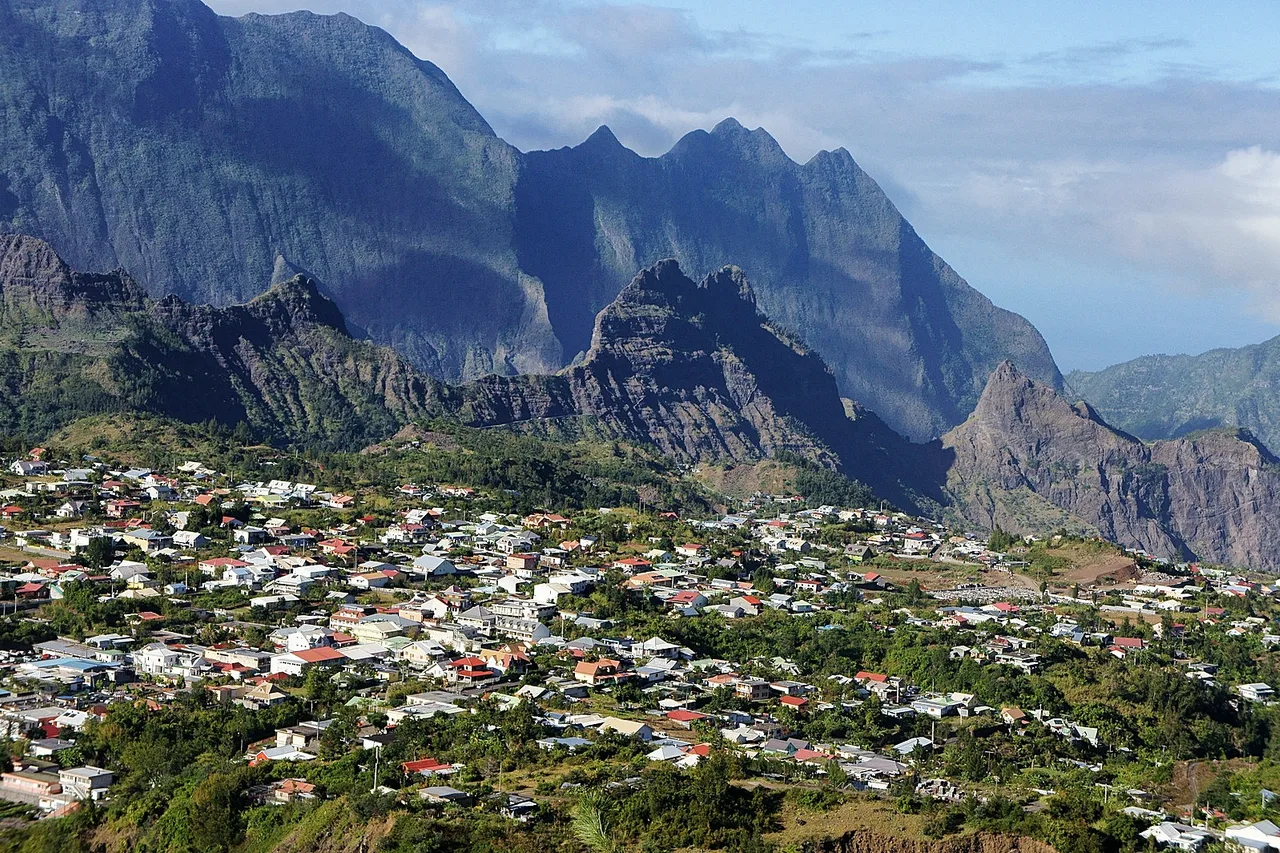
Bassin Bœuf, at Sainte-Suzanne in the north-east, is the family address: the classic half-day run is open from age 8 (minimum weight usually 30 kg, swimming ability required) from about €55; the sportier full version is for ages 14 and up at around €65. Many operators only run from 4 participants — if you are two, ask to join a group.
Trou de Fer: the myth, experts only
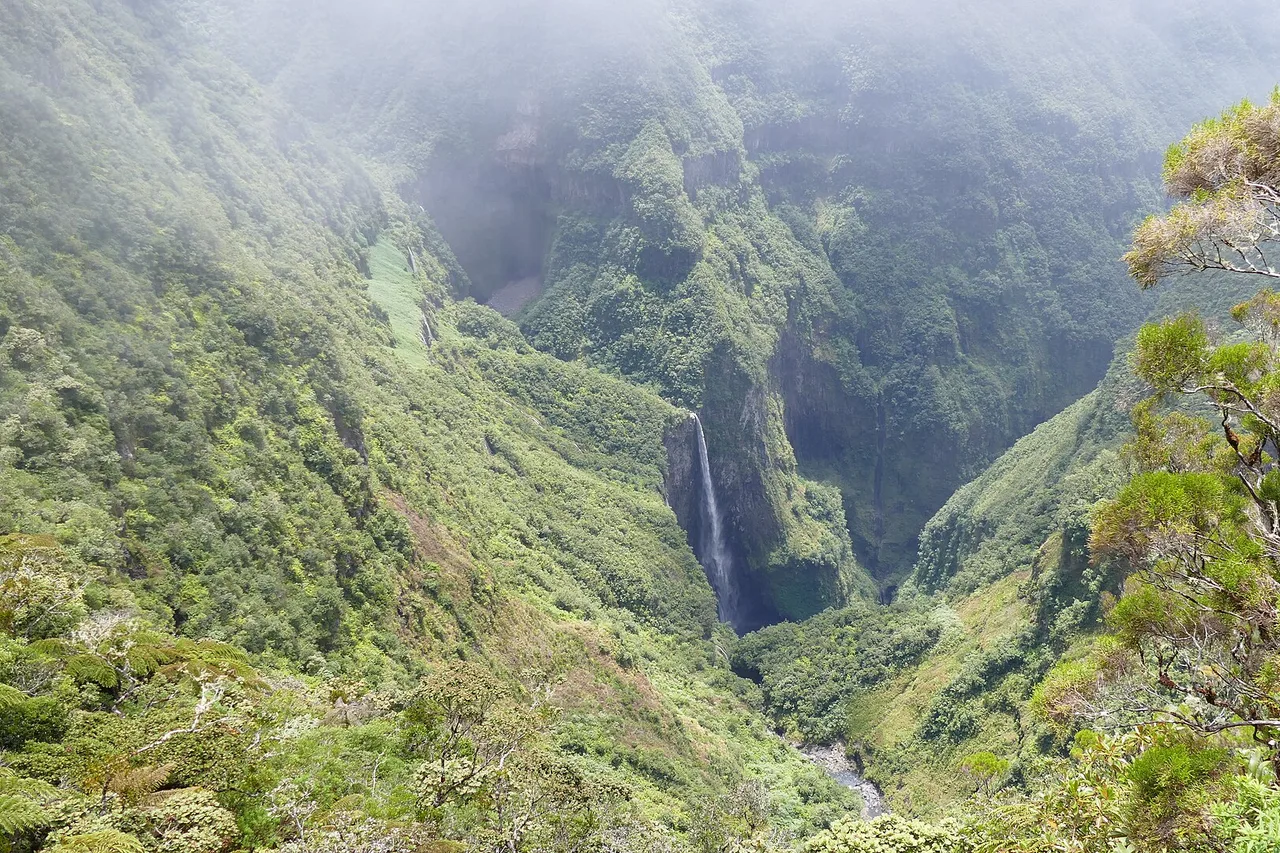
And then there is the name every canyoneer knows: the Trou de Fer, a chasm where the waterfalls plunge 725 m in four drops — the tallest measuring 305 m. Traversing it is an expedition for highly experienced canyoneers, bivouac included, not an afternoon booking. For everyone else, the Bélouve forest viewpoint (about a 2-hour round-trip walk) reveals the amphitheatre from above — one of the island’s great moments, no rope required. To admire waterfalls rather than descend them: our guide to the island’s finest waterfalls.
Canyoning or aquatic hiking: which one is for you?
Alongside canyoning, many operators also run aquatic hiking (“randonnée aquatique”): you walk, swim and slide along gentle river sections — with no abseiling at all. It is the right choice for younger children, for anyone who cannot stand heights, and for a first contact with a wetsuit and moving water; it is mostly offered on the calm stretches of the Langevin river.
Full guide: Things to Do in Réunion Island: 25 Unmissable Spots, Chosen by Locals
Real canyoning adds the vertical: harness, rope, abseils. If you hesitate, say so honestly when booking — operators grade their trips clearly, and aiming one notch too low is always the better mistake. Moving up a level will work perfectly well next time.
Prices, gear and season: the practical part
Prices: most half-day trips cost €50–80 per person, full days up to about €120. Wetsuit, harness, helmet and guide are practically always included; bring swimwear, closed shoes that can get wet (hiking or canyoning shoes), water and a snack.
Good to knowIn high season the best slots go fast: booking ahead lets you pick your time, and many activities can be cancelled free of charge up to the day before.
See activities in RéunionTours, tickets and day trips on GetYourGuideThe water: no bathtub — in the southern winter (May to November) the ravine water runs at 10–14 °C, in summer 18–20 °C. The wetsuit makes it very bearable. Requirements: be able to swim, normal fitness, and honesty about heights and jumps — the guide adapts the route. Season: canyoning is possible all year; the dry season from May to November is the most reliable. What the southern summer changes for your whole trip is in our guide to the best time to visit Réunion.
Safety: the one rule that decides everything
Réunion’s ravines are glorious — and they react brutally fast to rain. A storm cell in the highlands can raise the water within minutes even while the coast sits in sunshine; flash floods are THE danger here, and during heavy-rain alerts the préfecture explicitly calls on everyone to stay out of the canyons. Hence the rule: always go with a qualified professional, never improvise on your own.
In practice: book with a declared operator (offices in Cilaos, Salazie, Saint-Gilles and Saint-Pierre) and accept their verdict — if the guide cancels for weather, you are refunded, and those cancellations are precisely why the safety record of guided trips looks good. Book early in your stay rather than on the last day: if a date is washed out, there is still time for a second attempt.