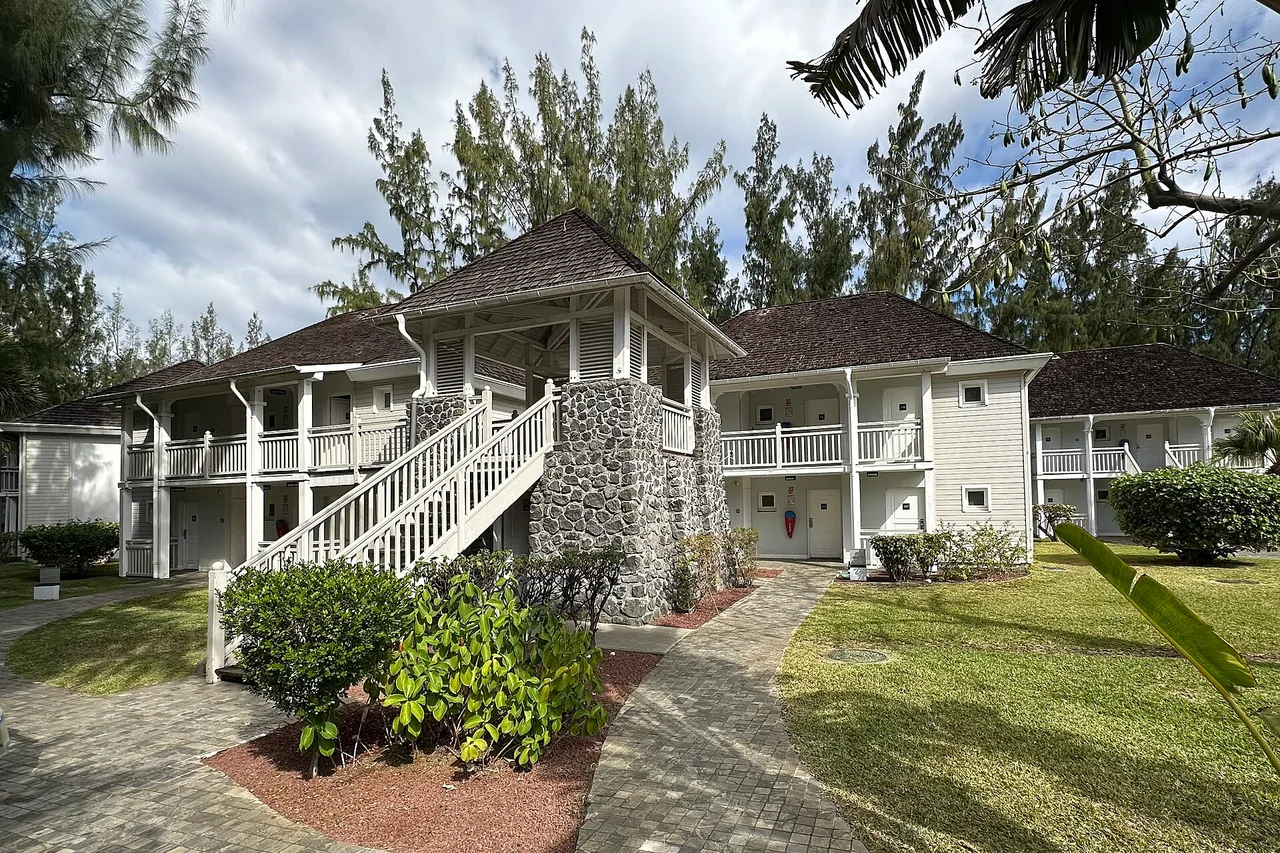
There is no nonstop flight to Réunion Island from London, New York or anywhere outside Paris — the island’s long-haul gateway is French. Four airlines fly Paris–Saint-Denis direct in about eleven hours, averaging €763 return — roughly €560 in March, up to €1,176 in August. This guide covers the routes, the real fares month by month and the booking calendar. Every figure was checked on 17 October 2026.
Who flies nonstop: four airlines, all from Paris
Réunion is a French overseas department, and its flight map shows it: every nonstop long-haul flight leaves from Paris. Four carriers share the route — Air France and Air Austral (the island’s own airline) from Charles de Gaulle, Corsair and French Bee from Orly. Flying time is about eleven hours, usually overnight: take off in the evening, land in the morning, and your first day on the island is still yours.
Capacity grew in 2026: French Bee pushed the route up to 13 weekly flights in high season, 17 per cent more than a year earlier. More seats on the market means downward pressure on fares at many dates — while demand is up too, the January 2026 eruption of Piton de la Fournaise, after roughly two and a half quiet years, having put the island back in the headlines. One practical trap: Charles de Gaulle and Orly are not next to each other. If you connect in Paris on separate tickets, a cross-town airport change burns hours of margin.
What the ticket really costs
The benchmarks, checked on 17 October 2026 on the fare comparators (an analysis of more than 540,000 flights out of Paris): the average return costs €763. The cheapest month is March at around €560; the dearest is August at up to about €1,176 — same seat, double the price. December, the festive month, averages €860, with a measured range of €550 to €1,250.
Price high season covers December, October and July. Two small levers work reliably: departing on a Monday and returning on a Sunday generally comes out a little cheaper, and displayed fares are snapshots — two searches, two prices. To place the ticket inside the full cost of a trip, car and lodging included, see our Réunion trip budget guide.
Full guide: Things to Do in Réunion Island: 25 Unmissable Spots, Chosen by Locals
When to book: the calendar decides
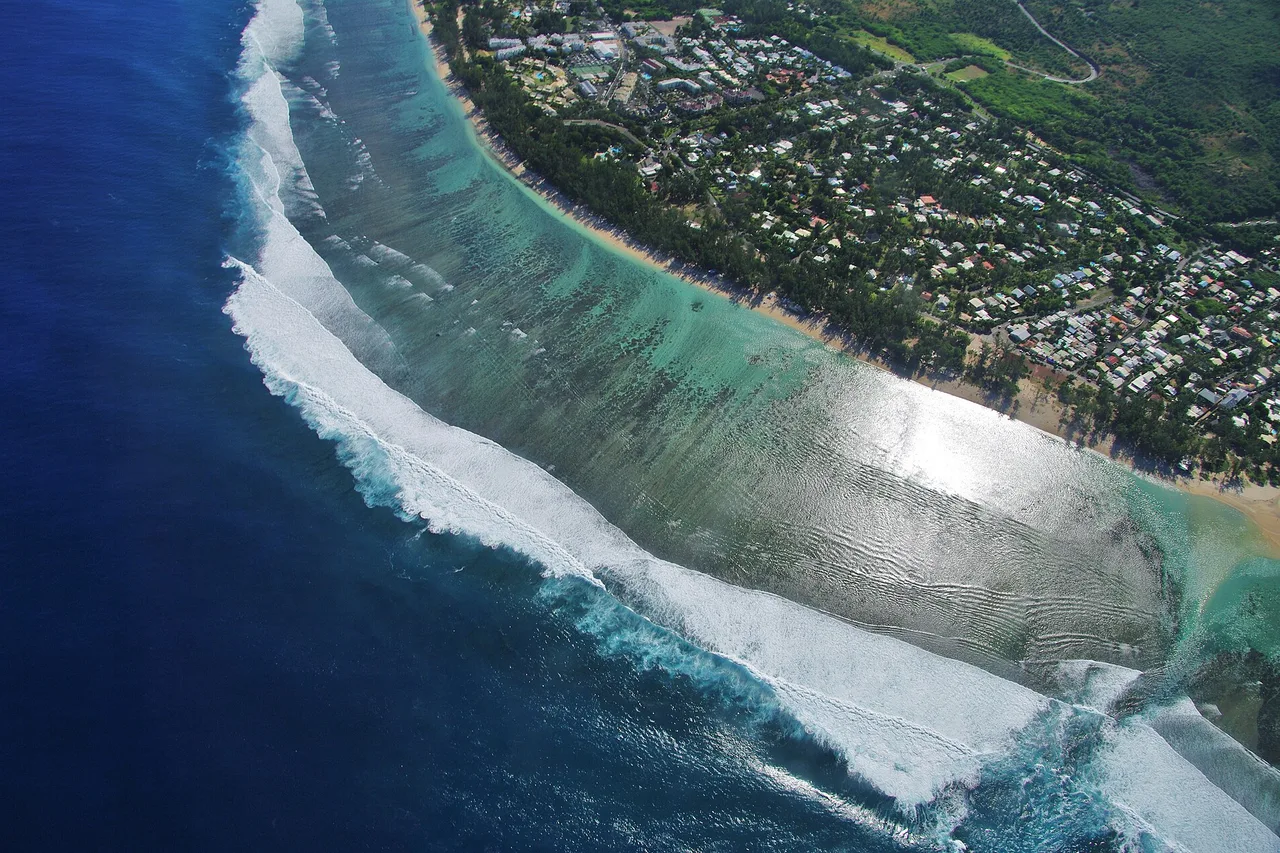
The comparators’ baseline: book at least two months before departure. Two windows need far more. July–August stacks the austral winter (prime hiking weather), whale season (1 July to 30 September), Europe’s summer holidays and the island’s own school break (in 2026: 4 July to 18 August) — several months of lead time is a realistic margin. The same logic applies to the festive season: from mid-December families cross over, the austral summer holidays run until 1 February 2027, and December is the most expensive month of the year.
In the low season, February to June, a few weeks’ notice is often enough — and March is, measurably, the kindest month to your wallet. Just make sure the date fits your plans (lagoon? volcano? trails?): that is what our guide to the best time to visit Réunion sorts out — the ticket is only half of the calendar question.
Skipping Paris: the Mauritius route
From outside France, the default is still a single through ticket connecting in Paris: the connection is protected and your bag is checked through. But a second door has opened: flying via Mauritius. Mauritius is served from far more international hubs than Réunion, and the final hop to Saint-Denis takes less than an hour. Condor, for instance, flies to Mauritius four times a week from Germany and sells the connection to Réunion through an interline agreement with Air Austral — one ticket, with an Airbus A220 on the short sea crossing.
The detour carries a real bonus: it puts the two sister islands within one trip — lagoons and beaches on one side, cirques and an active volcano on the other. If that idea tempts you, our comparison Mauritius vs Réunion Island settles which island rewards which kind of traveller.
Cyclone season: book flexible
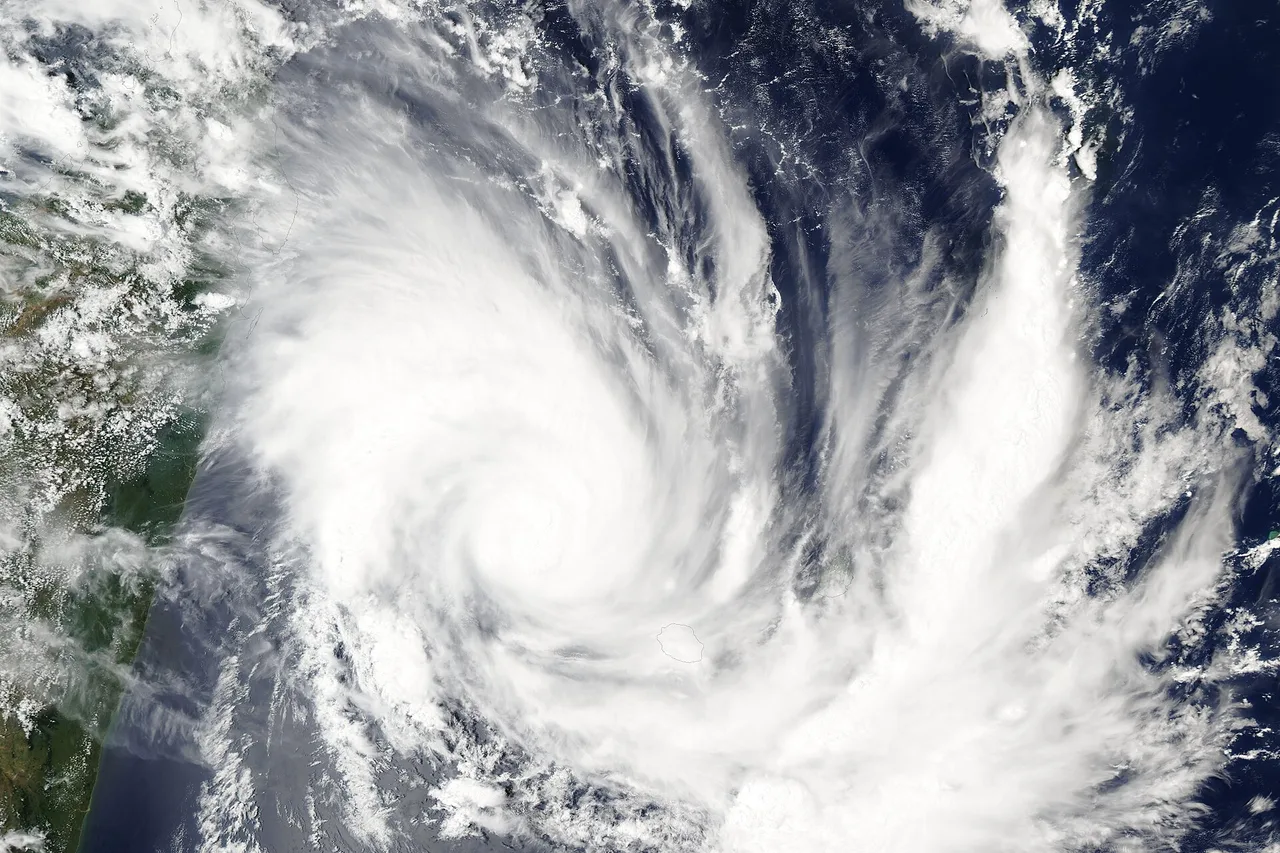
From 15 November to 30 April, the south-west Indian Ocean is in cyclone season. That does not mean constant storms — but when a system passes, flights get delayed or cancelled for every airline at once. For departures in this window, a changeable or refundable fare beats any promotion: the price gap is small against the freedom to move a flight at no cost. Also check what your travel insurance actually covers for weather events — policies differ widely.
Bags, flight time, jet lag
The biggest price gap between the four airlines is not in the cabin but in the hold: on teaser fares, checked luggage is often not included and gets added at booking. Eleven hours is long, too — seat selection, meals, legroom, everything sold as an option belongs in the calculation. The only honest comparison is the final price with a suitcase, never the first line of the comparator.
The good news to finish: jet lag is a non-event from Europe. Réunion sits on UTC+4 all year — three hours ahead of central Europe in winter, two hours in summer. After the overnight flight you land in the morning, nudge your watch forward and spend that first day at the lagoon or on a viewpoint.
On arrival: Roland Garros Airport
Virtually all scheduled flights land at Roland Garros Airport (RUN) in the commune of Sainte-Marie, some ten kilometres east of Saint-Denis on the north coast. From there the island fans out: a good forty-five minutes to the west-coast beaches, noticeably more to the south or to the cirque villages. Without wheels everything slows down: renting a car on Réunion is the norm — and in high season the car should be booked together with the flight.
Landing late or flying out early? Spend the first or last night in Saint-Denis: short transfers, city hotels, Creole streets. For choosing what comes next — west coast, south, cirques — our guide on where to stay on Réunion Island sorts the zones and nightly prices.

Before you buy: the smart-ticket checklist
First reflex: look at the whole month’s price calendar before locking your dates. Every comparator shows it in one click, and the range measured above — €550 to €1,250 within December alone — says it plainly: two neighbouring dates can tell very different stories, and shifting the outbound or the return by a few days sometimes moves the bill substantially. If your plan is still flexible, set a price alert now: you will watch the dips go by instead of trying to guess them.
Second reflex: compare the four airlines on identical dates, options included. The first-page ranking often reshuffles once the suitcase, the seat and the meal are added — and it is the total that leaves your account, not the teaser fare. If school holidays fix your dates, buy early, as soon as the trip is certain; if your dates are free, aim for the February-to-June window, March first, and keep July–August for the years when hiking outranks the budget.
One last point that simplifies everything: Réunion is France. The currency is the euro with no exchange desk needed on arrival, the island belongs to the European Union, and EU phone plans apply the Union’s roaming rules there. EU citizens travel with an identity card or passport; visitors from elsewhere follow the entry rules of France. All that remains is to match the date to your plans, the car to the flight — and let the plane do its eleven hours while you sleep.