The debate almost always boils down to "party Phuket versus natural Krabi", and that shortcut makes people choose badly. Both sit on the same coast, under the same climate, with the same water and often the same day trips. The difference you pay for every single day lies elsewhere, and it is rarely quoted: getting around. In Phuket a fifteen-kilometre ride costs two to three times what it costs anywhere else in Thailand. Here are seven criteria, one verdict each, and the answer according to what you came for.
The real difference is not the one you read everywhere
Start with what does not separate them, because that is half the answer. Phuket and Krabi sit on the same coast, the Andaman one, about a hundred and fifty kilometres apart. Same sea, same climate, same season — October to April, as our seasons guide sets out — and a good share of the same day trips, starting with the Phi Phis, which boats reach from both sides. Choosing between them changes neither your weather, nor your water temperature, nor most of your days at sea.
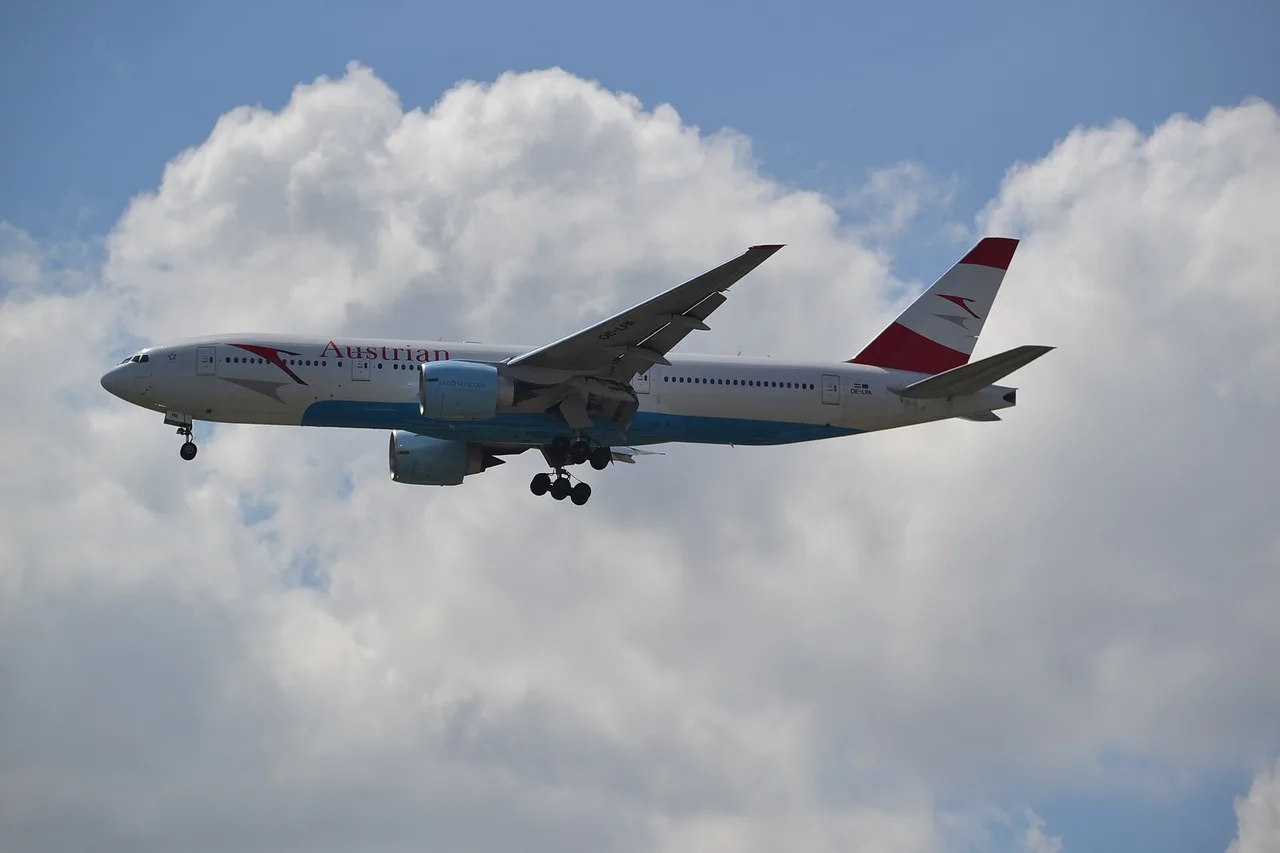
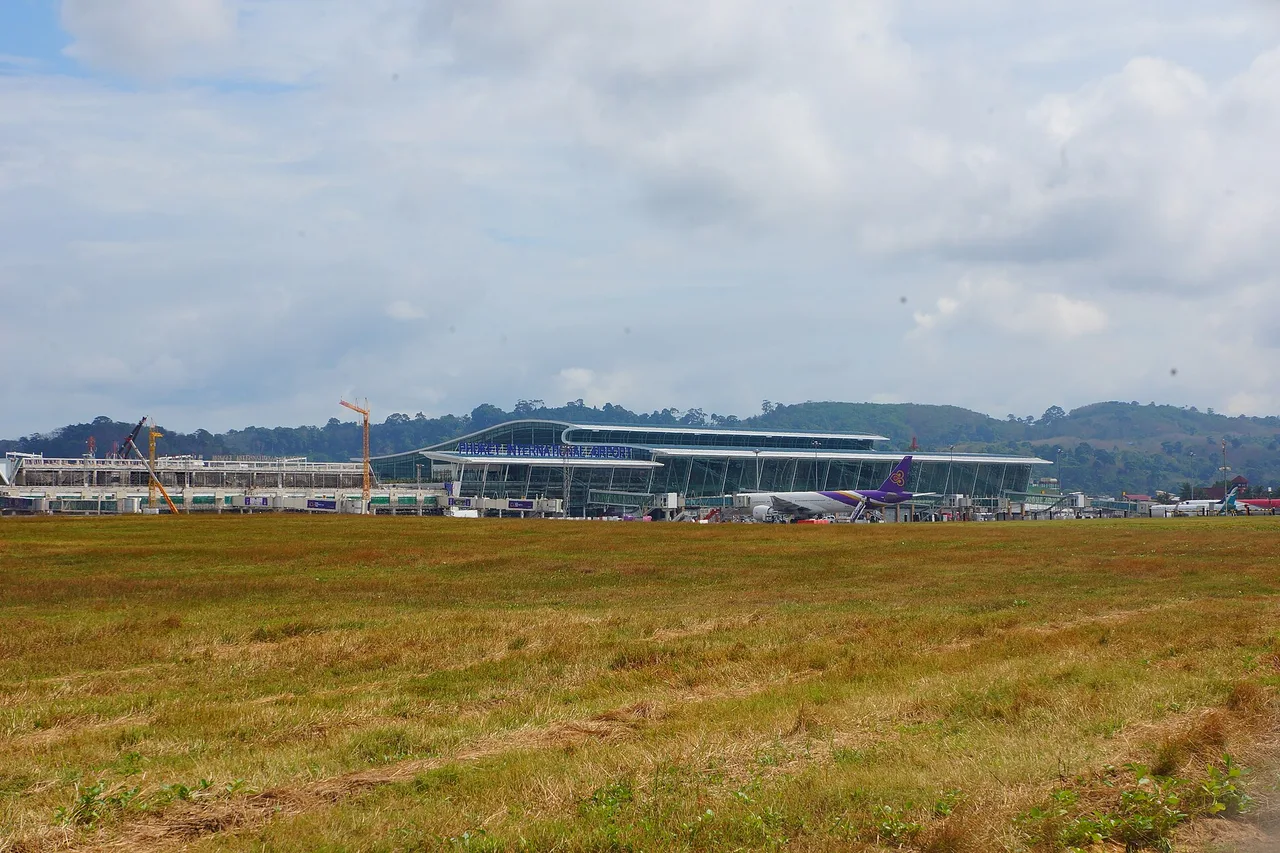
One detail often surprises people: Phuket is an island, but you do not arrive there by boat. It is linked to the mainland by a bridge, it is forty-eight kilometres long, and it has a capital, shopping malls and traffic jams. Krabi, conversely, is a mainland province whose finest spots — Railay above all — are reachable only by boat. So the "island versus mainland" intuition is exactly inverted relative to the actual experience.
And the difference you pay for daily is neither the scenery nor the atmosphere: it is the cost of moving around. We come to it, because it is the section comparisons skip.
Seven criteria, seven verdicts
| Criterion | Phuket | Krabi |
|---|---|---|
| Air access | ✔ advantage | — |
| Character of the beaches | — | ✔ advantage |
| Getting around locally | — | ✔ advantage |
| Island day trips | ≈ tie | ≈ tie |
| Nightlife | ✔ advantage | — |
| Accommodation budget | — | ✔ advantage |
| Family comfort and services | ✔ advantage | — |
Four to Phuket, three to Krabi? That would be misreading it. The table is not counted, it is filtered: keep the two or three rows that matter to you, ignore the rest, and the answer falls out on its own. A family with two children does not read the same row as a couple after quiet.
The beaches: two geographies, not two quality levels
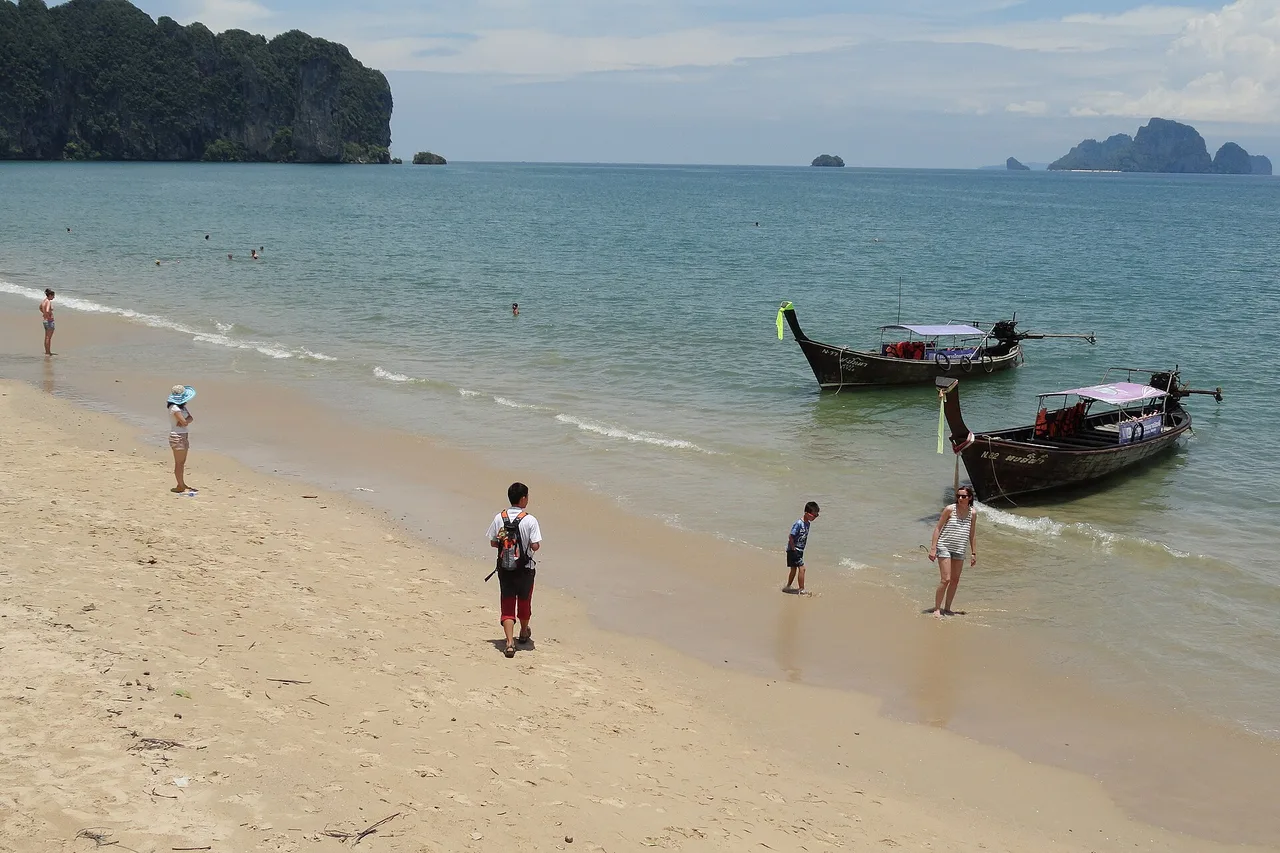
Krabi is karst: limestone cliffs dropping into the water, coves, short beaches closed off by rock. Railay is the emblem — a peninsula the cliff cuts off from the road, reachable only by long-tail boat, which naturally filters the crowds and rules out heavy development. Ao Nang, the logistical base, is an ordinary resort town; it is its immediate surroundings that are extraordinary.
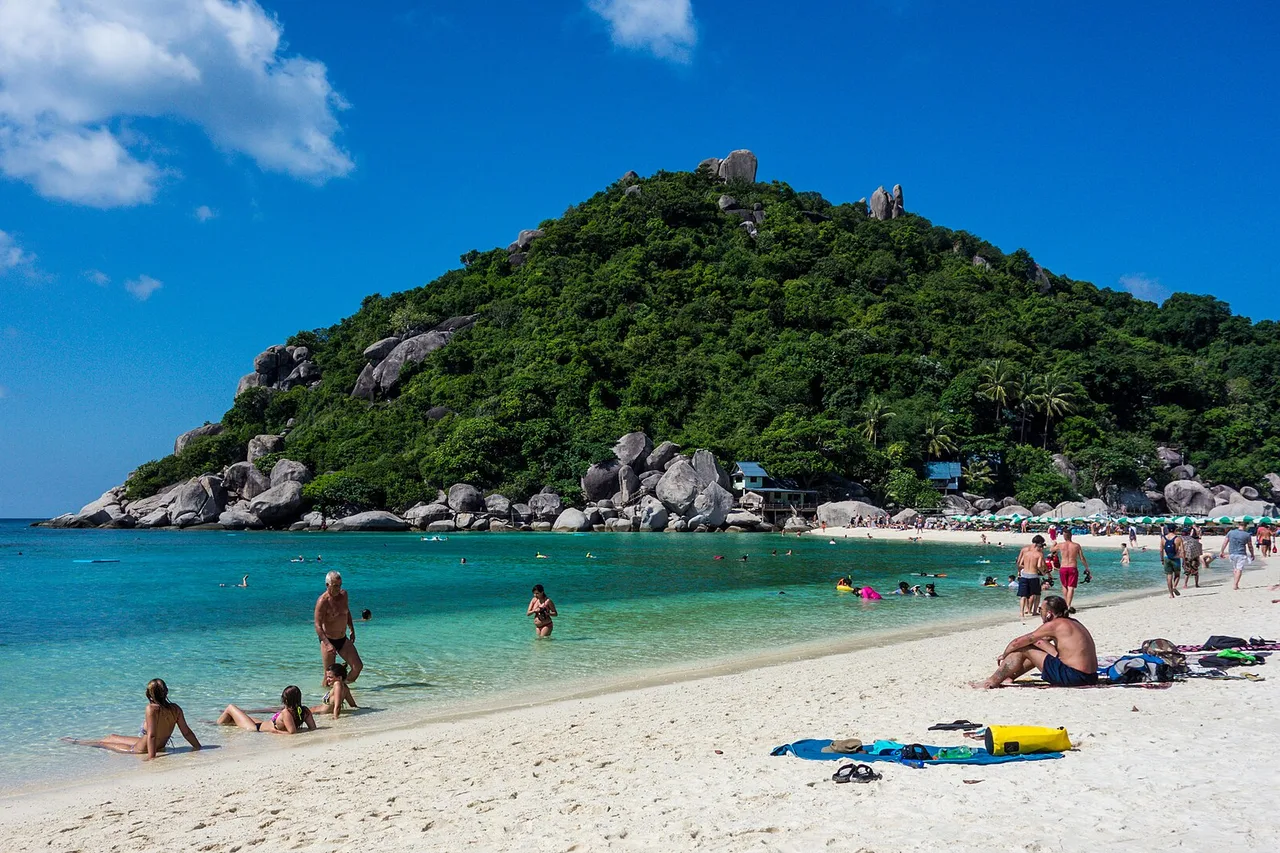
Phuket is long sand: Kata, Karon, Bang Tao, Nai Harn — genuine open beaches, wide, equipped, with loungers, water sports and lifeguards. Patong is a case apart, and it should be said plainly: it is not a quiet beach, it is an urban seafront. Many come precisely for that; those who do not know find out too late.
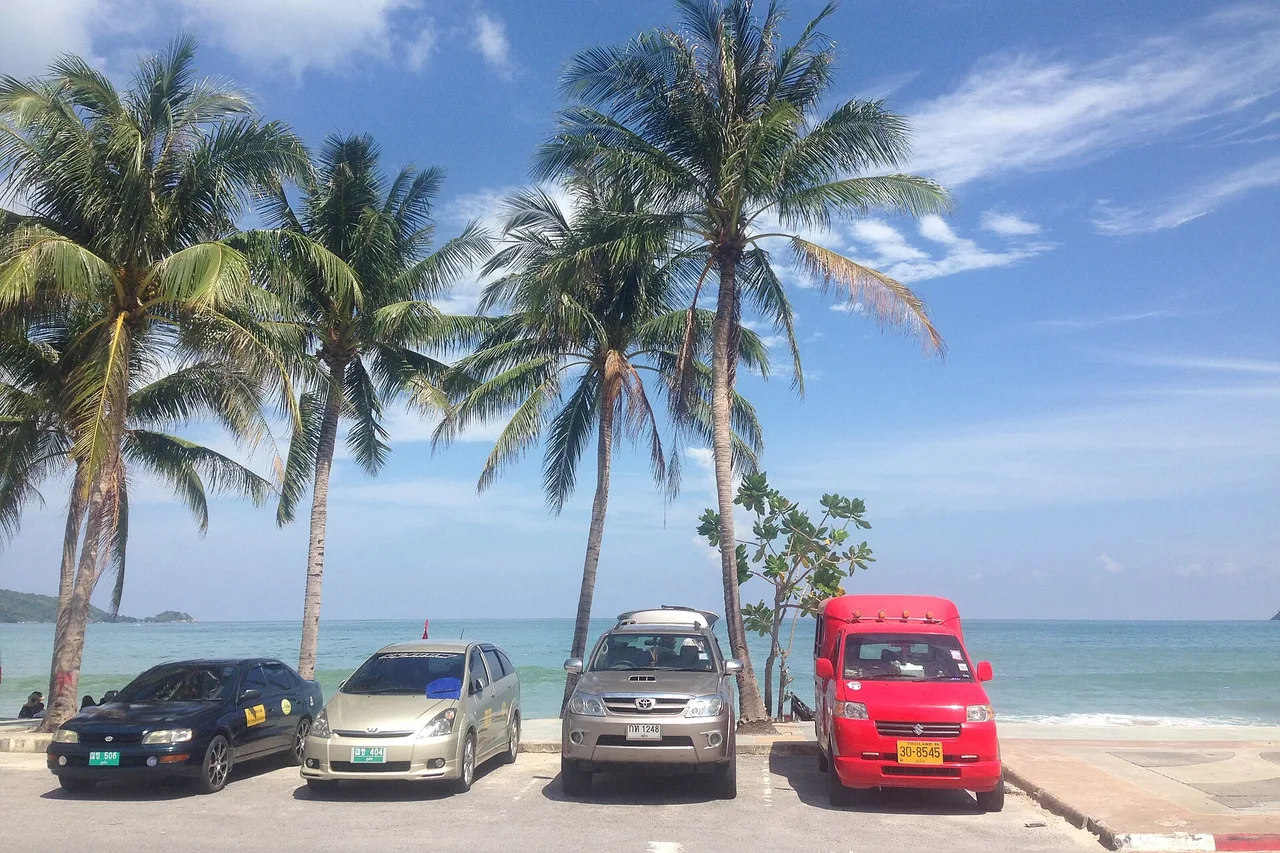
Neither "wins" here in absolute terms. The honest question is: do you want a beach in a setting, or a beach with services? Krabi answers the first, Phuket the second.
🔴 Getting around: the difference almost nobody quantifies
This is the most concrete point in the whole article, and it weighs on every day. Phuket has no train and no bus network worth the name. Its taxis and tuk-tuks run without meters, at fixed prices held by local cartels, and those prices are among the highest in Thailand.
The recorded figures speak for themselves. Airport to Patong: 450 to 600 baht by ride app, 650 at the official counter, 800 to 1,200 hailing one on the spot. On the Patong to Kata run, fifteen kilometres: 250 to 400 baht by app against 400 to 600 by tuk-tuk. The songthaew costs only 25 to 30 baht, but usefully serves Phuket Town alone.
Full guide: Phuket Airport Transfer: Taxi, Bus or Pre-Booked Car?
In Krabi the same need is met differently: the Ao Nang to Krabi Town songthaew costs 60 to 80 baht, with no cartel system, and long-tails act as public transport to the beaches. The daily gap is not trivial: at two rides a day over ten days it comes, in Phuket, to several thousand baht — several hotel nights, spent on moving about.
Three remedies, in order of effectiveness. Renting a vehicle is the only one that really solves it in Phuket, an island built for the car — local rental firms are generally cheaper than airport desks, and an international licence remains mandatory. Booking the arrival transfer ahead avoids the walk-up rate, the worst of the three: a transfer ordered before departure is paid at the quoted price, not the one negotiated at midnight with your bags. Finally, choose a neighbourhood you can walk: in Phuket, staying where you need nobody beats any amount of haggling.
The islands around: the criterion where the tie is real
This is the good news of the comparison: on day trips the two are equivalent, and your choice will cost you almost nothing. The Phi Phis are reached from both sides by speedboat. Koh Lanta leans to Krabi — the ferry leaves Klong Jilad for Saladan in 90 to 120 minutes at $12 to $20 per person. The Similans lean firmly to Phuket and Khao Lak, from which the dive liveaboards leave; a useful reminder, the national park closes each year from mid-May to mid-October.
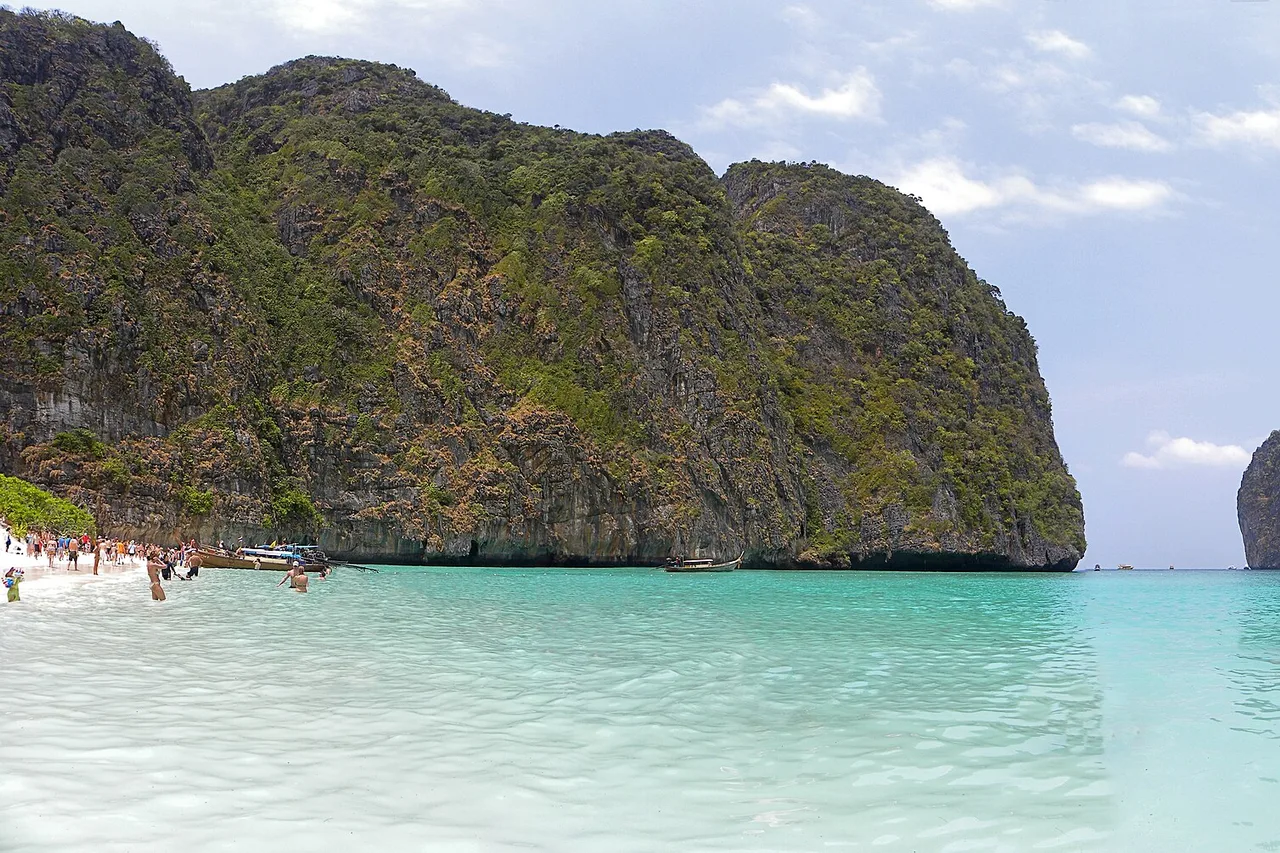
Two caveats that hold on both sides. First, group excursions are very much alike and sell at triple the price depending on the counter: comparing online before you leave mainly saves you discovering on the boat what the price did not include. Second, a budget reminder we have costed elsewhere: national park entry fees are five times higher for a foreigner than for a Thai, and they are almost never included in an outing's posted price — the detail is in our budget breakdown.
Nightlife, and what the word means on each side
Phuket wins this criterion outright, but the label covers two very different realities. Patong offers a concentration of bars, shows and shops with no equivalent in the south of the country — it is a destination in itself, with its excesses fully owned. The rest of the island is far quieter: Kata and Karon have beach bars, Nai Harn closes early.

Ao Nang, in Krabi, has bars, restaurants and evenings out — but on another scale, and many consider that precisely the advantage. The right phrase is not "less choice": it is "less commercial". On a Railay beach the evening ends when the last boat has gone home.
A practical consequence, often overlooked: if you want Patong's nightlife without staying in Patong, you land straight back in the previous section — late-night tuk-tuk round trips are the expense that surprises Phuket visitors most.
Budget: a measurable gap, and not only on the hotel
At equivalent category — say three to four stars — Krabi costs 20 to 40 % less than Phuket. That is a clear gap, and it compounds with the transport one described above; both point the same way.
But neither is cheap by the country's standards: recall that southern islands and beach resorts cost 40 to 60 % more than Bangkok or Chiang Mai. The real lever on a trip is therefore not "Phuket or Krabi", it is how many nights you spend on this coast rather than up north.
Full guide: Where to stay in Bangkok: choose the line, not the district
One last point, true anywhere: within the same destination, moving two kilometres back from the main beach often halves the room price. In Phuket that trade is then paid back in transport; in Krabi, far less so.
What each has that the other does not
Krabi has the climbing. The cliffs of Railay and Tonsai are a world-class climbing site, with supervised half-day routes for beginners. It is unique on this coast and has no equivalent in Phuket.
Phuket has an old town. It is the island's best-kept secret: the Sino-Portuguese quarter of Phuket Town, its tin-merchant façades, its cafés and murals. Most visitors leave without seeing it, though it offers the only real "city" day in the whole south.
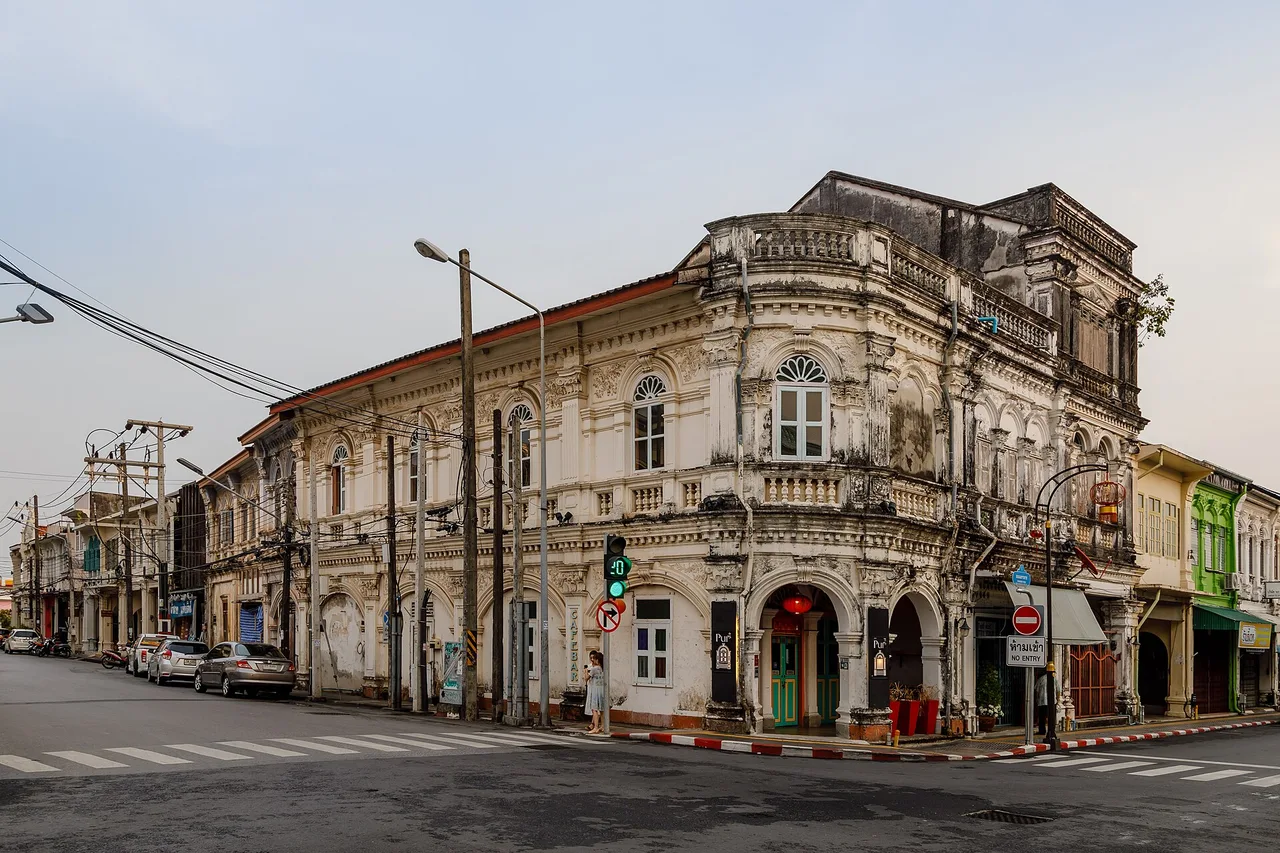
Phuket also has the medical infrastructure — international hospitals, clinics — a criterion that does not count until the day it does, particularly with young children or on a long trip. Krabi in turn has the immediate proximity of Koh Lanta and Koh Jum, which let you extend the trip towards somewhere quieter still without taking another flight.
The verdict, by what you came for
First trip, little time, or small children: Phuket. The international airport, the density of services and the medical infrastructure settle every logistical question at once.
Landscape, quiet, controlled budget: Krabi, without hesitation. It is also the better choice if the idea of negotiating every ride tires you in advance.
Climbing, kayaking, boats: Krabi. Railay has no equivalent, and the boat-only access is part of the experience.
Going out, restaurants, resort life: Phuket, staying in Patong if that is genuinely what you want, and clearly elsewhere if not.
Ten days or more: both. Three to four nights each side, starting with Krabi and finishing in Phuket — you then leave from the international airport with no last-minute transfer, and keep the town for the end, once you have had your beaches.
And if your trip falls between May and September: neither. Both are on the same coast and take the same monsoon; the Gulf is what you should aim for, as our fifteen-day itinerary explains. On that criterion the Phuket-versus-Krabi debate simply means nothing.
Top-rated activities in Thailand, bookable online: