Thailand is cheap, and that is precisely what makes budgets slip. When a meal costs 60 baht you stop counting — and you find at the end that the trip cost twice the plan, without a single unreasonable purchase. Here are three budgets broken down item by item over twenty-one days, what they really cover, and the two lines almost no article counts: the foreigner rate at national parks, and cash withdrawal fees.
Three budgets, not one
"How much does Thailand cost" has no single answer, because the country offers, in the same place on the same day, a dorm bed at 250 baht and a room at 8,000. The gap is not a matter of comfort detail: it is a factor of seven on the largest single item. Three regimes emerge from the 2026 figures.
The backpacker regime runs between 900 and 1,800 baht a day — €25 to €50: dorm or simple room, street food, public transport, long distances by bus or train. Mid-range runs between 2,150 and 3,600 baht — €60 to €100: private room, restaurants, a few domestic flights, paid activities. Above that you are in the comfort regime, which has no ceiling.
A word on method before the numbers: the table below breaks down those ranges item by item. These are not five independent measurements added together — it is a plausible split of a total that was itself recorded. Its job is to show where the money goes, not to predict your bank statement to the nearest hundred baht.
The calculation, item by item, over 21 days
| Item | Backpacker | Mid-range | Comfort |
|---|---|---|---|
| Accommodation | 350 THB / day | 1,200 THB / day | 3,000 THB / day |
| Food | 300 THB / day | 800 THB / day | 1,800 THB / day |
| Local transport | 100 THB / day | 300 THB / day | 800 THB / day |
| Entry fees and activities | 200 THB / day | 500 THB / day | 1,200 THB / day |
| Other (data, laundry, water) | 100 THB / day | 200 THB / day | 400 THB / day |
| Daily subtotal | 1,050 THB | 3,000 THB | 7,200 THB |
| Long-distance travel (3 weeks) | 2,500 THB | 7,000 THB | 15,000 THB |
| TOTAL 21 days | 24,550 THB ≈ 680 € | 70,000 THB ≈ 1,940 € | 166,200 THB ≈ 4,620 € |
Three readings. First, accommodation outweighs everything else: on its own it is over a third of the total in every column. Second, the step from backpacker to mid-range is a factor of three, while the step from mid-range to comfort is only two — the first jump is the expensive one. Third, international flights are not in this table: add them separately, since they depend on your departure point and your season far more than on Thailand.
Eating: where the country is unbeatable
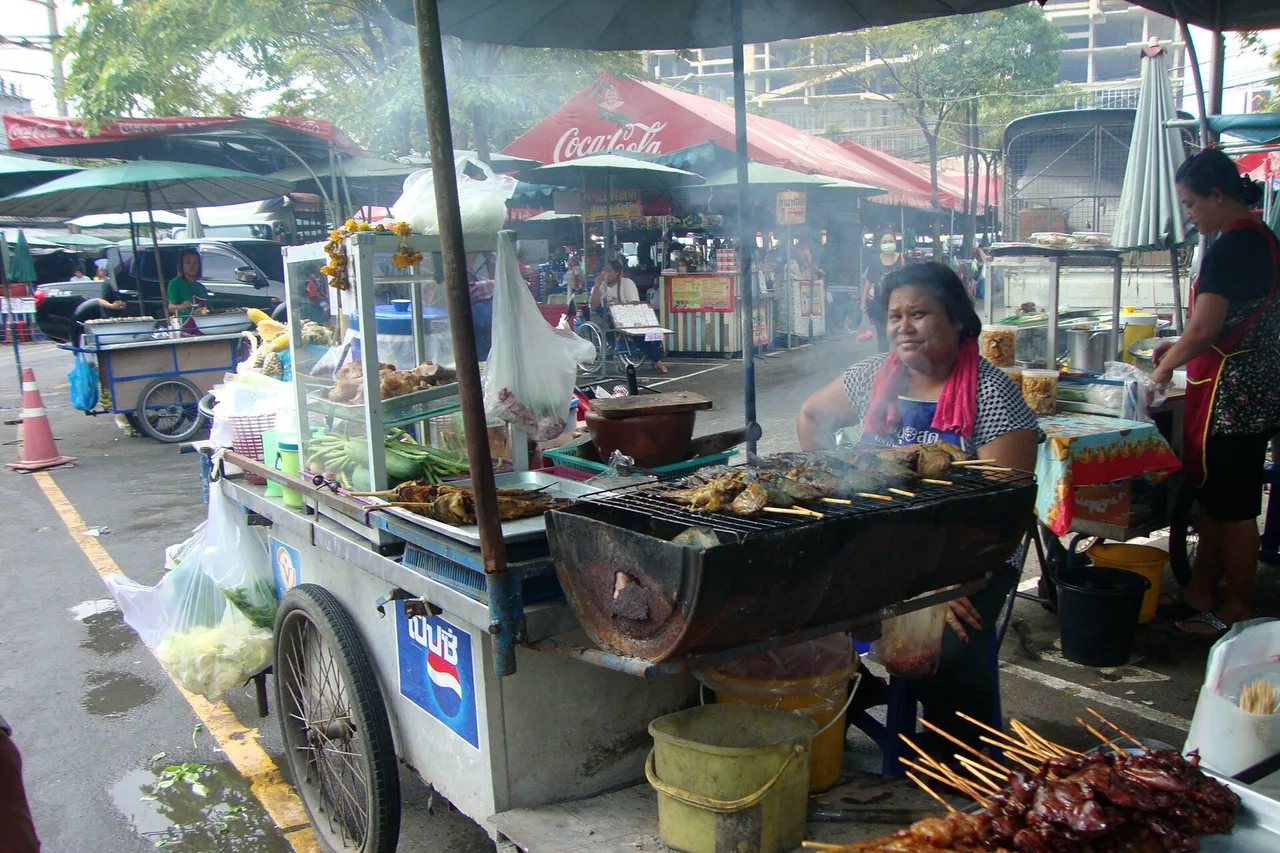
A street dish — pad thai, boat noodles, basil fried rice — costs 40 to 80 baht, roughly one to two euros. This is not subsistence eating: it is often better than the sit-down version, cooked by someone who has made that one dish for twenty years.
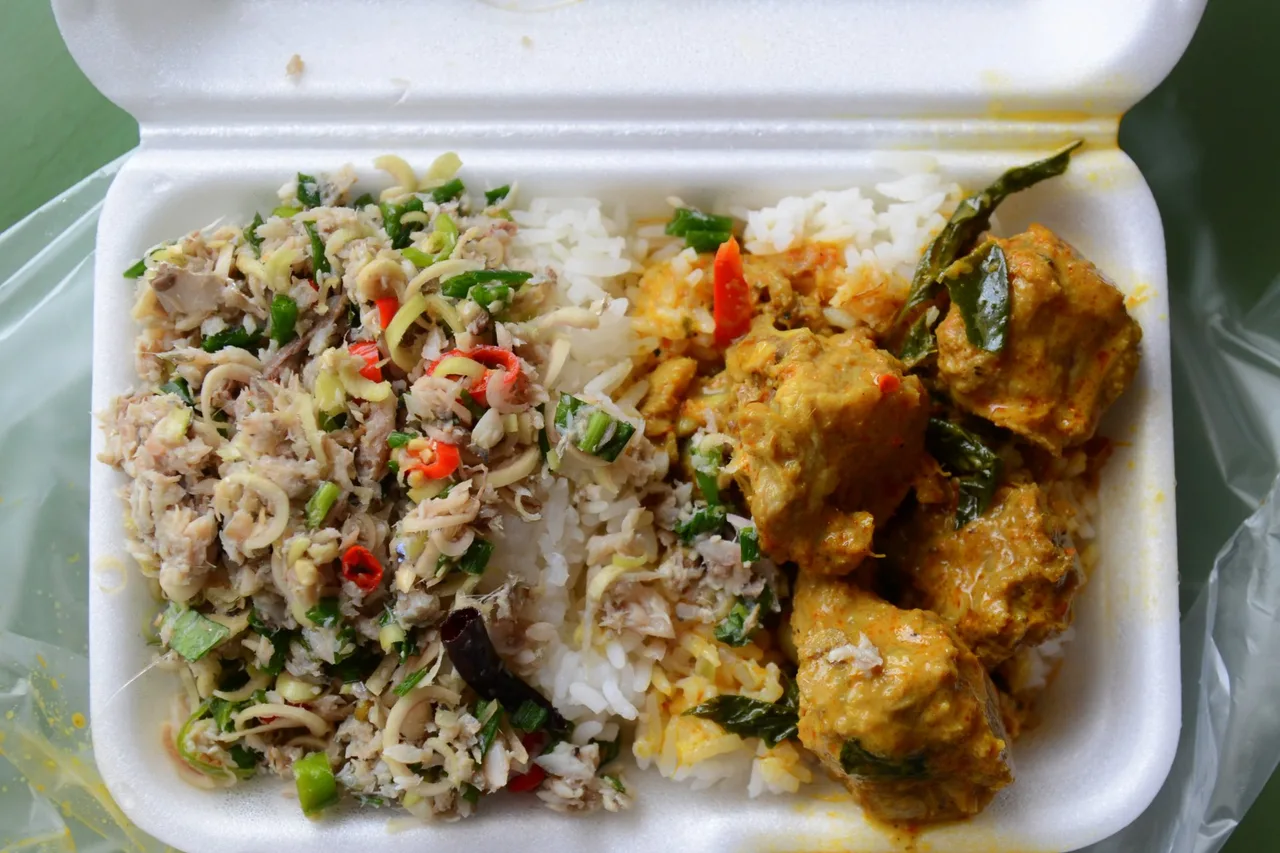
The gap with tourist restaurants is three to five times, for comparable content. So it is the easiest item to steer: two street meals and one proper restaurant dinner a day brings the mid-range "food" line down to backpacker level with no deprivation at all. Three useful markers: a large bottle of water is a few baht anywhere, a chain coffee costs the price of two street dishes, and alcohol is the one genuinely expensive item in the country — an imported beer can equal a full meal.
On food safety, the local rule beats blanket caution: eat where the crowd is. A busy stall turns its stock over several times a day; an empty restaurant with laminated photos does not.
🔴 The foreigner rate: the line almost no budget counts
This is the most poorly documented Thai particularity in budget articles, and it is entirely official. Since 7 June 2022, national parks apply two price lists by nationality, across four categories:
Thai adult: 20, 40, 60 or 100 baht depending on the park category. Foreign adult: 100, 200, 300 or 500 baht. The ratio is five to one at every level. The reason given by the administration is that Thai taxpayers already fund park upkeep, which visitors do not.
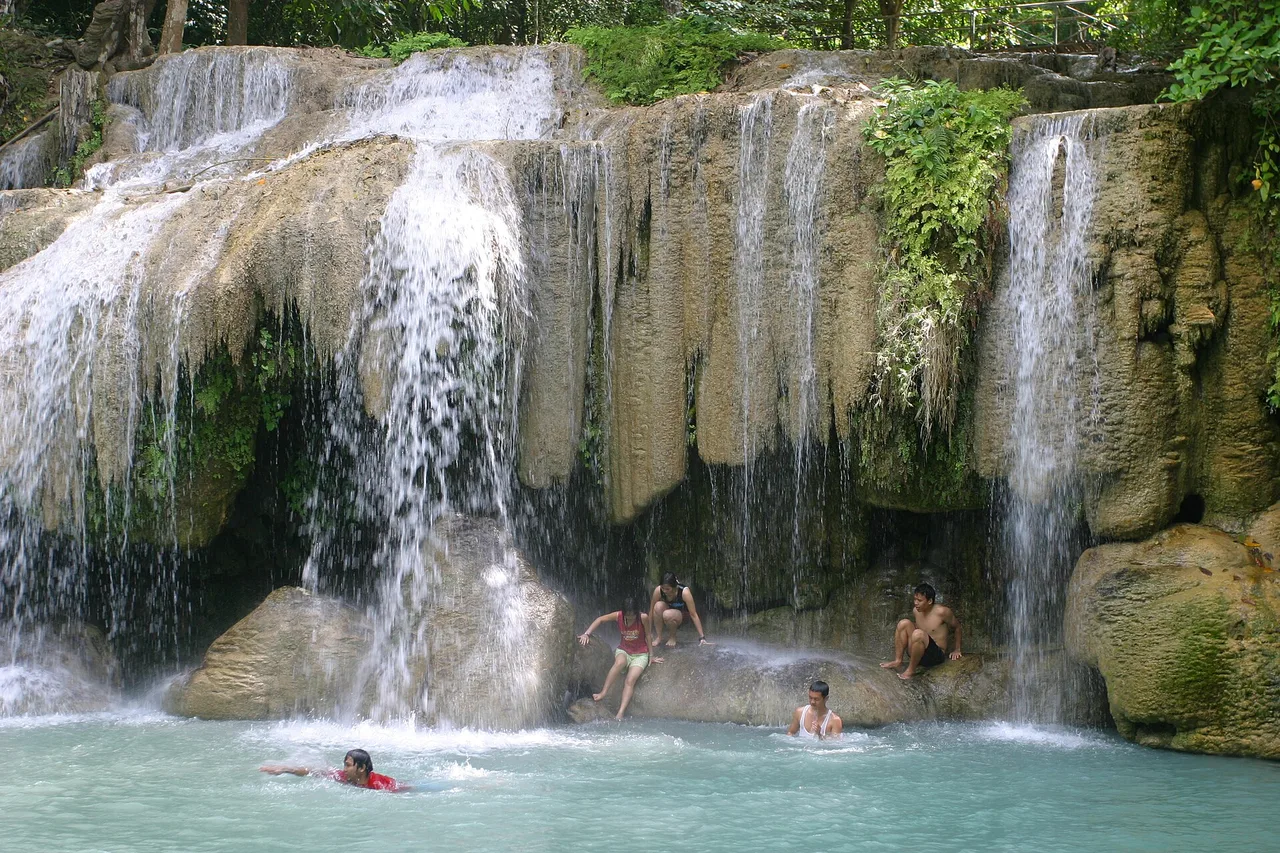
This is neither an abuse nor a counter scam: it is the rule, it is posted, and the price stays modest in absolute terms. But across a three-week trip taking in Doi Inthanon, Erawan, Khao Sok and two marine parks, this line comfortably passes 2,000 baht per person — two guesthouse nights. The table above folds it into "entry fees and activities"; many budgets found online do not, because they copy the Thai price shown on official sites.
Two practical consequences. Carry cash: most park gates do not take cards. And if your plan is dense in parks, cost them up front rather than as you go — it is the item that surprises people most. Guided excursions often include the entry fee: comparing them online before you leave tells you whether the posted price covers access, which the tout on the corner will not spell out.
Getting around: speed is what costs
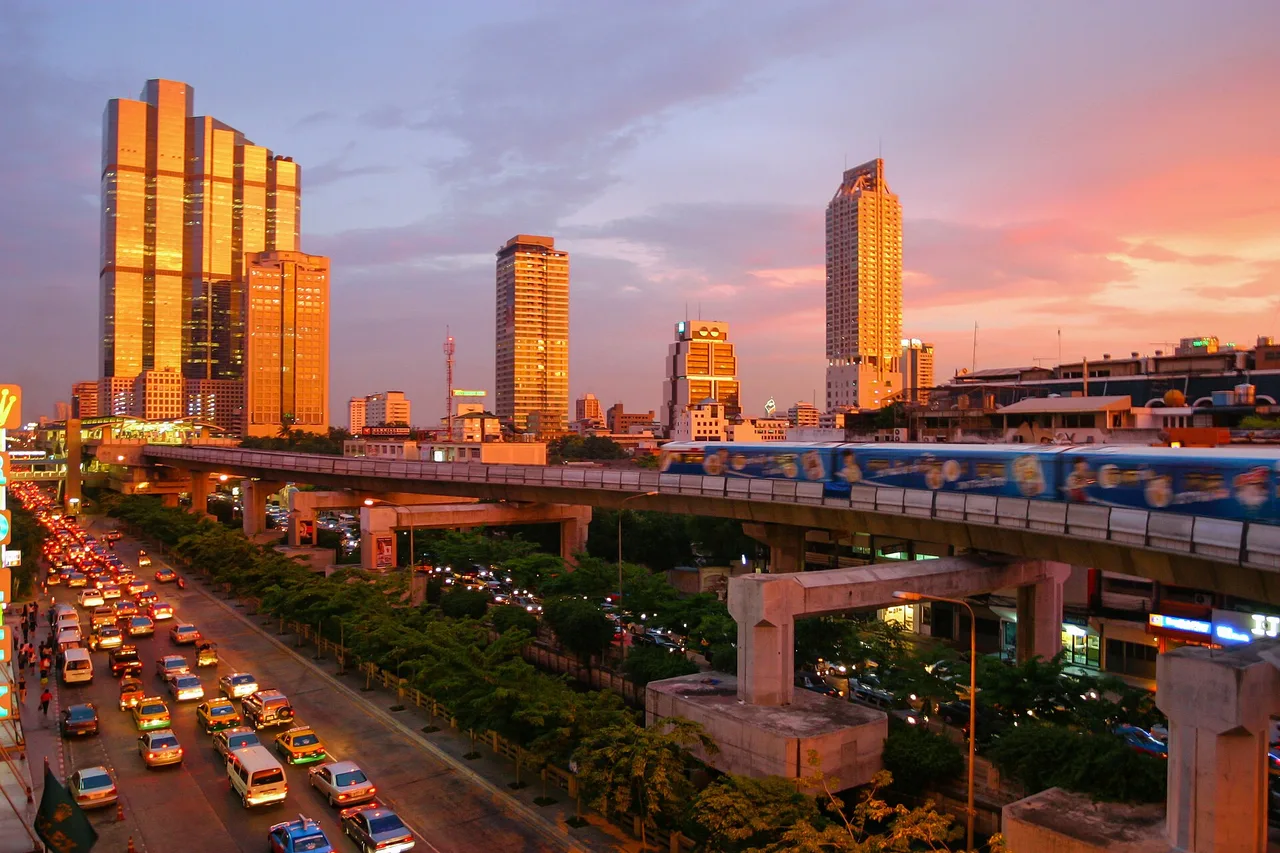
Within a city the spend is trivial. Bangkok's elevated metro and subway cost a few dozen baht a ride, the river buses less. Taxis are cheap provided you insist on the meter; refusing the meter is the local classic, and the answer is to get out of the car, not to haggle.
Over long distances, price tracks speed exactly. The night train remains the country's best compromise: a lower second-class air-conditioned berth costs about 1,050 baht between Bangkok and Chiang Mai and replaces a hotel night — the one transport spend that earns money back. The Chiang Mai to Pai minivan costs 150 to 250 baht at the counter. The Krabi to Koh Lanta ferry runs $12 to $20 per person. The domestic flight costs five to ten times the bus to save half a day: it only pays on very long hops, typically north to the islands.
Full guide: Cheap Flights to Thailand: When to Book, Direct or Stop
Our fifteen-day itinerary sets out those connections and their timings; what matters here is the principle: over three weeks, one bus day saved is not worth the price of a flight, but three are.
The islands cost 40 to 60 % more, and that is steerable
For the same thing, Phuket and Koh Samui cost 40 to 60 % more than Bangkok or Chiang Mai. At the other end, Pai and Chiang Rai come to about half the island price. The gap covers everything: the room, the meal, the scooter, the beer.
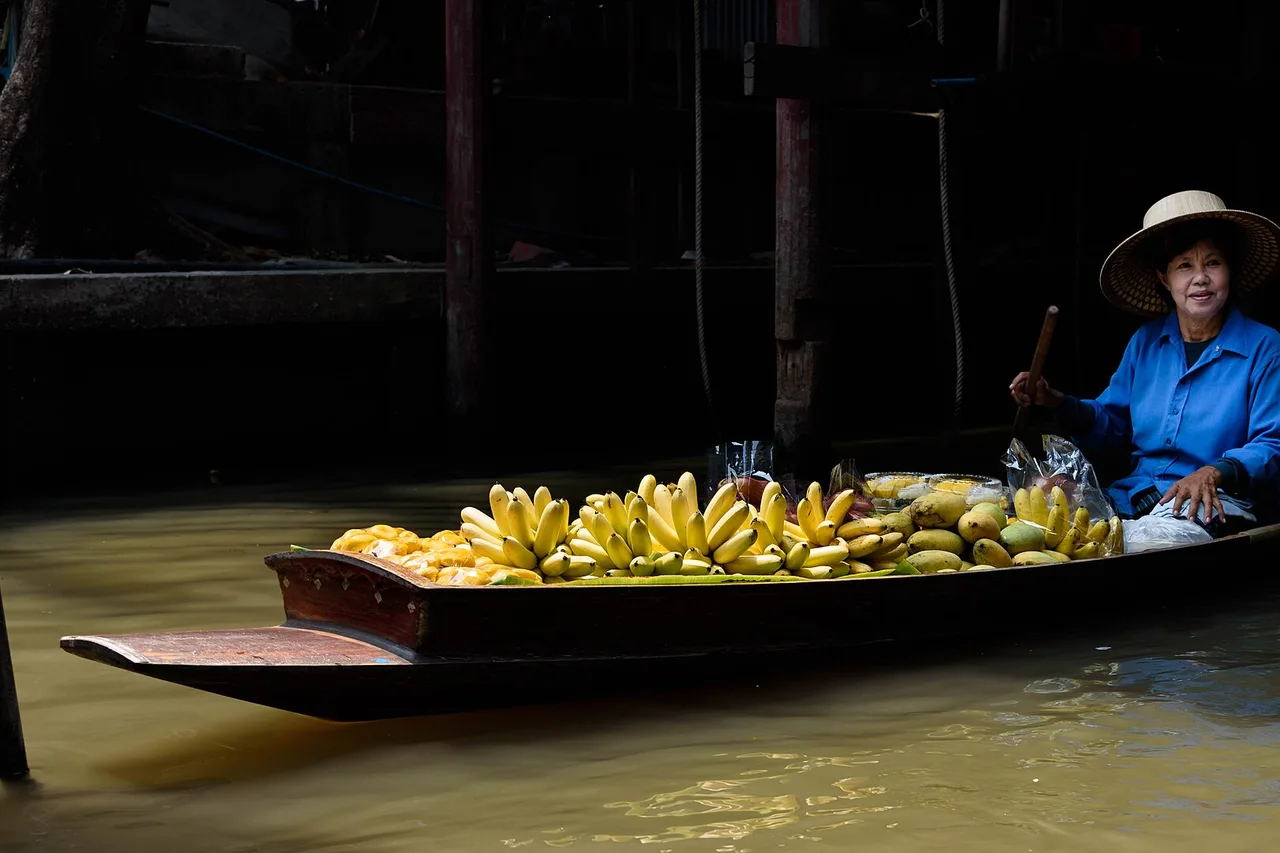
This is the most effective lever in the whole article, and it demands no sacrifice: moving three nights from the islands to the north shifts a three-week total more reliably than giving up restaurants for twenty-one days. And since the coast to pick depends on the month anyway — the whole point of our seasons guide — you may as well make the trade on duration rather than on quality.
One nuance: islands are not uniformly expensive. On the same island, moving two kilometres back from the main beach often halves the room price, for ten minutes on a scooter.
Cash is an item in its own right
This is the invisible line of travel budgets, and it can be quantified. Thai ATMs apply a flat fee per withdrawal, independent of the amount, on top of whatever your own bank takes. Sources diverge on its level and we will not arbitrate: 220 baht is the historic figure still widely quoted, 250 baht recurs for Visa cards in 2026, up to 350 for some Mastercards, and the AEON network is cited at 150.
Whatever the exact figure, the consequence is the same and it is arithmetic: eight small withdrawals cost the fee eight times; two large ones cost it twice. Over three weeks the gap easily reaches 1,500 baht — a hotel night, lost in a cash machine.
The second move is more profitable still, and free: when the machine offers to charge you in euros rather than baht, decline. That "dynamic conversion" uses the ATM operator's rate, consistently worse than your card network's. Always choose to be charged in baht.
Finally, plan a real cash reserve: park gates, markets, street stalls, long-tail boats and minivans all run on cash. Cards work in hotels, malls and large chains — that is to say, precisely where you spend the most.
Staying connected: small item, large difference
It is a modest spend but a structural one: without mobile data you take taxis instead of comparing, you miss ferry times, and you pay more by default for lack of information. Thailand being outside the European Union, your plan's roaming does not apply and out-of-plan use there is billed at full price.
Two routes. A local SIM, bought at the airport or in a shop, remains the cheapest per gigabyte; it needs a passport and some counter time. An eSIM, activated before departure, costs a little more but works on landing — which matters on day one, when you need to order transport. Comparing Thailand eSIM plans takes five minutes; the difference between offers is mostly data volume, rarely coverage, which is good everywhere except in the mountains.
Full guide: Thailand eSIM: AIS vs True, real prices and pitfalls
Count this under "other" in the table: 100 to 400 baht a day depending on regime, laundry and water included. It is not a line that derails a budget, but it is the one whose absence derails others.
What actually blows a budget up
Domestic flights booked at the last minute. Reserved three weeks ahead they are reasonable; bought the day before they cost a third of a week of travel.
Alcohol. The one item where Thailand is not cheap. Three imported beers a day come, over three weeks, to more than three weeks of a backpacker's food.
Excursions sold at the hotel. The same outing booked at reception, in a street agency or online varies by a factor of two. Comparing takes ten minutes; and the real trap is not the posted price but what it includes — park entry, the meal, the equipment.
The scooter without an international licence. This is not a budget line, it is a financial risk: travel insurance almost never covers a rider without a valid licence, and an accident is then paid in full.
What does NOT blow a budget up, on the other hand: meals, temples, city transport, markets. The country is genuinely cheap on daily life. It is expensive on three things only — speed, alcohol, and the islands in high season. A budget that holds is almost always one that arbitrated those three, not one that went without.
Top-rated activities in Thailand, bookable online: