Vietnam is 1,650 kilometres long, and almost every list names thirty places you "must" see. In two or three weeks you will see half of them. This list gives the 15 that genuinely earn the journey, from north to south, with the 2026 entry price for foreigners, the hour or season that changes everything, and what you need to book ahead. At the end, we say plainly what you can skip.
The 15 highlights at a glance
The table gives the 2026 entry price for a foreign adult, in Vietnamese dong. One euro is about 30,000 dong, so 300,000 dong is roughly €10. The last column is the most useful: almost everything is paid on the spot, but two experiences are better booked ahead.
| # | Place | Entry (dong) | Book ahead? |
|---|---|---|---|
| 1 | Hanoi Old Quarter | free | no |
| 2 | Ha Long or Lan Ha Bay | Ha Long: 290,000 per day | yes, the cruise |
| 3 | Tràng An (Ninh Bình) | 300,000 (boat) | no |
| 4 | Sapa and Fansipan | 850,000 (cable car) | no |
| 5 | Hà Giang Loop | driver, price varies | yes, the driver |
| 6 | Paradise Cave (Phong Nha) | 270,000 | no |
| 7 | Huế Imperial City | 200,000 (with tombs 530,000) | no |
| 8 | Hải Vân Pass | free | no |
| 9 | Hội An old town | 120,000 (5 coupons) | no |
| 10 | Mỹ Sơn | 150,000 | no |
| 11 | Đà Nẵng | free | no |
| 12 | War Remnants Museum (Saigon) | 40,000 | no |
| 13 | Củ Chi Tunnels | 90,000 to 110,000 | no |
| 14 | Mekong Delta, Cái Răng | boat, price negotiated | the evening before |
| 15 | Street food | one to two euros a dish | no |
Two things to know. First, prices stay low: the most expensive stop on the list is the Fansipan cable car, at about €28. Second, distances do not: Hanoi to Saigon is over 1,700 kilometres by rail. Following the north–centre–south order saves you backtracking.
The north: Hanoi, the bay and Ninh Bình
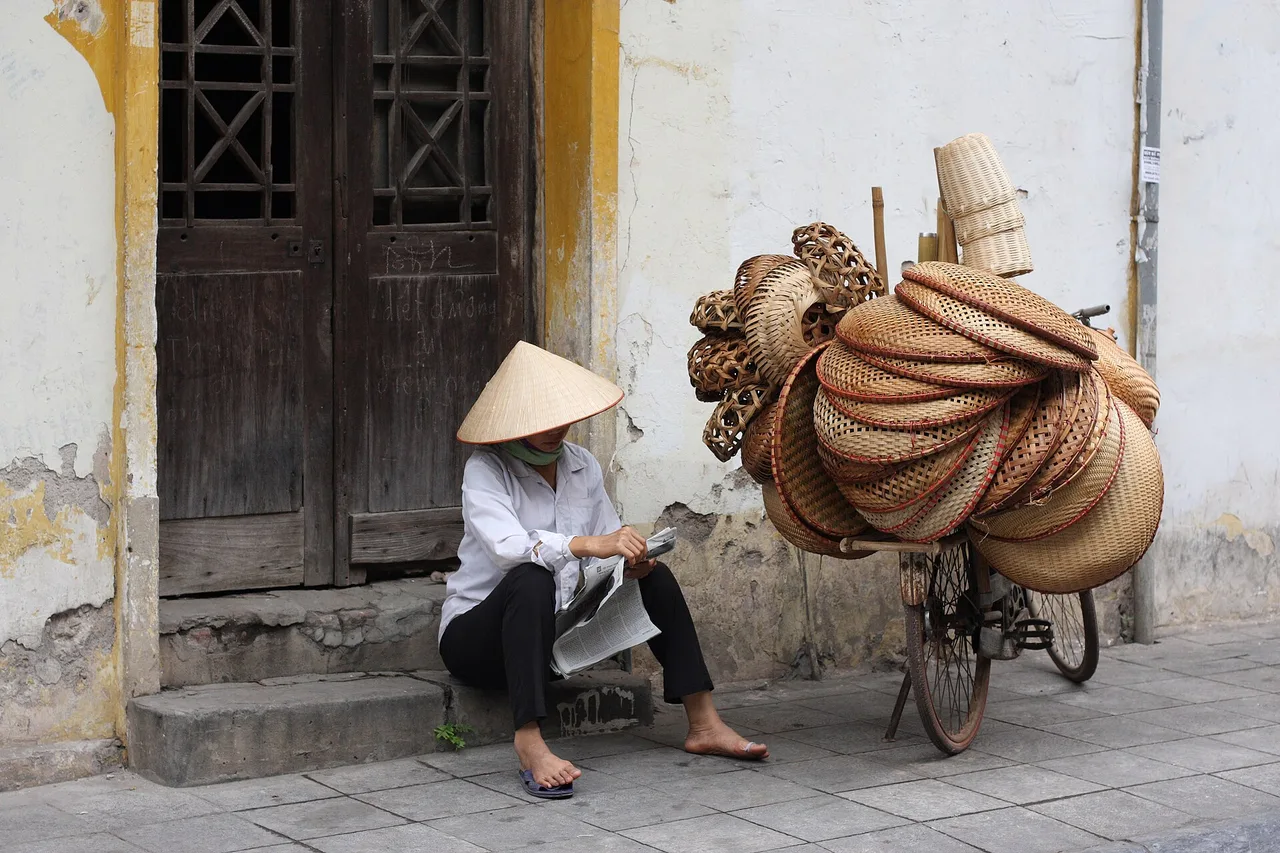
1. Hanoi's Old Quarter. The 36 streets around Hoàn Kiếm Lake were once organised by trade, and some still are: silk, tinwork, gravestones, paper goods. There is nothing to pay. Come early: around 6 am, older residents do their exercises by the lake, the street kitchens open, and the scooters have not arrived yet. At weekends the lakeside is closed to traffic in the evening.
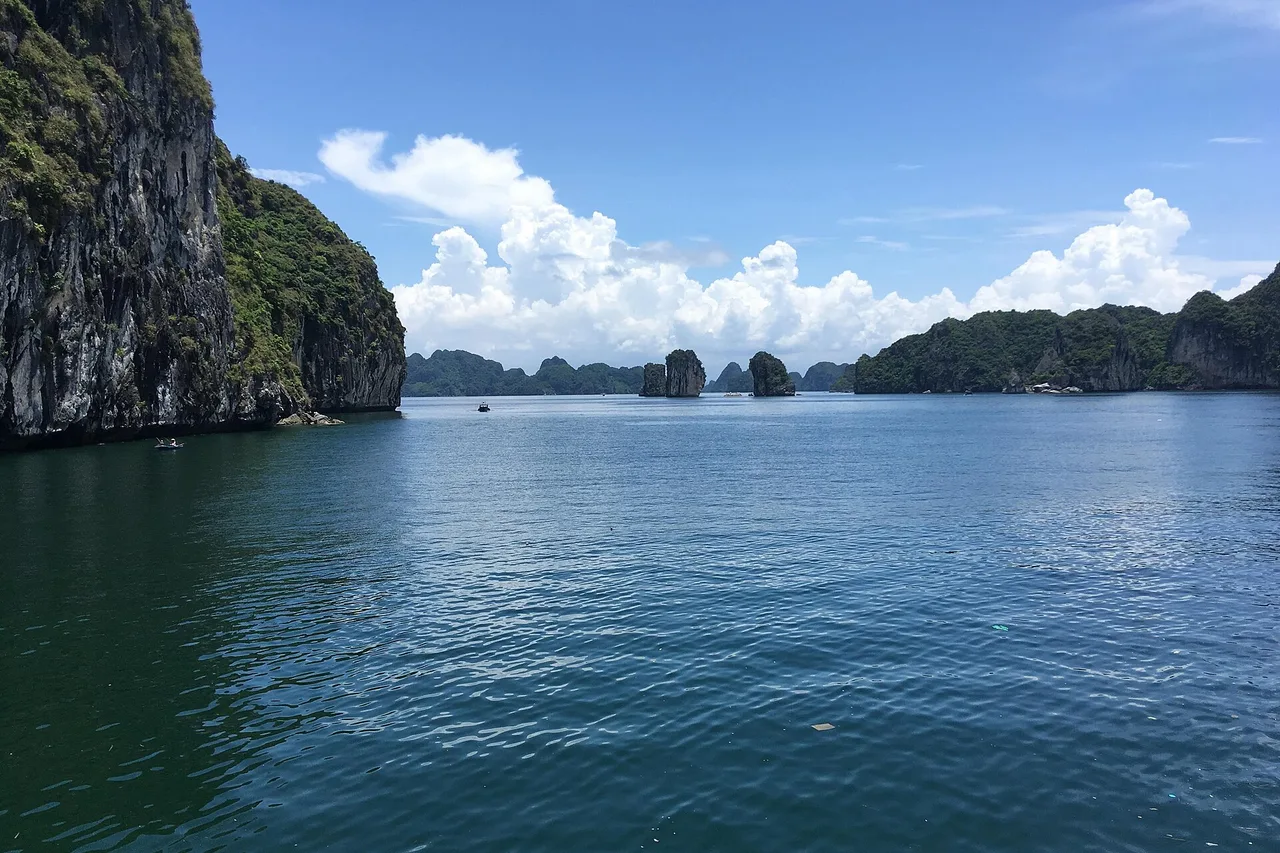
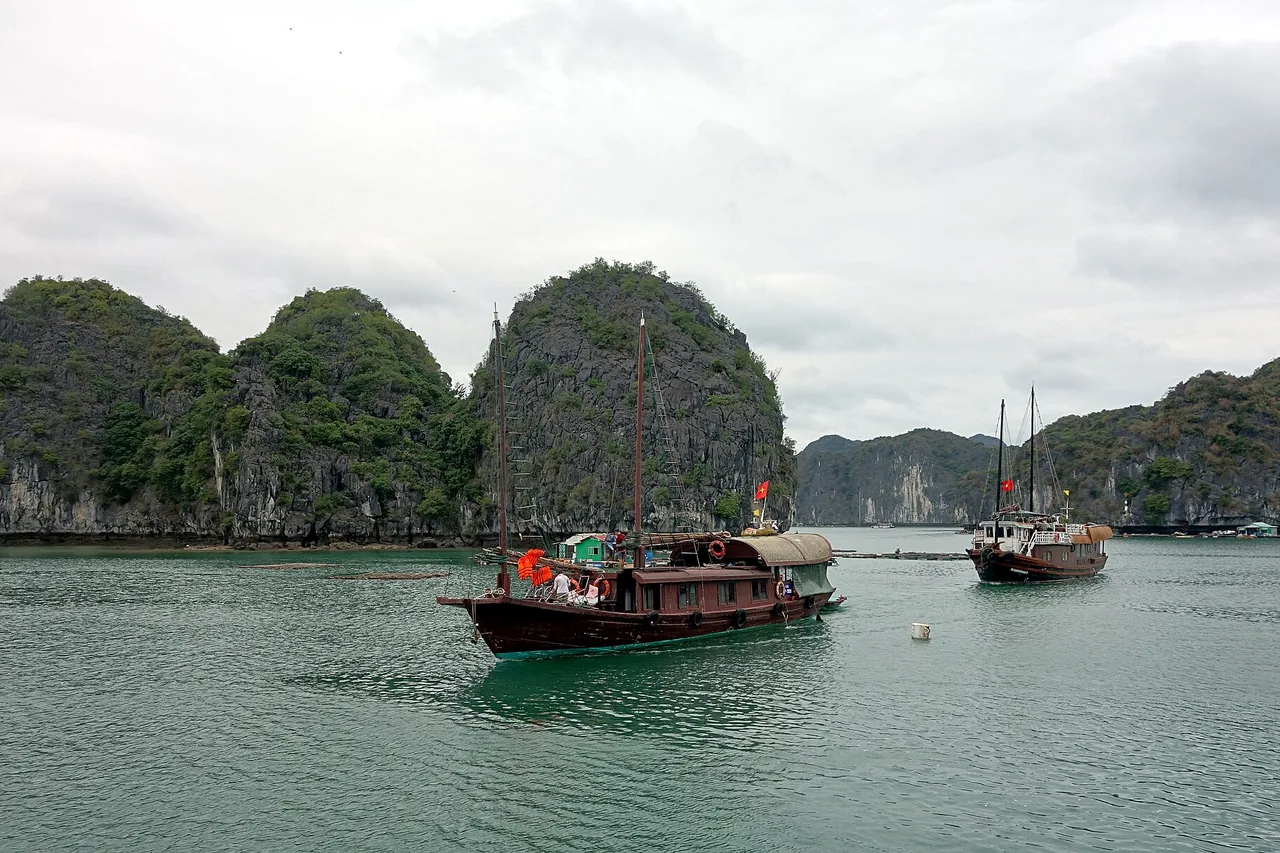
2. Ha Long Bay or Lan Ha Bay. Thousands of limestone karsts rising from the sea, a World Heritage site. For a day cruise in Ha Long (routes 1 and 2), each passenger pays 290,000 dong in fees, about €10; with a night on board, 550,000 to 600,000 dong depending on the zone. Check whether the fees are included in the cruise price. Neighbouring Lan Ha Bay, reached from Cát Bà Island or Hải Phòng, shows the same landscape with far fewer boats. This is where booking ahead pays off, especially overnight cruises in high season.
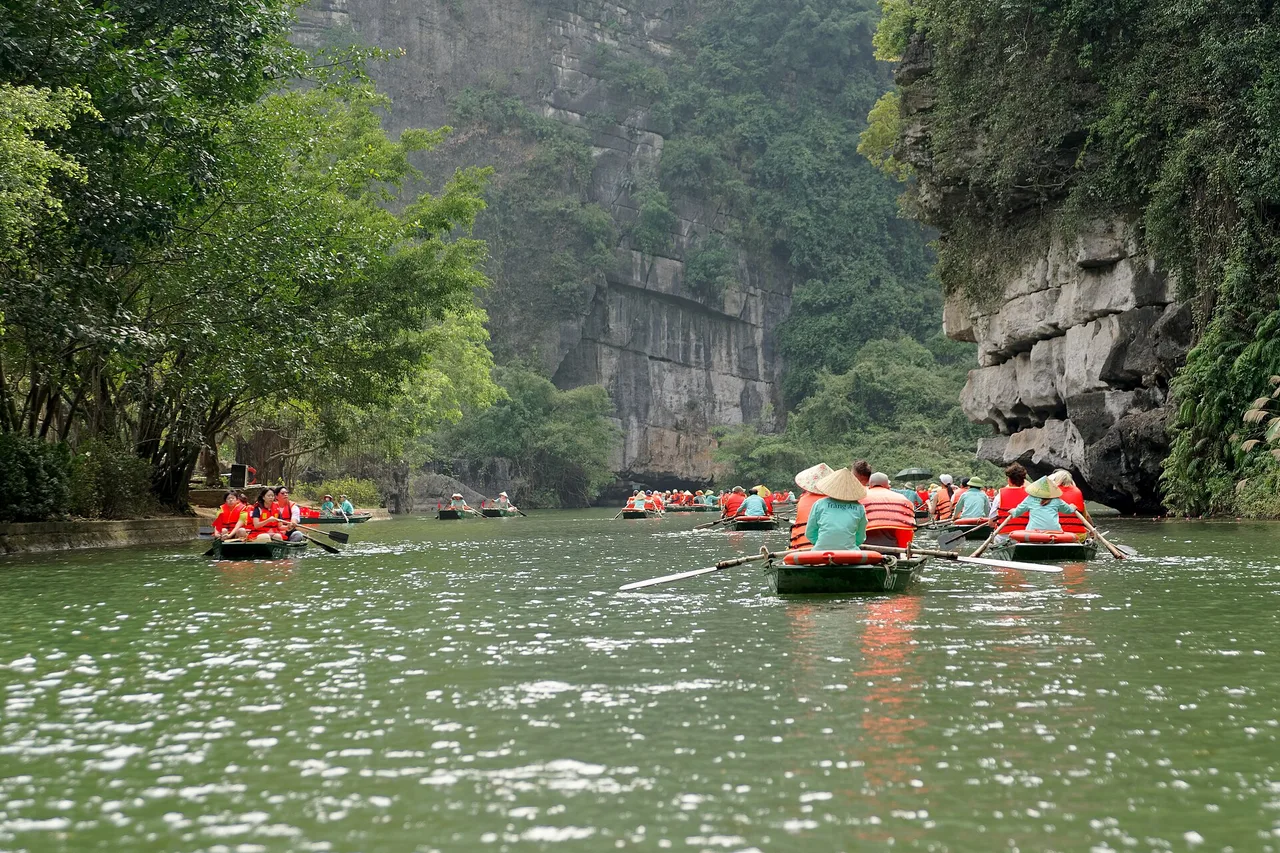
3. Tràng An near Ninh Bình. People call it "Ha Long Bay on land": rice fields and rivers between karsts, explored by rowing boat, including through low caves. Since 1 January 2026, the boat costs 300,000 dong, about €10. Ninh Bình is about 90 kilometres south of Hanoi, an hour and a half by car: a night there beats a day trip, because at 7 am the river is almost empty.
The northern mountains: Sapa and Hà Giang
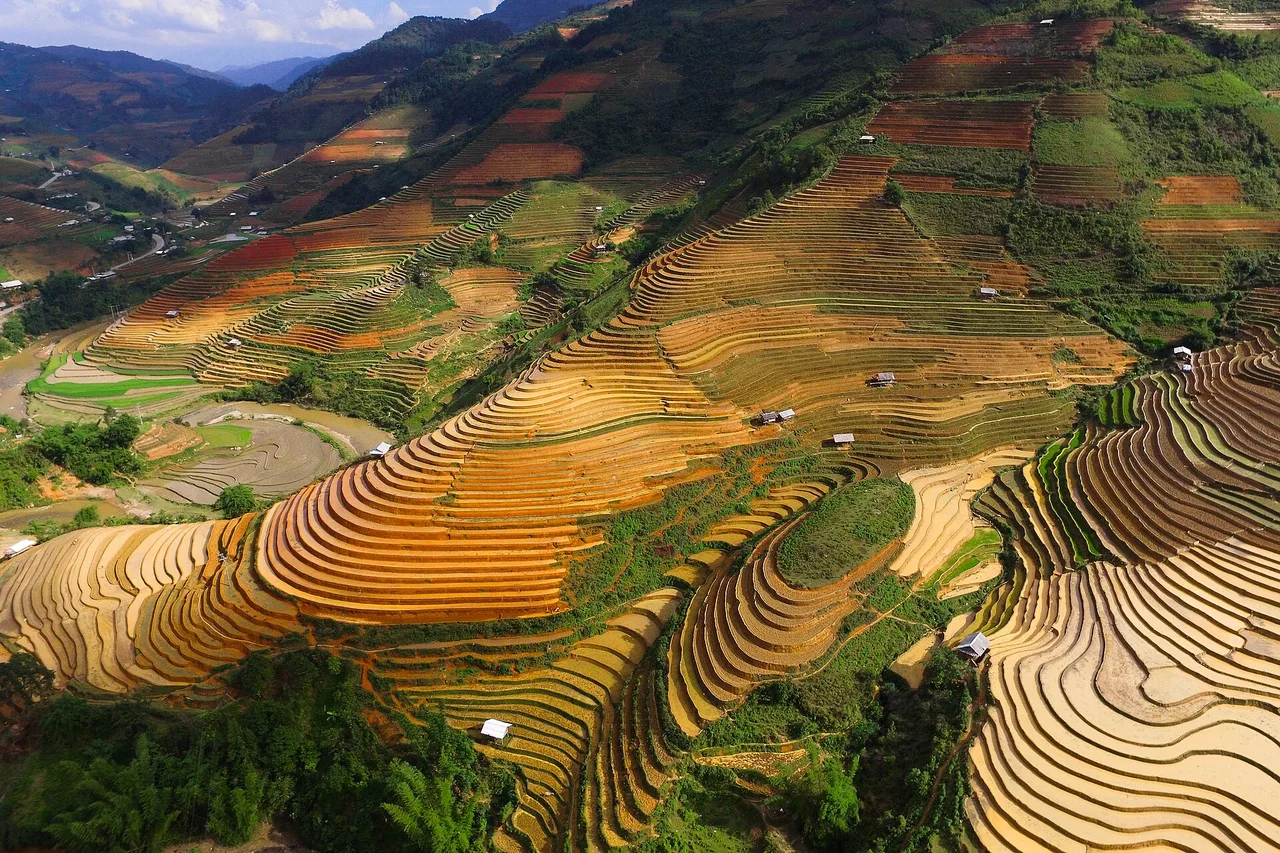
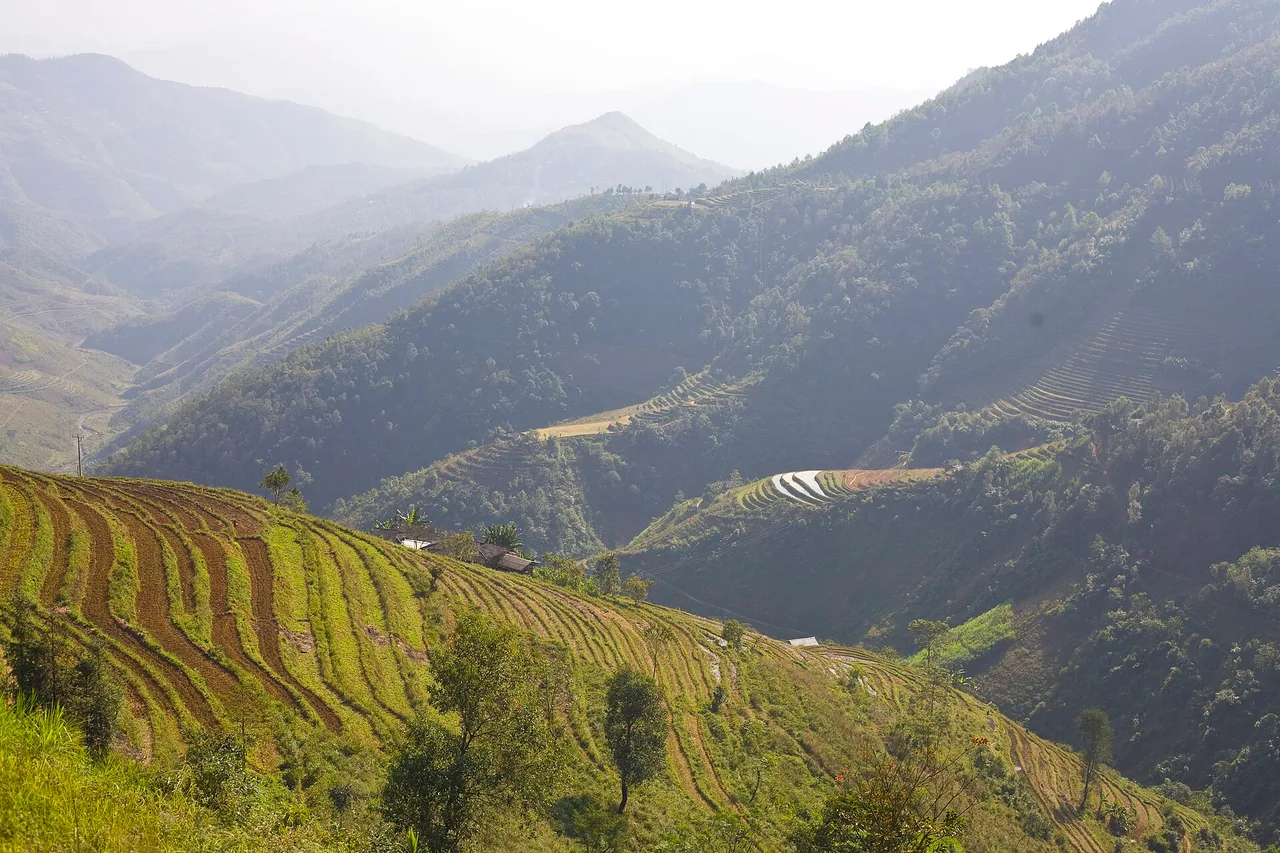
4. Sapa and Fansipan. Sapa is worth it for what lies outside the town: the rice terraces and villages of the valley, best discovered on foot and ideally with a local guide. The town itself is densely built. The cable car up Fansipan, the highest peak in Indochina, costs 850,000 dong return, about €28. Take it only on a clear day: the summit is often in cloud, and then you have paid a lot for a grey picture. The terraces are at their most golden just before harvest, in late summer.
5. The Hà Giang Loop. The most spectacular mountain road in the country, along the Chinese border, usually ridden in three or four days. Here is a rule many lists leave out: to ride yourself, you need your national motorbike licence plus an International Driving Permit under the 1968 Convention, category A. The 1949 version is not recognised, and the United States is not a party to the 1968 Convention. Since 2025 police checks have become more frequent; without valid papers the fine is 1.5 to 2 million dong, the bike is impounded, and your travel insurance may refuse to cover an accident. The solution is an "easy rider": you sit on the back, a local driver steers. Book that driver ahead.
The centre: caves, emperors and lanterns
6. Paradise Cave in Phong Nha. Phong Nha-Kẻ Bàng National Park holds some of the largest caves in the world. Paradise Cave is the most accessible: a wooden boardwalk runs more than a kilometre inside, between formations the size of cathedrals. Entry is 270,000 dong, about €9, including the electric shuttle from the car park. Allow two to three days for the area, which lies between Hanoi and Huế.
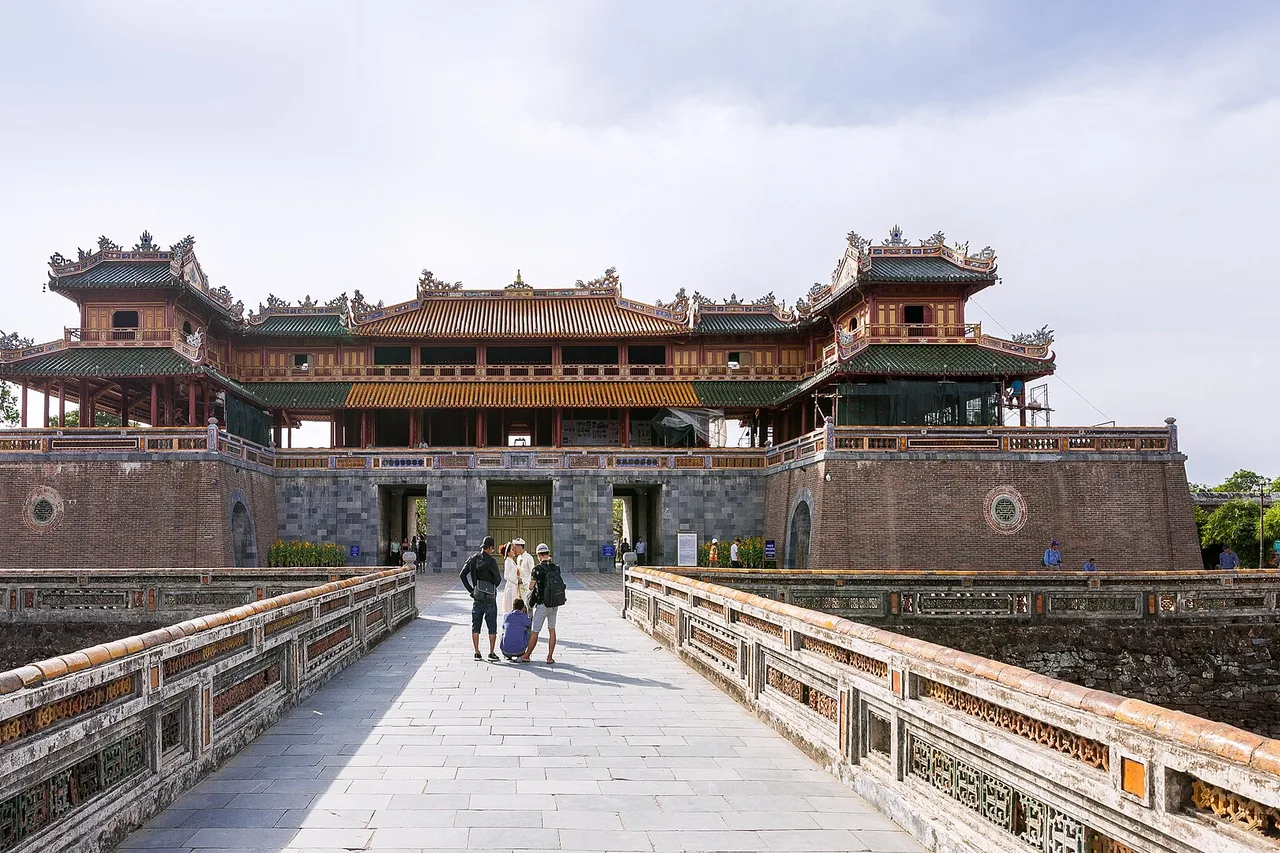
7. Huế's Imperial City. Huế was the capital of the Nguyễn emperors until 1945. The citadel costs 200,000 dong, about €7; the package with the tombs of Minh Mạng, Khải Định and Tự Đức, 530,000 dong, about €18. The tombs lie outside town, among greenery: a driver or a bicycle saves time. Is Huế worth it? For a full day, yes – and for the road that follows.
8. The Hải Vân Pass. Between Huế and Hội An, the old road climbs over a ridge that drops into the sea. Direct, it is 130 to 140 kilometres and three hours; with photo stops, four to five. A car with driver or an easy rider turns it into an outing rather than a transfer. In fog – it is called the Pass of Clouds – you see little: go in the morning if you can.
Full guide: Hanoi & Saigon Airport to City Centre: Bus, Grab, Taxi
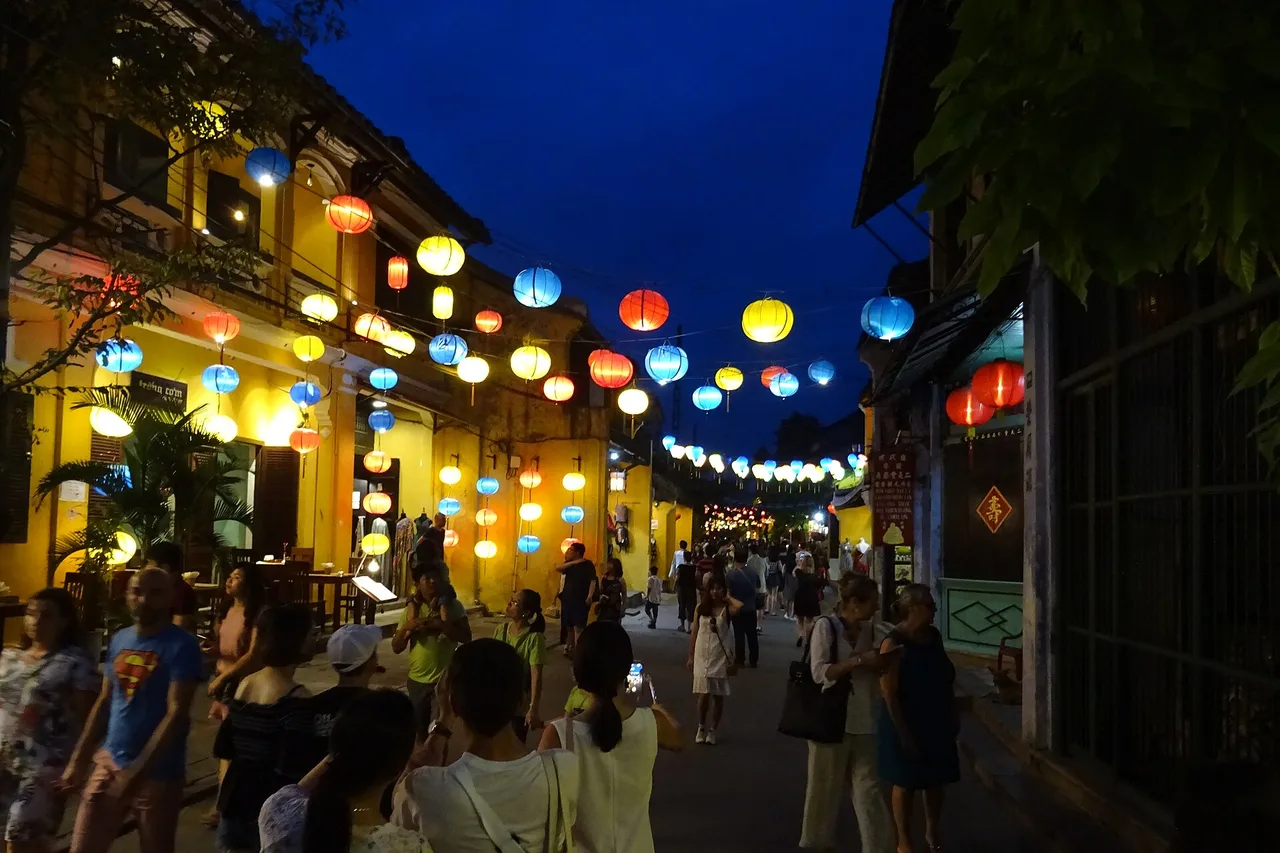
9. Hội An's old town. An old trading port with Chinese assembly halls, a Japanese bridge and yellow houses. The lanes are free; the ticket for foreigners costs 120,000 dong, about €4, and gives five coupons for some 22 houses, temples and museums. By day it is hot and crowded; in the evening the lanterns come on. In October and November the river can flood the old town: that is the central region's rainy season.
10. Mỹ Sơn. The ruins of the Cham temples, an hour from Hội An, a World Heritage site. Entry is 150,000 dong for foreigners, open 6 am to 6 pm; aligning prices for locals and foreigners has been announced but not yet set. Come at opening time: the light is softer, and the coaches from Hội An arrive later.
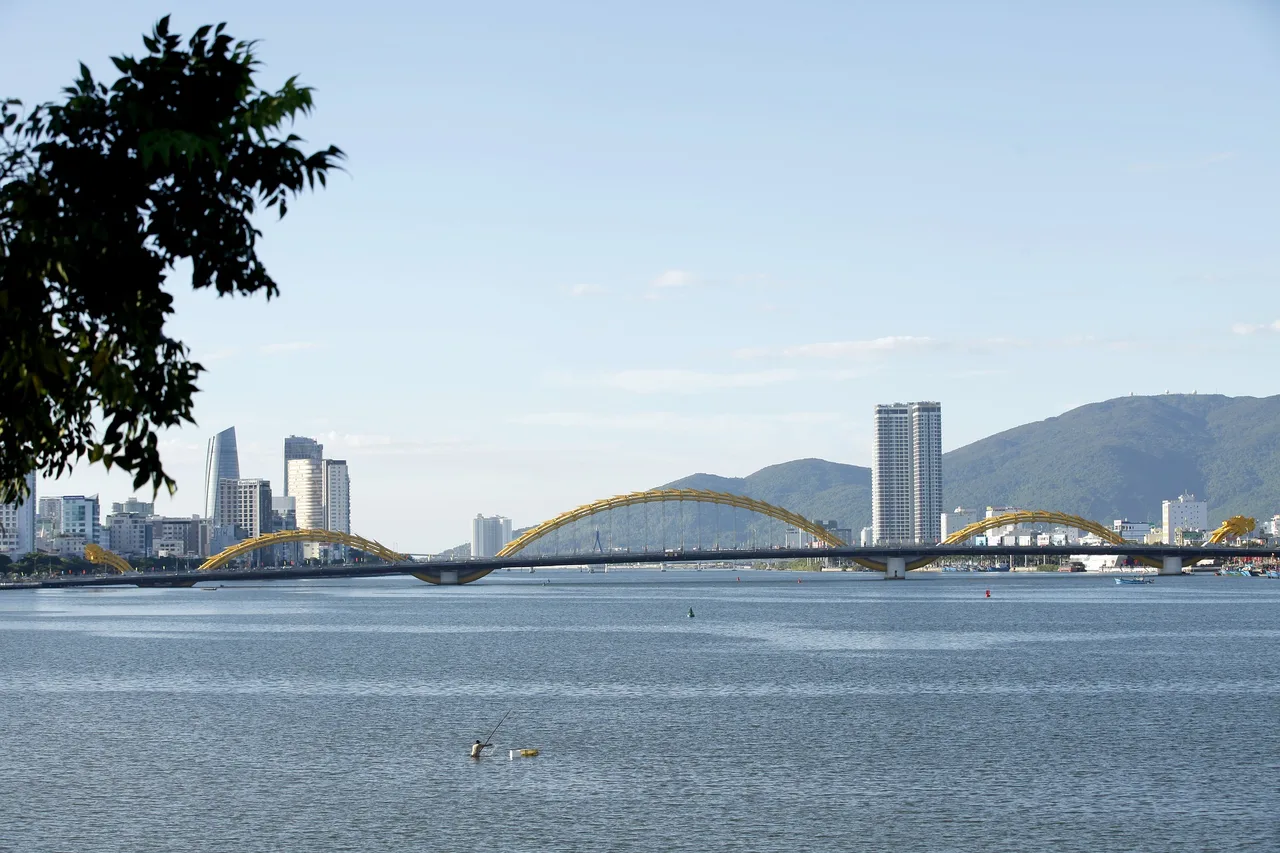
11. Đà Nẵng. Many people only land here. Yet the city has a long sandy beach right in the centre, Mỹ Khê, and the Dragon Bridge over the Hàn River. It is also the most practical base for Hội An and Mỹ Sơn, with the biggest airport in central Vietnam.
The south: Saigon, Củ Chi and the Mekong Delta
12. The War Remnants Museum in Ho Chi Minh City. The place that tells the story of the Vietnam War from the Vietnamese side: photographs, aircraft, the legacy of Agent Orange. It is hard to take in, and that is the point. Entry is 40,000 dong, open 7:30 am to 5:30 pm, ticket office closing at 5 pm; since February 2026 tickets can also be bought online on the museum's website.
13. The Củ Chi Tunnels. A network of passages where the guerrillas lived and fought. Two sites: Bến Dình, 45 kilometres from Saigon, about 110,000 dong, very busy, with widened tunnels; Bến Dược, 57 kilometres, 90,000 to 100,000 dong, fewer visitors and tunnels at their original size. Both open 8 am to 5 pm. If you are claustrophobic, you can stay above ground.
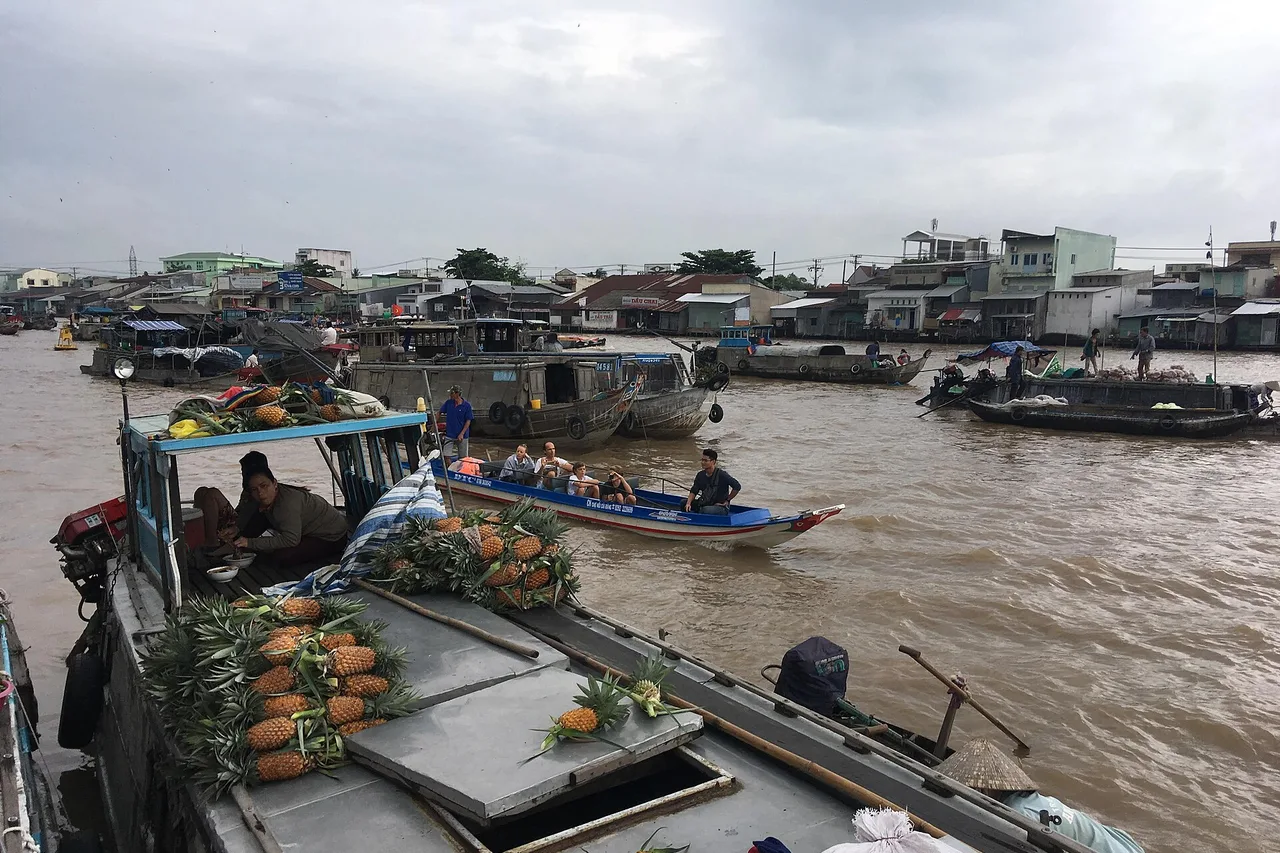
14. The Mekong Delta and Cái Răng market. The floating market near Cần Thơ starts around 4:30 am, is liveliest between 5:30 and 7:30, and after 9 is little more than a stage for tourist boats. To be honest: it is shrinking. Before 2020, 300 to 500 traders' boats gathered there every morning; today it is 50 to 100, because roads and bridges now favour trucks. The sunrise boat ride is still lovely – if you sleep in Cần Thơ and arrange the boat the evening before.
Highlight number 15: eating on the street
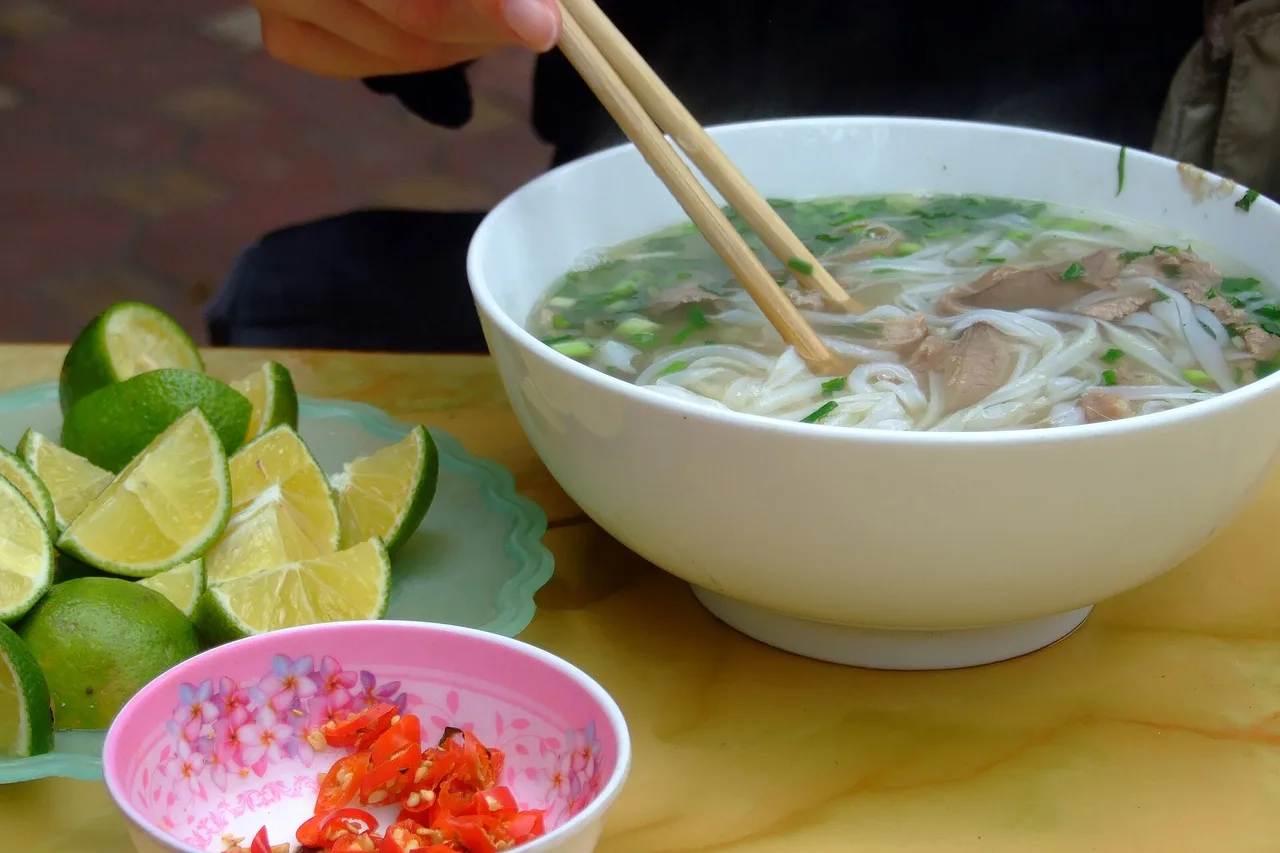
15. Street food. Vietnam's best food is served on plastic stools, usually for one to two euros a dish. Phở for breakfast and bún chả for lunch in Hanoi, bún bò in Huế, cao lầu in Hội An, bánh mì everywhere, rice noodles and fruit in the delta. The rule: eat where locals crowd in and the pot empties fast. What has just been cooked is fresh.
What is not worth the detour
An honest list needs this paragraph. Ba Na Hills near Đà Nẵng: the "Golden Bridge" held up by two stone hands is famous; the rest is a theme park with a mock French village. Entry is 1,000,000 dong before 3 pm, about €33, and the bridge is packed. Hanoi's "Train Street": the cafés along the tracks have been cleared by police several times and reopened every time; in January 2026 Hanoi proposed stopping passenger trains on that stretch. You will only know whether a train still comes once you are there.
And two classics that only pay off in the right form: Ha Long as a day trip from Hanoi means nearly five hours on the road for a few hours on the water – a night on board or on Cát Bà changes everything. And Cái Răng after 8 am: by then you mostly see other tourists.
Practical: visa, cash, distances
Visa. British, German, French, Italian and Spanish citizens can stay 45 days visa-free until 14 March 2028. Others should check their rules before travelling; without an exemption there is an e-visa for 25 US dollars, valid for up to 90 days.
Cash. One euro is about 30,000 dong. Major sights often take cards; street kitchens, boats and easy riders almost never do. Watch the zeros: the 20,000 and 500,000 dong notes are both bluish.
Distances. For the long stretches – Hanoi–Huế, Đà Nẵng–Saigon – fly or take the night train. Renting a car without a driver makes little sense for tourists: the same licence rules apply as for motorbikes, and traffic is dense. In the centre and north, a car with driver for the day is the most comfortable option.
Fifteen places, almost all under ten euros to enter, two to book ahead, and two that are only worth it at the right hour. That is Vietnam: the list does not decide – the order and the clock do.