The best time to swim in Croatia without the crowds is the second half of June and September. The sea is then around 21 to 23 degrees, and there are far fewer visitors than in July and August. Here is, month by month, how warm the water is, how busy it gets, and where to go in May or October.
The short answer
If you want warm sea and space on the beach, go in the second half of June or in September. In both periods the water is warm enough for long swims, and there are noticeably fewer people than in July and August. This article is based on average sea temperatures off Split and on the official 2025 visitor figures from the Croatian Bureau of Statistics.
| Month | Sea (average, Split) | Crowds | For swimming |
|---|---|---|---|
| May | ≈ 18 °C | low | for the hardy |
| June | ≈ 21–22 °C | medium | good, very good from mid-June |
| July | ≈ 24 °C | very high | warm but packed |
| August | ≈ 24 °C | very high | warm but packed |
| September | ≈ 22–24 °C | medium | the best choice |
| October | ≈ 20–21 °C | low | often possible in the south |
These are long-term averages and vary by one or two degrees between sources. A storm can cool the water in a day, a heatwave can warm it. The table shows a trend, not a guarantee.
July and August: warm, but packed
In high summer the sea is at its warmest: about 24 degrees off Split and up to 25 degrees off Dubrovnik. But that is exactly when most of Europe arrives. According to the Croatian Bureau of Statistics, about 4.4 million visitors stayed in commercial accommodation in July 2025 – almost twice as many as in September. August is similar, especially around 15 August, a public holiday in Croatia.
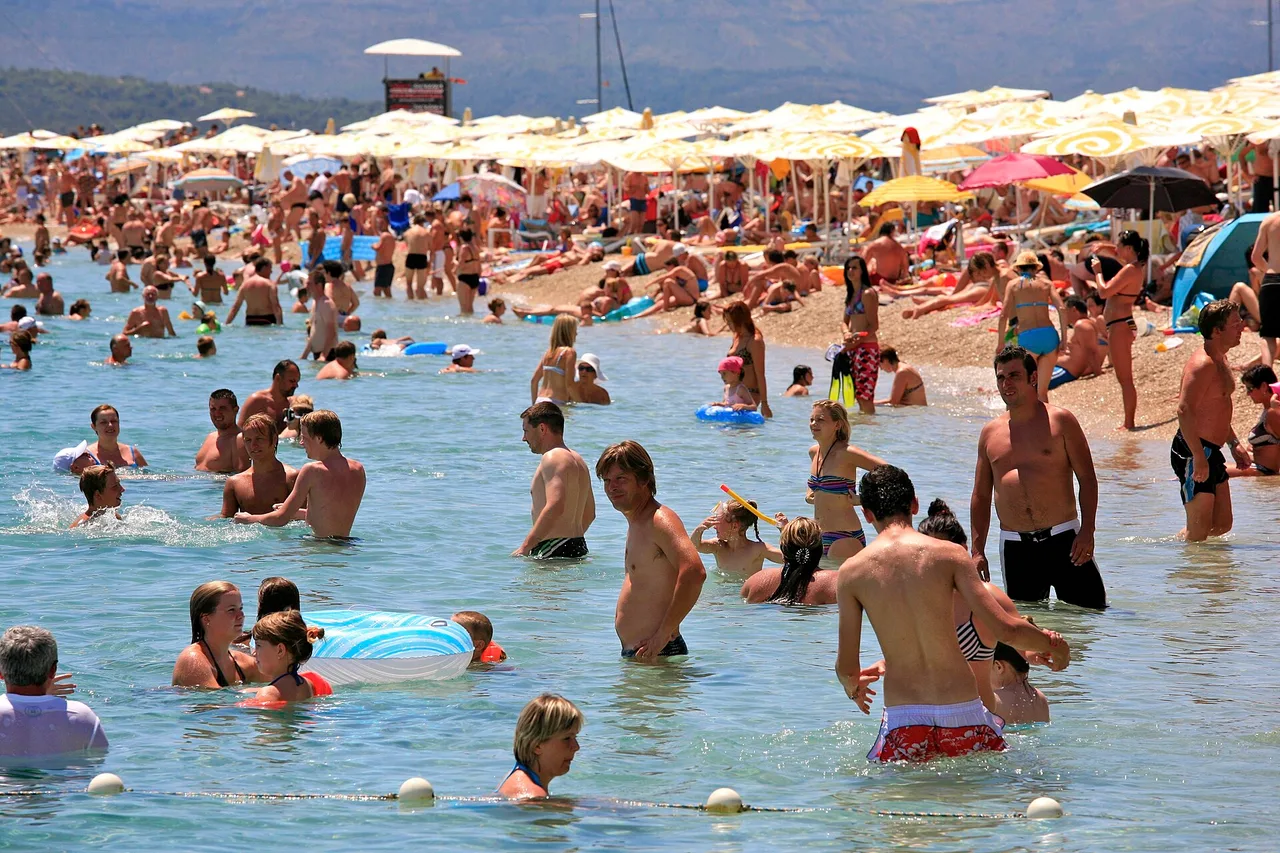
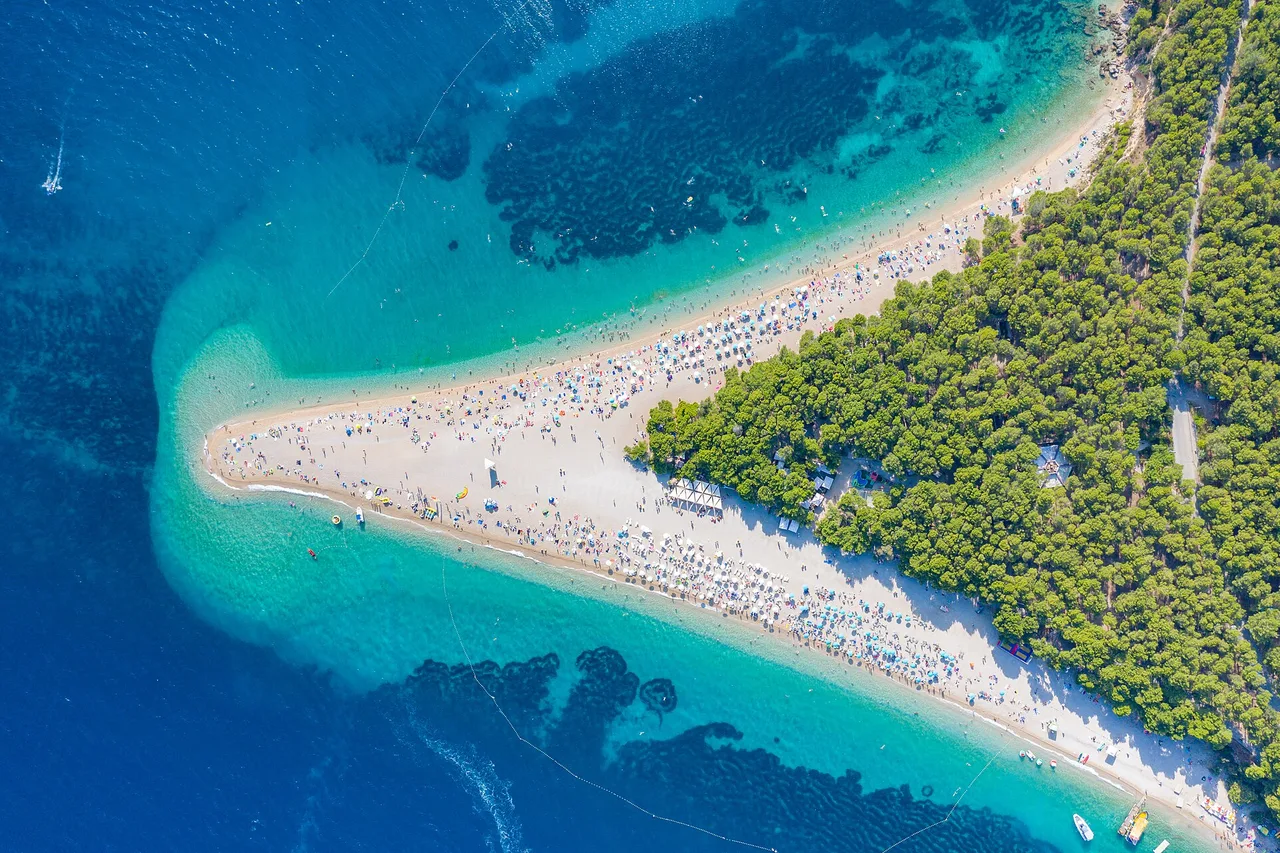
You feel it everywhere: queues at the ferries, full car parks at the well-known beaches, towel to towel at Zlatni Rat or in Dubrovnik. If summer is your only option, swim early in the morning and skip the most famous beaches.
June: the sea warms up, the crowds are not there yet
In early June the sea averages around 21 degrees – fine for a swim, still cool for some. From mid-June it is pleasant for almost everyone, and the big holiday waves have not started. In June 2025 the statistics office counted about 3.2 million visitors: more than in September, but far fewer than in July.
The upside of June: the longest days of the year, restaurants and boats all running, and green landscapes. The downside: Whitsun and bank-holiday breaks in some countries can fill certain weeks.
September: the best choice for swimming
By September the sea has stored the whole summer. At around 22 to 24 degrees it is warmer than in June, and warmest in the first half of the month. At the same time the crowds thin out: about 2.4 million visitors in September 2025, more than 40 % fewer than in July.
It is not empty, though. In the German states of Bavaria and Baden-Württemberg, summer holidays last until mid-September, and the shoulder season grows more popular every year. The calmest mix of warm water and space is therefore often the second half of September. For a route, see our one-week Croatia itinerary from Split to Dubrovnik.
May and October: head south
At the edges of the season, the region makes all the difference. Istria, in the north, has a much shorter swimming season than Dalmatia: in May and October the water there is usually too cold for most people.
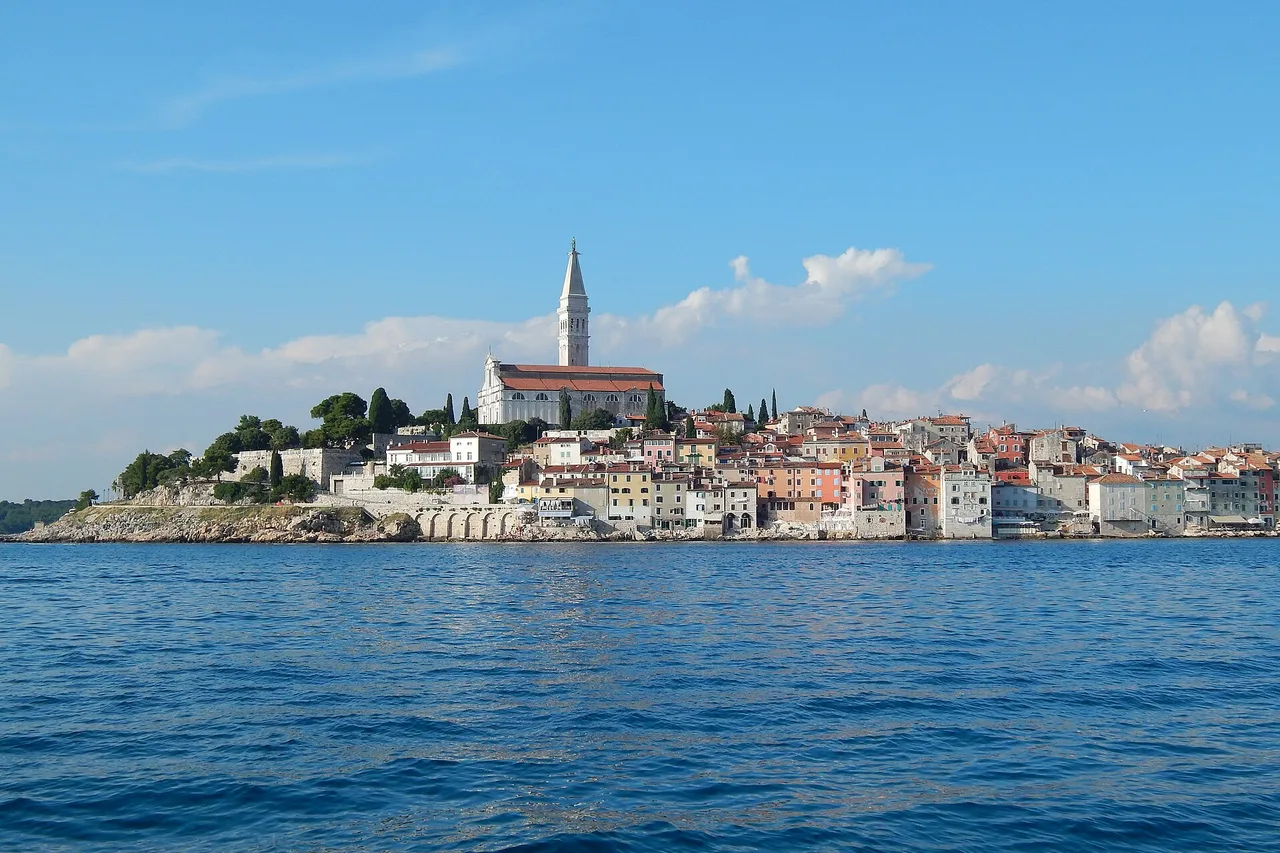
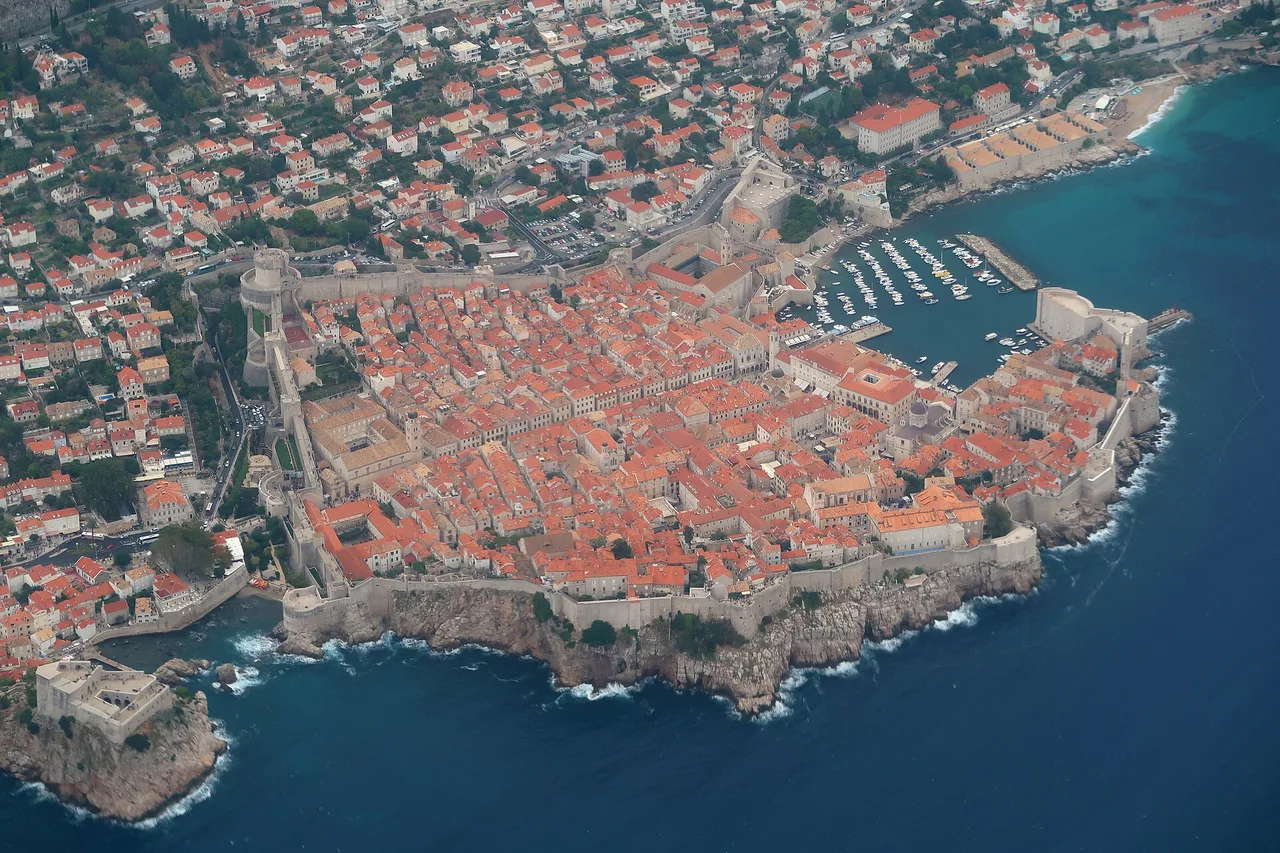
In the far south, around Dubrovnik, the sea stays warm the longest. In October it averages about 21 degrees there, the highest value on the Croatian coast. To swim in autumn, head south. Which area to stay in is compared in Where to stay in Dubrovnik.
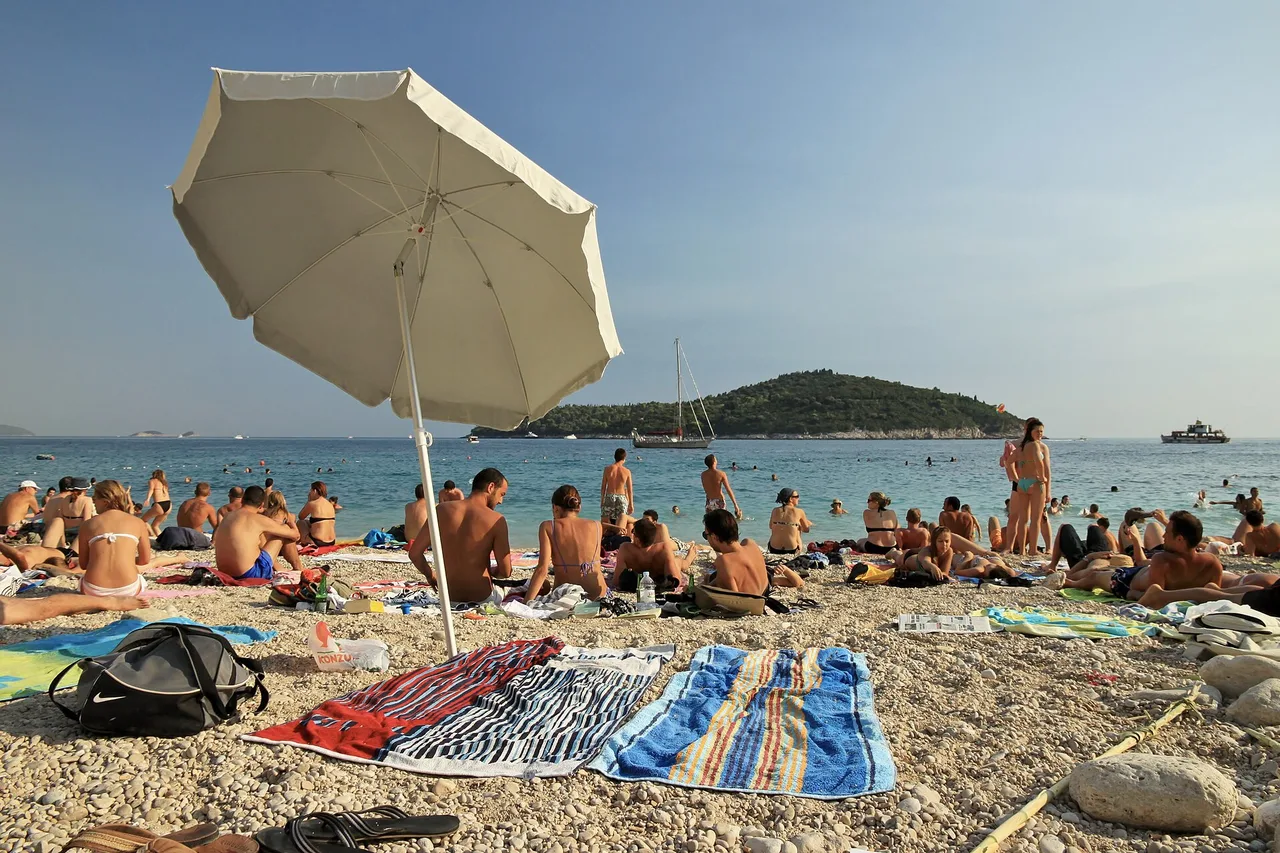
Keep in mind for October: the weather becomes more changeable, and many beach bars, boat trips and sea connections run less often after the summer timetable ends.
Where it is quieter, even in summer
The crowds gather in a few places: old-town beaches, postcard viewpoints, beaches with a big car park. Often a few hundred metres further on, it is already calmer. Three simple rules help:
1. Swim early. Before ten in the morning even famous beaches are relaxed, and the water is calm and clear.
2. Pick lesser-known islands. Hvar and Brač are the most famous. Korčula or Mljet are quieter. Our comparison: Hvar, Brač or Korčula.
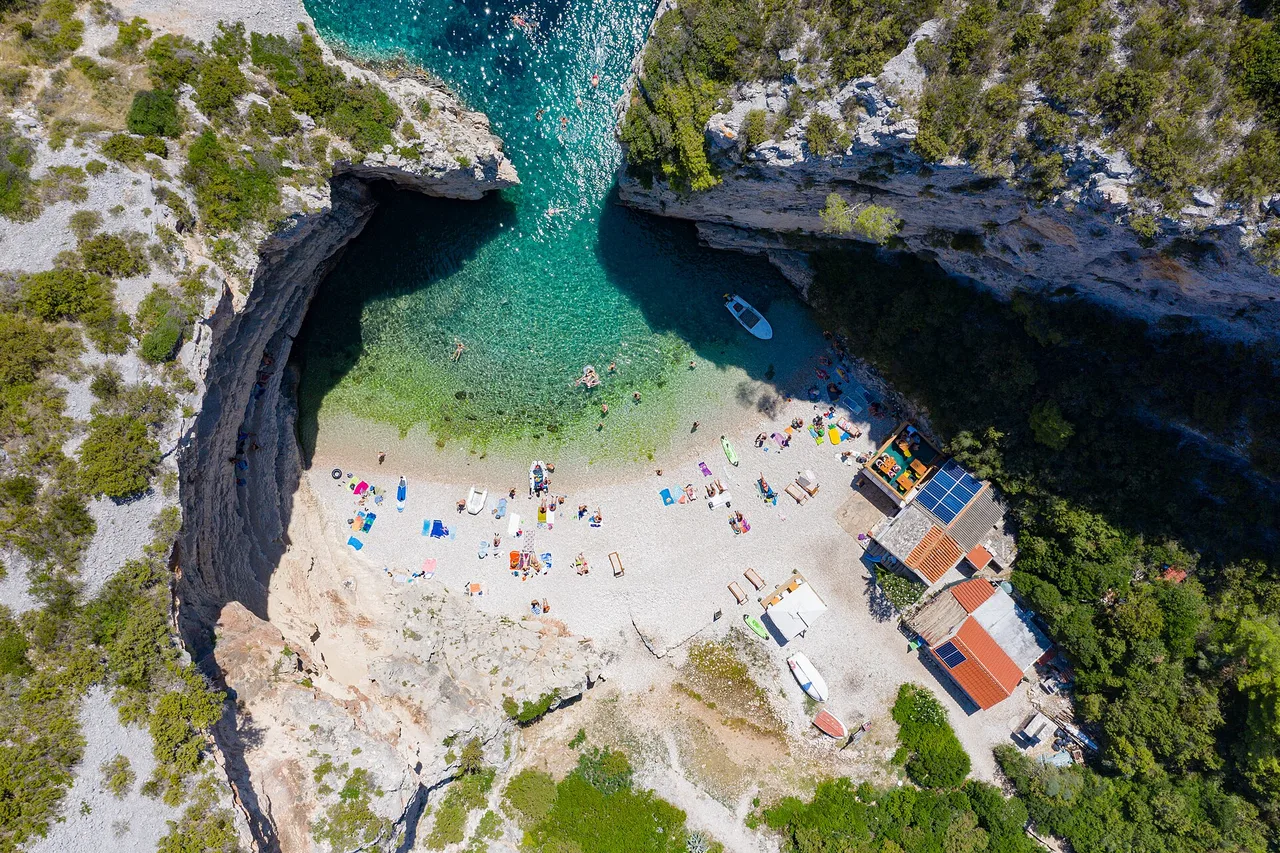
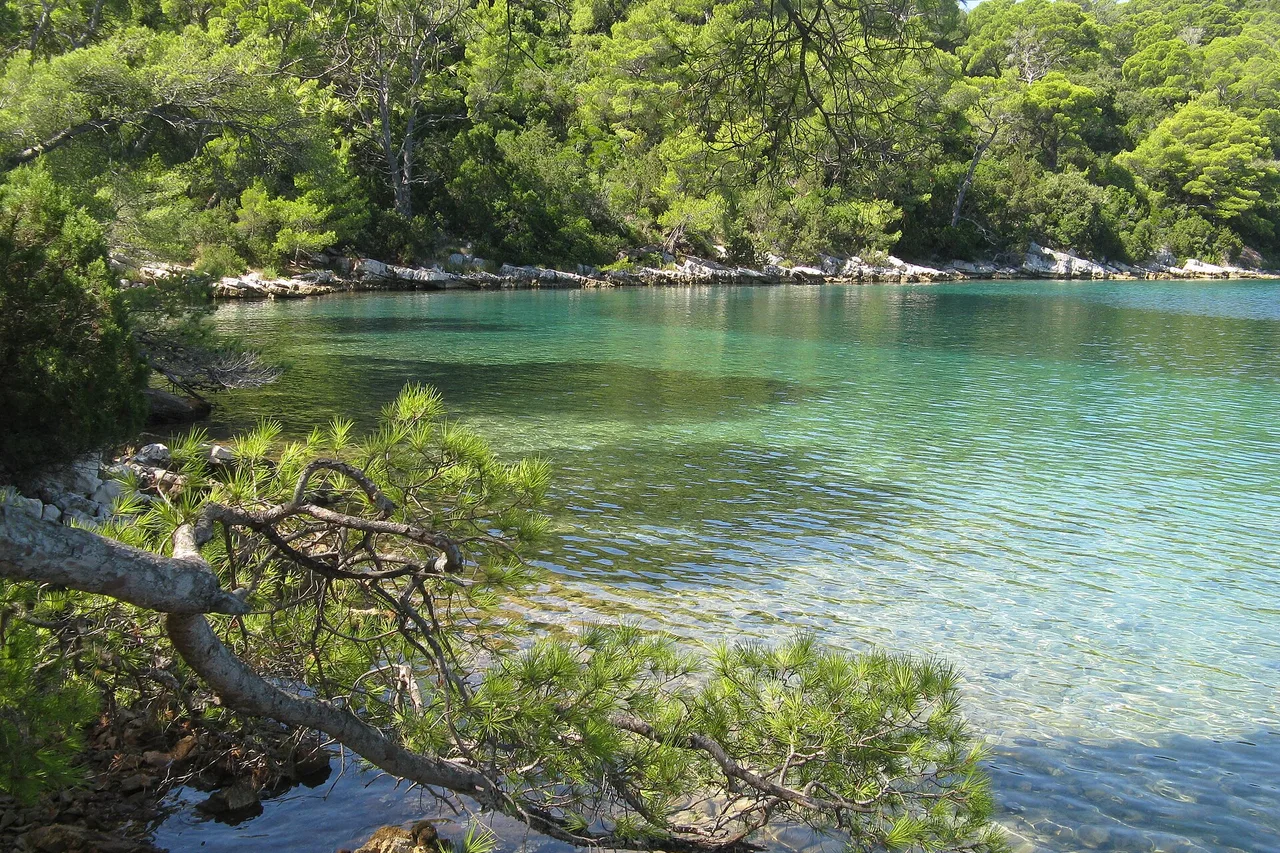
3. Choose rocky coves over sand. Croatia has little sand and many pebble and rock beaches. Small coves are harder to reach, and so less crowded.
No swimming: Krka and Plitvice
Many travellers remember old photos of people swimming under the Krka waterfalls. Since January 2021, swimming at Skradinski buk has been banned. In the Plitvice lakes it was never allowed. Both parks are still worth it – for looking, not swimming. The best way to visit Plitvice is in Plitvice Lakes: routes and tickets.
Practical tips for a beach holiday
Pack water shoes. They are more comfortable on pebbles and rocks, and there are sea urchins on rocky seabeds.
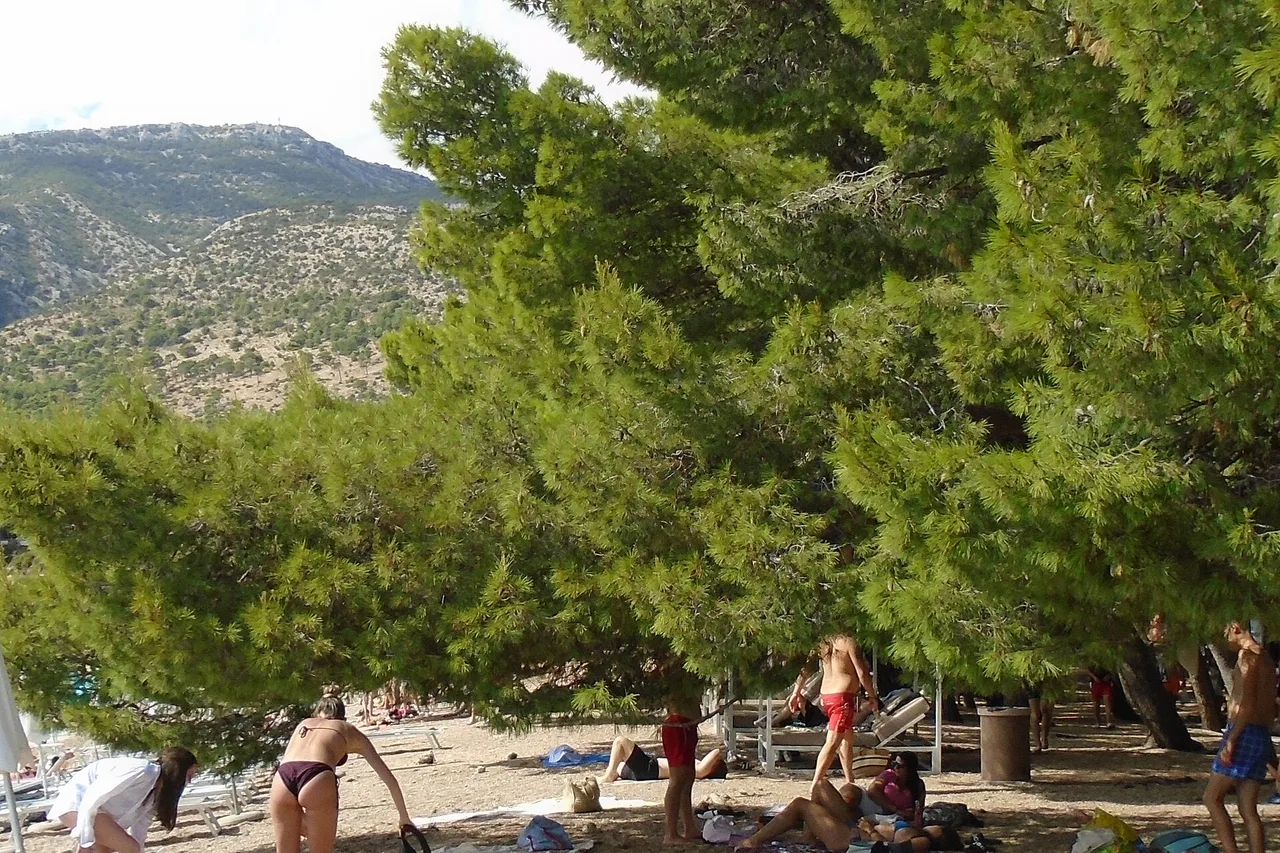
Avoid the midday sun. In July and August it is very hot around noon, and many pebble beaches have little natural shade. Pine woods by the sea are precious then.
Book accommodation early. Even in June and September the most popular places are not empty. The full cost of a trip is broken down in Croatia road trip budget for 10 days.
Which period suits you?
Families with school-age children are usually tied to the summer holidays. The rule is then simple: swim early, pick the quieter islands and avoid the most famous beaches. The sea is at its warmest in July and August – a real plus with children.
Couples and travellers without school dates do best in September. The water is warm, accommodation is easier to find, and the days are still long enough for both beach and excursions.
To combine swimming and nature, for example with a detour to the Plitvice Lakes, the second half of June works well: the forests are green and the sea is warm enough for the days on the coast.
If October is your only window, keep the swimming days for the far south, around Dubrovnik, and accept more changeable weather.
Bottom line
For swimming with fewer tourists in Croatia, September is the best choice, closely followed by the second half of June. In July and August the sea is warmest, but also busiest. In May and October the south around Dubrovnik beats Istria. The temperatures are averages: check the forecast before you leave.