The Pyramids of Giza are one of the great moments of any trip to Egypt – and the place in the country where visitors are most often parted from their money. The good news: since the plateau was redeveloped, with a new entrance and electric buses, much of it has become easier. Here are the prices, the opening hours and the most reported scams, each with its fix.
Visiting the Giza Pyramids: the essentials
Three things to know before you go. One: the main entrance is now on the south side of the plateau, on the Cairo–Fayoum road, with a visitor centre and ticket machines. Two: electric buses, included in your ticket, take you to the pyramids, the viewpoint and the Sphinx. So you don't need a horse or a camel to get around. Three: almost every scam at the pyramids starts with an offer you didn't ask for. Saying no politely and walking on avoids most of them.
Allow half a day. If you also want to go inside a pyramid and see the Grand Egyptian Museum, plan the whole day.
Tickets: how much does it cost?
The plateau ticket costs 700 Egyptian pounds for a foreign adult, about €12 (we use €1 ≈ 60 EGP). Students with an international ISIC card pay half. It gets you onto the site and to all the pyramids, but not inside them.
| Price | in euros | |
|---|---|---|
| Plateau (pyramids from outside, Sphinx) | 700 EGP | ≈ 12 € |
| Inside Khufu (extra) | 1,500 EGP | ≈ 25 € |
| Inside Khafre (extra) | 280 EGP | ≈ 5 € |
| Inside Menkaure (extra) | 200–280 EGP | ≈ 3–5 € |
These prices come from several 2026 guides and largely agree; for Menkaure the figures differ. Official prices are published by the Ministry of Tourism and Antiquities at egymonuments.gov.eg. Buy your ticket only there or at the visitor centre machines, never from someone in the street offering “no-queue tickets”.
Opening hours: daily from 7 am to 5 pm, last entry around 4 pm; during Ramadan the plateau opens later. Come at opening time: it's cooler, the light is better and the coaches haven't arrived yet.
Getting there: the new entrance and the buses
Many older accounts describe arriving through the gate by the Mena House hotel, among vendors and stables. According to recent guides, that entrance is closed. The main entrance is now in the south, on the Cairo–Fayoum road, with a large car park. Private cars no longer drive onto the site.
Electric buses run on the plateau. The operator, Orascom, announced 45 vehicles running about every five minutes. They are included in the ticket and stop at several stations: Khufu, the viewpoint, the Sphinx. In the first months some visitors complained about waiting in the heat, so allow time and carry water.
To get there from your hotel, many travellers use Uber or Careem: the price is set before the ride and the driver knows the destination. Ask specifically for the new entrance on the Fayoum road. For the app to work as soon as you land, it's worth taking a moment to install an Egypt eSIM before you leave: Egypt is outside the EU and roaming gets expensive quickly.
The most common scams, and how to avoid them
1. The “helper” at the gate. A friendly man tells you the ticket office is closed, the entrance has moved or tickets are only available through him. He then leads you to a stable or a shop. The fix: go straight to the visitor centre. Licensed guides wear ID and are booked in advance.
2. The fake inspector. On the site, someone with an official air wants to “check” your ticket or asks for a fee to take a photo. The fix: your ticket is checked at the entrance. Don't pay any “fees” on the plateau to anyone without a recognisable uniform.
3. The “good luck” camel. A camel or horse handler offers a photo or a short ride for a dollar, sometimes even “for free”. Once you're up, the price rises, and the animal only kneels once you've paid. The fix: see the next section.
4. The “gift”. Someone ties a scarf around your head or presses a small figurine or a papyrus bookmark into your hand – then asks for money. The fix: don't accept anything handed to you unasked. A clear “La, shukran” (no, thank you) is enough.
5. The papyrus or perfume shop detour. Drivers, guides or strangers suggest a stop at a “government institute”. These are commission shops, and some “papyrus” is banana leaf. The fix: stick to your plan. If you want to buy papyrus, choose where yourself.
6. Access to off-limits areas. Someone offers, for a tip, to let you climb a pyramid or take you into a closed area. The fix: say no. Climbing the pyramids is forbidden and punishable by law.
Camel or horse: if you do it, do it right
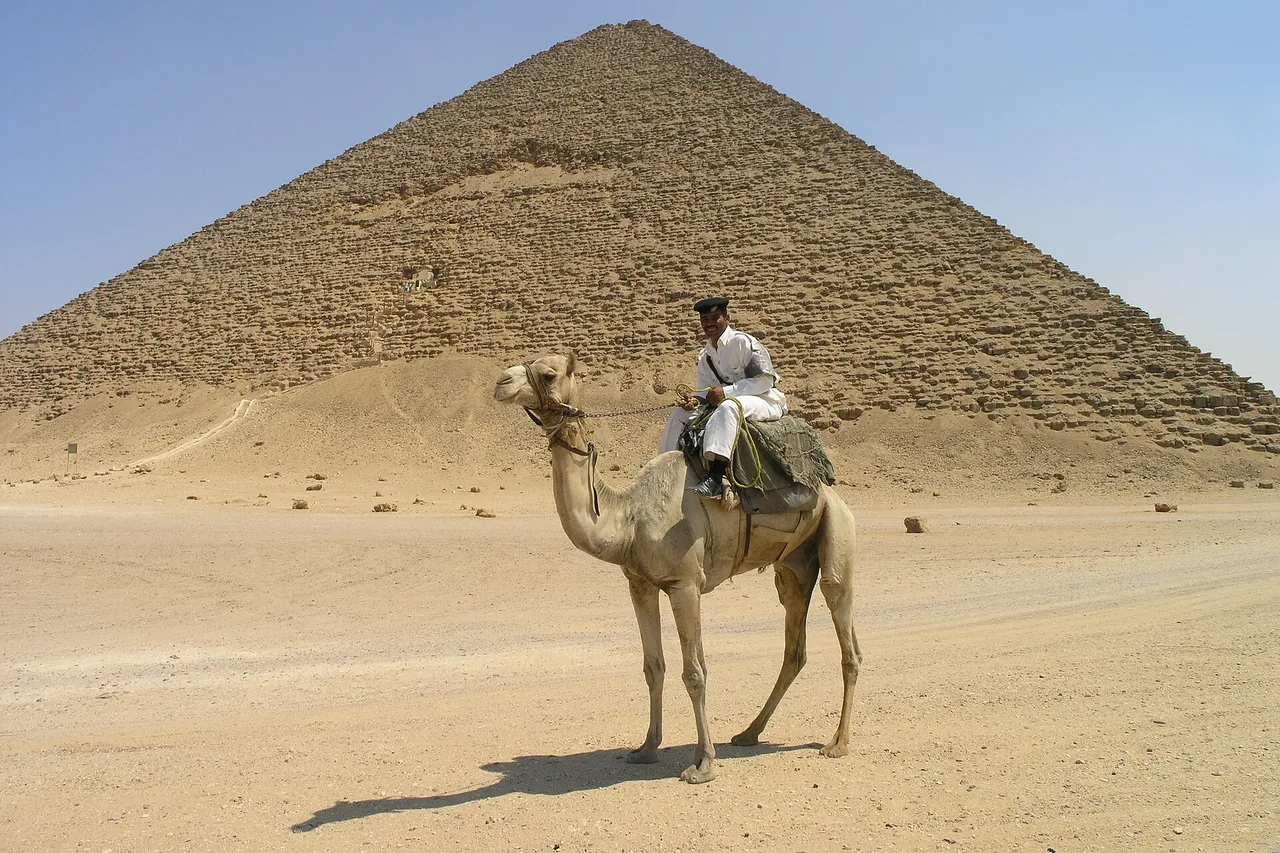
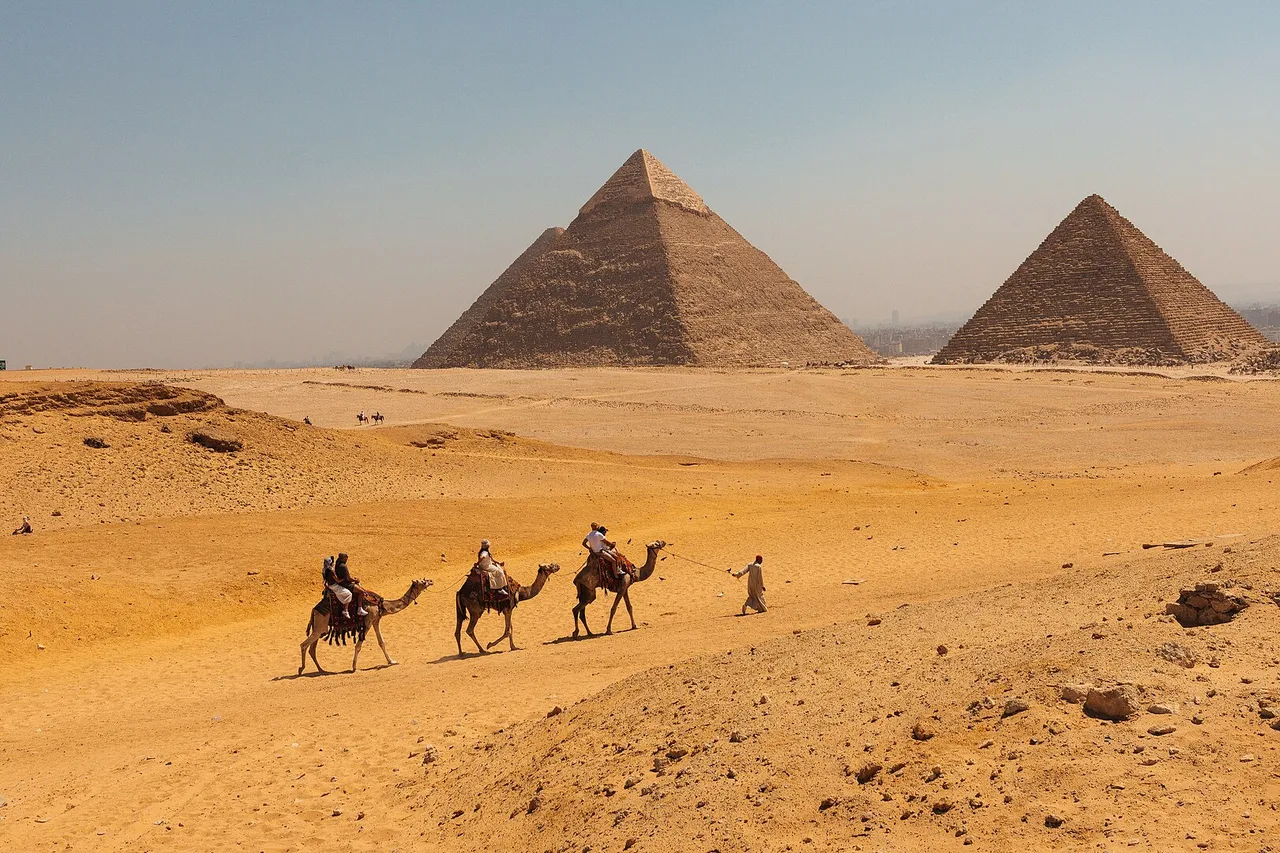
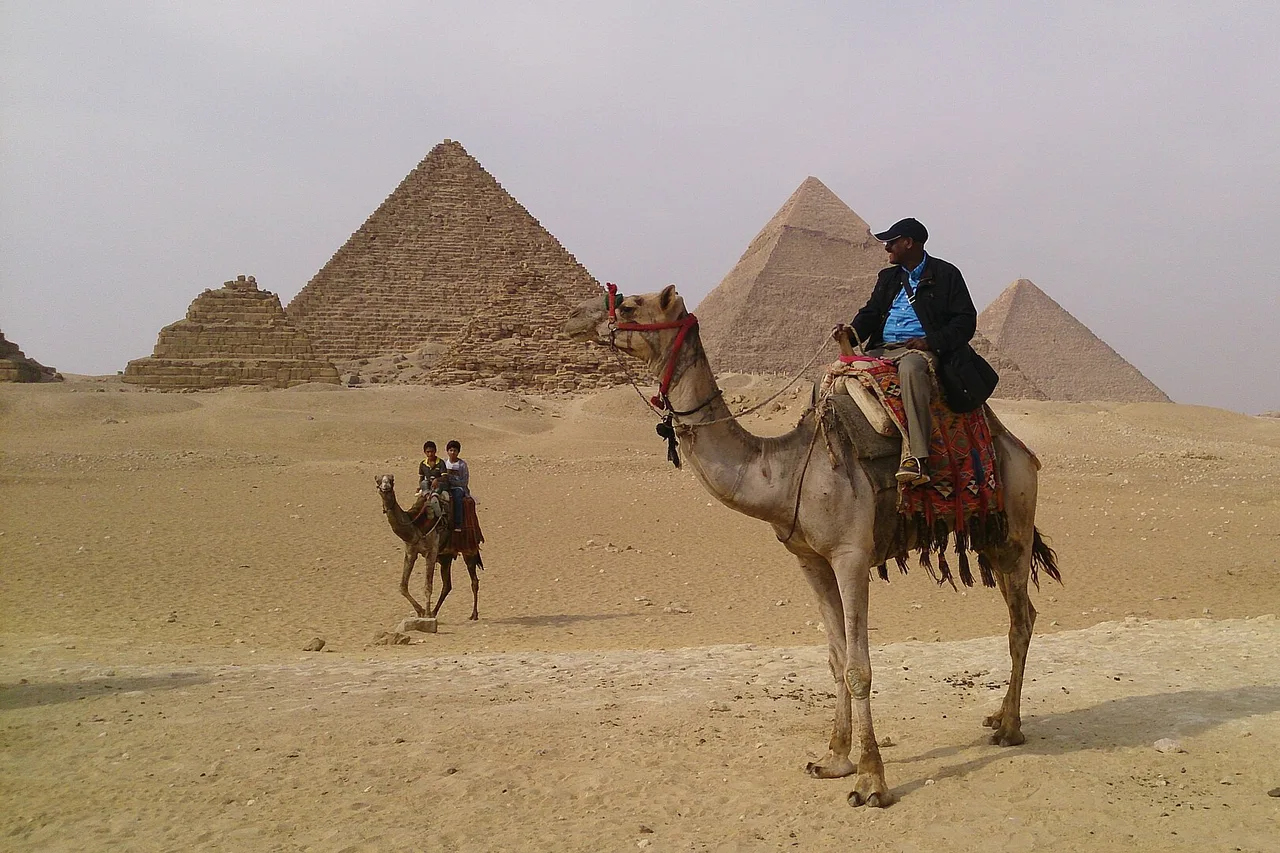
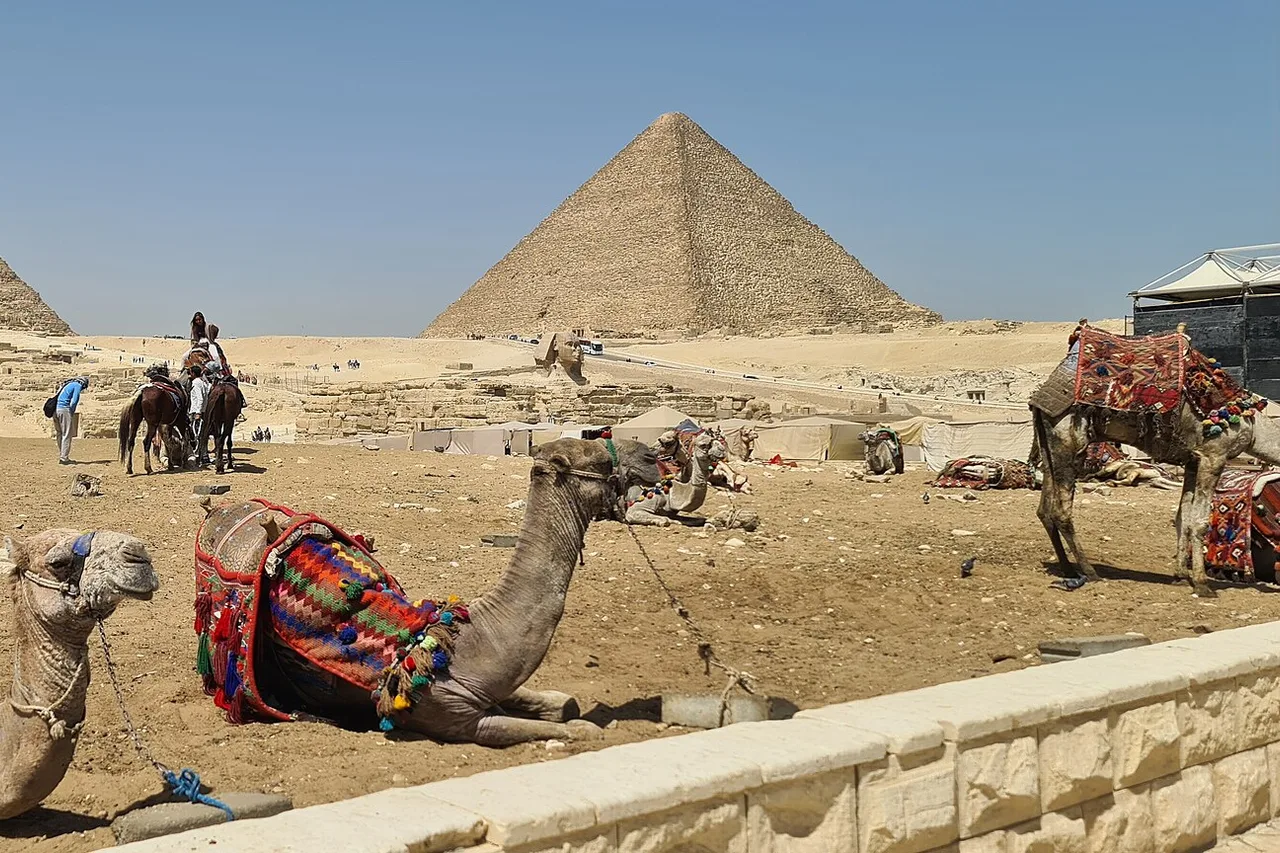
Camel and horse rides on the plateau are now regulated: only licensed handlers work, in specific zones, and the authorities are replacing some of the animals with shuttles. So the offer is changing. If you want to ride, follow three rules. Choose a handler who shows a licence. Agree the total price before you get on, including duration, the way back and photo stops – ideally in writing or in front of a witness. Pay only at the end.
We found no official tariff for a ride; prices are negotiated. Look at the animal too: a thin or injured camel is a good reason to walk on.
Going inside a pyramid: is it worth it?
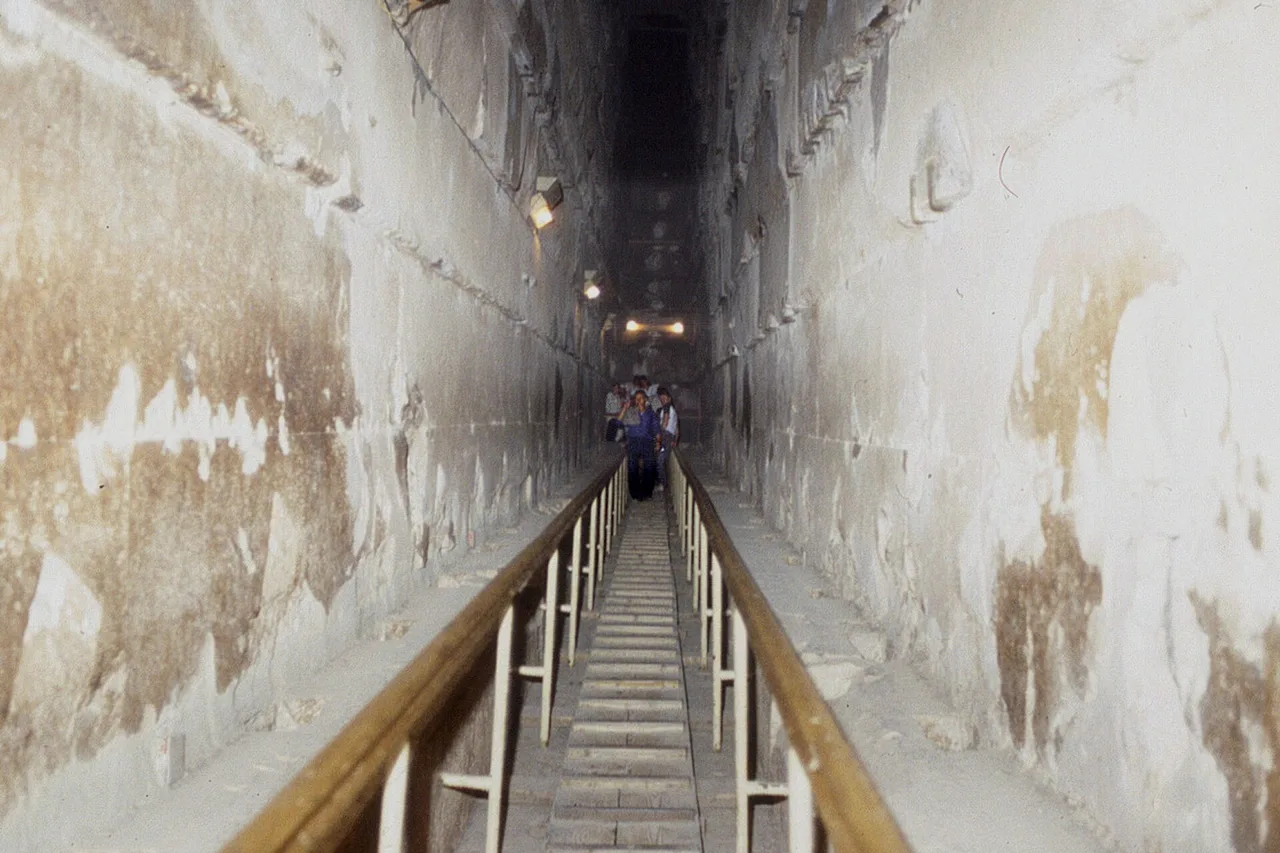
Going inside Khufu costs about 1,500 pounds extra, roughly €25. The number of tickets per day is limited, and from October to April they often go early: buy them on arrival or online in advance. You climb through a narrow passage and up the steep Grand Gallery to the King's Chamber, a bare granite room with an empty sarcophagus. There are no paintings. What matters is standing at the heart of the monument.
Be honest with yourself: if you're claustrophobic, have bad knees or struggle with heat, it's better to skip it. The passage is low, the air hot and humid. A cheaper alternative is Khafre, for about 280 pounds: fewer people, a similar feeling.
Half a day on the plateau: how it goes
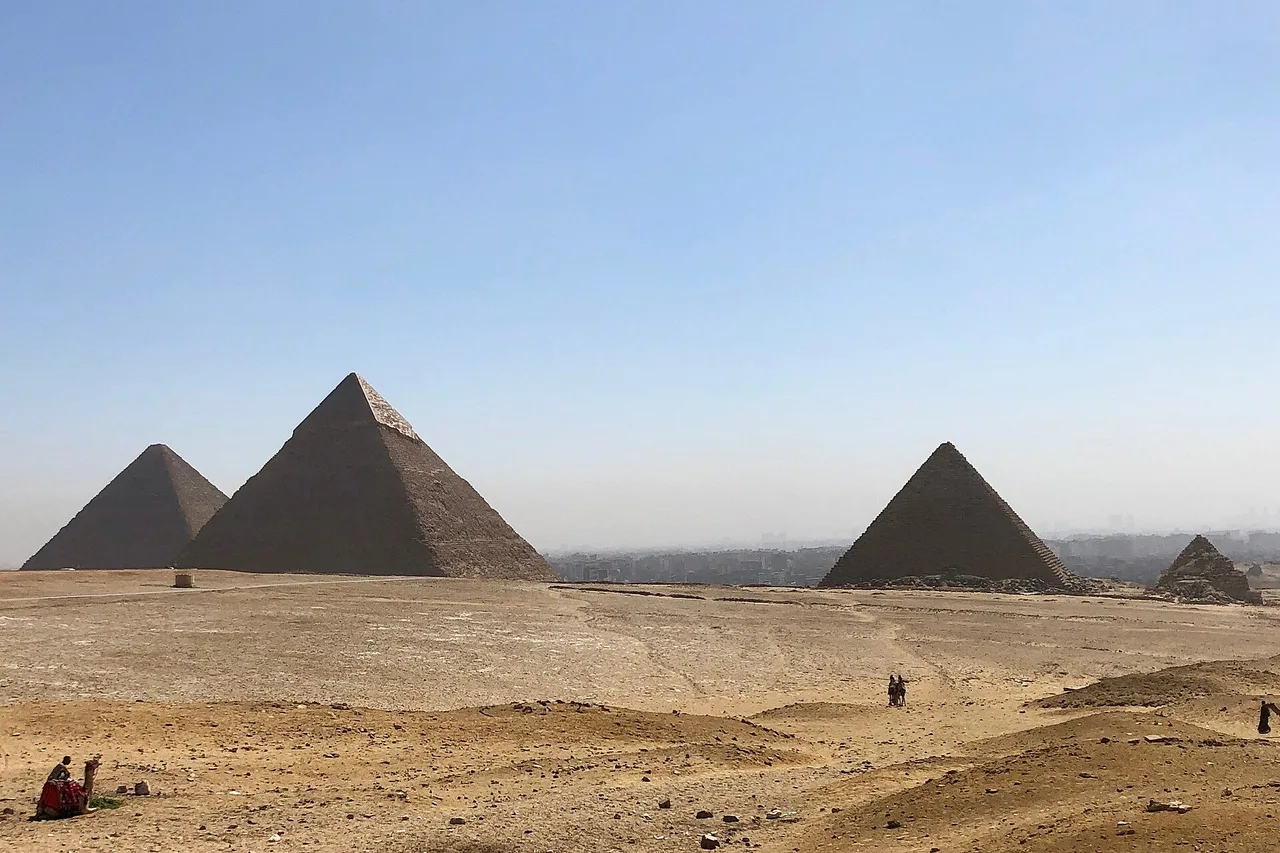
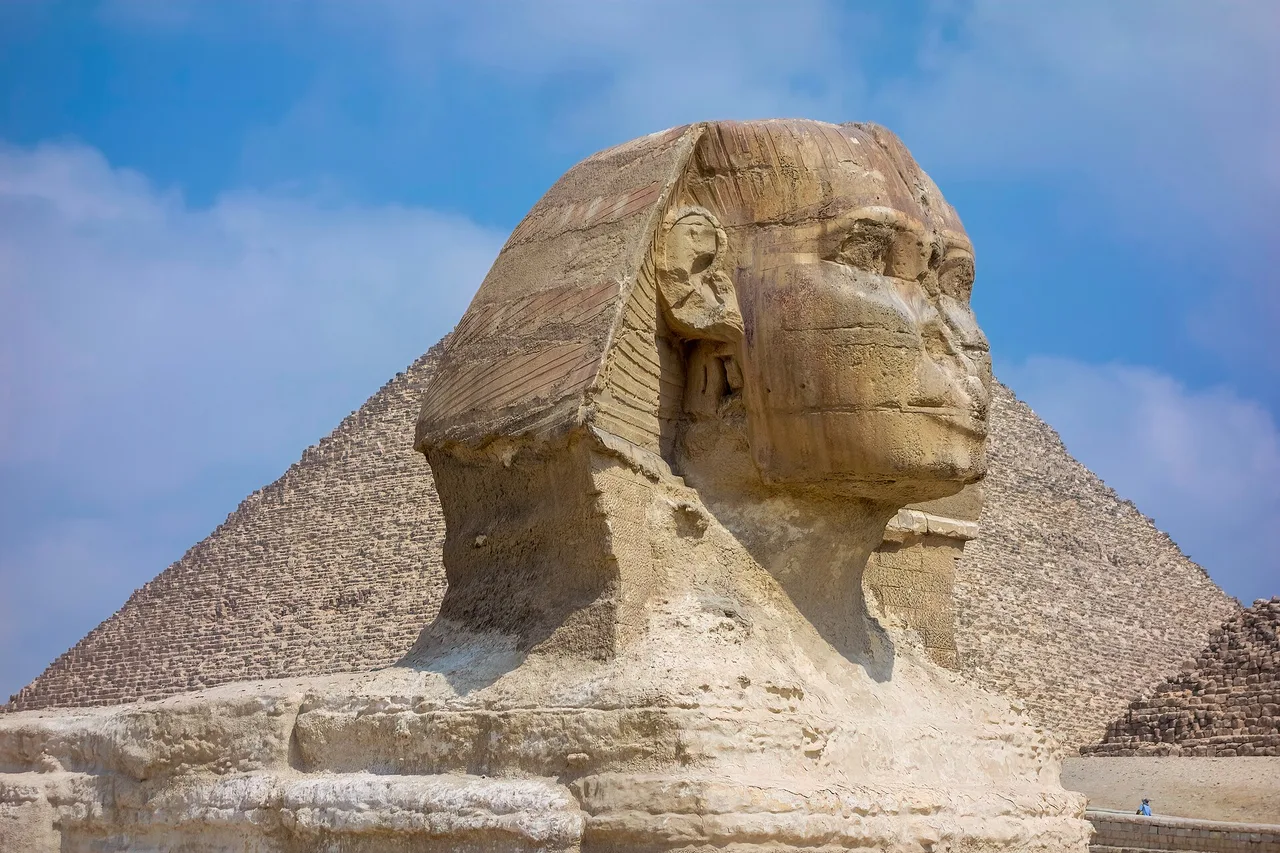
7 am: arrive at the south entrance, buy your ticket at the machine, take a quick look at the visitor centre exhibition. Next: bus to Khufu; if you want to go inside, do it now, before the groups. Then: bus to the panoramic viewpoint, where all the pyramids line up – the photo many people come for. Finally: the Sphinx, at the bottom of the plateau, by the valley temple.
Bring at least a litre of water per person, a hat and sunscreen: there's almost no shade. Keep small notes in pounds for toilets, water and a tip if someone has genuinely helped you.
Combining it with the Grand Egyptian Museum
The Grand Egyptian Museum (GEM) is a few kilometres from the plateau. Entry costs about 1,450 pounds for a foreign adult, and tickets are sold only online on the official site visit-gem.com – watch out for look-alike copies. Many travellers do the pyramids in the morning and the museum in the afternoon. To fit this day into a full trip, see our 10-day Egypt itinerary, and for what it all costs, our Egypt trip cost for 10 days.
Our verdict
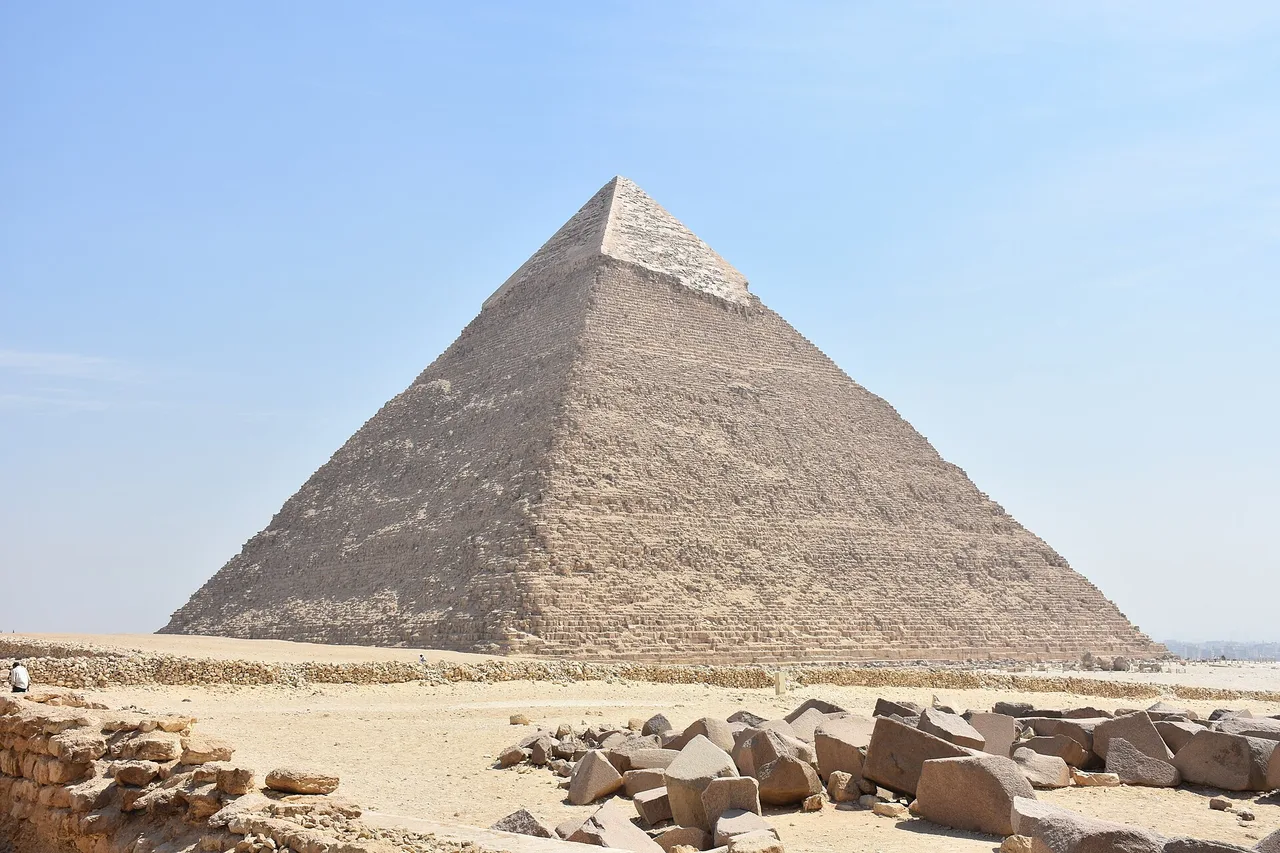
The Pyramids of Giza are calmer to visit today than a few years ago: new entrance, visitor centre, buses included in the ticket. The old scams still exist, though. The rule that defuses almost all of them: buy only from official points, accept nothing you didn't ask for, and agree every price in advance.
For 2,200 pounds, about €37, you get the plateau and the inside of Khufu. Come early, stay friendly, and walk on when someone wants to “give” you something.