Hurghada or Sharm el-Sheikh? For divers, it is the first question of any trip to Egypt, and the answer depends less on the hotel than on your diving level. Sharm el-Sheikh sits at the southern tip of Sinai, next to the famous walls of Ras Mohammed and the Strait of Tiran. Hurghada lies opposite, on the mainland, with plenty of sheltered reefs, wrecks and lower prices. Here is an honest comparison: reefs, wrecks, currents, sharks, water temperature, visas, and who each place suits best.
The short answer
Sharm el-Sheikh is the place for divers who want walls, current, very clear water and big fish. Ras Mohammed National Park and the reefs of the Strait of Tiran are a short boat ride away and rank among the best-known dive sites in the world.
Hurghada is the place for beginners, families and anyone who wants lots of variety for less money. The reefs are often more sheltered, the choice of dive centres is huge, and a whole group of wrecks at Abu Nuhas is within reach. Several comparisons also rate Hurghada as cheaper than Sharm.
Both have an international airport with plenty of connections from Europe. The real difference is under the water.
Diving in Sharm el-Sheikh: Ras Mohammed and Tiran
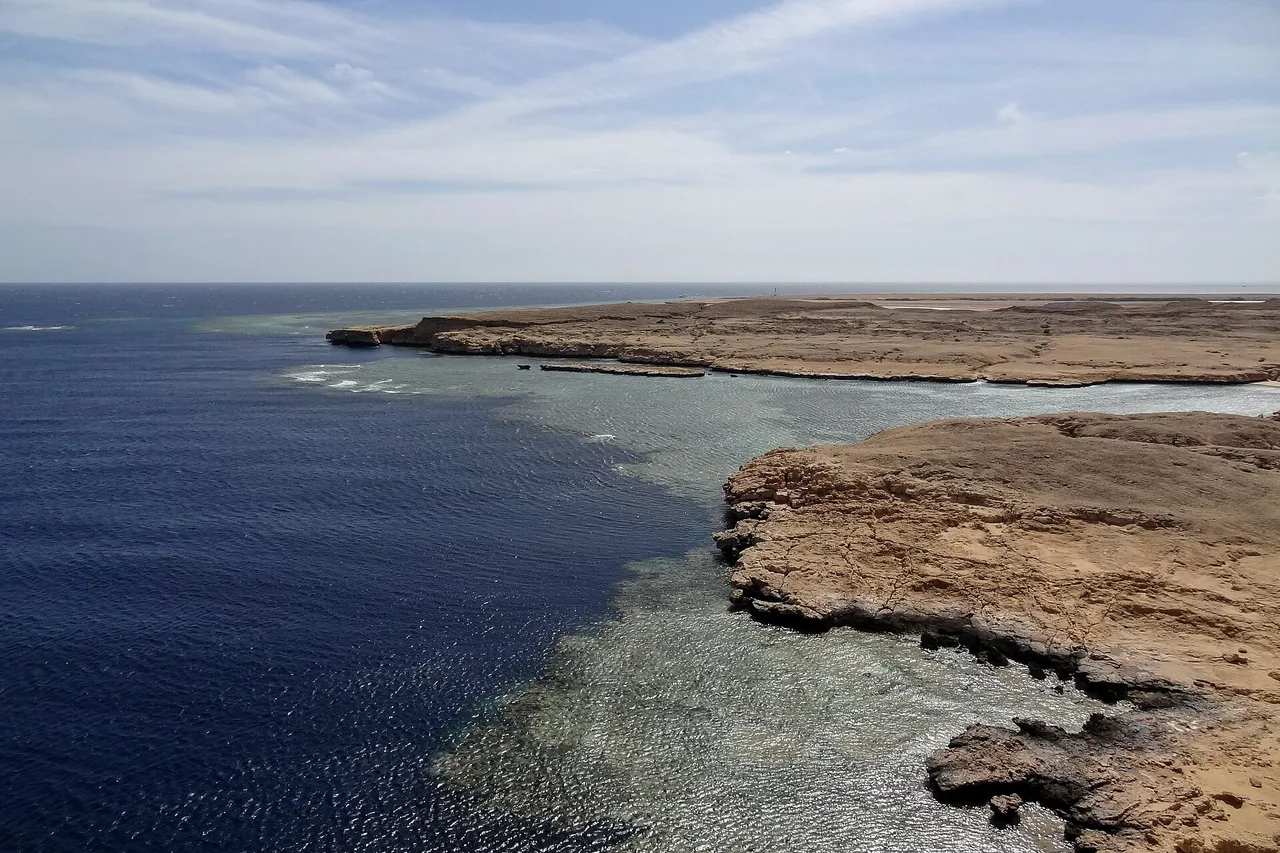
Ras Mohammed is a national park at the southern tip of Sinai. The Gulf of Suez meets the Gulf of Aqaba here, and the reefs drop sharply into deep water. The signature dives are drifts along the walls, among large schools of fish, with reef sharks seen regularly. Two wrecks in the park are well known: the Yolanda, whose cargo of bathroom fittings lies scattered across the reef, and the Dunraven.
The Strait of Tiran lies north of Sharm. Its four reefs, including Jackson Reef and Gordon Reef, are drift dives over coral gardens with plenty of fish. The current there is often moderate to strong, so these sites suit divers with some experience.
Visibility is usually excellent. Dive centres quote an average of 20 to 40 metres, often more on the offshore reefs. What about beginners? They are well catered for too: most entry-level courses take place in shallow, sheltered bays such as Naama Bay. But if you only plan easy dives, you will make little use of what makes Sharm special.
Ras Mohammed charges an entrance fee that is rarely included in dive packages. Published amounts vary widely between sources, so ask your dive centre for the current rate.
Diving in Hurghada: Giftun, Abu Nuhas and dolphins
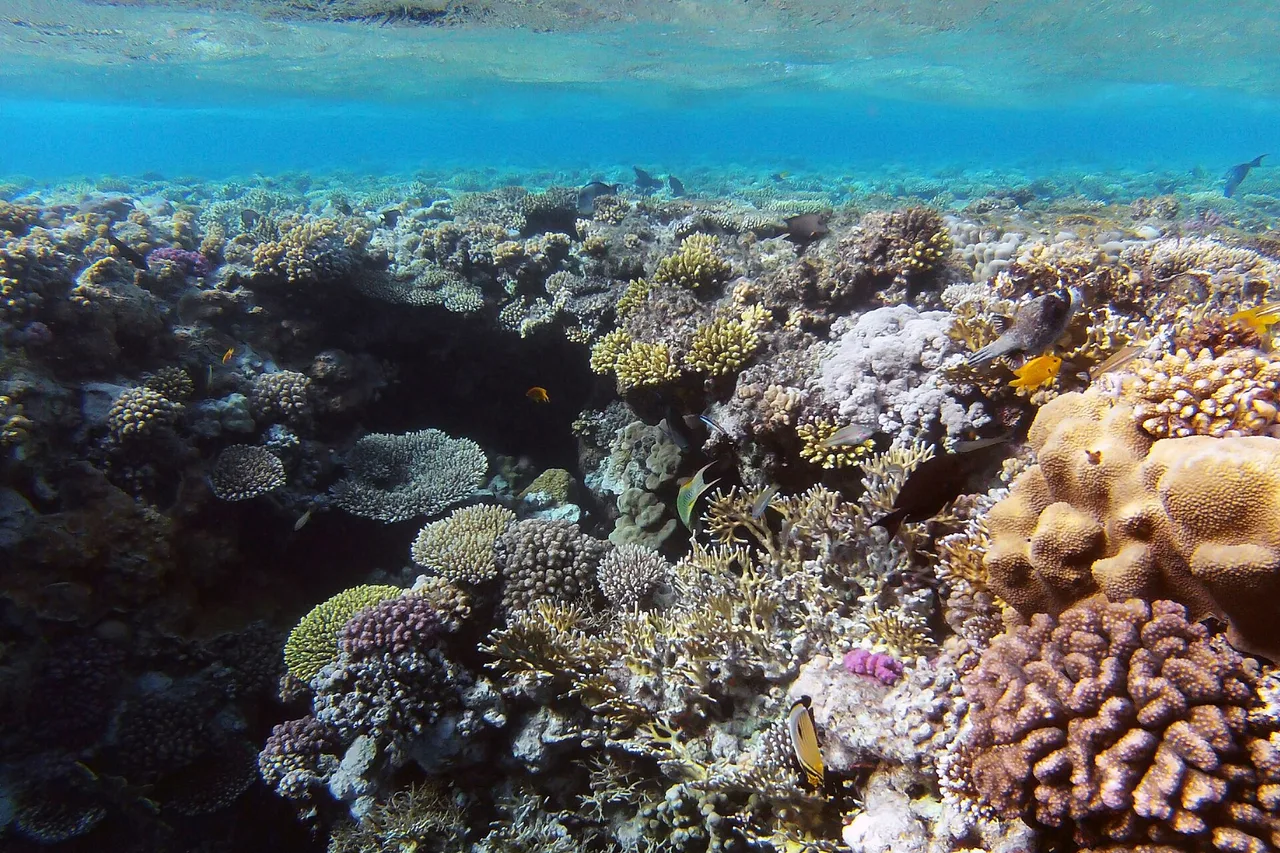
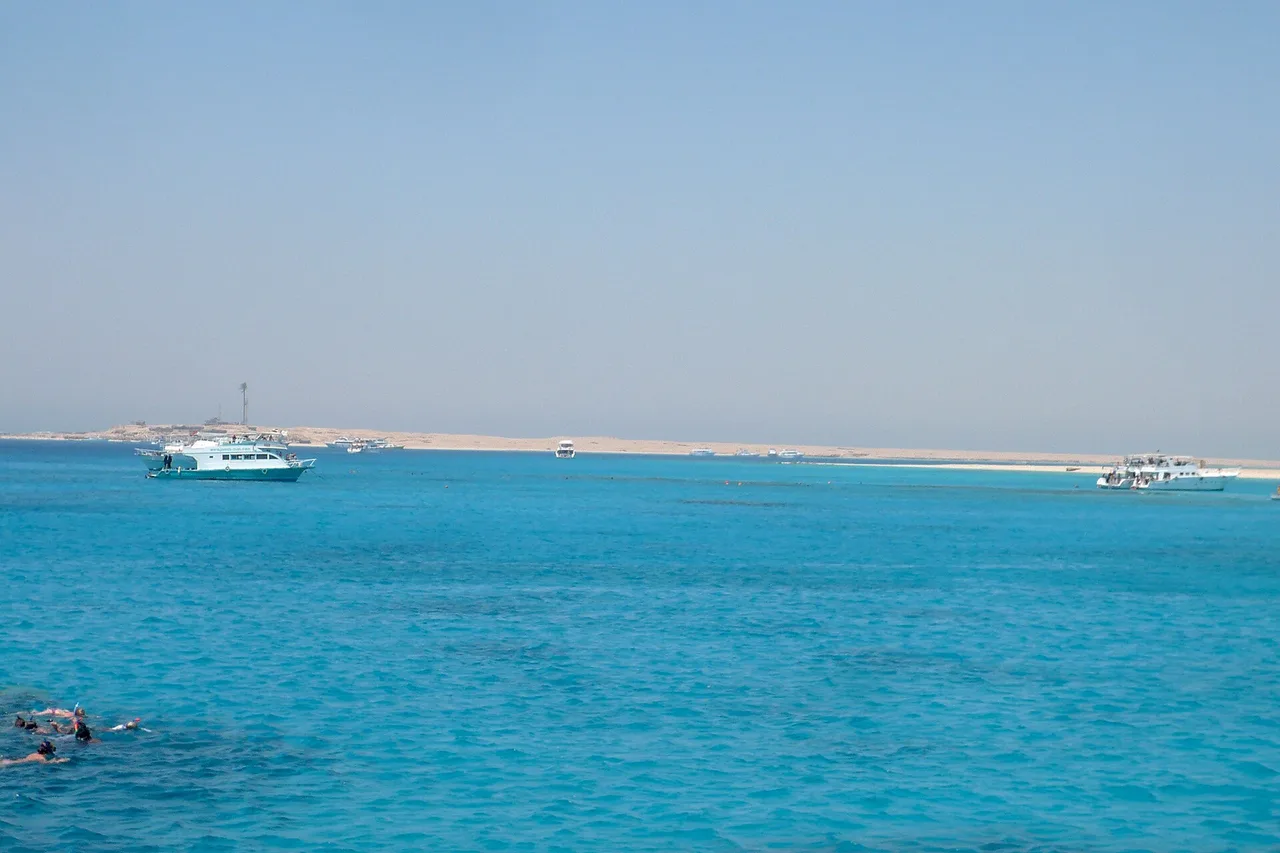
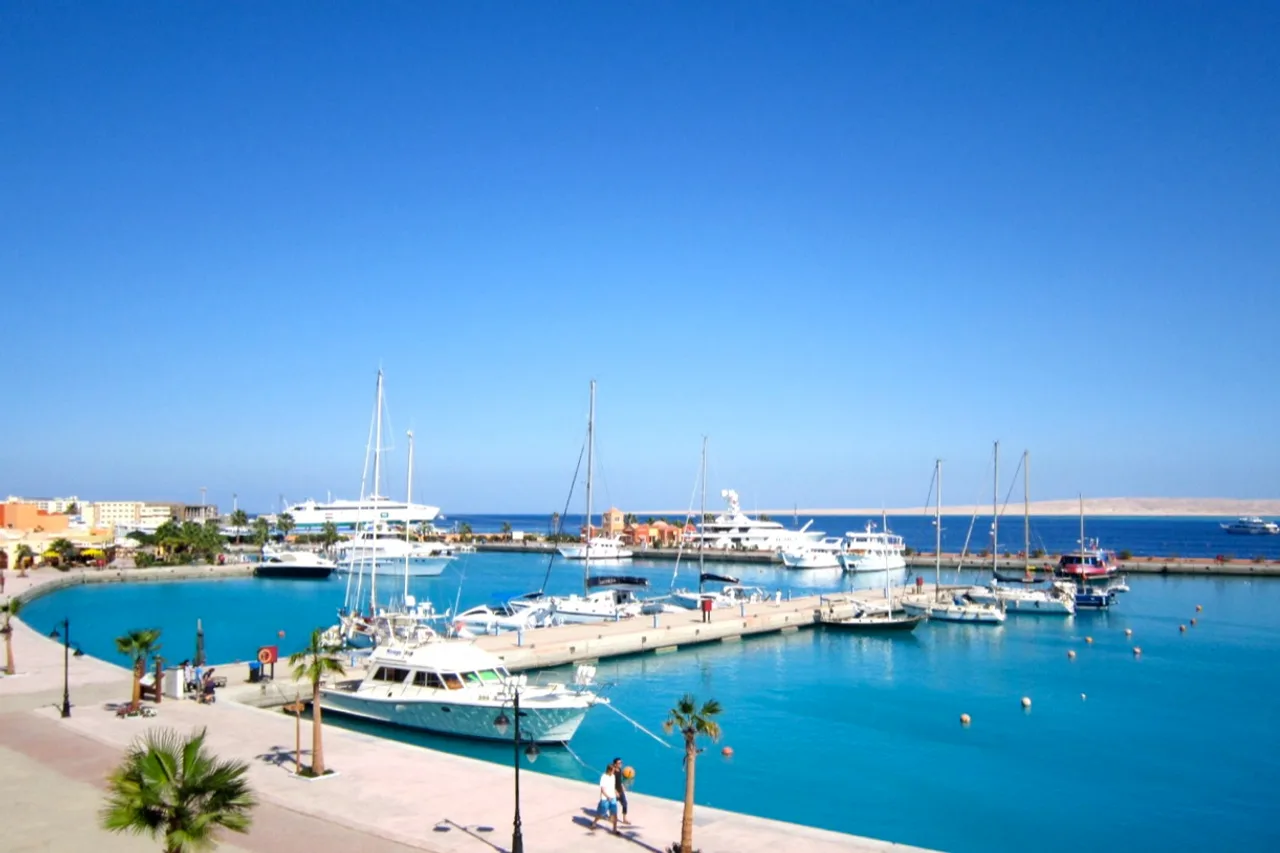
Hurghada is on the mainland, facing Sinai. Offshore there are dozens of reefs and several islands. The best known are the Giftun Islands: calm bays, colourful coral heads and little current. They are often called one of the best places in the Red Sea for first dives and for snorkelling with children.
Further north, the reef of Abu Nuhas has sunk several ships, including the Carnatic and the Giannis D. For wreck lovers it is a highlight: several wrecks in a single day, some of them fairly shallow. At Shaab El Erg, nicknamed "Dolphin House", bottlenose dolphins are often seen. Turtles are also regularly spotted around Hurghada.
At sheltered sites, conditions are calmer than in Sharm. After strong wind, though, coastal visibility can drop to around 15 metres, and the reefs closest to town are busier. To see the best sites, plan for longer boat trips.
The Thistlegorm: the wreck between the two
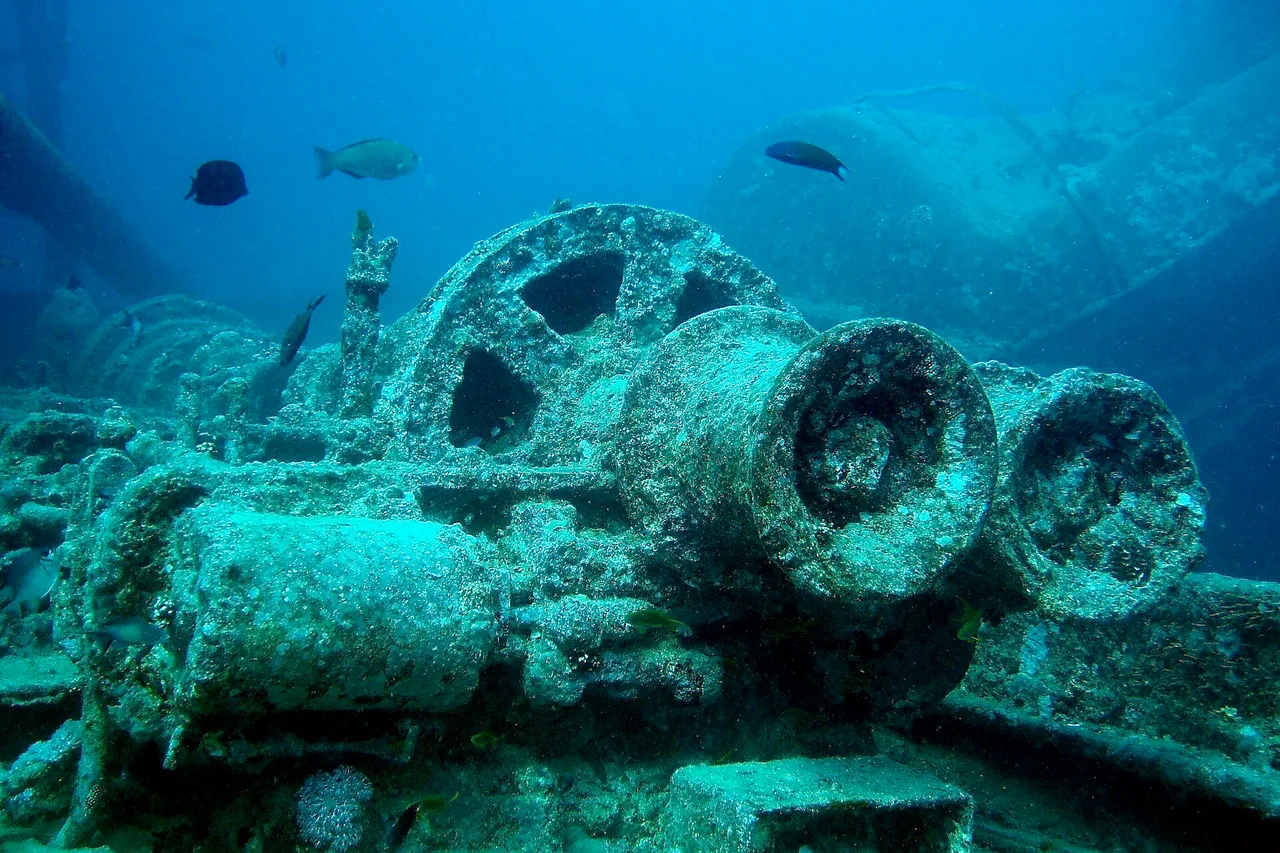
The SS Thistlegorm is the most famous wreck in the Red Sea. The British cargo ship was sunk by German aircraft in 1941. It lies at around 30 metres, and its cargo is still on board: lorries, motorcycles, locomotive parts. Given the depth and possible current, an advanced certification is a good idea.
The wreck is in the Gulf of Suez, roughly the same distance from Sharm and Hurghada. From either port the trip takes about 3 to 4 hours by boat. Boats leave very early and departures are limited, so book ahead. The Thistlegorm alone is therefore no reason to choose one resort over the other.
A quieter option is a liveaboard, sleeping on board. These trips leave from both ports, and the boat reaches the wreck before the day boats arrive.
Hurghada or Sharm el-Sheikh: the comparison
| Sharm el-Sheikh | Hurghada | |
|---|---|---|
| Strength | walls, current, big fish | variety, calm bays, wrecks |
| Best-known sites | Ras Mohammed, Tiran | Giftun, Abu Nuhas, Shaab El Erg |
| For beginners | good, but top sites suit experienced divers | very good |
| Current | often moderate to strong | low at sheltered sites |
| Water temperature | approx. 21–28 °C | approx. 22–29 °C |
| Visibility | 20–40 m, more offshore | 20–40 m, less after wind |
| Thistlegorm | 3–4 h by boat | 3–4 h by boat |
| Prices | generally higher | generally lower |
In short: if you already have experience and want the "big blue", head to Sharm. If you want to learn, travel with family or do lots of different dives, Hurghada will suit you. Sharm has the more spectacular walls, Hurghada the wider choice.
When to go, and where the water is warmer
You can dive year-round on both sides. According to dive centres, the water is around 21 to 28 °C in Sharm and 22 to 29 °C in Hurghada. In summer Hurghada is slightly warmer. In winter the gap is so small that it should not decide your choice.
In December, January and February the water is at its coolest. A 5 mm wetsuit is standard then, and anyone who feels the cold adds a vest. Wind can also shorten some boat trips. In return, the weather on land is pleasant. The warmest time underwater is late summer and autumn, after months of sun have heated the sea.
Practical: visas, dive centres, internet
Visa. For Hurghada you need the standard tourist visa, currently about 30 US dollars. In Sharm el-Sheikh, a no-fee "Sinai only" stamp covers short stays in South Sinai for up to 15 days. Whether it also covers Ras Mohammed and the Thistlegorm trip is described differently from one source to another. Ask your dive centre before you travel: if in doubt, the full visa is the safe choice.
Dive centre. Check the centre's certification (PADI, SSI or similar), the state of the equipment and group sizes. Read recent reviews and ask what the price includes: boat, equipment, park fee, transfers.
Internet. Dive centres and drivers mostly arrange pick-ups on WhatsApp. Egypt is outside the EU, so roaming is expensive. It is worth taking a moment to install an Egypt eSIM before you fly.
What about Marsa Alam or Dahab?
Search for "Hurghada or Sharm el-Sheikh" and a third option often comes up: Marsa Alam. Further south on the mainland coast, it has its own international airport and is quieter than Hurghada. If you want remote reefs and fewer people, add it to the comparison.
Dahab, north of Sharm on the Gulf of Aqaba, is known among divers for its relaxed style and many shore dives. Its most famous site, the Blue Hole, is in its deep part only for very experienced divers.
To combine diving and culture, our 10-day Egypt itinerary shows how to fit in Cairo and Luxor, our guide to visiting the Giza Pyramids helps with the visit, and our Egypt trip cost for 10 days does the maths.
Our verdict
There is no wrong choice, only the right one for you. Sharm el-Sheikh is worth it for experienced divers who want Ras Mohammed and Tiran: walls, current, sharks and clear water. Hurghada is worth it for beginners, families and wreck lovers who want plenty of choice at a better price.
You can reach the Thistlegorm from both. Before booking, check your visa, ask about the park fee, and choose your dive centre for its safety, not for the lowest price.