Is Egypt safe to visit? For the places nearly every traveller goes – Cairo, Luxor, Aswan, Hurghada, Sharm el-Sheikh – governments say yes, with caution. A few border and desert regions, however, carry clear warnings. We compared the official advice from the UK, the US, Germany and France: here are the areas to avoid, how to sidestep scams and harassment, and the rules on photos and drones.
The short answer: is Egypt safe?
Egypt welcomes millions of visitors a year, and the vast majority of trips pass without incident. None of the major governments – the UK, the US, Germany, France – advises against the classic destinations. The US rates Egypt at Level 2 of 4: “exercise increased caution”. Germany issues a partial warning limited to parts of Sinai.
There are two layers to the question. The first is security: authorities consider terrorist attacks possible, which is why you'll see a heavy police presence at sites, hotels and on the roads. The second is everyday life: scams, pushy touts, harassment and above all road traffic. These risks are far more likely – and they're the ones you can reduce yourself.
Crime against tourists is considered low. The UK Foreign Office describes pickpocketing as “rare”. Violence against visitors is the exception. If you check your route against the official advice and follow a few simple rules, travelling in Egypt is as safe as in many other countries around the Mediterranean.
One caveat: advice changes. Re-read your government's travel advice for Egypt just before you go. This article reflects the situation in October 2026 and doesn't replace that page.
Which regions should you avoid?
The warnings almost exclusively cover areas travellers rarely visit. The most detailed is the UK Foreign Office advice, last updated on 4 August 2026. Other governments draw similar lines.
| What governments advise | |
|---|---|
| North Sinai | Against all travel (UK, US); closed to foreigners according to France |
| Libyan border | Against all travel within 20 km |
| Israeli border | Red zone according to France |
| Western Desert | All but essential travel (UK) or do not travel (US) – exceptions below |
| Northern South Sinai | All but essential travel beyond the St Catherine–Nuweiba road; coasts excluded |
| Ismailiyah, east of the canal | All but essential travel |
| Hala'ib Triangle, Bir Tawil | All but essential travel (Sudan border) |
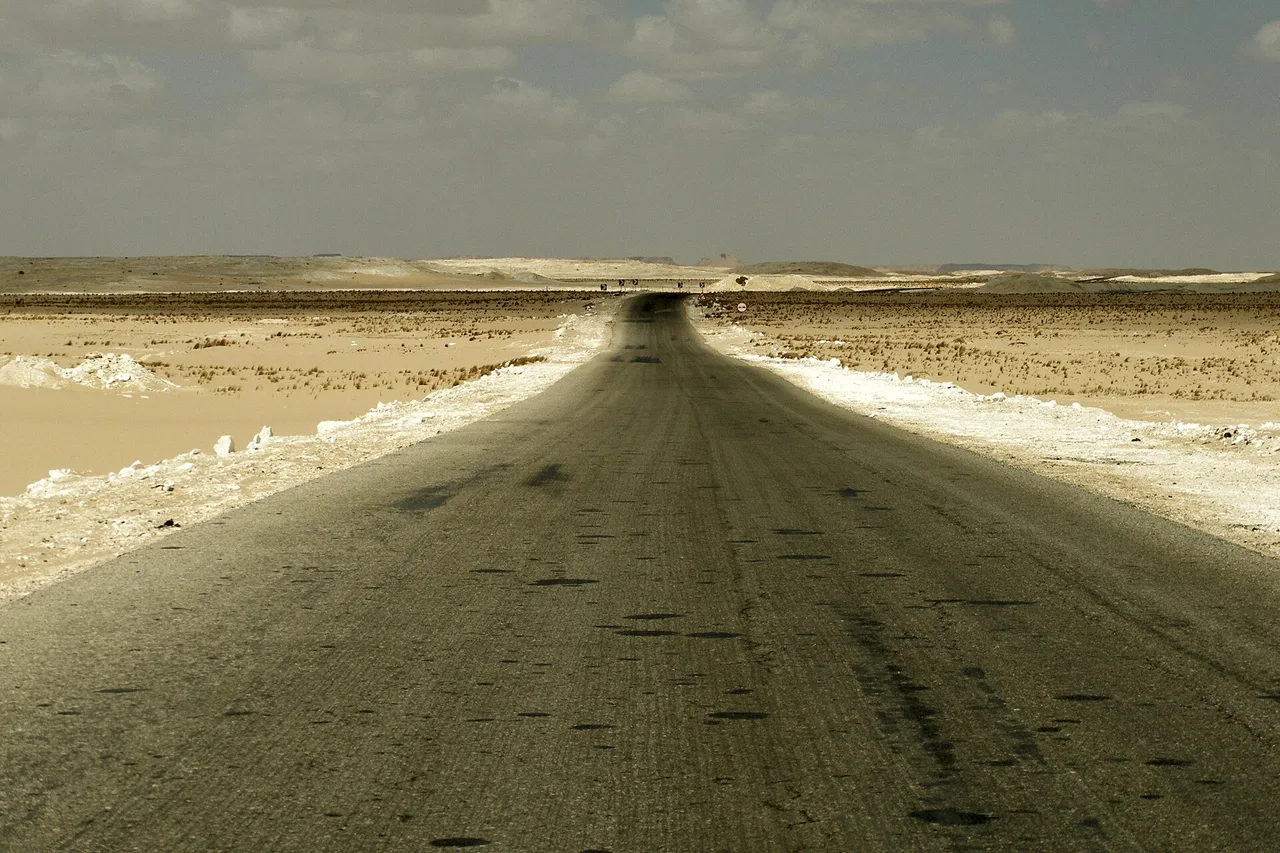
The Western Desert sounds like a large part of the country – and it is. But the UK advice explicitly excludes the places travellers actually visit: Luxor, Qena, Aswan, Abu Simbel, the Valley of the Kings, Faiyum, the oasis towns, Siwa and the White and Black Deserts. A White Desert trip is therefore possible. Only the Bahariya–Siwa road remains on the list.
Off-road travel requires a qualified guide and a permit. Reputable desert operators handle this. Going it alone risks trouble with the police – and being stranded far from help.
Cairo, the Nile Valley, the Red Sea: where travellers go
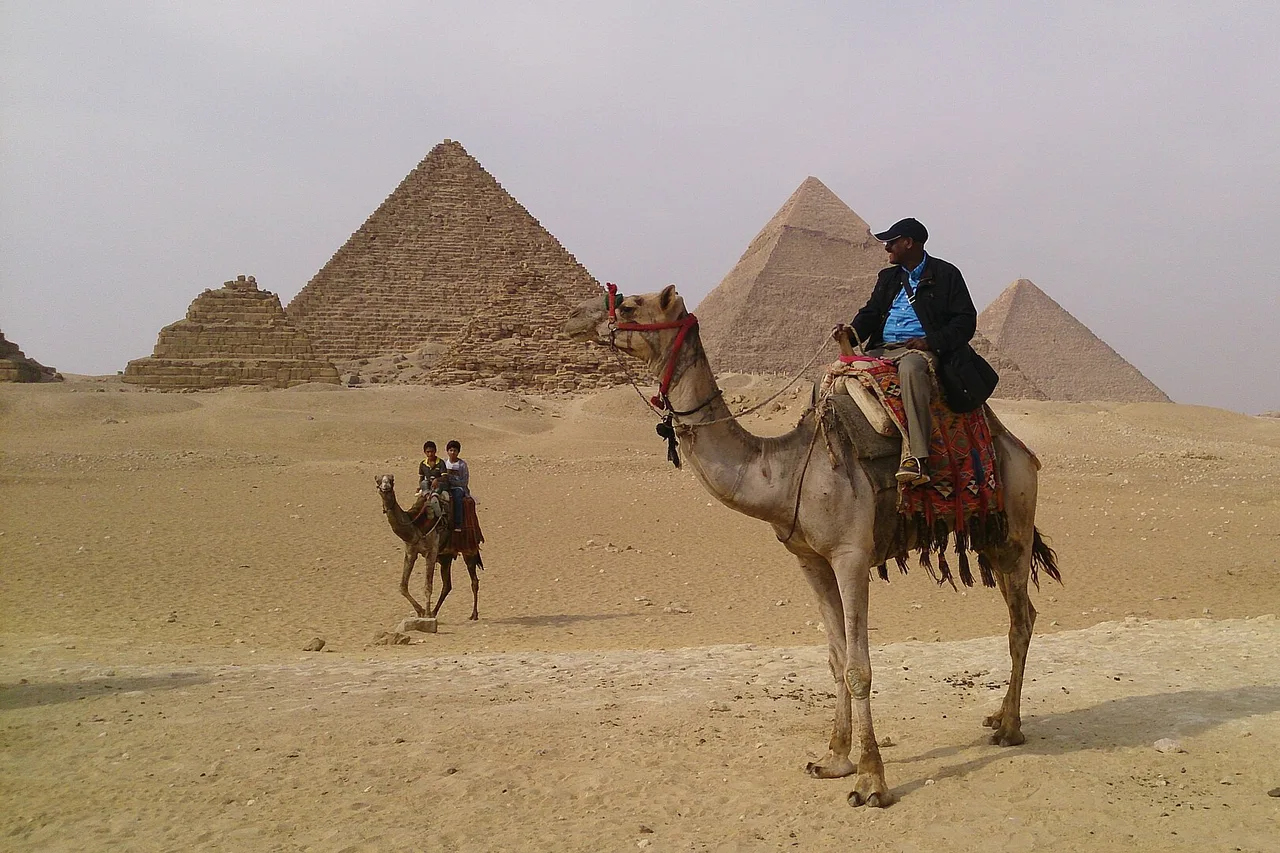
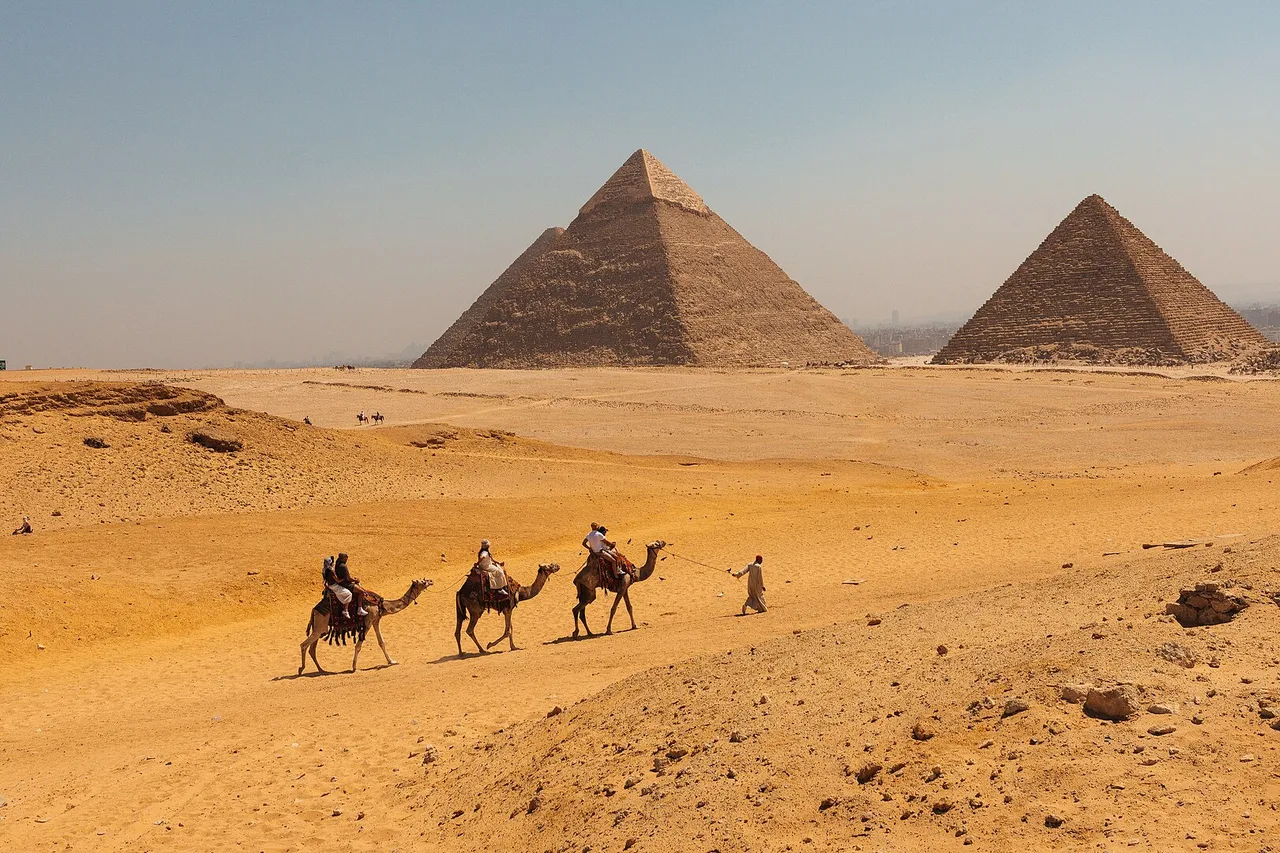
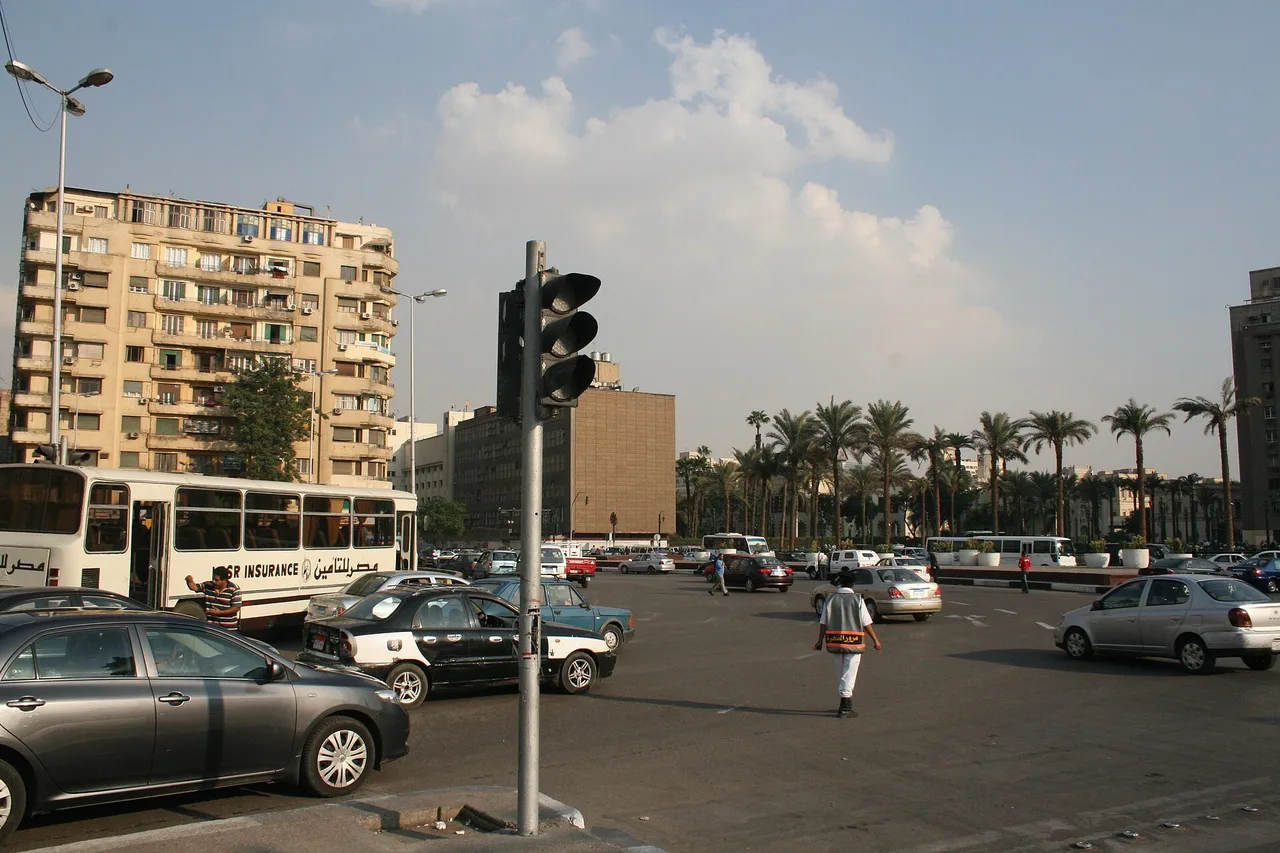
Cairo and Giza. The capital is loud, crowded and tiring for many, but not especially dangerous for visitors. At the pyramids, the Egyptian Museum and the new Grand Egyptian Museum, security checks resemble those at an airport. The real nuisances are touts and vendors: our guide to visiting the Giza pyramids explains how to avoid them.
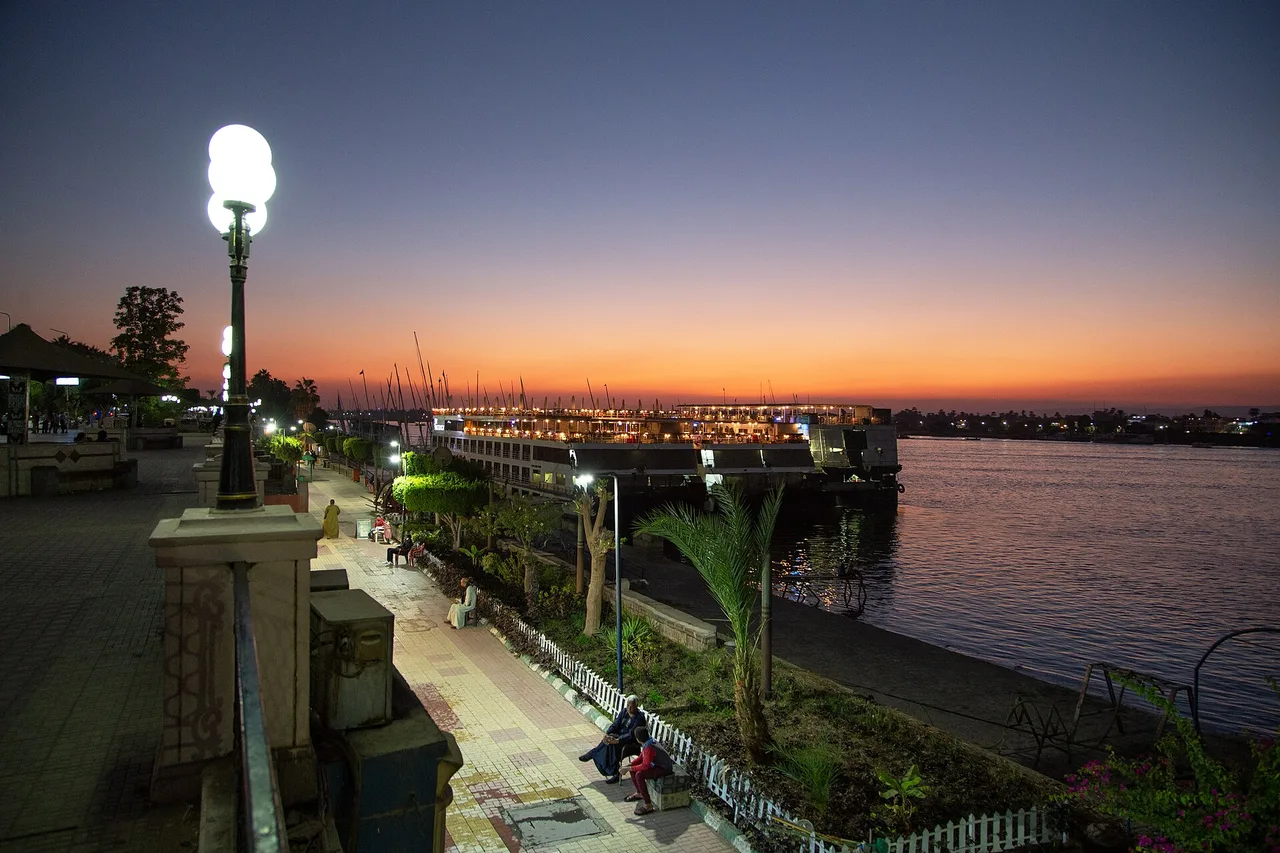
Luxor and Aswan. The Nile Valley is the heart of any tour. Police are highly visible around the temples and on the boats. You may meet checkpoints on the roads: always carry your passport. To plan the route, see our 10-day Egypt itinerary.
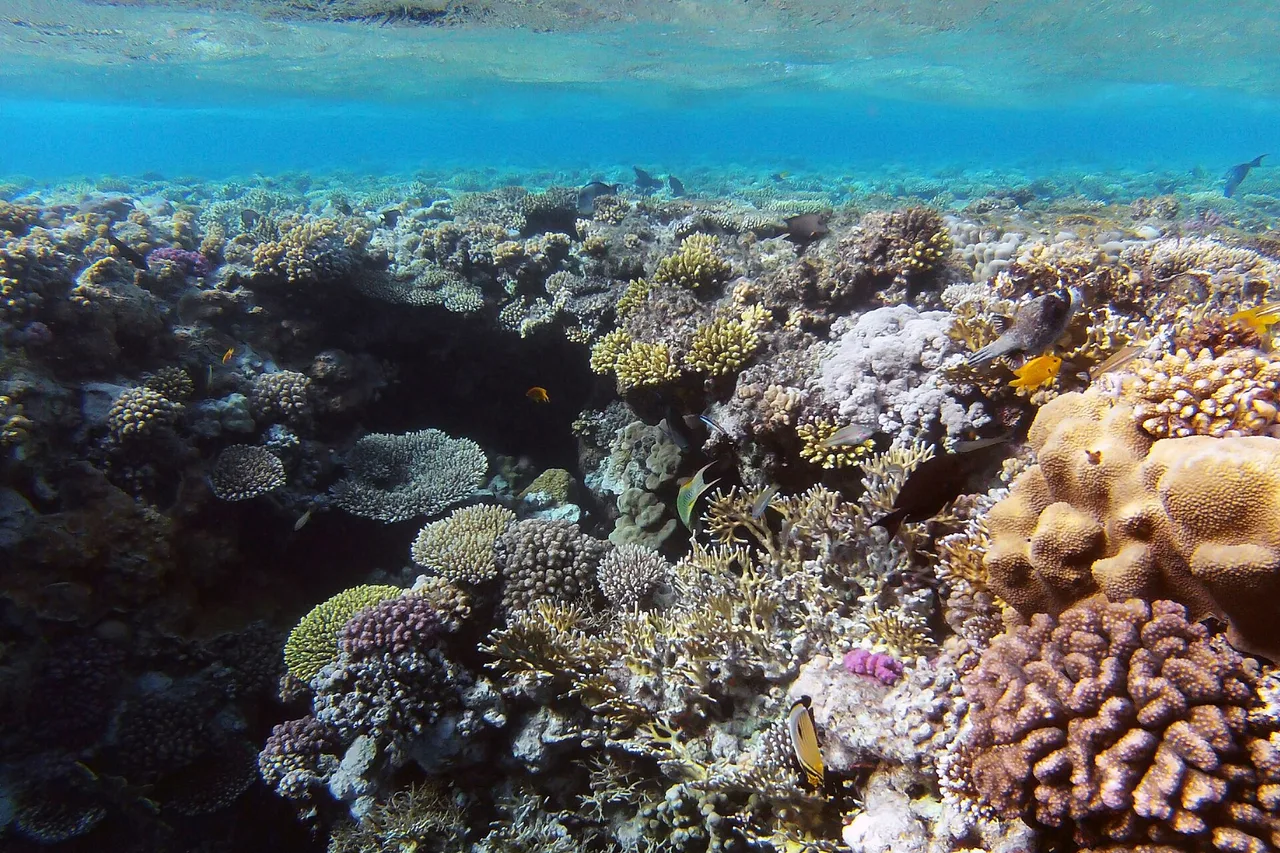
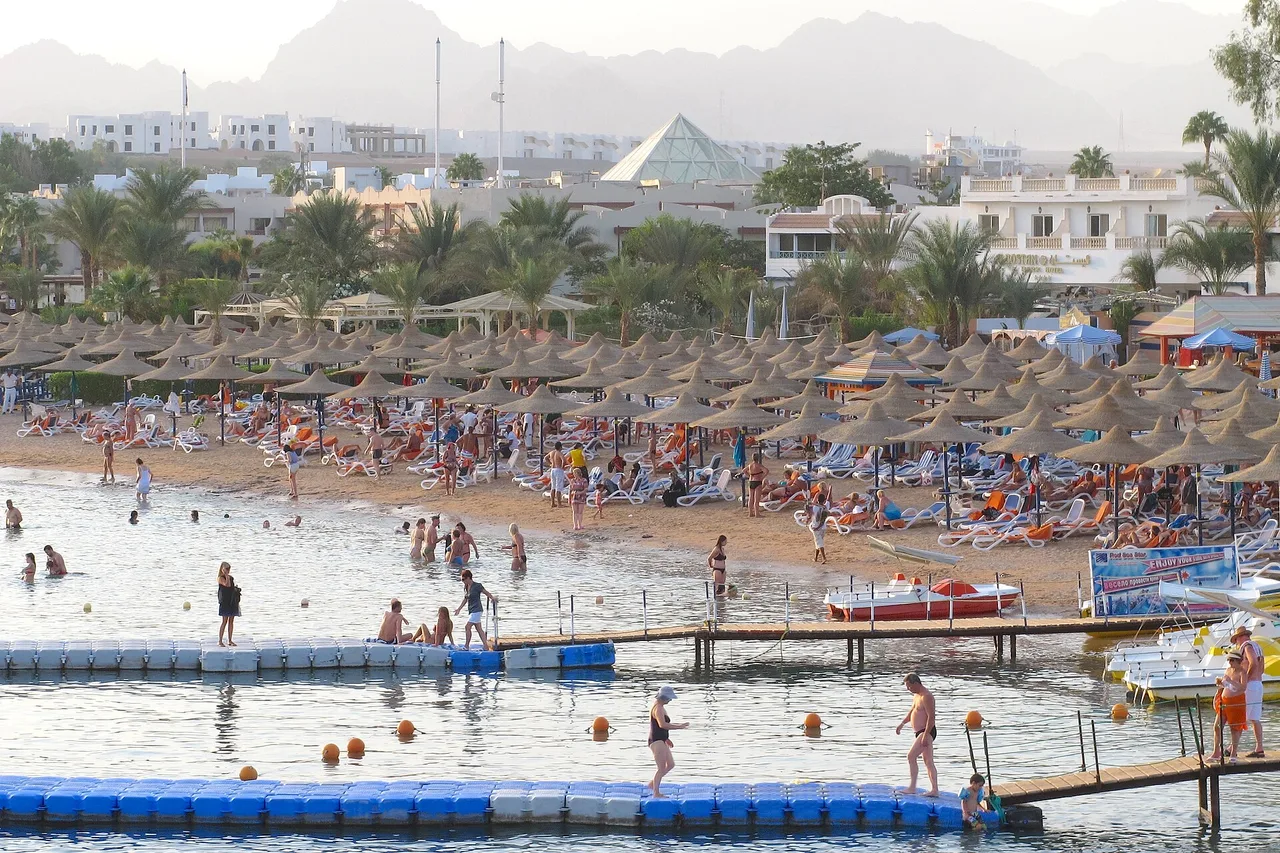
The Red Sea. Hurghada, El Gouna, Makadi, Soma Bay, Marsa Alam and Sharm el-Sheikh are well-guarded resorts. Hotels screen visitors at the gate and access roads are monitored. Germany still recommends particular care here too. South Sinai, with Sharm el-Sheikh and Dahab, is open to visitors. To pick a diving base, read Hurghada or Sharm el-Sheikh.
The regional situation: conflict and flights
Many travellers now ask: “Is Egypt safe because of the war with Iran?” Egypt is not a party to the conflict. Germany's Foreign Office points to the war between the US, Israel and Iran that began in late February 2026 and the ceasefire in place since 8 April, and considers the regional situation volatile. The practical consequence: flights may be rerouted, delayed or cancelled at short notice.
What you can do: choose changeable fares where possible, keep an eye on your airline's app and register with your embassy's traveller service, such as the UK's or the US STEP programme. On a package holiday, the operator arranges alternatives. If you book independently, insurance that covers trip interruption and delays is worth having.
Avoid demonstrations and large gatherings too. That's a basic rule in Egypt: security forces have wide powers, and checks are more frequent at night.
Is Egypt safe for women?
Yes, many women travel Egypt alone or with a friend. But the question is fair: harassment is common, mostly verbal – catcalls, comments, persistent questions. Australia and the UK also warn of physical assaults, including in taxis and on public transport.
One point surprises many: according to the UK Foreign Office, most reported sexual assaults took place in Red Sea resorts, often by people the victim already knew – hotel or excursion staff. That doesn't mean hotels are unsafe. It means familiarity is no protection.
The official advice is specific: don't let hotel staff into your room when you're alone. Share your taxi details and live location with someone you trust. Book excursions with reputable providers. Covering shoulders and knees outside the hotels is the norm and spares you a lot of attention. And a firm, loud “La!” (no) often works better than a polite dodge.
Scams and crime: the most common traps
What travellers encounter most in Egypt isn't crime – it's scams. The same scripts come up everywhere:
The “helpful” stranger. Someone tells you the temple is closed and takes you to a papyrus or perfume shop instead. The temple, of course, is open. Walk on politely.
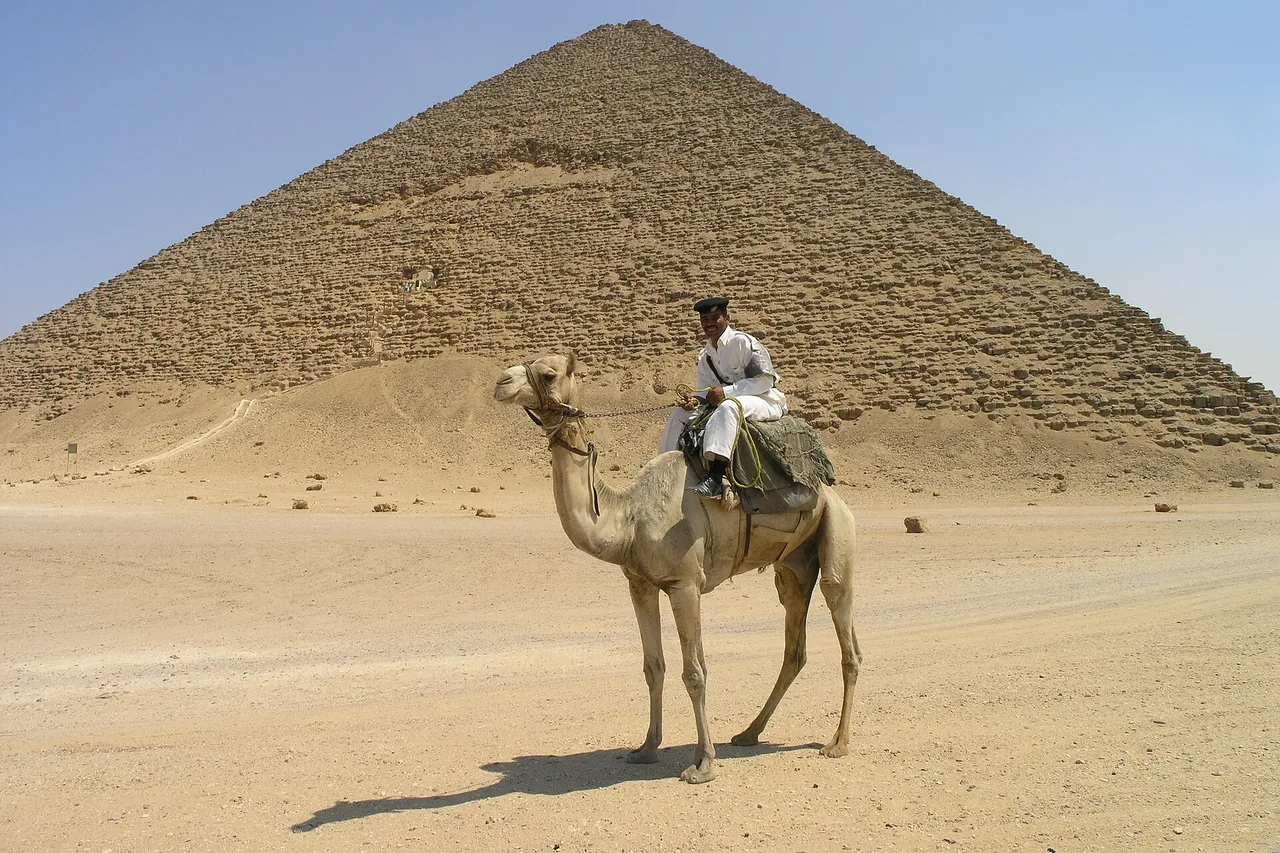
The “gift”. A scarf, a bracelet, a photo with a camel: offered first, charged for afterwards. Don't accept anything you don't intend to buy.
The vague price. Taxi, horse carriage, camel ride: agree the price beforehand, including the currency and the number of people. Most disputes start on arrival.
Actual theft is rare but possible. The UK Foreign Office recommends keeping copies of your passport, visa and flight ticket separate from the originals. If something is stolen, go straight to the tourist police (126) and ask for a report. Crimes not reported before you leave are very hard to pursue. To know prices in advance, see our Egypt trip cost guide.
Roads, taxis and Uber
Statistically, road traffic is the biggest risk of a trip to Egypt. Accidents are common; people drive fast and often without lights. All governments advise against driving outside cities at night. For long daytime journeys, France recommends a driver who knows the road and speaks Arabic. Driving yourself is possible with an International Driving Permit and steady nerves. Most travellers take the train, a domestic flight, a Nile boat or a booked driver.
In Cairo, Alexandria, Hurghada and Sharm, Uber and Careem work. Their advantage: the fare is fixed upfront, and the driver and route are recorded. Share your trip with someone you trust, especially at night. Australia warns that passengers have also been assaulted in taxis and ride-hailing cars: sit in the back and check the plate and driver.
All of this needs mobile data from the moment you land. Egypt is outside the EU and roaming is expensive, so it's worth taking a minute to install an Egypt eSIM before you travel – ride-hailing, maps and location sharing then work straight away.
Laws travellers should know: photos, drones, behaviour
Drones. Without prior permission from the Ministry of Defence, you can't import or fly a drone. According to the UK Foreign Office, penalties reach 7 years in prison or a fine of 5,000 to 50,000 Egyptian pounds. Leave the drone at home: it's often confiscated at the airport.
Photos. Photographing military sites is illegal – and that includes the Suez Canal. Be careful around embassies, government buildings and police too. Ask people before taking their picture, and ask parents before photographing children. Professional equipment needs a permit.
Behaviour. Egypt is a predominantly Muslim country. Covered clothing in mosques and old quarters, restraint with public displays of affection and no alcohol in the street go without saying. For LGBT+ travellers, the UK Foreign Office urges caution: same-sex relations aren't explicitly criminalised, but people have been prosecuted under “debauchery” laws, including over social media posts.
Emergency numbers and a pre-trip checklist
| Number | |
|---|---|
| Tourist police | 126 |
| Police | 122 |
| Ambulance | 123 |
| Fire | 180 |
The tourist police are present at all major sites and usually speak English. Save the number of your embassy in Cairo as well.
Before you go: read your government's travel advice · register with your embassy · passport valid for at least six months · copies of passport and visa kept separately · travel insurance with medical repatriation · eSIM or data plan set up · hotel and driver contacts saved offline.
On the ground: agree prices first · no overland driving at night · carry your passport on excursions · no drone, no photos of military or police · avoid demonstrations · report any theft to the tourist police immediately.
Our verdict
Is Egypt safe? For the trip almost everyone takes – Cairo, the pyramids, the Nile, the Red Sea – yes, as long as you take the official advice seriously. The warnings cover border and desert areas that aren't on any classic route. The risks that can genuinely affect you are everyday ones: scams, harassment, traffic.
Fear doesn't help against them; habits do. Agree prices, don't drive the roads at night, share your location, report theft straight away. And re-read the official travel advice just before you fly: the regional situation can change quickly.