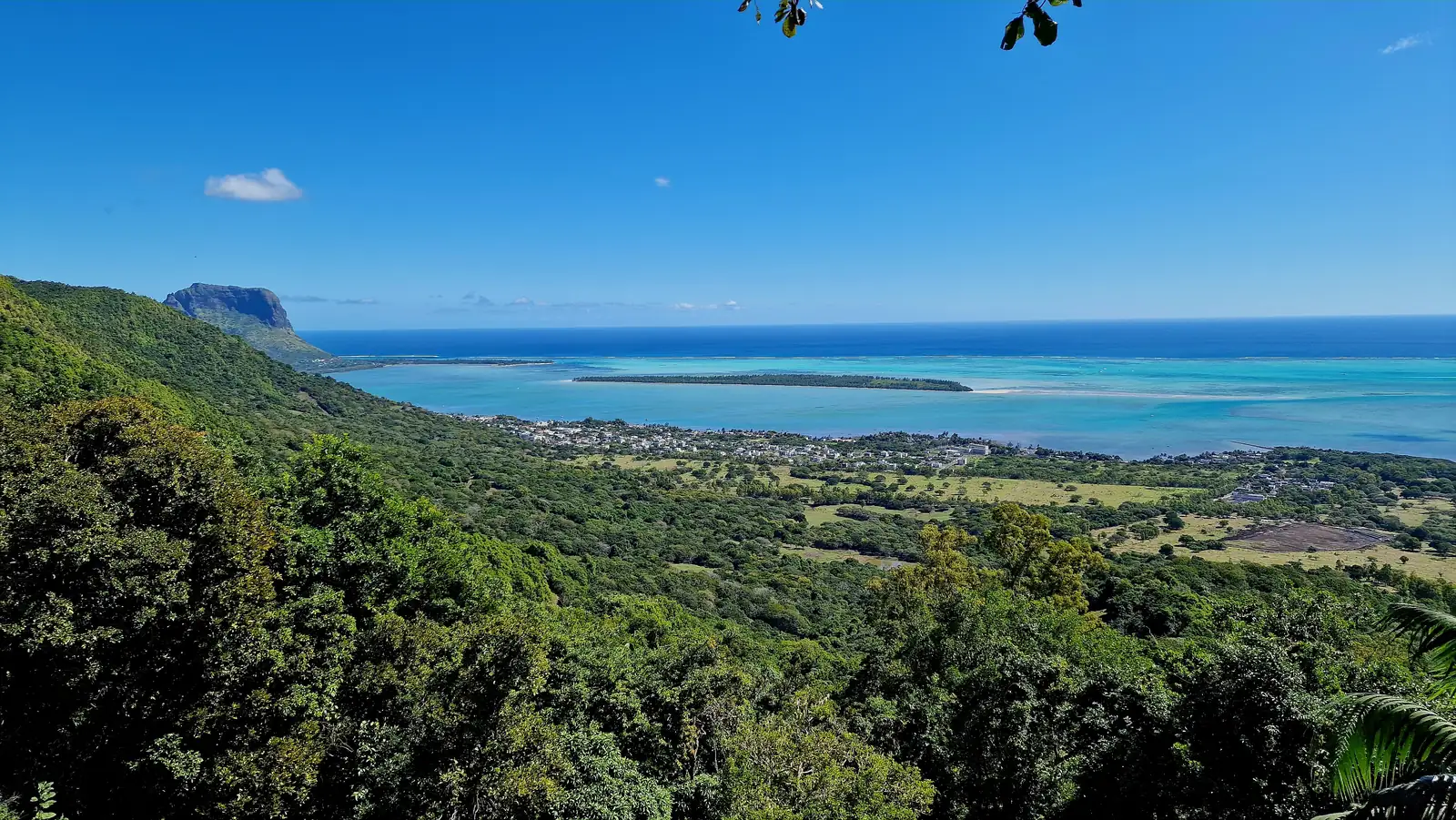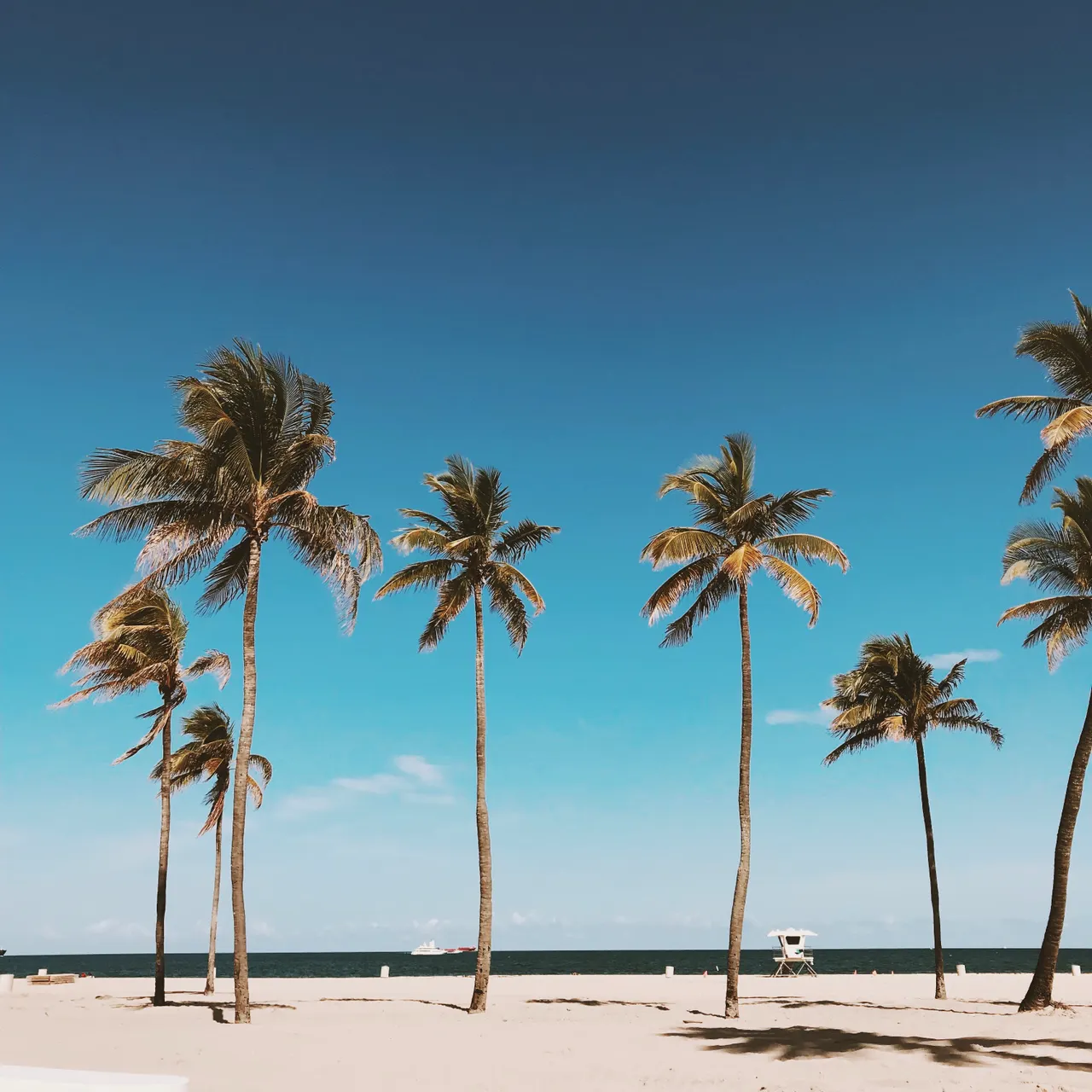
"Isn't Mauritius just for the rich?" It's the question we hear most. The honest answer is more nuanced: Mauritius can be an eye-wateringly expensive luxury holiday or a surprisingly affordable escape. It all comes down to three or four decisions you make before you even pack a bag. Free spots and paid activities sit side by side on the island's map.
Budget tip: in Mauritius, some of your activities can cost you less. See how to save thanks to discounts on your activities.
We live here and run Moris Insider, the guide and interactive map co-created with Mauritians. In this guide we break the budget down line by line, with honest 2026 ballpark figures and the tricks that genuinely bring the total down. No made-up prices: where a figure swings too much, we give you the range and the logic, not false precision.
What does a Mauritius trip really cost?
Let's start with the overall range, since that's what everyone wants first. The same one-week trip can cost anything from modest to triple that, depending on your style. Three very different profiles stand out:
The savvy backpacker sleeps in a guesthouse or small apartment, travels by bus or a shared mini car, eats local and picks just one or two excursions. On the ground, life costs little. The comfort traveller books a good beachside hotel, a hire car for the week, a mix of restaurants and a few big outings (catamaran, diving). The luxury traveller books an all-inclusive resort and doesn't count the cost — a different world, and a different budget.
What do all three share? The flight almost always weighs the most from Europe. That's your first lever for savings, before you even choose a hotel.
Flights: by far the biggest cost
From the UK, you're looking at a long-haul flight of roughly twelve hours, with direct services available from London. Fares swing wildly: an economy return can be found for a few hundred pounds if you hunt around and travel off-season, but it easily doubles or more during school holidays and the December peak — which coincides with the southern-hemisphere summer, high season on the island.
Full guide: Flights to Mauritius: when to book, direct routes and smart prices
Timing matters for more than price. For the full picture on weather, sea and crowds, read our guide on the best time to visit Mauritius: picking the right month affects both your wallet and your enjoyment.
Accommodation: guesthouse to five-star
This is where the range is widest. Mauritius has it all:
Guesthouses, B&Bs and small apartments (usually booked online) are the gentlest on the wallet, especially in villages and slightly back from the busiest beaches. Mid-range beachside hotels offer an excellent comfort-to-price balance, particularly off-season. Four- and five-star resorts play in another league, with nightly rates that can run into several hundred pounds, board included.
Full guide: Where to Stay in Mauritius: Which Coast to Choose

Getting around: car, bus or taxi?
Three options, three budgets, three philosophies.
Car hire is king for exploring the island freely. A small category rents for a modest daily rate, better still over a full week. Note: you drive on the left, and back roads demand care. Budget for fuel too — affordable, but worth counting.
The bus is unbeatable on price: a few dozen rupees per ride, a fraction of a pound. The network covers the island well, but it's slow and runs without strict timetables — perfect for tight budgets and travellers with time to spare.
The taxi is convenient but much dearer. An airport transfer to the beach resorts, or a full day with a driver, quickly runs to several thousand rupees. Golden rule: agree the fare before you get in, never after.
What if you knew each morning where the sea is best?
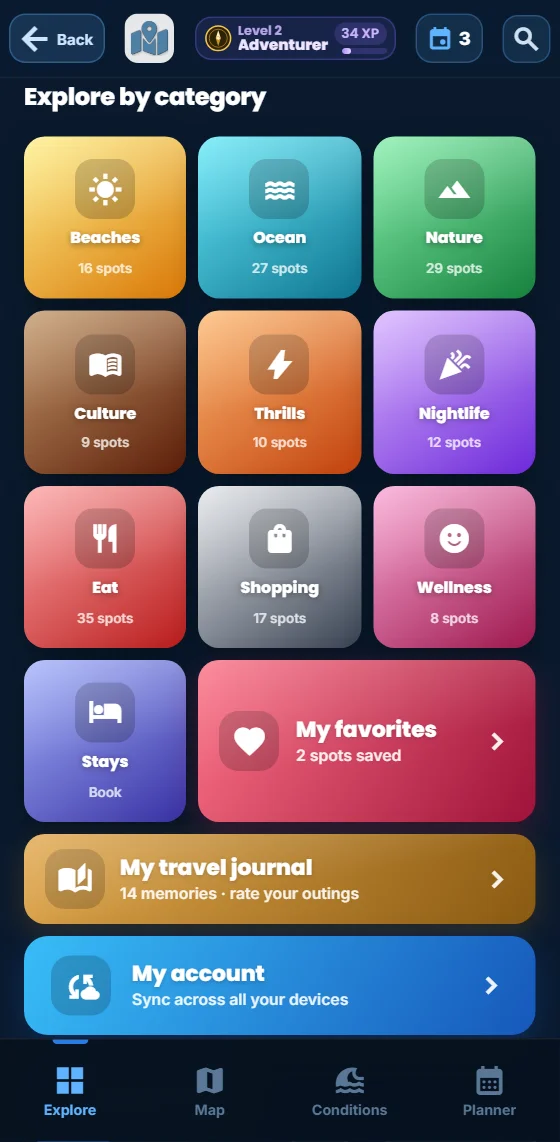
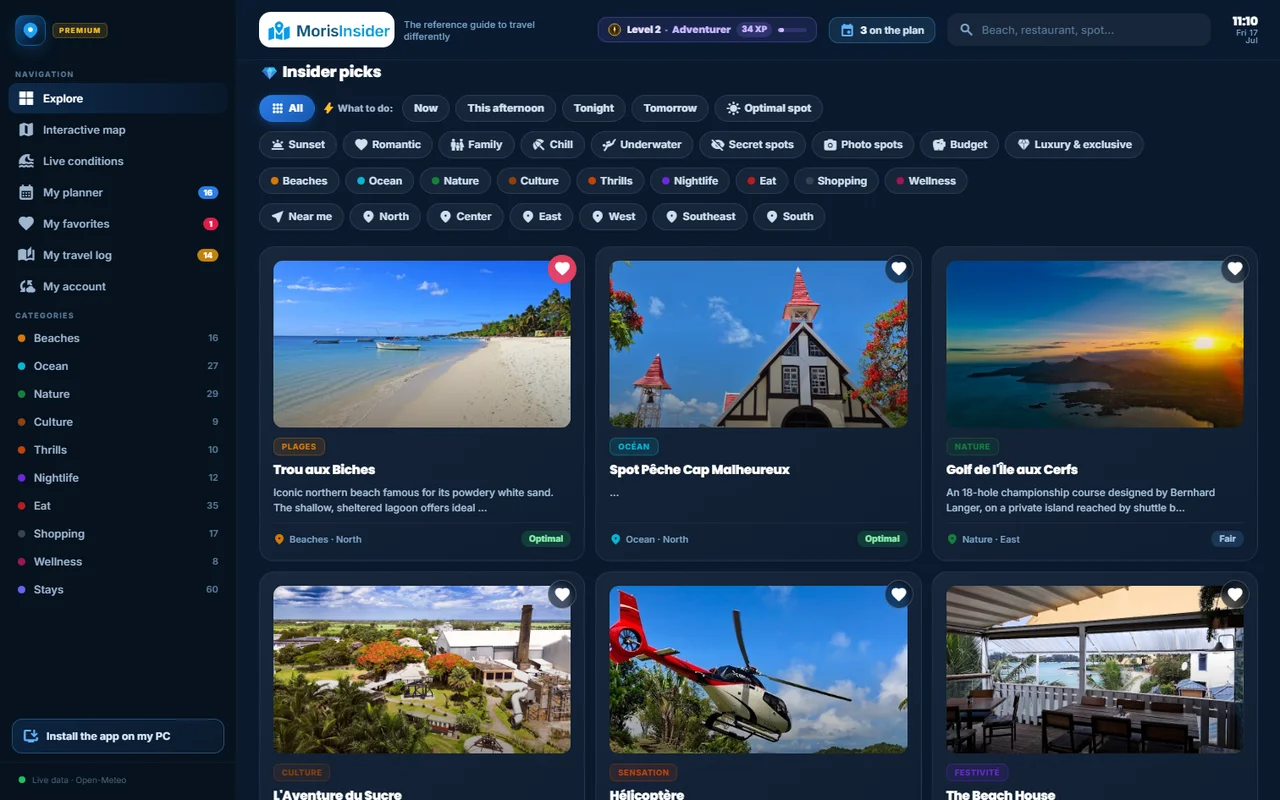
Moris Insider brings together dozens of locally verified spots and live marine weather, so you plan your days in the right place at the right time — and never pay for a wasted outing.
Discover the app →Food: where you save the most
Here's the best-kept secret of the Mauritian budget: you can eat brilliantly for next to nothing. Local street food — dholl puri (the national flatbread), chilli cakes, roti, samosas, fritters — costs mere tens of rupees. A full plate at a small local eatery is only a few hundred rupees.
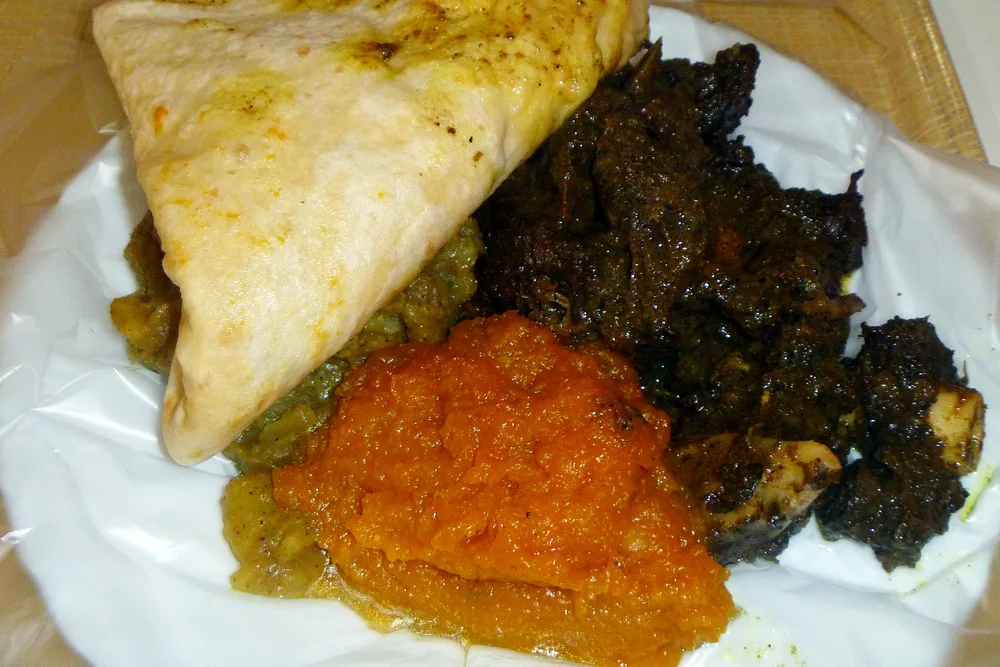
By contrast, tourist restaurants and especially hotel dining charge European prices. Mixing it up is the key: a few treat dinners, and the rest of the time the market, the street vans and the little roadside stalls. You not only save money — you often eat better and far more authentically.

Activities and excursions
Good news: the finest moments in Mauritius are often free. Public beaches, swimming in the lagoon, hikes, sunsets, wandering the markets — none of it costs a thing.
Paid outings come on top, to taste. A catamaran cruise or a trip to Île aux Cerfs runs to a few tens of euros per person depending on the package (lunch included or not). Diving, guided snorkelling, parks and gardens or quad biking each have their price. Our advice: pick two or three experiences you truly care about rather than stacking up paid outings. To balance highlights with beach days, our 7-day Mauritius itinerary shows how to spread it all out without blowing the budget.
Money, SIM cards and small extras
On the island, cards are widely accepted in hotels, restaurants and supermarkets. But always keep cash for markets, street food, taxis and small shops. ATMs are plentiful in towns and tourist areas.
To stay connected without paying steep roaming, a local prepaid SIM is available right at the airport for a few hundred rupees, with very reasonable data bundles. It's the smart little purchase of the trip — especially for using maps and live weather day to day.
Don't forget the small extras that add up: tips (appreciated but not compulsory), a few market souvenirs, water and snacks. Nothing huge on its own, but worth budgeting.
The traps that inflate the bill
A few classics turn a sensible trip into a money pit:
Changing money at the airport or hotel at the worst rates. Excursions sold on the beach without comparing, often far dearer than booking with a proper operator. Taxis with no agreed fare that double at the end of the ride. Tourist-trap restaurants glued to the busiest sights. And the sneakiest of all: wasting a day because you paid for a boat trip on a rough day, or drove an hour to a beach that's unswimmable that day.
We've gathered the essentials of these scams in our guide to the 12 tourist traps to avoid in 2026. Dodging them is a real saving in itself.
Three budgets, from backpacker to comfort
To sum up without inventing fake totals, here's the logic by profile, for one week and per person, excluding the flight (the most variable cost of all):
In every case, the golden rule is the same: you spend less and enjoy more when you plan in the right place at the right time. Paying for a boat trip on a windy day, or crossing the island to a churning beach, is the real waste — not the price of a dholl puri.
That's exactly why we built Moris Insider. The app shows you, for each locally verified spot, live marine conditions, and helps you build your days spot by spot. You can see at a glance where the swimming is beautiful today, where you're better off just admiring the view, and you avoid pointless spending. Small budget, big trip.
Travel smart, spend where it counts
Locally verified spots, live marine weather and a day planner. €24.90 once, for life. 30-day money-back guarantee.
Discover the app →