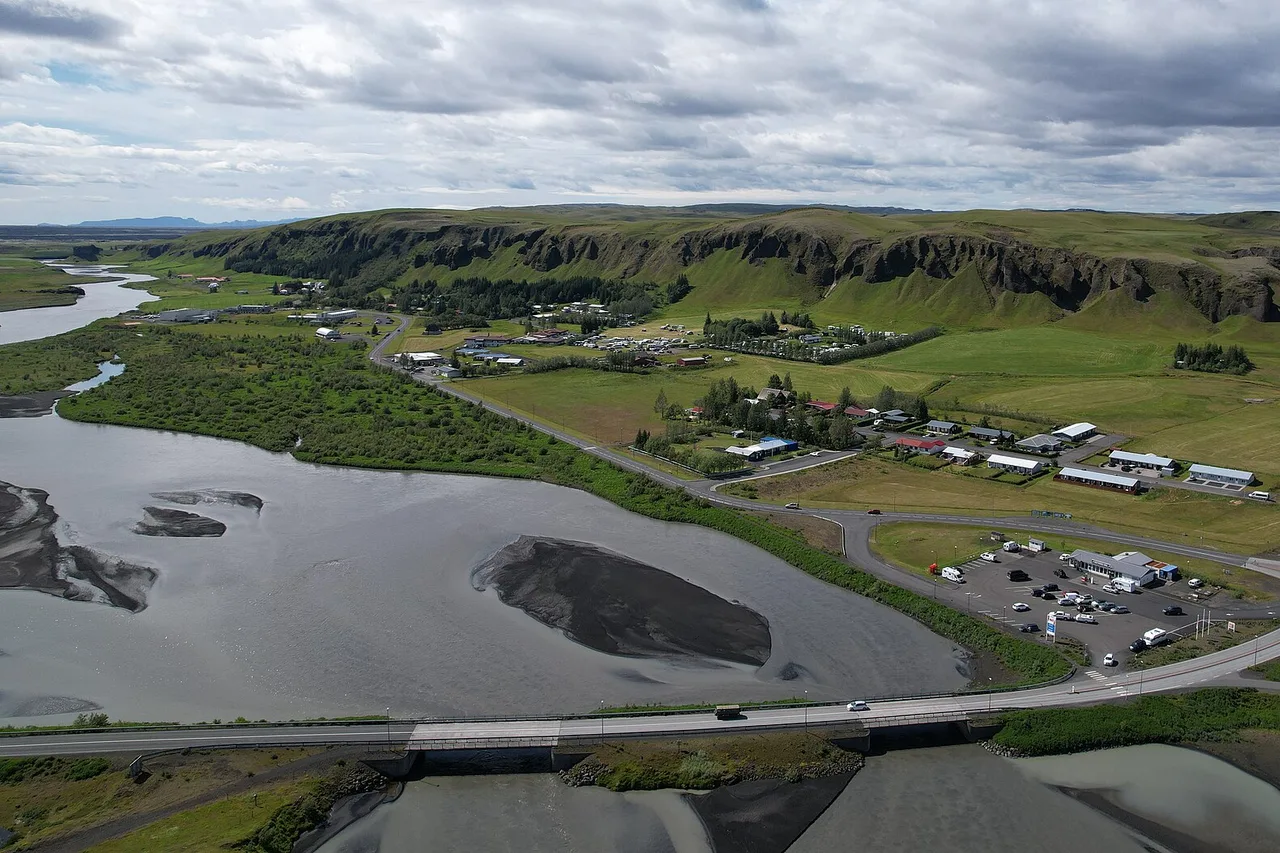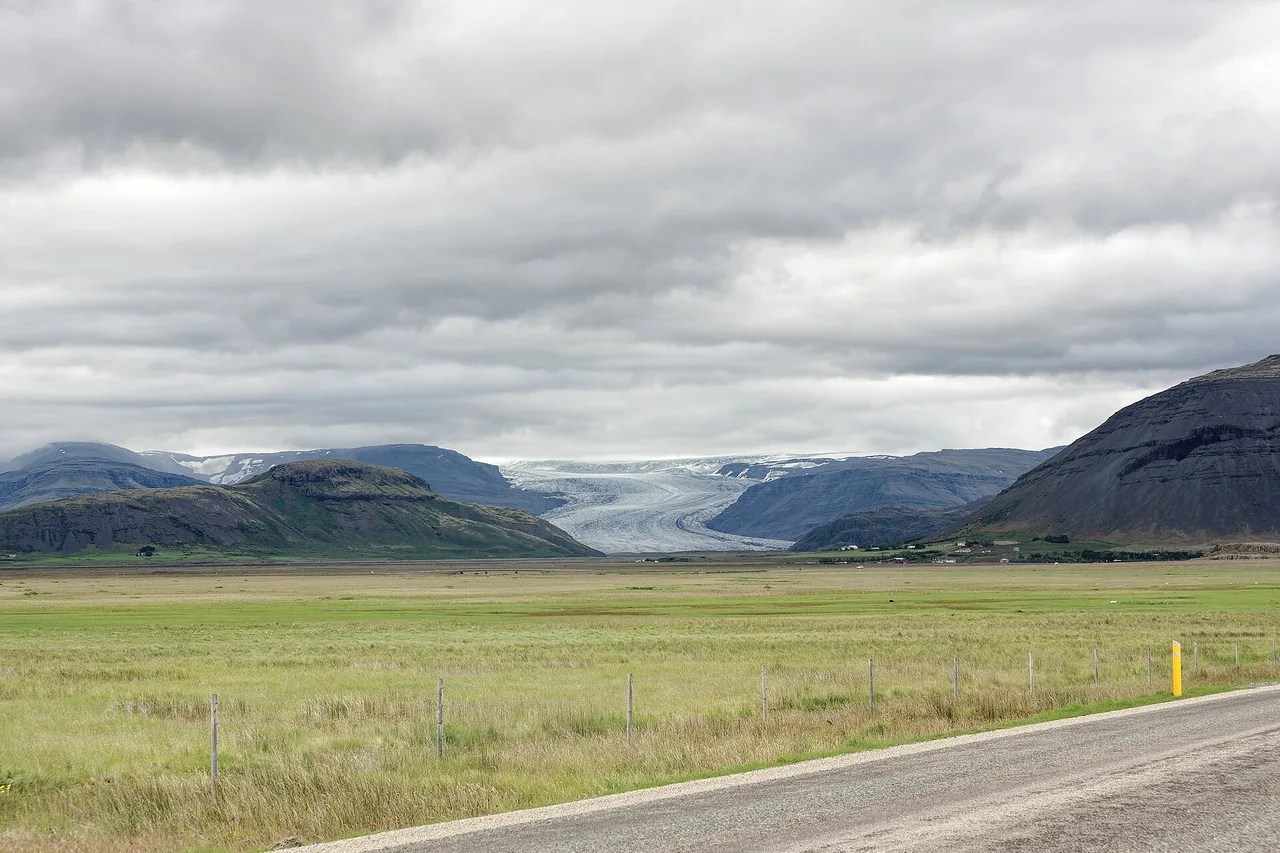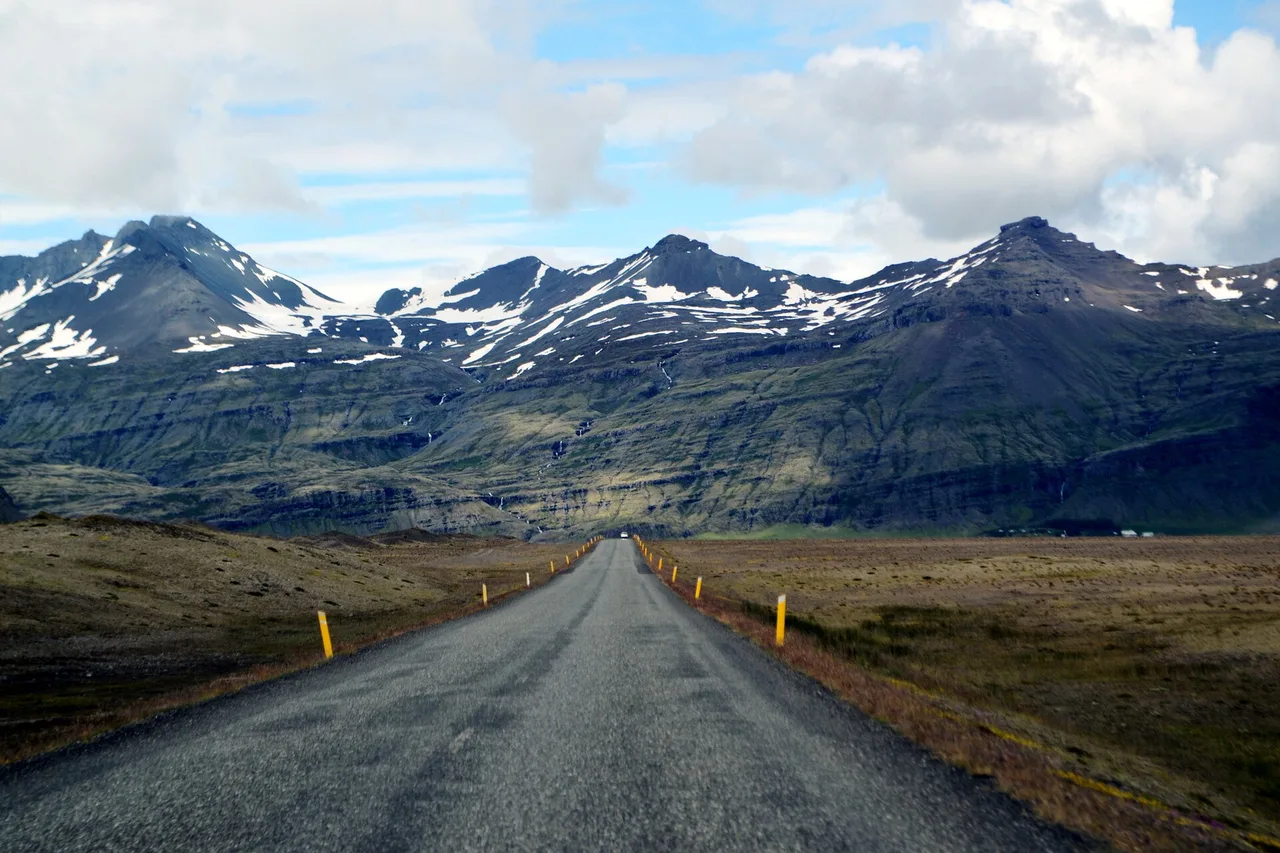
The Ring Road is 1,322 km long. A seven-day loop with the essentials comes to 1,800 km — twenty-four hours behind the wheel — and since 1 January 2026 every one of those kilometres is charged. Iceland has replaced its fuel tax with a per-kilometre road charge, collected by rental companies and absent from the advertised daily rate. Here are the seven legs, the real distances, and the full cost of the loop before your first night’s accommodation.
Seven days, 1,800 km: what that means behind the wheel
The Ring Road is 1,322 km long. That is the figure everyone quotes, and it is accurate — but it describes a loop nobody actually drives as such. Add the Golden Circle, the Dettifoss detour and the run out to Húsavík, none of which sit on Route 1, and a real first-trip tour comes to about 1,800 km.
In time, that is twenty-four hours of pure driving, or three and a half hours a day on average. The word that matters is “pure”: those are wheel times with not a single stop. Add photographs, waterfalls, fuel and meals, and a three-hour leg swallows half a day. That is the real trade-off on this trip — not what to see, but how much you agree not to see.
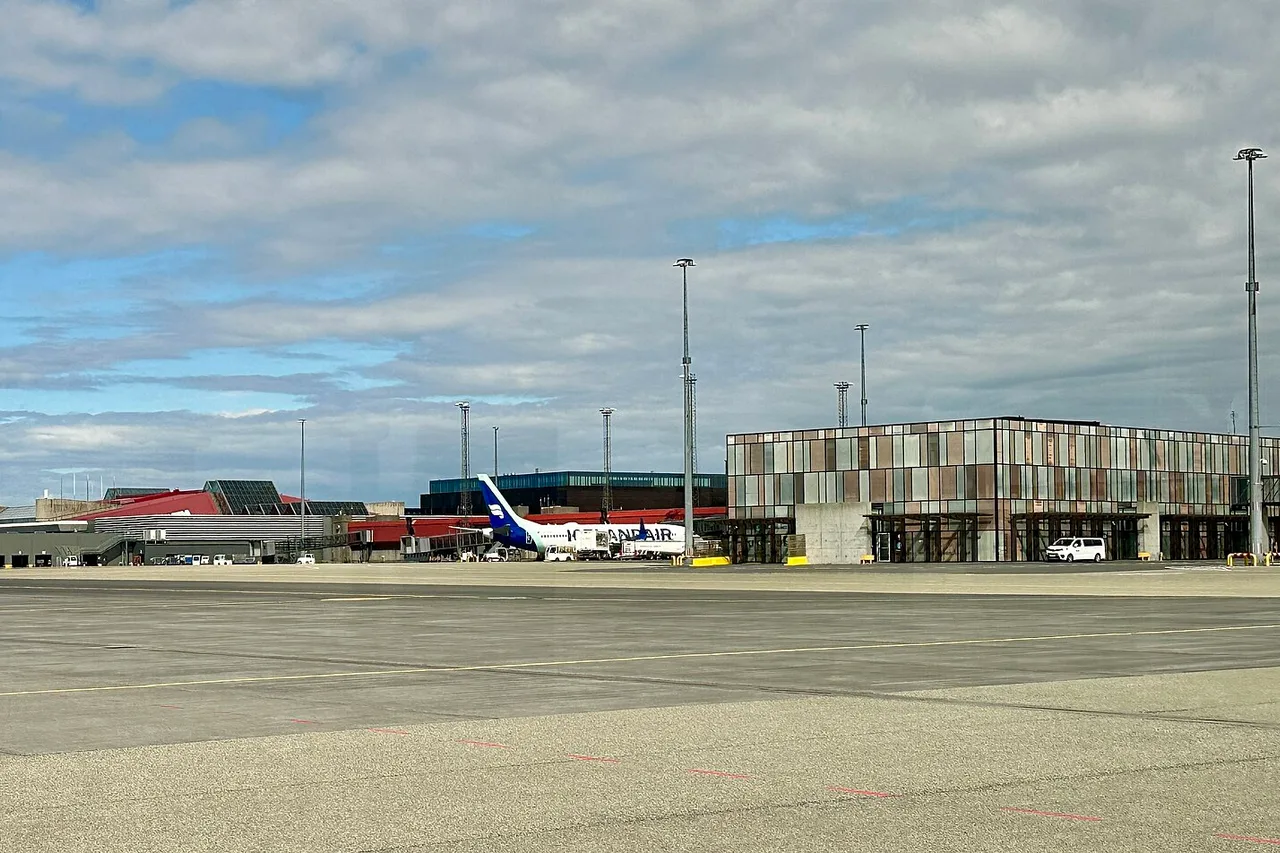
One practical consequence follows, and it is settled before you leave: your landing time decides how many usable days you get. A flight touching down at Keflavík in the late morning leaves a full first leg; an evening flight deletes it, and seven days become six. Comparing arrival times into Keflavík, not just fares shapes the itinerary more than any accommodation choice.
🔴 Since 1 January 2026, the Ring Road is charged by the kilometre
Here is what changed, and it is almost never put first. On 1 January 2026 Iceland switched from fuel duty to a distance-based road charge, the kílómetragjald. The reason is simple: electric vehicles were wearing out the roads without ever passing a pump, and therefore without ever paying.
The rate is ISK 6.95 per kilometre for passenger vehicles up to 3.5 tonnes. It does not depend on the fuel: petrol, diesel, hybrid and electric all pay exactly the same. Nor does it depend on the rental company — it is national law, and the companies collect it on the state’s behalf.
Over an 1,800 km loop that comes to ISK 12,510, about €88. It is not a sum that wrecks a holiday. But it is a sum that does not appear where you look for it: it is billed as a separate line further into the booking flow, never in the headline daily rate. Some companies meter it, others charge a daily flat fee — the mechanism varies, the statutory rate does not.
And the other half of the story has to be told, or the figure misleads: the trade-off was a drop at the pump. Fuel duties were cut at the same time, and unleaded stood at ISK 219.89 a litre on 17 August 2026. Both terms of the calculation moved, in opposite directions. That is exactly why a budget copied from a 2024 guide is worthless now, in either direction.
What the advertised daily rate leaves out
Let us set the bill out in full. This is what the loop itself costs, before the car, before the first night and before the first excursion — the lines you discover on the road, or on the closing invoice.
Full guide: Things to Do in Iceland: Tours to Book, Prices 2026
| Item | Amount | About |
|---|---|---|
| Kilometre charge (ISK 6.95/km) | 12,510 ISK | ≈ €88 |
| Fuel (7 l/100 km) | 27,706 ISK | ≈ €196 |
| Vaðlaheiði tunnel (one crossing) | 2,216 ISK | ≈ €16 |
| Three paid car parks | 3,000 ISK | ≈ €21 |
| Total, excluding the car and the nights | 45,432 ISK | ≈ €321 |
So roughly €321 simply to move the car and park it — about what three or four days of high-season hire costs. The consumption used here, seven litres per hundred kilometres, matches a small petrol hatchback; in a ten-litre SUV the fuel line alone goes from €196 to about €280.
To that, if you take them, add the two protections basic cover excludes, which we come back to below: budget on the order of €13.55 per day and per policy with companies that sell them separately, close to €190 for both over a week.
The consequence is direct, and it is the genuinely new thing to grasp before booking: two rentals at the same daily rate no longer cost the same. The kilometre charge, gravel and sand protection, the second driver and the fuel policy all sit below the advertised line. You therefore have to compare totals, kilometre charge and protections included, redoing the sum for each quote instead of sorting on the headline price.
The itinerary, leg by leg
Direction matters. Heading east along the south coast puts the busiest sights at the start, while you are still fresh, and saves the long return leg for the end, when you feel less like stopping. It also places the Golden Circle on the final day, ninety minutes from the airport.
| Day | Leg | Distance | Driving only |
|---|---|---|---|
| Day 1 | Keflavík → Vík | 230 km | 3 hr |
| Day 2 | Vík → Höfn | 280 km | 4 hr |
| Day 3 | Höfn → Egilsstaðir | 265 km | 3 hr 30 |
| Day 4 | Egilsstaðir → Mývatn | 230 km | 3 hr |
| Day 5 | Mývatn → Akureyri | 150 km | 2 hr |
| Day 6 | Akureyri → Borgarnes | 315 km | 4 hr |
| Day 7 | Borgarnes → Keflavík | 330 km | 4 hr 30 |
| Total | — | 1,800 km | 24 hr |
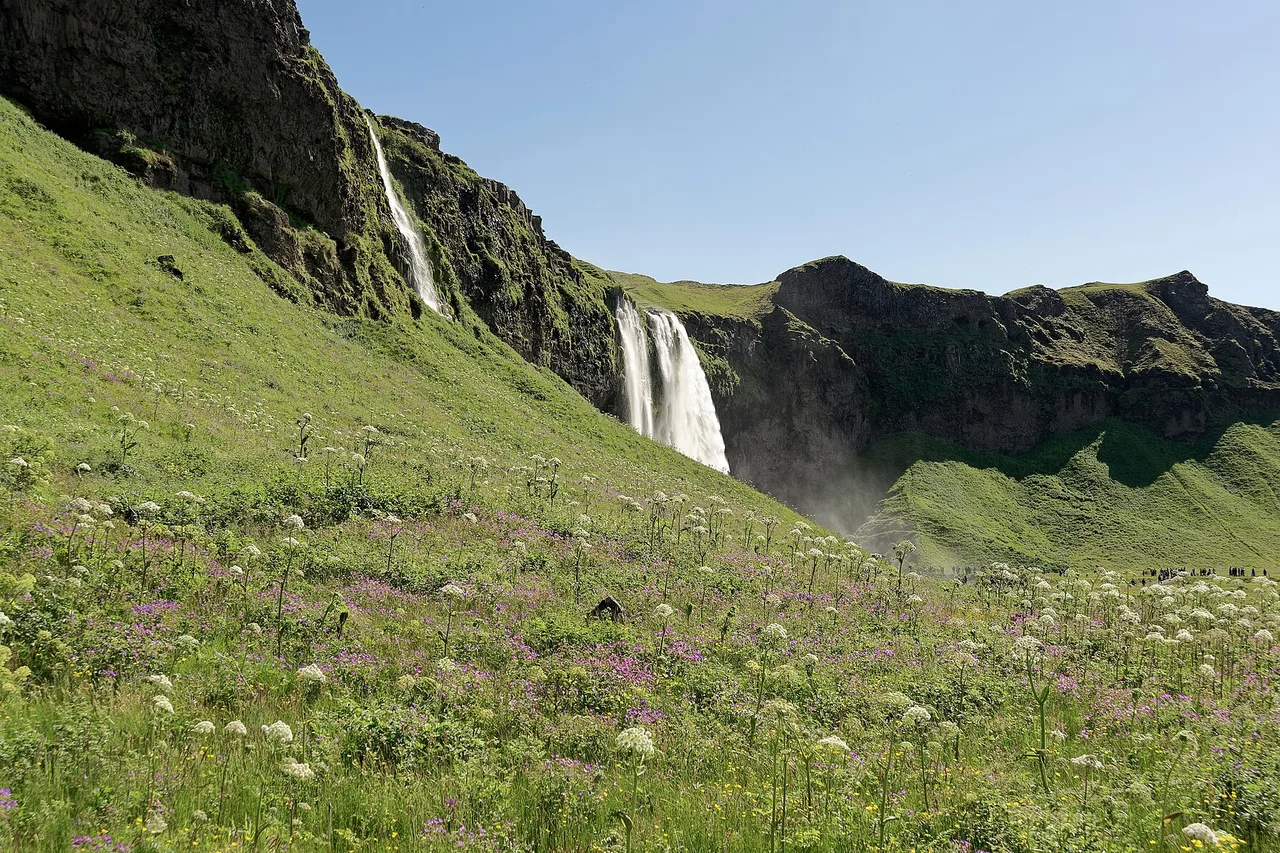
Day 1 — Keflavík to Vík. You do not sleep in Reykjavík: with seven days, the capital is what you give up. Head straight for the south coast, where Seljalandsfoss and Skógafoss follow one another thirty kilometres apart. Both waterfalls are free to visit; it is the parking that costs, ISK 1,000 per vehicle at each, a flat fee paid by QR code on site.
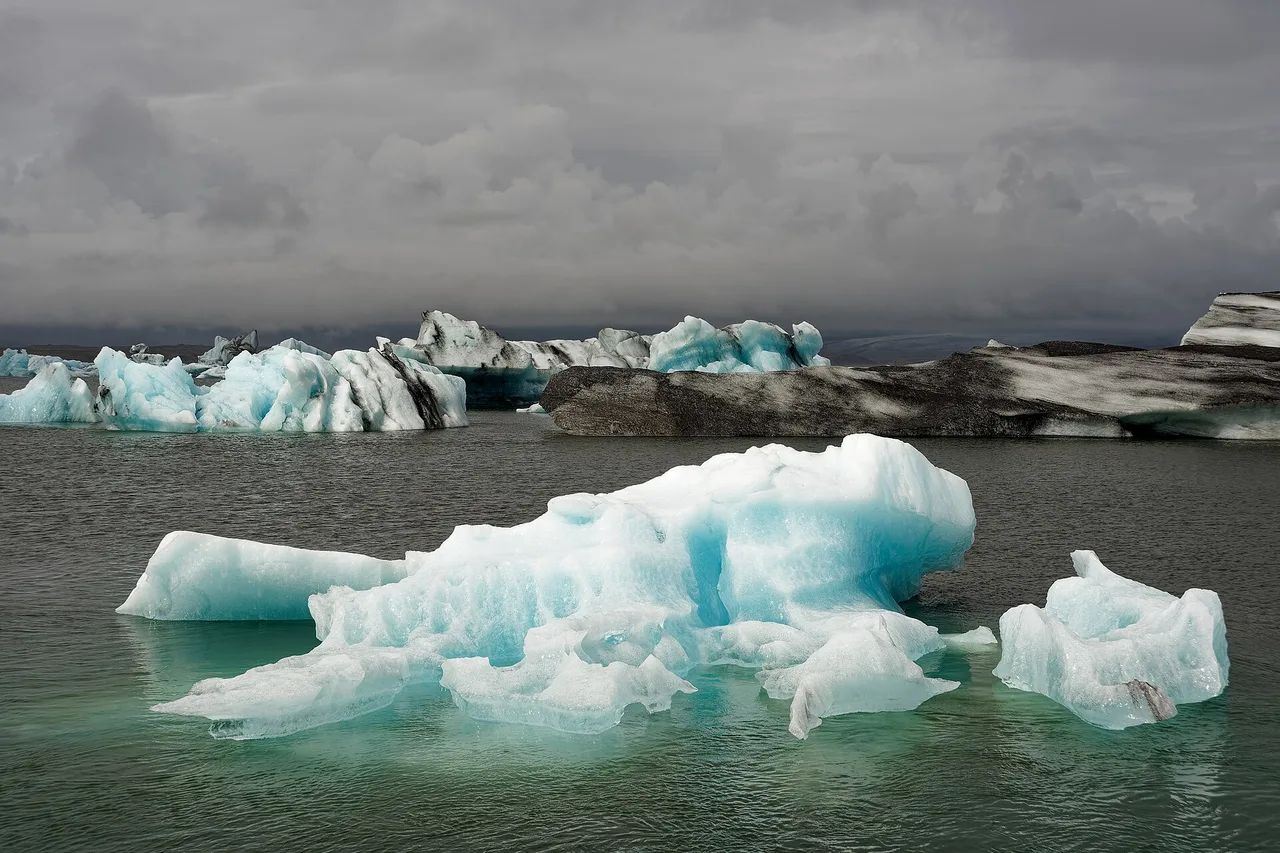
Day 2 — Vík to Höfn. The finest leg, and the one where you watch the fuel gauge: between Kirkjubæjarklaustur and Höfn lies the longest fuel gap on the Ring Road, around 200 km. Fill up beforehand, every time. Jökulsárlón comes two thirds of the way along, with Diamond Beach directly opposite, across the bridge.
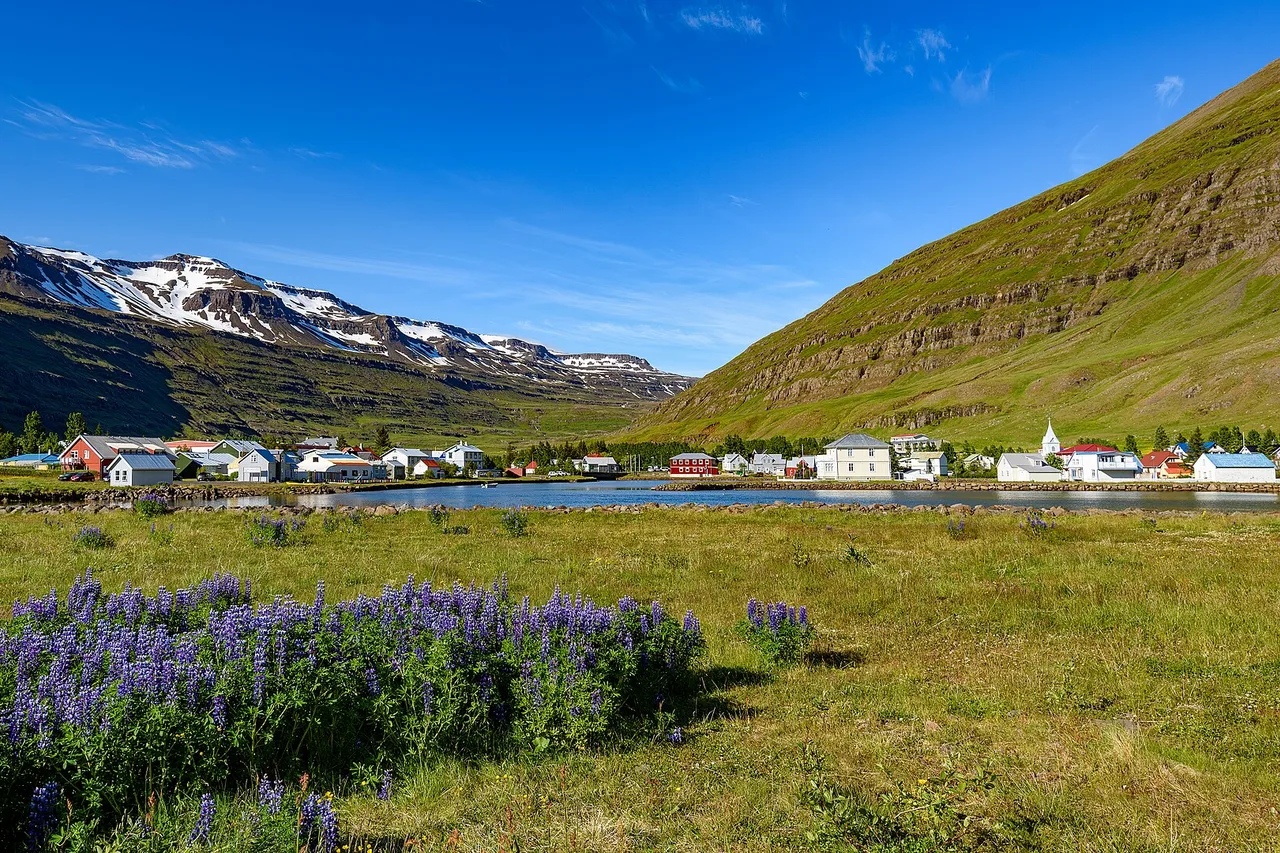
Day 3 — Höfn to Egilsstaðir. The East Fjords, the slowest stretch of the loop: the road follows every inlet, and two points fifty kilometres apart as the crow flies take twice that by road. Allow generously. This is where the question of the Öxi pass, Road 939, arises: twenty kilometres of gravel, gradients reaching 20%, and about 71 km saved between Djúpivogur and Egilsstaðir. It is drivable in a two-wheel-drive car in summer, closed in winter, and still not recommended for small cars. This is no casual short cut: it is a genuine mountain pass, unpaved in 2026.
Full guide: Car Rental in Iceland: Prices, Insurance and F-Roads
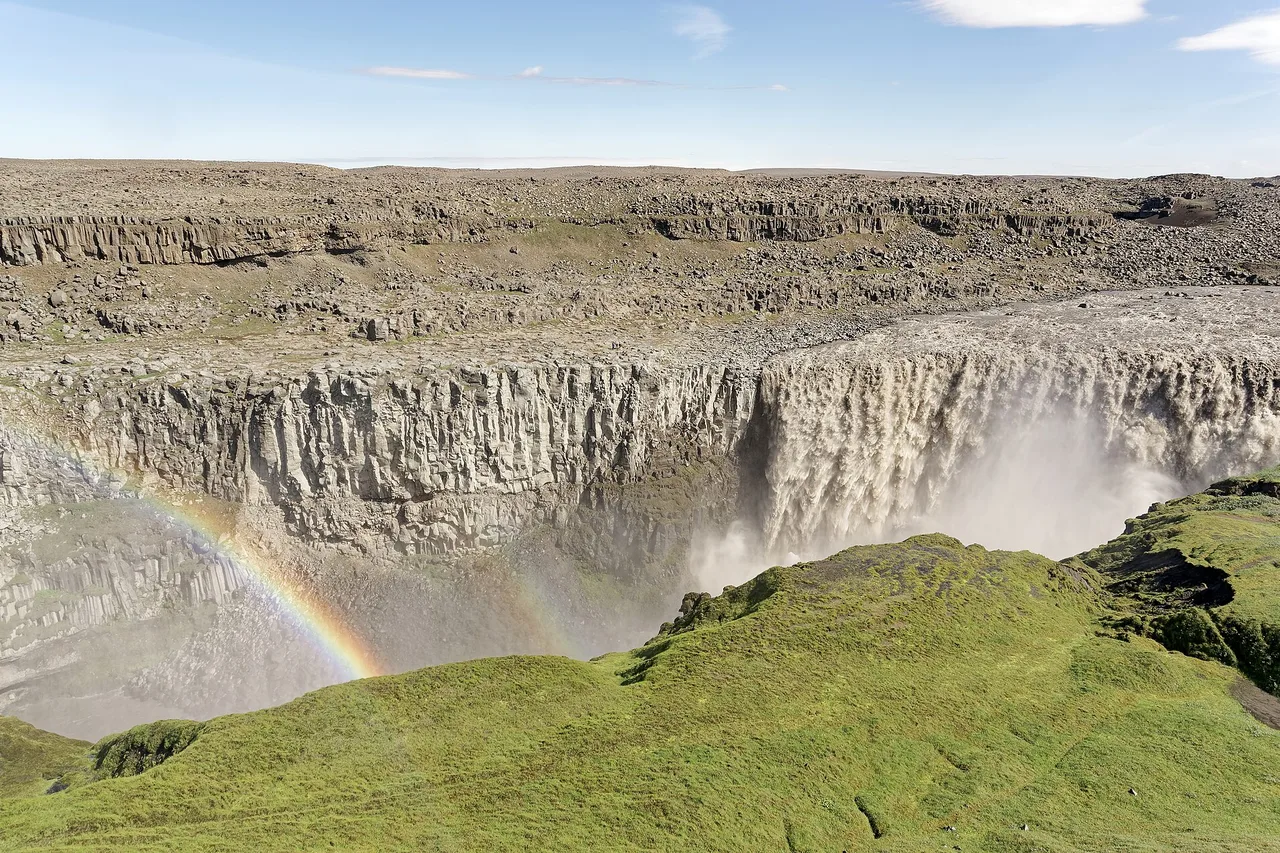
Day 4 — Egilsstaðir to Mývatn. Route 1 runs 165 km between the two; the detour to Dettifoss, the most powerful waterfall in Europe, adds about sixty more and a good two hours. Take Road 862 from the west: it is paved and open almost year-round, whereas Road 864 from the east is still gravel.
Day 5 — Mývatn to Akureyri. The shortest day, deliberately: it is the breathing space in the middle of the loop. Húsavík, fifty-five kilometres away, is the country’s best-known whale-watching port. Goðafoss sits right beside the road.
Day 6 — Akureyri to Borgarnes. The long haul across the north-west, more than three hundred kilometres with no major site. This is the day you simply cover ground, and it is better to know that while planning. It opens with the Vaðlaheiði tunnel, which we come to next.
Day 7 — Borgarnes, Golden Circle, Keflavík. Þingvellir, Geysir and Gullfoss follow one another within seventy kilometres, and the airport is ninety minutes further. Do not book an early-afternoon flight: this day has no slack at all.
The three places you pay without expecting to
The Vaðlaheiði tunnel first. Seven and a half kilometres under the mountain, on Route 1 just east of Akureyri, open since December 2018: ISK 2,216 per crossing for a car. The trap is not the price but the mechanism: there are no barriers and no toll booths. A camera reads the plate, and payment is made online at veggjald.is or through the “Veggjald” app within twenty-four hours before or after the crossing. Miss that window and a collection fee is added, with the bill going to the registered keeper — that is, to your rental company, which will pass it on with a surcharge. Self-service kiosks have stood at both portals since July 2026.
And there is a way out that few guides mention: the old Víkurskarð road is still open and free. It adds about sixteen kilometres, gives you a view over the fjord, and is an easy drive in fine summer weather. In bad weather or in winter, take the tunnel: that is precisely why it was dug.
Car parks next. The idea that “nature is free in Iceland” has stopped being true at the busiest sites. Þingvellir, Seljalandsfoss and Skógafoss each charge ISK 1,000 per vehicle. The Kerið crater works differently: it is an entrance fee of ISK 600 per person, which changes the total as soon as there are two of you. Payment is by QR code from your browser at some sites, through the Parka app at others.
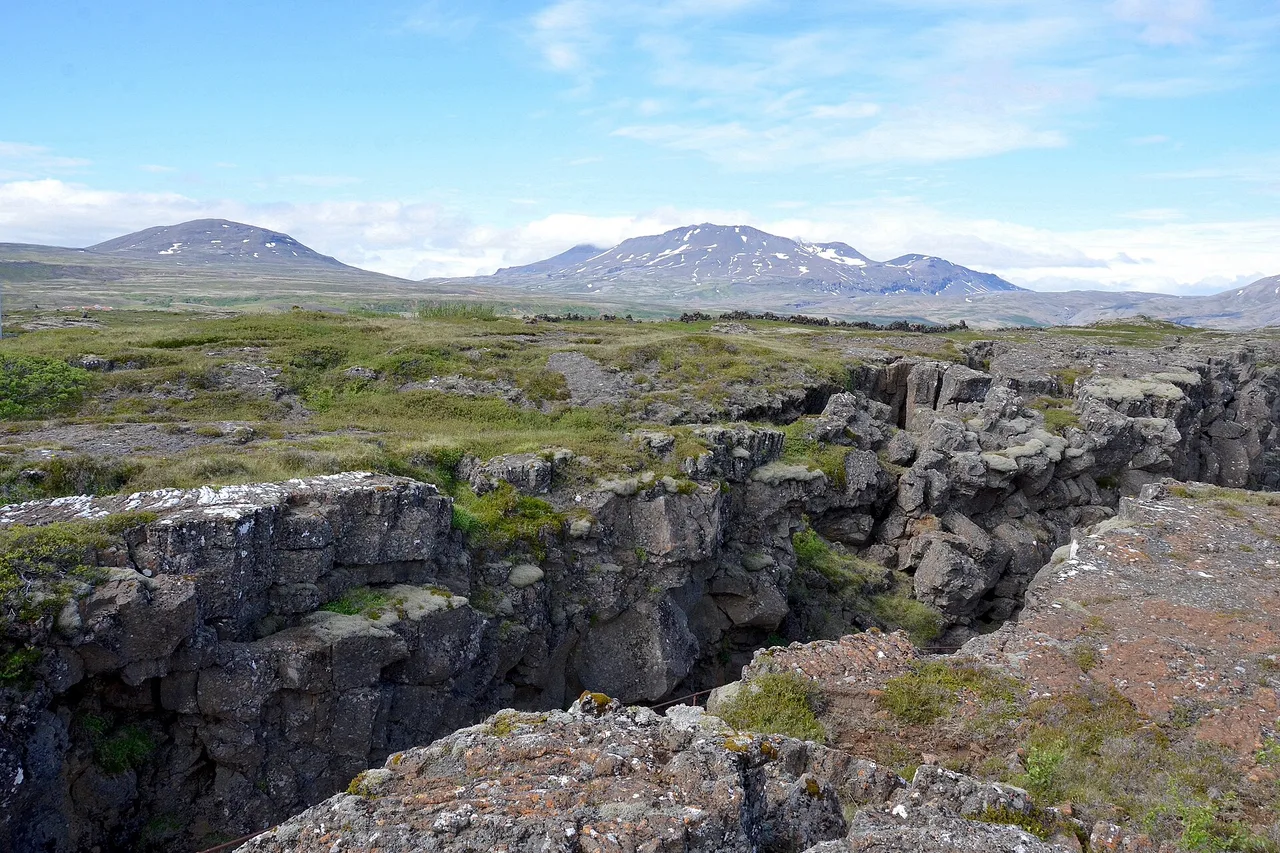
Fines, finally, because they are easier to trigger here than elsewhere. Speed is capped at 90 km/h everywhere on paved roads, Route 1 included, 80 on gravel and 50 in built-up areas; cameras are numerous and fines run from around ISK 30,000 to over ISK 150,000. Above all, off-road driving is a criminal offence: up to ISK 500,000 in fines and up to two years in prison. Leaving the road surface for a photograph is not bad manners, it is a crime.
What no insurance covers: the wind
Two uniquely Icelandic policies are missing from any basic cover, and they exist because the damage is real. Gravel protection covers the windscreen, headlights and front of the car: a replacement windscreen costs ISK 70,000 to 200,000, and paintwork chips ISK 37,000 to 122,000. Sand and ash protection covers sandblasting in high winds, a speciality of the south coast between Vík and Mýrdalssandur: there the bill runs from ISK 500,000 to 1,500,000. Against those figures, a few euros a day settles the argument quickly.
But here is the point comparison articles miss, and it matters more than the choice of policy: a door bent back by the wind is covered by no insurance whatsoever. It is nonetheless the single most common incident Icelandic rental firms see — a gust catches an open door, folds it against its hinges, and the repair is entirely yours. The habit that prevents it fits in one sentence: always hold the door with both hands and open it facing into the wind, never with your back to it. Every company also excludes river crossings, underbody damage, off-road driving and lost keys.
What to book ahead, and what not to
On this loop the list of things to reserve is shorter than you would think — which is just as well, because an itinerary pinned down day by day collides with weather that changes by the hour.
The car, yes, and as early as possible for summer: the Icelandic fleet is limited and prices climb steeply near the date. The nights, yes, because the staging villages have few addresses and they fill up — but nothing obliges you to fix everything, and leaving one night open mid-route buys the slack you always end up needing.
Excursions, by contrast, come down to two worth taking in advance: the boat among the icebergs at Jökulsárlón, which sells out several days ahead in summer, and whale watching at Húsavík, where the morning departures go first. Both of these can be booked online before you leave; everything else on the loop — the waterfalls, the black-sand beaches, the craters, the fjords — is free to visit, with no ticket and no timetable.
Two things, finally, to know before arriving. The EES biometric border check has been fully operational at Keflavík since 10 April 2026: it applies to third-country nationals, not to EU and Schengen citizens, and it lengthens queues at peak times. And the Reykjanes peninsula, which you cross on leaving the airport, has no eruption under way as of 22 August 2026 — the last one ended on 5 August 2025, and Grindavík and the Blue Lagoon are open. Magma is nonetheless still accumulating beneath Svartsengi and a resumption is considered likely: that is a dated state of affairs, not a guarantee, and it should be checked at almannavarnir.is and en.vedur.is.
Before every driving day: three sites, two minutes
This is the habit that sets an Icelandic road trip apart from any other, and it takes less time than a coffee. Three official sites, every morning, before you turn the key.
umferdin.is gives real-time road status in English, from the road administration’s own monitoring stations. vedur.is, the meteorological office, gives the wind — and in Iceland wind matters more than rain: it is what closes roads and tears off doors. safetravel.is publishes safety alerts and lets you file a travel plan. The 112 Iceland app is for the emergency itself: one button sends your GPS position to the rescue services.
A last word on what this loop does not include, and what you should not try to add to it. The F-roads, the interior tracks, are closed to ordinary cars and require a genuine 4×4; they belong in no seven-day itinerary. Route 1 itself is fully paved and no longer has a single gravel section: the simplest car will manage it. What wears you out on this trip is not the road — it is the number of things you would like to see and leave behind you.
Top-rated activities in Iceland, bookable online: