On 14 March 2026, JR East raised its fares for the first time in thirty-nine years. The headline figure, +7.1 %, is not the story: on that day the discounted tariff band that covered the inside of the Yamanote loop was abolished, and some central Tokyo journeys jumped by more than 20 % at once. Most guides online still show February prices. Here is what you will actually pay, and how the Suica card really works in 2026.
What changed on 14 March 2026, and what most guides never corrected
Thirty-nine years without an increase, then one, all at once. On 14 March 2026, JR East raised its fares by 7.1 % on average and lifted its minimum ticket from 150 to 160 ¥. An average, though, tells you nothing about what you will pay: the real decision sits elsewhere, in a technical line almost nobody relayed.
Until that date, journeys made inside Tokyo’s urban zone fell into a discounted fare band, cheaper per kilometre than the rest of the network. That band was abolished. Those journeys are now charged on the main-line scale — which is how an entirely ordinary hop can rise by more than 20 % when the announced average is 7.
| Journey | Before 14 March | Since 14 March | Change | What it means |
|---|---|---|---|---|
| Tokyo → Ikebukuro (Yamanote, IC) | 208 ¥ | 253 ¥ | +22 % | The most ordinary hop in Tokyo now costs 45 ¥ more than in February |
| Ueno → Narita (JR, IC) | 935 ¥ | 1 221 ¥ | +31 % | The ordinary train to the airport loses its price advantage |
| Shinjuku → Hachiōji (JR, IC) | 492 ¥ | 616 ¥ | +25 % | Private rival Keiō stays at 409 ¥ — a third cheaper than JR |
| Tokyo → Kanazawa (Shinkansen supplement) | 7 480 ¥ | 7 700 ¥ | +3 % | High speed barely moved; it is the local ride that jumped |
| JR East minimum fare | 150 ¥ | 160 ¥ | +7 % | The fare you pay without thinking, ten times a trip |
Look at the third line of the table, Shinjuku to Hachiōji: JR went to 616 ¥ while the private Keiō line, serving the same corridor, stays at 409 ¥. The old reflex — “just take JR, it is simpler” — has lost a third of its value on journeys like that. In Japan the private railways are not a second-tier network: often the same stations, the same frequencies, and now a clearly lower price.
The IC card: one card for the whole country, and three limits
It is the first thing to do on arrival and the simplest. A prepaid IC card is touched onto a gate reader, the exact fare is deducted as you leave, and you never again work out a zone in front of a map written in Japanese.
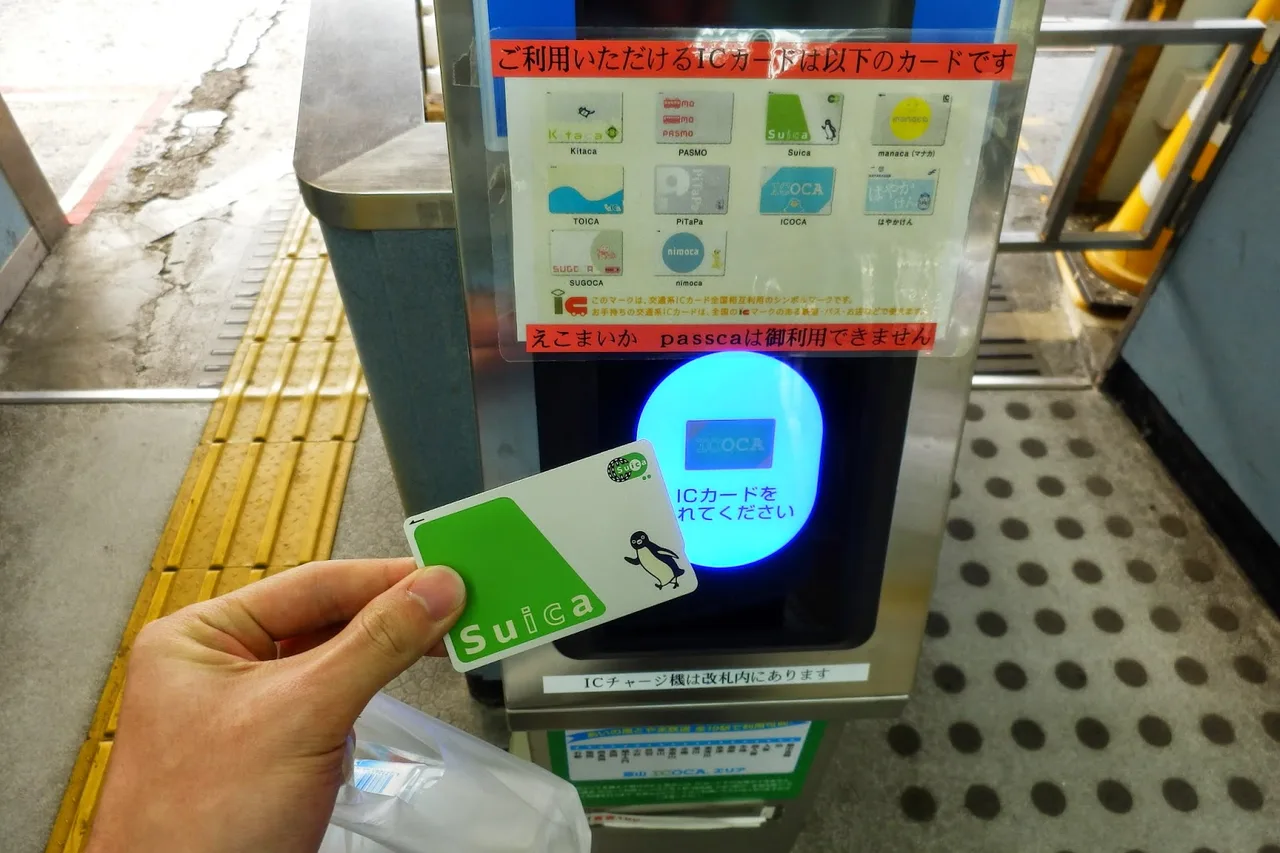
The name changes by region — Suica in Tokyo, ICOCA in Osaka, SUGOCA in Fukuoka — but ten cards were made mutually compatible in 2013. One is enough for the whole trip, and it also pays for coin lockers, vending machines and convenience stores. Buy whichever is in front of you: comparing them is wasted time.
Three limits, which nobody announces and which surface at the wrong moment. The balance is capped at 20,000 ¥: two people on a two-week trip will hit it. Machine top-ups are in cash, in 1,000 ¥ steps — keep notes, even if you pay by card everywhere else. And refunds are only possible from the issuing operator, with a 220 ¥ fee: a Suica cannot be handed back in Osaka.
Good news, though, if you have been reading guides written between 2023 and 2025: unrestricted sales of unregistered cards resumed on 1 March 2025. The chip shortage that froze distribution for almost two years is over. You are no longer forced onto the visitor-only Welcome Suica.
iPhone yes, Android no: the asymmetry to settle before you fly
Here is the sharpest difference between two travellers leaving on the same day, and it depends entirely on the phone in their pocket.
On iPhone, Suica goes into Apple Wallet in seconds: no physical card, no deposit, top-ups from the phone. JR East also offers Welcome Suica Mobile, launched in March 2025: built for visitors, valid 180 days, no account to create, and since 1 October 2025 linked to JR East Train Reservation, so you can book a Shinkansen or a limited express from the same app.
On Android, no — and it needs saying plainly. Mobile Suica requires the Osaifu-Keitai chip fitted to phones sold in Japan; an Android bought in Europe cannot install it, and Welcome Suica Mobile still had no Android version in the summer of 2026. The answer is not a setting, it is a physical card bought on arrival. Better to know beforehand than at a ticket gate.
One detail, on either platform: these cards live on a data connection. An offline map does not recalculate a route when a connection fails, and an online top-up needs signal. Japan is outside the European Union, so your plan does not include roaming there: an eSIM activated before take-off saves hunting for a hotspot as you leave the aircraft. And carry cash — some foreign bank cards are refused when topping up a mobile Suica.
Full guide: Japan eSIM: networks, prices and traps before you buy
The Shinkansen is not inside your card
This is the classic mistake, and it happens at the gate with a suitcase in hand. An IC card is not a Shinkansen ticket. It pays for urban and regional trains; high speed belongs to another system, with a fare ticket and a supplement.
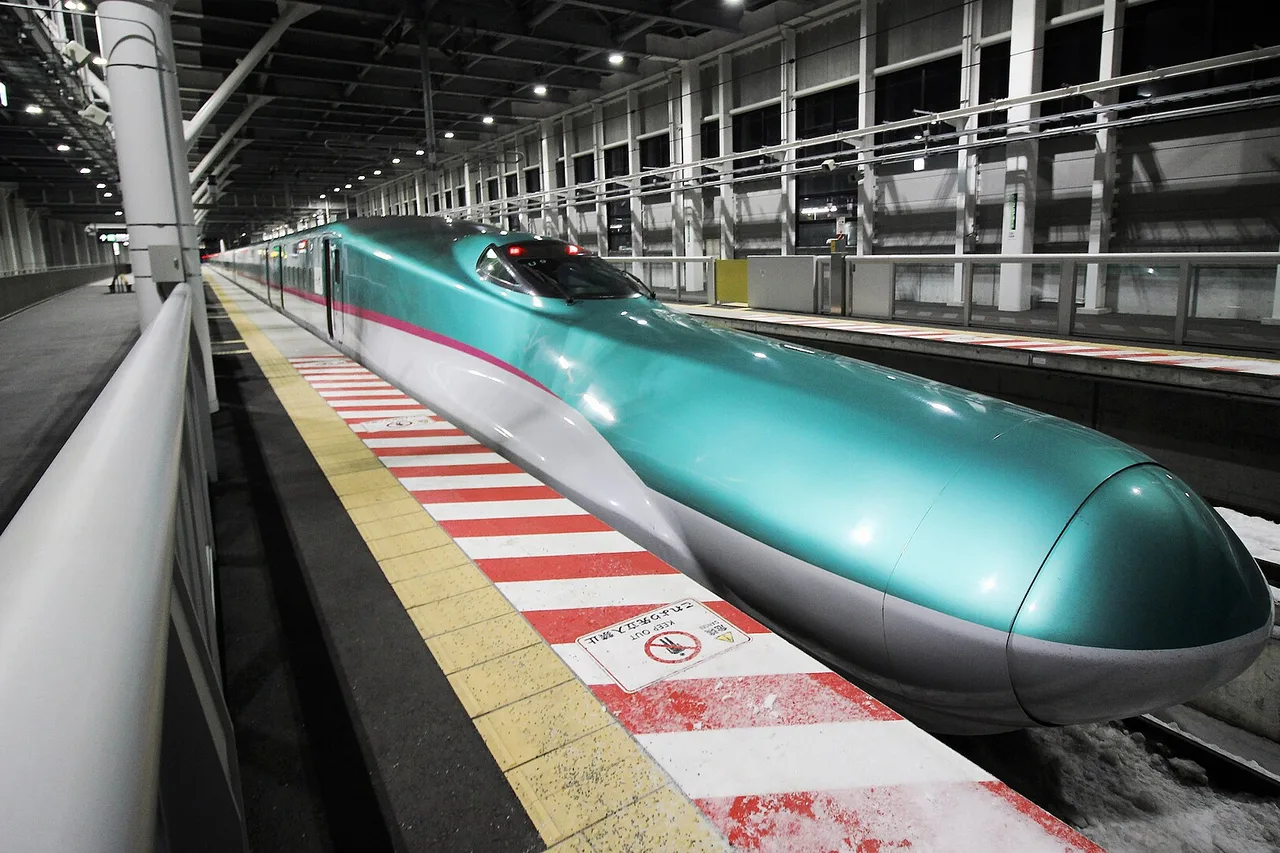
Three routes exist, depending on the line. Smart EX covers the Tōkaidō and San’yō, meaning the Tokyo – Kyoto – Osaka – Hiroshima axis. JR East Train Reservation, formerly EkiNet, covers the east and the north. And “Touch de Go! Shinkansen” lets you board a non-reserved seat simply by touching your IC card, on the Tōhoku, Akita, Yamagata, Jōetsu and Hokuriku lines as far as Jōetsu-Myōkō: the fare is deducted on the way out, exactly like an ordinary train.
One caveat, the only one, but it matters: “Touch de Go!” requires a one-off setup at a ticket machine before your first journey. Done calmly the evening before, it takes a minute; discovered on the morning of departure, it is a queue.
JR, metro, private lines: who to take now the prices have moved
Tokyo does not have one network but three, stacked on top of each other: JR lines at surface level, the two subways (Tokyo Metro and Toei), and the private companies running from the centre out to the suburbs and the mountains. The IC card pays for all of them without distinction — which is the only thing they have in common.
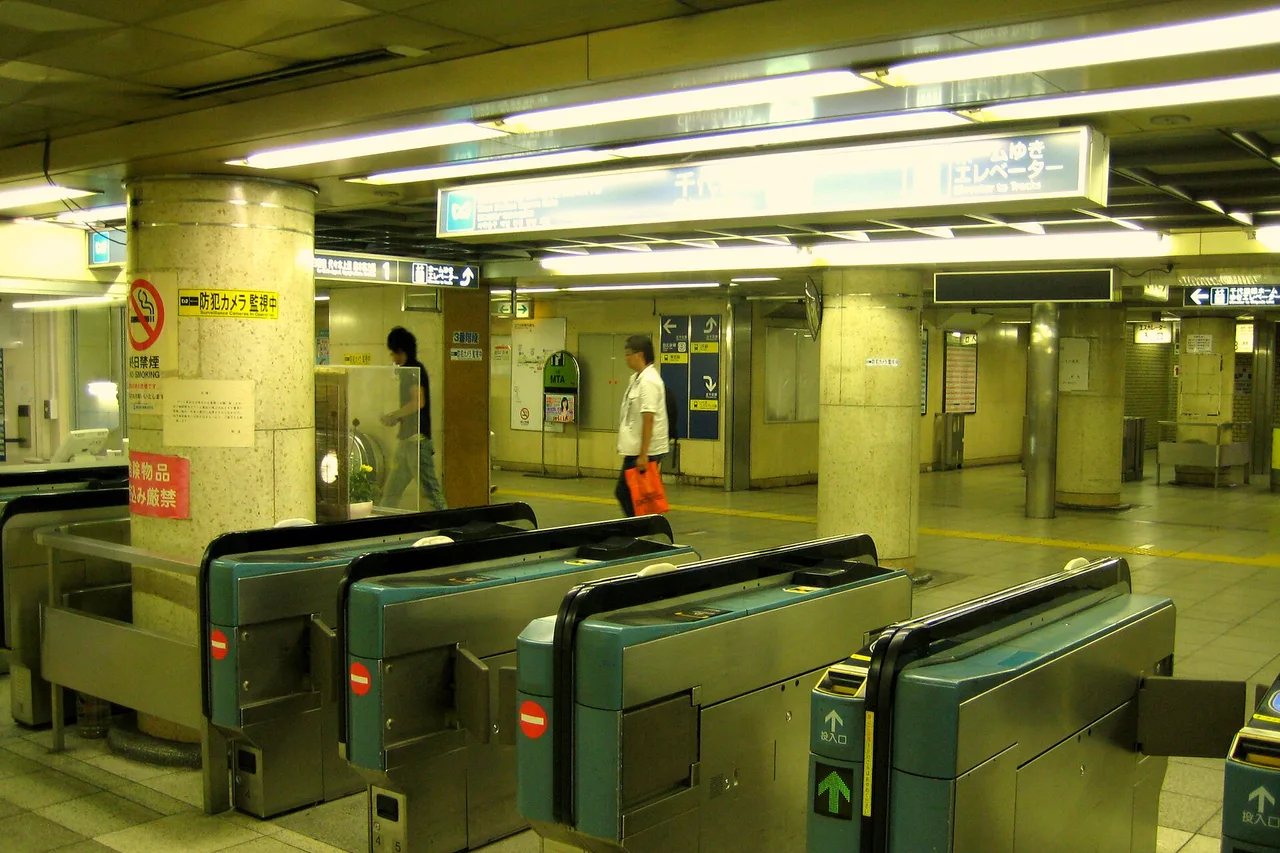
The Tokyo Metro starts at 180 ¥ and was not affected by the March rise, its last revision dating from 2023. On short central journeys it is therefore often cheaper than JR now, which was not obviously true in February. For trips west — Hachiōji, Mount Takao, Kamakura on another company — always compare with the competing private line: the gap now reaches a third of the price.
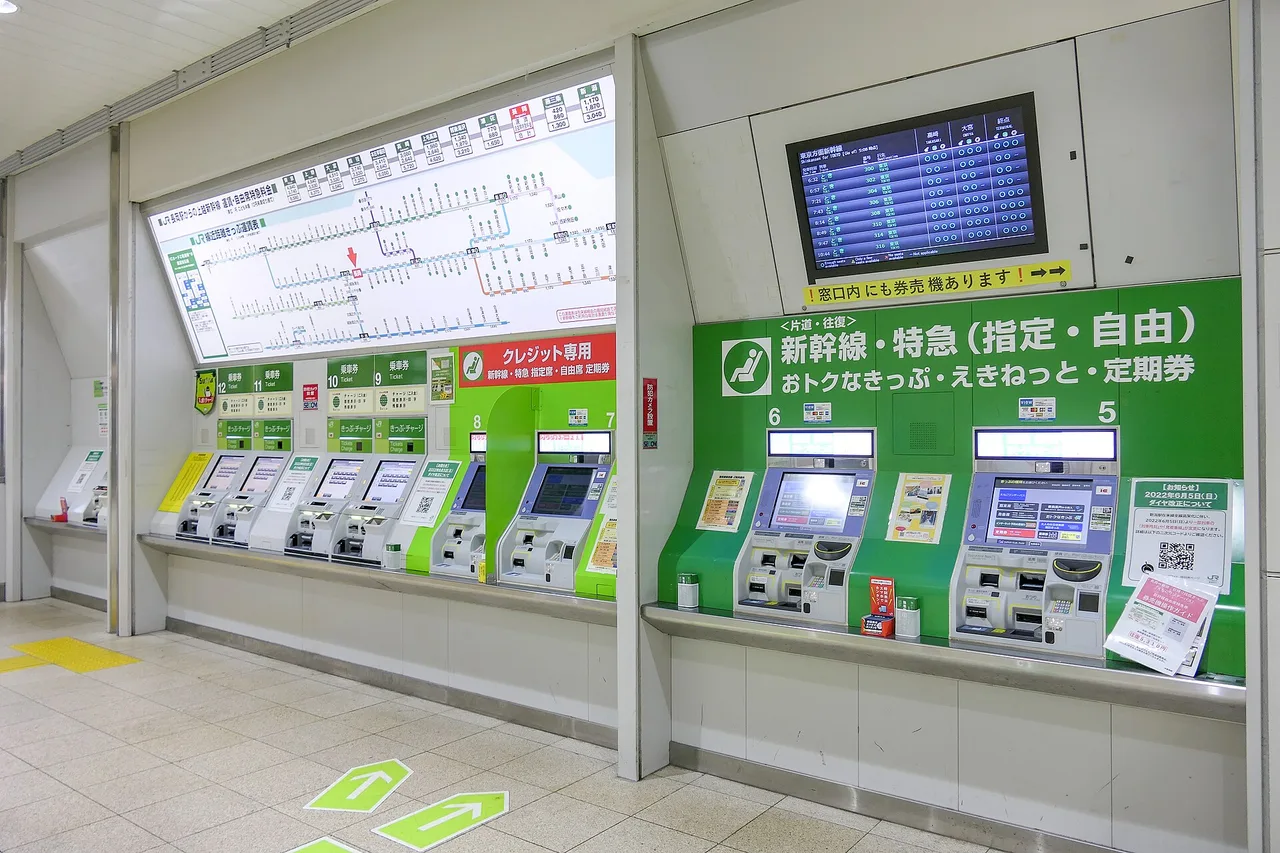
A word about the machines, since everything goes through them: top-ups, Shinkansen tickets, the “Touch de Go!” setup. They all have an “English” button and take cash; only some take foreign cards. That is the most common reason for turning back at a gate — not the language.
Airport to city: the leg where most money is lost
Narita is sixty kilometres from Tokyo, and it is the one moment of the trip where the gap between two choices runs into thousands of yen.
The Keisei Skyliner costs 2,580 ¥ at the station — 1,280 ¥ of fare plus a 1,300 ¥ supplement. The same journey costs 2,310 ¥ on the discounted visitor ticket, provided you buy it before you arrive: it is not sold at the station counter. That is 270 ¥ of difference for a ticket bought online before departure, and one of the rare cases where booking ahead genuinely pays.
Full guide: Things to Do in Tokyo: Tickets to Book Ahead (2026)
By ordinary JR train, Ueno–Narita went from 935 to 1,221 ¥ on 14 March. It is still the cheapest option, but the gap with the Skyliner has narrowed by a third, in exchange for an extra hour and changes with luggage.
Then there is the case trains handle badly: arriving three or four strong, with large suitcases, heading for a hotel that is not next to a major station. Two changes in a crowded corridor erase the saving in tiredness rather than in yen; a private transfer booked in advance then compares honestly with the total of four tickets. For two people travelling light into the centre, the Skyliner remains unbeatable.
Where the card stops: the countryside
Everything above describes cities. An hour by train from the last major station the scenery changes, and the card reader disappears.
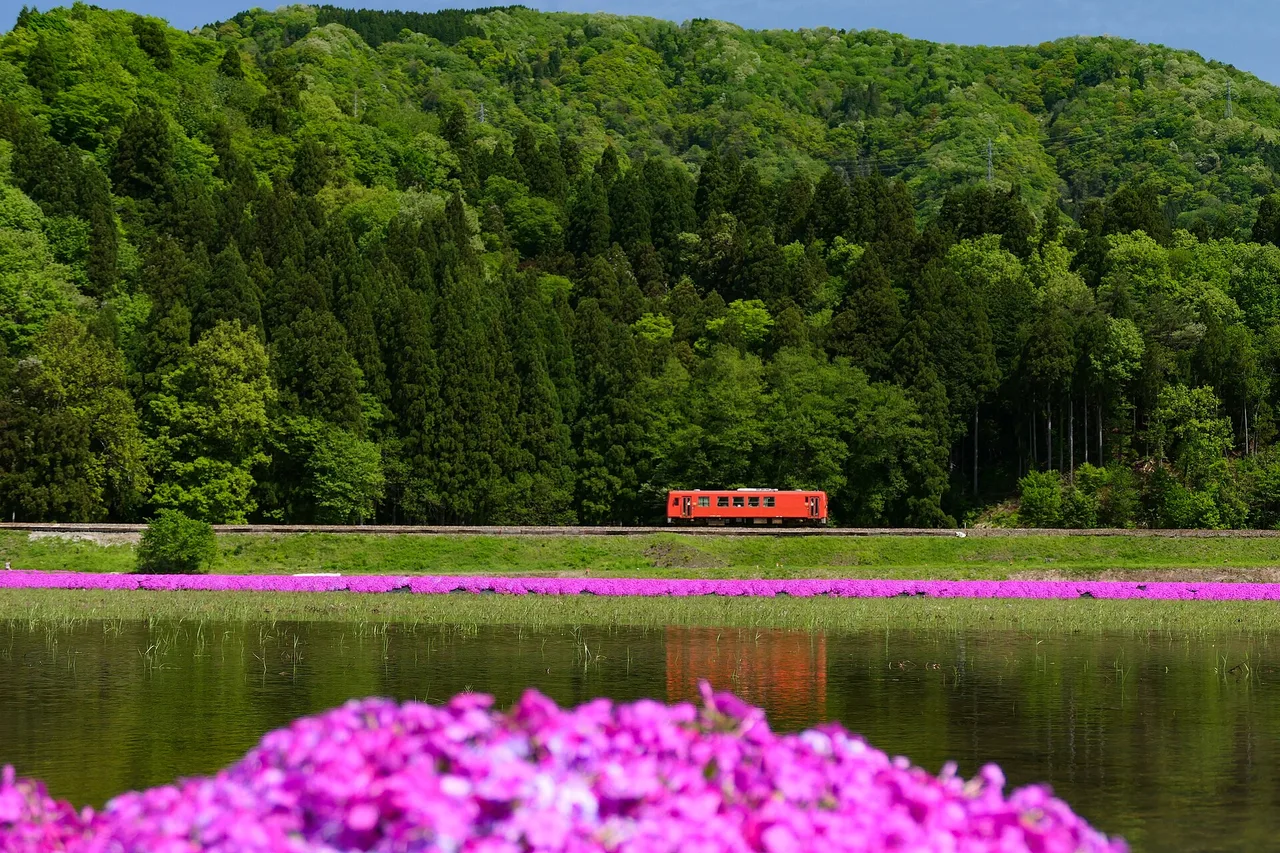
In the valleys of Shikoku, along the Tōhoku coast, in northern Hokkaidō, local buses and single-carriage railcars still run on cash and paper tickets. You board by the rear door, take a numbered slip, and pay the driver as you get off, at the fare shown on a screen at the front. Nothing complicated — but you need coins, and a Suica balance is no help.
The practical rule fits in one sentence: always keep a few thousand yen in cash. This is not general prudence, it is the direct consequence of a two-speed network where the IC card covers cities perfectly and stops dead at their edges. And it is often on those very lines that you find the landscapes you came for.