If you want the cherry blossoms of late March 2027, compare fares now: in Kayak’s figures read on 6 October 2026, a return from Frankfurt averages €1,069 in March against €876 in November, and from Vienna €1,235 in March against €932 in February. Land at Haneda (15 km from the centre) rather than Narita (about 60 km) if you can, and weigh the nonstop against the cheapest ticket with a stop: from Paris the gap was €90. The real trap is not the fare but the seller: a comparison site like Aviasales does not sell tickets, you pay the airline or an agency.
The essentials in figures (read on 6 October 2026, sources in the text):
- Cherry blossom 2026: in Tokyo, first bloom on 19 March and full bloom on 28 March, three days ahead of the average.
- Fares (average return): Frankfurt March €1,069 against November €876 · Vienna March €1,235 against February €932.
- Nonstop flights: on average from 12 h 16 min (Vienna) to 14 h 8 min (Madrid); the cheapest nonstop seen ranges from €787 (Milan) to €890 (Madrid).
- Airports: trains from ¥330 at Haneda, ¥2,580 at Narita (Skyliner).
- Departure tax: ¥3,000 since 1 July 2026, included in the ticket.
When to book a flight to Japan
The question has two halves: when to travel and when to buy. The first is covered in our piece on the best time to visit Japan; here we look at the purchase date, using the cherry blossoms as the example because that is the season that pushes fares up most.
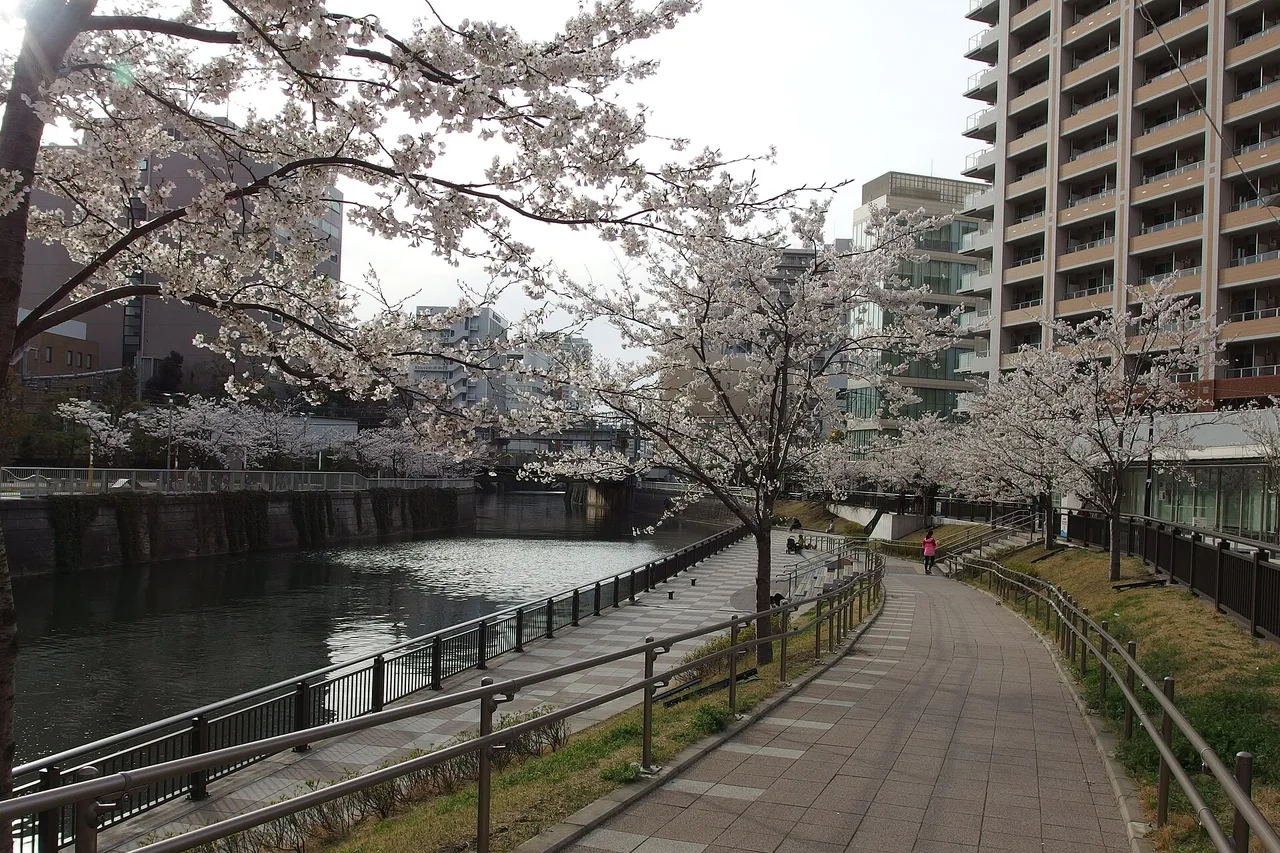
The bloom cannot be forecast to the day. In 2026 the Japan Meteorological Agency recorded first bloom in Tokyo on 19 March and full bloom on 28 March, three days earlier than average (nippon.com, Japan Times). The first forecast for 2026 only came out on 19 December 2025. If you book for 2027, you will not know the exact date, so you plan around the average: late March to early April.
One landmark: from 7 October 2026 to 28 March 2027 there are 172 days, about 24.6 weeks. How far ahead should you buy? The comparison sites do not agree. Kayak cites 21 weeks for Paris (about 8% below the average fare), 22 for London, 26 for Vienna (18% less than last-minute), 4 weeks for Frankfurt and Rome (20% and 32%; for Frankfurt, Kayak also cites 25 weeks for the lowest price), 6 for Milan (25%) and 3 for Madrid (7%). Swoodoo gives 44 days for Frankfurt–Tokyo, and a German guide says 6 to 9 months for the blossom.
The spread has a reason: Kayak’s percentages measure the advantage over a last-minute purchase, not the best moment. What they all say is that buying late costs more, and no data point promises that the fare will fall later. For a fixed date like the blossom, compare now, set a price alert and buy when the fare comes close to the averages for your departure city (table below). Twenty-one weeks before 28 March 2027 is 1 November 2026.
The day of departure matters too. On Kayak, leaving Paris on a Tuesday averages €1,026 and on a Saturday €1,151: a €125 gap. From Rome, Thursday averages €907 against €1,041 on Saturday; from Madrid, Tuesday €809 against €947; from Frankfurt, Thursday is also the cheapest. The easiest way to see this is to run the same search on several dates and set an alert: Aviasales offers, according to its home page, an app that notifies you of price drops.
What a flight to Japan costs, month by month
The table shows what Kayak displays on 6 October 2026 for seven departure cities. To place the ticket in the whole bill, see the two-week Japan budget.
| Departure city | Cheapest month (average return) | Most expensive months (average return) | Cheapest nonstop seen | Average nonstop duration |
|---|---|---|---|---|
| London | January £645 | July £1,138 · August £1,136 | £795 (ANA) | 13 h 49 min |
| Paris | January €842 | July €1,283 · August €1,281 | €849 (ANA) | 13 h 28 min |
| Frankfurt (to Japan) | November €876 | July €1,082 · March €1,069 | – | 13 h 1 min |
| Vienna | February €932 | March and December €1,235 | €884 (ANA) | 12 h 16 min |
| Rome | January €670 | August €1,114 · July €1,047 | €802 (ANA) | 12 h 19 min |
| Milan | November €651 | August €1,032 · December €915 | €787 (ITA Airways) | 12 h 59 min |
| Madrid | January €669 | August €997 · July €961 | €890 (JAL) | 14 h 8 min |
The sites do not agree on the cheapest month: Kayak names January for Paris, Rome, Madrid and London, November for Frankfurt and Milan, February for Vienna. They agree on two points. First, July and August are among the dearest months almost everywhere. Second, the blossom has a price: from Frankfurt, March (€1,069) is one of the two most expensive months, €193 or 22% above November; from Vienna, March (€1,235) ties with December, €303 or 33% above February.
Another site, bourse-des-vols.com (undated page, read on 6 October 2026), gives for Paris €1,164 in March and €1,370 in April, against €970 in November and €700 in September: April sits €400 above November. And an average is not your fare: Kayak gives a usual range of €818 to €1,343 for Paris.
Nonstop flights from Europe: who flies where, and for how long
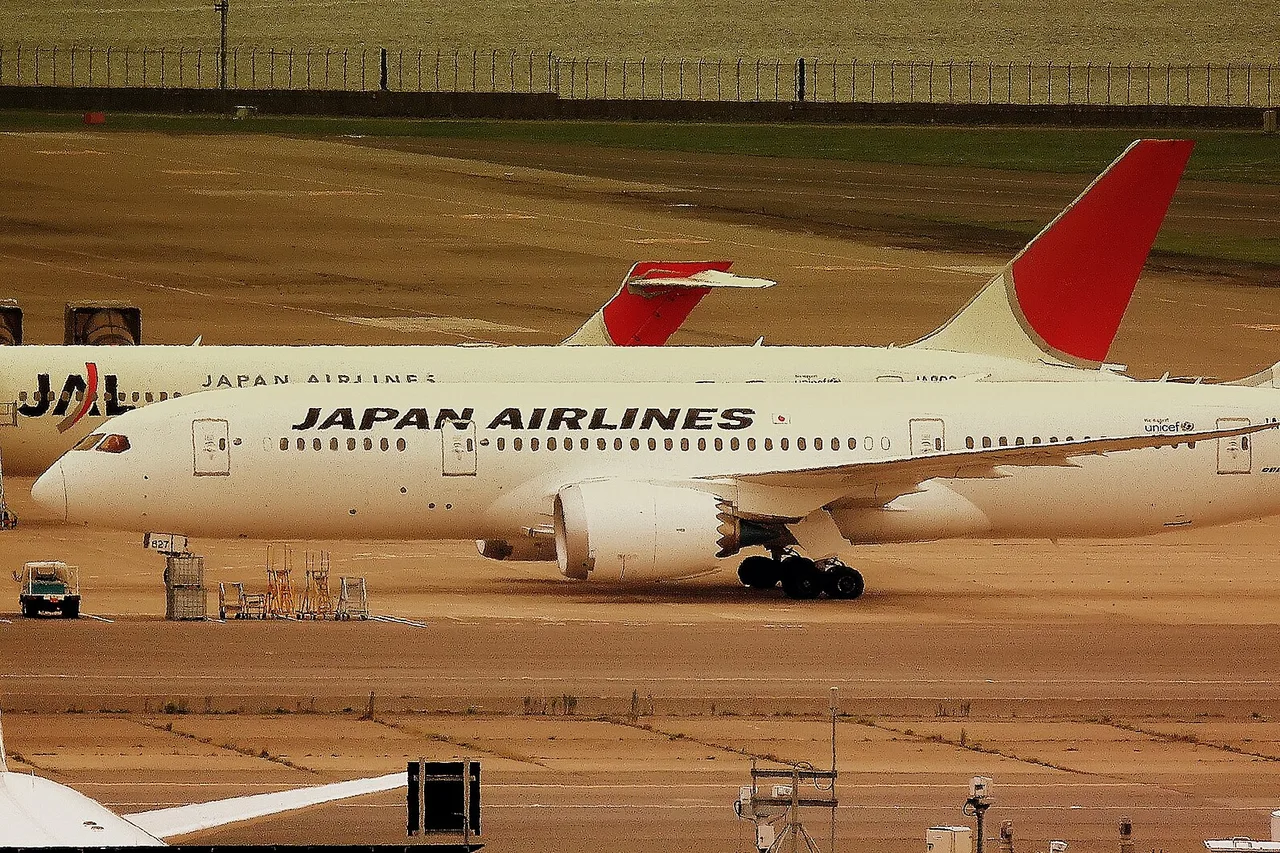
According to Wikipedia, at least fourteen European cities have a nonstop to Tokyo, most of them to Haneda; the list with airlines is in the table in the next section (Wikipedia’s tables, read on 6 October 2026, undated and liable to change). The airlines’ own pages could not be read, so we quote no frequency: a search on your date will show whether a nonstop exists.
The average duration, according to Kayak, runs from 12 h 16 min from Vienna to 14 h 8 min from Madrid; Frankfurt 13 h 1 min, Paris 13 h 28 min. Older figures are out of date: Finnair writes that flights to Japan can be two to four hours longer since Russian airspace closed, and that on the way back it almost always takes the polar route.
What does the nonstop cost on top? On Kayak, from Paris: €849 (ANA) against €759 for the cheapest ticket with a stop (Korean Air), so €90 more. From London, £795 against £568. For more than thirteen hours in the air, that is often money well spent; whether it is for you is your call.
Haneda or Narita?
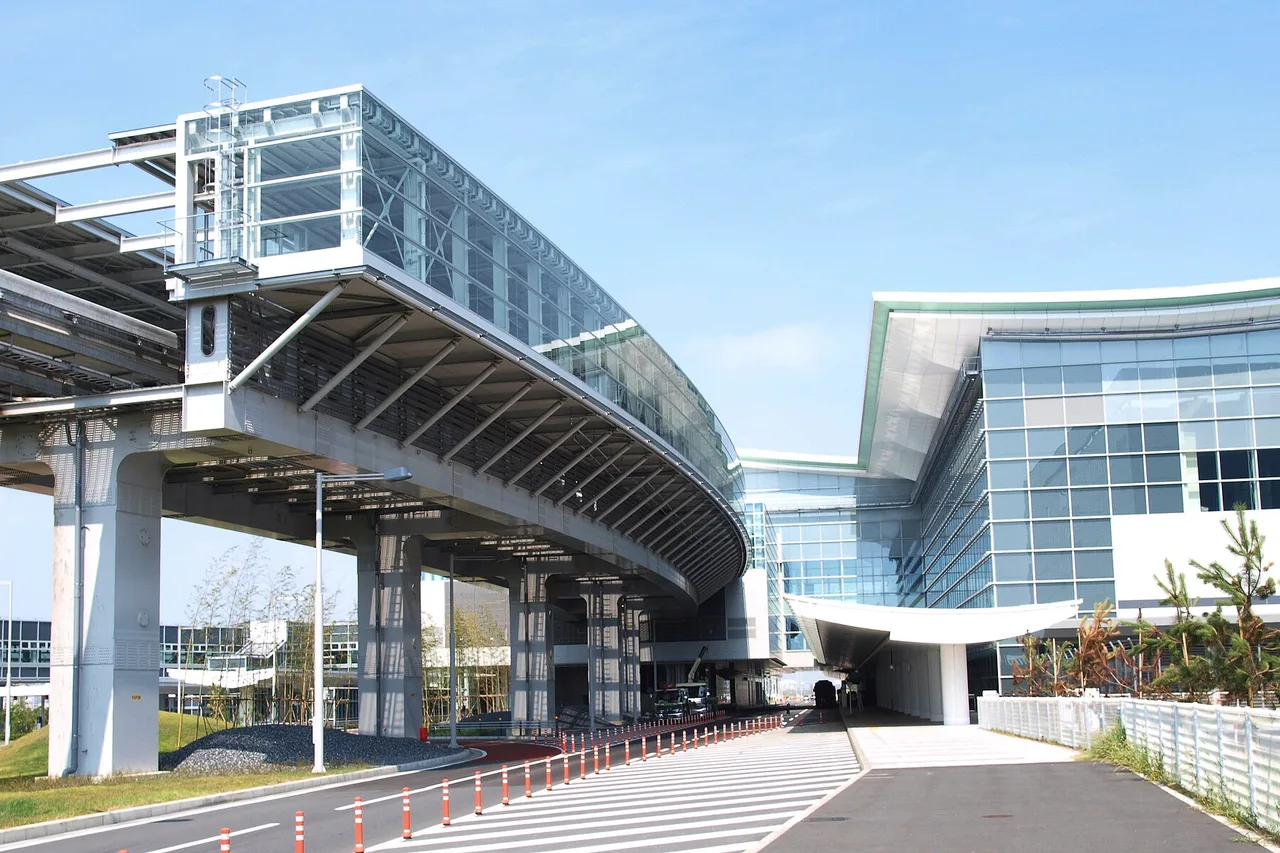
The rule: at a similar fare, pick Haneda. The airport is 15 km south of Tokyo Station; according to its website the train takes about 15 minutes to Shinagawa, 30 to Tokyo Station and 50 to Shinjuku. Tokyo Monorail quotes 13 minutes to Hamamatsucho.
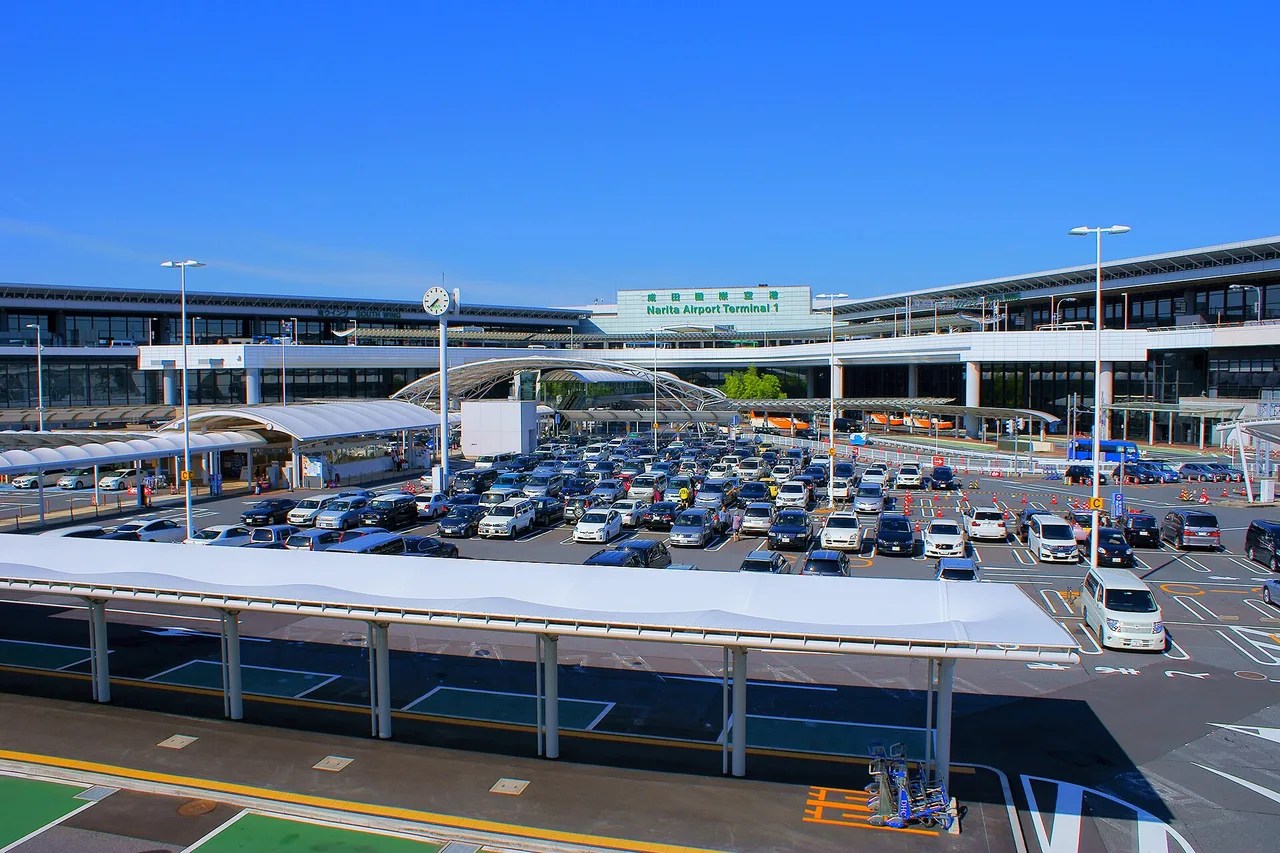
Narita is about 60 km to the east. The Skyliner takes as little as 36 minutes to Nippori and costs ¥2,580; the Narita Express costs ¥3,140 to Tokyo Station. By comparison, the Keikyu train from Haneda to Shinagawa costs ¥330. That is ¥2,250 more per person per trip, or ¥9,000 for two people return, not to mention the taxi (¥22,000 to ¥26,000 against ¥6,000 to ¥12,000). Narita therefore makes sense if the ticket is clearly cheaper, and if you will not land late at night: in principle there are no take-offs or landings from 11 p.m. to 6 a.m. (between 11 p.m. and midnight only for some delays not caused by the airline), while Haneda’s international area is open 24 hours.
Mind the code: on Kayak, as on Cathay Pacific’s page, “Tokyo” stands for both airports, HND and NRT. Check in the offer which one it is. For the next step, see our piece on Suica, the metro and trains.
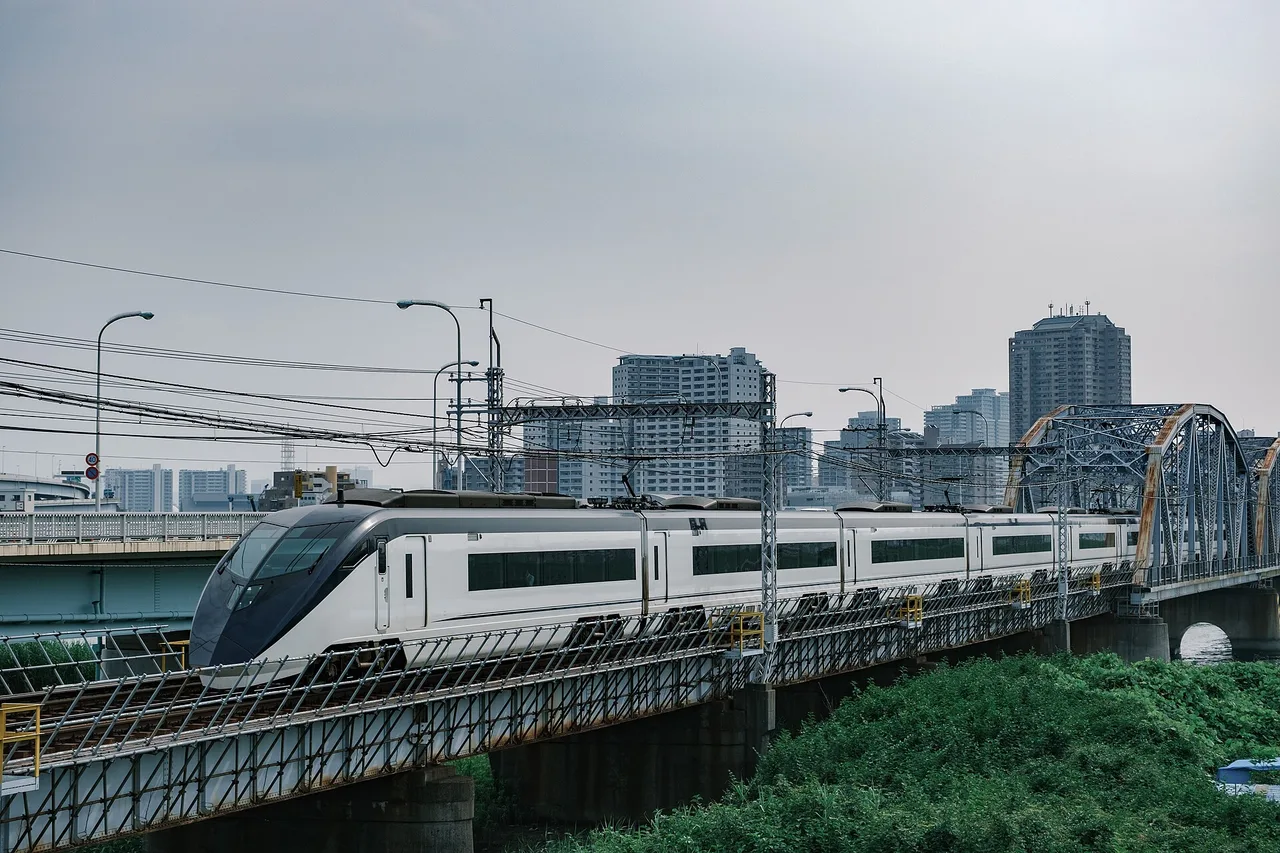
| Criterion | Haneda (HND) | Narita (NRT) | Kansai (KIX, Osaka) |
|---|---|---|---|
| Distance | 15 km south of Tokyo Station | about 60 km east of the centre | artificial island, 38 km south-west of Osaka Station |
| Train to the centre | Shinagawa about 15 min, Tokyo Station about 30 min, Shinjuku about 50 min | Skyliner: 36 to 41 min to Nippori or Ueno · N’EX: 53 to 90 min depending on the station | Haruka: Tennoji 34 min, Osaka 47 min, Kyoto 80 min · Rapi:t: 35 to 40 min to Namba |
| Train fare (one way) | ¥330 to ¥670 (Keikyu) · ¥520 (monorail to Hamamatsucho) | Skyliner ¥2,580 · N’EX ¥3,140 to Tokyo Station · Access Express ¥1,280 | Haruka visitor ticket: ¥1,300 Tennoji, ¥1,800 Shin-Osaka, ¥2,200 Kyoto · Rapi:t ¥1,520 (digital ticket) |
| Taxi to the centre | ¥6,000 to ¥12,000 | ¥22,000 to ¥26,000 | not recorded |
| Operating hours | international area open 24 hours | night curfew from 11 p.m. to 6 a.m. (exceptions between 11 p.m. and midnight for some delays) | open 24 hours since September 2007 |
| Nonstops from Europe (per Wikipedia) | Paris (Air France, ANA, JAL), Frankfurt and Munich (Lufthansa, ANA), London (British Airways, JAL), Helsinki (Finnair, JAL), Rome (ITA), Milan, Vienna and Stockholm (ANA), Copenhagen (SAS) | Amsterdam (KLM), Brussels (ANA), Frankfurt (JAL), Madrid (Iberia), Warsaw (LOT), Helsinki (Finnair), Vienna (Austrian, seasonal) | Paris (Air France), Amsterdam (KLM), Munich (Lufthansa), Helsinki (Finnair) |
Osaka and the open-jaw ticket
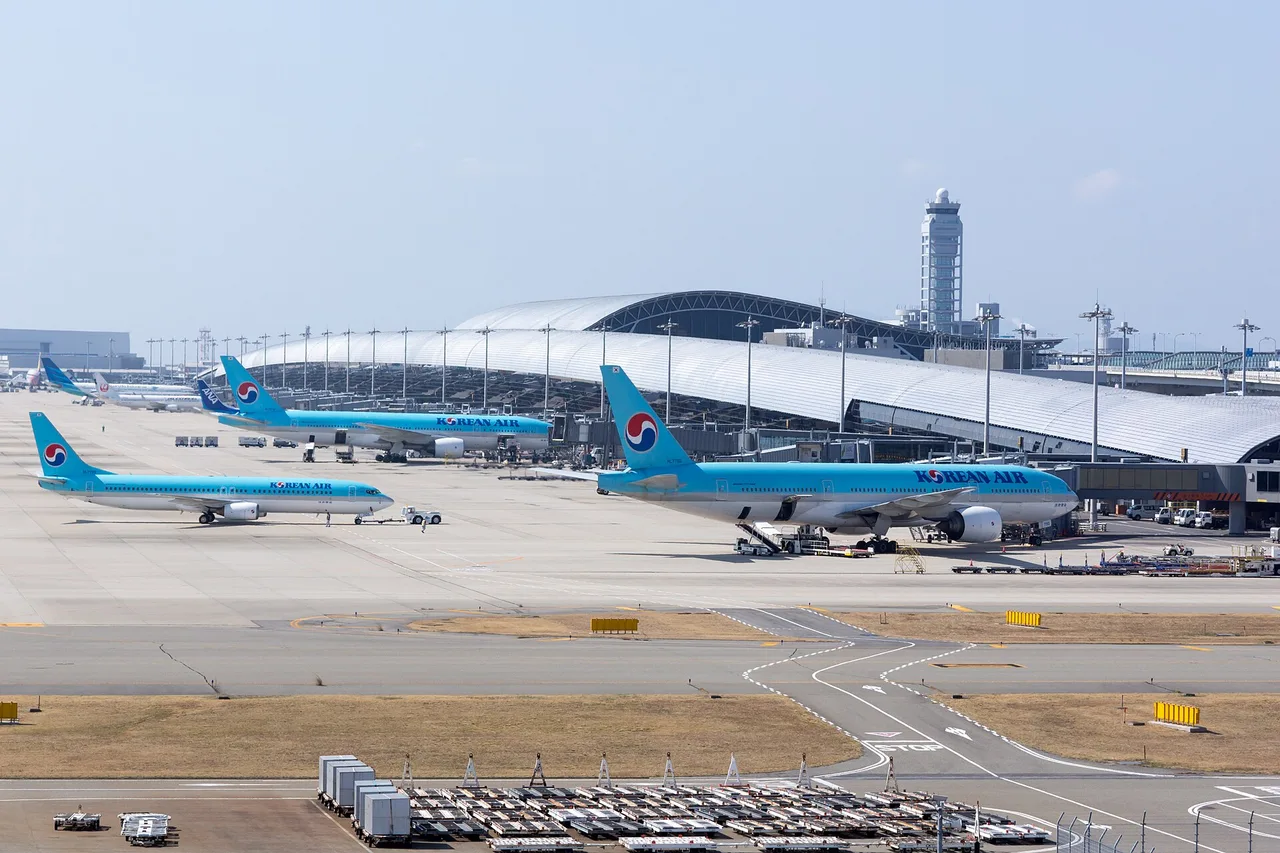
If you mostly visit Kyoto, Osaka and Nara, landing at Kansai beats Tokyo: the Haruka train takes 47 minutes to Osaka and 80 to Kyoto, with a visitor ticket at ¥2,200 to Kyoto and ¥1,800 to Shin-Osaka (JR-West, A Little Japan, 4 October 2026). Kansai stands on an artificial island and has run 24 hours a day since September 2007. According to Wikipedia, nonstops leave from Paris, Amsterdam, Munich and Helsinki; from Paris, Kayak showed only Air France, 12 h 50 min in the air, from €1,190 against €742 with a stop (Air China).
Full guide: Things to Do in Tokyo: Tickets to Book Ahead (2026)
The trick is the open-jaw ticket: fly into Tokyo and home from Osaka (or the reverse). You drop the return by bullet train: Tokyo–Shin-Osaka costs about ¥14,700 on a reserved Nozomi seat and takes 2 h 30 min at the fastest (Ekitan, 1 April 2026), per person. Few search engines offer it unprompted; you have to enter two different airports, which the multi-city search on Aviasales allows. For the route, see the two-week itinerary; to see whether a rail pass changes the sums, the piece on the JR Pass.
How to search, and what Aviasales is
Aviasales is a metasearch engine. Its home page says in essence: we do not sell tickets, we only help find the cheapest ones, and it is free. You compare offers with your filters, then book on the airline’s website or an agency’s. The page also mentions multi-city search and an app with price alerts (read on 6 October 2026). The results page is protected by an anti-robot check: we could not read it, so we do not describe the booking screen.
The method: enter “Tokyo”, then filter on HND or NRT (KIX for Osaka), test several departure days – especially Tuesday to Thursday –, read the checked-baggage line in every offer and note the seller: airline or agency?
The traps, and how to avoid them
The fare without a suitcase. The lowest price is often a basic fare. According to guides (updated July to September 2026, to be checked on the fare page), Air France’s Basic and Light fares and Lufthansa’s Economy Light include no checked bag; the Standard fare gives 1 × 23 kg. JAL lists 2 × 23 kg in economy on international flights.
Separate tickets. EU air passenger rights apply to flights departing the EU on any airline: €600 beyond 3,500 km if the flight is cancelled or you arrive four hours late or more, barring extraordinary circumstances. For a connection, that holds only if everything is on a single reservation. Two separate tickets are not protected: a missed connection stays your risk. These are EU rules; the UK and Switzerland have their own, which we did not check.
The seller. On Trustpilot, Aviasales stood on 6 October 2026 at 2.4 out of 5 from only 10 reviews, 80% of them one star; the latest dates from 2 October and the profile is not claimed by the company. The complaints concern late refunds, support that answers with stock replies and passes responsibility to the agencies, and disputes with the agencies that sell the ticket. Reviewers do praise the clean layout and the speed of the search, and one five-star review credits support with stepping in. The complaints are a warning sign, but also a pointer: whoever sells the ticket is your contract partner. Check them before you pay.
The tax. The departure tax has been ¥3,000 since 1 July 2026, against ¥1,000 before; airlines add it to the ticket price. Do not count it twice.
Entry. For citizens of France, Germany, Italy, Spain, Switzerland, Austria, Belgium, the UK, Ireland, the Netherlands and most EU states, Wikipedia lists 90 days without a visa. The JESTA electronic authorisation is announced for fiscal 2028 (April 2028 to March 2029); a 2027 trip is not covered on that schedule. Check again just before you leave.
Before you pay: the checks
- Is the airport (HND, NRT or KIX) the right one on the way out and back, and does the arrival time let you reach the hotel?
- Is checked baggage included, and for how many kilos?
- Who is the seller? At the same price, the airline is the simpler choice.
- Are all legs on a single reservation (one booking number)?
- Does the name match the passport?
- What are the change and cancellation conditions?
- Are all taxes in the final price, including the ¥3,000 departure tax?
With those seven points checked, the rest is routine. Once you know the date, the airport and the seller, the comparison can be repeated in minutes on the Aviasales comparison as soon as your price alert fires.