Almost every two-week Japan itinerary lists the same cities. What actually shapes a first trip are three pieces of arithmetic those guides never do — and the first one saves ¥34,000.
The route: fourteen days, four hotel changes
A first trip to Japan rarely fails through lack of ambition. It fails through excess: seven cities, ten trains, a suitcase dragged out every second morning, and the nagging feeling of having seen everything and looked at nothing. The route below does the opposite. It sets up four bases and barely moves.
| Days | Base | What it buys you |
|---|---|---|
| D1–D6 | Tokyo — 5 nights | Four full days once the jet lag has passed |
| D6–D7 | Hakone — 1 night | Onsen, Lake Ashi, and Fuji if the sky allows |
| D7–D12 | Kyoto — 5 nights | Three full days plus a day trip to Nara |
| D12–D13 | Hiroshima — 1 night | Peace Memorial and Miyajima |
| D13–D14 | Osaka — 1 night | Dinner, then home from Kansai airport |
One remark that is worth money before you book anything: fly into Tokyo and out of Kansai. That open-jaw ticket — a different airport on the way back — removes the Hiroshima → Tokyo return outright, ¥19,760 per person and half a day on a train. Few search engines suggest it on their own; you have to ask for it by entering two destination airports, which multi-city flight search tools allow. When the fare difference exists at all, it is far smaller than the journey you have just deleted.
Full guide: Things to Do in Tokyo: Tickets to Book Ahead (2026)
🔴 The JR Pass on this route: the sum has been done, and it says no
Buying the pass is the number-one reflex of a first trip, and it is almost always a miscalculation. The Japan Rail Pass currently costs ¥50,000 for 7 days, ¥80,000 for 14 days and ¥100,000 for 21 days. Against that, here is what the long legs of the route above actually cost in reserved seats.
| Journey | Ticket price |
|---|---|
| Tokyo → Kyoto (Nozomi, 2 h 15) | ≈ ¥14,170 |
| Kyoto → Hiroshima (1 h 40–1 h 50) | ¥10,770 unreserved, ≈ ¥12,000 reserved |
| Hiroshima → Tokyo (Nozomi) | ¥19,760 |
| Total, tickets bought singly | ≈ ¥45,900 |
| 14-day JR Pass | ¥80,000 |
The gap is over ¥34,000 per person. In the pass’s favour you should add the Yamanote line in Tokyo, the airport links and the Kyoto–Nara train: a few thousand yen, not thirty-four thousand. The 7-day pass at ¥50,000 does not rescue it either, since those same ¥45,900 of travel fit inside a single week.
You also need to know what the pass does not do: it does not cover Nozomi or Mizuho services, the fastest trains, without a separate paid supplement. Pass holders therefore take Hikari trains — 2 h 40 from Tokyo to Kyoto instead of 2 h 15. Twenty-five extra minutes, on every leg.
The pass wins again the moment you leave this triangle: add Tōhoku, Kanazawa or Kyūshū to the same trip and the arithmetic flips within a day. On a classic first visit, it does not. Two local passes almost always do, though: the Hakone Free Pass, which bundles the train, funicular, ropeway and Lake Ashi boat into one card, and the Kansai regional passes. Both can be bought ahead on Japan ticketing platforms, which spares you a ticket-window queue on the morning you leave.
One last calendar point, and it matters if you travel late in the year: the JR Pass goes up on 1 October 2026, to ¥53,000 for 7 days, ¥84,000 for 14 and ¥105,000 for 21. The exchange order is bought before arrival and converted at a station within three months, so buying ahead of the rise for a later trip remains possible within that limit.
Three prices changed in 2026 — and two are already in force
Japan received 42.68 million foreign visitors in 2025, an all-time record. The political answer took the form of taxes, and a budget built on a 2024 guidebook is now wrong on three lines.
The departure tax tripled on 1 July 2026: ¥3,000 instead of ¥1,000. It is included in the price of the air or ferry ticket, applies to every passenger regardless of nationality or class, and is therefore paid without ever being seen.
Kyoto’s lodging tax rose on 1 March 2026 and is now the highest in the country. It is charged per person per night: ¥200 for a room under ¥6,000, ¥400 up to ¥19,999, ¥1,000 up to ¥49,999, ¥4,000 up to ¥99,999, and ¥10,000 above ¥100,000. For an ordinary traveller the real effect is ¥400 a night — ¥2,000 across five nights, or ¥4,000 for two people. For a luxury stay, the bill changes in kind.
The third change, the JR Pass increase on 1 October, only concerns you if you buy the pass — and the previous section explains why, on this route, you probably will not.
Tokyo, five nights: the city you do not move around in
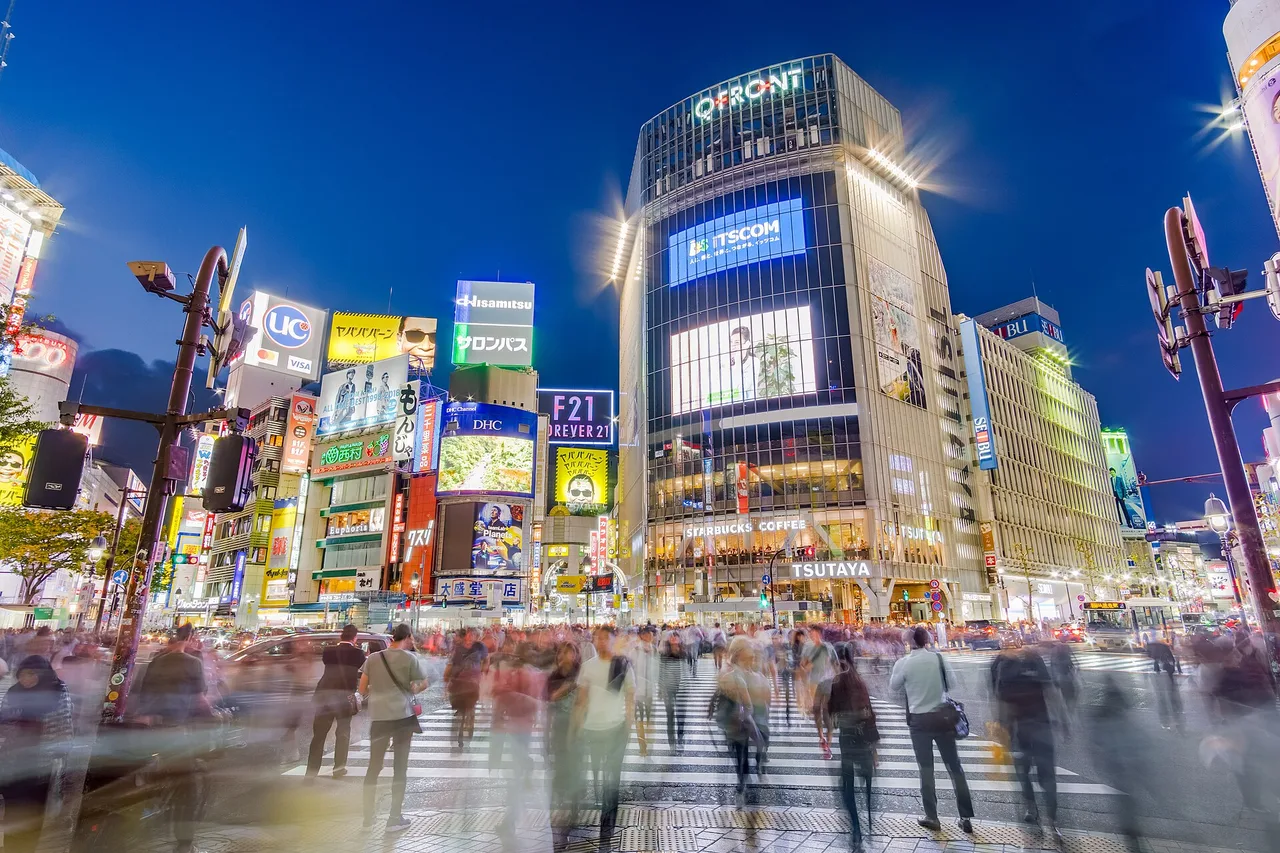
Five nights in Tokyo looks like a lot on a fourteen-day plan. It is not. The first day barely counts: a long-haul flight, seven or eight hours of time difference, and a capacity for wonder that hits zero around 3 p.m. That leaves four full days, and Tokyo is not a city so much as a collection of districts with almost nothing in common.
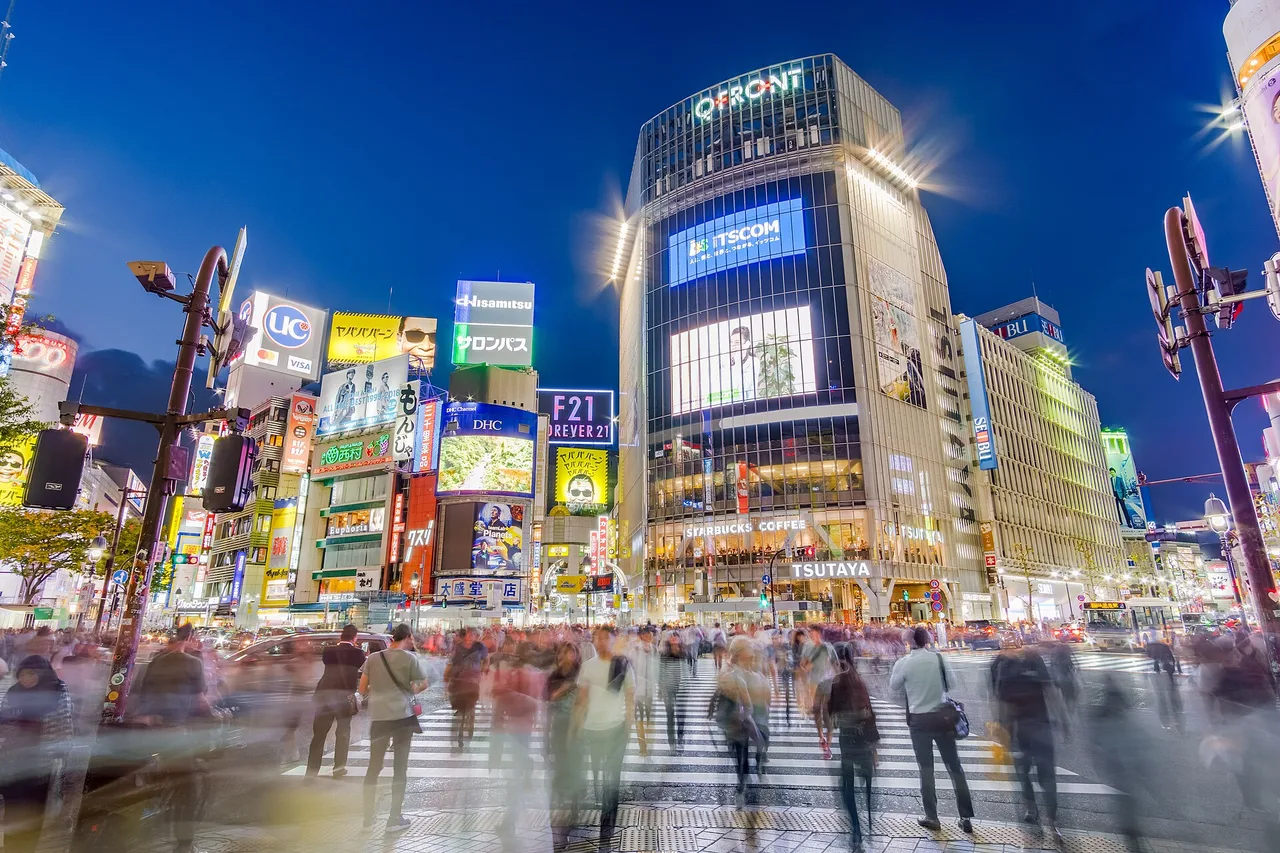
The split that works on a first visit: one day east, around Asakusa and the Yanaka backstreets, for the older Japan; one day west, Shibuya and Shinjuku, for the newer one; one themed day — a museum, the imperial gardens, sumo or the Toyosu market depending on the season; and one day out of Tokyo, to Kamakura or Nikkō, if the urge to move returns.
The genuinely useful advice lies elsewhere: choose your hotel by train line, not by neighbourhood. Sleeping within ten minutes’ walk of a Yamanote line station — the loop serving Tokyo, Shinjuku, Shibuya, Ueno and Ikebukuro — beats a bigger room twenty minutes from a secondary metro. Over five nights, the difference is measured in hours.
Hakone: one night, and a condition nobody controls
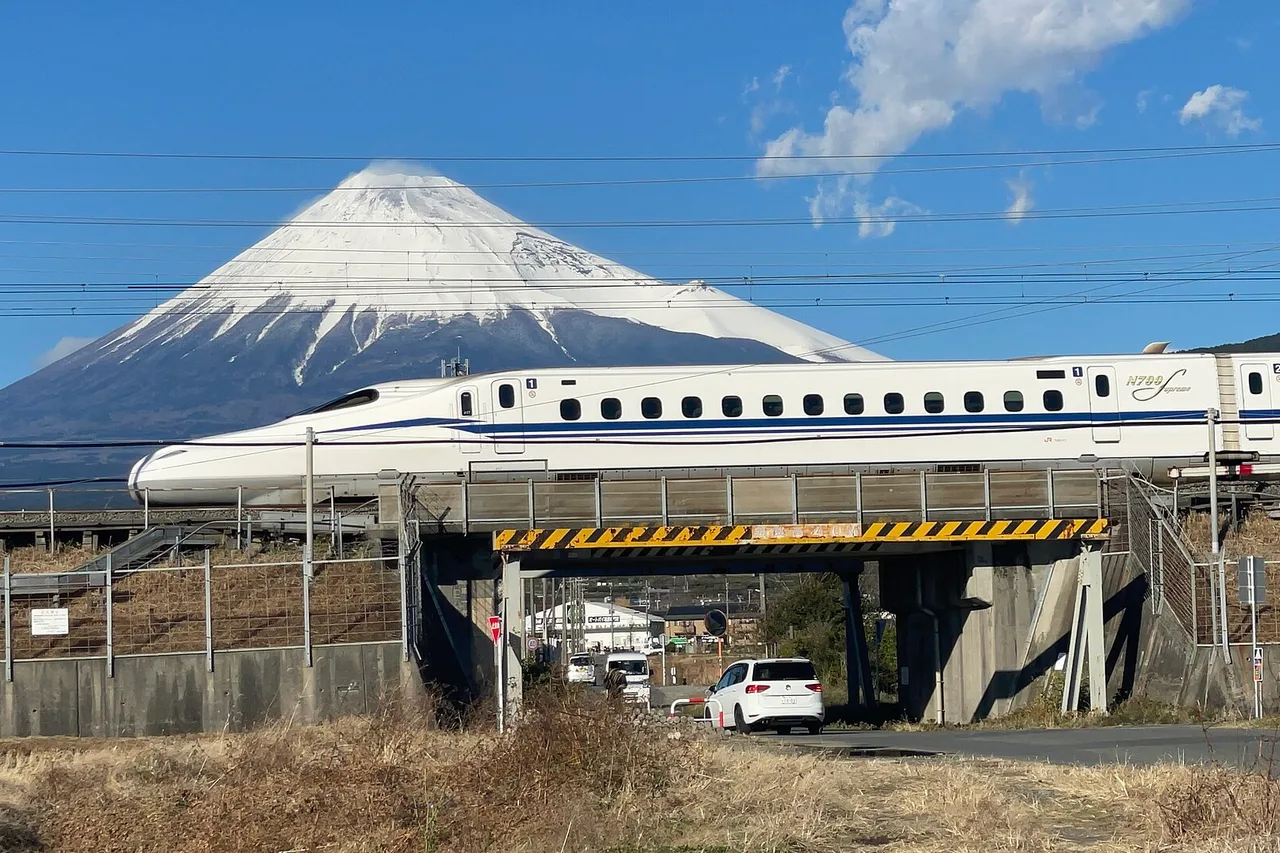
Hakone is where the route breathes. One night in a ryokan with a thermal bath, a lake, a ropeway over a volcanic valley and — if the sky agrees — Mount Fuji. That last reservation is not editorial coyness: Fuji hides for most of the year, and shows itself more readily from November to February, early in the morning, when the air is dry and cold.
So plan Hakone for what it delivers reliably — the bath, the forest, the pace — and treat Fuji as a bonus. Travellers who build the stop around the mountain leave disappointed about half the time; those who come for everything else never do.
One night is enough if you arrive early. Two are a pleasant luxury if you would rather slow down — but they come out of Kyoto, never out of Tokyo.
Kyoto, five nights — and the hour that changes everything
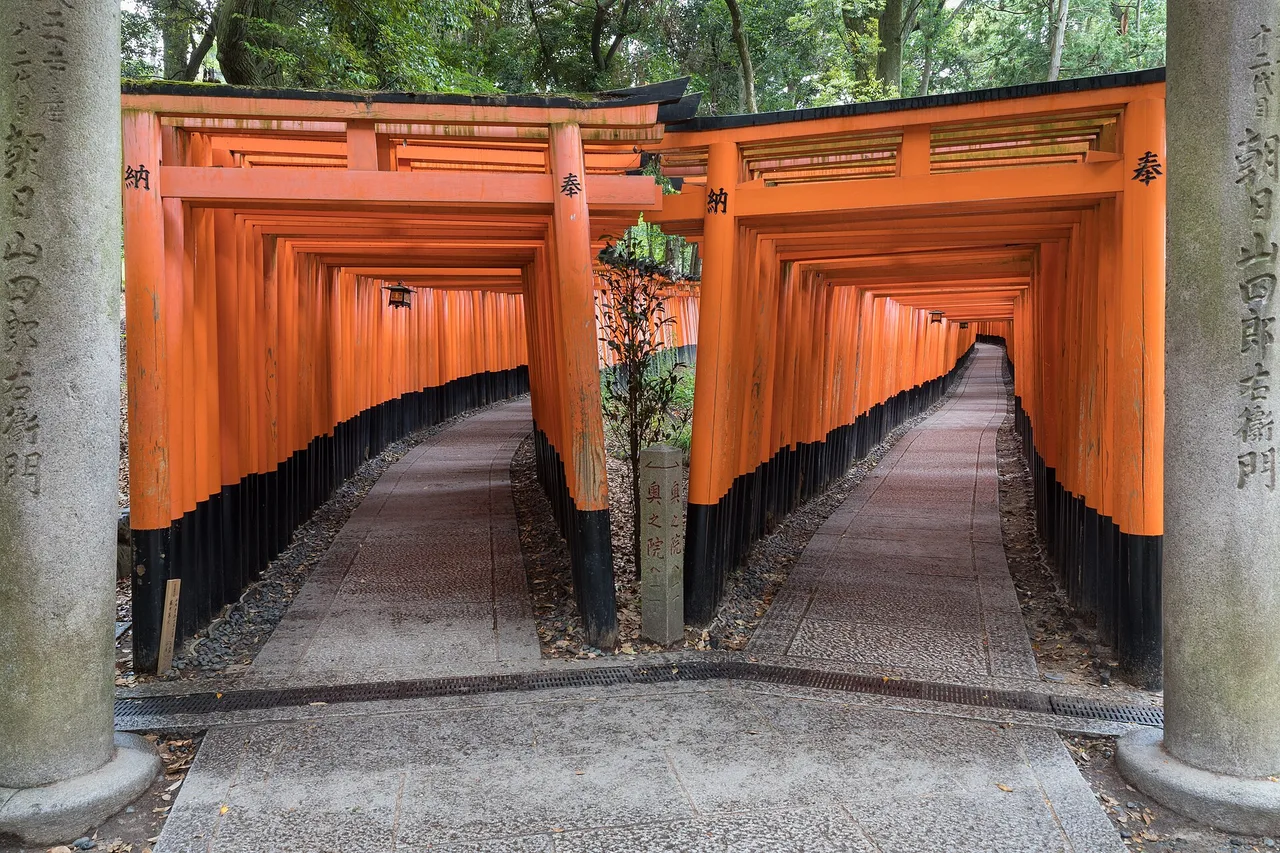
Kyoto is where the picture in your head and the reality in front of you diverge most. The torii corridors of Fushimi Inari, the Arashiyama bamboo, the Kiyomizu-dera terrace: at eleven in the morning these are queues. At seven, they are exactly the images in the guidebooks. Kyoto’s tourism problem is a timetable problem before it is a crowd problem.
In practice: one major site before 8 a.m., a late lunch, a quiet district in the afternoon, dinner early. Fushimi Inari is open around the clock and free of charge — the one great site you can visit at dawn without negotiating anything. The north-west, around Daitoku-ji, stays calm even in high season.
One point of etiquette that has become a point of law: in Gion, entering the signposted private lanes or photographing a geiko or maiko risks a fine of up to ¥10,000. The rule was set by the neighbourhood council after years of tourists chasing and cornering them for pictures. The main streets remain entirely open.
Five nights in Kyoto give you three full days in the city and a whole day in Nara without changing hotel. That is the best ratio there is between what you see and what you carry.
Nara for a day, Osaka for the table
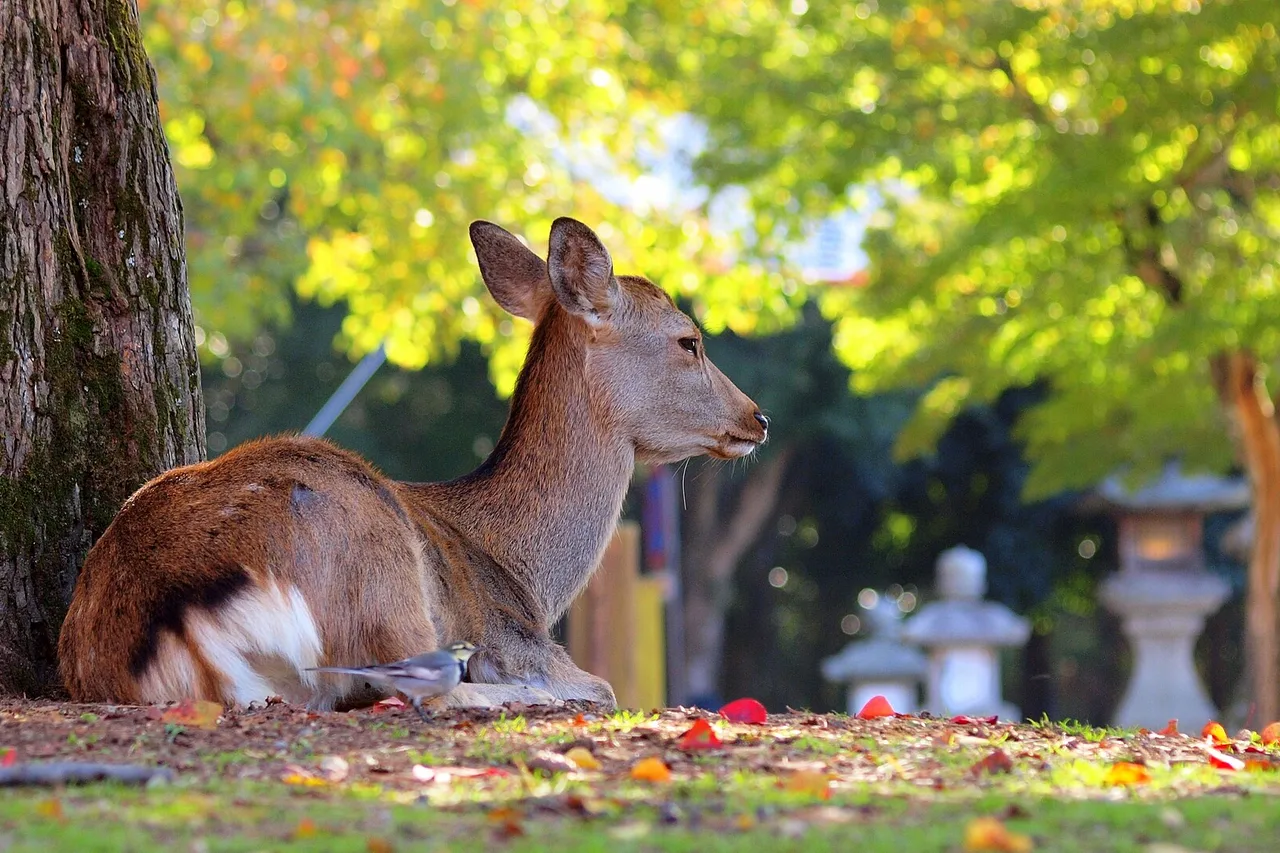
Nara is a day trip from Kyoto, and a full one: Tōdai-ji and its bronze Buddha, the Kasuga-taisha shrine with its thousands of lanterns, and a park where the deer are wild and belong to nobody. That last point deserves saying plainly: these are protected wild animals, not park animals. They approach, they demand, and they shove — children especially, and anyone holding food. Buy the wafers sold on site, hand them over quickly, and keep your hands empty afterwards.
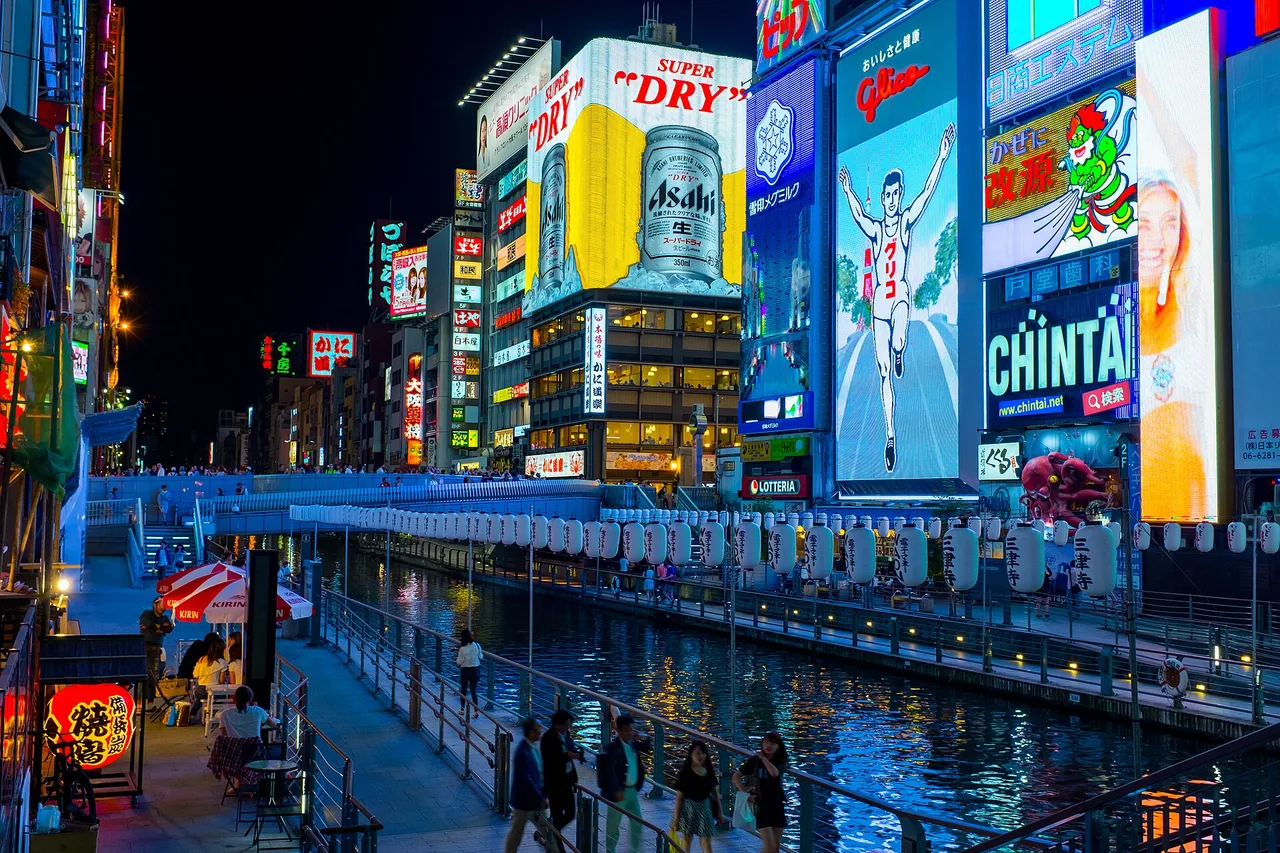
Osaka, fifteen minutes from Kyoto by Shinkansen and about thirty by rapid train, plays a different part. You do not really sightsee there: you eat. Takoyaki, okonomiyaki, kushikatsu, and a nightlife around Dōtonbori that resembles nowhere else in Japan. One night before the flight home from Kansai airport is perfectly enough — and if you want to eat there twice, do it from Kyoto: the trip is shorter than crossing Tokyo.
Hiroshima and Miyajima: check the tide before the timetable
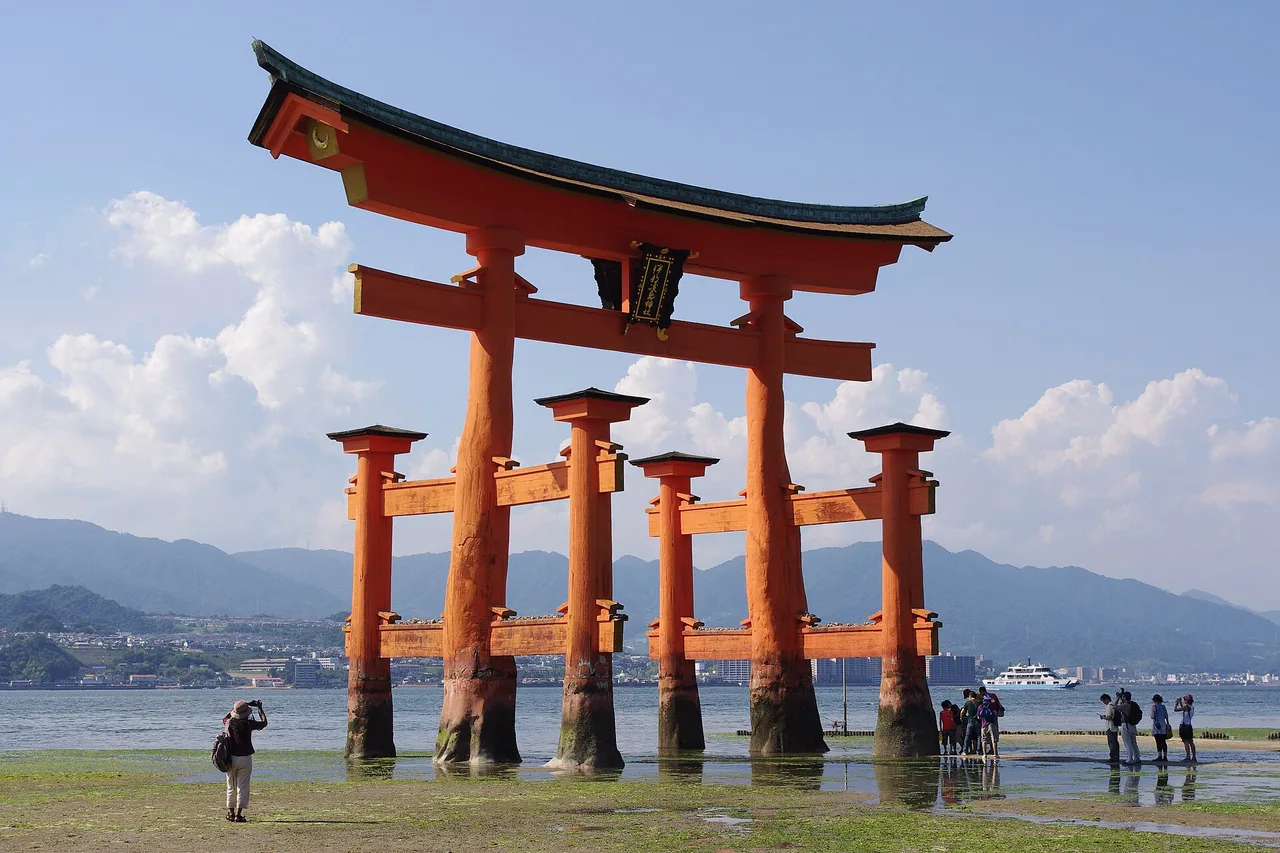
Hiroshima justifies the detour west on its own. The Peace Memorial and its museum have a restraint that makes commentary pointless; allow half a day, and do not schedule it right before a train.
The afternoon belongs to Miyajima and its great torii standing in the sea. And here one detail decides both your photograph and your visit: the torii only floats at high tide. At low tide you walk out to its base across the sand — another sight altogether, just as striking, but not the one on the postcards. Tide tables are published for every day; consult them before choosing your train, not after.
A night in Hiroshima lets you see the island late in the day, once the groups have gone, and head for Osaka the next morning without rushing.
🔴 Your suitcase decides your itinerary
This is the most underestimated constraint of travel in Japan, and it shows up at the worst possible moment: on a platform, three minutes before departure. On the Tōkaidō, Sanyō, Kyūshū and Nishi-Kyūshū Shinkansen, any case whose length, width and height add up to more than 160 cm — wheels and handle included — requires an oversized-baggage seat reservation. That reservation is free, but it has to be made with the ticket. Without it: ¥1,000, and the crew decides where the bag goes.
The workaround is Japanese and remarkably effective: takkyubin. You hand the case to the hotel reception in the morning and it reaches the next hotel by 6 p.m. the following day. The July 2026 table gives ¥2,190 for a size-140 case within Kantō, ¥2,310 from Kantō to Kansai, and ¥2,510 to ¥2,630 for size 160 — ¥1,600 to ¥3,700 depending on bag and distance. You then travel with an overnight bag, which changes everything on a train, in a metro and in a Japanese hotel room, which is often small.
That leaves the midday gap: the case has gone, the next room is not ready, and you have four hours and a day bag. Station lockers exist everywhere but are taken before 9 a.m. in the big cities; bookable luggage storage solves it for a few euros and, more to the point, guarantees a space — which a locker never does.
Entering, paying, staying connected
At the border, nothing is new in 2026: a valid passport and the 90-day visa exemption for nationals of the countries concerned. The much-discussed JESTA is not in force — the law creating it passed on 29 May 2026, but implementation is targeted for fiscal 2028 and no later than 31 March 2029. What is useful right now is Visit Japan Web: immigration and customs declarations completed before the flight, two QR codes to show, and a noticeably shorter queue on arrival.
To pay, a rechargeable IC card is essential: it opens the gates on metros, buses and local trains, and works in convenience stores too. Good news: sales of unregistered Suica and PASMO cards resumed on 1 March 2025, after two years of chip shortage. The tourist versions remain a practical option: Welcome Suica requires no deposit, loads from ¥1,000 to ¥10,000, and is valid for 28 days from issue — not from first use — with no refund of the balance. A Tourist PASMO has existed since 20 May 2026 on the same terms. Still carry cash: small restaurants, temples and markets often take nothing else.
To stay connected, remember that Japan sits outside the European Union and outside the EEA: your home plan covers nothing there, and old-style roaming is expensive. An eSIM activated before departure is the simplest answer if your phone supports it — you land already connected, which matters when a navigation app is your main means of transport. Rented pocket Wi-Fi units keep an edge for groups sharing one device.
Full guide: Japan eSIM: networks, prices and traps before you buy
When to go, and what each season really costs
The most comfortable window for a first trip is mid-November to early December. The maples peak in Kyoto around mid-November, the air is dry, the days stay bright, and the safest stretch runs from 18 November into early December.
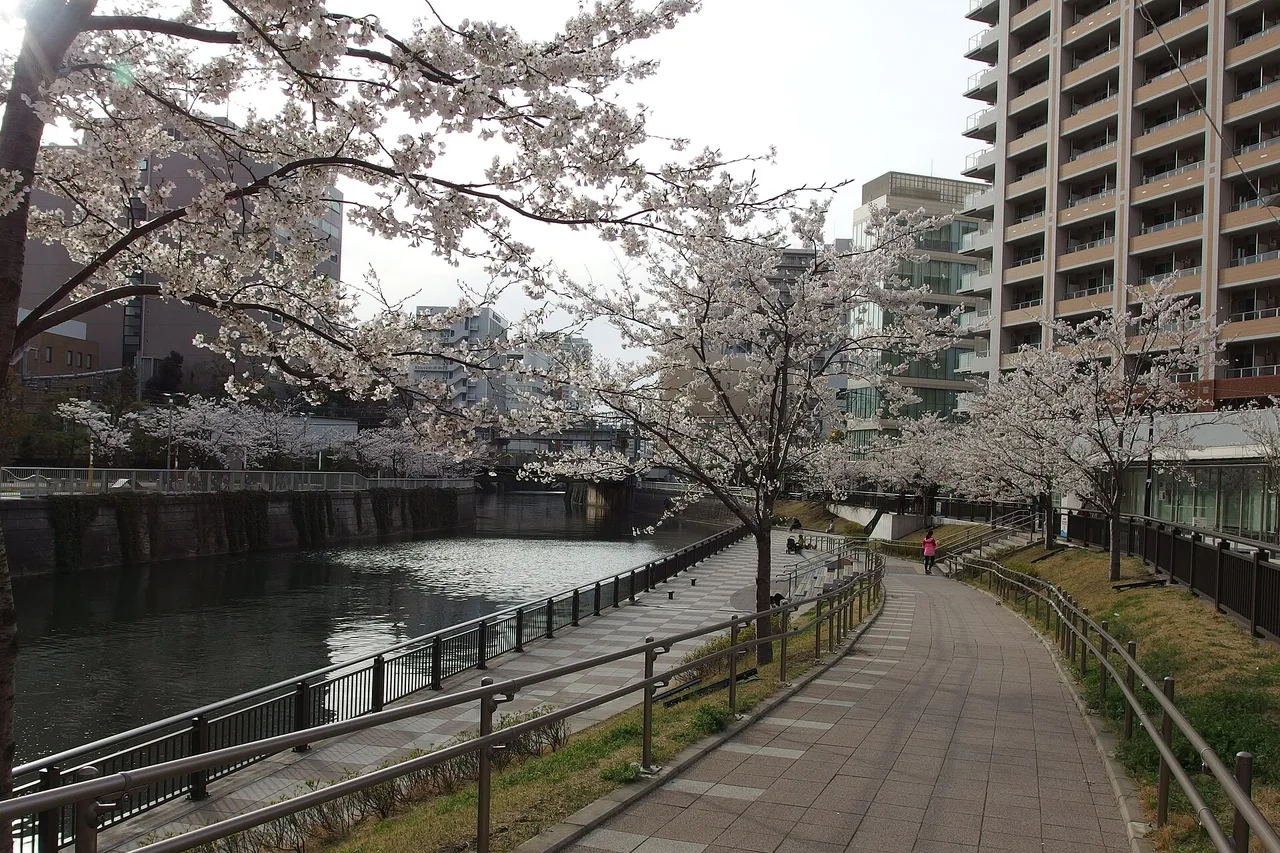
The cherry blossoms, late March and early April in Tokyo, are the other great appointment — with crowds that are part of the show for some and ruin it for others, and accommodation priced to match. Blossom cannot be booked: it shifts by several days from one year to the next.
The period to avoid above all on a first visit is the rainy season, tsuyu: in Tokyo, Kyoto and Osaka it sets in around 6 or 7 June and lifts around 19 July. It is not continuous rain, but several weeks of heavy air, low cloud and frequent showers — the worst possible frame for a trip that happens mostly outdoors. July and August, once the rain has gone, bring a heat and humidity that many European visitors seriously underestimate.
A final word, true in every season: this route works because it agrees not to see everything. Japan is not exhausted in two weeks, and the best memory of a first trip is almost always an hour nobody planned.
Top-rated activities in Japan, bookable online: